


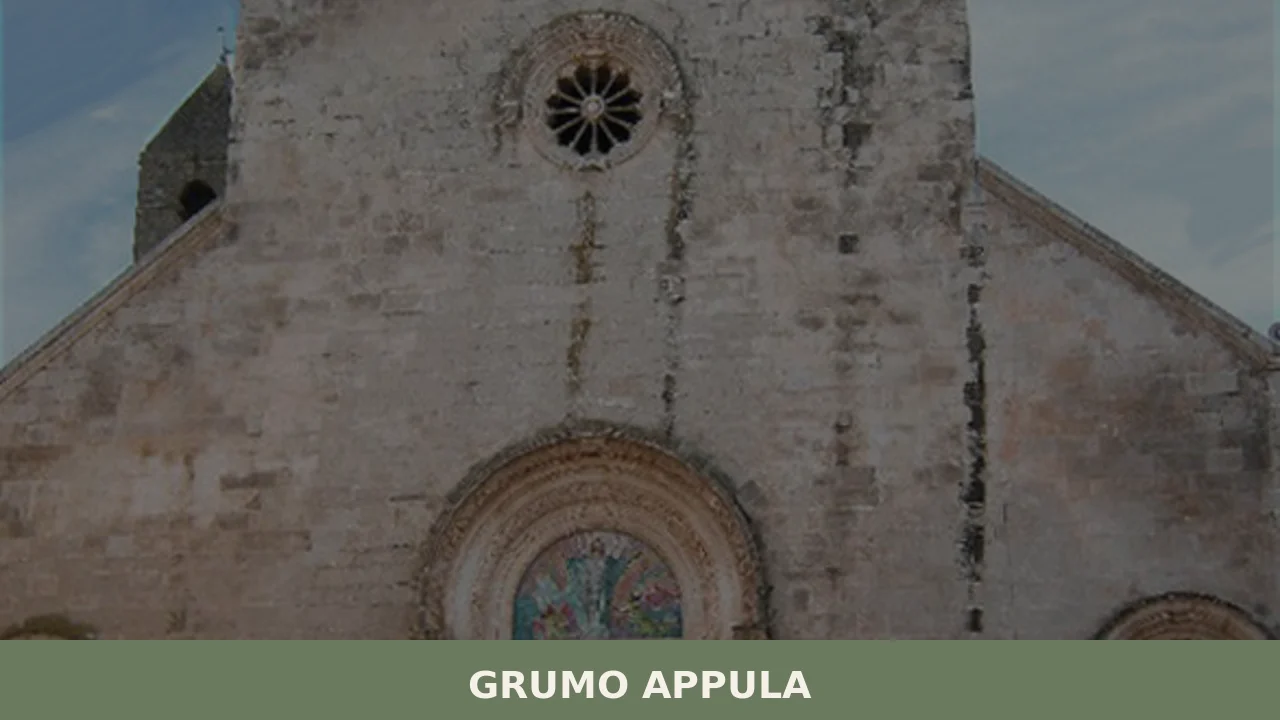
Grumo Appula
 Plains
What to see in Grumo Appula, Italy: Discover its 181 m altitude and explore ancient history, the Lagopetto pine forest, and local IGP products. Read our guide.
Discover Grumo Appula
The fertile plains surrounding Grumo Appula stretch inland from the Adriatic coast, a landscape shaped by centuries of agriculture and ancient routes. This area, known as Pianura, features distinct climatic and morphological characteristics that have long supported the cultivation of olive groves and vineyards. The town’s historical roots run deep, tracing back to its origins as an Apulian center in pre-Roman times.
For those wondering what to see in Grumo Appula, this town of 12,141 inhabitants in Puglia offers a blend of historical depth and natural beauty.
Visitors can explore a significant portion of the Alta Murgia National Park, including the Lagopetto municipal pine forest, and discover local gastronomic treasures. The Grumo Appula highlights include ancient sites, symbolic civic elements, and a vibrant calendar of traditional festivals throughout the year.
History of Grumo Appula
The origins of Grumo Appula’s name are subject to various interpretations, reflecting its ancient and diverse influences. Some scholars trace the first element, “Grumo,” back to the Greek term drùmon, while others suggest a connection to the Latin grumum, or even a Messapian term carrying a similar meaning. The second part of the name, “Appula,” was officially added in 1863 to clearly distinguish the municipality from Grumo Nevano, explicitly referencing the historical region of Apulia.
Grumo Appula originated as an Apulian center during pre-Roman times, a period attested by the discovery of Italic tombs and Greek and Roman coins within its territory.
The Roman naturalist Pliny the Elder likely referred to the inhabitants of Grumo in his *Naturalis Historia* (105, III), where he listed the “Grumbestini” alongside other peoples of ancient Calabria, which encompassed present-day Puglia. Following the collapse of the Western Roman Empire, the town became part of the Ostrogothic Kingdom before briefly returning to Byzantine control during Justinian’s 6th-century efforts to restore the Roman Empire.
The town largely bypassed significant Lombard rule, eventually falling under Norman domination, a period that integrated the village into the larger fief of Conversano. Around the mid-13th century, ownership passed to Goffredo di Montefusco, marking a new phase in its feudal history. Further changes saw the fief sold in 1410 by Ladislaus of Durazzo to Pietro Busio de Senis, and by the 16th century, under Philip IV of Spain, it was part of the Kingdom of Naples.
The fief later passed through the Della Tolfa and Guevara families, then sold in 1631 to the Spanish Marquis Antonio Castellar for 56,000 ducats, before finally becoming the possession of the Caracciolo family in 1715. Grumo Appula was declared a royal city in 1800, and later received the honorary title of “City” by presidential decree in 2005, followed by the distinction of “Garibaldian City” in 2011.
What to see in Grumo Appula, Puglia: top attractions
Alta Murgia National Park
The encompasses a significant portion of Grumo Appula’s territory, extending for approximately 81 km² (31 sq mi). This protected area is characterized by its unique geomorphology, featuring vast karst plains, ancient canyons, and diverse flora and fauna. The park’s climatic conditions and varied terrain support the extensive cultivation of both olive groves and vineyards, which are integral to the local economy and landscape. Visitors can explore designated trails, observing the distinctive dry stone walls and traditional sheep tracks that crisscross the area.
Lagopetto Municipal Pine Forest
Within the expansive Alta Murgia National Park, the Lagopetto municipal pine forest offers a specific natural attraction for those exploring what to see in Grumo Appula.
This managed forest provides a tranquil setting for walking and enjoying the regional biodiversity. Characterized by its dense canopy of pine trees, the forest offers a refreshing contrast to the open plains and agricultural lands. It serves as an accessible natural retreat, allowing visitors to experience the park’s environment firsthand. The forest contributes significantly to the local ecosystem, providing habitat for various species and a cooler microclimate.
Historic Town Center
The historic town center of Grumo Appula reveals layers of history, dating back to its origins as a pre-Roman Apulian settlement. Evidences such as Italic tombs and Greek and Roman coins found in the surrounding territory underscore its ancient past. At the heart of the town lies Piazza Cardinale Colasuonno, named after Francesco Colasuonno (1925–2003), a cardinal and Vatican diplomat from Grumo Appula. The Mother Church, located on Corso Umberto, stands as a central architectural and spiritual landmark, hosting significant religious rites and processions throughout the year. The town’s layout reflects centuries of development, from feudal strongholds to its designation as a royal city in 1800.
Grumo Appula’s Coat of Arms and Banner
The civic symbols of Grumo Appula, its coat of arms and banner, offer a visual narrative of the town’s identity.
The Samnite-style shield, officially recognized by decree in 1935 and granted by presidential decree in 1999, features an oak tree in its left section. The right section displays three crescents—one on a red field and two on a blue field—whose interpretation remains uncertain, though they have appeared on military insignias since ancient Roman times. The shield is surmounted by a City crown, adorned with golden ornaments, and framed by an oak and an olive branch tied with a tricolor ribbon. The town’s banner is a vertically divided drape in white, red, and blue, reflecting the elements of its heraldry.
Rural Landscapes of Olive Groves and Vineyards
The rural landscapes surrounding Grumo Appula are a testament to the town’s agricultural heritage and a key element of what to see in Grumo Appula. Situated at an altitude of 181 m (594 ft) above sea level, the area benefits from climatic and morphological characteristics that are ideal for specific cultivations. Vast expanses of olive groves, producing highly prized olive oil, and vineyards, yielding grapes for local winemaking, define the countryside. These agricultural lands not only shape the local economy but also offer scenic routes for visitors, especially during spring and autumn when the landscape transitions with vibrant colors.
The traditional methods of cultivation passed down through generations are evident across these fields.
Local food and typical products of Grumo Appula
The gastronomic tradition of Grumo Appula is deeply rooted in its agricultural landscape, characterized by the fertile plains and the influence of the Alta Murgia National Park. The region’s climate and terrain have historically fostered the extensive cultivation of olive groves and vineyards, which form the bedrock of local cuisine. This abundance of raw materials, combined with centuries of culinary practices, results in a diet rich in fresh, seasonal ingredients. The emphasis is on simple, robust flavors that highlight the quality of the produce, reflecting the broader Mediterranean culinary heritage of Puglia.
While specific named dishes are not detailed, the local pantry provides the foundation for traditional Puglian fare. Dairy products play a significant role, with mozzarella being a prominent example, crafted from fresh local milk. The area’s olives are used not only for oil but also enjoyed as table olives, often marinated with herbs. Grapes, beyond wine production, are consumed fresh or used in traditional sweets. The local bakeries, as hinted by “The Night of the Bakers” tradition, likely produce various breads and baked goods, often incorporating olive oil and local flour, reflecting a heritage of artisanal production.
Grumo Appula’s territory is particularly noted for several certified products that underscore its agricultural excellence.
These include almonds (IGP), recognized for their distinct quality and flavor, which are used in both sweet and savory preparations. The region’s olive oil holds both IGP (Indicazione Geografica Protetta) and DOP (Denominazione di Origine Protetta) certifications, signifying its protected geographical origin and traditional production methods. These certifications ensure that the products meet stringent quality standards and are intrinsically linked to the specific territory of Grumo Appula and its surrounding areas, including towns like Bari in the wider metropolitan province.
Festivals, events and traditions of Grumo Appula
Grumo Appula maintains a vibrant calendar of festivals and traditions, deeply intertwined with its religious and cultural heritage. The town honors its patron saints, San Rocco and Maria SS. di Monteverde, with significant patronal festivals occurring in September and May respectively. A notable summer event is the Madonna di Mellitto festival, which includes a solemn procession through the town’s streets.
During this procession, a statue of the Madonna di Mellitto is carried alongside elaborate assocarts, which are carts adorned with paper flowers and depicting religious figures, traditionally pulled by horses. The morning after the procession in town, the statue and carts are accompanied by numerous faithful to the hamlet of Mellitto, situated about 9 km (5.6 mi) from the town center.
Beyond the religious celebrations, Grumo Appula hosts the Tammur Festival, an important cultural event that features performances by various international folk groups throughout the town. These performances are often accompanied by local brass bands and small groups of musicians who typically lead processions. Another unique tradition is “The Night of the Bakers,” also known as fari ca tremb, which takes place on the night between December 23 and 24. During this event, teams of musicians and singers, playing accordions and guitars, go from house to house, performing the traditional pastorale and other typical Christmas songs, engaging in a form of festive begging.
The Rites of Holy Week are particularly significant in Grumo Appula, commencing on Passion Friday with the procession of the Addolorata (Our Lady of Sorrows).
This revered image is carried on the shoulders of local butchers through the city streets. At the procession’s conclusion, approximately 20 men gather in Piazza Cardinale Colasuonno to perform the canto del venerdì Santo, an ancient dirge sung entirely in the local Grumese dialect, recounting the passion of Christ. Good Friday features the moving procession of the Mysteries, comprising 12 papier-mâché statues created between the late 1700s and early 1900s. A particularly intense moment occurs at the exit from the Mother Church in Corso Umberto, where, after a brief reflection by the parish priest, the crucifix is symbolically delivered into the hands of the Addolorata, drawing large crowds from across the entire city.
When to visit Grumo Appula, Italy and how to get there
Choosing the best time to visit Grumo Appula, Italy, largely depends on your interests. The spring months, particularly May and June, offer pleasant weather ideal for exploring the Alta Murgia National Park and the rural landscapes, with average temperatures ranging from 15°C to 25°C (59°F to 77°F). May also hosts the festival of Maria SS. di Monteverde. Autumn, from September to October, is equally appealing, with milder temperatures suitable for outdoor activities and the San Rocco festival in September.
Summers can be hot, with temperatures often exceeding 30°C (86°F), but this period is vibrant with the Madonna di Mellitto festival and other local events.
Grumo Appula is located in Puglia, a few kilometers inland from the port city of , making it an accessible day trip from this major urban center. For those arriving by air, the nearest international gateway is Bari Karol Wojtyła Airport (BRI), approximately 20 km (12.4 mi) northeast of Grumo Appula. From the airport, visitors can rent a car or take a taxi to reach the town. The journey by car from Bari typically takes about 25-30 minutes, depending on traffic conditions. If you arrive by car, the town is well-connected via provincial roads from Bari and other nearby municipalities.
For those who prefer public transport, Grumo Appula has its own train station, offering regional connections. Travelers can arrive by train from Bari Centrale, making it a convenient option for exploring the area without a car. It is advisable for international visitors to carry some Euros cash, as English may be limited in smaller shops and eateries in smaller towns like Grumo Appula. For more official information regarding the municipality, you can visit the Comune di Grumo Appula website.
Frequently asked questions about Grumo Appula
What is the best time to visit Grumo Appula?
The ideal period runs from spring to early autumn. Late April to early May is particularly rewarding: the countryside blooms and the feast of Maria SS. di Monteverde draws pilgrims to the rural sanctuary outside the village. August 16th is the feast of San Rocco, the other patron saint, when processions and local celebrations animate the historic center. Spring offers mild temperatures perfect for exploring on foot, while summer heat can be intense but is offset by the festive atmosphere of August.
What are the historical origins of Grumo Appula?
Grumo Appula's roots predate Roman times, with settlements attributed to the Peuceti, an indigenous Apulian population. The territory was crossed by the Via Traiana, favoring trade and agricultural development. The first written record appears in the Codice Diplomatico Barese dated 1071, where the village is named 'Grumum'. The Normans built or fortified its castle in the 11th century, and subsequent rulers — Swabians under Frederick II, Angevins, and Aragonese — each left architectural and administrative marks on the village.
What to see in Grumo Appula? Main monuments and landmarks
The key sites include: the Castle (Castello della Sforzesca o dell'Aquila), with Norman-Swabian origins and later Angevin-Aragonese additions, featuring a quadrilateral plan with corner towers; the Mother Church of Santa Maria Assunta, rebuilt in Baroque style with notable sacred artworks; the Sanctuary of Maria SS. di Monteverde, a pilgrimage site in the open countryside linked to the discovery of a Marian icon; the Church of San Rocco, focal point of August celebrations; and Palazzo Scrittore, an elegant example of noble civil architecture in the historic center.
Are there museums, churches or historic buildings to visit in Grumo Appula?
Grumo Appula preserves several historic buildings worth visiting. The Castle, with Norman-Swabian foundations modified across centuries, is the most significant architectural landmark. The Mother Church of Santa Maria Assunta houses Baroque altars and sacred artworks. The Sanctuary of Maria SS. di Monteverde, located in the countryside, is a documented pilgrimage destination. Palazzo Scrittore represents the village's noble civil heritage. For current opening hours and any organized visits, it is advisable to contact the Municipality of Grumo Appula directly through their official website.
What to eat in Grumo Appula? Local products and specialties
The cuisine follows the Murgia Barese tradition. Coratina extra virgin olive oil, from the Coratina cultivar, is central to local cooking. Orecchiette are served with turnip greens or fresh tomato sauce and cacioricotta cheese. Fava bean puree with wild chicory is a hearty staple. Bread follows the tradition of nearby Pane di Altamura PDO. Bari-style focaccia with cherry tomatoes and olives is a classic street food. Local almonds feature in festive sweets like cartellate, and the area produces red wines from Primitivo and Negroamaro grapes.
What can you do in Grumo Appula? Activities and experiences
Visitors can explore the historic center on foot, visiting the castle, churches and Palazzo Scrittore at a leisurely pace. The surrounding Murgia Barese landscape offers opportunities for countryside walks among olive groves and vineyards. Attending local religious festivals — the feast of Maria SS. di Monteverde in late April/early May and San Rocco on August 16th — provides authentic insight into Apulian community life. Food and wine experiences, including tasting local olive oil, orecchiette and regional wines, are also an integral part of a visit.
Who is Grumo Appula suitable for? Families, couples, hikers, solo travelers?
Grumo Appula suits travelers seeking authentic, unhurried Apulian life away from coastal crowds. It is ideal for cultural tourists interested in Norman-Baroque architecture and layered history. Food and wine enthusiasts will appreciate the Murgia Barese culinary tradition, from Coratina olive oil to orecchiette. Couples and solo travelers looking for a quiet base near Bari — just 20 kilometers away — will find it welcoming. Families with an interest in local festivals and traditions will enjoy the lively community atmosphere during the August feast of San Rocco.
What are the typical products and local cuisine of Grumo Appula?
Grumo Appula's food culture is anchored in the Murgia Barese agricultural heritage. The Coratina cultivar produces a robust, high-quality extra virgin olive oil fundamental to local recipes. Fresh orecchiette pasta, dressed with turnip greens or cacioricotta, is the signature first course. Legume-based dishes — fava bean puree with wild chicory — reflect peasant culinary roots. Wood-fired bread echoes the Pane di Altamura PDO tradition. During festivities, almond-based sweets such as cartellate are prepared. Local vineyards yield Primitivo and Negroamaro wines, characteristic of the broader Puglia wine region.
Nearby Villages near Grumo Appula
In Apulia More villages to discover

Cagnano Varano
 Sea
Sea
6,579 residents live between a brackish lagoon and the Gargano hills. Stone lanes, patron saints Michele and Cataldo, and a shoreline unlike anywhere else in Foggia province.

Spinazzola
 Mountain
What to see in Spinazzola, Puglia, Italy: birthplace of a Pope and a Jesuit sinologist, 70 km from Bari. Discover top attractions, local food and travel tips.
Melpignano
Plains
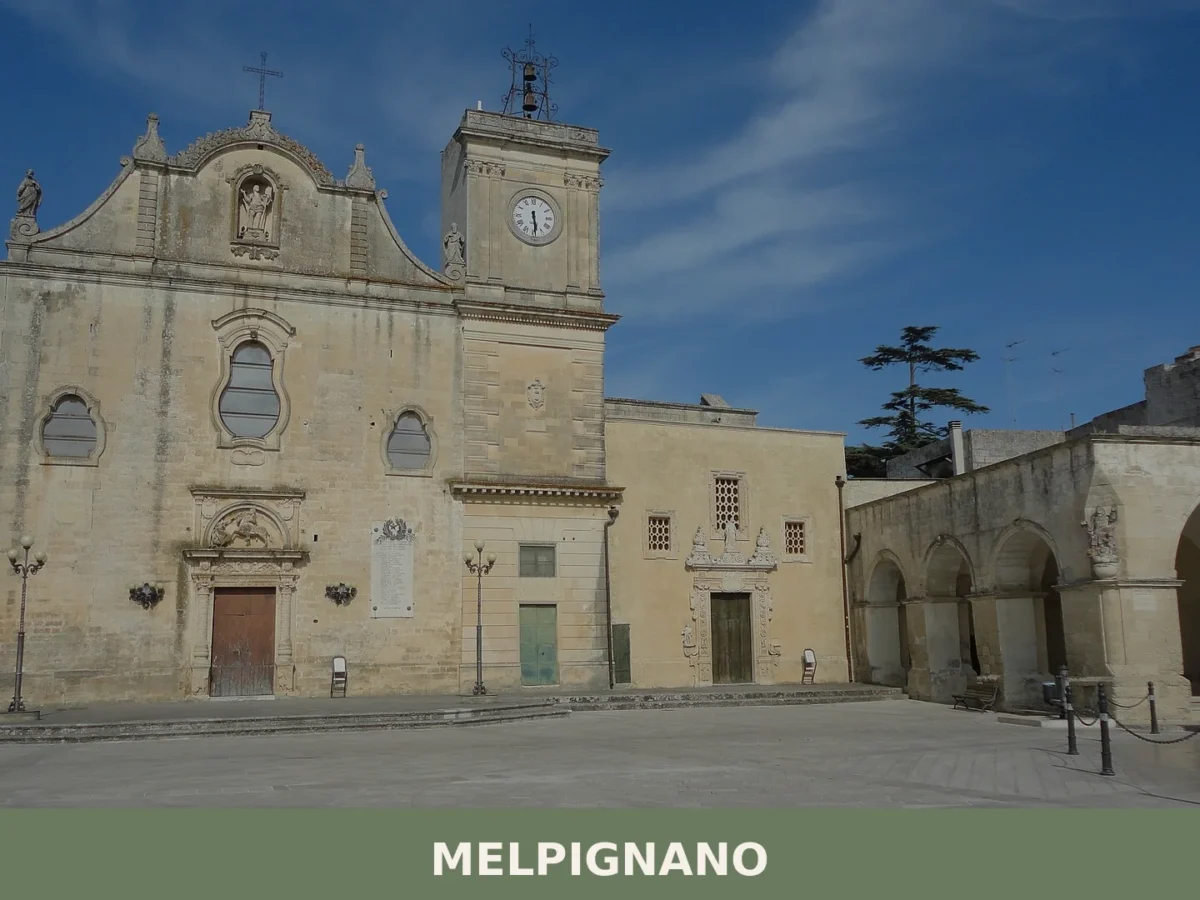
A village of 2,070 inhabitants rooted in Greek-Byzantine heritage, where Renaissance porticoes frame a living past and summer brings Italy's biggest pizzica festival.
Ginosa
Sea
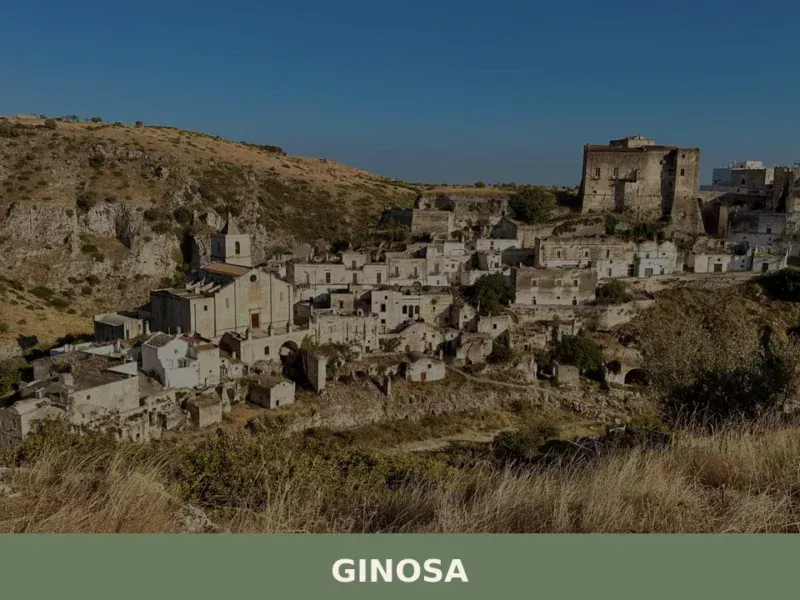
Discover what to see in Ginosa, Puglia: the dramatic gravina, rupestrian churches, castle, cathedral and Ionian coast. Practical travel guide with tips.
Rutigliano
Plains
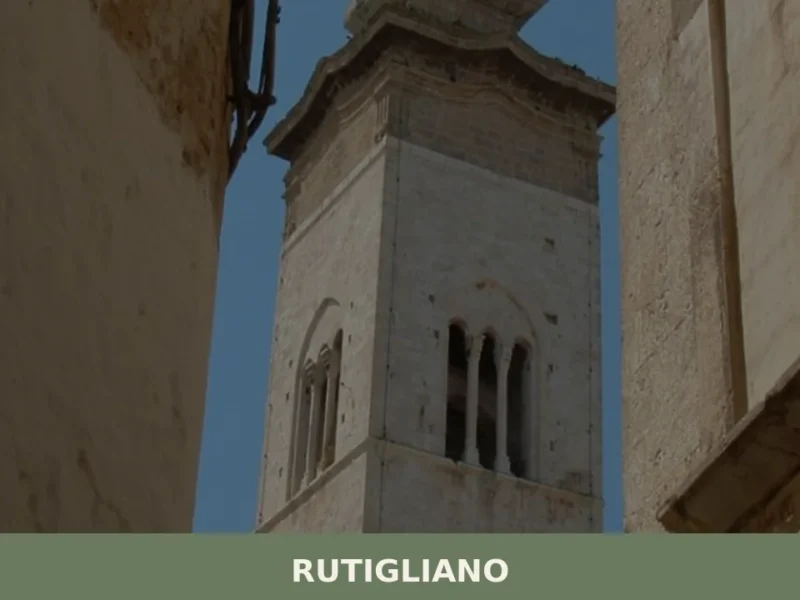
What to see in Rutigliano, a town at 125 m in Puglia. Terracotta whistle museum, Norman tower, Peucetian necropolis and PAT cuisine. Plan your visit now.
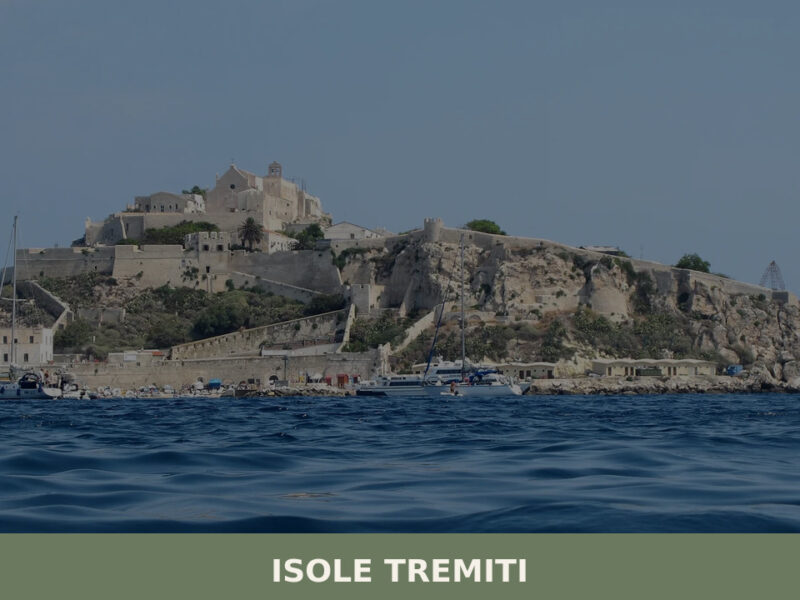
Isole Tremiti
Sea
A 481-resident archipelago off Puglia's Gargano coast, the Tremiti Islands compress monastic history, Adriatic wildlife, and sea caves into three inhabited islands.
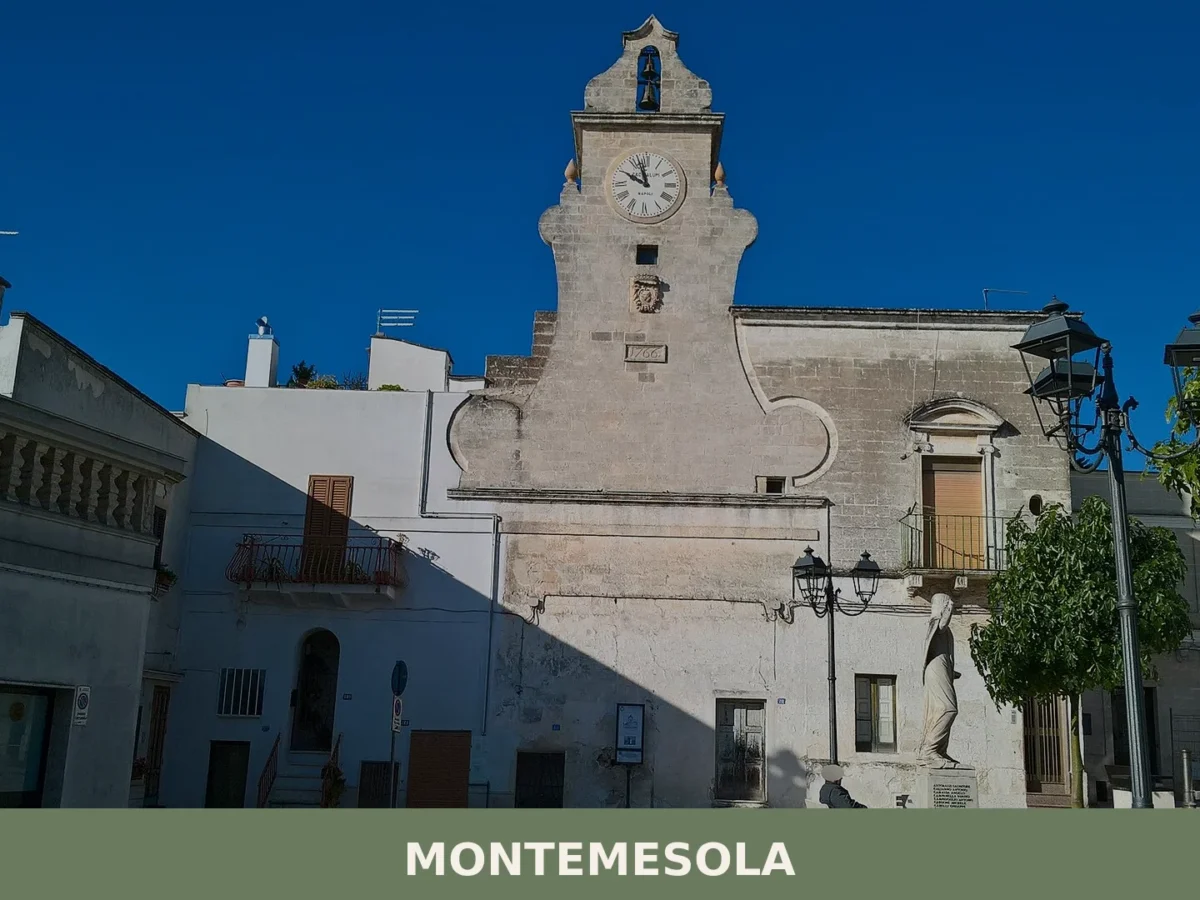
Montemesola
Plains
A hill village of 3,478 inhabitants overlooking the Taranto gulf. Explore its feudal palaces, Byzantine church heritage and agricultural traditions rooted in the Apulian hinterland.
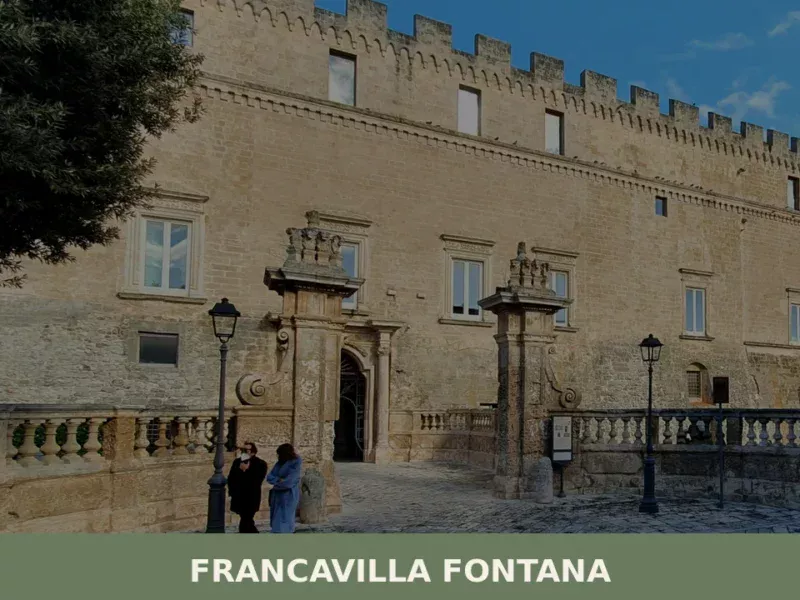
Francavilla Fontana
Plains
Discover what to see in Francavilla Fontana, Puglia: Baroque palaces, the medieval basilica, local food, travel tips and how to get there.
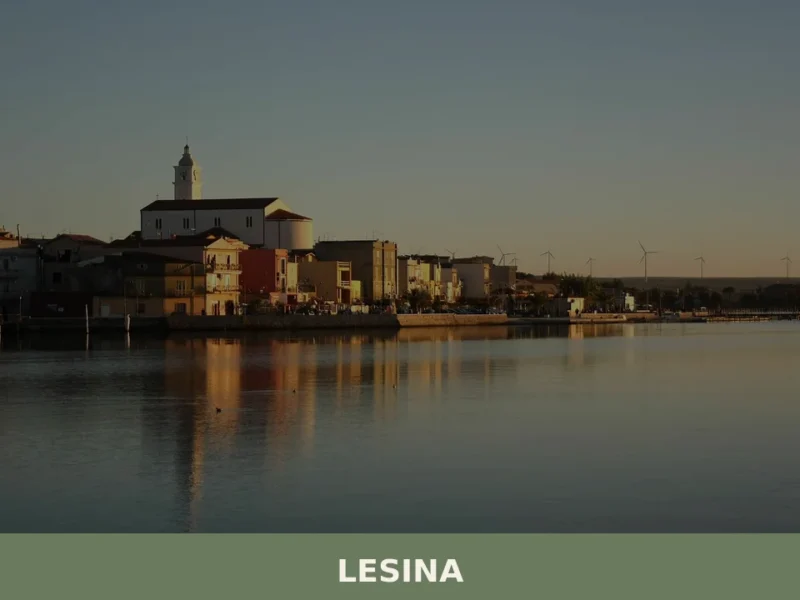
Lesina
 Lake
Sea
Lake
Sea
What to see in Lesina, Puglia, Italy: explore Lake Lesina, the feast of San Primiano and a village of 6,204 people. Discover the complete travel guide.
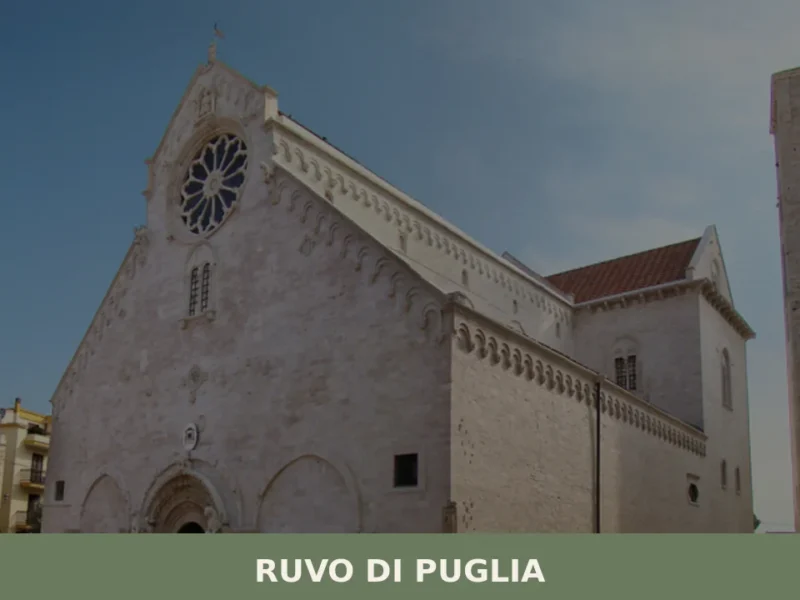
Ruvo di Puglia
 Hills
Hills
Discover 5 unique attractions in Ruvo di Puglia. Explore the Cathedral and Jatta Museum. Plan your visit now!


🏡 Know Grumo Appula better than we do?
If you’re a local or have been there, your knowledge matters: add what’s missing or fix a detail on this page.