


Isernia
 Hills
Hills
what to see in isernia, Italy, and discover 5 top attractions. Explore its Roman heritage, including the Fraterna Fountain, and find travel tips for this Molise capital.
Discover Isernia
Situated on a rocky crest rising from 350 to 475 metres (1,148 to 1,558 ft) between the Carpino and Sordo rivers, Isernia’s urban plan still echoes its ancient Roman origins. The central cardo maximus is preserved in Corso Marcelli, with side streets extending at right angles, a clear testament to its historical foundation.
This layout defines the town, home to 22,005 inhabitants, serving as the capital of its namesake province in the southern Italian region of Molise.
For those seeking what to see in Isernia, the town offers a rich blend of history and culture, featuring over two millennia of documented events.
Visitors to Isernia find prominent attractions like the ancient Roman bridge remains and the exquisite 13th-century Fraterna Fountain, a significant symbol of the community. The Isernia highlights include not only these historical landmarks but also the acclaimed archaeological site of La Pineta, providing a comprehensive answer to what to see in Isernia.
History of Isernia
The city’s ancient Roman name, Aesernia, likely derived from an earlier Samnite toponym, though a link to the Indo-European root ‘aeser,’ meaning ‘water,’ remains tenuous.
Classical Aesernia was a significant city of Samnium, inhabited by the Pentri tribe, strategically positioned in the valley of the Vulturnus, today known as the Volturno river. Historical records first mention Aesernia in 295 BC when it had already fallen under Roman control, along with the entire Vulturnus valley. In 264 BC, the Romans established a Latin rights colony here, recognizing its importance as a communication hub between southern Italy and the Apennine regions.
During the challenging period of the Second Punic War in 209 BC, Aesernia stood out as one of only eighteen colonies that maintained unwavering loyalty to Rome.
Later, during the Social War around 90 BC, the city staunchly adhered to the Roman cause and was valiantly defended by Marcus Claudius Marcellus against the Samnite general Vettius Scato. Despite a protracted siege and eventual surrender due to famine, Aesernia briefly served as the headquarters of the Italic League after the fall of Corfinium and Bovianum.
However, its defiance led to severe punishment by Lucius Cornelius Sulla in 88 BC, leaving it largely deserted, as described by Strabo.
Despite the devastation, colonies were sent by Julius Caesar, Augustus, and Nero, though with varying degrees of success, indicating its enduring strategic value. By the time of Trajan and the Antonines, Isernia had regained importance as a municipal town, evidenced by inscriptions and surviving Roman structures like an aqueduct and a bridge. In the early 7th century AD, Grimoald I of Benevento settled a community of Bulgars here, who gradually assimilated over generations.
Throughout its history, Isernia endured significant destruction, including sacks by Saracens in 800 and Markward of Anweiler in 1199, and fires set by Frederick II’s soldiers in 1223. The town was also devastated by major earthquakes in 847, 1349, 1456, and 1805. During World War II, on September 10, 1943, American B-17 planes bombed the town on market day, causing thousands of casualties, and later targeted bridges vital for the German retreat.
In 1970, Isernia became the capital of its own province, separating from Campobasso.
What to see in Isernia, Molise: top attractions
Isernia Cathedral of San Pietro
The Isernia Cathedral of San Pietro stands prominently in the heart of the city, its current structure built upon a massively constructed podium that once supported the Capitolium of the ancient Roman city. This historical layering reveals centuries of continuous use and reverence on the site, with the lower parts of the modern walls exhibiting considerable portions of polygonal construction, possibly dating back to the Samnite city or the first Roman colony. Visitors can observe how the cathedral integrates these ancient foundations, offering a tangible connection to Isernia’s deep historical roots as a bishop’s see.
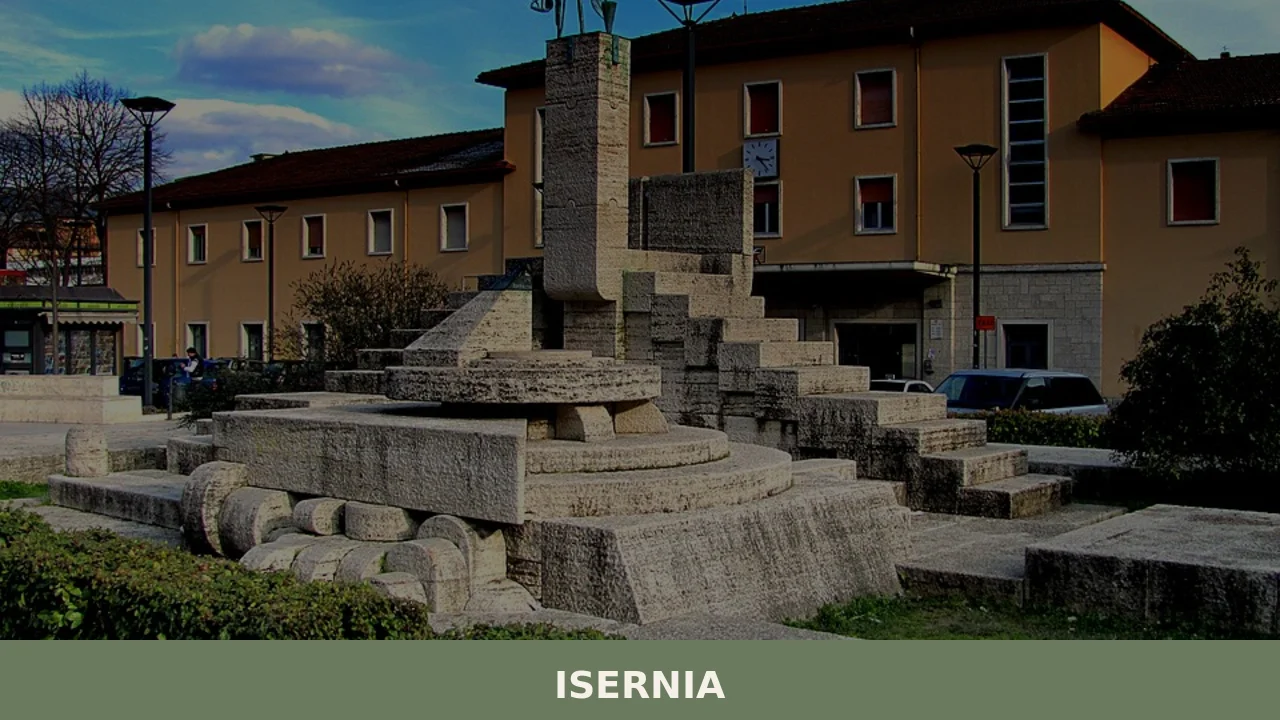
Fontana Fraterna
The Fontana Fraterna, a striking public fountain and the town’s primary symbol, features an unusual arcade shape crafted from blocks of calcareous, compact stone.
Constructed in the 13th century and restored in 1835, this fountain uniquely incorporates slabs from ruined Roman monuments, alongside work by local masters commissioned by the Rampini family of Isernia.
It is articulated into three distinct fillets: the lowest includes Roman-epoch epigraphs and a mat decorated with dolphins, while the median fillet presents six round arches supported by circular and octagonal columns, reflecting centuries of local material culture.
Roman Bridge Remains
Among the enduring testaments to Isernia’s Roman past are the visible remains of a fine Roman bridge and parts of an ancient aqueduct, dating back to the period of Trajan and the Antonines. These structures highlight the advanced engineering capabilities of the Roman Empire and the city’s importance as a municipal center during that era, providing essential infrastructure for its inhabitants. Observing these substantial ruins, visitors gain insight into the daily life and strategic significance of Aesernia, a city that served as a key communication center for centuries.
Corso Marcelli
Corso Marcelli, the central wide street of Isernia, represents the ancient Roman cardo maximus, a foundational element of the city’s original urban plan.
Walking along this thoroughfare, visitors can still discern the precise, grid-like layout of the Roman town, with side streets extending at right angles on both sides, a design preserved despite repeated historical destructions.
This street is not merely a path but a living historical artifact, allowing an understanding of how ancient Roman urban planning continues to shape the contemporary city center.
La Pineta Archaeological Site
The archaeological excavation site of La Pineta, discovered in 1979, spans an impressive 20,000 square metres (4.9 acres) and contains thousands of bones and stone tools. Its uncovering by an amateur naturalist, who noticed a bone protruding from a cut made during the construction of the Napoli-Vasto motorway, revealed a site clearly created by humans, though its exact purpose remains unknown.
Visitors to La Pineta can explore the evidence of early human activity, offering a valuable insight into prehistoric life in the Molise region long before the Roman era.
Local food and typical products of Isernia
The gastronomic traditions of Isernia are deeply rooted in the agricultural bounty of Molise, a region known for its hearty, traditional flavors shaped by centuries of rural life and diverse historical influences.
The local cuisine reflects the availability of ingredients from the surrounding hills and valleys, emphasizing simplicity and the quality of raw materials cultivated in the area. This culinary heritage draws from both the pastoral traditions of the Apennines and the historical connections to regions like Campania, influencing cooking methods and ingredient pairings.
Among the typical dishes, visitors might encounter preparations featuring lamb or pork, often slow-cooked with local herbs and vegetables. Pasta dishes are central, with homemade varieties like cavatelli or fusilli often served with rich meat ragùs or vegetable sauces, showcasing the region’s close ties to artisanal food production. The emphasis is on robust flavors derived from fresh, seasonal produce, creating satisfying meals that reflect the Molise landscape.
The hills surrounding Isernia are particularly noted for producing Pentro di Isernia (DOC), an Italian wine certified for its quality in red, white, and rosé varieties.
The production regulations for this wine limit harvest yields to 11 tonnes per hectare.
The red and rosé wines require a minimum alcohol level of 11% and are typically blended with 45-55% Montepulciano and 45-55% Sangiovese grapes, with up to 10% local varieties. For the white Pentro di Isernia, a minimum alcohol content of 10.5% is mandated, with the blend comprising 60-70% Trebbiano and 30-40% Bombino bianco, also allowing for up to 10% local grape varieties to complete the profile.
Festivals, events and traditions of Isernia
While specific details on many festivals are not extensively documented, Isernia, like most Italian towns, observes celebrations dedicated to its patron saints, which typically involve religious processions and community gatherings. These events provide an opportunity for residents to honor their heritage and for visitors to witness traditional local customs, often accompanied by local music and food stalls offering regional specialties.
Such occasions highlight the strong communal spirit and historical continuity within the town, reflecting centuries of shared traditions.
Beyond religious observances, the local economy’s focus on agricultural products, particularly wine, suggests the possibility of seasonal events or markets celebrating these harvests, though specific dates are not provided in historical records.
These traditions, deeply woven into the fabric of Isernia, connect the community to its land and past, offering insight into the rhythms of life in Molise. For those interested in local culture, inquiring locally upon arrival about any ongoing or upcoming traditional gatherings can be a rewarding experience.
When to visit Isernia, Italy and how to get there
The best time to visit Isernia and the wider Molise region is typically during the spring (April to June) or early autumn (September to October), when the climate is mild and comfortable for exploring historical sites and natural landscapes. Summers can be warm, while winters bring cooler temperatures, making these shoulder seasons ideal for walking the ancient streets and visiting archaeological sites without extreme heat or cold.
The town itself, built on a rocky crest rising between 350 and 475 metres (1,148 and 1,558 ft), features varied terrain; while Corso Marcelli is relatively flat, some side alleys can be steep, so comfortable footwear is advisable for all visitors.
Isernia is accessible by various means for those planning what to see in Isernia and the surrounding area.
For travelers arriving by car, the town is connected via a motorway system, although specific exit names are not detailed in historical records. The town is also served by rail, making train travel a viable option for a day trip from nearest major cities in central and southern Italy, such as Rome, which is approximately 170 km (106 mi) away, or Naples, about 95 km (59 mi) distant.
You can check schedules and plan your journey on the official Trenitalia website. The nearest major airports would typically be Naples International Airport (NAP) or Rome Ciampino (CIA) and Fiumicino (FCO), requiring onward travel by train or bus. International visitors should note that while major hotels and tourist spots might have English-speaking staff, smaller shops and eateries may have limited English, and carrying some Euros cash is often beneficial.
Beyond exploring Isernia itself, visitors can extend their discovery of Molise by visiting nearby towns such as Trivento, known for its unique urban layout, or Bonefro, offering further insights into the region’s agricultural traditions and historical character.
Frequently asked questions about Isernia
What is the best time to visit Isernia?
Spring (April to June) and early autumn (September to October) are ideal for visiting Isernia, with mild temperatures perfect for exploring the archaeological sites and walking Corso Marcelli. Summers are warm but manageable at 423 metres altitude. A notable date is 19 May, the feast of patron saint San Pietro Celestino, when the town celebrates with religious processions and community gatherings. Avoid winter if you prefer outdoor sightseeing, as temperatures drop noticeably in the Molise hills.
What are the historical origins of Isernia?
Isernia's origins trace back to the Samnite Pentri tribe, with the Roman name Aesernia first recorded in 295 BC. In 264 BC Rome established a Latin rights colony here, recognising its strategic value as a communication hub. The city endured the Social War, Sulla's punishments, and later received colonies under Caesar, Augustus and Nero. Destroyed by Saracens, earthquakes (847, 1349, 1456, 1805), and WWII bombing on 10 September 1943, Isernia became capital of its own province only in 1970.
What to see in Isernia? Main monuments and landmarks
Key attractions include: the Fontana Fraterna (13th century), Isernia's iconic fountain blending Roman-era stone blocks with medieval arcades; the Cathedral of San Pietro, built atop the ancient Roman Capitolium podium; the remains of a Roman bridge and aqueduct from the Trajanic era; and the La Pineta archaeological site, a 20,000 sq metre excavation revealing prehistoric human activity discovered in 1979. Walking Corso Marcelli, the preserved Roman cardo maximus, is itself a memorable experience. Check opening times locally, as hours vary seasonally.
Are there museums, churches or historic buildings to visit in Isernia?
Yes. The Cathedral of San Pietro is the town's principal religious monument, notable for its ancient polygonal foundations possibly dating to Samnite or early Roman times. The La Pineta archaeological site, spanning 20,000 square metres, is among southern Italy's most significant prehistoric excavations. The Fontana Fraterna, displaying Roman inscriptions and dolphin reliefs, functions as an open-air historical monument in the town centre. For current opening hours and admission details, consult the Comune di Isernia or local tourist office upon arrival.
What to eat in Isernia? Local products and specialties
Isernia's cuisine reflects Molise's rural traditions: lamb and pork slow-cooked with local herbs, and handmade pasta such as cavatelli and fusilli served with meat ragù or vegetable sauces. The area is also home to Pentro di Isernia DOC wine, produced in red, rosé and white varieties. The red and rosé blend Montepulciano and Sangiovese (45–55% each), while the white combines Trebbiano (60–70%) and Bombino bianco (30–40%). Harvest yields are strictly capped at 11 tonnes per hectare to ensure quality.
Who is Isernia suitable for? Families, couples, hikers, solo travelers?
Isernia suits history enthusiasts and culture lovers above all, given its layered Roman, medieval and modern heritage. Families will find the La Pineta prehistoric site engaging and educational. Couples and solo travellers can enjoy leisurely walks along Corso Marcelli and the atmospheric town centre. Wine lovers will appreciate the local Pentro di Isernia DOC. As a small provincial capital at 423 metres in the Molise hills, it also appeals to those seeking an authentic, uncrowded southern Italian experience away from mass tourism circuits.
What can you do in Isernia? Activities and experiences
Visitors can explore two millennia of urban history on foot along Corso Marcelli, the intact Roman cardo maximus. The La Pineta excavation site offers a unique window into prehistoric Molise. Wine tasting of Pentro di Isernia DOC — in red, white and rosé — is a recommended food and wine activity in the surrounding hills. On 19 May, the feast of San Pietro Celestino brings religious processions and local festivities to the town centre, offering an authentic glimpse into Isernia's living traditions.
📷 Photo Gallery — Isernia
Getting there
Piazza Guglielmo Marconi, 86170 Isernia (IS)
Nearby Villages near Isernia
Nearby villages we are mapping:
- Letino Campania 📍 15.2 km Coming soon
In Molise More villages to discover
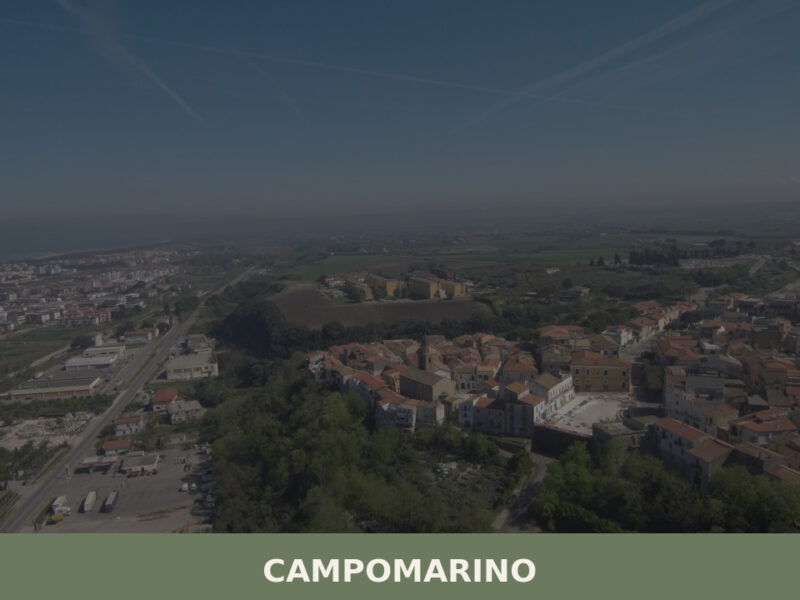
Campomarino
 Sea
Sea
Campomarino straddles a Molise hilltop and the Adriatic shore. Explore its Arbëreshë heritage, three historic churches, and the unspoiled coast of Campomarino Lido.
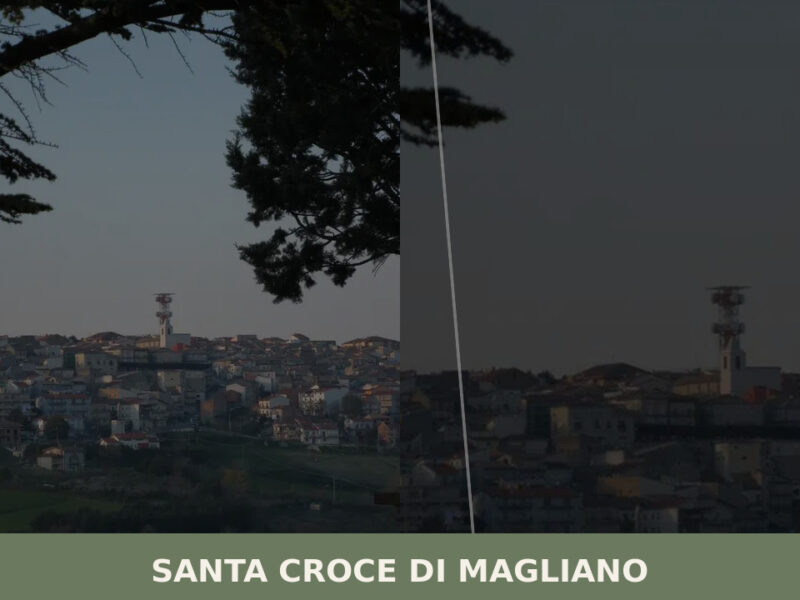
Santa Croce di Magliano
 Mountain
Morning light falls across a row of stone facades on Corso Vittorio Emanuele, and an elderly man drags a wooden chair onto the pavement, positioning it with the precision of someone who has done this for sixty years. The air at 608 metres carries a dry, herbal sharpness — rosemary and broom from the surrounding […]
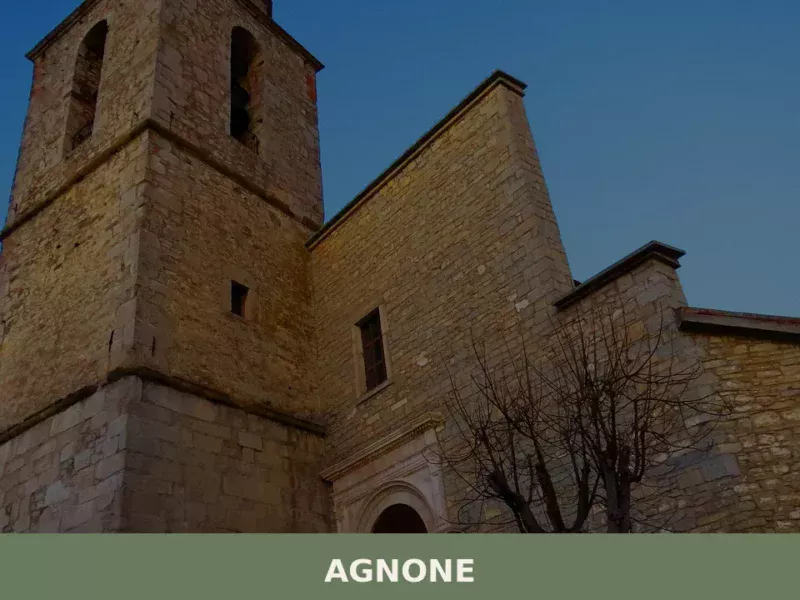
Agnone
Mountain
Discover what to see in Agnone, Molise: the 1040 Marinelli bell foundry, medieval churches, Samnite museum, local food and practical travel tips.
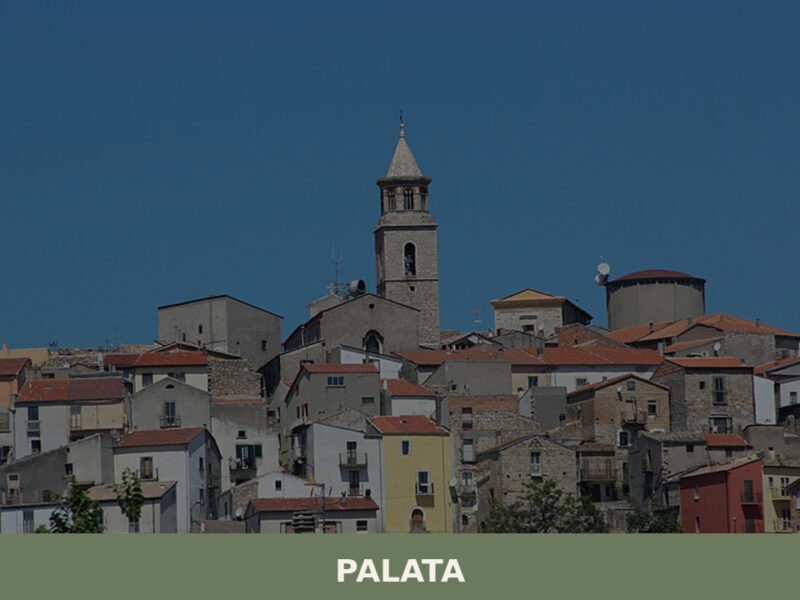
Palata
Hills
what to see in palata, Italy, a village at 520 m. Discover its historic core and the San Rocco festival. Explore Molise's authentic rural heritage.
Vinchiaturo
Mountain
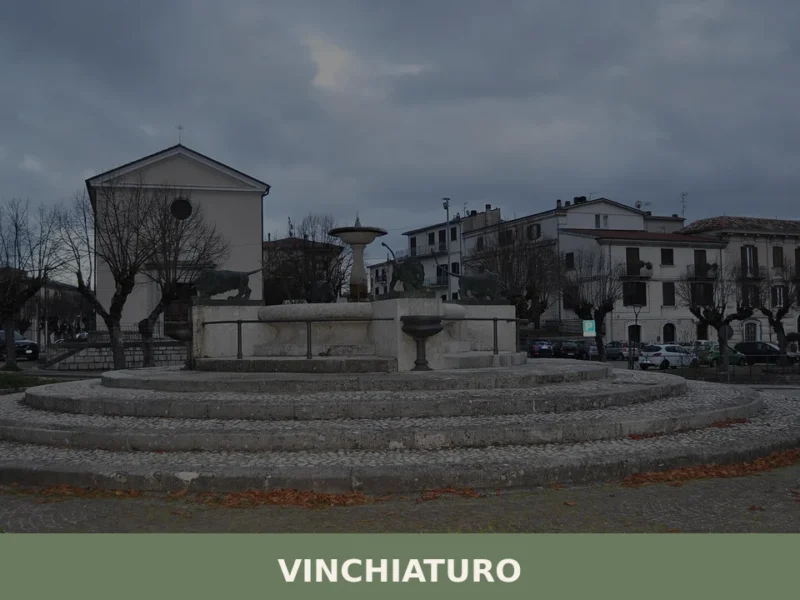
Morning mist settles into the valley below as church bells mark the hour from somewhere above the rooftops. At 620 metres above sea level, the air in Vinchiaturo carries a sharpness that cuts through the warmth of Molise’s interior hills. With just over 3,300 inhabitants, this is a village where the rhythm of daily life […]
Cercemaggiore
Mountain
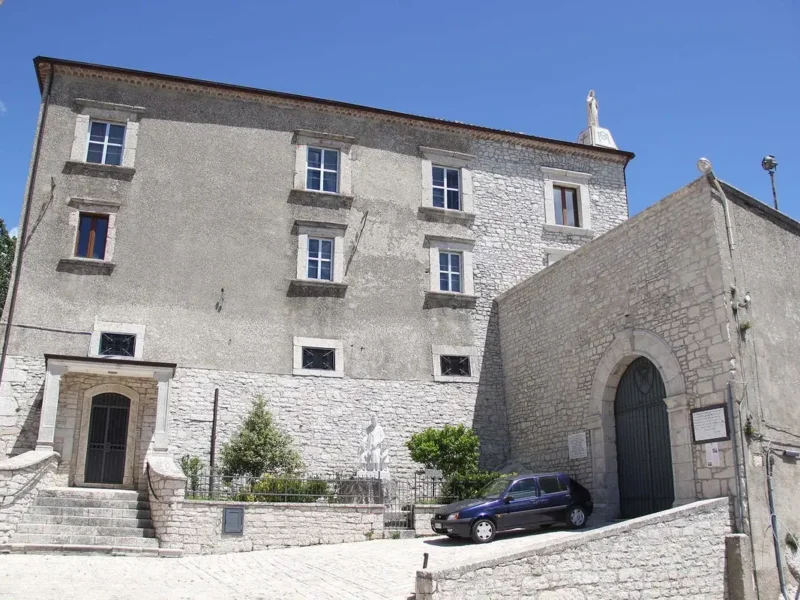
What to see in Cercemaggiore, Italy? Explore this mountain village at 930m (3,051 ft) altitude. Discover its historic core and panoramic views. Read our guide for your visit.
Campochiaro
Mountain
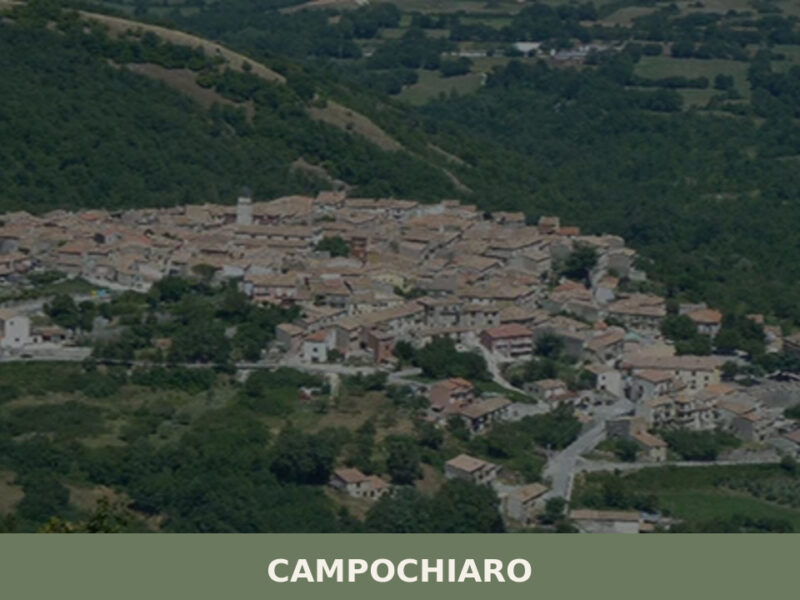
On the eastern slope of the Matese massif, where highland pastures descend toward the Biferno plain, Campochiaro greets visitors with its 594 inhabitants and a compact urban layout, arranged at 750 metres above sea level around the parish church dedicated to Saint Mark. Here, in 1980, archaeologists unearthed an Italic sanctuary from the Samnite period […]
Tavenna
Hills
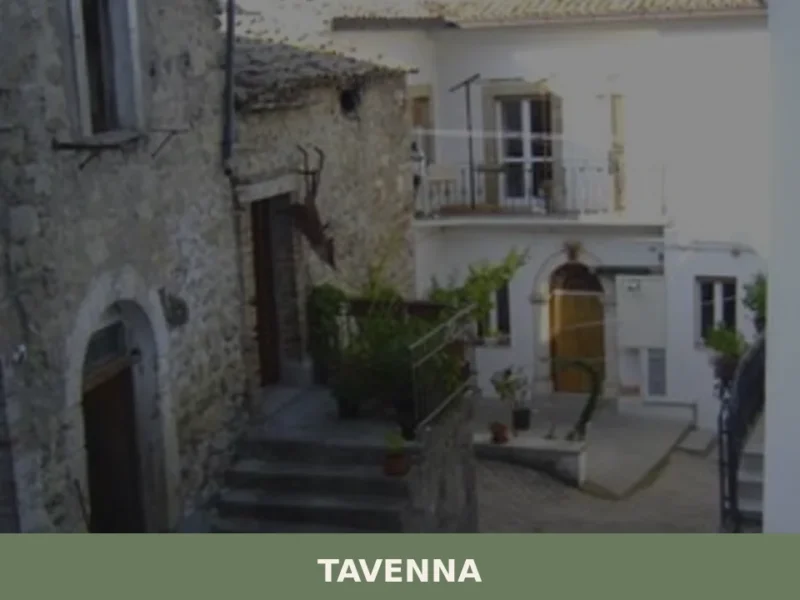
A complete guide to Tavenna in Molise: its medieval stone centre, parish church, panoramic hillside views, and the quiet rhythms of inland southern Italy.
Bojano
Mountain
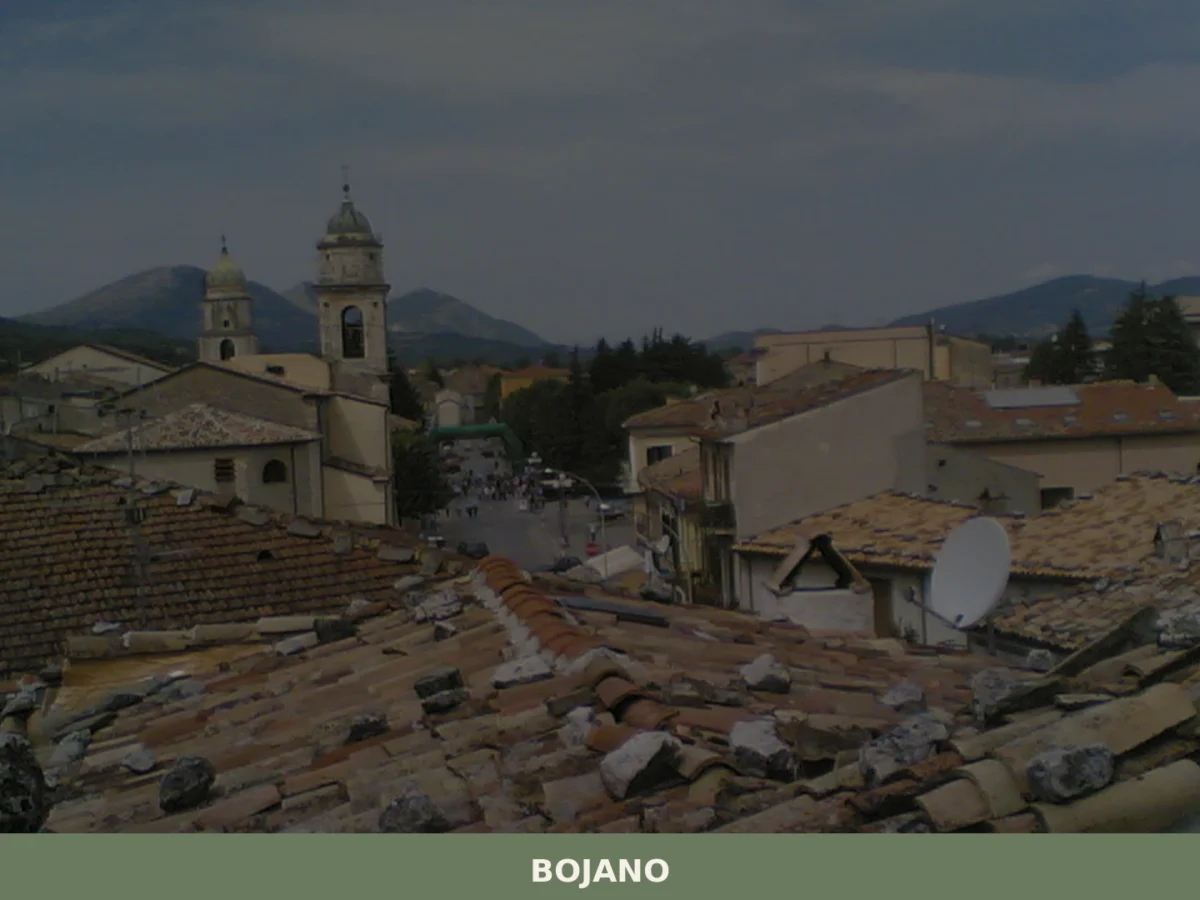
Discover what to see in Bojano, Molise u2014 from Samnite ruins and Norman castle remains to the Biferno valley and Matese mountain park. History, food, and travel tips.
San Martino in Pensilis
Hills
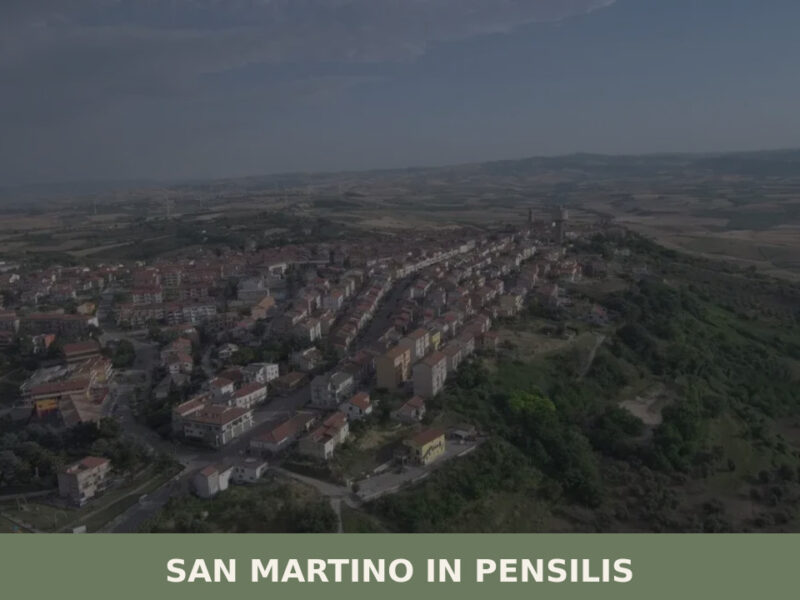
Morning light catches the pale stone of a church bell tower, and below it, the long main street empties into a piazza where a handful of men stand with espresso cups, talking over one another. San Martino in Pensilis sits at 281 metres above sea level in the province of Campobasso, a settlement of roughly […]

🏡 Know Isernia better than we do?
If you’re a local or have been there, your knowledge matters: add what’s missing or fix a detail on this page.