


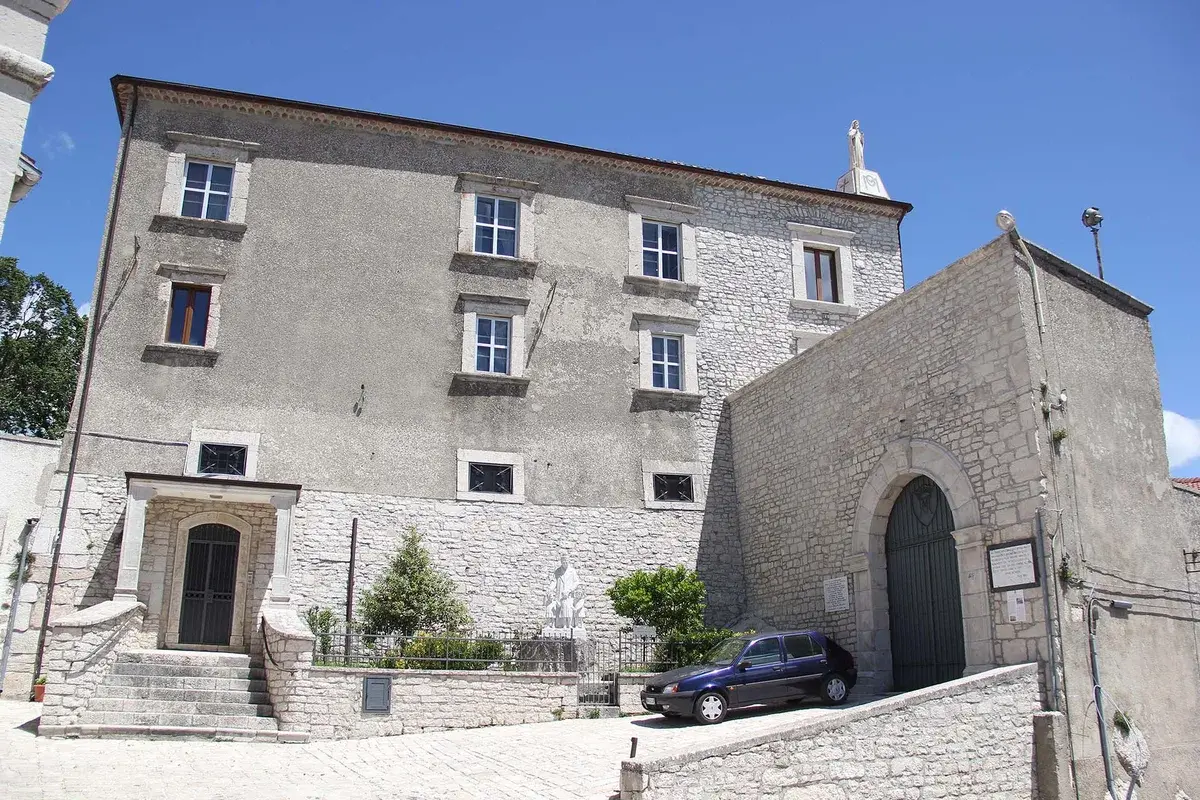
Cercemaggiore
 Mountain
What to see in Cercemaggiore, Italy? Explore this mountain village at 930m (3,051 ft) altitude. Discover its historic core and panoramic views. Read our guide for your visit.
Discover Cercemaggiore
At an elevation of 930 m (3,051 ft) above sea level, the air in Cercemaggiore carries the clarity typical of the Apennine foothills, defining the character of this Molise settlement. The village is home to 3,601 inhabitants, whose daily lives unfold amidst the mountain landscape of the Province of Campobasso.
This specific altitude shapes both the climate and the visual experience for anyone exploring the area.
For those wondering what to see in Cercemaggiore, the village offers a blend of natural views and a historical core.
Visitors to Cercemaggiore find an authentic mountain setting, where the high altitude provides expansive panoramas and the civic heart reflects its status as a comune. The Cercemaggiore highlights include its elevated position and the surrounding natural environment, making it a destination for those seeking a tranquil Molise experience.
History of Cercemaggiore
Cercemaggiore holds its place as a comune within the Province of Campobasso, an administrative designation that has guided its development for centuries. Its geographical coordinates position it approximately 12 kilometres (7 mi) southeast of the provincial capital, Campobasso, linking it directly to the regional hub.
The village’s existence as a distinct municipality implies a long-standing identity and a structured community life within the broader Molise region, a territory known for its resilient small towns.
The history of Cercemaggiore is also woven into its relationships with neighboring communities and international ties.
It shares borders with several municipalities including Castelpagano, Cercepiccola, Gildone, Jelsi, Mirabello Sannitico, Morcone, Riccia, Santa Croce del Sannio, and Sepino, indicating a network of historical and contemporary interactions across the local landscape. Furthermore, the village maintains a sister city relationship with Greensburg in the United States, a connection established in modern times that fosters cultural exchange and mutual understanding.
Situated in an area characterized by its mountainous terrain, Cercemaggiore’s development has been inherently shaped by its elevation of 930 m (3,051 ft) above sea level.
This high altitude would have influenced its economy, primarily through agriculture and pastoralism, and its architectural styles, adapted to the local climate and available materials.
The region’s history, often marked by periods of rural isolation and a strong connection to the land, provides a broader context for understanding the enduring character of places like Baranello and Vinchiaturo, which share similar environmental and historical influences within Molise.
What to see in Cercemaggiore, Molise: top attractions
The Historic Core of Cercemaggiore
The central part of Cercemaggiore presents a compact array of buildings, characteristic of a mountain village adapted to its high altitude. Streets wind through the older sections, where structures often incorporate local stone, reflecting centuries of construction techniques. This area, home to a significant portion of the village’s 3,601 inhabitants, retains a layout that speaks to its historical evolution, with homes built to withstand the mountain climate and maximize available space.
Exploring these lanes provides a direct sense of the village’s past and its enduring community.
Panoramic Vistas from Cercemaggiore
From its elevated position at 930 m (3,051 ft) above sea level, Cercemaggiore offers expansive views across the Molise landscape.
These panoramas stretch over rolling hills and distant valleys, often revealing a patchwork of agricultural fields and natural woodlands. The clear mountain air enhances visibility, allowing visitors to appreciate the vastness of the Apennine environment. The best viewpoints are often found along the village’s perimeter, providing opportunities for quiet contemplation of the surrounding natural beauty at various times of day.
The Civic Heart of Cercemaggiore
As a designated comune, Cercemaggiore possesses a civic center that serves as the focal point for administrative and community activities. This area typically includes the municipal building and often a main square, where residents gather and local life unfolds. The architecture here, while functional, often integrates elements reflecting local craftsmanship and the village’s identity.
This central space is important for understanding the contemporary pulse of Cercemaggiore, a place where local governance and daily interactions converge in a tangible setting.
The Main Parish Church
Central to the religious life of Cercemaggiore is its main parish church, though not specifically named in available records, it stands as a testament to the community’s faith.
As the village’s patron saint is San Vincenzo, whose feast is celebrated on 11 settembre, this church would be the primary site for such annual observances. Its architecture likely reflects the local building traditions and prevailing styles of the Molise region, providing a sense of historical continuity. The structure serves as a spiritual anchor for the inhabitants, embodying centuries of local devotion.
The Surrounding Mountain Landscape
The area immediately surrounding Cercemaggiore is defined by its “Montagna” classification, indicating a prominent mountain environment. This landscape features diverse flora and fauna adapted to the Apennine climate, offering opportunities for outdoor activities such such as walking on established trails.
The terrain, characterized by varying elevations, contributes to the region’s biodiversity and provides a natural escape from more urbanized areas.
Visitors can explore pathways that lead into the hills, experiencing the quiet solitude of the Molise mountains and observing the local ecosystem at close hand, similar to the natural settings found around Casacalenda.
Local food and typical products of Cercemaggiore
While specific culinary traditions and certified products directly attributed to Cercemaggiore are not detailed in the provided sources, the village is part of the broader Molise region, which boasts a rich gastronomic heritage. Molise cuisine is often characterized by its simplicity, robust flavors, and reliance on fresh, seasonal ingredients sourced from its mountains and fertile valleys. The region’s cooking reflects a deep connection to the land, with dishes often incorporating locally grown produce, meats, and cheeses.
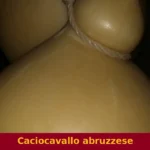
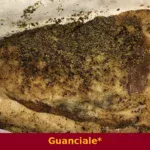
The Molise diet frequently features pasta dishes, often handmade, such as cavatelli or fusilli, typically served with hearty meat sauces or vegetable-based condiments. Cured meats, like Ventrecina, a spicy pork sausage, and various types of salami are common, reflecting a long tradition of pork butchery. Cheeses, including varieties like caciocavallo and scamorza, are also integral to the regional palate, often produced by local dairies using traditional methods.
These staples form the foundation of many meals, offering a taste of the region’s agricultural bounty.
Due to the lack of specific data for Cercemaggiore, no certified products (such as DOP or IGP) can be listed with their specific municipalities.
However, the general culinary landscape of Molise emphasizes quality ingredients and time-honored preparation techniques. Visitors seeking to experience the regional flavors should look for local markets or small family-run eateries that pride themselves on using local produce and traditional recipes, which can provide an insight into the authentic Molise dining experience shared with villages like Bonefro.
Festivals, events and traditions of Cercemaggiore
The annual calendar in Cercemaggiore is anchored by the celebration of its patron saint, San Vincenzo. This significant religious event takes place on 11 settembre each year, drawing the community together in observance. The festivities typically include a solemn procession through the village streets, where a statue of the saint is carried, accompanied by local residents and often a musical band.
This tradition serves as a moment for communal devotion and a display of cultural heritage, reflecting centuries of local customs.
Beyond the religious aspects, the feast day often incorporates elements of popular celebration.
These can include local markets, where artisans and food vendors offer their products, and evening entertainment such as musical performances or fireworks displays that illuminate the mountain sky. Such events provide a glimpse into the social fabric of Cercemaggiore, showcasing the village’s commitment to preserving its traditions and offering a vibrant experience for both residents and visitors alike.
When to visit Cercemaggiore, Italy and how to get there
The best time to visit Molise, and particularly a mountain village like Cercemaggiore, generally spans from late spring through early autumn. During these months, the weather is typically mild and pleasant, making it ideal for exploring the village’s historic core and enjoying the surrounding natural landscape. The summer months, while warmer, offer longer daylight hours and are often when local festivals, including the patron saint feast in September, take place. For those interested in outdoor activities, the mountain terrain is most accessible and enjoyable during these seasons, avoiding the colder temperatures and potential snow of winter.
Accessing Cercemaggiore requires navigating roads that lead into the mountainous interior of Molise.
The village is situated approximately 12 kilometres (7 mi) southeast of Campobasso, the provincial capital.
While no direct train station serves Cercemaggiore, Campobasso offers rail connections, though often requiring transfers from major Italian hubs. For international visitors, flying into a larger airport such as Naples International Airport (NAP) or Rome Fiumicino Airport (FCO) and then renting a car is often the most practical option. The journey from these airports will involve driving on regional and provincial roads, which offer scenic views of the Italian countryside. The official website of the municipality, comune.cercemaggiore.cb.it, can provide further local information.
For those planning a visit, it is advisable to consider that public transport options directly to Cercemaggiore may be limited, making a car the most convenient way to explore the area and nearby villages. Visitors should also be aware that in smaller Italian villages, English may not be widely spoken in all establishments, and carrying some Euros in cash can be useful for small purchases or in places that do not accept card payments. This practical approach ensures a smoother experience when engaging with local businesses and services.
Frequently asked questions about Cercemaggiore
How far is Cercemaggiore from Campobasso and how do I get there by car?
Cercemaggiore is approximately 12 kilometres southeast of Campobasso, the provincial capital of Molise. By car, the most practical route follows the SS17 and local provincial roads into the village. The drive from Campobasso takes roughly 15–20 minutes. There is no train station in Cercemaggiore; the nearest rail hub is Campobasso itself. From Naples (NAP) or Rome Fiumicino (FCO), renting a car is the most convenient option, with journey times of approximately 2–2.5 hours and 3 hours respectively.
Is Cercemaggiore feasible as a day trip from Campobasso?
Yes, Cercemaggiore is an easy day trip from Campobasso, located only about 12 kilometres to the northwest of the village. The short driving distance of roughly 15–20 minutes makes it simple to combine with visits to other nearby Molise municipalities such as Gildone, Sepino or Mirabello Sannitico, all of which border Cercemaggiore. A half-day is generally sufficient to explore the historic core, enjoy the panoramic views at 930 m above sea level, and sample local food at a small family-run eatery.
Does Cercemaggiore have a sister city abroad?
Yes. Cercemaggiore maintains a sister city relationship with Greensburg, a city in the United States. This transatlantic bond reflects a pattern common to many Molise villages, whose communities experienced significant emigration to North America during the late 19th and early 20th centuries, creating lasting diaspora connections that were later formalised through official twinning agreements fostering cultural exchange between the two communities.
What is the best season to visit Cercemaggiore given its mountain elevation?
The most comfortable period to visit Cercemaggiore is between late spring and early autumn, roughly May to September. At 930 metres above sea level the summers are mild and ideal for walking the surrounding Apennine terrain. September is particularly rewarding for visitors, as the feast of the patron saint San Vincenzo Martire falls on 11 September, bringing a religious procession, local markets and evening entertainment to the village, offering a direct experience of authentic Molise tradition.
Nearby Villages near Cercemaggiore
In Molise More villages to discover
Campobasso
Mountain
What to see in Campobasso: from the 5 top attractions to Monforte Castle. Discover the complete guide to visiting the capital of Molise.
Termoli
 Sea
Sea
Salt air sharpens every breath along the stone ramparts at dawn, and the Adriatic below shifts between grey-green and pale blue as fishing boats throttle out from the harbour, trailing diesel and the promise of the day’s catch. Termoli — a working coastal town of roughly 32,000 people in the province of Campobasso — sits […]
Campochiaro
Mountain
On the eastern slope of the Matese massif, where highland pastures descend toward the Biferno plain, Campochiaro greets visitors with its 594 inhabitants and a compact urban layout, arranged at 750 metres above sea level around the parish church dedicated to Saint Mark. Here, in 1980, archaeologists unearthed an Italic sanctuary from the Samnite period […]
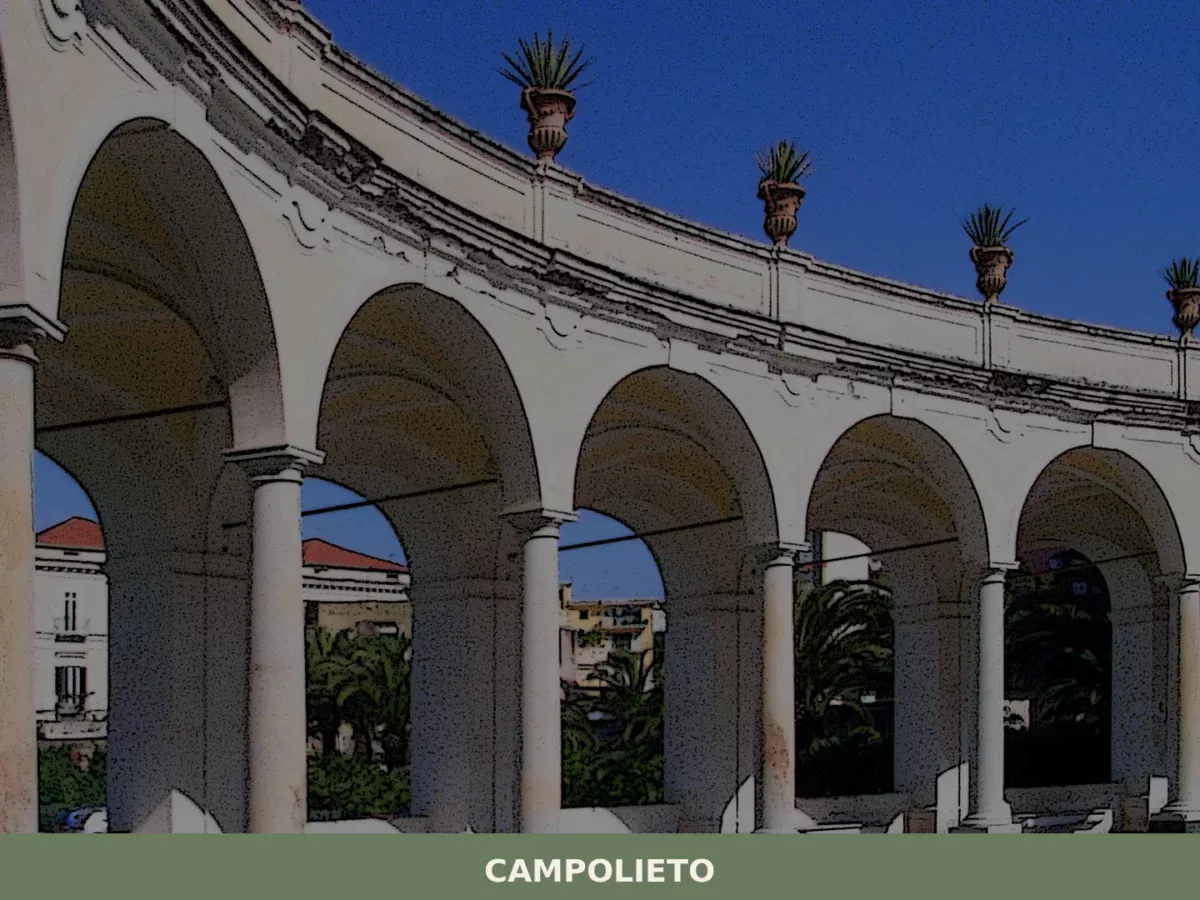
Campolieto
Mountain
What to see in Campolieto, Italy: 11 km from Campobasso, explore the historic centre, local cuisine and festivals. Discover this Molise village now.
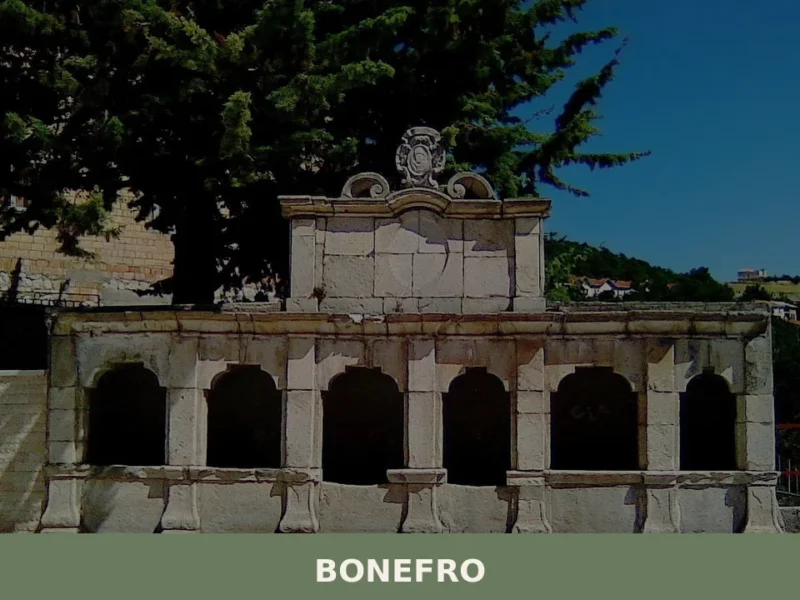
Bonefro
Mountain
A hilltop village of 1,201 inhabitants in Campobasso province, Bonefro preserves a layered historic centre, a medieval castle, and centuries-old fountains across the quiet ridges of eastern Molise.
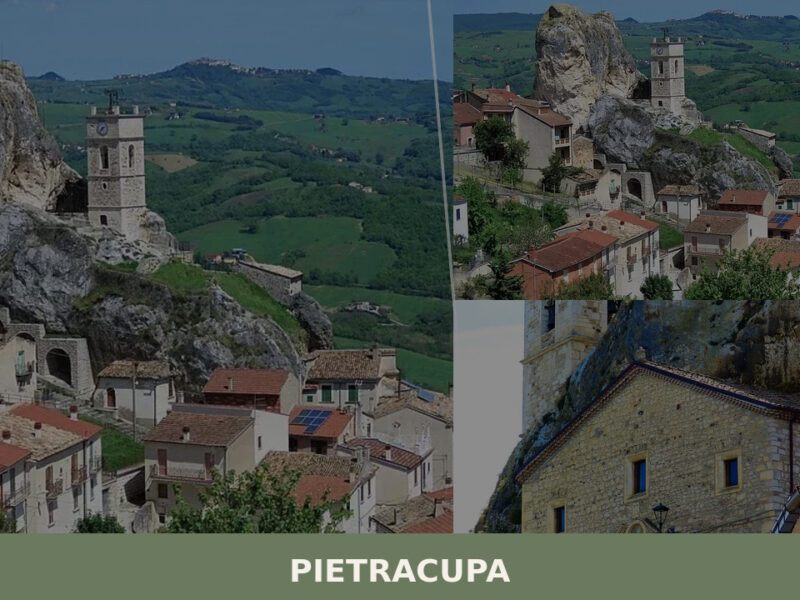
Pietracupa
Mountain
A 208-inhabitant village shaped by a massive rock outcrop in Molise's interior. Discover what to see in Pietracupa, from its grotto chapel to its silent panoramic ridgelines.
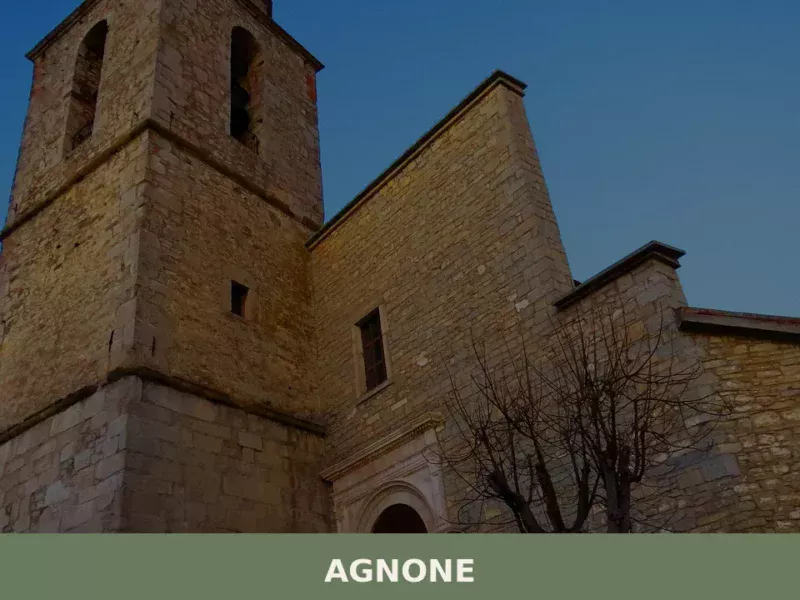
Agnone
Mountain
Discover what to see in Agnone, Molise: the 1040 Marinelli bell foundry, medieval churches, Samnite museum, local food and practical travel tips.
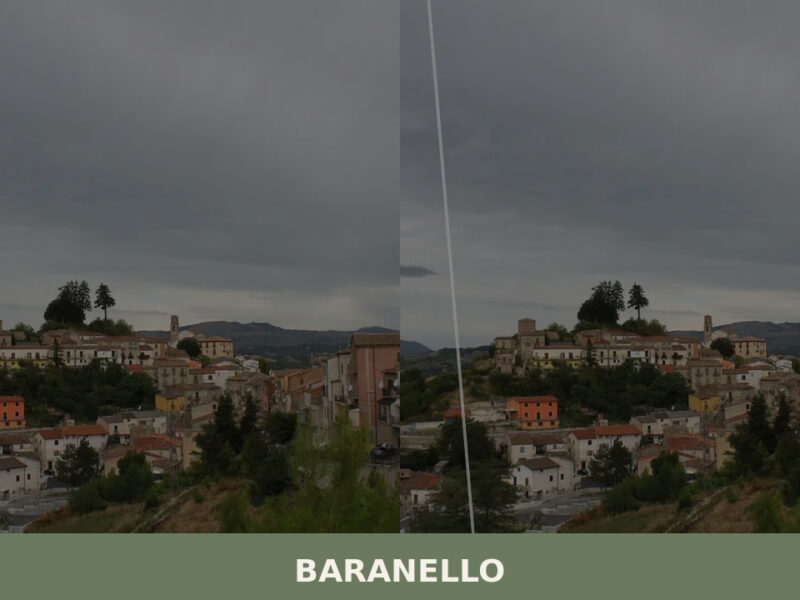
Baranello
Mountain
A documentary guide to Baranello in Molise — its civic museum, medieval churches, castle, and the quiet rhythms of an overlooked Italian hill village.
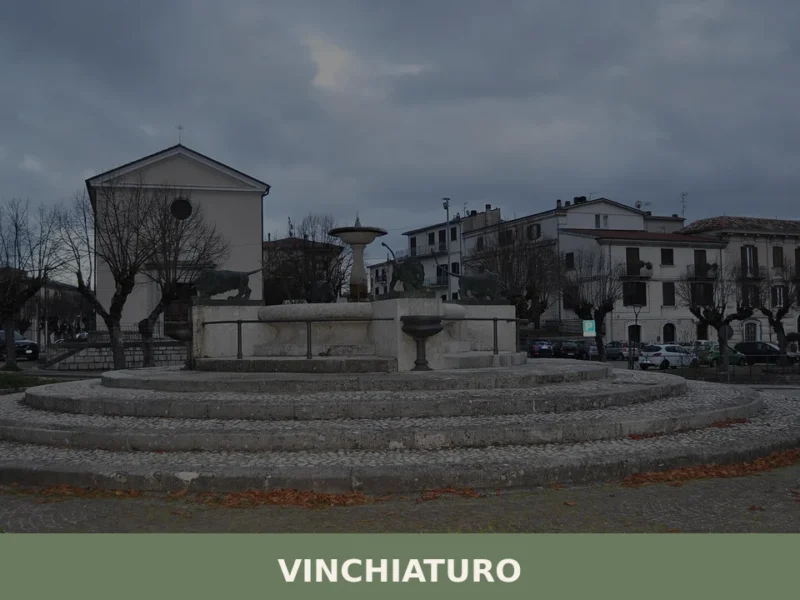
Vinchiaturo
Mountain
Morning mist settles into the valley below as church bells mark the hour from somewhere above the rooftops. At 620 metres above sea level, the air in Vinchiaturo carries a sharpness that cuts through the warmth of Molise’s interior hills. With just over 3,300 inhabitants, this is a village where the rhythm of daily life […]
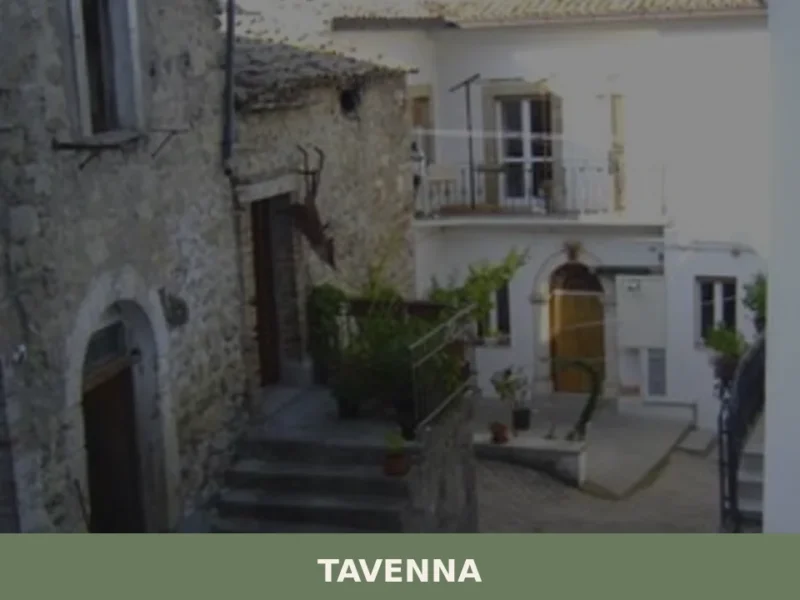
Tavenna
 Hills
Hills
A complete guide to Tavenna in Molise: its medieval stone centre, parish church, panoramic hillside views, and the quiet rhythms of inland southern Italy.



🏡 Know Cercemaggiore better than we do?
If you’re a local or have been there, your knowledge matters: add what’s missing or fix a detail on this page.