


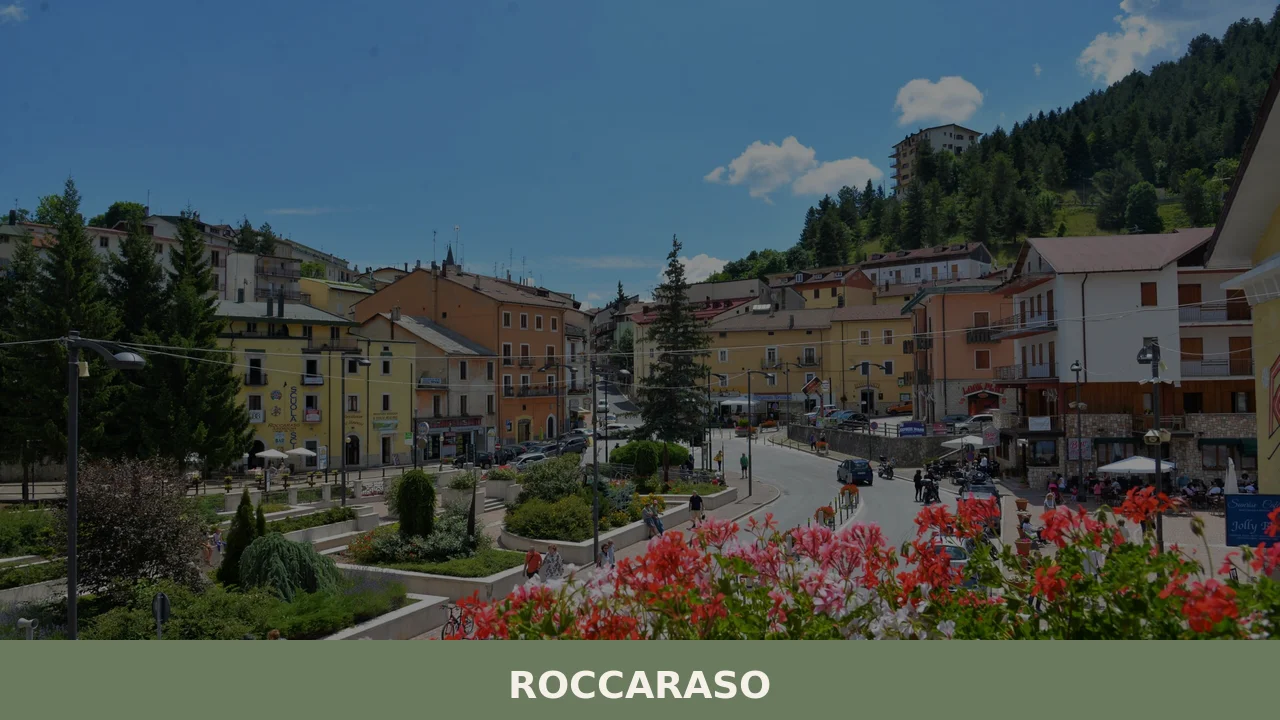
Roccaraso
 Mountain
What to see in Roccaraso, Abruzzo, Italy: ski slopes at 1,236 m, the Church of Santa Maria Assunta, and the Alto Sangro ski area. Discover top attractions now.
Discover Roccaraso
Snow irons the slopes of Mont Greek from November onward, and on clear days the summit at 2,283 m (7,490 ft) cuts a hard line against the sky above the Piano Aremogna plateau. At 1,236 m (4,055 ft) above sea level, Roccaraso registers some of the coldest average temperatures in the province of L’Aquila.
The town’s 1,486 inhabitants live at an elevation where the treeline thins and the Rasinus stream carves its course through the valley floor below the old centre.
For anyone researching what to see in Roccaraso, the answer begins with scale: this is the operational hub of the largest ski area in central and southern Italy, yet it also holds a medieval frazione (an administrative subdivision of a municipality) decorated for military valour, two documented churches, and a history that runs back to around 975 AD.
Visitors to Roccaraso find a town shaped by wartime destruction and subsequent reconstruction, by seasonal tourism that dates to the late nineteenth century, and by a ski culture that produced its first race in 1910.
History of Roccaraso
The town traces its origins to approximately 975 AD, developing on terrain close to the Rasinus stream. That watercourse gave the settlement its earliest recorded name, Rocca Rasini, a Latin construction meaning roughly “the fortress by the Rasinus.” The community that formed there was built around livestock herding and craft production, two activities that gave the population a relatively stable economic base through the medieval period.
The combination of high-altitude pasture and artisan work defined the social character of the settlement for several centuries.
The late nineteenth century introduced a structural change: the opening of a rail connection with Naples brought the first wave of leisure travellers, drawn by the natural environment rather than any commercial purpose.
Hotels began operating in the town during that period, marking the start of a tourism economy that would eventually come to define Roccaraso more than any other activity. The first ski race on record took place in 1910, and in 1936 the town installed its first mechanical lift, the Slittovia on Monte Zurrone, a wire-rope drag system that preceded the modern lift infrastructure by decades. A theater known as Interalia, built in 1698, made Roccaraso one of the few Apennine towns to hold a purpose-built performance venue from the late seventeenth century.
The Second World War erased much of what had been built.
Roccaraso sat directly on the Gustav Line, the German defensive fortification system constructed to slow the Allied advance following the landings at Salerno in September 1943. Allied bombing raids destroyed the town almost entirely, including the 1698 theater. The frazione of Pietransieri, part of the Roccaraso municipality, suffered even more specifically: the Limmari Massacre, carried out during the occupation, resulted in Pietransieri being awarded the Gold Medal of Military Valour for the sacrifices of its population and its role in the partisan resistance.
Reconstruction after 1945 was rapid, and the town re-established itself as one of the most frequented winter destinations in the Italian peninsula. The village of Anversa degli Abruzzi, situated in the same province of L’Aquila, shares the wartime geography of this part of Abruzzo and offers a contrasting survival story from the same conflict period.
What to see in Roccaraso, Abruzzo: top attractions
Church of Santa Maria Assunta
The church stands within the rebuilt town centre, its stone facade one of the few architectural elements that references the pre-war settlement.
Religious life in Roccaraso has been organised around this structure, which serves as the principal parish church for the town’s 1,486 residents. The interior reflects the postwar reconstruction of the wider urban fabric, yet the dedication to the Assumption of Mary places it within a devotional tradition common across the Abruzzo highlands. Visiting in August, around the feast of the patron saint on the 13th, gives the best chance of seeing the church in the context of active liturgical and civic ceremony.
Medieval Town of Pietransieri
Pietransieri occupies a position within the Roccaraso municipality as a frazione, a sub-settlement administratively dependent on the main commune.
The medieval layout of its streets survives in recognisable form, and the village carries the formal distinction of the Gold Medal of Military Valour, awarded in recognition of the Limmari Massacre and the local population’s role in the partisan struggle of 1943 to 1945. Walking through the settlement means moving through a documented site of wartime history rather than simply a scenic village.
The medal and its historical basis are confirmed in the official record of Italian localities decorated for the War of Liberation.
Church of San Rocco
The Church of San Rocco represents the second principal religious building documented within Roccaraso. San Rocco, venerated as protector against plague and epidemic illness, was a common dedication across Apennine communities from the fifteenth century onward, reflecting the vulnerability of highland populations to disease transmission along transhumance routes. The church’s position in the townscape connects it to that pastoral and migratory history. For visitors interested in what to see in Roccaraso beyond the ski infrastructure, the two documented churches offer a compressed architectural and devotional record that complements the natural landscape.
The Alto Sangro Ski Area
The ski area centred on Roccaraso covers approximately 160 km (100 mi) of downhill pistes served by 36 lifts, making it the largest ski area in central and southern Italy by documented measurement.
The terrain spans several mountain groups: Mont Greek reaches 2,283 m (7,490 ft) and forms the structural backbone of the Roccaraso sector, while Rivisondoli-Monte Pratello peaks at 2,012 m (6,600 ft) and connects directly to the lifts on the Piano Aremogna plateau.
The first formal ski race here was held in 1910; international competition has continued since, including the men’s and women’s finals of the European Cup in March 2005 and the World Junior Championships in 2012, when competitors from dozens of countries across all five continents participated. Climate data from January 2024 recorded only approximately 20 percent of pistes open due to reduced natural snowfall, a figure that reflects the documented impact of warming temperatures on the area’s operating season.
The Rasinus Valley and Surrounding Landscape
The Rasinus stream, which gave Roccaraso its earliest recorded name, runs through the valley below the town and defines the lower boundary of the settled area. The surrounding terrain sits within the subgroup of Mont Greek, a massif that forms part of the broader Apennine ridge dividing the Adriatic and Tyrrhenian drainage basins. At 1,236 m (4,055 ft), the town itself stands above the natural treeline transition zone, meaning the landscape shifts from forested slopes to open alpine-style meadow within a short distance of the centre.
The Piano Aremogna plateau, accessible by lift from the town, offers the clearest view of this topographic arrangement and remains open for walking and mountain-biking outside the winter season.
Local food and typical products of Roccaraso
The gastronomy of the L’Aquila highlands reflects the practical constraints of altitude and seasonality.
Communities at over 1,200 m (3,937 ft) historically relied on preserved meats, dried legumes, hard cheeses aged over winter, and grain-based preparations that could be stored. The proximity of Roccaraso to transhumance routes connecting the Abruzzo interior to the Apulian lowlands introduced livestock products as a dietary constant: lamb, mutton, and cured pork cuts formed the protein base of highland cooking across this corridor for centuries.
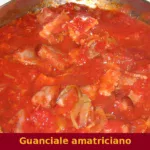
Among the preparations most consistently associated with the L’Aquila Apennine area, agnello alla cacciatora — lamb pieces browned in olive oil with rosemary, garlic, white wine, and chilli — is the most documented in relation to the mountain interior. Arrosticini, small skewers of mutton grilled over a long narrow brazier called a furnacella, originate from the shepherding culture of the Abruzzo highlands and are prepared from castrated sheep meat cut into cubes of roughly 1 cm.
The technique requires a specific geometry: the skewers are packed closely together over the heat source and turned continuously to avoid charring.
Polenta with ragù of lamb or wild boar appears on menus throughout the winter season, using coarse-ground corn flour cooked for a minimum of 40 minutes with constant stirring. These preparations are not restaurant inventions; they descend from the practical food culture of herding communities who occupied this altitude band for generations.
The mountain terrain around Roccaraso supports local production of cured meats and cheeses consistent with the broader Abruzzo interior tradition, though no specific certified designation (DOP, IGP, or equivalent) is formally documented in the available sources for products exclusive to the Roccaraso municipality itself.
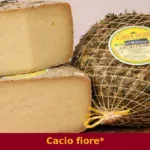
The wider province of L’Aquila contributes to several Abruzzo-wide designations including Mortadella di Campotosto IGP and various Pecorino varieties, products that circulate in the local market and appear in shops and restaurants serving the town.
Visitors looking for what to see in Roccaraso during the food calendar will find that the mountain interior of Abruzzo concentrates its food culture in autumn and winter rather than summer.
Local markets and festivals linked to food production occur primarily in the late summer and autumn months, when the transhumance cycle traditionally concluded and preserved foods were prepared for the winter. The feast of the patron saint on 13 August marks a point in the calendar when outdoor food stalls and communal meals accompany the religious celebrations, giving visitors a direct view of the local food economy in operation.
Festivals, events and traditions of Roccaraso
The principal civic and religious event in the town’s annual calendar is the feast of Sant’Ippolito di Roma, celebrated on 13 August.
Sant’Ippolito, a Roman martyr from the early Christian period, is venerated as the patron saint of Roccaraso, and his feast day organises a sequence of liturgical ceremonies, processions through the town streets, and communal gatherings. The date falls in the peak of the summer tourism season, when the town’s population swells considerably beyond its resident 1,486 inhabitants, giving the celebration both a local devotional character and a broader public dimension.
The ski season generates its own event calendar independent of religious tradition.
Roccaraso has hosted competitive skiing at international level on documented occasions, including the European Cup finals in March 2005 and the World Junior Championships in 2012. These competitions brought athletes representing countries from all five continents and placed the town in the international sporting press on multiple occasions. The annual programme of national and international ski races continues to draw competitors and spectators each winter, concentrating sporting activity in the January to March window when natural and artificial snow conditions are most reliable.
When to visit Roccaraso, Italy and how to get there
The question of the best time to visit Abruzzo depends entirely on the type of activity planned.
For skiing, the operative season at Roccaraso runs from December through March, with January and February historically offering the most reliable natural snow cover. Climate records from January 2024, however, showed only 20 percent of pistes open due to insufficient natural snowfall, which underlines the increasing variability of winter conditions at this altitude. The summer months, roughly June through September, give access to the plateau trails and the valley landscape without crowds, and August carries the added interest of the Sant’Ippolito feast on the 13th. Spring and autumn are transitional: lifts are not operating, and some mountain roads may be affected by late or early snowfall.
Roccaraso sits approximately 170 km (106 mi) southeast of Rome along the A25 motorway, making it a realistic day trip from the capital for those with private transport; the journey takes roughly two hours depending on traffic.
The nearest major rail hub is Trenitalia services connecting to Castel di Sangro, approximately 18 km (11 mi) from Roccaraso, from which local bus services cover the remaining distance. The closest international airport with regular European connections is Rome Fiumicino (Leonardo da Vinci), approximately 215 km (134 mi) by road.
If you arrive by car, the A25 exit at Pratola Peligna–Sulmona direction leads onto the SS17 toward Roccaraso; the final stretch climbs consistently through the Sangro valley. International visitors should carry euros in cash, as smaller shops and mountain facilities in the area do not always accept card payments, and English is not reliably spoken outside hotels and ski rental outlets. For further administrative information, the official municipality website publishes current service updates in Italian.
For those planning a broader tour of Abruzzo’s interior villages, the Sangro valley corridor connects Roccaraso to several other settlements worth including in an itinerary.
The coastal town of Vasto, situated on the Adriatic coast roughly 90 km (56 mi) east of Roccaraso, provides a contrasting base for those who want both mountain and sea within a single trip.
Further north in the same region, Cagnano Amiterno represents another high-altitude settlement in the province of L’Aquila with a distinct historical profile, useful for those building a circuit through the Abruzzo Apennines.
Where to stay near Roccaraso
Roccaraso developed its hotel infrastructure in the late nineteenth century, when the rail link with Naples first brought leisure visitors to the area, and the accommodation offer has expanded continuously since. The town today supports a range of hotels oriented primarily toward the winter ski season, along with rental apartments and smaller guesthouses that operate year-round. The volume of visitors during peak ski weekends can be substantial: in January 2025, an influx of tourists from Naples generated national media coverage and prompted the mayor to describe the situation as an organised assault on the town’s capacity. Booking accommodation in advance for January and February weekends, and particularly for the August feast period, is strongly advisable.
Nearby Villages near Roccaraso
In Abruzzo More villages to discover
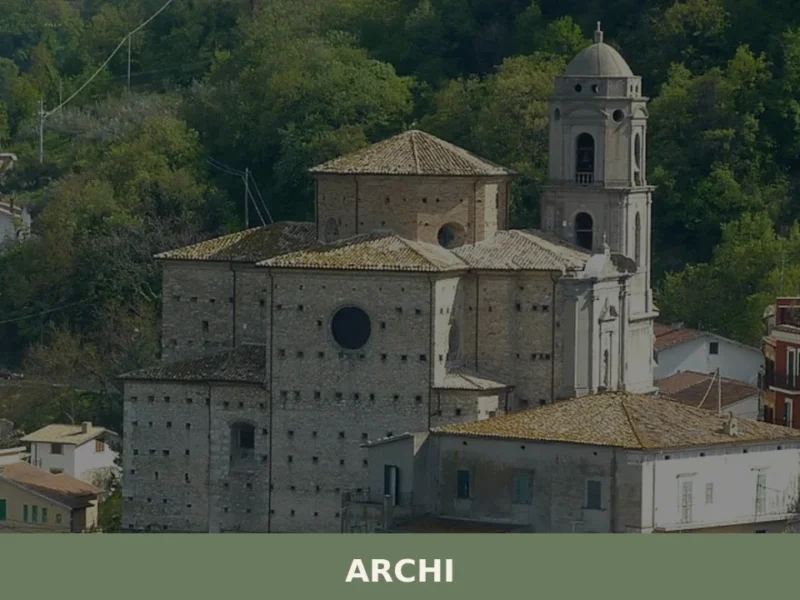
Archi
 Hills
Hills
Archi sits at 492 metres above sea level in the province of Chieti, a settlement of just under 2,000 inhabitants occupying a ridge above the Sangro river valley in southern Abruzzo. The village’s position — commanding views across a landscape that drops sharply toward the river below — has defined its strategic importance since the […]
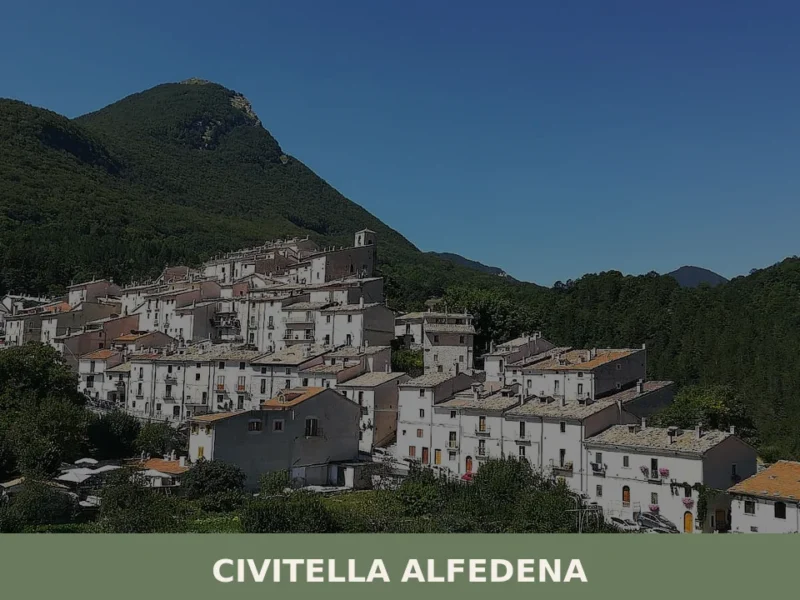
Civitella Alfedena
 Lake
Mountain
Lake
Mountain
At 1123 metres above sea level, on the southern slopes of the Abruzzo, Lazio and Molise National Park, Civitella Alfedena is home to just 285 residents — fewer than a single apartment block in Rome — spread along an urban core that retains its medieval defensive layout, complete with stone portals and covered passageways. Asking […]
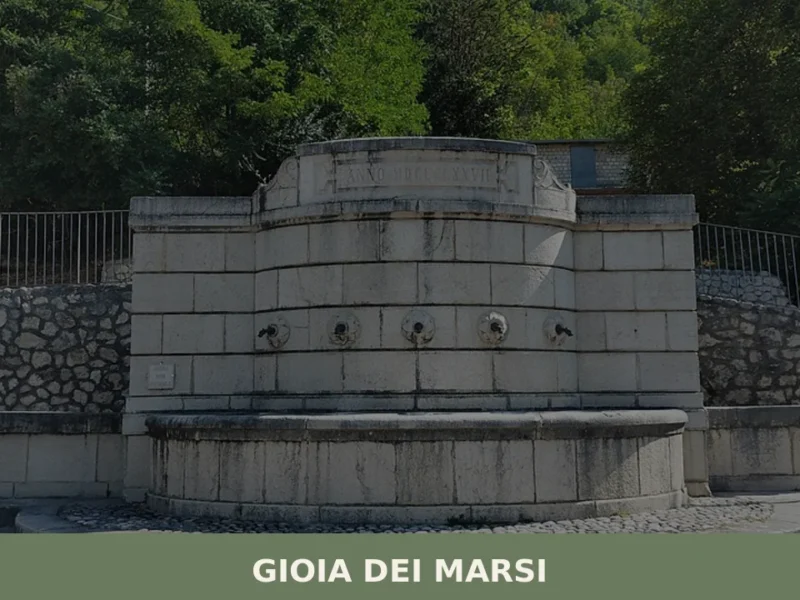
Gioia dei Marsi
Mountain
Gioia dei Marsi has a population of 2,091 and sits at 725 metres above sea level on the eastern edge of the Fucino, the plain that until 1875 was the largest lake in peninsular Italy. The draining of the lake radically transformed the economy and landscape of this Marsican settlement, shifting its centre of gravity […]
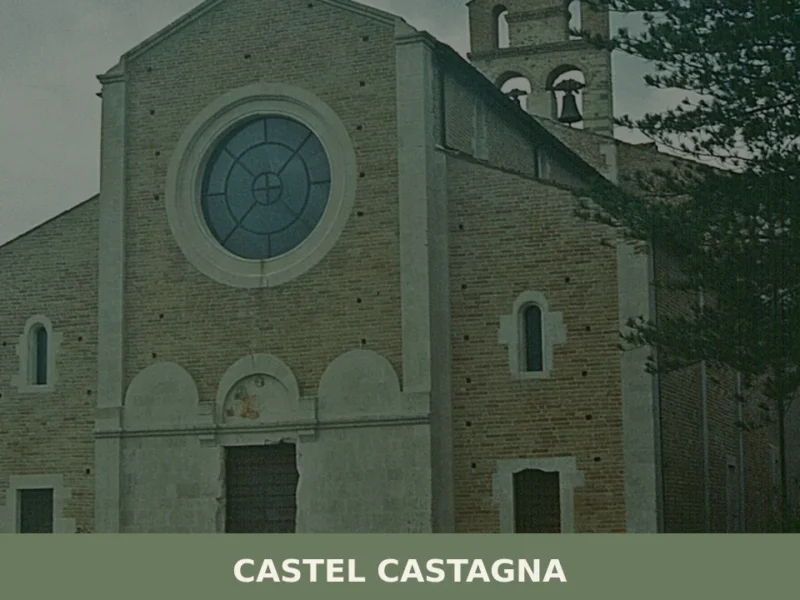
Castel Castagna
Hills
At 452 metres above sea level, on the eastern slope of the Gran Sasso, the municipality of Castel Castagna today counts 429 inhabitants spread between the main settlement and the hamlets scattered along the cultivated hillsides of the province of Teramo. Anyone wondering what to see in Castel Castagna will find answers in a territory […]
Navelli
Mountain
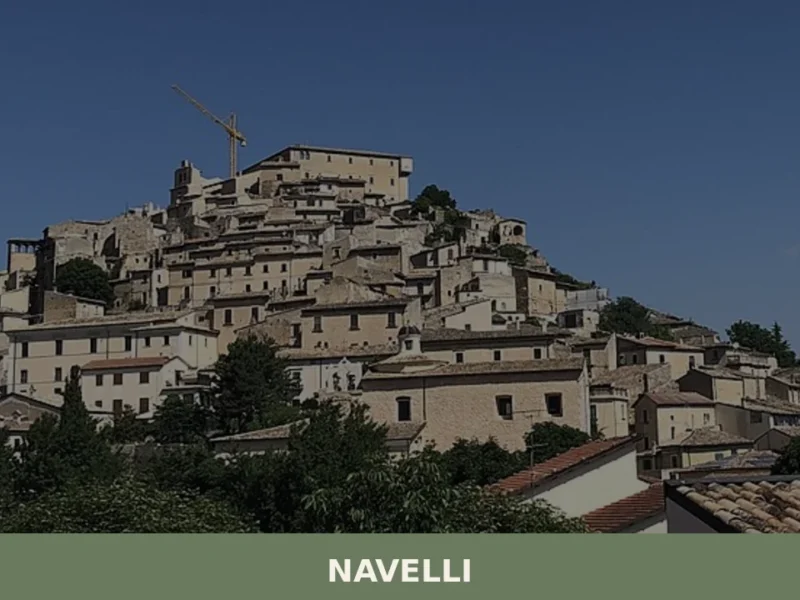
Navelli has a current population of 537 and occupies a plateau at 760 metres above sea level on the homonymous highland, in the province of L’Aquila. Saffron cultivation in this area has been documented since at least the 13th century, when the spice became a trade commodity destined for the markets of Milan, Venice and […]
Balsorano
Hills
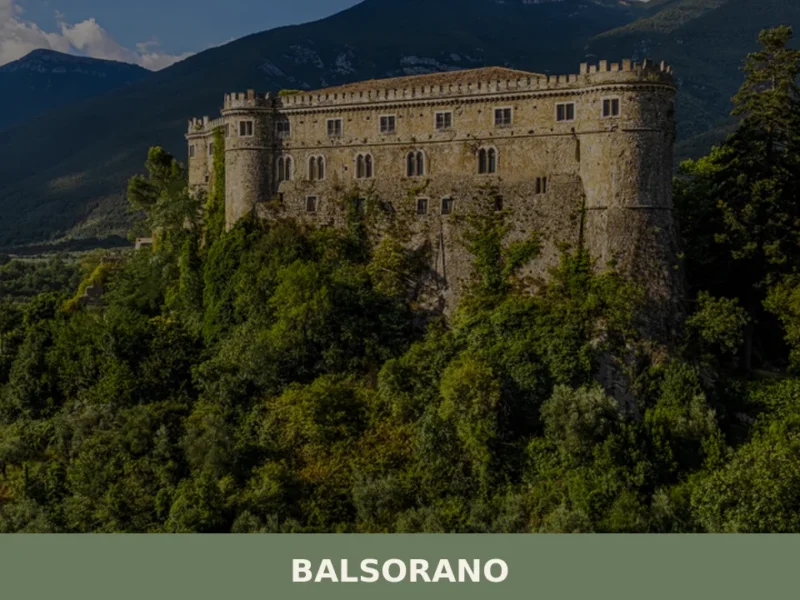
The Val Roveto divides southern Abruzzo from Lazio along a fault line that has determined earthquakes, migrations and feudal borders for over seven centuries. Balsorano occupies the valley floor and the hillside at 340 metres above sea level, with its 3,617 inhabitants spread between the upper historic centre — Balsorano Vecchio — and the modern […]
Bussi sul Tirino
Mountain
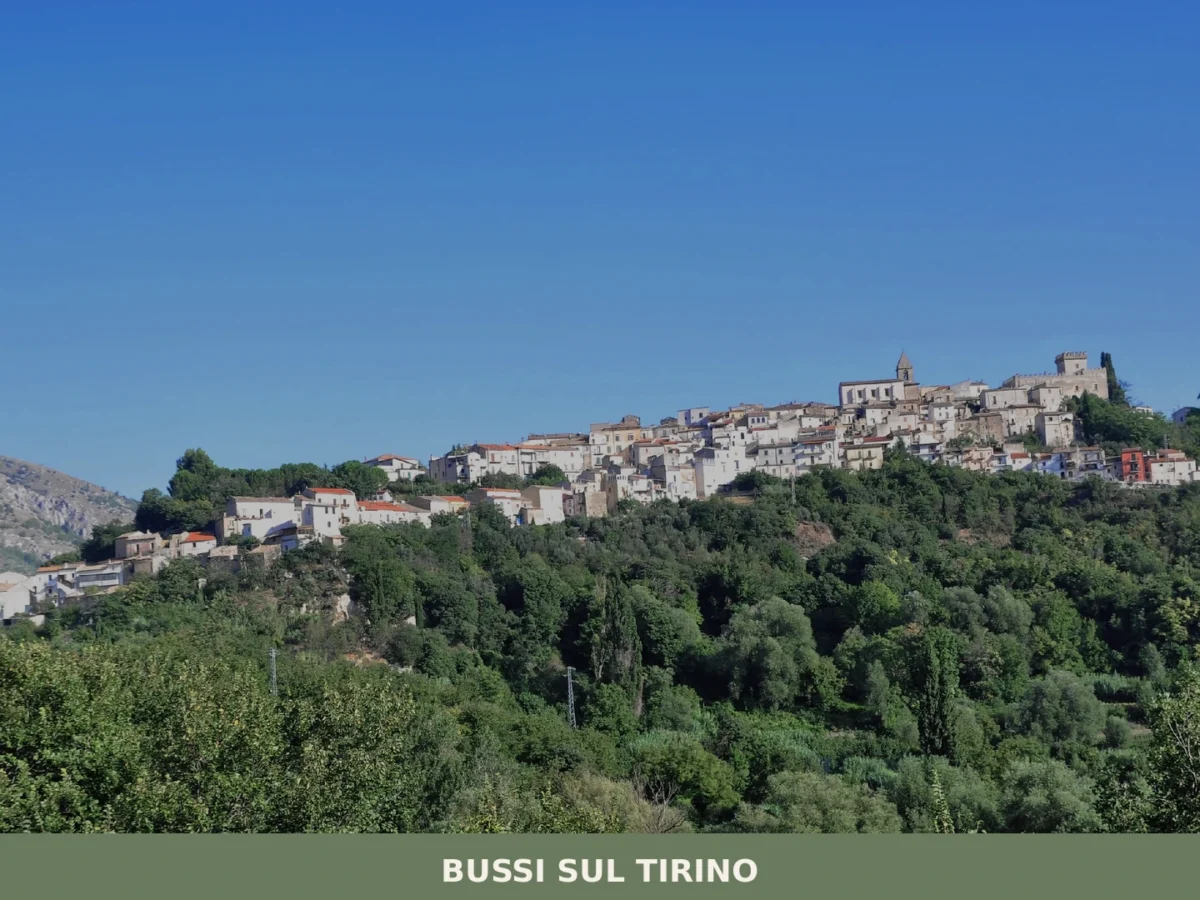
What to see in Bussi sul Tirino, Italy: explore 5 top attractions in the Gran Sasso National Park. Discover the Castello Mediceo and local food. Complete guide.
Canzano
Hills
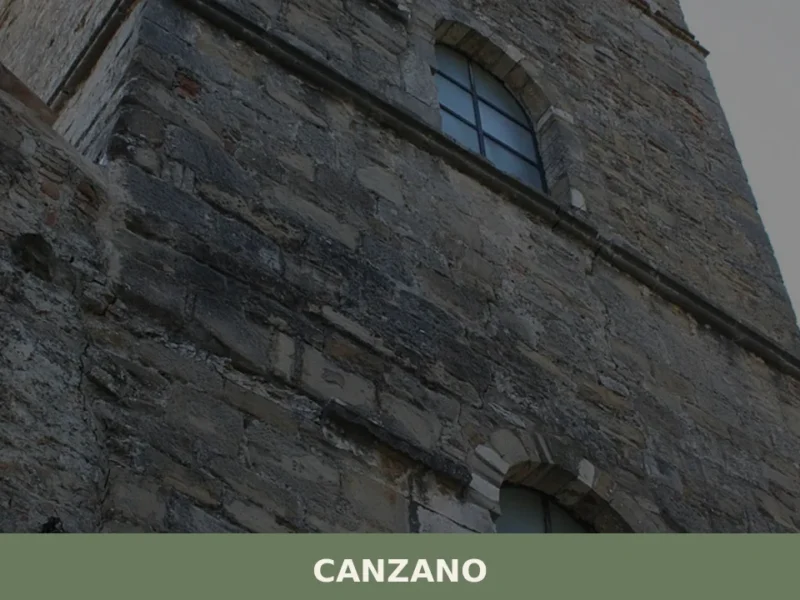
Canzano has 1,786 inhabitants and stands at 448 metres above sea level on a hill in the province of Teramo, along the foothill belt separating the Vomano valley from the first Apennine ridges. Anyone wondering what to see in Canzano will find an urban core where the fortified medieval layout coexists with a precise and […]
Arsita
Hills
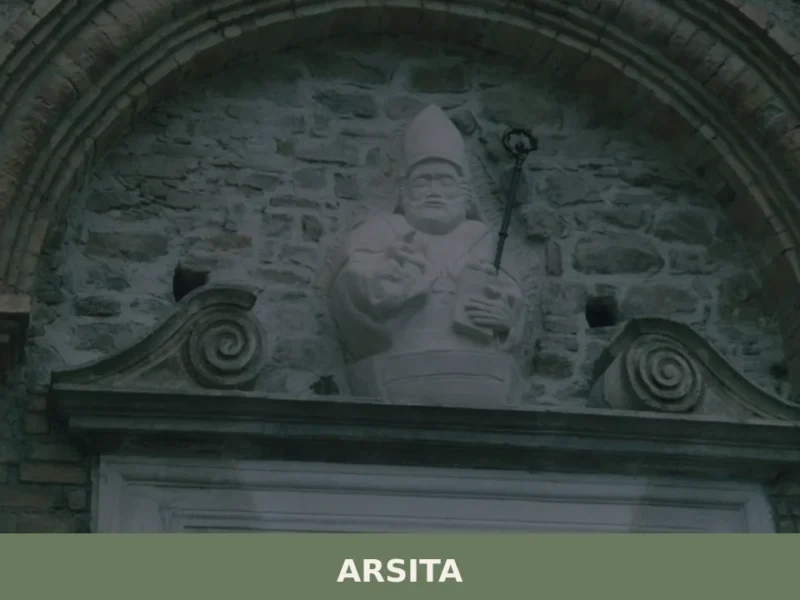
Until 1905, this village was called Bacucco, a name likely derived from the Latin bacuca, which referred to olives that had fallen to the ground — a direct reference to the agricultural character of the area. Situated at 470 metres above sea level on the hills of the Teramo province, Arsita and its 733 inhabitants […]
Altino
Hills
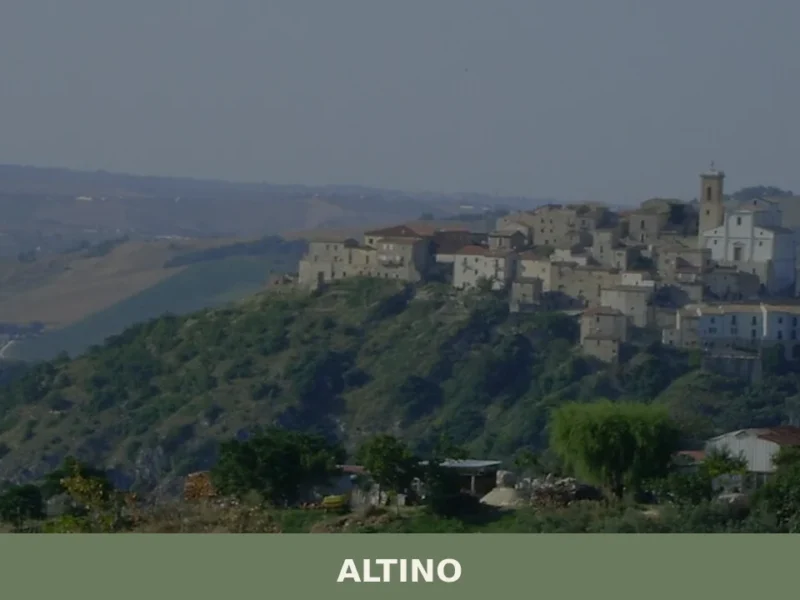
What to see in Altino? Explore the 5 main attractions of this village with 3,067 inhabitants, from the Sweet Pepper Museum to the Mother Church. Plan your visit!
🏡 Know Roccaraso better than we do?
If you’re a local or have been there, your knowledge matters: add what’s missing or fix a detail on this page.