


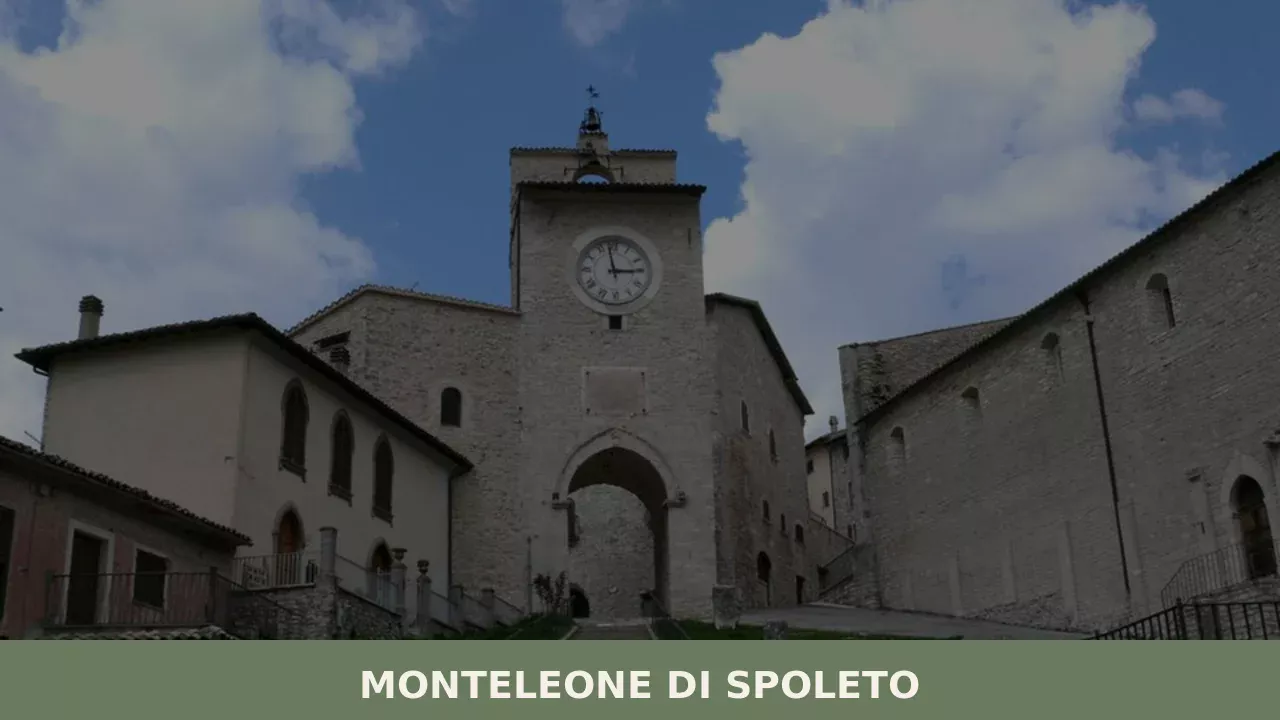

Monteleone di Spoleto: discover the history and art of this Umbrian village. Visit the museum and the Church of San Francesco. Plan your visit now!
Discover Monteleone di Spoleto
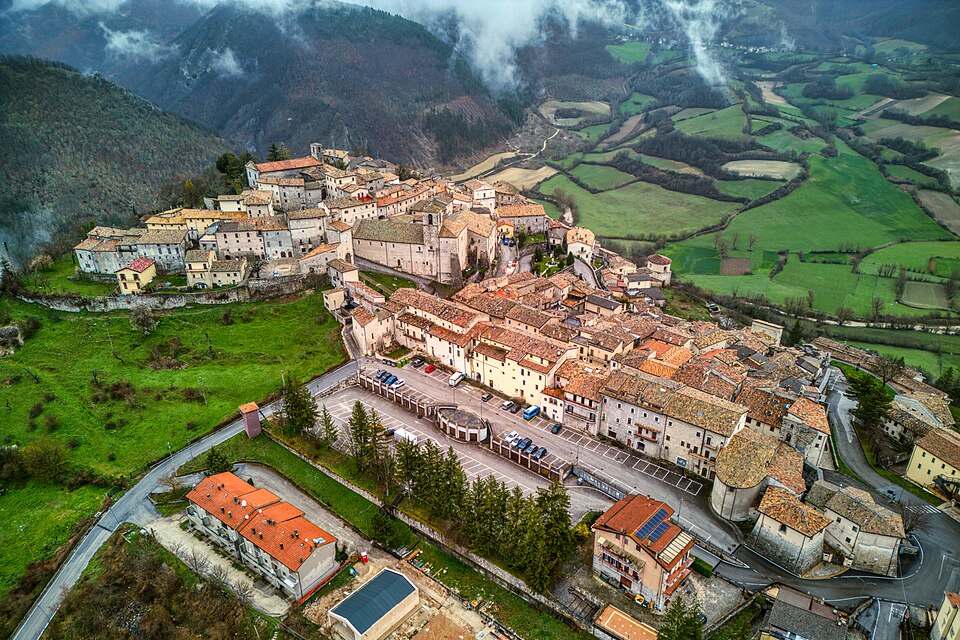
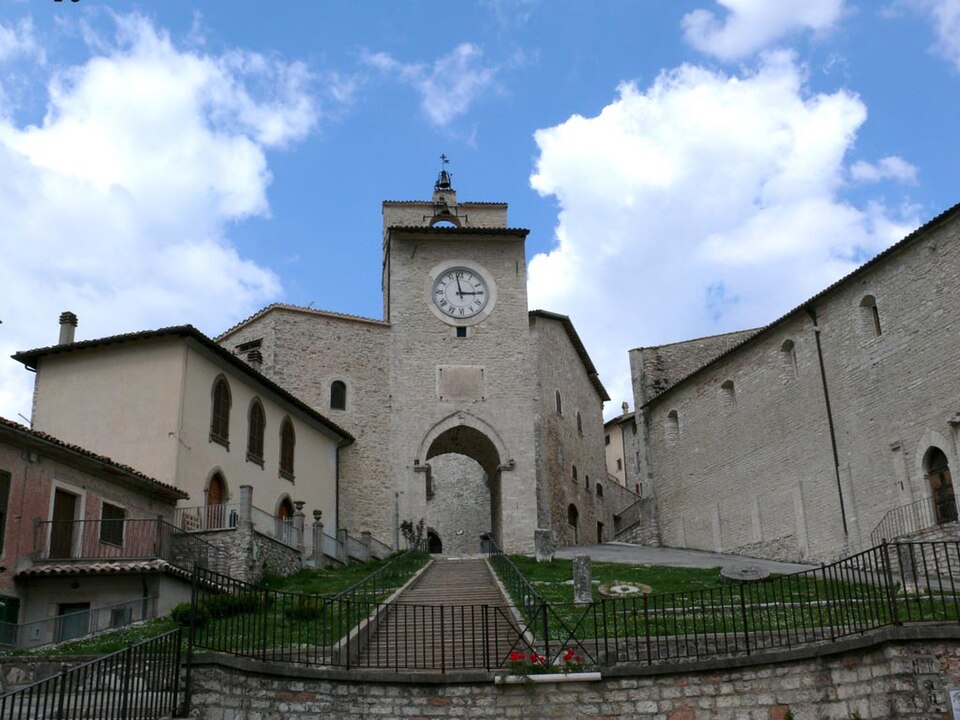
Morning light reaches Monteleone di Spoleto in stages — first the bell tower, then the stone walls of the upper quarter, finally the narrow lanes where 555 residents begin their day. At 978 metres above sea level, the air carries a sharpness that belongs to the high Valnerina, not the softer Umbrian valleys below. This is a place where altitude defines everything: the dialect, the cooking, the rhythm of the seasons. Monteleone di Spoleto stands in the province of Perugia, a settlement whose roots extend far deeper than its modest size suggests.
History of Monteleone di Spoleto
The name itself maps a territorial claim: Mons Leonis, the mountain of the lion, a reference likely tied to a noble family’s heraldic symbol or to an older, half-forgotten legend. The settlement’s origins stretch back to at least the early medieval period, when fortified hilltop communities across the upper Valnerina served as defensive positions against Lombard and Saracen incursions. By the thirteenth century, Monteleone di Spoleto had established itself as a castello — a walled community with its own statutes, aligned politically with the Duchy of Spoleto and later absorbed into the Papal States.
The village gained unexpected international attention in the late nineteenth century when an extraordinary Etruscan chariot — the so-called Monteleone chariot — was discovered in a nearby necropolis in 1902. Dating to approximately 530 BCE, the bronze-plated ceremonial biga depicts scenes from the life of Achilles and is now held in the Metropolitan Museum of Art in New York. Its discovery reframed the area’s history, confirming a significant Italic and Etruscan presence in this mountain corridor centuries before Roman consolidation. The chariot remains a source of local pride and ongoing debate about cultural patrimony.
Through the medieval and early modern periods, the community navigated the shifting allegiances common to Umbrian hill towns — oscillating between papal authority, Spoleto’s influence, and the ambitions of local feudal lords. The town’s churches and civic structures, many dating to the fourteenth and fifteenth centuries, reflect this era of modest but persistent investment in communal identity.
What to see in Monteleone di Spoleto: 5 must-visit attractions
1. Church of San Francesco
Built in the fourteenth century, this Gothic church dominates the village’s upper section. Its portal and interior retain original architectural elements, and it once housed artefacts connected to the Franciscan presence in the Valnerina. The adjacent spaces have served various civic functions over the centuries, reflecting the intertwined nature of religious and communal life in settlements of this size.
2. The Medieval Walls and Gates
Sections of the original defensive walls remain visible along the village perimeter, particularly near the main entrance gates. Walking these fragments offers a clear reading of the settlement’s medieval footprint — how streets were arranged for defence, how sight lines were maintained across the valley, and how access was controlled through narrow, angled passages.
3. The Etruscan Chariot Exhibition Space
While the original Monteleone chariot resides in New York, the village maintains a dedicated space with a replica and interpretive materials documenting the 1902 discovery. The exhibition contextualises the find within the broader Etruscan presence across the central Apennines, providing detail that the Metropolitan Museum’s display necessarily omits about the local landscape and burial site.
4. Church of Santa Caterina
This smaller church, positioned within the historic centre, preserves frescoes and decorative elements from the fifteenth and sixteenth centuries. The interior artwork — though modest in scale — reflects the artistic currents that reached even high-altitude Umbrian communities through itinerant painters and the patronage networks of local confraternities.
5. The Surrounding Landscape and Mountain Trails
The territory around Monteleone di Spoleto opens onto high-altitude meadows, beech forests, and views toward the Sibillini Mountains. Marked trails connect the village to neighbouring settlements and natural areas, offering walking routes that vary from gentle valley paths to steeper ridgeline circuits above the tree line. The flora shifts noticeably with altitude.
Local food and typical products
At nearly a thousand metres, the cuisine of Monteleone di Spoleto belongs to the mountain tradition of Umbria rather than the olive-oil-and-vine culture of the lower valleys. Farro — an ancient emmer wheat — has been cultivated in the surrounding fields for centuries and holds regional recognition as a heritage product. It appears in soups, often combined with legumes and the dense, flavourful lentils grown at altitude. Black truffle, particularly the winter variety (Tartufo nero pregiato), is foraged in the oak and beech woods nearby and grated over handmade pasta or eggs. Pork preparations — sausages, cured meats, porchetta — follow recipes that predate refrigeration, relying on salt, spice, and cold mountain air.
The village’s few trattorie and agriturismi serve these dishes without ornamentation. Portions are calibrated for people who work outdoors. Local honey, produced from the wildflowers of high meadows, carries a complex, slightly bitter quality distinct from lowland varieties. Visitors looking for formal dining will need to descend to larger towns, but the cooking here has an integrity that comes from altitude and limited ingredients, handled with accumulated knowledge.
Best time to visit Monteleone di Spoleto
Summer — late June through September — brings the most accessible conditions: roads are clear, daylight is long, and the village’s festivals and communal events concentrate in this period. The Rievocazione storica, a historical pageant tied to local traditions, typically takes place in August and draws returning emigrants alongside visitors. Spring, particularly May and early June, rewards with wildflower meadows and moderate temperatures ideal for walking. Autumn brings truffle season and the harvest of farro, lending a purposeful energy to the surrounding countryside.
Winter at 978 metres is serious. Snowfall is common, temperatures drop well below freezing, and some services reduce their hours. However, for those equipped for cold conditions, the village takes on a particular quiet — wood smoke rising from chimneys, the crunch of frozen ground, light falling at low angles through empty streets. Practical note: always check road conditions between November and March, as the approach roads can require chains or winter tyres.
How to get to Monteleone di Spoleto
The nearest major motorway is the E45 (Strada statale Tiberina), which runs through the Tiber Valley to the west. From Spoleto, approximately 40 kilometres to the northwest, a winding but well-maintained road climbs through the Valnerina — allow about 50 minutes. From Perugia, the provincial capital, the drive is roughly 100 kilometres and takes around 90 minutes. Rome lies approximately 150 kilometres to the south, reachable in about two and a half hours via the A1 motorway and subsequent secondary roads.
The nearest railway stations are at Spoleto (on the Rome–Ancona line) and Norcia, though the latter has limited service. From either station, a car is essential for the final approach. The closest airports are Perugia–Sant’Egidio (approximately 110 km) and Rome–Fiumicino (approximately 180 km). There is no regular public bus service with practical frequency for visitors; renting a vehicle is strongly recommended. The roads themselves — switchbacks through chestnut and beech forest, with periodic valley views — are part of the experience.
More villages to discover in Umbria
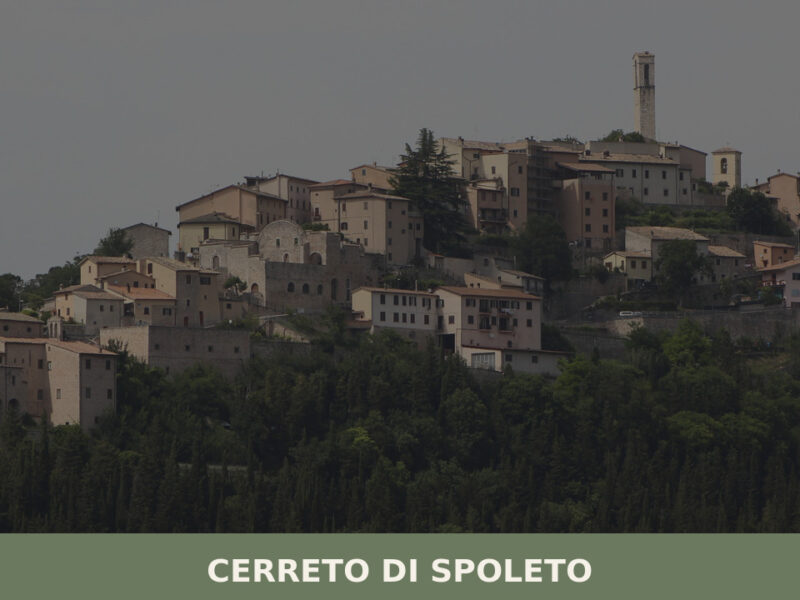
The upper Valnerina functions as a corridor of small, interconnected communities, each shaped by the same geological and historical forces but expressing them differently. Just to the north, Cerreto di Spoleto occupies a strategic position where valleys converge, and its history as a market town gives it a slightly different character — more outward-facing, with architectural traces of mercantile prosperity alongside its medieval fortifications. The two villages share festival traditions and family ties, and driving between them takes only about twenty minutes along a road that follows the Nera river’s course.
Further exploration across this part of Umbria reveals a landscape where settlement patterns have changed remarkably little since the medieval period. The villages maintain distinct identities despite their proximity, and moving between them — by car or, better, on foot along old connecting paths — offers a cumulative understanding of how mountain communities in central Italy have persisted. The territory around Cerreto di Spoleto and Monteleone di Spoleto represents one of the most coherent surviving examples of this high-altitude Umbrian culture, quieter and less visited than the region’s famous valley towns, but no less significant in what it preserves.
Frequently asked questions about Monteleone di Spoleto
What is the best time to visit Monteleone di Spoleto?
Late June through September offers the most accessible conditions, with clear roads, long daylight hours, and the August historical pageant (Rievocazione storica). May and early June are ideal for wildflower meadows and hiking. Autumn brings truffle foraging season and the farro harvest. The feast of patron saint San Nicola falls on 6 December — a winter visit worth planning for, though road conditions can be challenging at 978 metres; always check for snow and carry winter tyres or chains between November and March.
What are the historical origins of Monteleone di Spoleto?
The village's name derives from Mons Leonis, likely referencing a noble heraldic symbol. Its origins trace to the early medieval period, when fortified hilltop settlements in the upper Valnerina served as defensive positions. By the thirteenth century it functioned as a walled castello within the Duchy of Spoleto, later absorbed into the Papal States. The area gained international significance when a bronze Etruscan ceremonial chariot, dating to around 530 BCE and depicting scenes from the life of Achilles, was discovered in a nearby necropolis in 1902 and is now housed in the Metropolitan Museum of Art in New York.
What to see in Monteleone di Spoleto? Main monuments and landmarks
The fourteenth-century Gothic Church of San Francesco dominates the upper village with its original portal and interior. The Church of Santa Caterina preserves fifteenth and sixteenth-century frescoes within the historic centre. Medieval defensive walls and gates remain visible along the village perimeter, offering a clear reading of the settlement's original layout. A dedicated exhibition space houses a replica of the famous Etruscan Monteleone chariot alongside interpretive materials about the 1902 discovery — essential context for understanding the area's pre-Roman heritage. Access to the historic centre is generally unrestricted.
What are the main natural and scenic attractions around Monteleone di Spoleto?
The territory surrounding the village opens onto high-altitude meadows, beech and oak forests, and panoramic views toward the Sibillini Mountains. Marked walking trails connect Monteleone di Spoleto to neighbouring settlements and natural areas, ranging from gentle valley paths along the Valnerina to steeper ridgeline circuits above the tree line. The flora changes notably with altitude, and spring wildflower displays are particularly striking. The same oak and beech woods that frame the landscape also yield the area's prized winter black truffles (Tartufo nero pregiato).
Where can you take the best photos in Monteleone di Spoleto?
The bell tower and stone walls of the upper quarter catch the morning light first, making the early hours ideal for photography of the medieval fabric. The main entrance gates and surviving wall sections frame classic hilltop village compositions against the Valnerina valley below. The ridgeline trails above the village offer wide-angle views toward the Sibillini Mountains. In winter, low-angled light, wood smoke rising from chimneys, and empty frozen lanes create a stark, atmospheric quality distinct from any other season.
What can you do in Monteleone di Spoleto? Activities and experiences
Walking and hiking are the primary outdoor activities, with marked trails ranging from easy valley routes to demanding ridgeline circuits above the tree line. Autumn offers guided or independent truffle foraging in the surrounding oak and beech woods. The August Rievocazione storica historical pageant is the main cultural event of the year. Food experiences centre on the village's few trattorie and agriturismi, where mountain dishes — farro soup, truffle pasta, cured pork meats — are served in a working, unornamented style. Visiting the Etruscan chariot exhibition provides a focused cultural experience.
Who is Monteleone di Spoleto suitable for? Families, couples, hikers, solo travellers?
Monteleone di Spoleto suits hikers and walkers seeking high-altitude Apennine trails with genuine mountain character. It appeals strongly to visitors interested in archaeology, Etruscan history, and the story of the Metropolitan Museum chariot. Couples and independent travellers drawn to quiet, uncommercialised Umbrian villages — where local cooking and medieval architecture are experienced without crowds — will find it rewarding. Families with older children who enjoy history and walking will appreciate the pace. It is not suited to visitors expecting a broad range of restaurants, nightlife, or tourist infrastructure.
What to eat in Monteleone di Spoleto? Local products and specialties
Farro (emmer wheat), cultivated in the surrounding fields for centuries, is the defining local ingredient — served in thick soups with legumes and high-altitude lentils. Winter black truffle (Tartufo nero pregiato di Norcia e Spoleto, with IGP recognition) is foraged nearby and grated over handmade pasta or eggs. Pork preparations — sausages, cured meats, and porchetta — follow traditional mountain recipes relying on salt, local spices, and cold air. Mountain honey from high-meadow wildflowers offers a complex, slightly bitter flavour distinct from lowland varieties. Portions and preparation reflect a working mountain tradition.
📷 Photo Gallery — Monteleone di Spoleto
Nearby Villages near Monteleone di Spoleto
In Umbria More villages to discover
Attigliano
 Hills
Hills
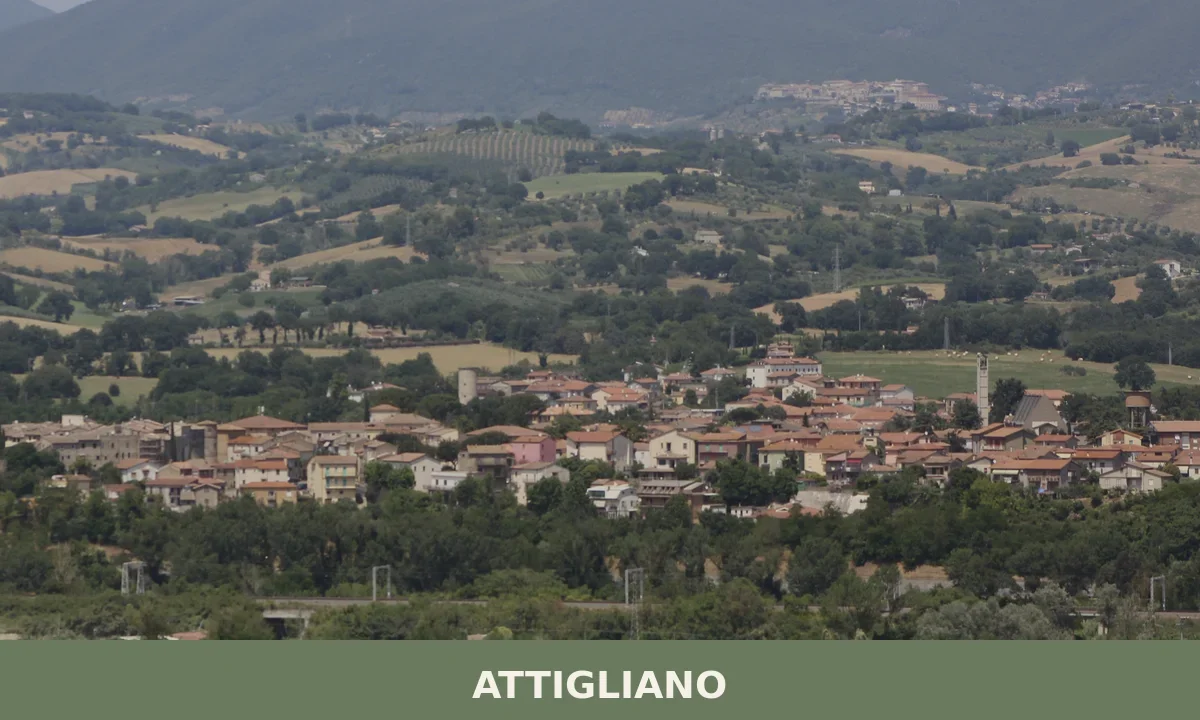
What to see in Attigliano, Umbria, Italy: explore a medieval castle with 6 towers, the 1885 Fontana dei Delfini, and San Lorenzo church. Discover how to get there.
Poggiodomo
 Mountain
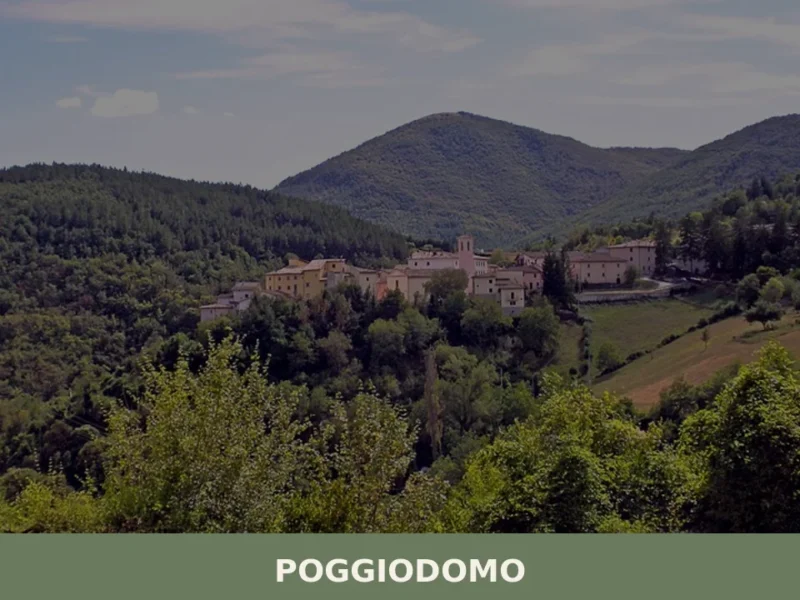
What to see in Poggiodomo, Italy? Explore this Umbrian village, situated at 974 m, and discover the historic Church of San Carlo Borromeo and the Hermitage of Madonna della Stella.
Campello sul Clitunno
Hills
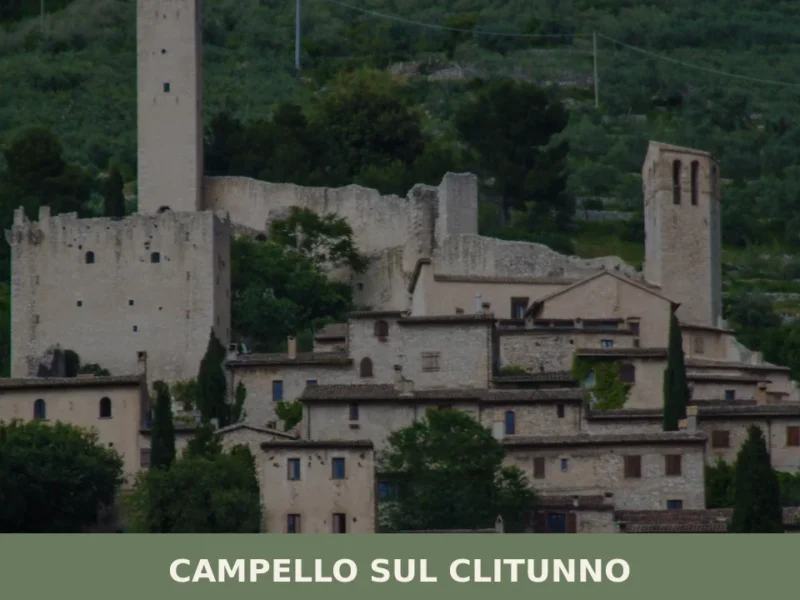
Campello sul Clitunno è un borgo umbro che unisce storia longobarda, architetture medievali e una ricca tradizione enogastronomica.
Montone
Hills
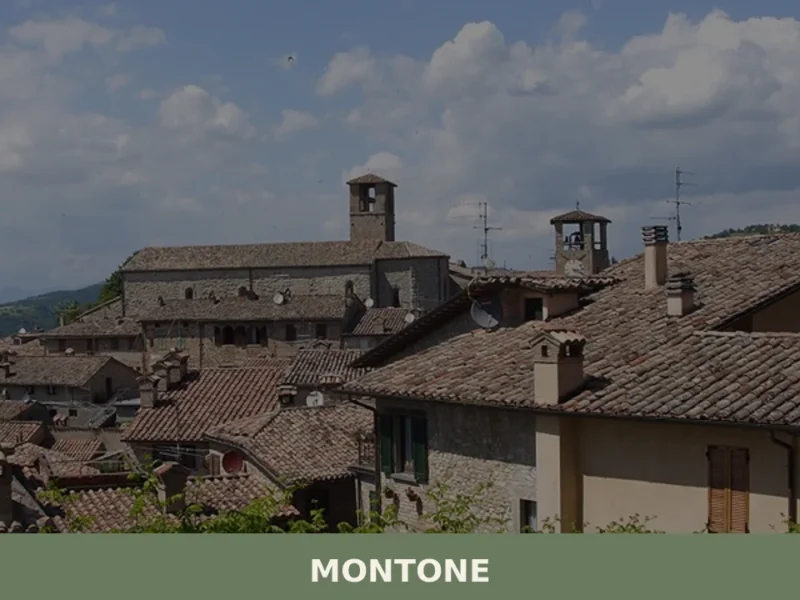
What to see in Montone, Italy: Explore this Umbrian village, 482 m high, with its medieval walls and historic Rocca d'Aries. Discover churches and heritage.
Fratta Todina
Hills
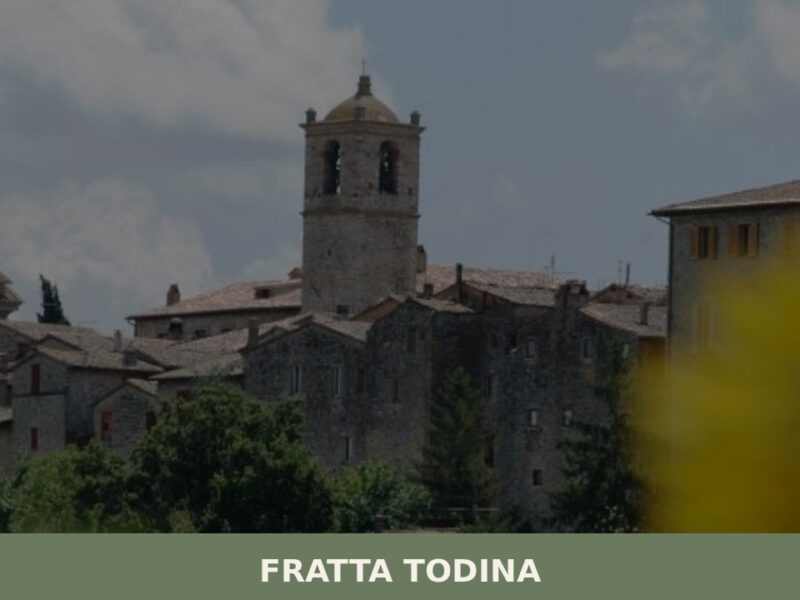
Morning light falls across a line of stone façades, turning the tufa walls the colour of raw honey. A church bell marks the hour from somewhere above the rooftops, its sound carrying across the Tiber valley below. Fratta Todina sits on a low hill in the province of Perugia, home to just 1,817 residents — […]
Monte Santa Maria Tiberina
Mountain
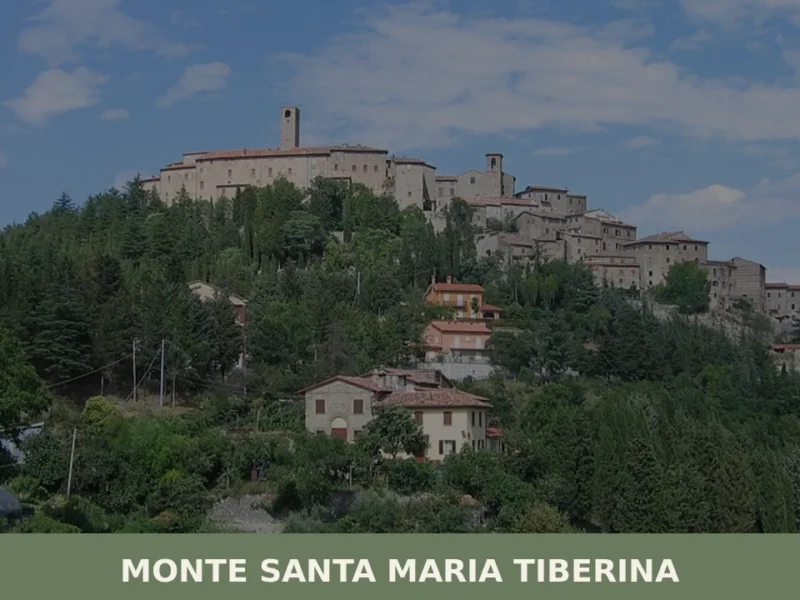
A quiet hush often settles over the stone lanes of Monte Santa Maria Tiberina as the morning sun climbs, painting the ancient walls with a warm ochre glow. From its vantage point at 688 metres above sea level, the village awakens slowly, the distant murmur of the Tiber River a faint counterpoint to the rustle […]
Perugia
Hills
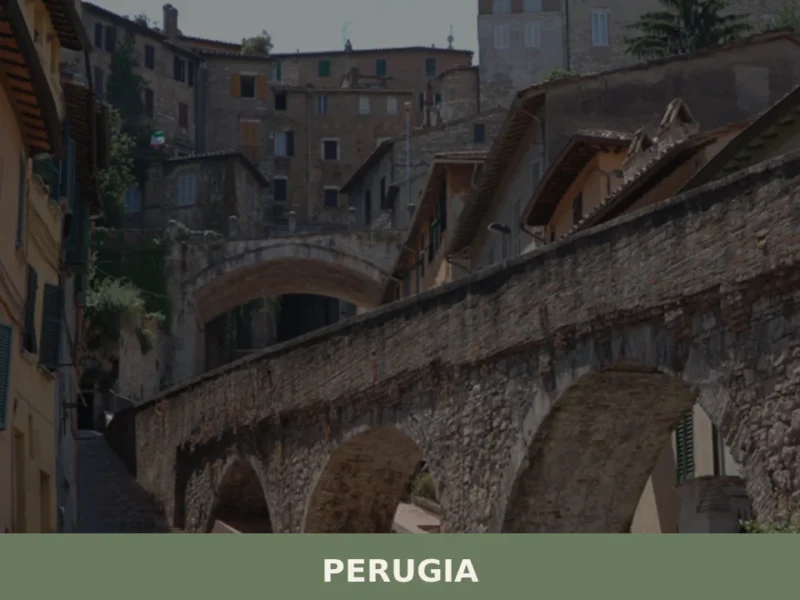
Perugia, the hilltop regional capital of Umbria at 484 metres above sea level, offers visitors more than three thousand years of continuous history, from Etruscan walls to Renaissance frescoes.
Terni
 Lake
Lake
 Plains
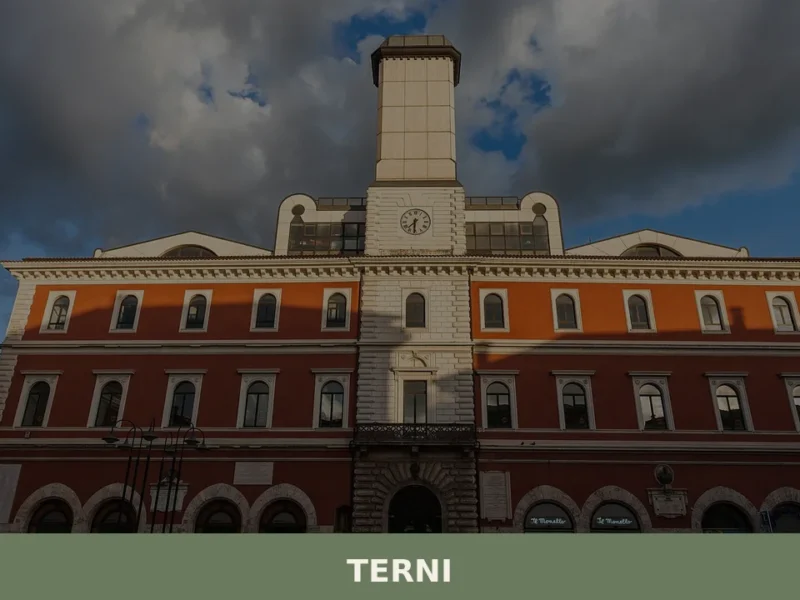
Terni is a historically rich Umbrian city of about 106,310 inhabitants, known as the birthplace of San Valentino and home to Roman, medieval and Renaissance heritage along the river Nera.
Spello
 Sea
Sea
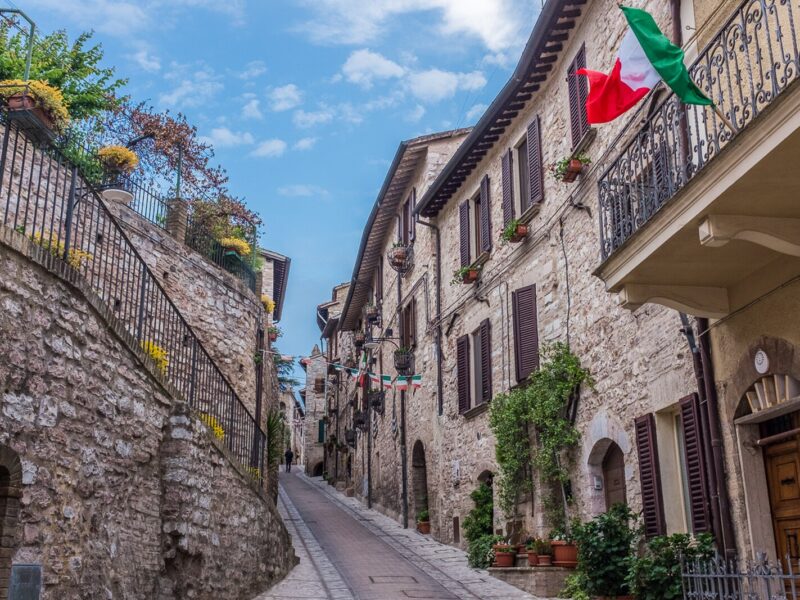
Spello, a commune in the Italian region of Umbria, rises on a spur of Monte Subasio, offering visitors a clear view of the surrounding plain.
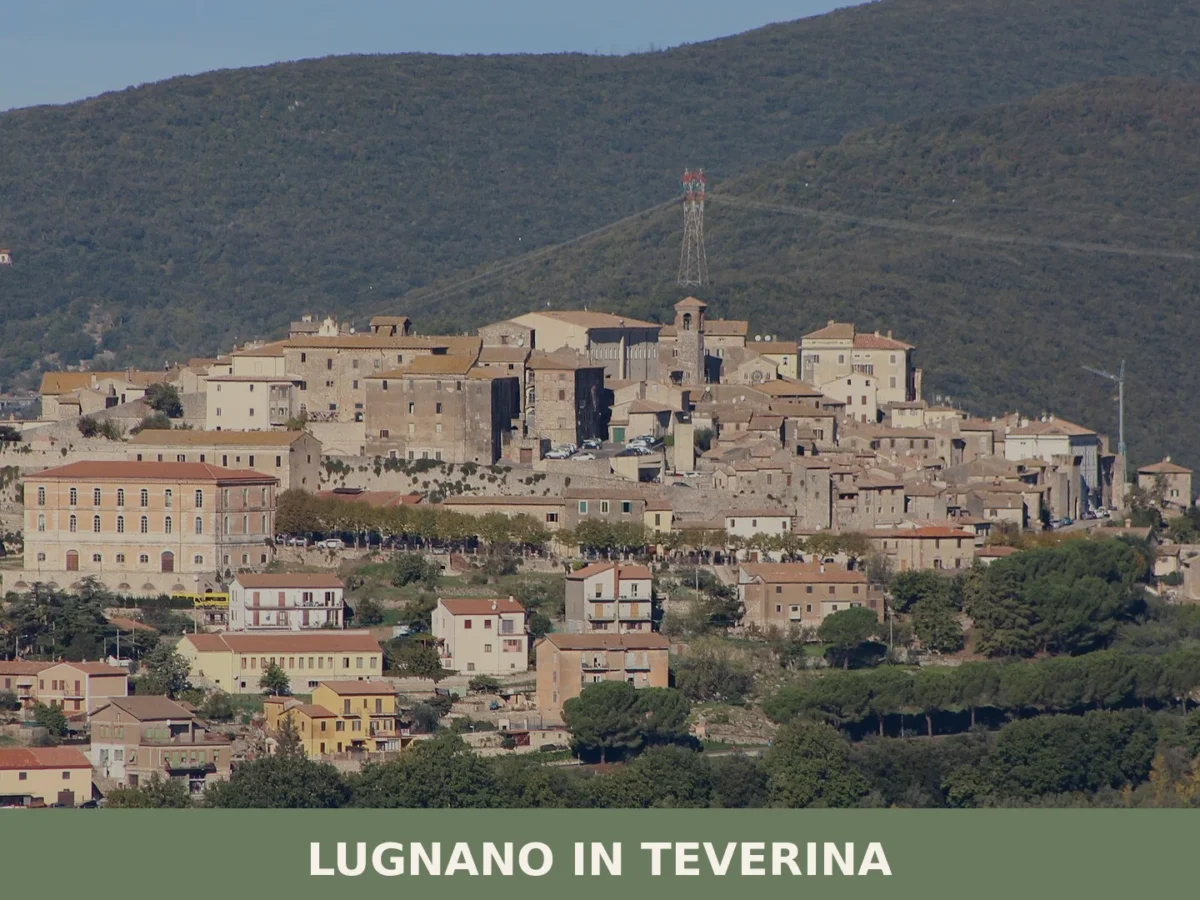
Lugnano in Teverina
Hills
Lugnano in Teverina is a hilltop comune of around 1,400 residents in the province of Terni, Umbria, whose layered history ranges from a first-century BC Roman villa at Poggio Gramignano to a medieval





🏡 Know Monteleone di Spoleto better than we do?
If you’re a local or have been there, your knowledge matters: add what’s missing or fix a detail on this page.