


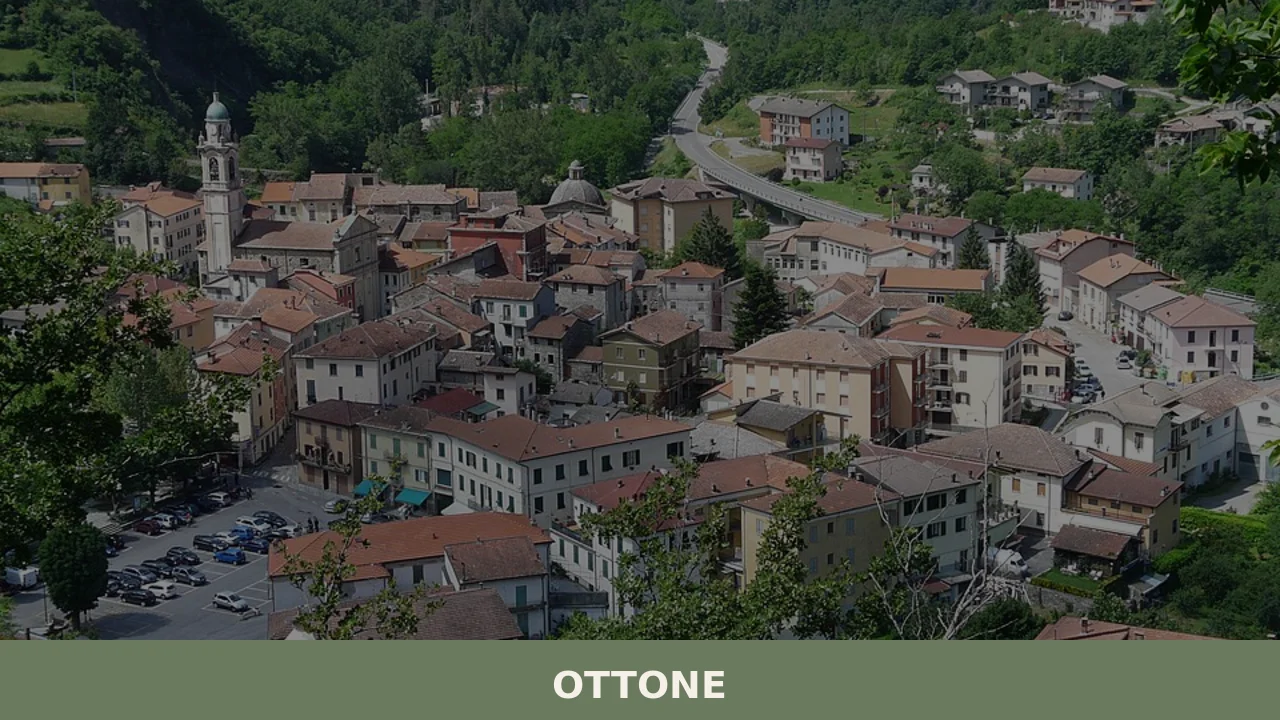
Ottone
 Hills
Hills
Discover what to see in Ottone, the village at 510m above sea level in Val Trebbia. Explore the Church of San Marziano and the castle ruins. Plan your visit!
Discover Ottone
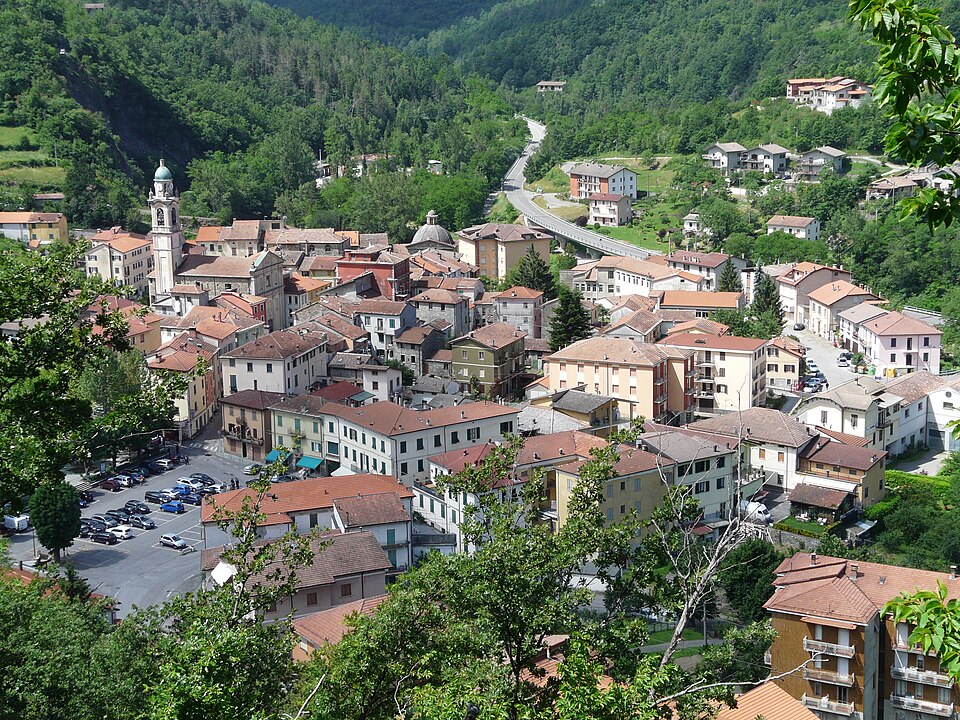
Located at 510 m a.s.l. in the upper Trebbia Valley, the village of Ottone, in the province of Piacenza, has 432 inhabitants and represents a point of reference for those wishing to explore the Ligurian-Emilian Apennines.
Its strategic position, a crossroads of ancient routes, has shaped its identity and the variety of its hamlets, each with its own history.
For those wondering what to see in Ottone, the village offers an interesting mix of historical architecture and natural landscapes, from the evocative Church of San Marziano to the remains of its ancient castle, elements that tell centuries of events.
Visiting Ottone means immersing oneself in a context where the Trebbia river is the protagonist, offering unique views and opportunities for those seeking tranquility and contact with nature. The heart of the village, with its Town Hall, bears witness to a community that has preserved its roots in a mountain environment.
History and Origins of Ottone
The history of Ottone is rooted in an ancient past, with traces of settlements already in Roman times, favored by its position along the Salt Road and other trade routes connecting the Po Valley with Liguria.
The very name of the village, according to some historical interpretations, might derive from Otto I, Emperor of the Holy Roman Empire in the 10th century, bearing witness to ties with important central powers.
This imperial origin, although not universally confirmed by direct documentation for its etymology, suggests strategic importance and a role of territorial control already in the early medieval period.
The area was then included in the domains of the powerful Abbey of Bobbio, which exercised a profound cultural and political influence over the entire Trebbia Valley for centuries.
During the Middle Ages, Ottone became a contested fiefdom among various noble families, including the Malaspina, Fieschi, and Doria, who recognized its strategic value as a mountain stronghold.
The construction of fortifications and castles, of which only a few remains survive today, dates back to this period, when control of the Apennine passes was crucial for trade and territorial defense.
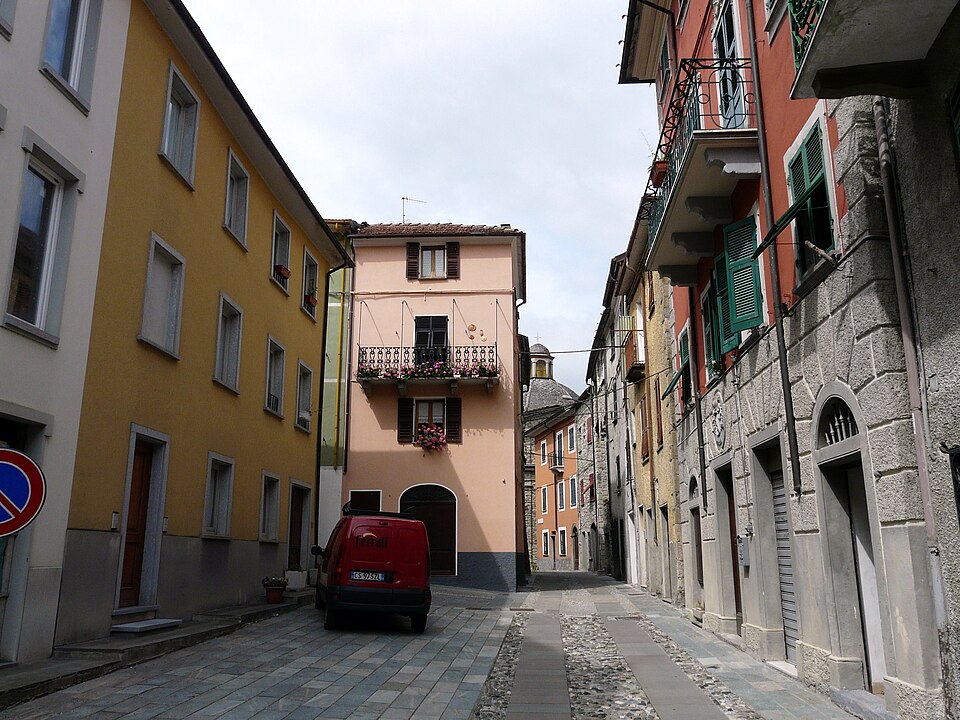
The structure of the village, with its stone houses and narrow streets, still reflects the urban layout developed during those centuries of struggles and changes.
Its proximity to centers like Piozzano and other settlements in the province of Piacenza, made Ottone a fundamental piece in a network of defense and exchange that characterized the Emilian Apennines.
The modern era saw Ottone maintain its character as an agricultural and pastoral center, while progressively losing the military strategic importance of previous centuries. In the 19th century, with the unification of Italy, the village and its hamlets became part of the Kingdom, consolidating their belonging to the province of Piacenza. Despite social and economic changes, the community has managed to preserve much of its historical and cultural heritage, which today is manifested in religious and civil architectures and local traditions.
The resilience of the inhabitants and their connection to the territory have allowed Ottone to overcome the challenges of time, keeping alive the memory of a past rich in events and figures that have marked the history of the Trebbia Valley.
What to see in Ottone: main attractions
For those approaching Ottone, the discovery of the village unfolds through a series of points of interest that tell its history and culture.
The historic center, although not extensive, offers significant glimpses and allows one to appreciate the local architecture, characterized by the use of stone and a layout that follows the orography of the terrain. Visiting the main attractions allows one to grasp the essence of this mountain village, offering the visitor a complete perspective on what makes Ottone a place worth exploring.
Church of San Marziano
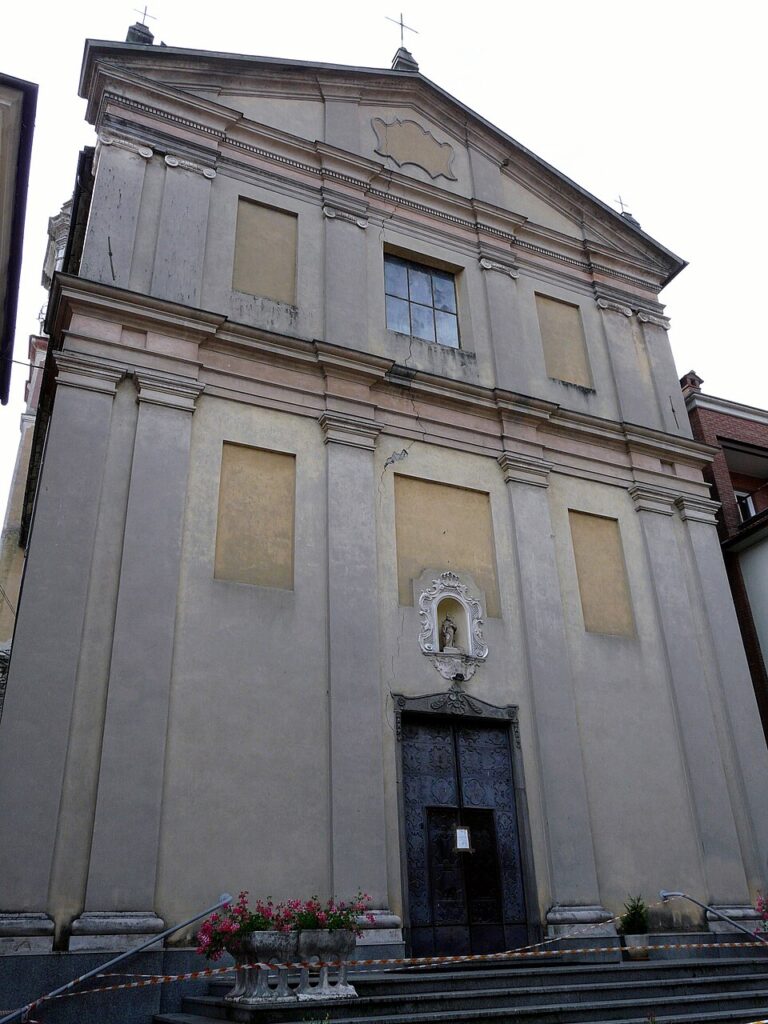
The Church of San Marziano, dedicated to the patron saint of Ottone, is the main place of worship in the village and a focal point for the community.
Although its current structure is the result of reconstructions and alterations over the centuries, its origins are ancient, probably dating back to the medieval period.
The façade, simple yet elegant, features architectural elements that recall different styles, bearing witness to the various eras in which it was modified.
Inside, the church preserves sacred furnishings and works of art which, although not of international fame, hold great historical and devotional value for the local inhabitants. The visit allows one to appreciate local spirituality and art, as well as providing a moment of quiet and reflection in the heart of the village.
Town Hall
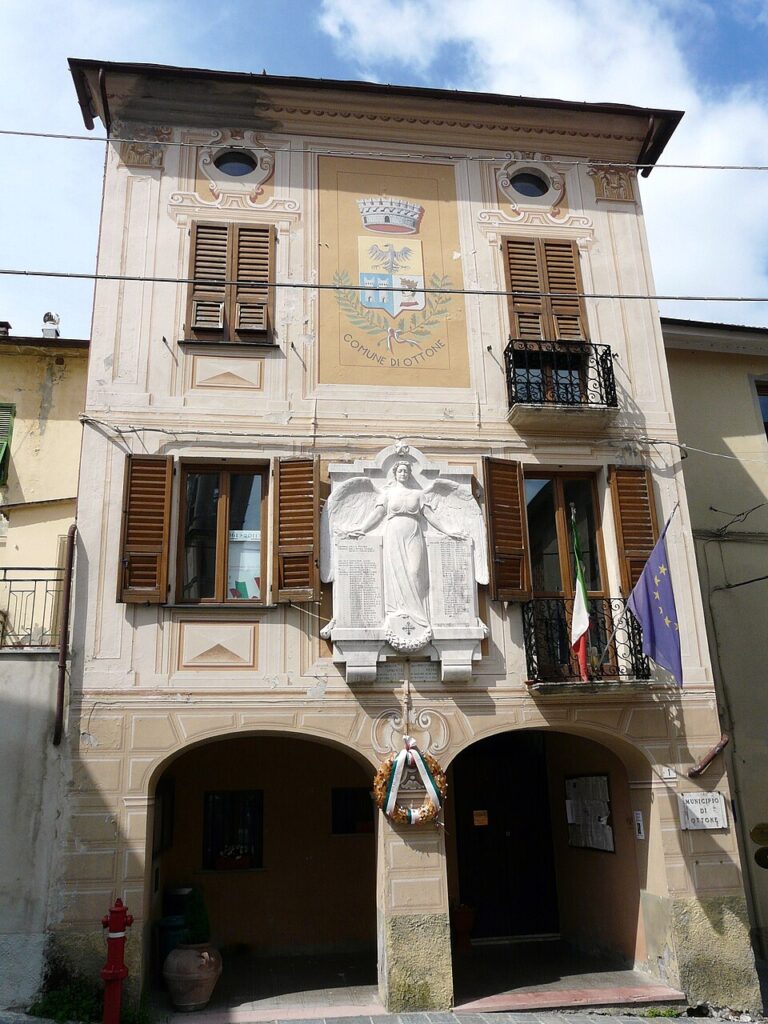
Ottone’s Town Hall, located in the center of the village, is a historic building that represents the core of local administration and a symbol of the town’s civic life. Its architecture, though not monumental, fits harmoniously into the urban context, with a stone structure that reflects the traditional building techniques of the Apennines.
Built in an era that probably dates back several centuries, the palace has undergone modifications and restorations that have adapted its functionality to the needs of the time, while maintaining its original character.
A walk near the Town Hall offers the opportunity to observe Ottone’s daily life up close and to appreciate the care with which the historic buildings in the center are maintained.
Bridge over the Trebbia
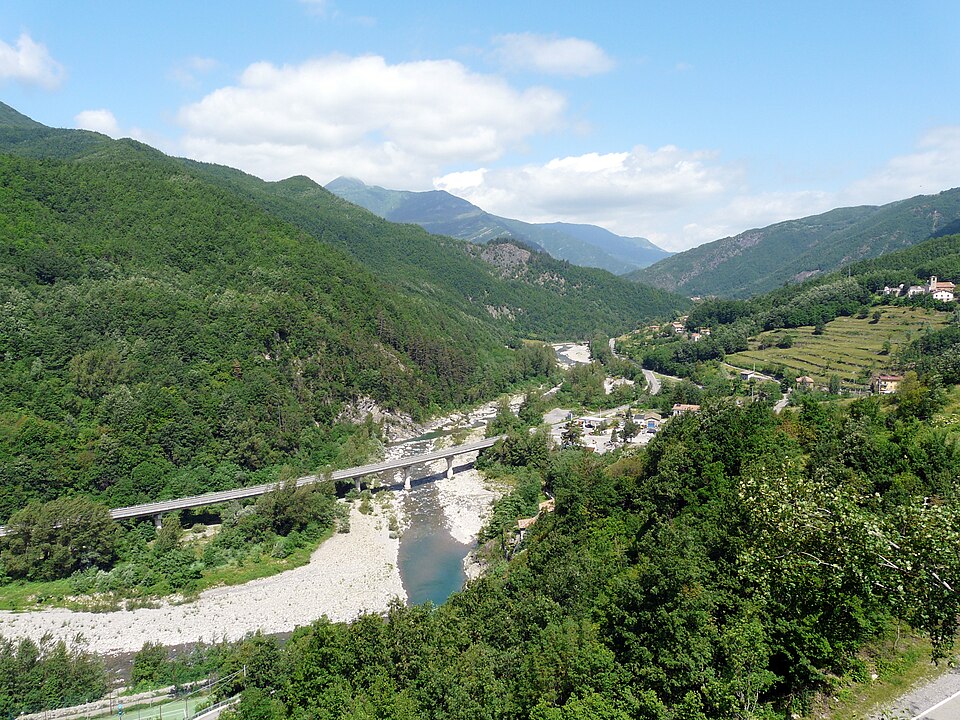
The Bridge over the Trebbia, which crosses the river of the same name near Ottone, is an infrastructure of considerable historical and scenic importance.
Its construction dates back to a time when the Trebbia river represented both a resource and a natural barrier for connections between the different banks and the surrounding valleys. Built with robust construction techniques, typical of mountain engineering works, the bridge has allowed the transit of goods and people for centuries, contributing to the economic and social development of the village. From the bridge, one can enjoy a privileged view of the river’s course and the surrounding landscape, characterized by woods and Apennine reliefs.
It is an ideal place for taking photographs and enjoying the tranquility of the riverine landscape.
Remains of Ottone Castle
Of the ancient Ottone Castle, once a defensive stronghold and noble residence, today mainly remains and wall fragments bear witness to its past grandeur and strategic importance.
Situated in an elevated position, the castle dominated the valley and controlled the access routes to the village, representing a key point in the defensive system of the upper Trebbia Valley. The surviving structures, though not complete, allow one to imagine the imposing nature of the medieval fortification and to understand the role it played in local historical events. A visit to the castle remains offers a journey through history and a panoramic perspective of the village of Ottone and the surrounding landscape.
It is advisable to exercise caution during exploration, as the areas can be rugged.
Hamlet of Zerba and the Church of San Michele Arcangelo
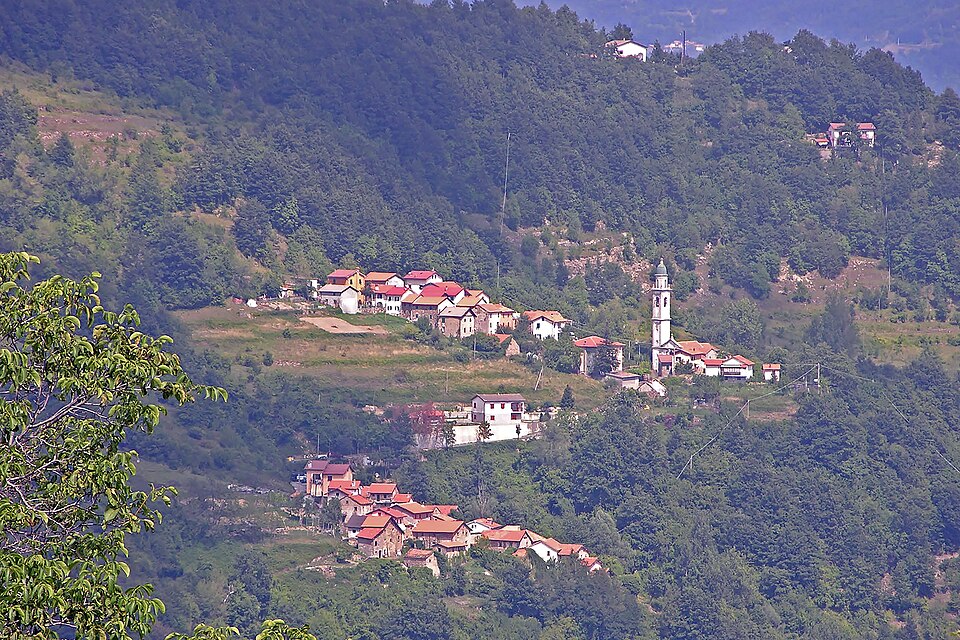
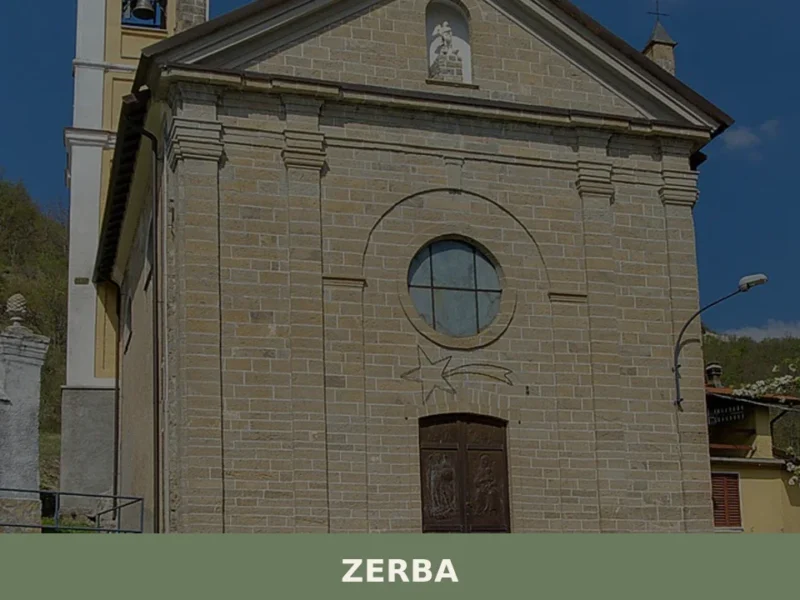
Among the various hamlets that make up the scattered municipality of Ottone, Zerba deserves special mention for its historical character and the presence of the Church of San Michele Arcangelo.
This small hamlet, located a few kilometers from the center of Ottone, preserves an authentic atmosphere and offers an example of Apennine rural architecture.
The Church of San Michele Arcangelo, though modest in size, features architectural elements that suggest an ancient origin, and is a landmark for the local community. A visit to Zerba is an opportunity to discover a lesser-known side of Ottone’s territory, immersing oneself in a context where time seems to flow at a different pace. The route to reach it also offers panoramic views of the valley.
What to see in Ottone: itineraries and surroundings
Beyond the main attractions of the center, those wondering what to see in Ottone can extend their exploration to the surroundings, rich in ideas for nature itineraries and small historical discoveries. The Trebbia Valley, with its river and mountain landscapes, offers numerous opportunities for hiking or cycling, following paths that wind through chestnut and oak woods.
The surrounding hamlets, each with its own peculiarities, are worth a visit to savor the authenticity of the area and the friendliness of the small communities.
These routes allow you to appreciate the biodiversity of the Apennines and reach panoramic points from which to admire the entire valley.
An interesting itinerary can lead to the discovery of Ottone’s other historic hamlets, such as Orezzoli, Losso, or Bogli, where it is possible to find small rural churches or ancient mills that bear witness to life in times past.
Each of these locations preserves traces of a past linked to agriculture and pastoralism, offering insights to better understand the evolution of the landscape and local traditions. For nature lovers, the Trebbia river itself is an attraction, with its clear waters and river beaches which, in the warmer months, become gathering places for a refreshing swim or an outdoor picnic.
These itineraries around Ottone are designed for those seeking a deeper experience and direct contact with the natural environment and the lesser-known history of the Trebbia Valley.
The proximity to villages like Lizzano in Belvedere, although more distant, offers an idea of the territorial and cultural continuity of the Emilian Apennines.
Typical cuisine and products of Ottone
Ottone’s gastronomic tradition, deeply rooted in the context of the Piacenza Apennines and the Trebbia Valley, reflects the availability of local raw materials and the influences of a peasant and mountain cuisine. Dishes are often hearty and flavorful, designed to nourish those who worked the land and lived in a sometimes harsh climate.
Local cuisine is based on simple but high-quality ingredients, such as pork, mushrooms, chestnuts, cereals, and garden produce.
Recipes passed down from generation to generation testify to an indissoluble link with the territory and its resources, favoring preparations that enhance the authentic flavor of each component.
Among the typical dishes that can be enjoyed in this area, the famous Piacenza cured meats stand out, such as the Coppa Piacentina, the Pancetta Piacentina, and the Salame Piacentino, which, although not certified with specific denominations for Ottone, are emblems of the gastronomy of the province of Piacenza.
These products, made with selected pork and aged according to ancient techniques, represent true excellence. Other dishes include tortelli di magro (lean tortelli), often seasoned with butter and sage, and pisarei e fasò, small gnocchi made of flour and breadcrumbs accompanied by a bean sauce. There are also preparations based on porcini mushrooms, abundant in the surrounding woods, and polenta, served with meat sauces or cheeses.
Regarding local products, although there are no specific DOP, IGP, or PAT certifications for Ottone in the database, the area is renowned for a series of agricultural and artisanal excellences.
In addition to the aforementioned cured meats, local cheeses can be found, often goat or sheep’s milk, with varying degrees of aging that enhance their flavors.
The woods offer mushrooms, truffles, and chestnuts, fundamental ingredients for many traditional recipes and processed products such as chestnut flour. Honey production is another widespread activity, with varieties that reflect the mountain flora. These products are the result of agriculture and livestock farming that respect natural rhythms and centuries-old traditions.
Festivals, Events, and Traditions of Ottone
The festivals and events in Ottone are important moments for the community, which gathers to celebrate its traditions and strengthen its sense of belonging. The most cherished festival is dedicated to Saint Marcian of Tortona, celebrated annually on August 24th. On this occasion, the village comes alive with religious ceremonies, including the solemn procession carrying the saint’s statue through the town’s streets.
The patron saint’s festival is often accompanied by secular gatherings, with stalls selling local products, live music, and shows, attracting visitors from nearby municipalities.
It is an opportunity to experience the authenticity of Ottone and participate in its most heartfelt celebrations.
In addition to the patron saint’s festival, Ottone’s calendar may include, depending on the year and local initiatives, other events related to local products or popular traditions.
These might include mushroom festivals in autumn, or events celebrating the chestnut harvest, a fruit very common in the woods of Val Trebbia. Such occasions not only highlight local gastronomic excellences but also offer a pretext for socializing and sharing convivial moments. For updated information on specific events and their dates, it is always advisable to consult the official website of the Municipality of Ottone, which provides details on scheduled events.
When to Visit Ottone and How to Get There
The best time to visit Ottone depends on the traveler’s preferences and the type of experience desired.
The spring and summer months, from May to September, are ideal for those who love outdoor activities, excursions along the Trebbia river and in the surrounding woods, and for enjoying the mild climate of the Apennines. During the summer, the village also comes alive with local festivals and events, offering more opportunities for socializing and discovering traditions.
Autumn, with its warm colors and the chance to gather mushrooms and chestnuts, is a fascinating period for nature and gastronomy lovers, while winter, although colder, offers picturesque landscapes and a unique tranquility for those seeking refuge from city chaos.
Reaching Ottone requires a journey through the Apennine landscapes.
By car, the village is mainly accessible via State Road 45 of Val Trebbia (SS45), which connects it to Piacenza to the north and Genoa to the south. Those arriving by highway can take the Piacenza Sud exit (A1 Milan-Naples) or the Genova Est exit (A7 Milan-Genoa), then continue on the SS45.
The nearest train station is Piacenza, well connected to major Italian cities.
From Piacenza, it is possible to reach Ottone with local bus services, whose schedule is subject to seasonal variations, so it is advisable to check in advance on the Trenitalia website and regional transport portals. The nearest airports are Milan Linate or Milan Malpensa, both about 2 hours by car, or Genoa airport, about 1 hour and 30 minutes away. For those who prefer convenience, a private car remains the most flexible means to explore the territory and its numerous hamlets.
| Starting point | Distance | Estimated time |
|---|---|---|
| Piacenza | approx. 60 km | 1 hour and 15 minutes |
| Genoa | approx. 80 km | 1 hour and 30 minutes |
| Milan | approx. 130 km | 2 hours |
Where to stay in Ottone
In the village of Ottone and its immediate surroundings, accommodation options are mainly focused on family-run facilities, which offer genuine hospitality and a complete immersion in the local atmosphere.
You can find small hotels, agriturismi (farm stays), and bed & breakfasts offering cozy rooms and often typical dishes of Piacenza cuisine, prepared with zero-kilometer ingredients.
These establishments, sometimes converted from ancient renovated rural dwellings, are the ideal choice for those seeking tranquility and direct contact with nature and local traditions.
Agriturismi, in particular, offer the opportunity to stay in agricultural settings, allowing guests to experience country life and, in some cases, participate in activities related to the territory, such as harvesting seasonal products or tasting local specialties.
Photo Gallery of Ottone
Frequently asked questions about Ottone
What is the best time to visit Ottone?
The ideal time to visit Ottone is from late spring to early autumn, typically May to September. During these months, the weather in the upper Trebbia Valley is most pleasant, perfect for outdoor activities like hiking, cycling, and enjoying the clear waters of the Trebbia river for swimming or picnics. A highlight is August 24th, when the village celebrates its patron saint, San Bartolomeo, with traditional festivities. While winter offers a tranquil, often snow-covered landscape, many outdoor attractions are best experienced when the weather is milder.
What are the historical origins of Ottone?
Ottone boasts ancient origins, with settlements dating back to Roman times, strategically located along the historic Salt Road. Its name is possibly linked to Otto I, Emperor of the Holy Roman Empire. The area was profoundly influenced by the Abbey of Bobbio and later became a contested medieval fiefdom, fought over by powerful families like the Malaspina, Fieschi, and Doria. This rich history as a mountain stronghold, crucial for trade and defense, shaped the village's identity and its enduring architectural heritage.
What to see in Ottone? Main monuments and landmarks
In Ottone, visitors can explore the historic Church of San Marziano, the village's main place of worship with ancient origins and local devotional art. The Town Hall, a historic stone building, anchors the civic center. Don't miss the picturesque Bridge over the Trebbia, offering splendid river and landscape views, perfect for photography. The evocative remains of Ottone Castle, perched in an elevated position, bear witness to its strategic past and provide panoramic vistas. Also, consider a visit to the charming hamlet of Zerba and its ancient Church of San Michele Arcangelo.
What are the main natural or scenic attractions of Ottone?
Ottone is nestled in the stunning Upper Trebbia Valley, a gateway to the Ligurian-Emilian Apennines, offering a wealth of natural beauty. The Trebbia river is a central attraction, with its crystal-clear waters and inviting river beaches, ideal for refreshing swims or leisurely picnics during warmer months. The surrounding landscape features lush chestnut and oak woods, perfect for scenic hikes and cycling. Elevated points, like the area around the castle remains or the routes to nearby hamlets, provide breathtaking panoramic views of the valley and its wild, unspoiled nature.
Where to take the best photos in Ottone?
For captivating photographs in Ottone, head to the Bridge over the Trebbia, which offers privileged views of the river's course and the picturesque surrounding landscape. The remains of Ottone Castle, situated in an elevated position, provide a fantastic panoramic perspective of the entire village and the majestic Trebbia Valley, especially at sunrise or sunset. Additionally, the scenic routes leading to the charming hamlets like Zerba present numerous opportunities to capture authentic Apennine rural architecture and expansive valley vistas.
Are there museums, churches or historic buildings to visit in Ottone?
Yes, Ottone offers several interesting historical and religious sites. The prominent Church of San Marziano, with its ancient origins and sacred furnishings, is a must-see. The historic Town Hall building, reflecting traditional Apennine architecture, is also noteworthy. Visitors can explore the evocative remains of Ottone Castle, a former defensive stronghold. A short trip to the hamlet of Zerba reveals the charming Church of San Michele Arcangelo. Additionally, other surrounding hamlets like Orezzoli, Losso, or Bogli feature small rural churches and ancient mills, testaments to the area's rich past.
What can you do in Ottone? Activities and experiences
Ottone is ideal for those seeking tranquility and active contact with nature. You can embark on hiking or cycling excursions through the picturesque chestnut and oak woods of the Trebbia Valley, exploring its biodiversity. The Trebbia river offers opportunities for refreshing swims or relaxing picnics on its clear-water beaches during warmer periods. Discover the authentic atmosphere of Ottone's historic hamlets like Zerba, Orezzoli, or Bogli, admiring rural architecture and ancient mills. It's a perfect destination for immersing yourself in the lesser-known history and genuine charm of the Emilian Apennines.
Who is Ottone suitable for? Families, couples, hikers, solo travelers?
Ottone is perfectly suited for nature lovers, hikers, and those seeking a tranquil escape in the Apennines. Its scenic trails and the Trebbia river make it ideal for active travelers and families looking for outdoor adventures like hiking, cycling, swimming, and picnics. Couples will appreciate the serene landscapes and charming hamlets for a romantic getaway. History enthusiasts will enjoy exploring the ancient castle remains and historic churches. Solo travelers can find peace and inspiration in its authentic rural atmosphere and connection with nature.
📷 Photo Gallery — Ottone

Nearby Villages near Ottone
In Emilia-Romagna More villages to discover
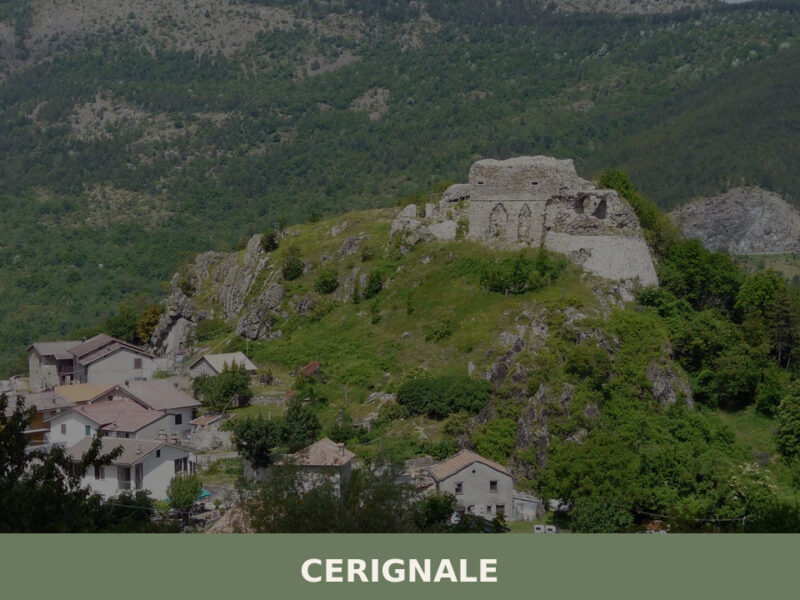
Cerignale
 Mountain
Cerignale, a 117-resident village at 725 metres in the Piacenza Apennines, holds medieval ruins, a geological elephant, and the silence of the upper Val Trebbia.
Bologna
 Plains
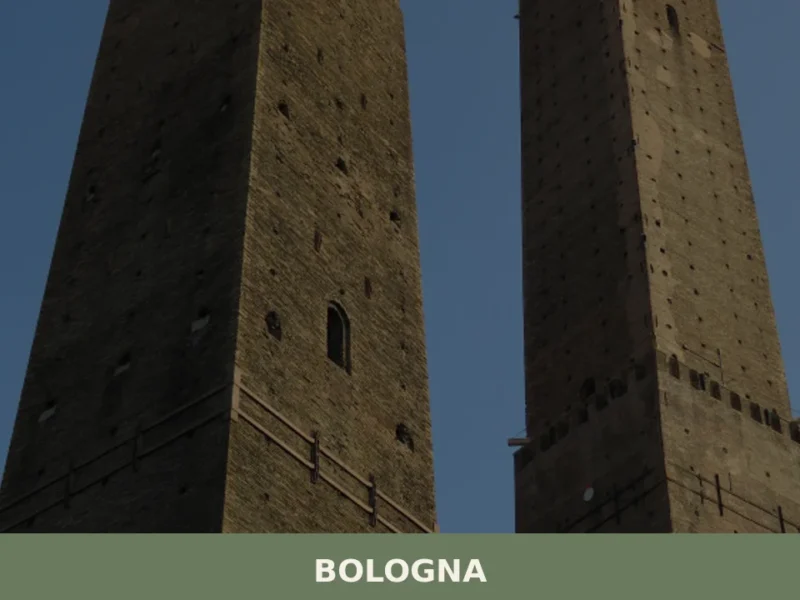
What to see in Bologna: 388,000 inhabitants, UNESCO porticoes and the Two Towers. Plan your visit with our guide to tortellini, Mortadella IGP and top museums.
Borgo Tossignano
Plains
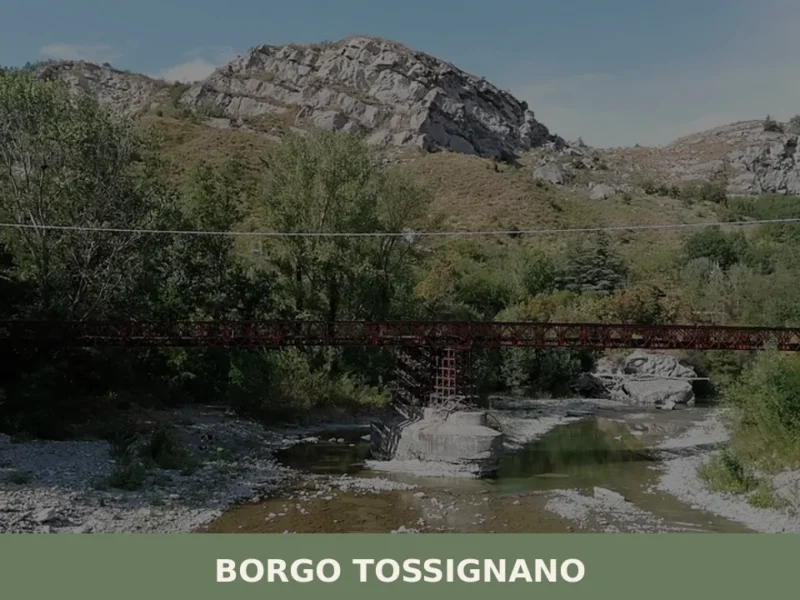
What to see in Borgo Tossignano: a complete guide to the village in the Santerno Valley In February 1945, Allied troops and retreating German units fought over every metre of the Santerno Valley, and Borgo Tossignano paid a devastating price: much of the settlement was levelled by bombing, and the post-war reconstruction reshaped the village […]

Sorbolo
Plains
Sorbolo offers 3,000 years of history from Bronze Age terramare to Farnese noble palaces. Visit for Roman centuriation, a Serassi organ and authentic Po Valley cuisine.
Bagnolo in Piano
Plains
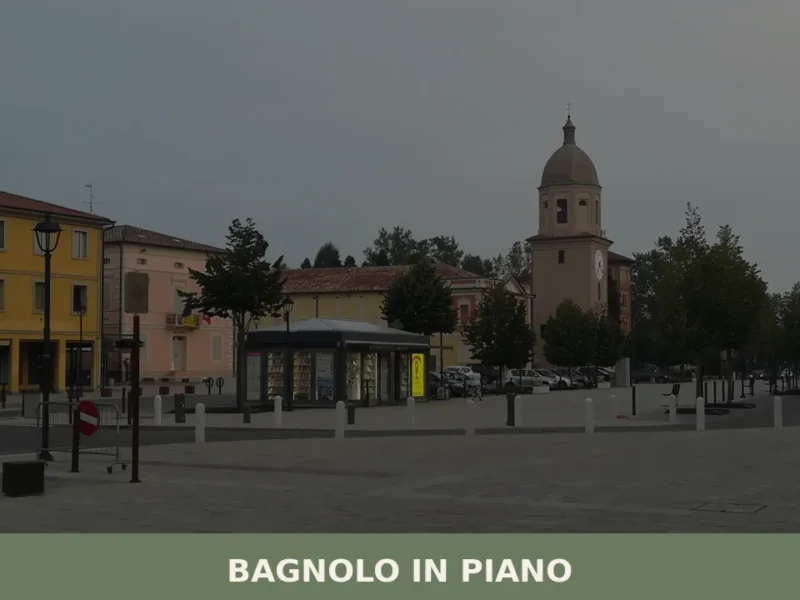
What to see in Bagnolo in Piano, Emilia-Romagna, Italy: explore the medieval Torrazzo tower, the Pieve Rossa church, and local Po Valley cuisine. Discover now.
Piozzano
Hills
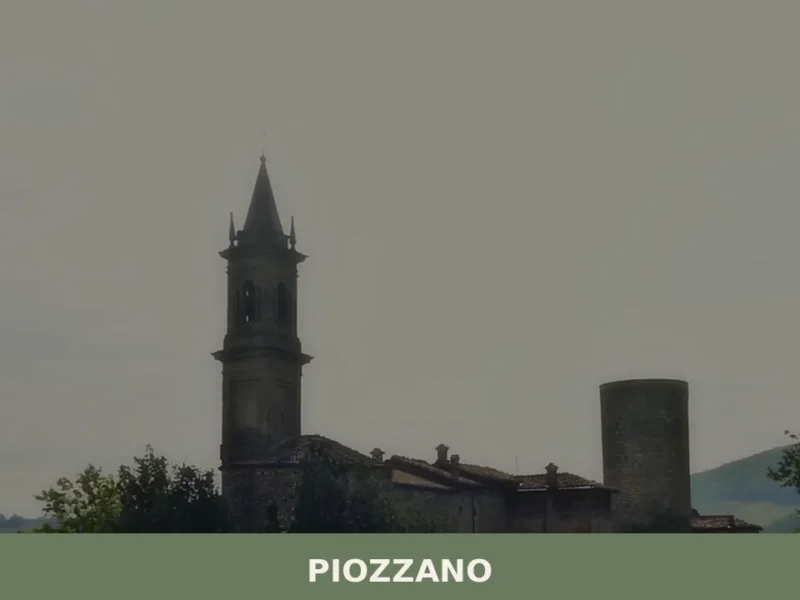
What to see in Piozzano, Italy: Explore this village of 578 inhabitants, 222 m a.s.l., near Piacenza. Discover its history and local specialties.
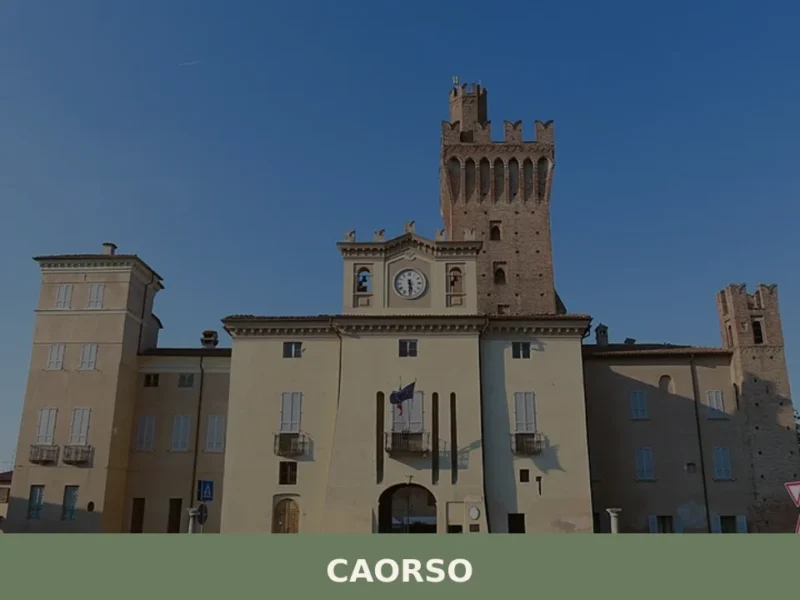
Caorso
Plains
What to see in Caorso: explore the medieval castle and the Parish Church of Santa Maria Assunta. Population 4,859, elevation 46m. Plan your visit now.
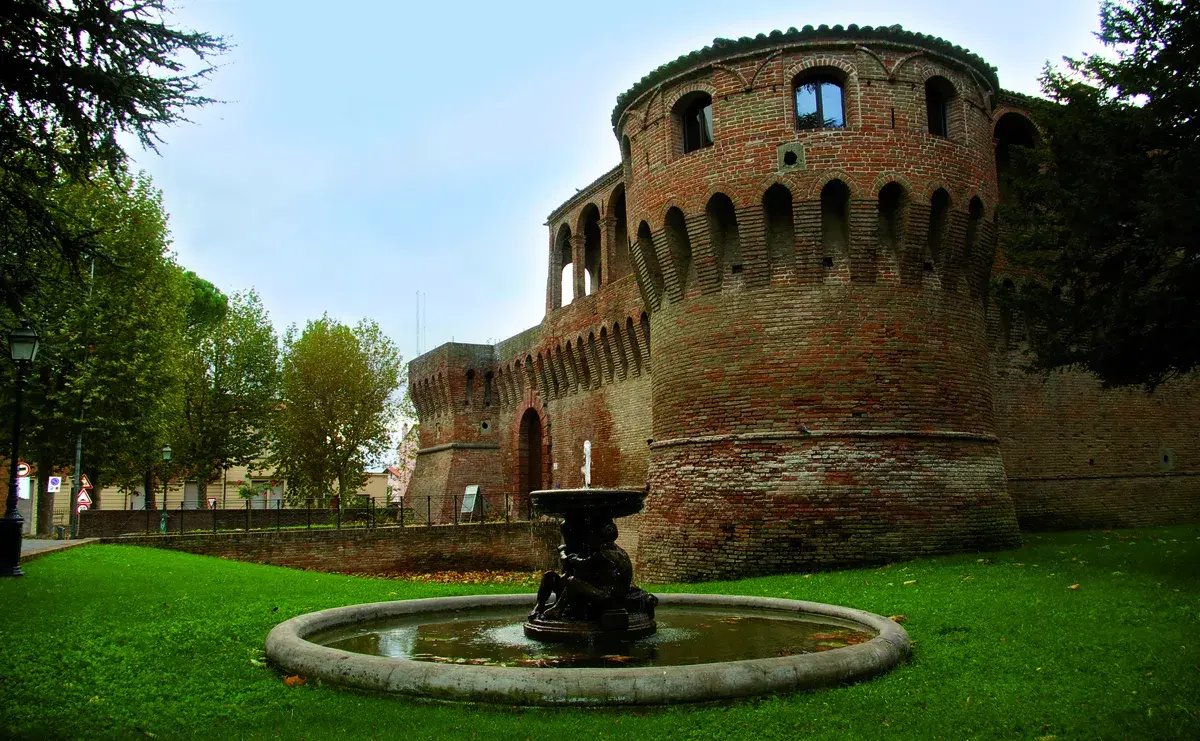
Bagnara di Romagna
Plains
What to see in Bagnara di Romagna, Italy? Explore this 'Borgo più bello' at 22 m (72 ft) altitude. Discover its historical charm and annual Patron Saint's Feast.
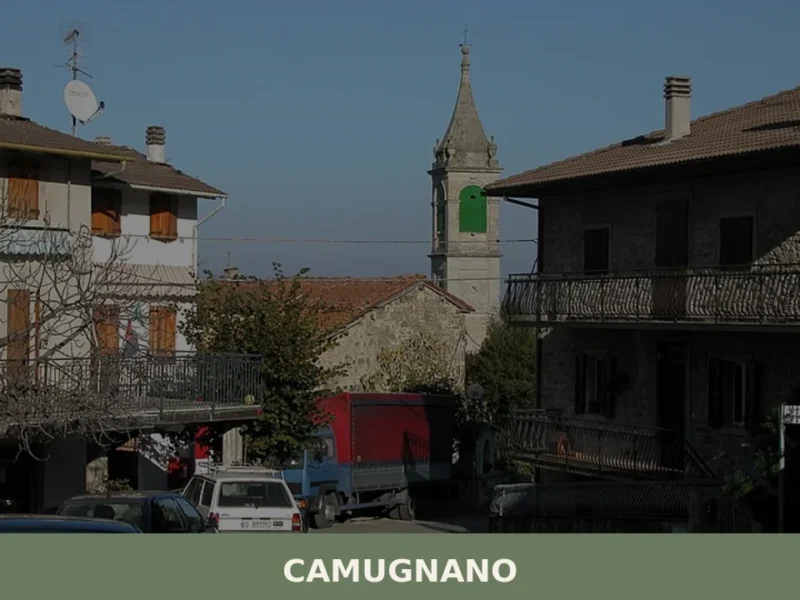
Camugnano
Mountain
In 1911, when the construction of the Suviana Dam transformed the course of the Limentra torrent, Camugnano changed its appearance forever. The water submerged farmland and footpaths, creating an artificial reservoir that now defines the landscape of the upper Bolognese Apennines at an altitude of 692 metres. This municipality of 1,948 inhabitants, spread across scattered […]
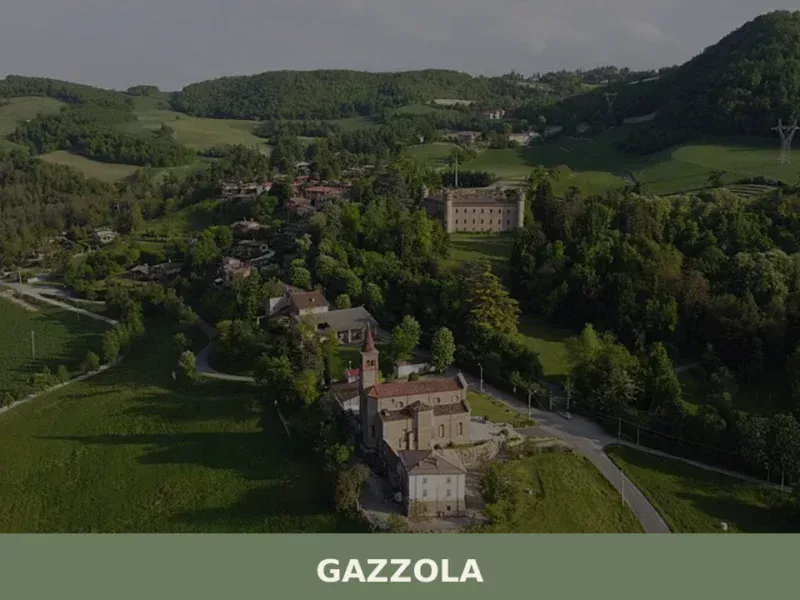
Gazzola
Plains
What to see in Gazzola, a Piacenza hill village at 146 m with 2,050 residents. Explore Rivalta Castle, the Luretta valley and Colli Piacentini DOC wines. Plan your visit.


🏡 Know Ottone better than we do?
If you’re a local or have been there, your knowledge matters: add what’s missing or fix a detail on this page.