


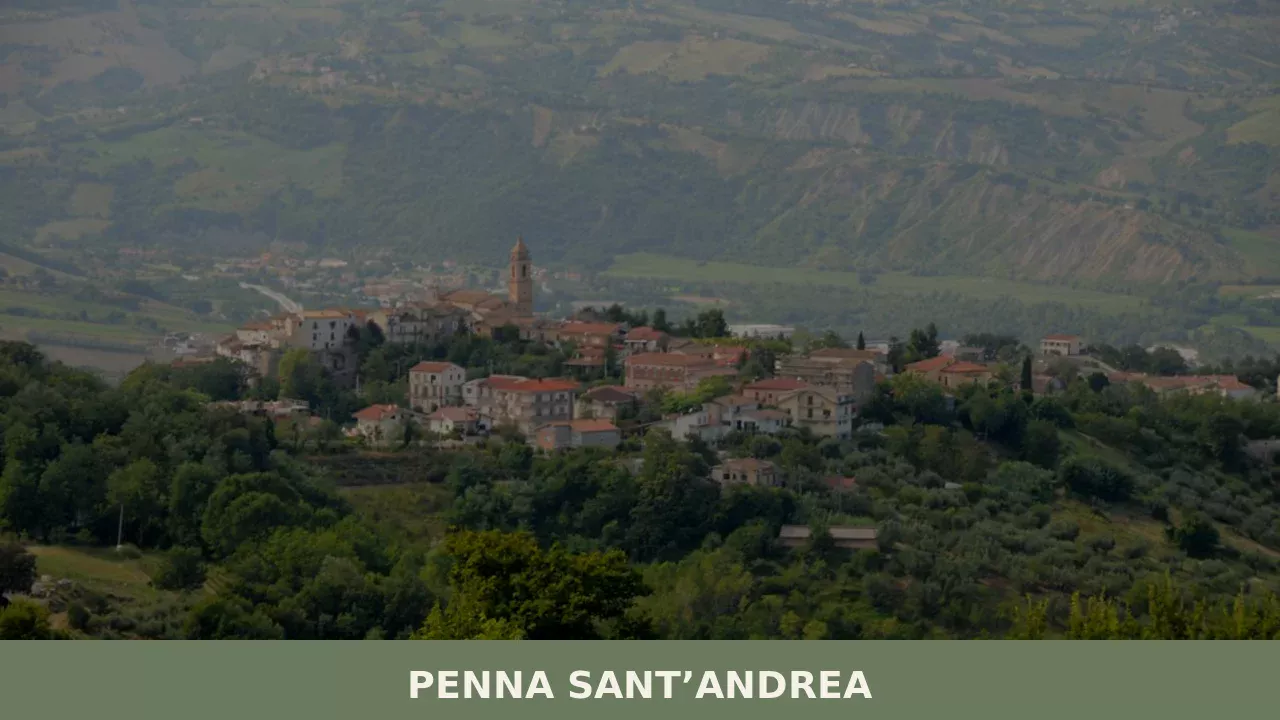
Penna Sant’Andrea
 Hills
Hills
What to see in Penna Sant’Andrea? Discover the 5 must-see attractions of this village in Abruzzo. Plan your visit now!
Discover Penna Sant’Andrea
The rhythmic pace of the Laccio D’amore, its intricate choreography, and the vibrant colors of traditional costumes, define the identity of an Abruzzo village where cultural roots are deep and tangible.
This folkloristic dance, which has its origins in local history, is not just a dance, but a true symbol of the community.
Every year, the energy of this tradition amplifies, attracting visitors and artists from all over the world.
For those wondering what to see in Penna Sant’Andrea, this municipality in the province of Teramo, with its 1,718 inhabitants, offers an experience that goes beyond the simple landscape. The concrete attractions that visitors can explore include the unspoiled vastness of the Castel Cerreto Regional Controlled Nature Reserve and the vibrant atmosphere of the international folklore meeting.
Those who visit Penna Sant’Andrea find a place where nature and culture intertwine, offering authentic travel and discovery insights.
History and Origins of Penna Sant’Andrea
Penna Sant’Andrea, known in Abruzzese as La Pònnë, probably owes its name to its geographical position, which recalls the shape of a pen or a peak. Its location within the union of municipalities Colline del Medio Vomano, in the province of Teramo, suggests an intrinsic link with the surrounding hilly landscape.
The first historical records of the village are lost in a past that saw various dominations succeed one another, typical of inland Abruzzo.
Over the centuries, Penna Sant’Andrea has experienced the events that characterized much of the Abruzzo territory, fluctuating between periods of agricultural prosperity and moments of greater isolation, determined by regional socio-economic dynamics.
Its architecture and urban structure reflect historical stratifications, with elements that recall different eras, from the medieval to the Renaissance period.
Many Abruzzo villages, such as Navelli, share this evolution, characterized by the need for defense and the valorization of local resources.
The identity of the village has been shaped by its people and the traditions that, even today, constitute its vital fabric. The resilience of the community and the preservation of local customs have allowed Penna Sant’Andrea to maintain a distinctive character.
Adherence to the union of municipalities Colline del Medio Vomano highlights a modern strategy of territorial collaboration, aimed at promoting the development and valorization of common heritage in a contemporary context.
What to see in Penna Sant’Andrea: Main Attractions
Castel Cerreto Controlled Regional Natural Reserve
The Castel Cerreto Controlled Regional Natural Reserve extends for approximately 140 hectares, representing a green lung of inestimable ecological value for the Abruzzo region.
This vast ecosystem is a rare example of unspoiled flora and fauna, offering a protected habitat for numerous animal and plant species. The landscape is characterized by centuries-old forests, watercourses, and clearings, creating an ideal environment for hiking and nature observation.
The elevation changes within the reserve can vary, making the trails suitable for different levels of physical fitness.
The trails winding through the reserve allow visitors to explore its biodiverse richness, encountering tree species typical of the Mediterranean scrub and Apennine forest.
The fauna includes mammals such as roe deer and wild boar, as well as a variety of birds of prey and migratory birds, which find refuge in this protected environment. The presence of such natural heritage just a stone’s throw from the inhabited center offers visitors a unique opportunity to immerse themselves in the tranquility of nature.
Those visiting Penna Sant’Andrea will find the reserve a focal point for outdoor activities and direct contact with the environment. For an optimal experience, it is advisable to visit the reserve in spring or autumn, when the vegetation is lush and the climate mild, checking in advance the trail conditions and access times on the official website of the municipality or the reserve management body.
Penna Sant’Andrea’s Historic Center
Penna Sant’Andrea’s historic center presents an urban fabric that tells centuries of history and community life.
Its narrow, winding streets, often paved with local stone, climb among buildings that retain the traditional appearance of Abruzzese constructions. The houses, predominantly built of stone, display simple yet robust architectural details, testifying to the construction techniques of past eras. Strolling through the historic center, one can notice the harmony of forms and materials that make up the urban landscape.
The atmosphere of the village is typical of small mountain and hillside towns, where time seems to flow at a slower pace, inviting contemplation and the discovery of hidden corners.
Every alley, every small square, offers a glimpse into the daily life and history of the place.
The facades of the buildings, often adorned with small flowered balconies or stone portals, reflect the care and identity of its inhabitants. The historic center is the pulsating heart of the town, where traditions are perpetuated and the community gathers.
Exploring the ancient village on foot is the best way to appreciate every detail, discovering unexpected views and the authenticity of this settlement.
The Tradition of the Laccio D’amore
The tradition of the Laccio D’amore is not merely a folkloristic manifestation, but a constitutive element of Penna Sant’Andrea’s identity, recognized as the cradle of this dance. This dance, characterized by intricate choreographies performed by a group of dancers who weave colorful ribbons around a pole, is a ritual that celebrates fertility, love, and community. The synchronized movements and songs that accompany the dance recall ancient customs linked to agricultural cycles and rural life, handed down from generation to generation for hundreds of years.
The Laccio D’amore is a living representation of local culture, a moment of gathering and celebration that involves the entire population and attracts numerous visitors.
Its complexity and symbolic meaning make it an artistic expression of great ethnographic value.
Participation in this dance requires skill and coordination, but also a deep understanding of its roots and message.
Attending a performance of the Laccio D’amore is an experience that allows one to grasp the most authentic soul of the village and its dedication to its origins. The main event related to this tradition is the international folklore meeting, held annually, offering the opportunity to see performances by groups from different cultures.
Panoramic Views of the Medio Vomano Hills
The strategic position of Penna Sant’Andrea, part of the union of municipalities Colline del Medio Vomano, guarantees a series of panoramic points that offer extensive and evocative views of the surrounding Abruzzese landscape. From the heights surrounding the village, one’s gaze can sweep across the valleys below, over cultivated fields and the mountainous reliefs that characterize the Teramo hinterland. These natural viewpoints allow one to appreciate the geological conformation of the territory, where the hills follow one another in a succession of forms and colors that change with the seasons.
The panoramas are particularly enjoyable at sunse
The tranquility of these places invites pause and contemplation, offering moments of peace and inspiration.
Those looking for what to see in Penna Sant’Andrea will find a deep connection with the beauty of the territory in these views. Walking the paths leading to these panoramic points is a way to combine physical activity with an appreciation of the landscape, discovering the natural richness surrounding the village. Another village offering enchanting views of the region is Lettopalena, situated in an equally fascinating mountain setting.
Traditional Civil Architecture
The civil architecture of Penna Sant’Andrea is a reflection of its history and culture, showing adherence to traditional Abruzzese building principles. The village buildings are characterized by the predominant use of local stone, often unplastered, which gives a rustic and authentic look to the facades. The houses are built on multiple levels, adapting to the terrain’s morphology, with pitched roofs covered by terracotta tiles.
The windows and doorways, though simple, sometimes feature carved stone frames or wooden lintels that enhance their appearance.
This functional and resistant building typology has been handed down for centuries, ensuring the durability of the structures and good thermal insulation, both from winter cold and summer heat.
The streets of the historic center are an example of how construction has integrated with the surrounding environment, creating a dense and compact urban fabric.
Observing these architectural details allows for a better understanding of the life and habits of past generations who shaped the face of the village. The presence of internal courtyards, external staircases, and small hanging gardens contributes to creating a varied environment full of surprises.
Traditional civil architecture is an attraction in itself for those who wish to explore the history of the village through its stones and forms.
Typical cuisine and products of Penna Sant’Andrea
The cuisine of Penna Sant’Andrea, like much of Abruzzo, is an authentic expression of rural and pastoral tradition, based on simple yet flavorful ingredients. Geographical influences, ranging from the mountains to the Adriatic Sea, have contributed to creating a varied gastronomic repertoire, although the heart of local cuisine remains anchored to products from the land and livestock farming. Dish preparation often follows ancient recipes, handed down from generation to generation, which value the freshness and quality of raw materials.
Among the dishes that can be savored in the area, robust and flavorful preparations stand out.
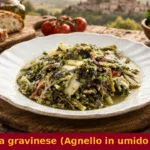
Homemade pasta, such as sagne a pezze or maccheroni alla chitarra, seasoned with rich and fragrant meat sauces, is a classic of the Abruzzese table.
Legume soups are also common, such as chickpea soup or lentil soup, which represent a substantial and nutritious meal.
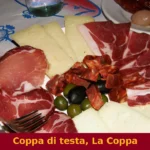
Pecorino cheeses, produced with milk from sheep raised in local pastures, are another pillar of gastronomy, often accompanied by honey or jams. Cured meats, such as liver sausage or ventricina, are the result of an ancient pork butchery art. Those looking for what to see in Penna Sant’Andrea can dedicate themselves to discovering these authentic flavors.
Although the database does not list specific certified products for Penna Sant’Andrea, the Abruzzo region is rich in agri-food excellences that reflect the same culinary philosophy. Local production includes extra virgin olive oil, robust wines obtained from native grape varieties such as Montepulciano d’Abruzzo and Trebbiano d’Abruzzo, and a variety of fruits and vegetables cultivated using traditional methods.
These products, despite not having specific certifications for the municipality, are an integral part of the local diet and gastronomic culture and can be found in nearby markets or farms.
The quality of the raw materials is the true certification of this cuisine.
Festivals, events, and traditions of Penna Sant’Andrea
Penna Sant’Andrea is a village that intensely lives its traditions, and the most celebrated is undoubtedly the folkloristic dance of Laccio D’amore.
This dance, which represents a true symbol of the community, is not just a performance, but a ritual that links the present to the past. Dancers, with their traditional costumes and colorful ribbons, create a complex and fascinating choreography that engages and enchants spectators. The preparation for this event requires months of dedication and rehearsals, testifying to the importance the community places on preserving its cultural roots.
The village is also home to the International Folklore Meeting, an event held annually that transforms Penna Sant’Andrea into a crossroads of cultures and traditions from all over the world.
During this event, folkloristic groups from different countries perform, sharing their dances, music, and costumes, in an atmosphere of celebration and cultural exchange. The International Folklore Meeting not only celebrates the richness of local traditions but also promotes intercultural dialogue, making Penna Sant’Andrea a point of reference for folklore enthusiasts. This annual event represents a unique opportunity to experience the vibrant atmosphere of the village and discover the universality of popular culture.
When to visit Penna Sant’Andrea and how to get there
The best time to visit Penna Sant’Andrea depends on the type of experience you wish to have.
Spring and autumn are ideal for nature lovers and hikers, thanks to the mild temperatures and the beauty of the landscapes of the Castel Cerreto Controlled Regional Natural Reserve, with the blooming or foliage that paints the hills with spectacular colors.
Summer, on the other hand, is the perfect time to immerse yourself in local traditions, particularly to attend the international folklore meeting and the celebrations related to the Laccio D’amore, when the village comes alive with events and cultural manifestations. The winter months, although colder, can offer a suggestive and tranquil atmosphere, ideal for those seeking an escape from the hustle and bustle.
Reaching Penna Sant’Andrea is easy both by car and by public transport.
For those traveling by car, the village is easily accessible via the A14 motorway (Bologna-Taranto), exiting at Teramo/Giulianova, then continuing on the SS 81 for about 20 km. Alternatively, from the A24 motorway (Rome-Teramo), you can exit at Val Vomano and follow the signs for Penna Sant’Andrea, covering about 15 km.
The nearest train station is Teramo, from which local bus services connect to the village.
The most convenient airport is Abruzzo Airport, located in Pescara, which is about 60 km from Penna Sant’Andrea and offers connections to various Italian and European cities. It is advisable to consult public transport timetables and service availability on the official municipality website or on transport company portals, such as Trenitalia, to best plan your trip.
| Starting Point | Distance | Estimated Time |
|---|---|---|
| Teramo | 20 km | 30 minutes |
| Pescara | 60 km | 1 hour |
| Rome | 180 km | 2 hours and 15 minutes |
Frequently asked questions about Penna Sant’Andrea
What is the best time to visit Penna Sant’Andrea?
The ideal periods to visit Penna Sant’Andrea are spring and autumn. During these seasons, the climate is mild, perfect for exploring the Castel Cerreto Controlled Regional Natural Reserve when the vegetation is lush and vibrant. Additionally, spring and autumn offer pleasant temperatures for strolling through the historic center and enjoying the panoramic views of the Medio Vomano Hills. While the specific date of the international folklore meeting dedicated to the Laccio D'amore is not provided, this annual event is a major cultural draw, so checking local calendars for its timing could enhance your visit significantly.
What to see in Penna Sant’Andrea? Main monuments and landmarks
In Penna Sant’Andrea, explore the charming Historic Center, a true open-air museum with its narrow, winding streets, stone houses, and traditional Abruzzese architecture that reflects centuries of history. While not a single monument, the urban fabric itself offers unique architectural details and an authentic atmosphere. Don't miss the opportunity to learn about the Laccio D'amore, a deeply rooted folkloristic dance that is a symbol of the community; attending its annual international meeting offers a vibrant cultural experience. These elements collectively form the village's primary visual and cultural landmarks.
What are the main natural or scenic attractions of Penna Sant’Andrea?
The primary natural attraction is the Castel Cerreto Controlled Regional Natural Reserve, a 140-hectare green lung ideal for hiking and observing unspoiled flora and fauna. Its varied trails wind through centuries-old forests and offer direct contact with nature. Additionally, the village's strategic position provides numerous Panoramic Views of the Medio Vomano Hills, especially enchanting at sunset, offering sweeping vistas over cultivated fields and the Teramo hinterland. Remember to check the reserve's official website for trail conditions and access times to ensure an optimal experience.
Where to take the best photos in Penna Sant’Andrea?
For breathtaking landscape shots, head to the Panoramic Views of the Medio Vomano Hills, especially captivating at sunset, capturing the rolling Abruzzese countryside. Within the Historic Center, the narrow, stone-paved alleys, traditional houses with flowered balconies, and hidden squares offer picturesque scenes for capturing the village's authentic character. If you visit during the international folklore meeting, the vibrant colors and intricate choreography of the Laccio D'amore provide unique and dynamic photo opportunities, showcasing the community's deep cultural roots.
What can you do in Penna Sant’Andrea? Activities and experiences
In Penna Sant’Andrea, outdoor enthusiasts can enjoy hiking and nature observation within the Castel Cerreto Controlled Regional Natural Reserve. Explore the charming Historic Center on foot, discovering its ancient alleys and traditional architecture. A must-do cultural experience is attending a performance of the Laccio D'amore, especially during the annual international folklore meeting, to witness this vibrant traditional dance. Don't forget to savor the authentic local cuisine, featuring homemade pasta like *sagne a pezze* and *maccheroni alla chitarra*, a true taste of Abruzzo's rural tradition.
Who is Penna Sant’Andrea suitable for? Families, couples, hikers, solo travelers?
Penna Sant’Andrea is ideal for cultural enthusiasts and those seeking authentic experiences, especially during the international folklore meeting centered around the Laccio D'amore. Nature lovers and hikers will appreciate the Castel Cerreto Controlled Regional Natural Reserve, with trails suitable for various fitness levels. Its tranquil Historic Center and panoramic views also make it perfect for couples seeking a romantic escape or solo travelers looking for contemplation and a slower pace. Families interested in local traditions and outdoor activities will also find it engaging and enriching.
What to eat in Penna Sant’Andrea? Local products and specialties
The cuisine of Penna Sant’Andrea reflects Abruzzo's rich rural and pastoral traditions. Visitors can savor authentic local specialties, with a strong emphasis on homemade pasta. Don't miss tasting *sagne a pezze*, a typical pasta often served with simple yet robust sauces, and *maccheroni alla chitarra*, a traditional square-cut pasta known for its porous texture that perfectly absorbs flavorful meat ragùs. These dishes showcase the freshness and quality of local ingredients, offering a true taste of the region's culinary heritage.
📷 Photo Gallery — Penna Sant’Andrea
Getting there
Piazzale Vittorio Veneto, 64039 Penna Sant'Andrea (TE)
Nearby Villages near Penna Sant’Andrea


In Abruzzo More villages to discover
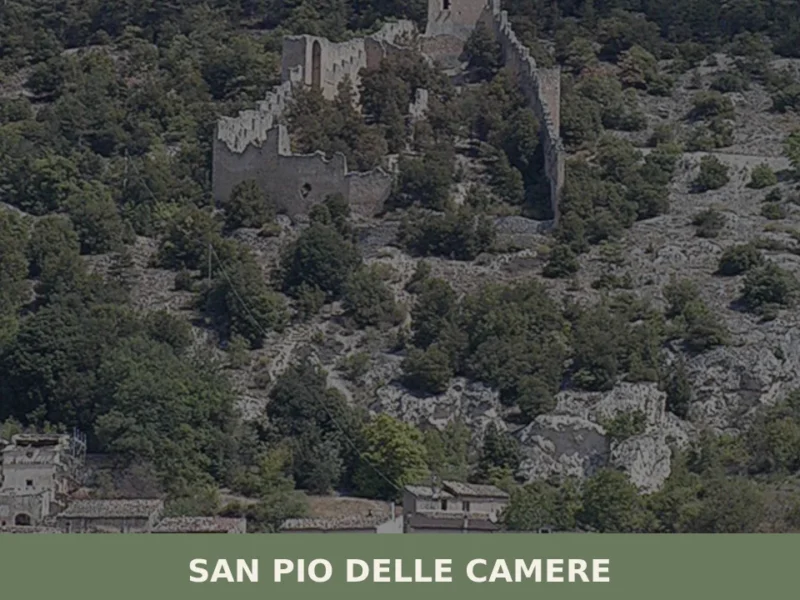
San Pio delle Camere
 Mountain
What to see in San Pio delle Camere, Abruzzo, Italy: explore 5 top attractions including a medieval castle and Peltuinum ruins. Discover this L'Aquila village.
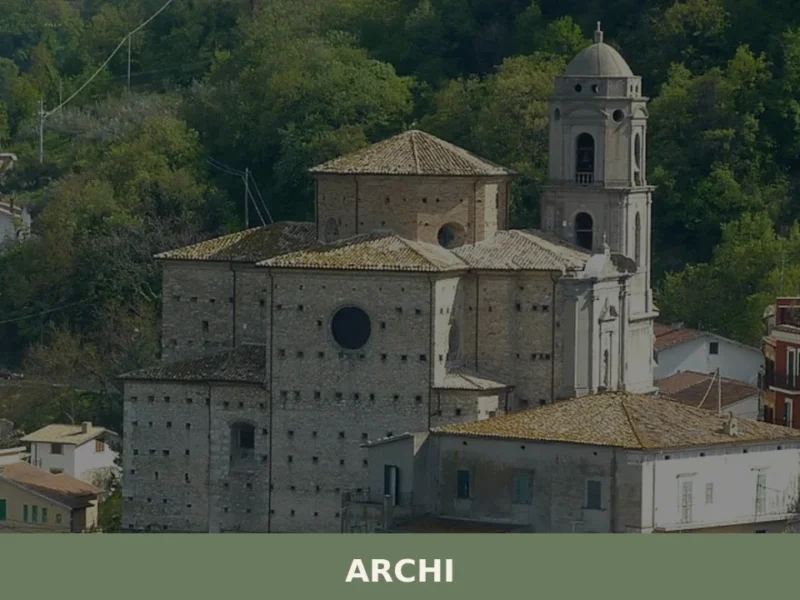
Archi
Hills
Archi sits at 492 metres above sea level in the province of Chieti, a settlement of just under 2,000 inhabitants occupying a ridge above the Sangro river valley in southern Abruzzo. The village’s position — commanding views across a landscape that drops sharply toward the river below — has defined its strategic importance since the […]
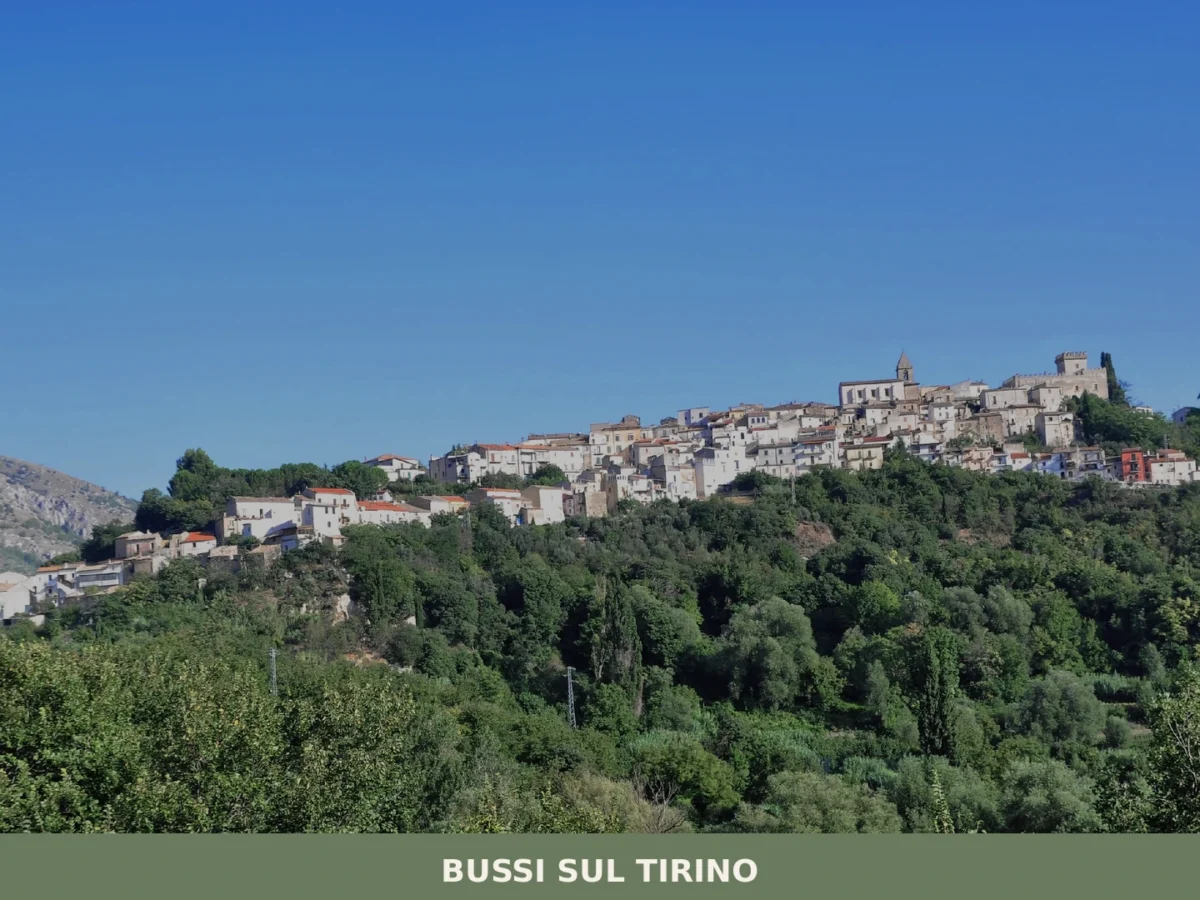
Bussi sul Tirino
Mountain
What to see in Bussi sul Tirino, Italy: explore 5 top attractions in the Gran Sasso National Park. Discover the Castello Mediceo and local food. Complete guide.
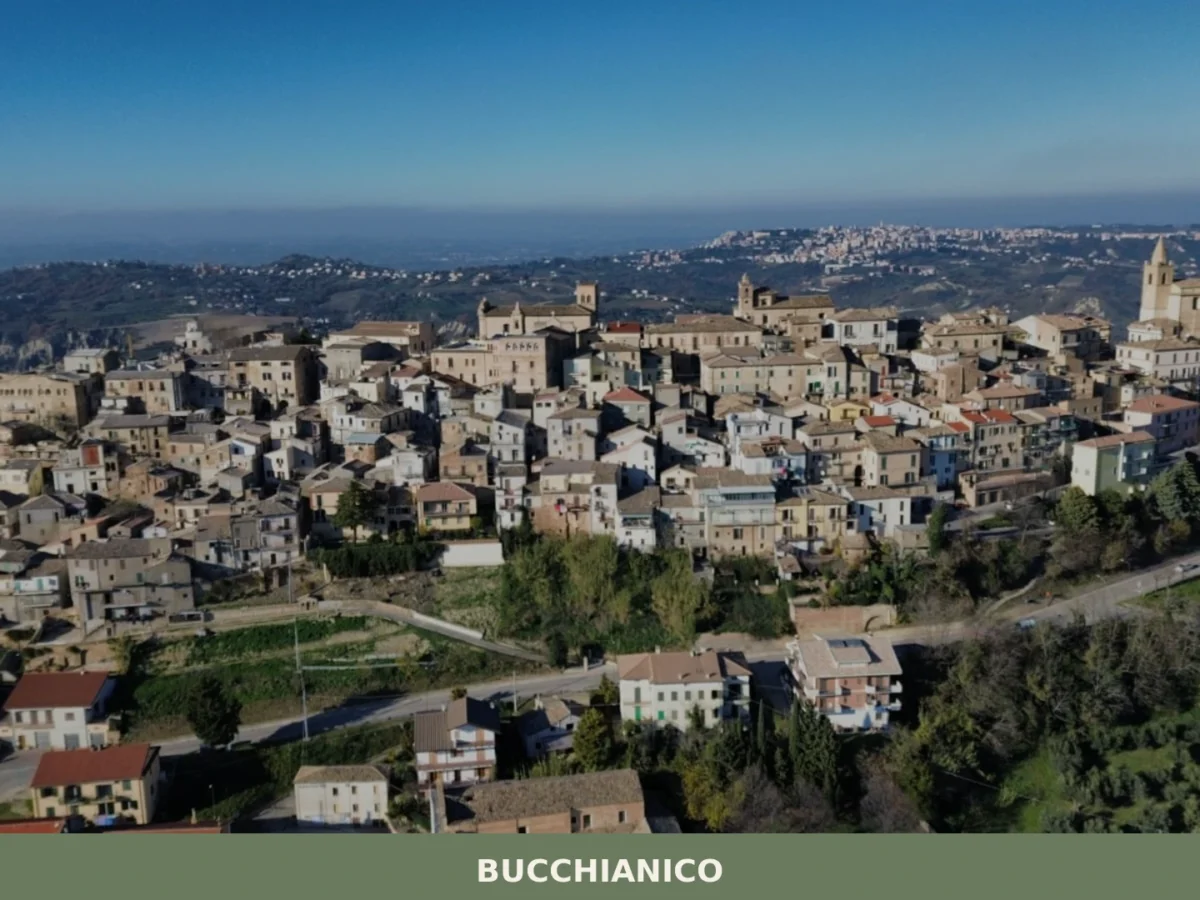
Bucchianico
Hills
What to see in Bucchianico, Abruzzo, Italy: explore 5 top attractions, local olive groves, the legacy of Saint Camillus de Lellis. Discover the best of this Chieti hill town.
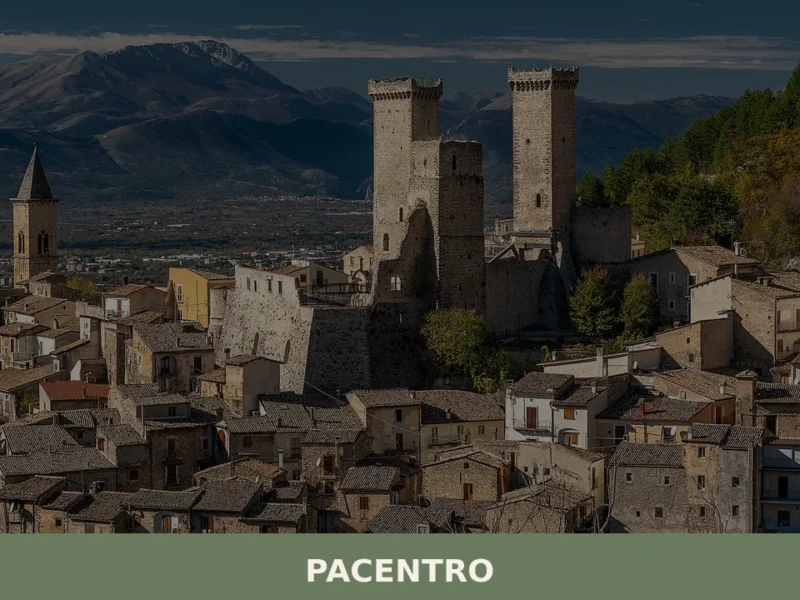
Pacentro
Mountain
What to see in Pacentro, Abruzzo, Italy: a medieval village at 650 m, one castle, five key attractions. Discover the Cantelmo castle, churches and local food.
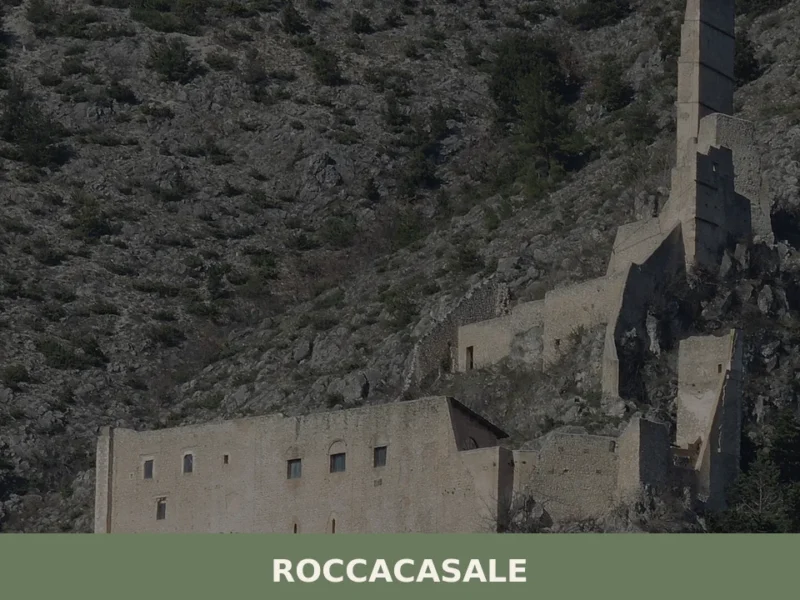
Roccacasale
Mountain
What to see in Roccacasale, Italy: a medieval village of 712 inhabitants above the Peligna Valley. Discover the 1579 church, castle ruins and local cuisine.
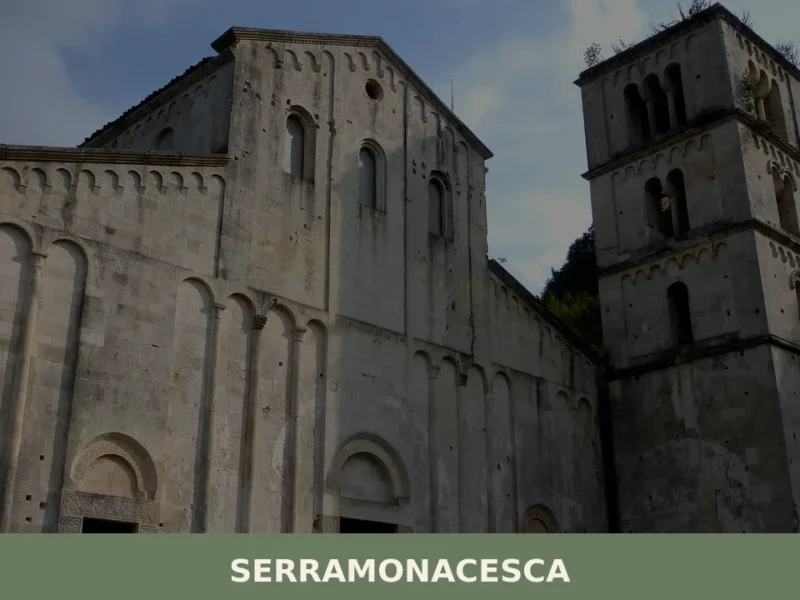
Serramonacesca
Hills
What to see in Serramonacesca, Abruzzo, Italy: discover 6 top attractions including the Abbey of San Liberatore, rock-cut tombs, and a medieval tower. Population 560.
Civita d’Antino
Mountain
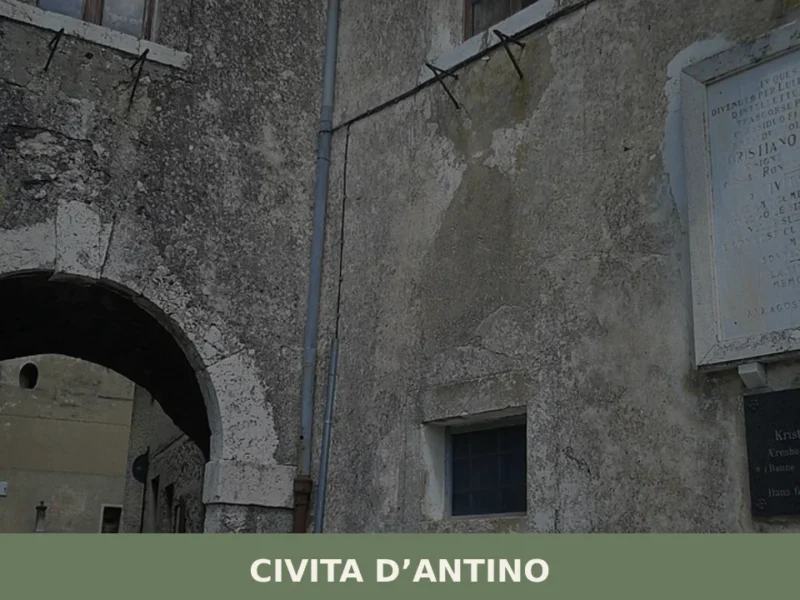
In 1878, the Danish painter Kristian Zahrtmann reached Civita d’Antino for the first time and decided to return every summer until 1911, turning this small town in the Valle Roveto into an artistic colony frequented by dozens of Scandinavian painters. Even today, anyone wondering what to see in Civita d’Antino will find traces of that […]
San Giovanni Lipioni
Hills
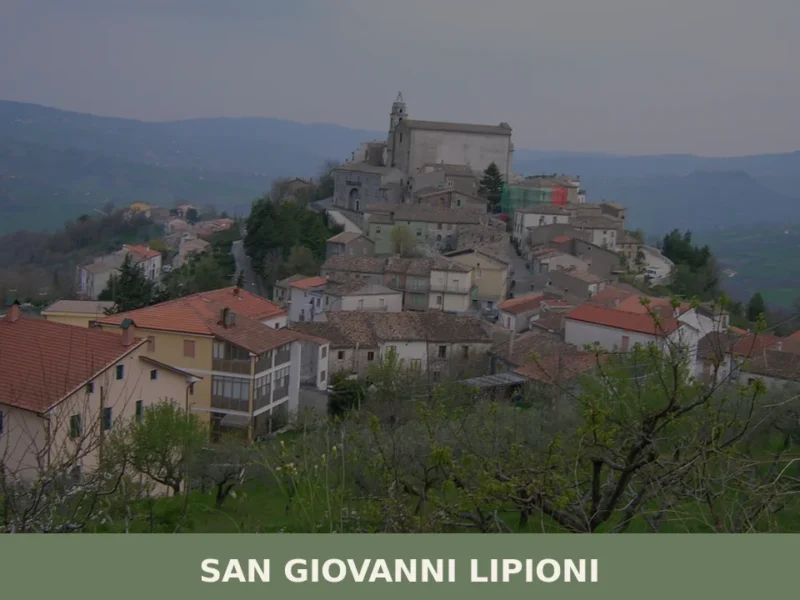
What to see in San Giovanni Lipioni, Abruzzo, Italy: explore a village at 545 m, its 17th-century church, ventricina salami and May pageant. Discover it now.
Quadri
Mountain
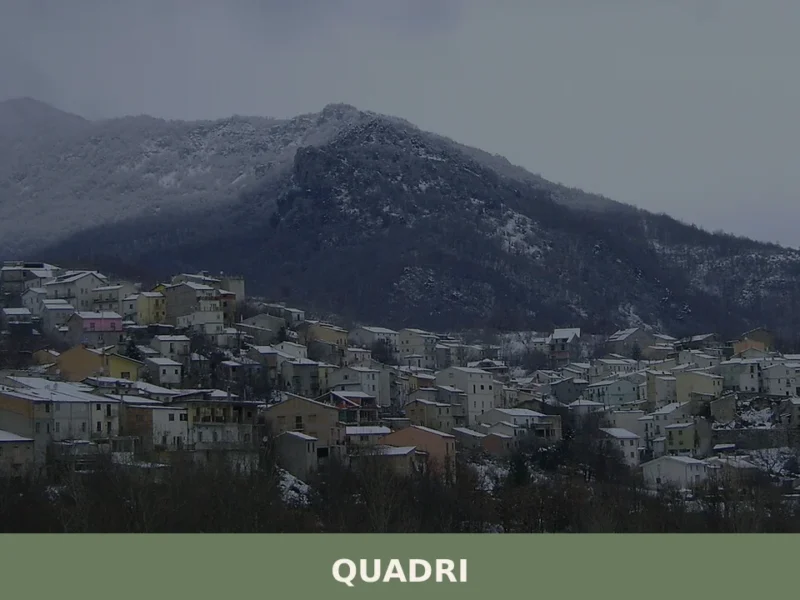
The limestone of the alleyways climbs straight up toward the ridge, and from up there the valley opens onto slopes where beech forests give way to pastures. Quadri belongs to the province of Chieti, in the heart of inland Abruzzo, at an altitude that isolates the village from the main transit routes and keeps it […]


🏡 Know Penna Sant’Andrea better than we do?
If you’re a local or have been there, your knowledge matters: add what’s missing or fix a detail on this page.