


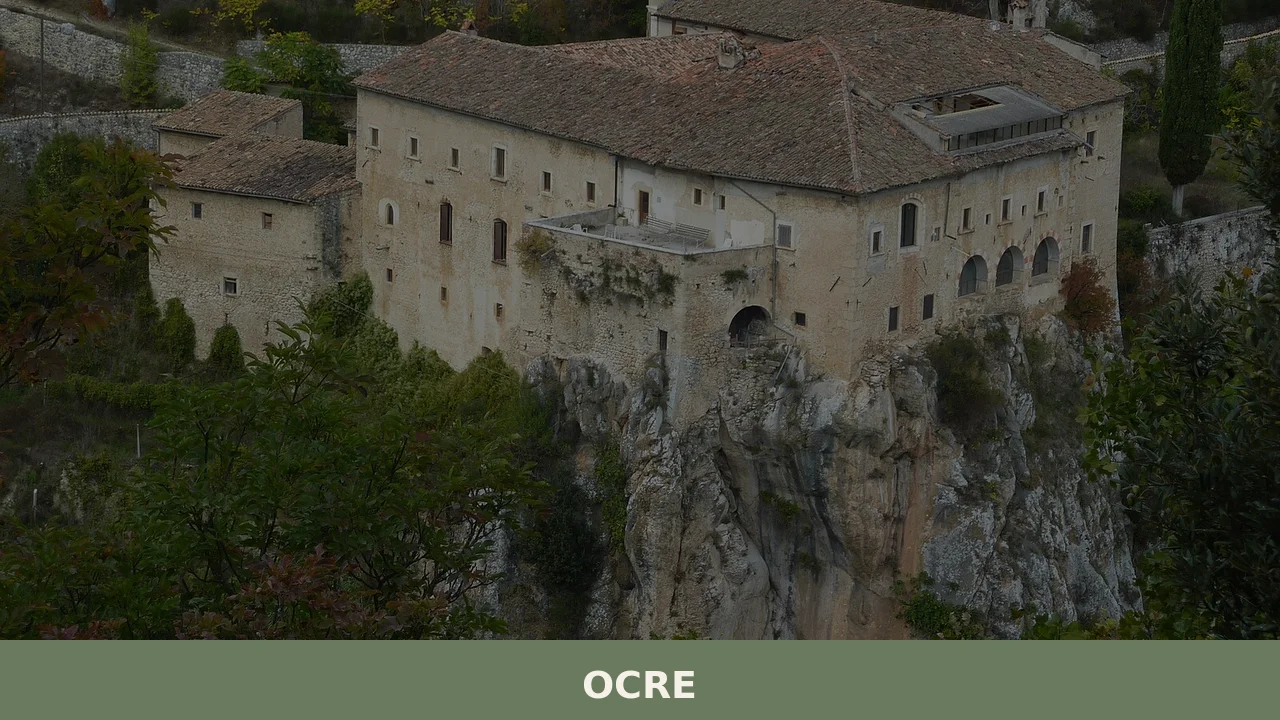
Ocre
 Mountain
What to see in Ocre, Italy: discover historical landmarks and local festivals in this Abruzzo village of 1,133 inhabitants. Explore the castle ruins and traditional events.
Discover Ocre
The Mount Ocre–Mount Cagno mountain range rises to 2,204 m (7,231 ft), dominating the landscape around Ocre in Abruzzo, Italy. On its northeastern slopes, this collection of small villages has witnessed centuries of history unfold.
The scattered settlements, including San Panfilo d’Ocre where the town hall stands, are linked by a regional road that winds upwards from L’Aquila towards the Rocche Plateau.
This area, part of the Amiternina mountain community, offers a glimpse into a resilient past.
For those wondering what to see in Ocre, this Abruzzo municipality, home to 1,133 inhabitants, offers a compelling blend of historical landmarks and traditional local festivals. Visitors can explore the remnants of ancient fortifications, such as the old castle, and experience events celebrating local products like baked bread and chestnuts. The Ocre highlights include significant historical sites and opportunities to engage with the enduring traditions of the Abruzzo region.
History of Ocre
The historical roots of Ocre extend deep into the Middle Ages, a period when the fortified village of San Panfilo d’Ocre exerted considerable control over the lower L’Aquila valley.
During this era, the influential barons of Ocre expanded their dominion, overseeing not only Ocre itself but also several neighboring municipalities. This strategic position made the area a significant hub within the Abruzzo region. The presence of powerful monasteries, such as those dedicated to the Holy Spirit and Sant’Angelo, further solidified Ocre’s importance, drawing numerous pilgrims to the area and contributing to its cultural and spiritual development.
Ocre’s historical narrative is also marked by the contributions of notable figures who rose to prominence within the Holy Roman Church and Empire.
Thomas of Ocre, a revered Cardinal, served as the Camerlengo of the Holy Roman Church in 1294 and held the position of secretary to Pope Celestino V. His beatification underscores the spiritual significance of Ocre during the late 13th century.
Contemporaneously, Gualtieri of Ocre played a crucial role as chancellor to the Holy Roman Emperor Frederick II of Hohenstaufen and later to his son, Conrad IV, demonstrating the village’s connection to powerful European political circles.
The more recent history of Ocre includes military figures like Francesco Gualtieri of San Martino D’Ocre, who served as a Brigadier General and commanded the Livorno Brigade in 1918, contributing to the nation’s history. However, the village also faced significant adversity on April 6, 2009, when an earthquake struck L’Aquila and its surrounding areas. Ocre suffered substantial damage during this event; the old castle of Ocre was almost completely ruined, and several other buildings collapsed.
Many houses in the old town were rendered uninhabitable, a stark reminder of the region’s seismic challenges and the ongoing efforts to restore its historical fabric are part of the broader narrative for what to see in Ocre today.
What to see in Ocre, Abruzzo: top attractions
Old Castle of Ocre
The stone remnants of the Old Castle of Ocre stand on a strategic elevation, offering a view over the lower L’Aquila valley.
This medieval fortification, known as Rocca d’Ocre, was central to controlling the region during the Middle Ages. Its walls, now largely ruined, reflect centuries of history, including the extensive damage sustained during the April 6, 2009 earthquake. Visitors can approach the site to appreciate its strategic importance and the panoramic vistas it once guarded, gaining insight into the village’s defensive past.
Monastery of Santo Spirito d’Ocre
The ancient walls of the Monastery of Santo Spirito d’Ocre represent a significant spiritual and architectural landmark in the area. This monastery, established in the Middle Ages, attracted numerous pilgrims and played a vital role in the religious life of the L’Aquila basin. Its historical importance is tied to the broader monastic movements that shaped Abruzzo’s cultural landscape for centuries. While specific details of its current state are not provided, its mention as an attraction suggests its enduring historical and cultural value.
Exploring its grounds allows for reflection on the spiritual heritage of Ocre.
Monastery of Sant’Angelo d’Ocre
Another key religious site from the medieval period is the Monastery of Sant’Angelo d’Ocre, which, alongside Santo Spirito, drew many pilgrims to the region.
Its establishment in the Middle Ages highlights the strong monastic presence that characterized Ocre and its surroundings. These institutions were not only centers of worship but also important cultural and economic hubs, influencing the development of the local communities for centuries. Visitors can seek out the site to understand the depth of Ocre’s spiritual history and its role in regional pilgrimage routes.
San Panfilo d’Ocre Village Center
The village of San Panfilo d’Ocre serves as the administrative heart of the municipality, housing the town hall offices. Historically, this settlement was a fortified village during the Middle Ages, controlling a strategic section of the lower L’Aquila valley. Its narrow streets and older buildings, though affected by the 2009 earthquake, still convey a sense of its long history.
Walking through San Panfilo d’Ocre allows visitors to connect with the daily life and historical continuity of the area, observing the blend of ancient structures and modern resilience.
Mount Ocre–Mount Cagno Range
The imposing presence of the Mount Ocre–Mount Cagno Range defines the natural landscape of the municipality, reaching an elevation of 2,204 m (7,231 ft).
The inhabited parts of Ocre are situated on its northeastern slopes, providing dramatic vistas and a constant backdrop. This mountain range forms part of the Sirente Velino Regional Park, a significant natural area in Abruzzo, which also encompasses areas around villages like Pescasseroli.
The sheer scale of the mountains offers opportunities for scenic contemplation and appreciating the natural beauty of the region.
Local food and typical products of Ocre
The gastronomic tradition of Ocre is deeply rooted in the broader culinary landscape of Abruzzo, a region known for its hearty, mountain-influenced cuisine. This area’s history of agricultural self-sufficiency and pastoralism has shaped a food culture centered on robust flavors and seasonal ingredients. The local diet historically relied on products cultivated in the mid-to-low L’Aquila basin and resources gathered from the surrounding Sirente Velino Regional Park. This approach to food reflects centuries of adaptation to the mountainous terrain and the availability of local produce.
While specific dishes are not detailed in historical records for Ocre, the significance of certain local products is evident through community celebrations.
The presence of a traditional festival dedicated to baked bread highlights its fundamental role in the local diet, reflecting a heritage of artisanal baking and staple food production. Similarly, the festival celebrating chestnut indicates the importance of this fruit as a natural resource, traditionally used in various forms from flour to roasted snacks, underscoring the village’s connection to its natural environment.
These elements suggest a simple yet flavorful cuisine, characteristic of mountain regions.
The sources do not specify any certified products (such as DOP, IGP, or DOC) directly associated with Ocre or its immediate vicinity. However, the mention of festivals dedicated to baked bread and chestnuts indicates that these are significant local products, deeply integrated into the cultural and culinary identity of the village. These traditional items, while not bearing specific certifications in the provided information, represent the authentic agricultural output and historical foodways of the Ocre area within Abruzzo. The focus remains on locally sourced and historically consumed ingredients, offering a genuine taste of what to see in Ocre through its culinary heritage.
Ocre celebrates its local bounty through specific community events.
The festivals of baked bread and chestnut are key annual traditions, providing opportunities for residents and visitors alike to experience the village’s culinary heritage. These events typically feature local producers, traditional preparation methods, and communal enjoyment of these staple foods.
While the exact dates are not provided, such festivals often take place in autumn for chestnuts and at various times for bread, reflecting harvest seasons and community pride in their enduring traditions.
Festivals, events and traditions of Ocre
The cultural calendar of Ocre is marked by traditional celebrations that highlight its agricultural heritage and community spirit. Among these, the festival of baked bread stands out, honoring a staple food that has sustained the community for centuries. This event typically brings together local bakers and residents, showcasing traditional bread-making techniques and offering freshly baked goods.
Such festivals are not merely culinary events but also reinforce the communal bonds and shared history of the Ocre inhabitants, often accompanied by local music and social gatherings.
Another significant annual tradition is the festival dedicated to the chestnut, a product deeply intertwined with the region’s natural resources and historical diet.
These events, common in Abruzzo’s mountainous areas, celebrate the harvest of chestnuts, which have long been a versatile food source. Visitors can expect to find various chestnut-based preparations, from roasted nuts to desserts, offering a taste of local flavors. These festivals serve as a gathering point, allowing both locals and visitors to experience the enduring traditions and seasonal rhythms of Ocre.
When to Visit Ocre, Italy: What to See and How to Get There
Determining the best time to visit Abruzzo, and specifically Ocre, largely depends on desired activities. Spring (April-May) and autumn (September-October) generally offer pleasant weather for exploring, with mild temperatures and vibrant natural colors, making them suitable for outdoor pursuits and sightseeing. The chestnut festival, for example, typically occurs in autumn, offering a cultural highlight. Summers can be warm, suitable for those who enjoy higher temperatures, while winters bring colder weather, potentially with snow, especially in the higher elevations of the Mount Ocre–Mount Cagno range.
Ocre is situated approximately 15 km (9.3 mi) southeast of L’Aquila, the regional capital of Abruzzo, Italy.
For those planning a day trip from nearest major city or arriving by car, Ocre is accessible via Regional Road SR5, which connects L’Aquila to the Rocche Plateau.
This road provides direct access to the inhabited part of the municipality. The nearest major train station is in L’Aquila, offering connections to larger Italian railway networks via Trenitalia. For international visitors, Rome’s airports (FCO or CIA) are the most common entry points, with a subsequent car or bus journey to Ocre typically taking around 1.5 to 2 hours, making it a feasible destination for a day trip from the capital.
When visiting Ocre, international travelers should be aware that English may be limited in smaller shops and local establishments. It is advisable to carry some Euros cash, as not all smaller businesses may accept card payments. This practical approach ensures a smoother experience while exploring the village and engaging with the local community, enhancing the overall enjoyment of what to see in Ocre.
Frequently asked questions about Ocre
What is the best time to visit Ocre?
The ideal times to visit Ocre are spring (April-May) and autumn (September-October) for pleasant weather, mild temperatures, and vibrant natural landscapes perfect for exploring. For those interested in local traditions, late June is significant as Ocre celebrates its patron saint, San Pietro, with a feast on June 29th. Additionally, autumn brings the traditional chestnut festival, offering a taste of local flavors and community spirit amidst the changing foliage.
What to see in Ocre? Main monuments and landmarks
Ocre offers a captivating journey through history and nature. Key attractions include the evocative stone remnants of the Old Castle of Ocre (Rocca d'Ocre), providing panoramic views over the lower L'Aquila valley from its strategic elevation. Visitors can also explore the ancient walls of the Monasteries of Santo Spirito and Sant'Angelo d'Ocre, reflecting the area's deep spiritual heritage. The historic San Panfilo d'Ocre Village Center, with its narrow streets, offers a glimpse into daily life. For nature lovers, the imposing Mount Ocre–Mount Cagno Range provides dramatic vistas within the Sirente Velino Regional Park.
What are the main natural or scenic attractions of Ocre?
The primary natural attraction defining Ocre's landscape is the majestic Mount Ocre–Mount Cagno Range, reaching 2,204 meters. The village settlements are nestled on its northeastern slopes, offering dramatic vistas and a constant mountainous backdrop. This area is an integral part of the Sirente Velino Regional Park, providing ample opportunities for scenic contemplation, nature walks, and appreciating the pristine beauty of the Abruzzo Apennines. Its sheer scale offers a powerful connection to the natural environment.
Where to take the best photos in Ocre?
For breathtaking photographs, head to the Old Castle of Ocre (Rocca d'Ocre). From its strategic elevation, you can capture sweeping panoramic views of the lower L'Aquila valley and the surrounding mountainous landscape, especially at dawn or dusk. Additionally, the Mount Ocre–Mount Cagno Range itself provides dramatic natural backdrops. Explore the narrow, historic streets of San Panfilo d'Ocre for charming glimpses of traditional architecture and local life, offering a blend of historical and natural beauty.
Are there museums, churches or historic buildings to visit in Ocre?
While Ocre does not feature museums, it boasts significant historic buildings and religious sites. Visitors can explore the evocative ruins of the Old Castle of Ocre, a medieval fortification with a rich past. The ancient Monasteries of Santo Spirito d'Ocre and Sant'Angelo d'Ocre, both pivotal in the region's spiritual history, offer opportunities for reflection on medieval monastic life. Additionally, the San Panfilo d'Ocre Village Center, with its older buildings and historic fabric, provides a tangible connection to the village's long history.
What can you do in Ocre? Activities and experiences
In Ocre, visitors can immerse themselves in history by exploring the remnants of the Old Castle and the ancient monasteries of Santo Spirito and Sant'Angelo. Nature enthusiasts will appreciate opportunities for scenic contemplation and walks within the stunning Mount Ocre–Mount Cagno Range, part of the Sirente Velino Regional Park. Experience authentic local culture by attending traditional festivals, such as those celebrating baked bread and chestnuts, which offer a taste of Ocre's culinary heritage and community spirit. The patron saint's feast on June 29th also provides a festive atmosphere.
Who is Ocre suitable for? Families, couples, hikers, solo travelers?
Ocre is perfectly suited for history enthusiasts eager to explore ancient fortifications and medieval monasteries. Nature lovers and hikers will find its location within the Mount Ocre–Mount Cagno Range and proximity to the Sirente Velino Regional Park ideal for scenic contemplation and outdoor activities. It's also a wonderful destination for those seeking authentic cultural experiences through traditional festivals and local cuisine. Both solo travelers and couples looking for a tranquil, historically rich mountain escape, and families interested in engaging with Abruzzo's enduring traditions, will find Ocre appealing.
What to eat in Ocre? Local products and specialties
Ocre's culinary identity is deeply rooted in Abruzzo's hearty, mountain-influenced cuisine. While specific certified products (DOP, IGP, DOC) are not documented for Ocre itself, two significant local products are celebrated: traditional baked bread and chestnuts. These staples reflect the village's agricultural heritage and historical foodways, with dedicated festivals honoring their importance. Visitors can experience these authentic flavors, often prepared using traditional methods, offering a genuine taste of Ocre's connection to its natural environment and centuries-old traditions.
📷 Photo Gallery — Ocre
Nearby Villages near Ocre
In Abruzzo More villages to discover
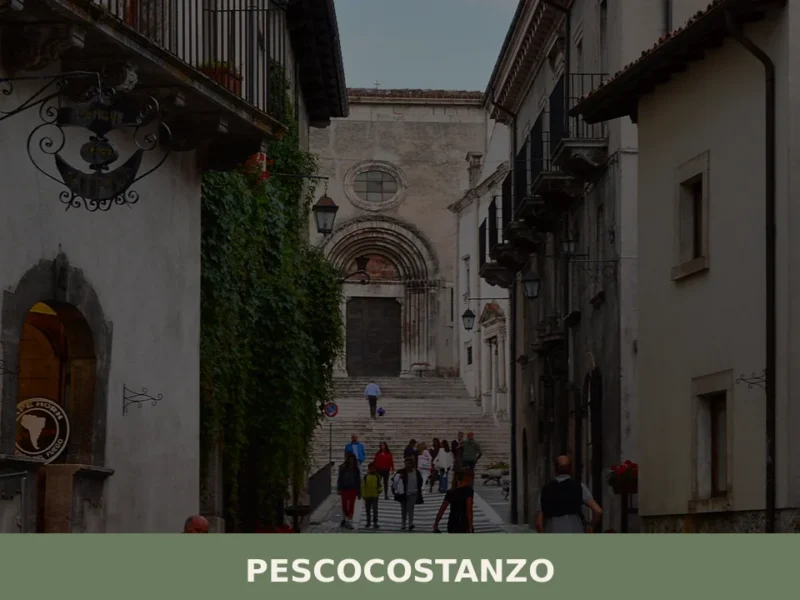
Pescocostanzo
Mountain
what to see in pescocostanzo offers a blend of mountain beauty and historical charm in Italy. Discover its 1,138 inhabitants, the Maiella National Park, and the Basilica di Santa Maria del Colle. Explore Abruzzo's heart.
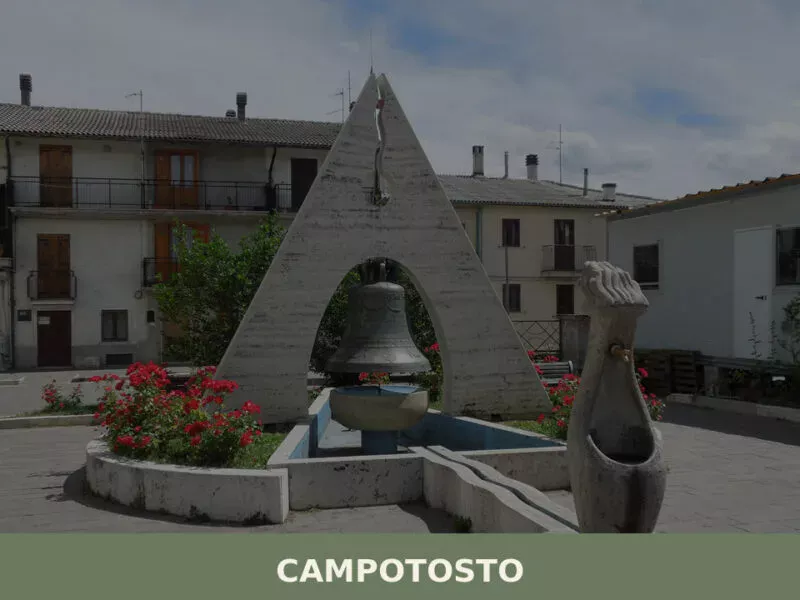
Campotosto
 Lake
Mountain
Lake
Mountain
At 1,420 metres beside one of Europe's largest artificial lakes, Campotosto offers wild Apennine landscapes, cured mortadella, and trails into the Gran Sasso National Park.
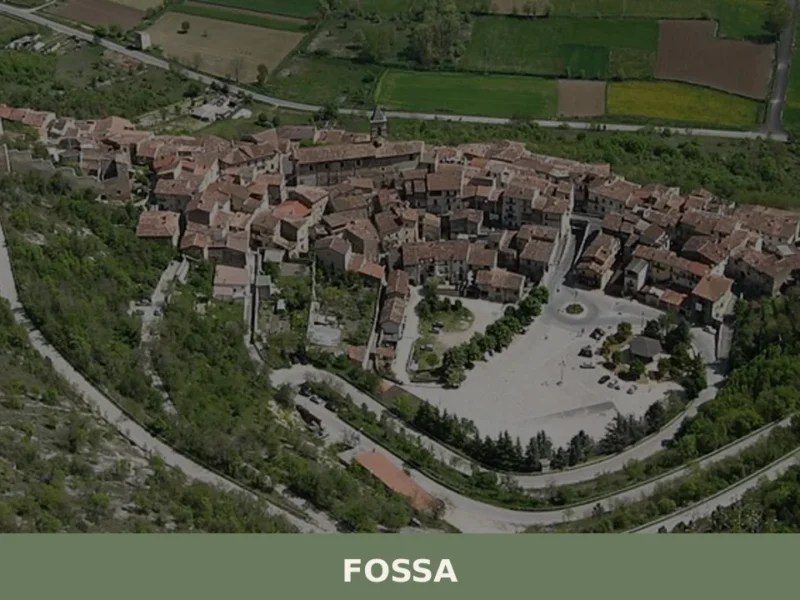
Fossa
Mountain
The Vestine necropolis of Fossa, unearthed in 1992 along the state road 17, revealed over six hundred tombs dating from the 9th to the 1st century BC — a discovery that rewrote our understanding of pre-Roman central Italy. Anyone wondering what to see in Fossa will find a solid starting point here: a village of […]
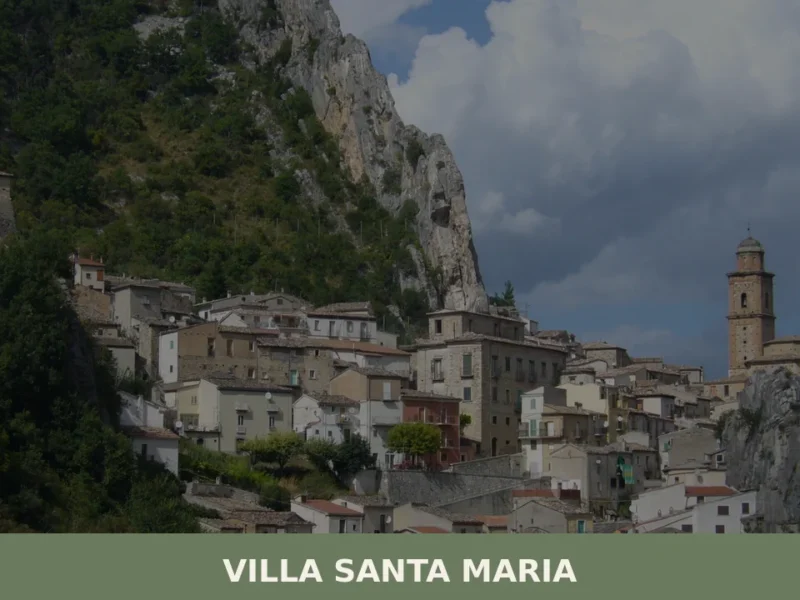
Villa Santa Maria
Mountain
What to see in Villa Santa Maria, Abruzzo, Italy: explore 5 top attractions, local cuisine, and the legacy of Saint Francis Caracciolo. Discover this village of 1,431 inhabitants.
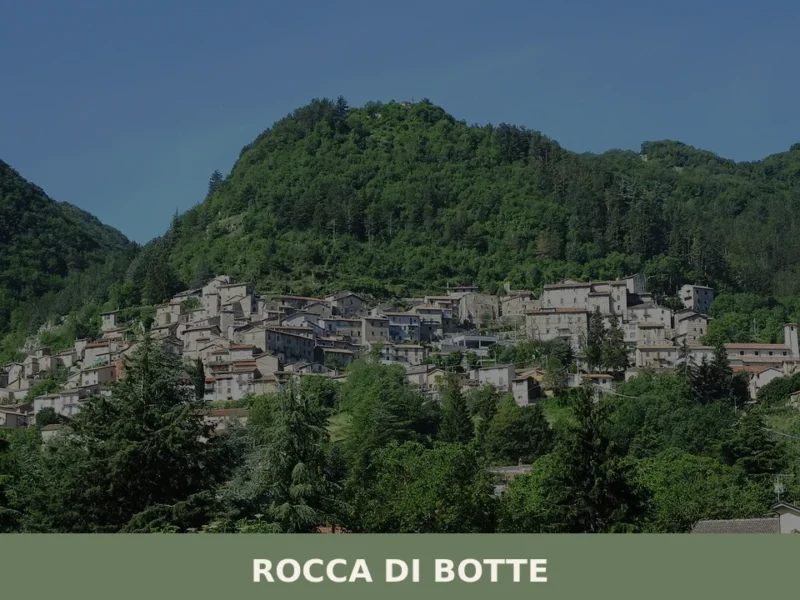
Rocca di Botte
Mountain
What to see in Rocca di Botte, Abruzzo, Italy: explore 5 top attractions, medieval history dating to the 12th century, and local food traditions. Discover it now.
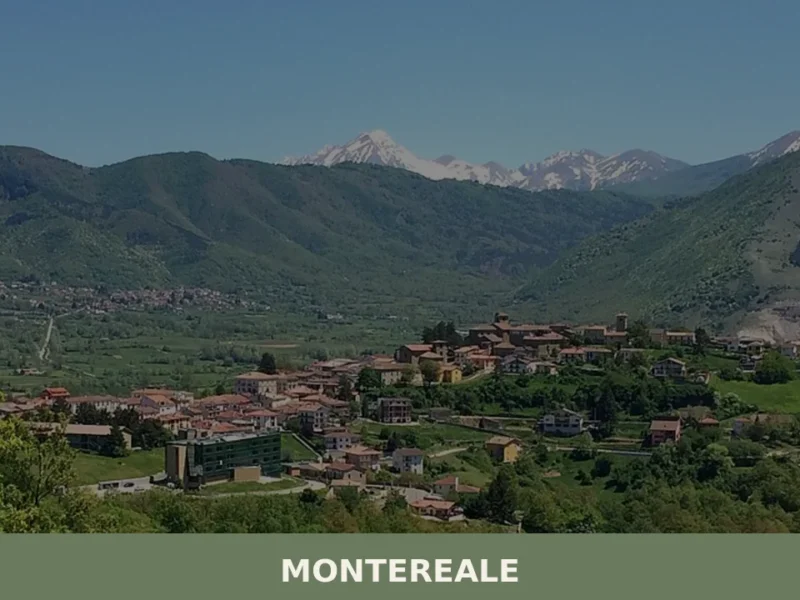
Montereale
Mountain
What to see in Montereale in Abruzzo: Romanesque churches, medieval walls, mountain cuisine and Laga trails. Complete guide to the village at 948 m.
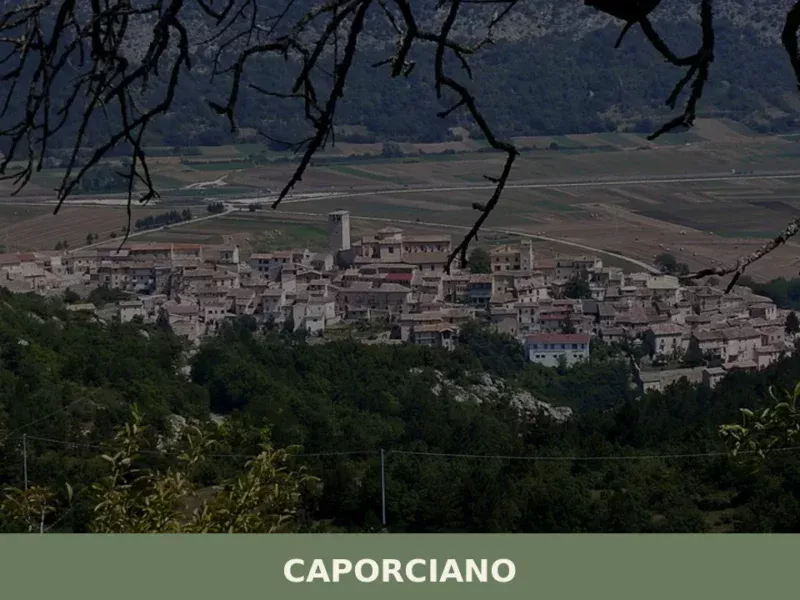
Caporciano
Mountain
Caporciano, a small village near L'Aquila between history and nature: discover what to see, how to get there and the top places to visit. Plan your trip.
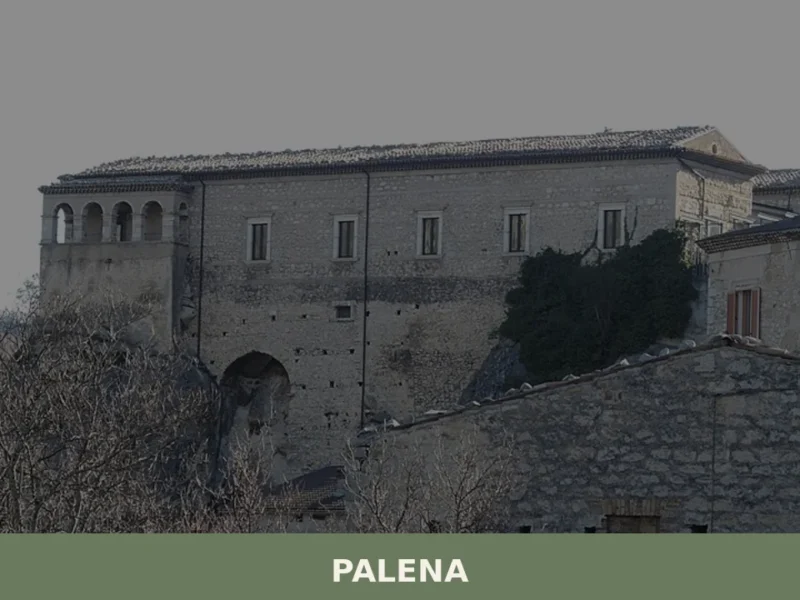
Palena
Mountain
What to See in Palena: discover 5 must-see attractions, from the Ducal Castle to the Marsican Bear Museum. Plan your visit and taste local products.
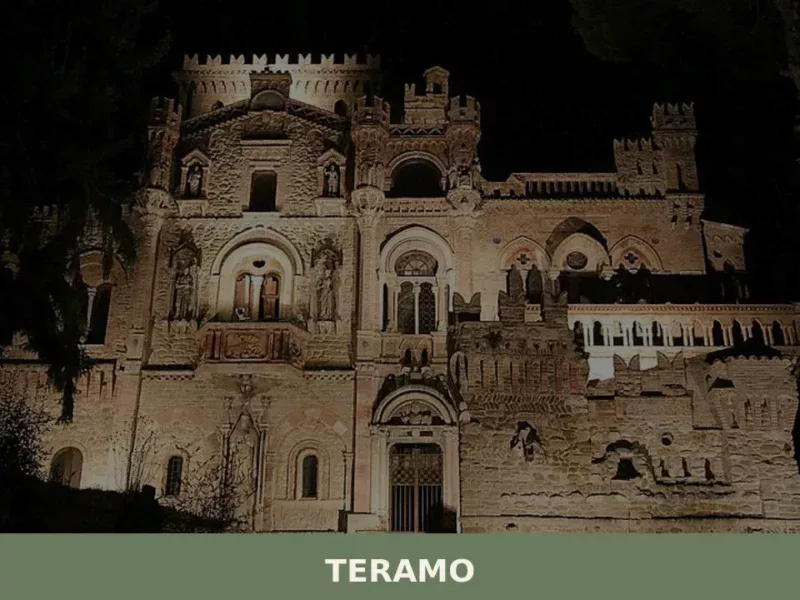
Teramo
 Hills
Hills
What to see in Teramo, Abruzzo, Italy: discover a Roman theatre from 30 BC, a 1158 cathedral, the Interamnia World Cup and 54,377-strong city. Complete guide.
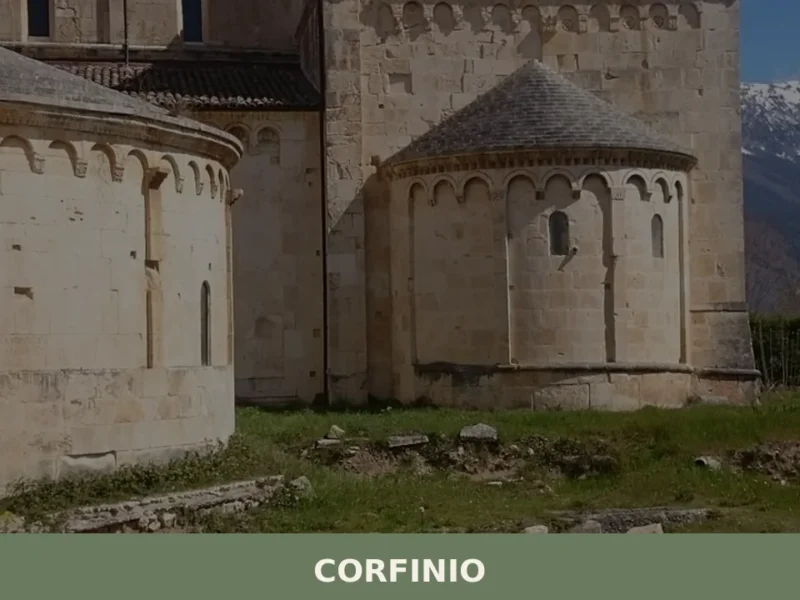
Corfinio
Hills
what to see in Corfinio, Italy: Explore this Abruzzese village at 346 m a.s.l., from its Roman past to the Museo Antonio De Nino. Discover Corfinio.



🏡 Know Ocre better than we do?
If you’re a local or have been there, your knowledge matters: add what’s missing or fix a detail on this page.