


Anticoli Corrado
 Hills
Hills
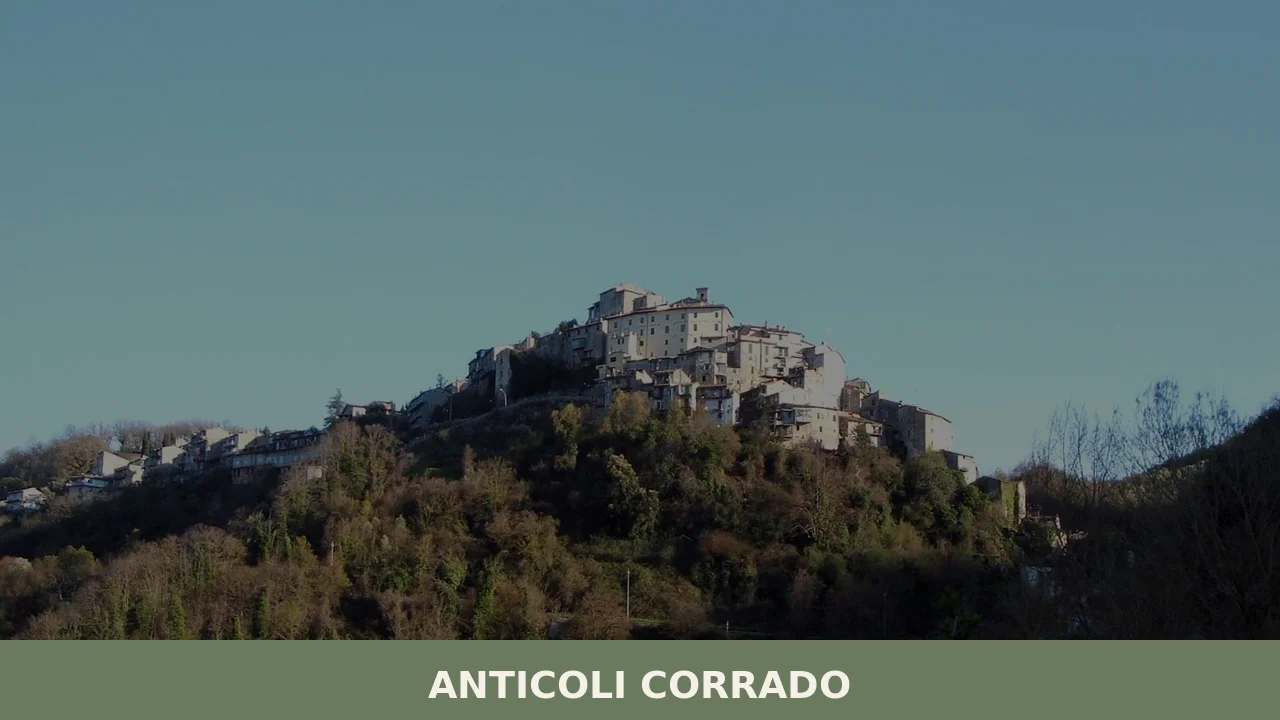
Stone walls rise in tight formation above the Aniene valley, 40 kilometres (25 mi) northeast of Rome, where a cluster of houses at 508 metres (1,667 ft) altitude holds the ruins of a medieval castle and an 11th-century church. The fountain in Piazza delle Ville was cast by Arturo Martini, a sculptor whose work now […]
Discover Anticoli Corrado
Stone walls rise in tight formation above the Aniene valley, 40 kilometres (25 mi) northeast of Rome, where a cluster of houses at 508 metres (1,667 ft) altitude holds the ruins of a medieval castle and an 11th-century church.
The fountain in Piazza delle Ville was cast by Arturo Martini, a sculptor whose work now sits in major Italian collections.
A population of 947 residents shares these lanes with a Civic Museum that holds canvases by Oskar Kokoschka — work brought here because of a very specific episode in 19th-century Roman art history.
Knowing what to see in Anticoli Corrado means following that episode to its source.
The village stands in the Metropolitan City of Rome, Lazio, Italy, at an altitude of 508 m (1,667 ft), and draws visitors with five documented attractions spanning an 11th-century church, a 17th-century baronial palace, a sculpture-adorned piazza, a modern art museum, and the ruins of a castle tied to Conrad of Antioch.
Visitors to Anticoli Corrado find a place whose physical fabric — narrow lanes, stone facades, a hilltop profile — shaped the careers of painters who came from Rome and eventually stayed.
History of Anticoli Corrado
The name of the village carries a direct historical reference. Anticoli derives from the Latin Anticolae, a term appearing in medieval documents to describe communities settled on high ground away from the malarial lowlands.
The qualifier Corrado was added to distinguish this settlement from other localities bearing similar names in the region, and points directly to Conrad of Antioch, the Hohenstaufen prince who made the castle here his residence between 1282 and 1286.
The castle itself was part of the holdings of the Malaspina family, built in the 10th century and used by Conrad as a shelter during the opening phase of the War of the Vespers — the broad conflict between the Angevins and the Aragonese over control of Sicily that reshaped southern Italian politics in the late 13th century.
Conrad’s presence gave the village its second name and left behind the ruins that still stand above the roofline today.
After his death, the castle returned to the Malaspina sphere and the settlement continued as a modest agricultural community on the edge of the Roman hinterland, administered under varying feudal arrangements across the following centuries.
The 17th century produced the Palazzo Baronale, a structure that signals a period of more stable local governance and an investment in civic architecture that set Anticoli apart from smaller, more transient hilltop communities of the same era.
The village borders the municipalities of Mandela, Marano Equo, Rocca Canterano, Roviano, and Saracinesco — a geography that placed it at the intersection of several local power networks during the medieval and early modern periods.
The 19th century brought a transformation that had nothing to do with politics or agriculture.
Young residents of Anticoli — men and women known for their physical bearing — began travelling to Rome to pose as models for the community of painters and sculptors concentrated around Piazza di Spagna. Word spread in both directions: the artists heard about the village and came to see it.
Several stayed for extended periods, and the flow of international painters continued until the outbreak of World War II.
Among those who came were Oskar Kokoschka, Henry Inlander, Eric Hebborn, and Noel Paine. That sustained contact produced the works now held in the Civic Museum of Modern Art, and it gave Anticoli Corrado a cultural identity that still defines it. In 1969, director Stanley Kramer used the village as the primary filming location for The Secret of Santa Vittoria, a production shot almost entirely within its streets and surroundings.
What to see in Anticoli Corrado, Lazio: top attractions
Church of St.
Peter
The Church of St. Peter dates to the 11th century, making it the oldest standing structure in the village centre. Its exterior stonework reflects the construction methods of the early medieval period in the Lazio hill country — courses of local stone laid without the dressed facing typical of later ecclesiastical buildings. Inside, the spatial proportions belong to a pre-Romanesque tradition that prioritised functional volume over decorative elaboration.
Visiting in the morning, when light enters from the east-facing openings, gives the best conditions for reading the architectural detail. The church stands within easy walking distance of the other main sights, and it marks the logical starting point for anyone exploring what to see in Anticoli Corrado on foot.
Castle Ruins of Conrad of Antioch
The surviving masonry of the castle built by the Malaspina family in the 10th century occupies a commanding position above the village roofline.
Conrad of Antioch used it as a residence from 1282 to 1286, during the years when the War of the Vespers made secure lodgings in the Roman hinterland a political necessity.
The ruins are not a reconstructed site — what remains are actual walls and structural fragments that have stood for over seven centuries, weathered but readable to anyone with an interest in medieval military architecture. The views from the castle area extend across the Aniene valley and toward the surrounding ridge lines. Access is on foot from the upper lanes of the village; the terrain rises steeply on the final approach.
Palazzo Baronale
Built in the 17th century, the Palazzo Baronale occupies a central position in the village and represents the most substantial piece of post-medieval civic architecture in Anticoli Corrado.
Its facade carries the proportions and window arrangements typical of baronial construction in the Roman provinces during that period — a deliberate statement of permanence by the ruling family of the time.
The building survived the transition from feudal governance to municipal administration and has retained its structural integrity. For visitors focused on what to see in Anticoli Corrado beyond the medieval period, the palace provides a clear marker of how the village’s built environment evolved across five centuries.
The exterior is visible from the main lanes and can be observed without entering.
Piazza delle Ville and the Fountain by Arturo Martini
The fountain standing in Piazza delle Ville was created by Arturo Martini, one of the most significant Italian sculptors of the 20th century, whose work is held in the collections of major national museums. Martini’s connection to Anticoli Corrado belongs to the wider pattern of artists who came to the village through the Roman modelling tradition and left permanent marks on its public spaces.
The piazza itself functions as the social centre of the village, with the fountain as its focal point.
The scale of the piece is modest relative to Martini’s larger institutional commissions, which makes the encounter here more direct — the work stands at eye level in an open space rather than elevated on an institutional plinth. Early evening is when the square sees the most local activity.
Civic Museum of Modern Art
The Civic Museum of Modern Art of Anticoli Corrado holds works by artists with documented connections to the village, including Oskar Kokoschka, Felice Carena, Paolo Salvati, Edita Broglio, and Emanuele Cavalli.
Kokoschka’s presence in the collection links directly to the 19th- and early 20th-century practice of European painters travelling to Anticoli to paint from life, using local residents as models.
The museum is housed within the village and concentrates in one space the artistic output of a period spanning roughly a century of sustained contact between international art circles and this specific Lazio community.
The collection is not a general survey of Italian modernism — it is focused precisely on what this place produced and attracted. Check opening hours locally before visiting, as schedules vary by season.
Local food and typical products of Anticoli Corrado
The food culture of Anticoli Corrado sits firmly within the broader culinary tradition of the Roman hinterland, shaped by the agricultural practices of the Aniene valley and the cooking habits of communities that historically depended on what the surrounding land produced.
Wheat, legumes, pork, and foraged greens form the backbone of the local diet.
The proximity to Rome — 40 km (25 mi) along roads that have connected these hill communities to the capital for centuries — meant that Roman culinary influences moved in both directions, but the village retained preparation methods tied to wood-fire cooking and slow-braised meat dishes that differ from the urban versions.
Pasta dishes in this part of Lazio lean on egg-based doughs cut into wide ribbons, dressed with sauces built from slow-cooked pork ribs, dried chilli, and local olive oil.
Pasta con le rigaglie — pasta with chicken giblets cooked down with tomato and white wine — appears in domestic cooking throughout the area and reflects the tradition of using every part of the animal.
Zuppa di lenticchie, a lentil soup thickened with soffritto of celery, carrot, and onion and finished with a thread of raw olive oil, is a consistent presence on local tables from October through March.
Porchetta, the deboned whole-roasted pork seasoned with rosemary, garlic, and black pepper, is the most visible street food in this part of Lazio and is sold at the periodic markets that pass through the area’s hilltop villages.
No products from Anticoli Corrado hold a current EU protected designation of origin or geographical indication status in the verified sources available. The village’s food production operates within the broader Lazio agricultural economy, with olive oil and cured pork products the most commercially significant local outputs.
Visitors looking for locally sourced ingredients will find the best selection at weekly markets in larger nearby centres rather than within the village itself, where retail options are limited by the resident population of 947.
The autumn months — October and November — bring the olive harvest across the Aniene valley, and this is the period when fresh-pressed oil appears in local households and small producers.
Wine from the wider Lazio region accompanies most meals; the local preference runs toward dry whites and medium-bodied reds from the Castelli Romani zone to the southwest.
Festivals, events and traditions of Anticoli Corrado
The patron saint of Anticoli Corrado is Santa Vittoria Romana, and the feast day falls on 23 December each year.
The celebration takes place in the final days of the Advent period and combines religious observance with the collective gathering that marks most sagre — traditional local festivals — in the Lazio hill towns. A procession through the main streets of the village forms the central public event, with the saint’s image carried from the church to the main square.
The proximity of the feast to Christmas means that the religious and civic dimensions of the celebration overlap, and the streets are typically lit and decorated for both occasions simultaneously.
The 19th- and 20th-century tradition of artists residing in Anticoli Corrado has generated a cultural memory that the village has maintained through its museum and periodic art-related events.
The filming of The Secret of Santa Vittoria in 1969 left a local legacy that residents still reference.
No additional recurring festivals beyond the patron feast are documented in the verified sources for this village, but the December date of the Santa Vittoria celebration makes a late-December visit to Anticoli Corrado, Lazio, Italy, the most event-rich time of year in terms of local tradition.
When to visit Anticoli Corrado, Italy and how to get there
The best time to visit Anticoli Corrado depends on what a traveller is seeking. Spring — April through June — brings mild temperatures at 508 m (1,667 ft) altitude, with the surrounding hills fully green and the roads from Rome manageable in ordinary traffic.
September and October offer dry, cooler days well suited to walking the village lanes and the surrounding terrain without the heat that builds in the valley below during July and August.
December is worth considering specifically for the Santa Vittoria feast on the 23rd, provided visitors are comfortable with cold evenings and the possibility of mist in the valley.
International visitors should be aware that English is spoken only occasionally in smaller local shops, and carrying euro cash is practical for any purchases in the village.
Anticoli Corrado sits 40 km (25 mi) northeast of Rome, making it viable as a day trip from the capital. By car, the most direct route follows the A24 motorway toward L’Aquila, exiting at Vicovaro-Mandela, then continuing north on the SS411 for approximately 6 km (3.7 mi).
The drive from Rome takes roughly 50 to 60 minutes depending on traffic on the eastern ring road.
The nearest railway connection is at Mandela-Anticoli, a station on the Rome-Avezzano line served by Trenitalia regional trains; from there, the village is accessible by local road approximately 3 km (1.9 mi) away.
The nearest international airport is Rome Fiumicino (Leonardo da Vinci), located about 70 km (43.5 mi) to the southwest, with a travel time of approximately 80 to 90 minutes by car via the A24. For those arriving at Rome Ciampino, the distance is slightly shorter at around 55 km (34 mi). Visitors staying in Rome can reach Anticoli Corrado in under an hour by car, making it a realistic half-day or full-day excursion without an overnight stay.
The village of Lubriano, another Lazio hill community with its own medieval profile and compact historic centre, illustrates how the hill towns of this region each developed distinct identities despite their geographic proximity.
Travellers building a multi-village itinerary across northern Lazio might also look at Casaprota, which shares the same category of borghi di collina — hill villages — and sits within the broader Roman hinterland territory.
The road network connecting these communities has improved considerably since the mid-20th century, and a circuit covering two or three villages in a single day is logistically straightforward for visitors based in Rome.
Travellers extending their stay in the area might also consider Cellere, a Lazio village with its own documented history in the Tuscia zone of northern Lazio, or Arlena di Castro, which occupies a volcanic plateau landscape quite different from the Aniene valley setting of Anticoli Corrado. Both destinations add geographic contrast to an itinerary centred on what to see in Anticoli Corrado and its surroundings.
Frequently asked questions about Anticoli Corrado
What is the best time to visit Anticoli Corrado?
Spring (April–June) and early autumn (September–October) offer the most comfortable conditions for exploring Anticoli Corrado on foot, with mild temperatures and clear views across the Aniene valley. Summer is warm but the hilltop position at 508 m keeps it cooler than Rome. The village celebrates its patron saint, Santa Vittoria, on 23 December, making late December a culturally rich moment to visit. Winter visits are quiet and atmospheric, though check museum opening hours in advance as seasonal schedules vary.
What are the historical origins of Anticoli Corrado?
The name derives from the Latin Anticolae, a medieval term for communities settled on high ground to avoid malarial lowlands. The Malaspina family built a castle here in the 10th century. The qualifier Corrado references Conrad of Antioch, the Hohenstaufen prince who resided in the castle between 1282 and 1286 during the War of the Vespers. In the 19th century the village became a destination for international painters who came to work with local models, a tradition that continued until World War II and shaped the village's cultural identity.
What to see in Anticoli Corrado? Main monuments and landmarks
Five documented attractions define the village: the 11th-century Church of St. Peter, best visited in the morning for natural light; the Castle Ruins of Conrad of Antioch, reached via steep upper lanes with panoramic valley views; the 17th-century Palazzo Baronale, visible from the main lanes; Piazza delle Ville with its fountain sculpted by Arturo Martini; and the Civic Museum of Modern Art, which holds works by Oskar Kokoschka, Felice Carena, and others. Verify museum opening hours locally before visiting, as schedules change by season.
Where to take the best photos in Anticoli Corrado?
The castle ruins above the roofline offer the widest panoramic views over the Aniene valley and surrounding ridges, best photographed in the morning light. Piazza delle Ville provides a composed urban shot centred on Arturo Martini's fountain, most animated in early evening when local life fills the square. The narrow stone lanes of the upper village, with their tight medieval geometry, photograph well in overcast conditions that eliminate harsh shadows. The hilltop profile of the village itself is best captured from the valley roads approaching from Mandela or Roviano.
Are there museums, churches or historic buildings to visit in Anticoli Corrado?
Yes. The Civic Museum of Modern Art houses a focused collection tied to the village's history as an artists' destination, including works by Oskar Kokoschka, Edita Broglio, and Emanuele Cavalli — check seasonal opening hours locally before visiting. The Church of St. Peter dates to the 11th century and is the oldest standing structure in the village centre. The 17th-century Palazzo Baronale is visible from the exterior along the main lanes. The castle ruins of the Malaspina family, used by Conrad of Antioch in the 1280s, are accessible on foot from the upper village.
What can you do in Anticoli Corrado? Activities and experiences
Anticoli Corrado rewards a structured walking itinerary: the five main sites — Church of St. Peter, castle ruins, Palazzo Baronale, Piazza delle Ville, and the Civic Museum — can be covered in a half-day on foot. The surrounding Aniene valley offers scenic walking between the hilltop municipalities of Mandela, Roviano, Saracinesco, and Rocca Canterano. The periodic markets in the area are the best opportunity to find local porchetta and Lazio hill-country products. In 1969, Stanley Kramer filmed The Secret of Santa Vittoria here, making a location walk through the streets an additional point of interest.
Who is Anticoli Corrado suitable for? Families, couples, hikers, solo travelers?
Anticoli Corrado suits couples and culturally motivated solo travellers most naturally: the combination of medieval architecture, a modern art museum with a specific art-historical narrative, and a sculptor-designed piazza rewards those who engage with place on a deeper level. Hikers will appreciate the valley terrain and connections to neighbouring hilltop villages. Families with older children can manage the steep lanes and castle approach comfortably. The village is compact and quiet, making it a poor fit for visitors seeking nightlife or resort amenities, but an excellent choice for a half-day or full-day excursion from Rome.
What to eat in Anticoli Corrado? Local products and specialties
The local table follows the culinary tradition of the Roman hinterland. Egg-based pasta cut into wide ribbons and dressed with slow-cooked pork rib sauce is a characteristic first course. Pasta con le rigaglie — pasta with chicken giblets, tomato, and white wine — reflects the area's whole-animal cooking tradition. Zuppa di lenticchie, a lentil soup finished with raw local olive oil, is served from October through March. Porchetta — deboned whole-roasted pork with rosemary, garlic, and black pepper — is the most visible product at the periodic markets that circulate through the hilltop villages of this part of Lazio.
Nearby Villages near Anticoli Corrado
In Lazio More villages to discover
Labro
 Lake
Lake
 Mountain
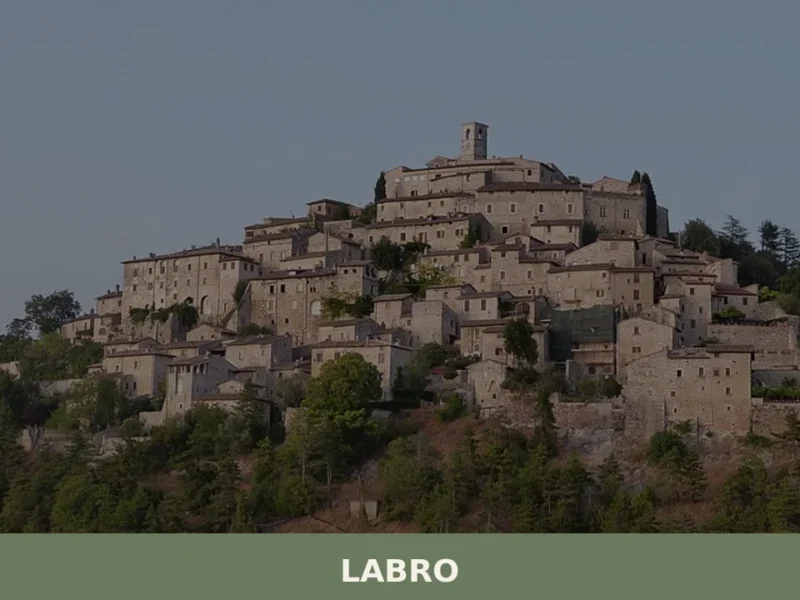
What to see in Labro: medieval castle, Lake Piediluco views and PAT-certified guanciale in a 360-person village at 628 m. Plan your visit to this Rieti province gem.
Castel di Tora
Lake
Mountain
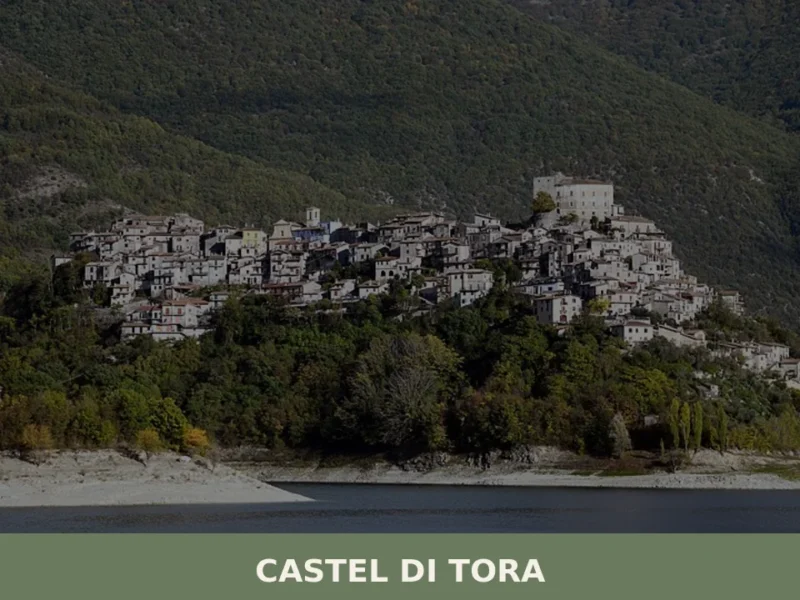
What to see in Castel di Tora: medieval village at 607 m above Lago del Salto, 292 residents, 3 PAT-certified products. Plan your visit with our complete guide.
Civita di Bagnoregio
Hills
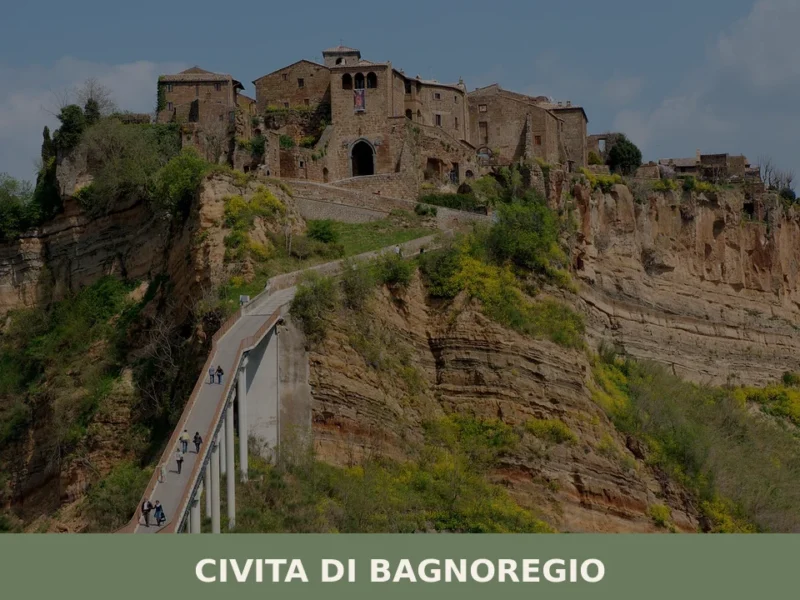
What to see in Civita di Bagnoregio, Italy: explore 5 top attractions, the Etruscan founding history, and a village of just 11 residents. Discover how to get there.
Villa San Giovanni in Tuscia
Hills
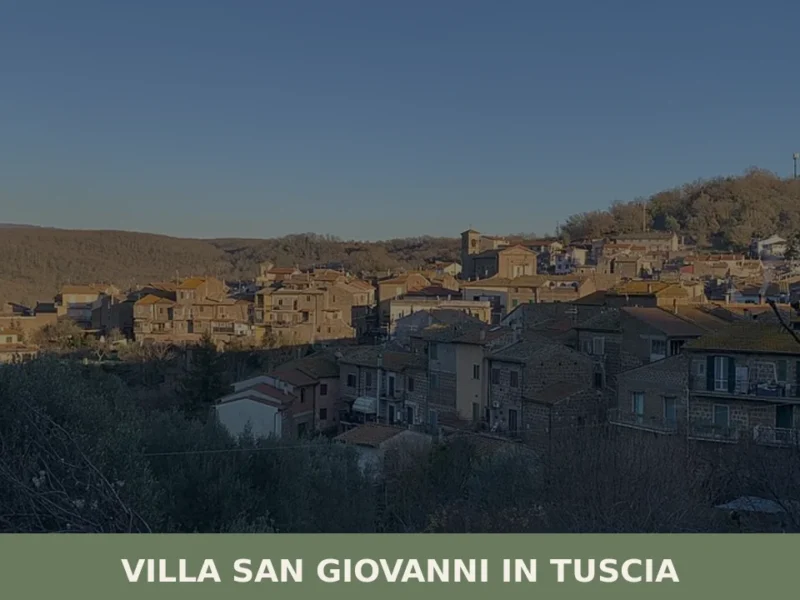
Villa San Giovanni in Tuscia has 1,196 inhabitants spread across a hilly territory at 329 metres above sea level, in the province of Viterbo. The settlement preserves a compact layout dating back to the feudal reorganisation of the late Middle Ages, when the village was under the control of baronial families that ruled upper Lazio. […]
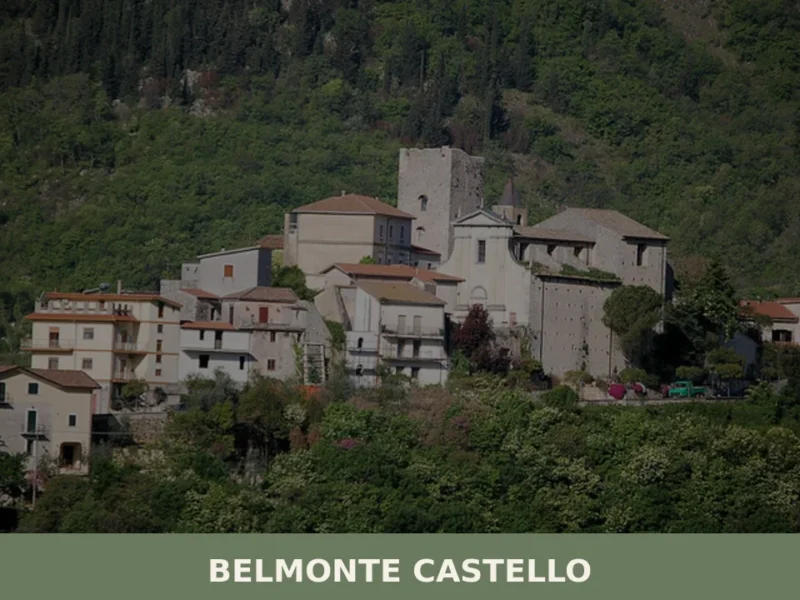
Belmonte Castello
Hills
What to see in Belmonte Castello: discover the 5 main attractions of this Lazio village, from the medieval castle to the Church of San Salvatore. Plan your visit.
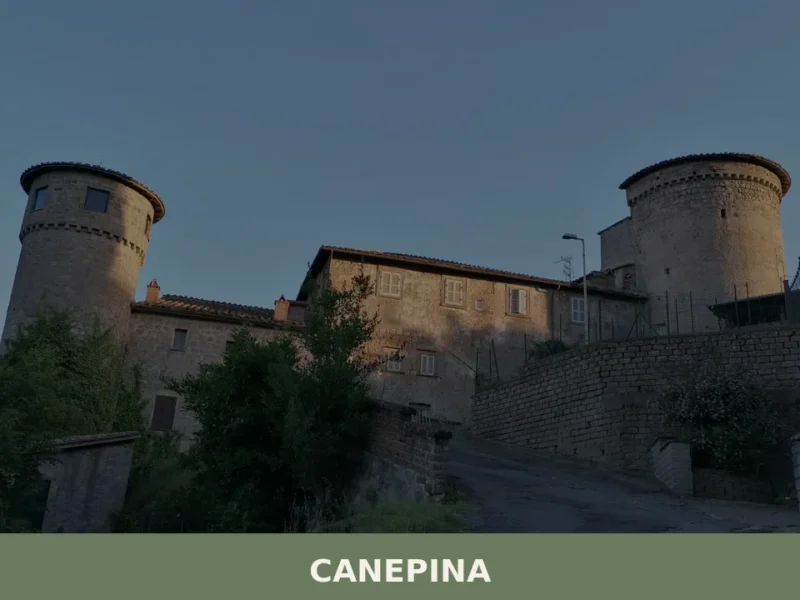
Canepina
Hills
What to see in Canepina, Lazio, Italy: explore this 3,127-inhabitant hill village 60 km from Rome. Discover its hemp heritage, patron saint feast and local cuisine.
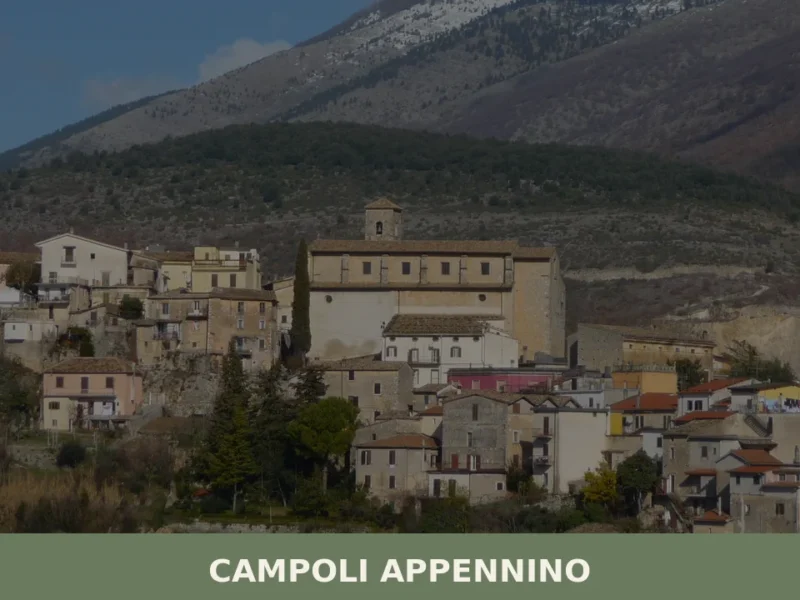
Campoli Appennino
Mountain
What to see in Campoli Appennino, Italy: a medieval tower 25 m tall, Roman aqueduct, and patron feast on 12 May. Discover this Frosinone village at 650 m altitude.
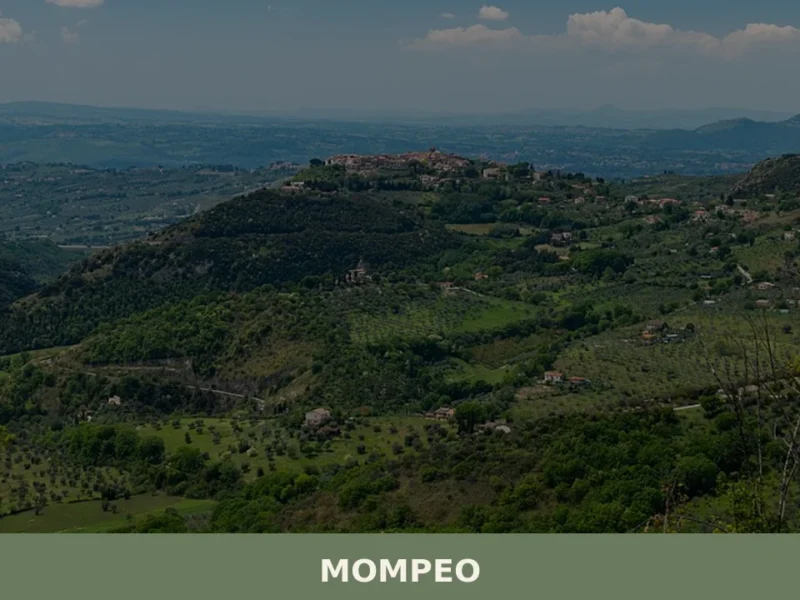
Mompeo
Hills
Discover Mompeo, a charming village in Lazio, Italy. Explore its rich history, stunning landscapes, and authentic Italian culture off the beaten path.
Blera
Hills
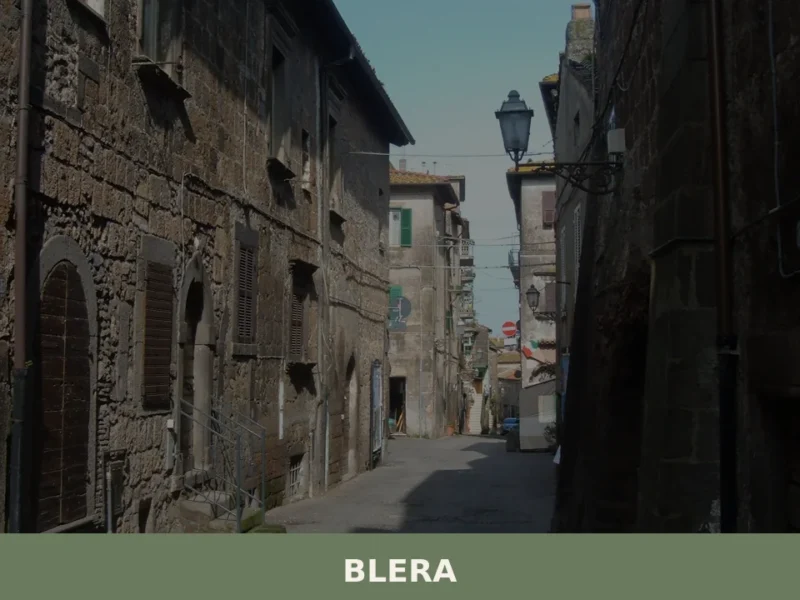
What to see in Blera, Lazio, Italy: Etruscan rock tombs, Via Clodia bridges, and a town at 270 m altitude. Explore history, food, and travel tips. Discover now.
Latina
 Sea
Sea
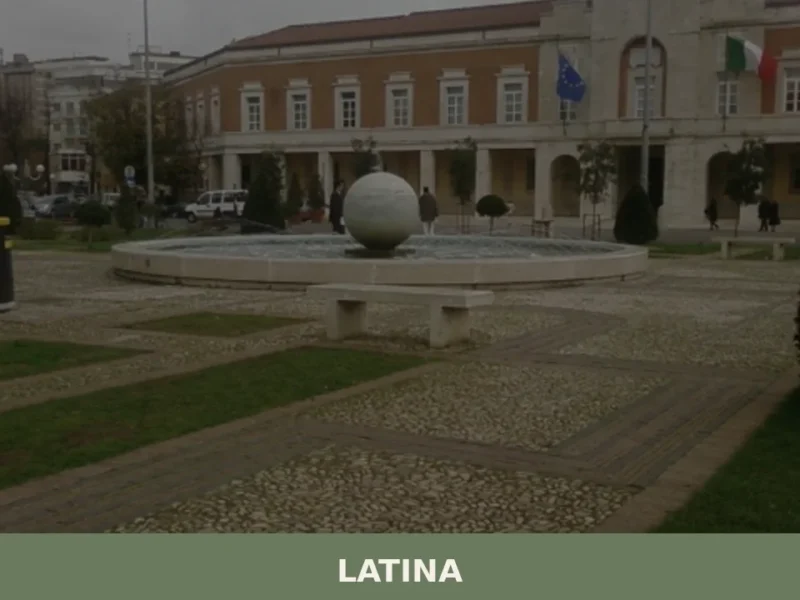
What to see in Latina: discover the 5 top attractions in this Lazio village, from monuments to the historic centre. Plan your visit with this guide.
🏡 Know Anticoli Corrado better than we do?
If you’re a local or have been there, your knowledge matters: add what’s missing or fix a detail on this page.