


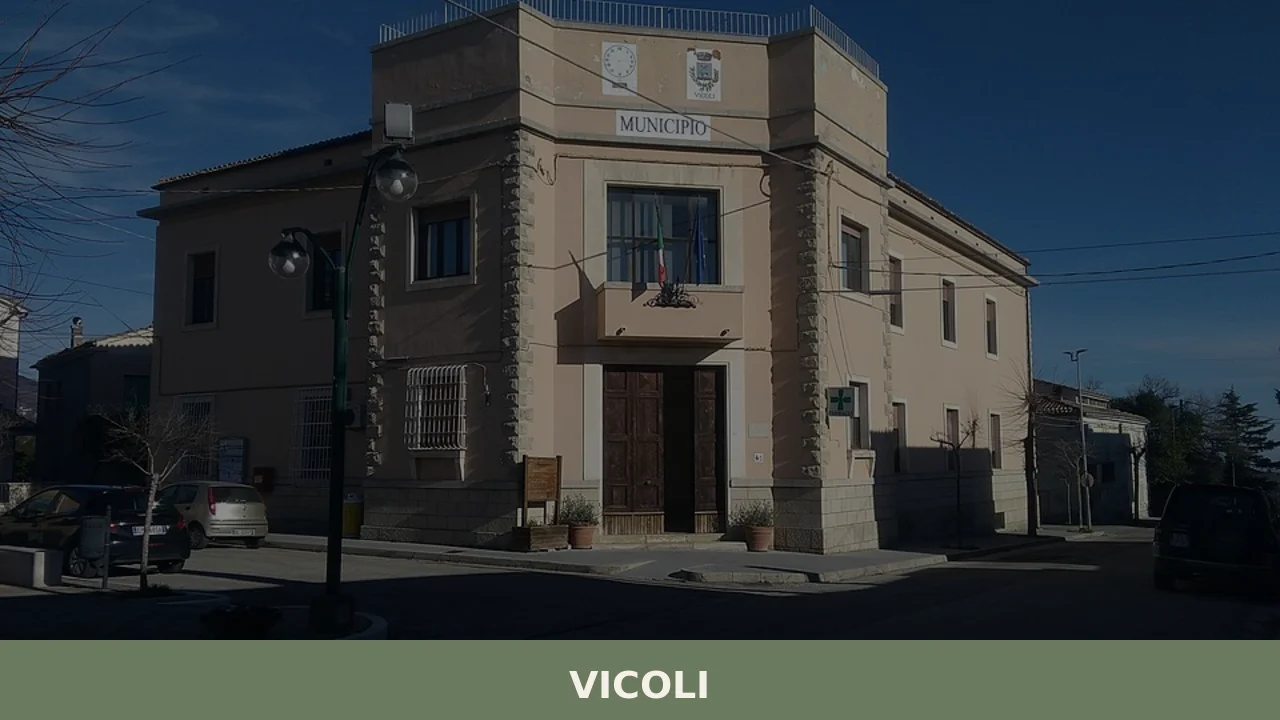
Vicoli
 Hills
Hills
what to see in Vicoli, Italy: Discover the historical castle ruins and ancient village core of this Abruzzo comune, home to 394 inhabitants. Explore its medieval past.
Discover Vicoli
The remnants of a bastioned castle, dating from the 15th century, still define the skyline of Vicoli, a small comune in Italy’s Abruzzo region.
These historical structures, once fortified by walls and protective access doors, silently recount centuries of change.
The village itself, with its modest population, offers a distinct atmosphere, inviting exploration of its ancient pathways.
For those wondering what to see in Vicoli, the village, home to 394 inhabitants, presents a journey through its documented medieval history and natural surroundings. Visitors to Vicoli find the ruins of its 15th-century castle and the historical pathways of the village core to be central attractions. The Vicoli highlights include its historical evolution and the tranquil pace of life in this Abruzzese settlement.
History of Vicoli
The documented history of Vicoli, a comune within the Province of Pescara in Abruzzo, Italy, stretches back over a millennium.
The earliest records from the year 883 refer to the locality as Curtis de Viculo, indicating an agricultural or administrative estate. By 1112, official documents had updated its designation to Castellum de Vicula, suggesting the development of a fortified settlement or castle, which would become a defining feature of the village’s identity.
During the 15th century, Vicoli became a significant feudal holding, initially under the ownership of Francesco de Riccardis.
Following this period, the village’s dominion shifted, coming under the control of the city of Chieti, a regional power. Subsequent changes in ownership saw Vicoli pass through the hands of Francesco de Paganis and Manfredino of Valencia, reflecting the dynamic political landscape of medieval Italy. The Castriota family later acquired the feud, maintaining their ownership until 1597.
The Castriota family’s long tenure, lasting until 1597, concluded when Vicoli was sold to Alfonso Piccolomini, marking another transition in its feudal history.
This era saw the construction of a bastioned castle, dating from the 15th century, whose ruins remain a focal point today. This fortification was historically surrounded by protective walls and secured by access doors. The village’s historical trajectory, from an ancient estate to a fortified settlement and then a feudal property, illustrates its enduring presence in the Abruzzo region, much like nearby Pacentro, which also boasts a prominent medieval castle.
What to see in Vicoli, Abruzzo: top attractions
The Castle Ruins of Vicoli
The most prominent historical feature of Vicoli is undoubtedly the remnants of its bastioned castle, a structure whose origins trace back to the 15th century.
Visitors can discern the outline of what was once a formidable defense, fortified by encompassing walls and protected by strategically placed access doors. Exploring these ruins offers a tangible connection to the village’s feudal past, providing insights into its medieval military architecture.
The site stands as a silent witness to centuries of history, offering panoramic views of the surrounding valley.
The Historic Village Core
A walk through Vicoli’s historic village core reveals the traditional layout and architectural style characteristic of Abruzzese mountain settlements. For visitors interested in what to see in Vicoli beyond the castle, the narrow alleys and stone-built houses, many of which are centuries old, offer a glimpse into the daily life of past generations. This area, developed around the former castle, still retains the compact, defensive structure common in medieval times.
Paying attention to the details of the doorways and window frames can uncover subtle artistic and historical elements from different periods.
Views from the Upper Village
From the higher points within Vicoli, particularly near the castle ruins, visitors are afforded expansive views across the surrounding Abruzzo landscape.
The village sits at an elevation that allows for clear sightlines over the verdant valleys and distant peaks of the Apennine mountains. This vantage point provides an understanding of Vicoli’s strategic location, approximately 41 km (25 mi) from Pescara, and its natural defenses. The best time to appreciate these vistas is during clear weather, offering photographic opportunities of the regional topography.
Pathways and Local Streets
Beyond the main thoroughfares, Vicoli’s network of smaller pathways and local streets invites visitors to explore its quieter corners. These routes often follow ancient lines, connecting different parts of the village and revealing unexpected courtyards or small squares. The stone paving and traditional building materials, such as local rock and timber, are evident throughout, maintaining the village’s historical character.
These paths are generally accessible, though some inclines exist, characteristic of mountain villages.
The Rural Surroundings of Vicoli
The rural landscape immediately outside Vicoli provides an opportunity to experience the natural environment of inland Abruzzo.
Walking trails extend from the village into the nearby countryside, offering gentle hikes through agricultural fields and wooded areas. The natural setting, distinct from the provincial capital of Pescara just 41 km (25 mi) away, highlights the region’s diverse geography. These excursions can be particularly rewarding in spring or autumn, when the local flora and fauna are most vibrant, showcasing the agricultural heritage that has sustained the village for centuries.
Local food and typical products of Vicoli
While specific culinary traditions unique to Vicoli are not detailed in the available historical records, the village, like many others in the Province of Pescara, participates in the rich gastronomic heritage of the Abruzzo region.
This area of Italy is known for its robust, hearty cuisine, often characterized by simple, high-quality ingredients sourced from the mountains and the sea. The cooking reflects a deep connection to the land and its agricultural cycles, emphasizing fresh produce, local meats, and traditional preparation methods that have been passed down through generations.
The broader Abruzzese table often features dishes that utilize lamb, pork, and various cheeses, demonstrating the region’s pastoral traditions.
One prominent example is Arrosticini, skewers of diced lamb cooked over a special grill called a furnacella, a staple across the region. Pasta dishes, such as Maccheroni alla Chitarra, made with a special tool resembling a guitar to cut the pasta, are also common, often served with rich ragù sauces.
These preparations highlight the region’s commitment to flavorful, substantial meals, often enjoyed communally.
Abruzzo boasts several certified products, although specific designations for Vicoli itself are not documented. The region is known for its high-quality olive oils, such as Olio Extra Vergine di Oliva Aprutino Pescarese (DOP), produced in the hills of the Pescara province, including areas geographically close to Vicoli. Another notable product is Pecorino d’Abruzzo (PAT), a sheep’s milk cheese, often aged, widely produced across the mountainous areas of Abruzzo.
These items underscore the region’s agricultural prowess and commitment to quality, mirroring traditions found in villages like Gagliano Aterno, also known for its strong food heritage.
Festivals, events and traditions of Vicoli
Specific details regarding festivals, events, or unique traditions held exclusively within Vicoli are not available in the provided historical records.
However, like many small communities throughout Abruzzo, Vicoli likely observes religious feast days and local celebrations that are integral to Italian village life. These events typically center around the patron saint of the local church, involving processions, community gatherings, and often traditional music and food. The rhythm of these celebrations often follows the agricultural calendar or significant dates in the Catholic liturgy.
The broader Abruzzo region is known for its deep-rooted traditions, ranging from ancient pagan rites adapted into Christian festivals to vibrant food sagre, which are traditional local food festivals celebrating specific regional products. While no such specific events are confirmed for Vicoli, visitors might encounter similar expressions of cultural identity in nearby towns, particularly during summer months.
These traditions often involve historical re-enactments, artisan markets, and opportunities to experience local customs firsthand, reflecting a shared regional identity with places like Celenza sul Trigno.
When to visit Vicoli, Italy and how to get there
Determining the best time to visit Abruzzo and Vicoli largely depends on planned activities.
Spring (April to June) and autumn (September to October) are generally considered ideal, offering pleasant temperatures for exploring the village and its rural surroundings without the intense heat of summer. During these seasons, the landscape is particularly vibrant. Summer (July and August) can be warm, but provides opportunities for longer daylight hours and, for those seeking a tranquil escape, fewer crowds than coastal areas. Winters bring colder temperatures and potential for snow, making the region appealing for winter sports enthusiasts in higher altitudes, though Vicoli itself typically offers a quieter experience.
Vicoli, located 41 kilometres (25 mi) from Pescara, is most easily reached by car.
For those arriving by air, the nearest major airport is Abruzzo Airport (PSR) in Pescara, approximately a 45-minute drive from the village. From Pescara, travelers can take regional roads inland towards Vicoli. While public transport options may be limited, regional bus services connect some smaller towns to larger hubs. For international visitors, renting a car at the airport for maximum flexibility is advisable, as English may be less widely spoken in smaller shops and carrying some Euros cash can be useful for local purchases.
Vicoli makes for an interesting day trip from Pescara or other larger towns in the Abruzzo region.
The journey from the provincial capital, Pescara, takes approximately 45 minutes by car, making it a feasible excursion for those based on the coast. For those traveling from further afield, Rome is approximately 190 km (118 mi) away, a drive of about 2 hours and 30 minutes, making Vicoli accessible for a longer visit or as part of a multi-day itinerary.
Understanding what to see in Vicoli before arrival can help optimize the visit, ensuring all historical and natural highlights are explored.
After exploring what to see in Vicoli, visitors can extend their discovery of Abruzzo by venturing to nearby communities. The village of Dogliola, another small Abruzzese settlement, offers a comparable experience of rural Italian life and historical continuity, enriching any itinerary through this diverse region.
Frequently asked questions about Vicoli
What is the best time to visit Vicoli?
The ideal times to visit Vicoli are spring (April-June) and autumn (September-October) for pleasant temperatures perfect for exploring the historic village and its natural surroundings. Summer (July-August) offers longer daylight and a tranquil escape, though it can be warm. Notably, August 16th marks the Feast of San Rocco, the patron saint, a significant local event that provides a glimpse into traditional village life and community spirit. Winters bring colder temperatures, offering a quieter experience in the village.
What are the historical origins of Vicoli?
Vicoli's history dates back over a millennium, with its earliest documented mention as 'Curtis de Viculo' in 883, indicating an ancient agricultural or administrative estate. By 1112, it evolved into 'Castellum de Vicula', signifying the development of a fortified settlement. The village became a significant feudal holding in the 15th century, during which its bastioned castle, whose ruins are a central attraction today, was constructed. This rich past reflects its enduring presence and strategic importance in the Abruzzo region, evolving from an ancient estate to a fortified feudal property.
What to see in Vicoli? Main monuments and landmarks
The primary attraction in Vicoli is the evocative ruins of its 15th-century bastioned castle. Visitors can explore the remnants of its walls and imagine its past as a formidable defense, while enjoying panoramic views of the surrounding valley. Beyond the castle, the historic village core invites exploration with its narrow, ancient pathways and stone-built houses, reflecting traditional Abruzzese architecture. From the upper parts of the village, especially near the castle, expansive vistas of the verdant valleys and distant Apennine mountains are particularly rewarding.
What are the main natural or scenic attractions of Vicoli?
Vicoli offers charming natural and scenic attractions, particularly its expansive views from the upper village, especially near the castle ruins. From this vantage point, visitors can admire clear sightlines over the verdant valleys and distant Apennine mountains, showcasing the strategic location and natural beauty of Abruzzo. Additionally, the rural surroundings provide opportunities for gentle hikes along walking trails that extend from the village into agricultural fields and wooded areas, ideal for experiencing the tranquil inland Abruzzo landscape and its vibrant flora and fauna in spring or autumn.
Where to take the best photos in Vicoli?
For the most picturesque photos in Vicoli, head to the upper parts of the village, especially near the 15th-century castle ruins. This spot provides expansive panoramic views of the surrounding Abruzzo landscape, including verdant valleys and the distant Apennine mountains, making for stunning scenic shots. Additionally, the historic village core, with its narrow, ancient pathways, stone-built houses, and traditional doorways and window frames, offers charming opportunities to capture the authentic character and timeless atmosphere of this Abruzzese settlement, particularly during clear weather conditions.
Are there museums, churches or historic buildings to visit in Vicoli?
While Vicoli does not have documented museums, its most significant historic building is the remnants of its 15th-century bastioned castle. These ruins offer a tangible connection to the village’s feudal past and provide insights into medieval military architecture. Visitors can also explore the historic village core, where ancient stone-built houses and narrow alleys reflect the traditional architectural style of Abruzzese mountain settlements, offering a glimpse into centuries of daily life. The village also observes religious feast days around its local church, though specific details are not provided.
What can you do in Vicoli? Activities and experiences
In Vicoli, visitors can immerse themselves in history by exploring the remnants of the 15th-century bastioned castle and wandering through the historic village core with its ancient pathways and stone houses. Enjoy breathtaking panoramic views of the Abruzzo landscape from the higher points near the castle. For those seeking nature, gentle hikes are available in the rural surroundings, offering a chance to experience the tranquil countryside, agricultural fields, and wooded areas. The village also offers a peaceful escape to appreciate the slow pace of traditional Abruzzese life, especially during the patron saint's feast on August 16th.
Who is Vicoli suitable for? Families, couples, hikers, solo travelers?
Vicoli is ideally suited for history enthusiasts, cultural explorers, and those seeking a tranquil escape into authentic Abruzzese village life. Its medieval castle ruins and historic pathways appeal to solo travelers and couples interested in documented history and architecture. Nature lovers and hikers will appreciate the panoramic views and gentle trails in the rural surroundings. It's also an excellent destination for families looking for a quiet, educational day trip, offering a peaceful contrast to bustling coastal areas and a chance to experience a unique, slow-paced atmosphere, particularly appealing to those seeking serenity and historical immersion.
What to eat in Vicoli? Local products and specialties
While Vicoli itself doesn't have unique culinary traditions documented, it shares in the rich gastronomic heritage of Abruzzo. Visitors can savor regional specialties such as Arrosticini, delicious skewers of diced lamb, and Maccheroni alla Chitarra, a traditional pasta often served with hearty ragù sauces. Local products include Olio Extra Vergine di Oliva Aprutino Pescarese (DOP), a high-quality olive oil from the Pescara province, and Pecorino d'Abruzzo (PAT), a distinctive sheep's milk cheese, both reflecting the region's agricultural prowess and commitment to authentic flavors, often enjoyed communally.
📷 Photo Gallery — Vicoli
Nearby Villages near Vicoli
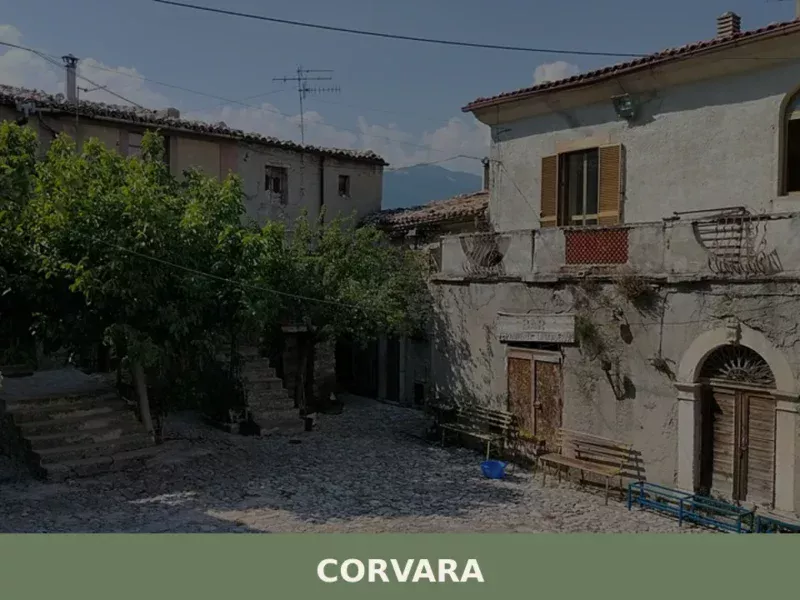
In Abruzzo More villages to discover
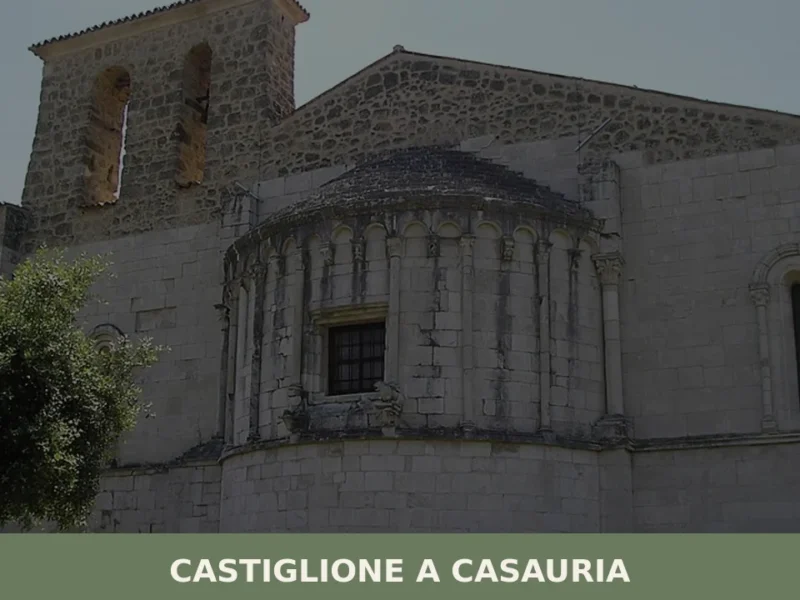
Castiglione a Casauria
Hills
The Abbey of San Clemente a Casauria, founded in 871 by Emperor Louis II, stands just a few hundred metres from the town centre and ranks among the most important Romanesque monuments in central Italy. It is this monastic presence that defines the identity of Castiglione a Casauria, a village of 701 inhabitants in the […]
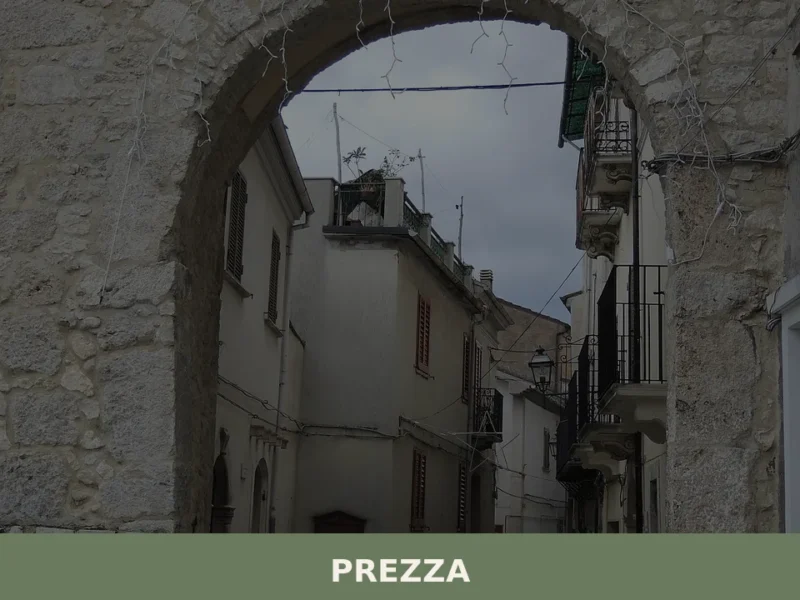
Prezza
 Mountain
What to see in Prezza, Italy: explore a medieval hilltop comune at 480 m, the Praesidium Winery, and the Church of Santa Lucia. Discover Abruzzo's Valle Peligna.
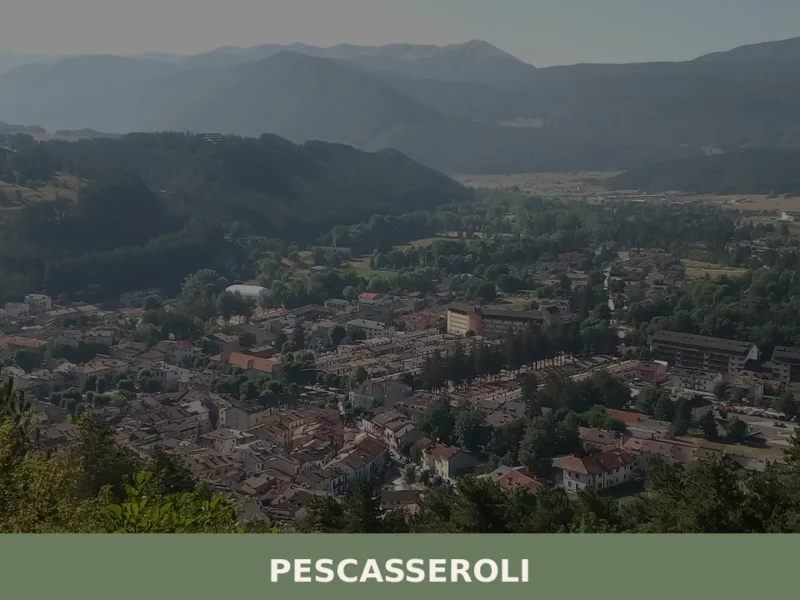
Pescasseroli
Mountain
What to see in Pescasseroli: from the Abruzzo National Park to Croce's birthplace, UNESCO beech forests, mountain cuisine and practical information for visiting the village.
Bisegna
Mountain
A mountain village of 217 inhabitants at 1,210 metres in Abruzzo's national park. Discover what to see in Bisegna: stone lanes, frescoes, and highland trails.
Roccamontepiano
Hills
What to see in Roccamontepiano, Abruzzo, Italy: explore a hilltop village at 450 m with a 1765 landslide history. Discover the Saint Roch festival and more.
Santa Maria Imbaro
 Sea
Sea
The hill that supports Santa Maria Imbaro stands out sharply against the outline of the Chieti countryside: the low rooftops, the local stone façades and the bell tower of the parish church form a compact silhouette that can be read from the provincial road, even before turning into the village. The local dialect calls it […]
Scanno
 Lake
Mountain
Lake
Mountain
what to see in scanno, Italy? Explore this Abruzzese village at 1,050 m (3,445 ft), admire Lago di Scanno and its ancient crafts. Discover more.
Altino
Hills
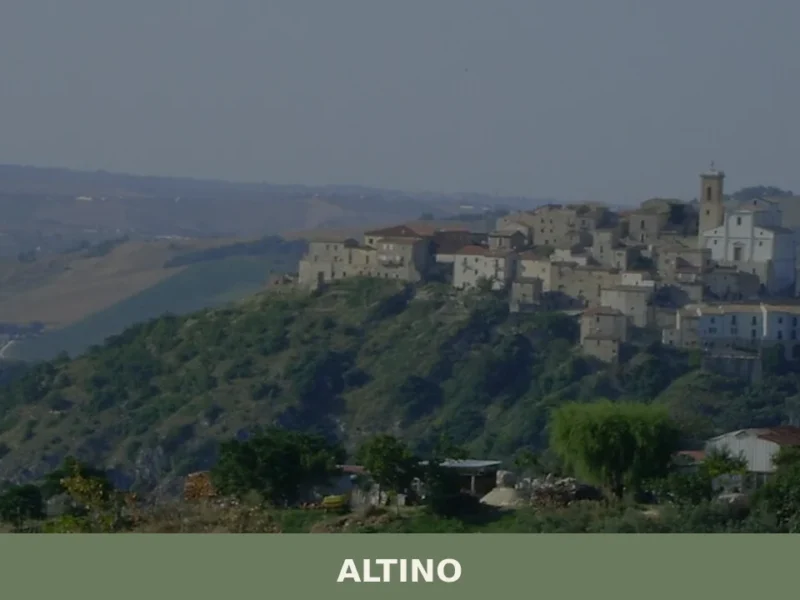
What to see in Altino? Explore the 5 main attractions of this village with 3,067 inhabitants, from the Sweet Pepper Museum to the Mother Church. Plan your visit!
Carpineto Sinello
Hills
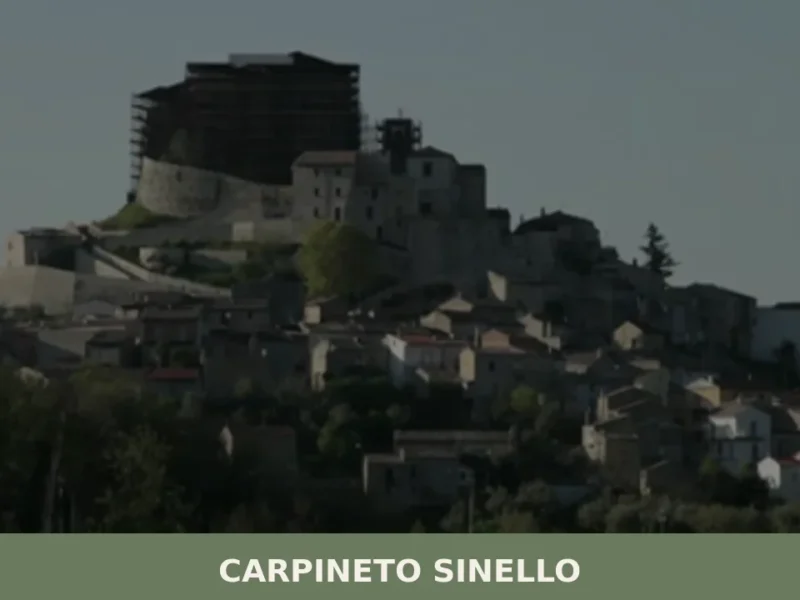
At 381 metres above sea level, on the ridge line separating the Sinello valley from the Appello stream valley, Carpineto Sinello has just 480 inhabitants today — less than a fifth of the nearly two thousand recorded in early twentieth-century censuses. The demographic data tells the story of a hilltop centre in the Chieti area […]
Cappadocia
Mountain
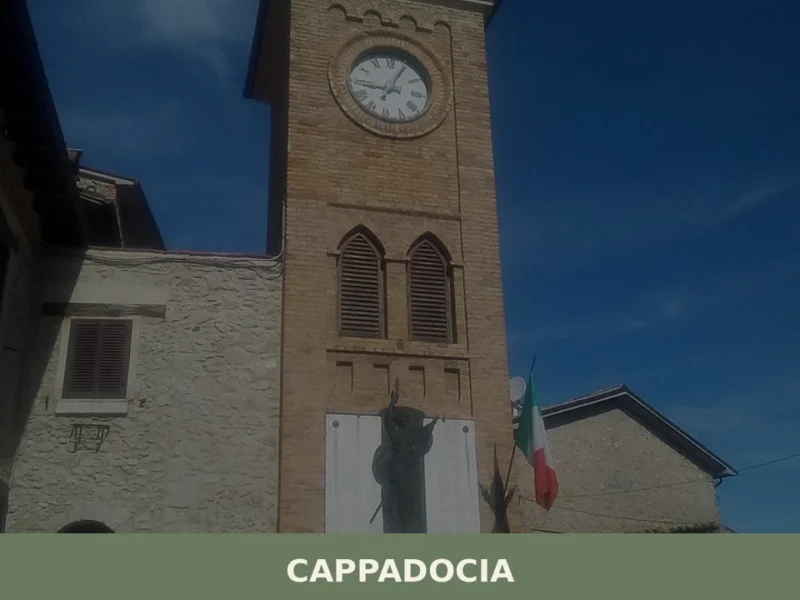
Cappadocia: discover historic churches and natural trails. Plan your visit today and experience the authenticity of this Abruzzo village.


🏡 Know Vicoli better than we do?
If you’re a local or have been there, your knowledge matters: add what’s missing or fix a detail on this page.