


Pietracupa
 Mountain
A 208-inhabitant village shaped by a massive rock outcrop in Molise’s interior. Discover what to see in Pietracupa, from its grotto chapel to its silent panoramic ridgelines.
Discover Pietracupa
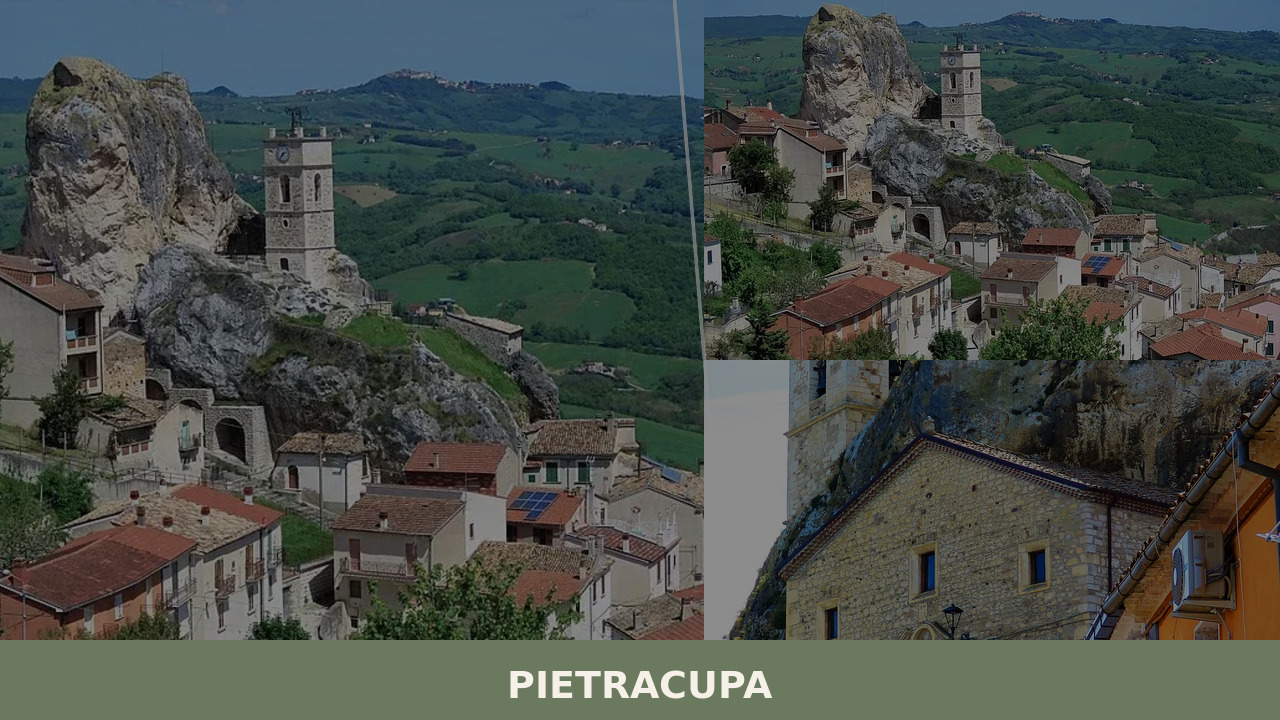
Morning mist lifts off the Morgia — a massive outcrop of pale sedimentary rock that rises from the centre of the settlement like the prow of a landlocked ship. At 695 metres above sea level, the air carries a mineral chill even in June. Roosters compete with church bells. Two hundred and eight people live here, in a cluster of stone houses pressed against this geological anomaly in the province of Campobasso. Understanding what to see in Pietracupa begins with that rock: everything the village has been, and everything it still is, grows from its surface.
History of Pietracupa
The name itself is a geological confession. “Pietra” means stone; “cupa” derives from the Latin cupa, a hollow or cavity — a direct reference to the natural grottoes carved into the Morgia over millennia by wind and water. These caves were not merely landscape features. Archaeological evidence suggests they served as shelters during the Samnite period, long before Roman roads crossed this stretch of the Molise interior. The village’s identity has always been inseparable from the rock beneath it.
During the medieval period, Pietracupa passed through the hands of various feudal lords as part of the shifting territorial arrangements of the Norman and later Angevin kingdoms in southern Italy. The grottoes within the Morgia were adapted for defensive and storage purposes. By the late Middle Ages, one of the largest cavities had been consecrated as a place of worship — an extraordinary instance of sacred architecture shaped not by human design alone but by erosion and geological time.
Like many small settlements in the Molisan interior, Pietracupa experienced severe depopulation during the waves of emigration in the late nineteenth and twentieth centuries. Its current population of 208 is a fraction of its historical peak. Yet the village has retained a physical coherence — a compactness dictated by the Morgia itself — that larger, more sprawling towns often lost.
What to see in Pietracupa: 5 must-visit attractions
1. The Morgia (the Rock)
The defining feature of the village: a towering mass of sedimentary rock that juts vertically from the hillside. Its surface is pocked with natural cavities, some accessible on foot. The Morgia is not a ruin or a monument — it is a geological event around which an entire community arranged itself. Stand at its base and the scale becomes clear: the rock dwarfs the bell tower beside it.
2. The Grotto Chapel (Chiesa nella Roccia)
Carved into the belly of the Morgia, this subterranean chapel is Pietracupa’s most extraordinary space. The interior is rough-hewn, with an altar set against raw stone walls. Natural light enters through a narrow opening. It functions as a consecrated church — not a museum — and occasional services are still held here. The humidity, the silence, the drip of mineral water: all part of the experience.
3. Chiesa di Sant’Antonio Abate
The parish church dedicated to Saint Anthony the Abbot occupies a prominent position near the Morgia. Its stone façade is modest, in keeping with the scale of the village. Inside, the single nave preserves devotional objects and painted decorations typical of small Molisan churches. The church anchors the village’s liturgical and social calendar, particularly around the feast day on 17 January.
4. The Historic Centre
A tight network of narrow lanes, external staircases, and stone archways connects the houses that press against the Morgia. Many buildings retain their original tufo and limestone construction. There are no grand palazzi here — the architecture is vernacular, functional, shaped by terrain and weather. Walking through takes fifteen minutes, but the density of texture rewards a slower pace.
5. The Panoramic Viewpoints
From several points along the upper edge of the village, the view opens across the Molisan Apennines — a succession of ridgelines fading into blue-grey distance. On clear days, the Matese massif is visible to the west. These viewpoints are not signposted tourist stops but simply the places where the street ends and the land drops away.
Local food and typical products
The cooking here belongs to the pastoral and agricultural tradition of inland Molise. Cavatelli — small, hand-rolled pasta made with semolina and water — is the staple, typically served with a slow-cooked ragù of pork or lamb, or simply with broccoli rabe and garlic. Lamb, both roasted and stewed, appears at every significant meal. Local cheeses include caciocavallo and scamorza, often smoked over wood fires. The olive oil of the Campobasso province, while less internationally known than Puglian varieties, has a grassy, slightly bitter character suited to heavy dishes.
Pietracupa itself, given its size, does not have a dedicated restaurant scene. Visitors typically eat at small family-run agriturismi in the surrounding area or drive to nearby towns. During village festivals, communal meals are prepared in the open air — an opportunity to taste dishes that exist nowhere on any printed menu. The broader Molise region has been gaining quiet recognition for its food culture, precisely because it remains largely unaffected by mass tourism.
Best time to visit Pietracupa
Late spring — May and early June — offers the clearest skies and the most comfortable temperatures at this altitude. The hillsides are green, wildflowers mark the field edges, and the light at this elevation has a particular clarity that makes the Morgia’s textures sharply legible. Summer months bring warmer weather but also the return of emigrant families, which gives the village a temporary population boost and a livelier atmosphere. The feast of Sant’Antonio Abate on 17 January is the village’s most important traditional event, involving bonfires and communal rituals rooted in the agricultural calendar — but visiting in winter requires tolerance for cold and limited services.
Autumn, particularly October, has its own appeal: the light turns golden, the surrounding forests shift colour, and the village settles into a quietness that makes the sound of wind against the Morgia the dominant note. Regardless of season, Pietracupa is best experienced on foot and without haste. Allow at least two to three hours for a thorough visit.
How to get to Pietracupa
Pietracupa lies in the province of Campobasso, roughly 20 kilometres northwest of the regional capital. By car from Campobasso, follow the SS87 and then local provincial roads — the drive takes approximately 30 minutes. From Naples, the journey is around 130 kilometres via the A1 motorway and then the SS17 or connecting provincial roads, taking roughly two hours. From Rome, count on approximately 250 kilometres and a drive time of around three hours.
The nearest railway station is in Campobasso, served by Trenitalia regional services connecting to Naples and Termoli on the Adriatic coast. From the station, a rental car or pre-arranged transport is necessary — public bus connections to small inland villages like Pietracupa are infrequent and seasonal. The nearest airports are Naples Capodichino (approximately 150 km) and Pescara (approximately 160 km). A car is, in practical terms, essential.
More villages to discover in Molise
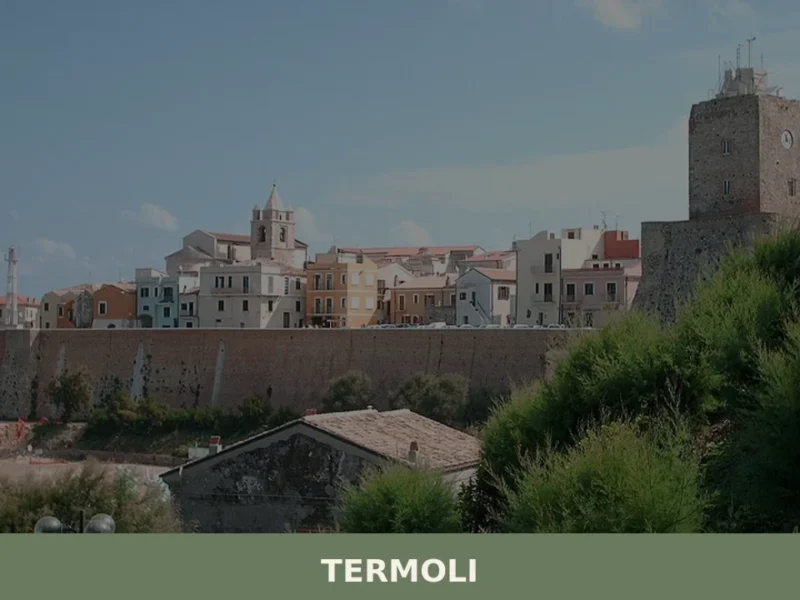
Molise is Italy’s least visited and second smallest region, a fact that works decidedly in favour of anyone willing to explore it. The coastline, though brief, holds its own interest. Termoli, the region’s principal seaside town on the Adriatic, offers a walled medieval borgo, a Romanesque cathedral, and a working fishing port that supplies restaurants with the day’s catch. It is a useful counterpoint to Pietracupa’s mountain stillness — coast and interior, salt and stone.
Further south along the coast, Campomarino presents a different character: a settlement with roots in the Arbëreshë community, the Albanian diaspora that settled in parts of southern Italy centuries ago. Its cultural traditions, linguistic heritage, and coastal position make it a worthwhile stop for anyone tracing the layered identities of this overlooked region. Together, these villages begin to sketch a map of Molise that most travellers never see.
Frequently asked questions about Pietracupa
When is the patron saint feast day of Pietracupa and who is the village patron?
Pietracupa celebrates its patron saint San Gregorio Papa on 10 September. This is the village's principal religious feast day dedicated to Pope Gregory the Great. The date falls in early autumn, when temperatures at 695 metres are mild and the surrounding Molisan Apennine landscape begins its seasonal colour change — making it a particularly atmospheric time to visit the village alongside locals.
Is Pietracupa suitable as a day trip from Campobasso?
Yes. Pietracupa lies approximately 20 kilometres northwest of Campobasso, a drive of around 30 minutes via the SS87 and local provincial roads. The village is compact and can be walked thoroughly in two to three hours. This makes it very manageable as a half-day excursion from the regional capital, with time left to visit nearby villages or return to Campobasso for lunch or dinner.
Is there parking available for visitors arriving by car in Pietracupa?
Given Pietracupa's small scale and the fact that a car is practically essential to reach it — public transport connections are infrequent and seasonal — visitors arrive by road. The historic centre itself is a tight network of narrow lanes not suited to vehicles. Parking is typically found at the village perimeter, as is standard for small hilltop stone villages in inland Molise. Arriving early is advisable, especially during summer when returning emigrant families swell the population.
Are there documented hiking trails around Pietracupa?
The Molise interior around Campobasso province is crossed by sections of the network maintained by the Club Alpino Italiano (CAI), and the broader Apennine ridge in this area connects to documented mountain paths. The Matese massif, visible to the west from Pietracupa's upper viewpoints, contains well-mapped CAI trails. For specific numbered routes departing directly from Pietracupa, consulting the CAI Molise section or the municipal pro loco before visiting is recommended to obtain current, accurate trail data.
Nearby Villages near Pietracupa
In Molise More villages to discover
Tavenna
 Hills
Hills
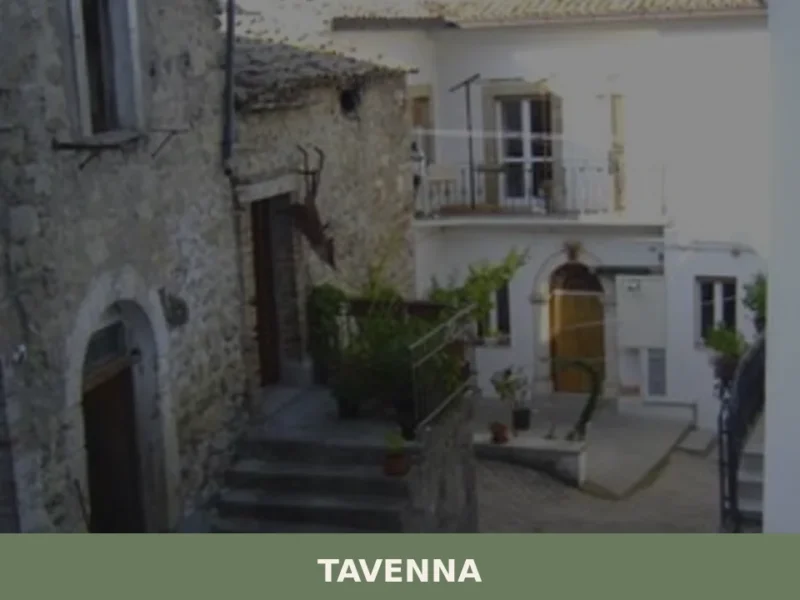
A complete guide to Tavenna in Molise: its medieval stone centre, parish church, panoramic hillside views, and the quiet rhythms of inland southern Italy.
Montenero di Bisaccia
 Sea
Sea
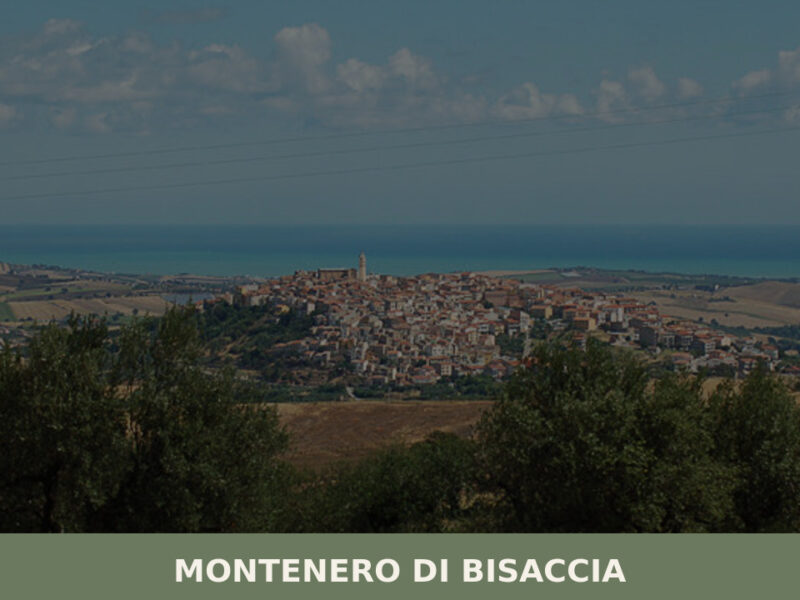
Morning light moves across the rooftops in a slow wave, catching the sandstone walls of old houses before spilling into the main piazza. At 273 metres above sea level, Montenero di Bisaccia sits on a hill that commands views stretching from the Apennine ridgeline to the Adriatic coast — a rare double horizon. With just […]
Acquaviva d’Isernia
Mountain
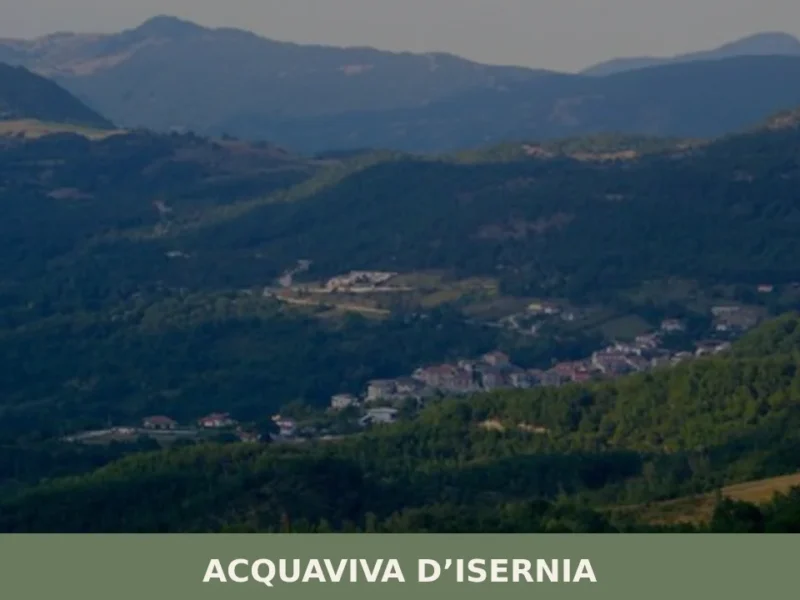
Discover what to see in Acquaviva d'Isernia: history, food, best time to visit, and how to reach this small Molise village in the Isernia uplands.
Acquaviva Collecroce
Hills
Discover Acquaviva Collecroce, a charming Croatian-speaking village in Molise, Italy. Explore its unique culture, history, traditions, and stunning landscapes.
Molise
Mountain
Molise is Italy's youngest and least-visited region. From Samnite theatres to Adriatic fishing towns, here is what to see in Molise.
Bonefro
Mountain
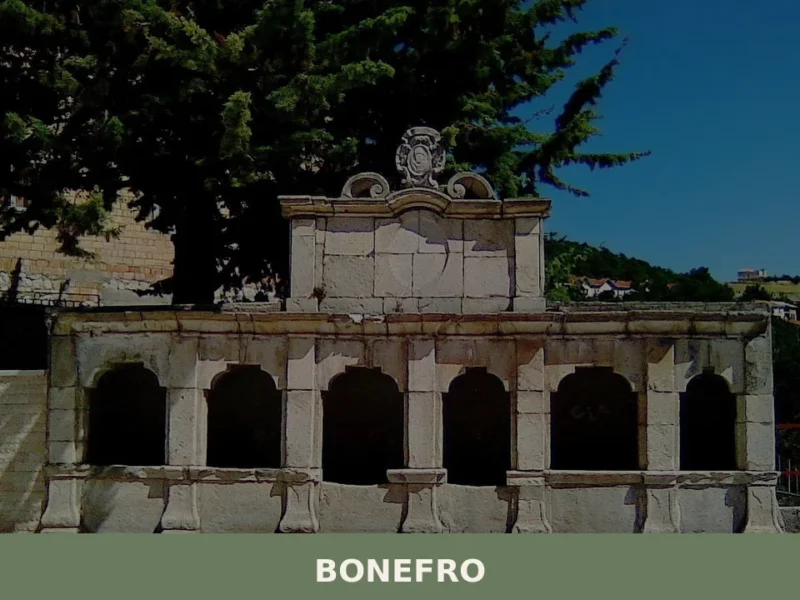
A hilltop village of 1,201 inhabitants in Campobasso province, Bonefro preserves a layered historic centre, a medieval castle, and centuries-old fountains across the quiet ridges of eastern Molise.
Termoli
Sea
Salt air sharpens every breath along the stone ramparts at dawn, and the Adriatic below shifts between grey-green and pale blue as fishing boats throttle out from the harbour, trailing diesel and the promise of the day’s catch. Termoli — a working coastal town of roughly 32,000 people in the province of Campobasso — sits […]
Campomarino
Sea
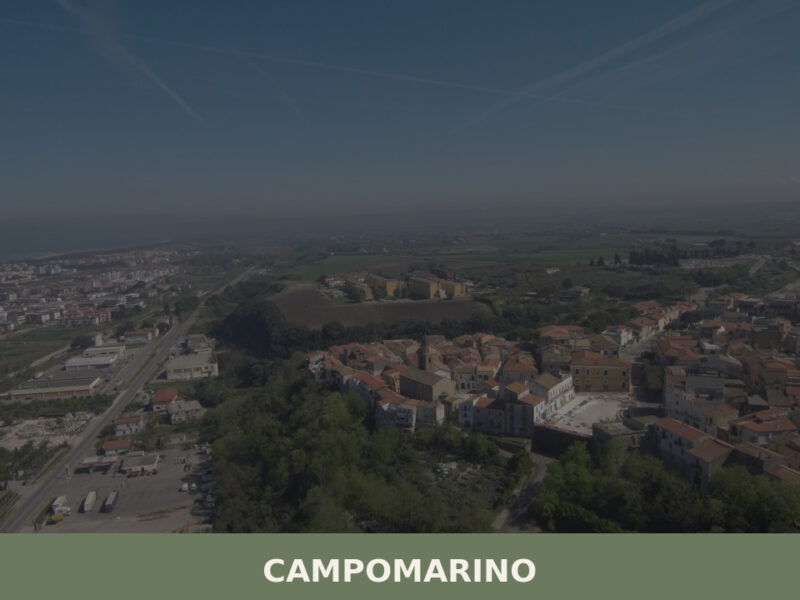
Campomarino straddles a Molise hilltop and the Adriatic shore. Explore its Arbëreshë heritage, three historic churches, and the unspoiled coast of Campomarino Lido.
Vinchiaturo
Mountain
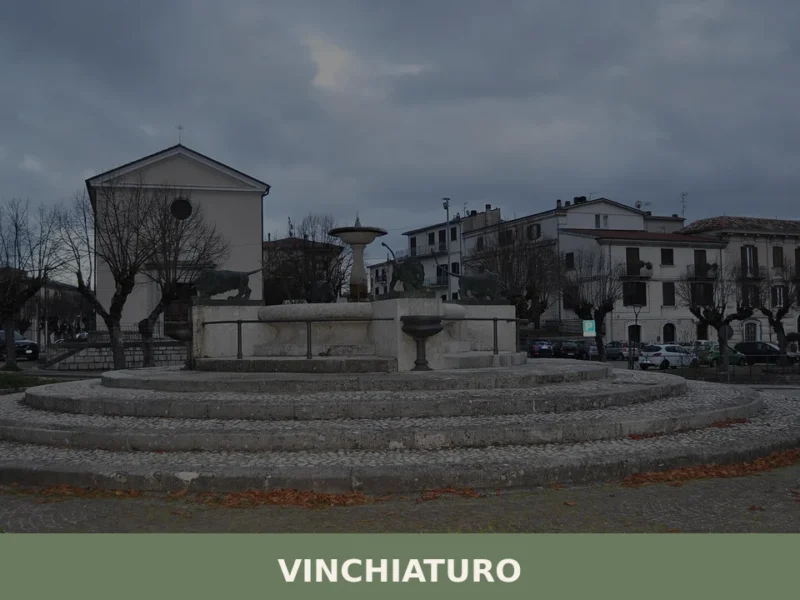
Morning mist settles into the valley below as church bells mark the hour from somewhere above the rooftops. At 620 metres above sea level, the air in Vinchiaturo carries a sharpness that cuts through the warmth of Molise’s interior hills. With just over 3,300 inhabitants, this is a village where the rhythm of daily life […]
Trivento
Hills
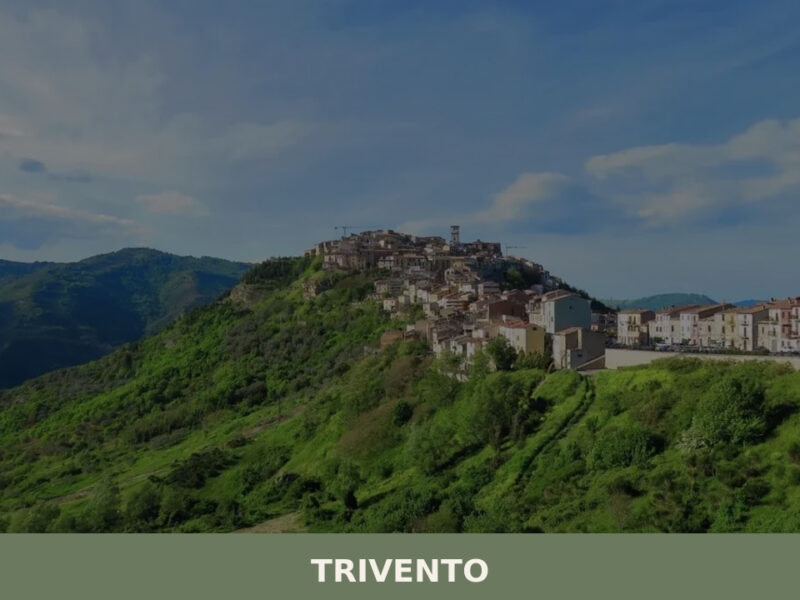
Morning fog lifts off the Trigno valley in slow, pale sheets, and Trivento emerges at 599 metres above sea level — a compact ridgeline of stone and tile roofs, church bells marking the quarter-hour across a town of 4,353 residents. The air carries woodsmoke and the faint resin scent of surrounding oak forest. If you […]

🏡 Know Pietracupa better than we do?
If you’re a local or have been there, your knowledge matters: add what’s missing or fix a detail on this page.