


Assisi
 Hills
Hills
What to see in Assisi, Umbria, Italy: explore the UNESCO Basilica of San Francesco, Rocca Maggiore, and 27,721-inhabitant hilltop town. Discover festivals and travel tips.
Discover Assisi
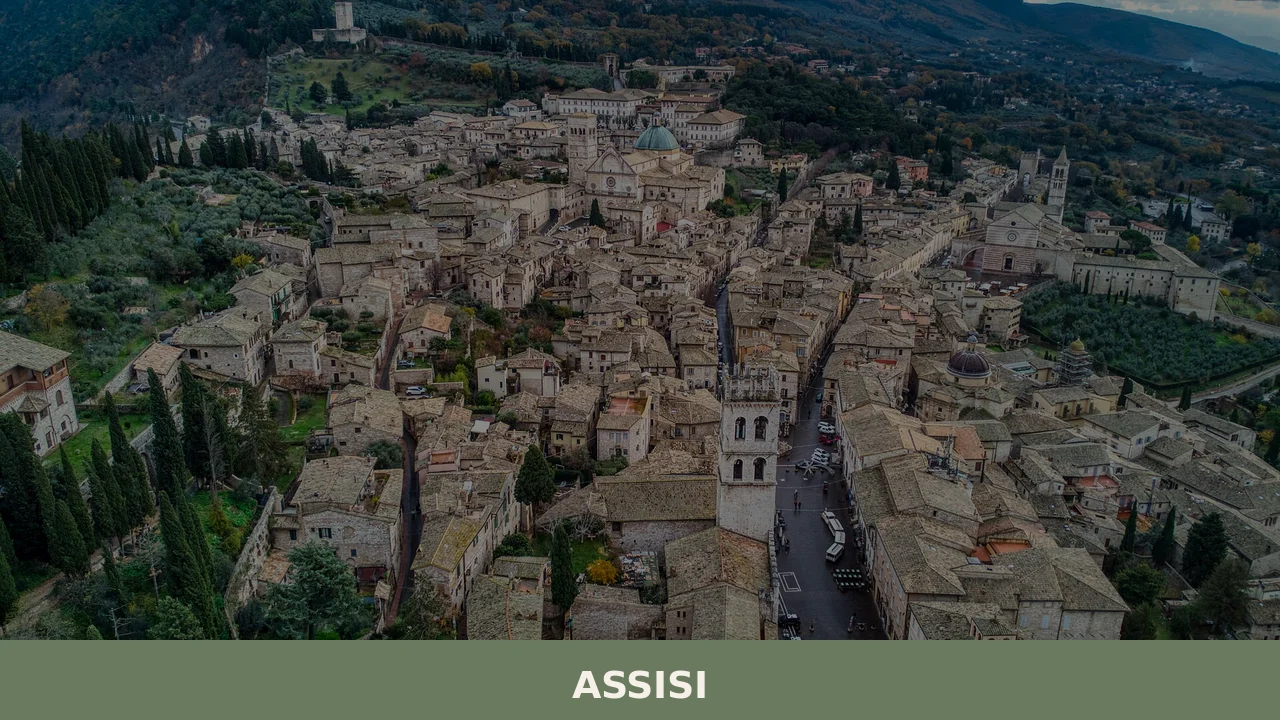
The western flank of Monte Subasio rises to 424 m (1,391 ft) above the Umbrian plain, and the limestone buildings of Assisi follow the mountain’s terraces in a sequence that Roman engineers first designed as a series of level platforms.
Below the Basilica of San Francesco, the lower piazza opens onto a valley of olive groves and scattered farmhouses, while behind the town the Rocca Maggiore’s cylindrical bastion marks the skyline from every approach road.
The Roman forum still lies beneath Piazza del Comune, its geometry intact under two thousand years of repaving.
Deciding what to see in Assisi is not a short exercise: the town of 27,721 inhabitants holds a UNESCO World Heritage Site, two medieval castles, a Roman amphitheatre, and more than a dozen churches with documented frescoes by Cimabue, Giotto, Pietro Lorenzetti, and Simone Martini.
Visitors to Assisi find that the Basilica of San Francesco alone requires several hours, while the Eremo delle Carceri monastery and the Rocca Maggiore each demand a separate excursion.
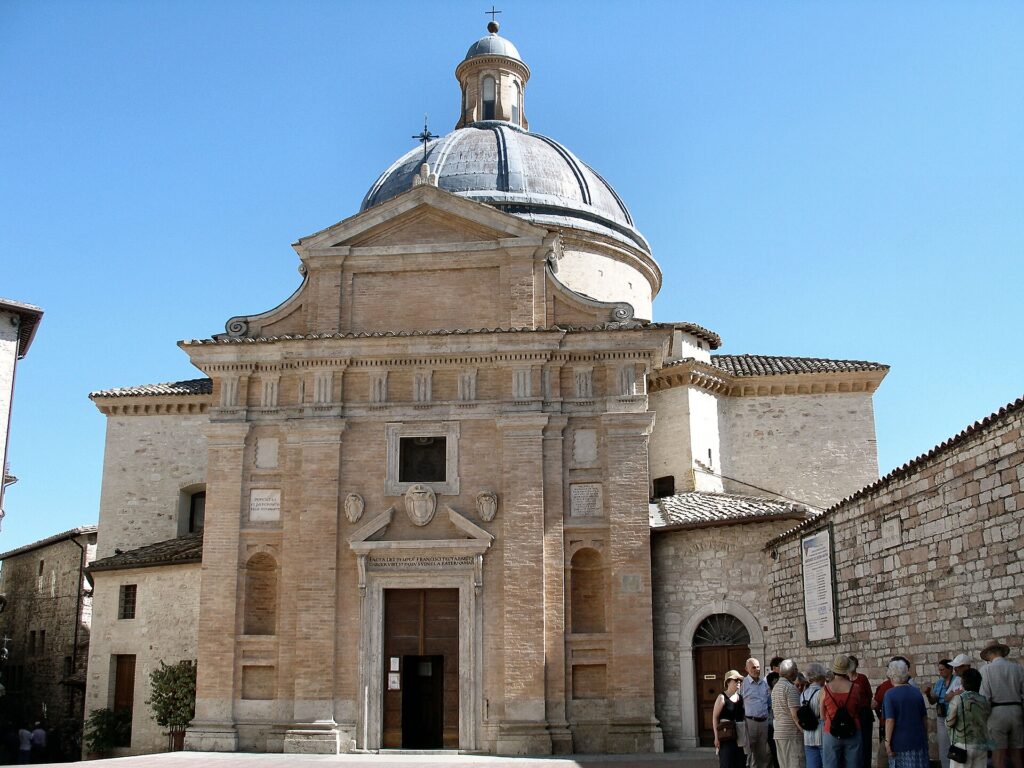
The full circuit of the historic centre, from the Cathedral of San Rufino to the Church of Santa Maria sopra Minerva, covers the town’s entire span from the Roman era to the Baroque.
History of Assisi
The earliest documented inhabitants of what is now Assisi were the Umbri, described by Pliny the Elder in 77 AD as the oldest people of Italy. The Romans established the municipium of Asisium — the Latin name from which the modern Italian form derives — after their victory at the Battle of Sentinum in 295 BC.
They built city walls, a theatre, an amphitheatre, a forum, and the Temple of Minerva on a series of terraces cut into Monte Subasio, creating the urban skeleton that the medieval town would later inherit intact.
In 1997, excavations uncovered the remains of a Roman villa containing frescoed and mosaic-decorated rooms in a state of preservation comparable to Pompeii.
The poet Propertius, born around 50–45 BC, is considered a native of the town; bishop Rufino converted the population to Christianity in 238 AD before being martyred at Costano, and his remains are held in the Cathedral of San Rufino.
The town’s medieval centuries were shaped by repeated conflict with neighbouring Perugia, a Guelph stronghold that periodically subjugated the Ghibelline commune of Assisi. It was during one of those military confrontations — the battle at Collestrada — that Giovanni di Bernardone, later known as Francis of Assisi, was taken prisoner, a captivity that preceded his decision to renounce wealth and establish the Order of Friars Minor in 1208.
The Rocca Maggiore, the imperial fortress above the town, was plundered by the citizens themselves in 1189 and later rebuilt in 1367 on the orders of papal legate Cardinal Gil de Albornoz.
The Black Death of 1348 severely depopulated the town, and Assisi passed through the hands of successive rulers — including Gian Galeazzo Visconti, Francesco I Sforza, and Federico II da Montefeltro — before returning to papal jurisdiction under Pope Pius II between 1458 and 1464.
Modern history brought further disruption.
In September 1943 Nazi Germany occupied Assisi, but the Catholic Church organised the Assisi Network, concealing Jewish families within the city’s religious houses. Germany subsequently declared Assisi an open city, and the 12th Royal Lancers (Prince of Wales) entered on 17 June 1944. A German medical officer, Colonel Valentin Müller, arranged for Assisi to serve as a German hospital city, a designation that helped spare the buildings from the destruction suffered by Cassino.
Then, on 26 September 1997, a 5.5-magnitude earthquake caused part of the vault of the Basilica di San Francesco to collapse, killing four people and destroying a Cimabue fresco.
Restoration of the basilica was completed in under two years, and UNESCO formally designated the Franciscan complex a World Heritage Site in 2000.
The municipality of Assisi today governs a territory in the Province of Perugia with 27,721 inhabitants.
What to see in Assisi, Umbria: top attractions
Basilica of San Francesco d’Assisi
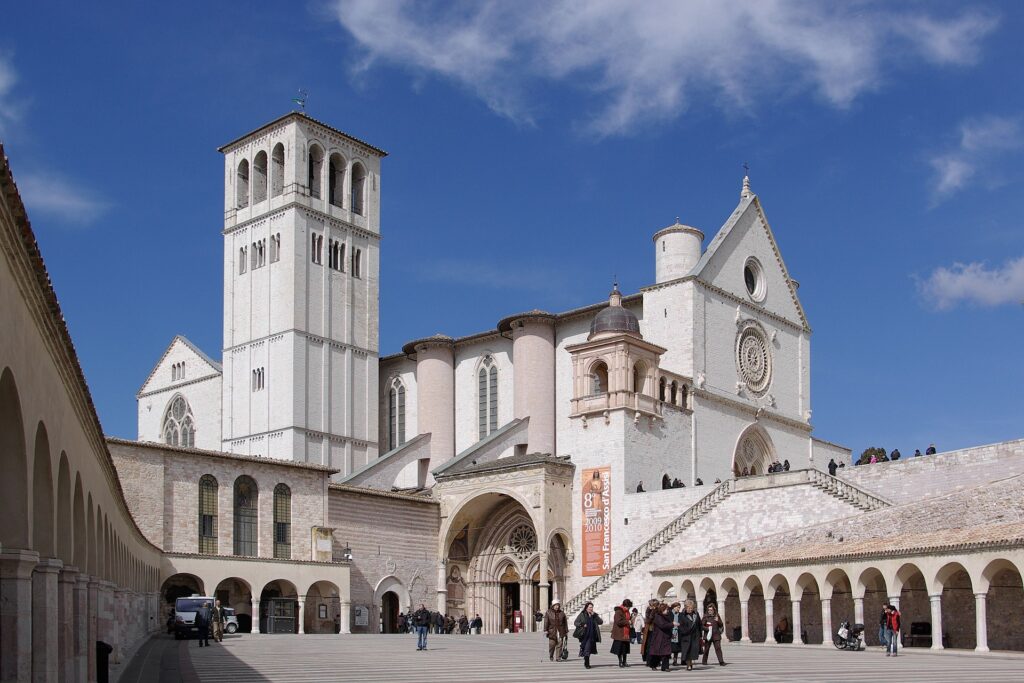
Two superimposed churches of pink-and-white Subasio stone form the basilica complex, constructed between 1228 and 1253 following the canonisation of Francis. The lower church — Basilica inferiore — preserves frescoes by Cimabue and Giotto, while the upper church — Basilica superiore — contains a cycle of scenes from the life of Francis now attributed to painters of the Roman school of Pietro Cavallini rather than to Giotto alone.
Simone Martini’s 1317 fresco in the lower transept demonstrates the direct influence of Giotto’s use of depth and colour.
The earthquake of 26 September 1997 collapsed part of the upper vault and destroyed one of the Cimabue frescoes, but a two-year restoration programme returned the complex to full use before the UNESCO inscription of 2000.
The Sacro Convento adjoins the churches and is accessible to visitors on guided tours.
Rocca Maggiore
The Rocca Maggiore occupies the highest point directly above the historic centre, making it the dominant vertical element of the Assisi skyline at a position well above the 424 m (1,391 ft) town altitude. Cardinal Albornoz rebuilt the fortress extensively in 1366 after the original structure had been plundered in 1189; Pope Pius II added the polygonal tower in 1458, and Pope Paul III built the cylindrical bastion near the entrance between 1535 and 1538. The walls enclose a walkable circuit with views across the Valle Umbra toward Perugia to the northwest and Spoleto to the south.
It is worth climbing up to the tower level in the morning, when the light falls directly on the Umbrian plain below and the town’s rooftops are visible in their full terrace formation.
Cathedral of San Rufino
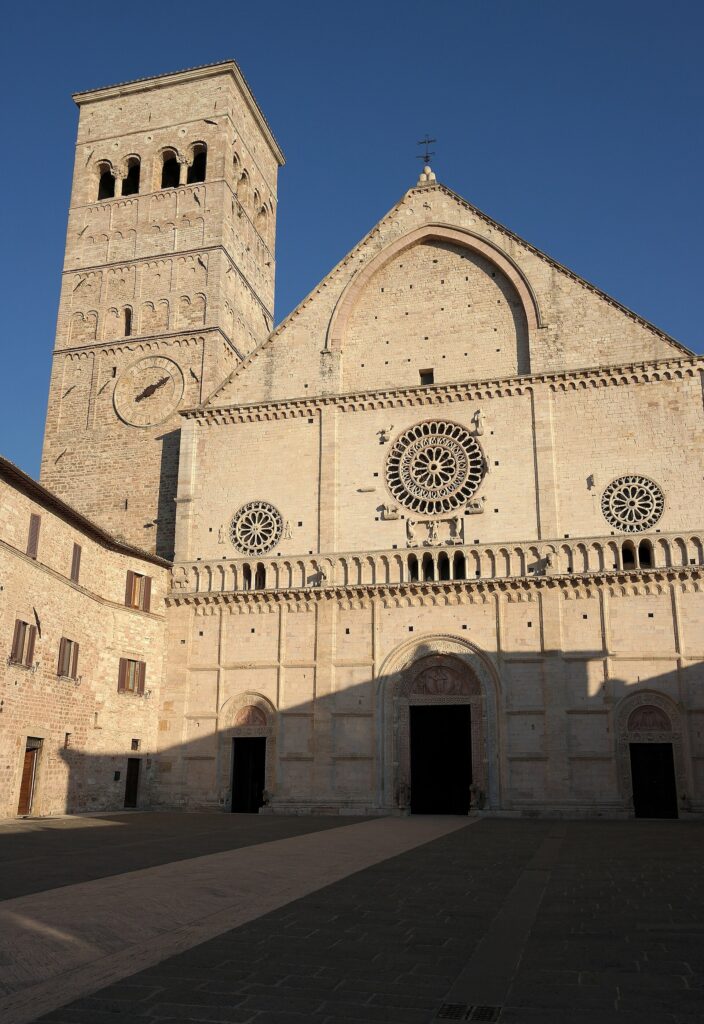
The Romanesque façade of the Cathedral of San Rufino presents three rose windows in graduated sizes across a surface of dressed stone, with carved animal and human figures worked into the archivolt mouldings.
Part of the building stands over a cistern from the Roman era, physically connecting the Christian monument to the city’s pre-medieval infrastructure.
The cathedral holds particular significance as the place where both Francis of Assisi and Clare of Assisi were baptised; the baptismal font, carved from a granite Roman column, survives intact inside the building. Bishop Rufino, the patron saint of Assisi whose feast falls on 12 August, was martyred in 238 AD, and his remains rest here according to documented tradition dating to the conversion of the town.
Eremo delle Carceri
The Eremo delle Carceri sits inside a canyon on the forested slopes of Monte Subasio, approximately 4 km (2.5 mi) east of the historic centre along a road that climbs steadily from the Porta Cappuccini gate. The complex combines a small church with a monastery built around the natural rock formations where Francis of Assisi retreated to pray; the name carceri — Italian for “prisons” — refers to the voluntary isolation of the early Franciscans rather than to any punitive function.
The woodland setting of holm oak and hornbeam remains substantially unchanged from the medieval period.
For those arriving on foot from Assisi, the path from the Porta dei Cappuccini takes around one hour at a moderate pace and gains roughly 200 m (656 ft) of elevation.
Piazza del Comune and the Temple of Minerva
Piazza del Comune occupies the exact footprint of the Roman forum, and the Temple of Minerva — a six-column Republican-era structure later converted into the Church of Santa Maria sopra Minerva — stands on its original podium facing the square.
The Palazzo del Capitano del Popolo dates from the mid-13th century, with merlons added in 1927; the adjacent Torre del Popolo was completed in 1305, and the Palazzo dei Priori was built between 1275 and 1493.
A fountain on the southern side of the square, decorated with three stone lions, dates from the 16th century. Directly under the square, the crypt of the demolished church of San Nicolò preserves the room where Francis and Bernard of Quintavalle are documented to have consulted the Gospels when drafting the earliest Franciscan Rule.
Local food and typical products of Assisi
The food culture of Assisi reflects the agricultural patterns of the Valle Umbra and the slopes of Monte Subasio, where cereals, legumes, and olives have been cultivated since Roman times.
The Umbrian interior, distant from coastal trading routes, developed a cuisine based on preserved meats, wild herbs, black truffles from the surrounding hills, and flatbreads cooked directly on stone.
The town’s monastic tradition also left a documented influence: Franciscan communities historically prepared simple grain-based dishes and herb-flavoured baked goods that remain part of the local repertoire.
Among the dishes associated with the area, torta al testo is the most structurally distinctive: an unleavened flatbread cooked on a circular cast-iron or stone plate called a testo, served split and filled with cured meats such as salumi or sautéed greens including chicory or spinach with garlic and olive oil.
Strangozzi al tartufo nero combines hand-rolled egg-free pasta — cut into irregular flat strands — with a sauce of grated black truffle, garlic, and local olive oil. Porchetta, the whole-roasted pig seasoned with rosemary, wild fennel, garlic, and black pepper, appears at markets and festivals throughout the province of Perugia and is sold in thick slices from mobile counters.
Farro della Montagna, an emmer wheat grown on the Apennine slopes, appears in soups with legumes and is among the oldest documented grain crops of central Italy.
The textile tradition of Assisi has a documented parallel in its food crafts.
Assisi embroidery — a counted-thread technique practised in the town since the 13th century — is the most internationally recognised local craft product, characterised by cross-stitch motifs on linen or cotton fabric. While not a food product, it shares the same artisan economy as the town’s food markets and is sold alongside local olive oil and preserved products in the shops of the historic centre.
Local olive oil from the Subasio slopes carries the broader Umbrian DOP designation, produced from Moraiolo, Frantoio, and Leccino cultivars harvested in October and November.
The weekly market in Assisi and the commercial streets around Piazza del Comune offer the most direct access to local producers. The months of October and November, coinciding with the olive harvest and the truffle season in the surrounding hills, bring the largest selection of fresh and preserved local products.
Several agriturismi on the Subasio slopes operate farm-to-table restaurants where farro-based dishes and grilled meats feature on fixed menus, generally requiring advance booking.
Festivals, events and traditions of Assisi
The feast of Rufino di Assisi, patron saint of the town, falls on 12 August each year and centres on the Cathedral of San Rufino, where his remains are venerated.
The celebration includes a formal religious procession through the historic centre and a solemn Mass in the cathedral, drawing both local participants and pilgrims from across the province of Perugia. The August date places the feast within the town’s busiest season for religious tourism, and the surrounding streets typically host informal gatherings and local food stalls in the evening following the liturgical events.
The Calendimaggio festival — a re-enactment of medieval and Renaissance civic life — takes place during the first four days of May, ending on a Saturday.
The town divides into two competing factions: the upper district, parte de sopra, carries a blue flag, while the lower district, parte de sotto, uses red.
The contest involves processions in period costume, theatrical presentations, choral singing, crossbow competitions, flag-waving demonstrations, and dance performances.
The format of the festival and the rivalry between the two factions follow a structure that reflects the documented Guelph-Ghibelline divisions of the medieval commune. For visitors interested in combining a medieval spectacle with the best spring weather in Umbria, early May provides both.
When to visit Assisi, Italy and how to get there
Spring and early autumn offer the most practical conditions for visiting Assisi, Umbria, Italy. April through June brings mild temperatures on Monte Subasio’s western flank, with the Calendimaggio festival in early May providing a documented reason to time a visit precisely.
September and October are the preferred months for those interested in the truffle and olive harvest cycle in the surrounding countryside, and the crowds of August — concentrated around the feast of San Rufino on 12 August and the Franciscan pilgrimage season — make that month the most congested.
Winter visits are feasible and substantially quieter, though several sites on the Subasio slopes may be less accessible after snowfall.
International visitors should note that English is not widely spoken in smaller shops and market stalls; carrying some euros in cash is practical for markets and smaller bars in the historic centre.
Assisi sits approximately 25 km (15.5 mi) east of Perugia and 175 km (108.7 mi) north of Rome, making it realistic as a day trip from either city, though an overnight stay allows time to cover the full range of monuments without rushing. From Rome, the fastest rail connection runs via the Trenitalia service to Foligno or directly to the Assisi station on the Foligno–Terontola line; the journey takes approximately two hours on regional fast services.
The Assisi railway station is located at Santa Maria degli Angeli, roughly 5 km (3.1 mi) below the historic centre, with bus connections up to the town gate.
By road from Perugia, the SS75 leads directly to the Assisi exit; from Rome, the A1 motorway to Orte followed by the E45 toward Perugia, then the SS75, covers the distance in under two hours.
The nearest major airport is Perugia’s Aeroporto Internazionale dell’Umbria, approximately 12 km (7.5 mi) from Assisi. Florence Airport is approximately 170 km (105.6 mi) to the northwest. Visitors arriving from the south of Umbria can also pass through Terni, which lies roughly 60 km (37.3 mi) to the south along the Nera valley road and makes a logical transit point for those driving up from Rome through Orte.
Where to stay near Assisi
Accommodation options around Assisi range from agriturismi on the olive-covered slopes of Monte Subasio to hotels and religious guesthouses within the historic centre.
The Basilica of San Francesco and the Sacro Convento manage a number of guest rooms for pilgrims and retreat visitors, while the wider area of Santa Maria degli Angeli — near the railway station — holds several mid-range hotels accessible without climbing to the hilltop.
The surrounding Valle Umbra offers farm stays with views of the town, generally requiring a car for access.
Booking in advance is essential during the Calendimaggio festival in May, the feast of San Rufino in August, and the Franciscan celebrations around the feast of Francis on 4 October.
Visitors who want to extend their stay in this part of Umbria can combine Assisi with other towns in the province.
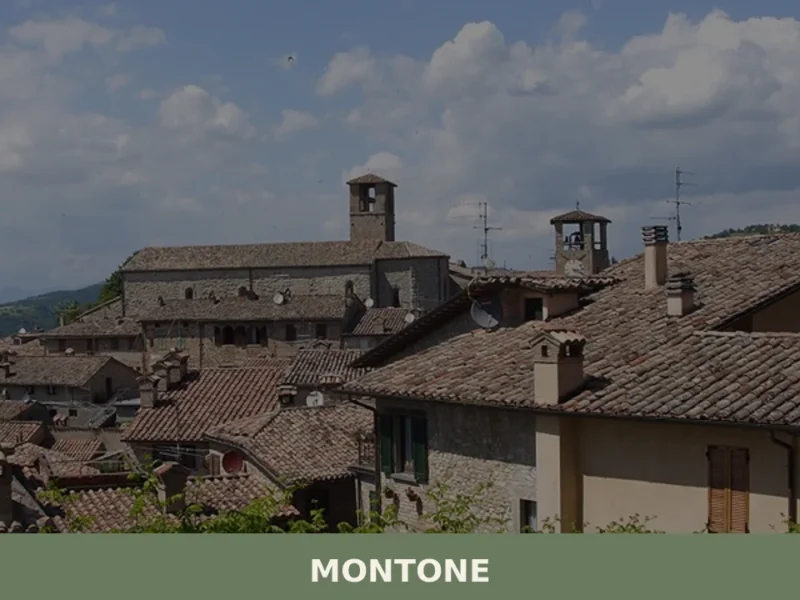
The medieval village of Montone, located approximately 40 km (24.9 mi) northwest of Assisi near the upper Tiber valley, preserves a well-documented medieval street plan and a municipal museum with works from the Umbrian school.
Those interested in the more remote Valnerina landscape to the east may continue to Sant’Anatolia di Narco, a small commune along the Nera river roughly 65 km (40.4 mi) southeast of Assisi, or to the high Apennine settlement of Poggiodomo, which occupies a limestone spur above the same valley and belongs to the same provincial network of hill settlements as Assisi itself.
Photo Gallery of Assisi
Frequently asked questions about Assisi
What is the best time to visit Assisi?
Spring (April–June) and early autumn (September–October) offer mild temperatures, manageable crowds, and clear views across the Valle Umbra. August brings the feast of San Rufino di Assisi on 12 August, the town's patron saint, with religious processions and civic events in the historic centre. Holy Week and the Calendimaggio festival in early May are also peak periods. Midsummer can be hot and crowded around the Basilica of San Francesco; winter is quieter and atmospheric, with the Umbrian plain often visible below a layer of morning mist.
What are the historical origins of Assisi?
Assisi's earliest inhabitants were the Umbri, described by Pliny the Elder as the oldest people of Italy. After the Roman victory at the Battle of Sentinum in 295 BC, the municipium of Asisium was established on terraces cut into Monte Subasio. Romans built walls, a theatre, an amphitheatre, a forum, and the Temple of Minerva. Bishop Rufino converted the population to Christianity in 238 AD before his martyrdom. Francis of Assisi, born Giovanni di Bernardone, founded the Order of Friars Minor in 1208 following captivity during a battle with Perugia.
What to see in Assisi? Main monuments and landmarks
The Basilica of San Francesco (1228–1253) holds frescoes by Cimabue, Giotto, Simone Martini, and Pietro Lorenzetti and requires at least half a day. The Rocca Maggiore fortress above the town offers panoramic views toward Perugia and Spoleto. The Cathedral of San Rufino displays a Romanesque façade with three rose windows and contains the baptismal font where Francis and Clare were baptised. Piazza del Comune preserves the Republican-era Temple of Minerva in its original position. The Eremo delle Carceri monastery, 4 km east on Monte Subasio, is reachable on foot in about one hour from Porta dei Cappuccini.
What are the main natural or scenic attractions of Assisi?
Monte Subasio Regional Park surrounds the town to the east and is crossed by marked CAI trails. The path from Porta dei Cappuccini to the Eremo delle Carceri climbs approximately 200 m through holm oak and hornbeam woodland and takes around one hour on foot. The ridge of Monte Subasio above the hermitage offers open views across the Umbrian plain. The slopes below the Basilica of San Francesco descend into olive groves and scattered farmhouses typical of the Valle Umbra landscape.
Where to take the best photos in Assisi?
The lower piazza below the Basilica of San Francesco frames the pink-and-white Subasio stone façade against the Valle Umbra below. From the tower level of the Rocca Maggiore, morning light falls directly on the Umbrian plain and the town's full terrace formation is visible. Piazza del Comune offers a direct frontal view of the six columns of the Temple of Minerva. The approach roads from the plain — particularly from Santa Maria degli Angeli to the west — provide classic panoramic views of the entire hillside town with the basilica and Rocca Maggiore in the same frame.
Are there museums, churches or historic buildings to visit in Assisi?
The Basilica of San Francesco comprises two superimposed churches open to visitors, with the Sacro Convento accessible on guided tours. The Cathedral of San Rufino contains a crypt built over a Roman-era cistern and preserves the intact granite baptismal font. The Temple of Minerva, now the Church of Santa Maria sopra Minerva, stands on its original Roman podium in Piazza del Comune. The Rocca Maggiore is open to visitors and includes a walkable wall circuit. Excavations beneath Piazza del Comune have revealed the Roman forum, and a 1997 dig uncovered a frescoed Roman villa of Pompeii-level preservation.
What can you do in Assisi? Activities and experiences
Hiking on Monte Subasio via marked CAI trails is the main outdoor activity, with the route to the Eremo delle Carceri the most documented starting point. The historic centre rewards a full-day walking circuit from the Cathedral of San Rufino to Piazza del Comune and down to the Basilica of San Francesco. Guided tours of the Sacro Convento are available at the basilica. Food experiences centre on local products including black truffle, torta al testo, strangozzi, and local olive oil, available at restaurants and markets throughout the town.
Who is Assisi suitable for? Families, couples, hikers, solo travelers?
Assisi suits a wide range of visitors. Couples and solo travellers drawn to art, history, and spirituality will find concentrated content in the UNESCO-listed basilica and the medieval historic centre. Hikers and nature enthusiasts can extend visits into Monte Subasio Regional Park via documented trails. Families benefit from a compact, largely pedestrian historic centre and the dramatic visual impact of the Rocca Maggiore. Pilgrims and those interested in Franciscan heritage have specific itineraries linking the basilica, the Eremo delle Carceri, and the Cathedral of San Rufino. The town's hotel and agriturismo supply suits all these profiles.
What to eat in Assisi? Local products and specialties
Torta al testo is the defining local flatbread, cooked on a cast-iron or stone plate and served filled with salumi or sautéed greens. Strangozzi al tartufo nero pairs hand-rolled egg-free pasta with black truffle, garlic, and local olive oil. Porchetta — whole-roasted pig seasoned with rosemary, wild fennel, garlic, and black pepper — is a recurring presence at local establishments and markets. Black truffles from the surrounding Subasio hills are used across multiple dishes. Umbrian extra-virgin olive oil, produced on the slopes visible below the basilica, is a consistent ingredient throughout the local cuisine.
📷 Photo Gallery — Assisi
Nearby Villages near Assisi
In Umbria More villages to discover

Orvieto
Hills
Orvieto stands on a dramatic tufa mesa above the Paglia Valley, home to a great Gothic cathedral and over 3,000 years of layered history. A essential destination in southern Umbria.
Fratta Todina
Hills
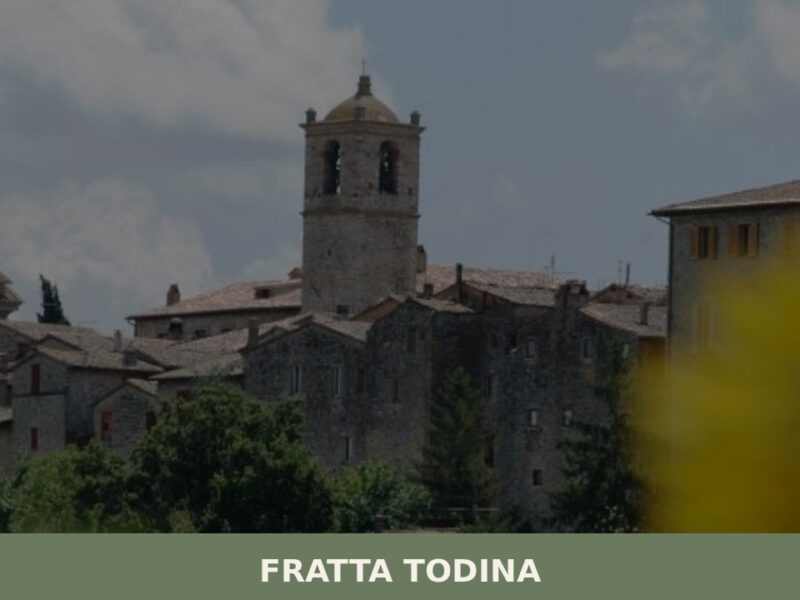
Morning light falls across a line of stone façades, turning the tufa walls the colour of raw honey. A church bell marks the hour from somewhere above the rooftops, its sound carrying across the Tiber valley below. Fratta Todina sits on a low hill in the province of Perugia, home to just 1,817 residents — […]
Sant’Anatolia di Narco
 Plains
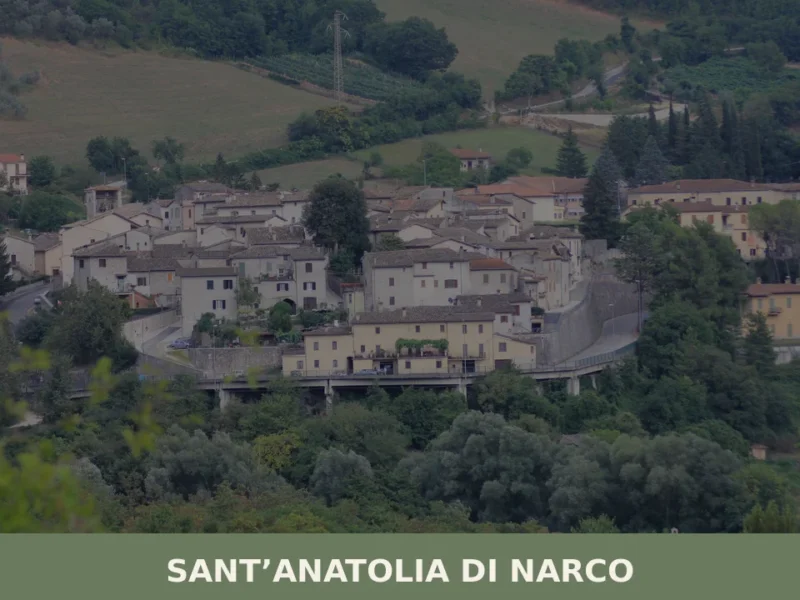
In 1213, a document from the Abbey of San Felice recorded for the first time the castrum of Sant’Anatolia, a fortified settlement on the left bank of the River Nera in the southern Valnerina. Today the municipality has 555 inhabitants spread between the main village and a handful of hamlets scattered across the wooded slopes […]
Monte Santa Maria Tiberina
 Mountain
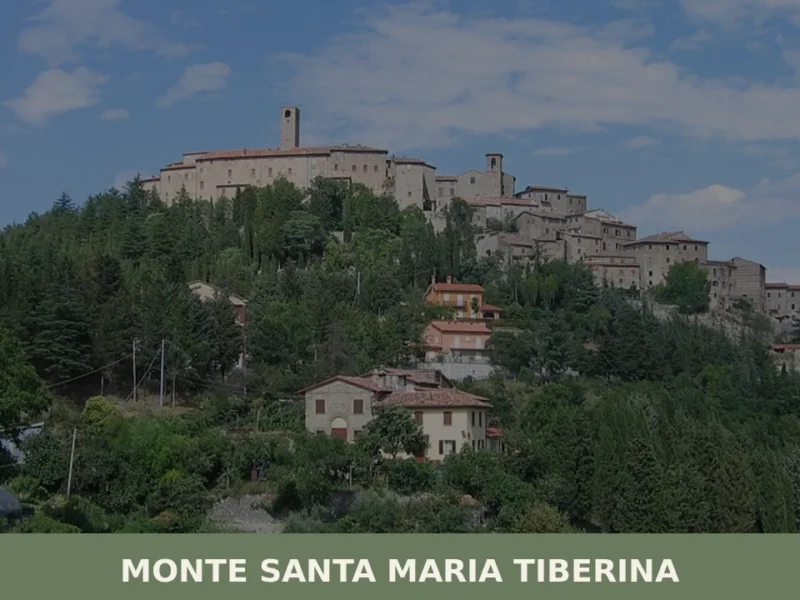
A quiet hush often settles over the stone lanes of Monte Santa Maria Tiberina as the morning sun climbs, painting the ancient walls with a warm ochre glow. From its vantage point at 688 metres above sea level, the village awakens slowly, the distant murmur of the Tiber River a faint counterpoint to the rustle […]
Bastia Umbra
Hills
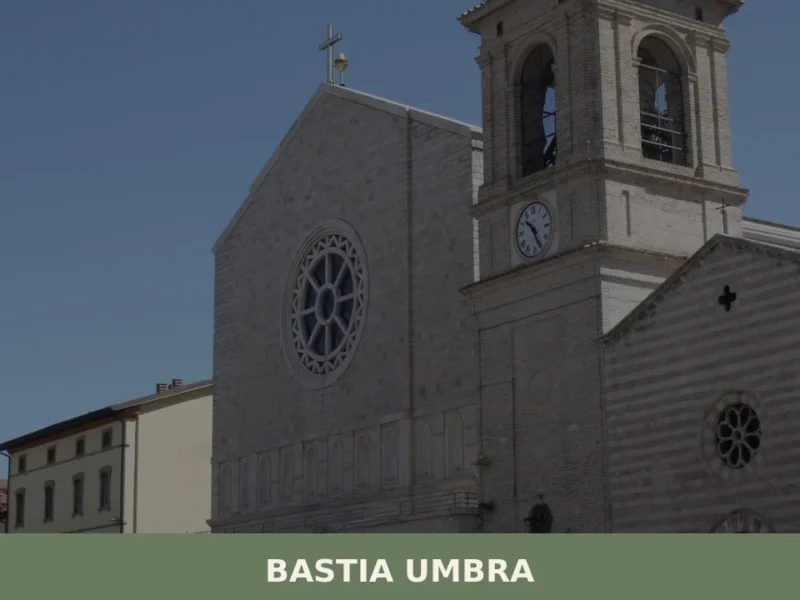
What to see in Bastia Umbra, Italy: 5 top attractions, local food, and how to get there. Explore a plains town 13 km from Perugia with 21,965 inhabitants.
Costacciaro
Hills
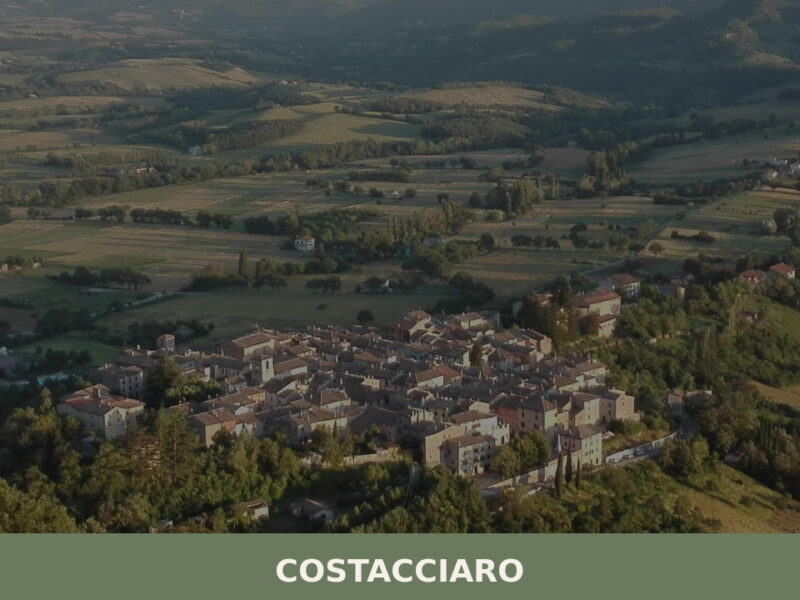
Morning light reaches Costacciaro slowly, filtered through the mass of Monte Cucco before it spills across stone facades and narrow lanes still damp from overnight mountain air. At 1,280 inhabitants, this is a village measured not in monuments but in texture — the grain of limestone walls, the sound of water channelled from karst springs, […]
Poggiodomo
Mountain
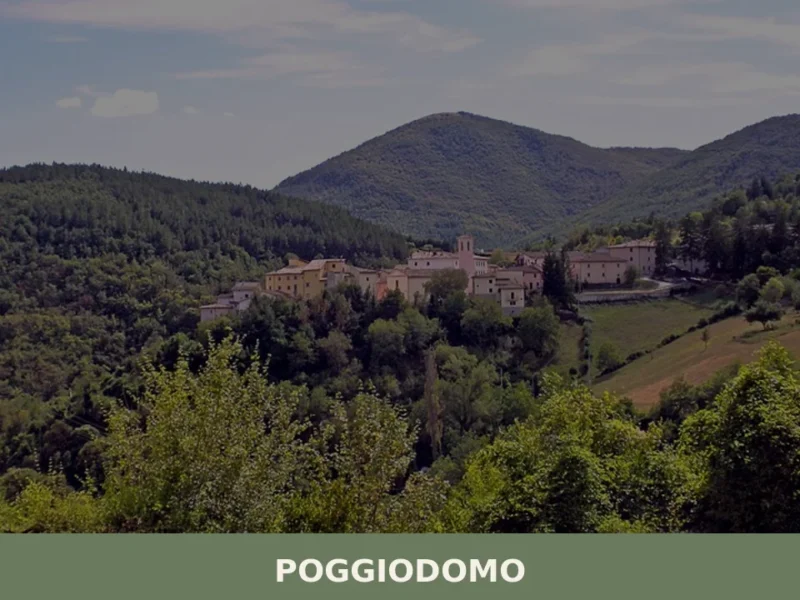
What to see in Poggiodomo, Italy? Explore this Umbrian village, situated at 974 m, and discover the historic Church of San Carlo Borromeo and the Hermitage of Madonna della Stella.
Spello
 Sea
Sea
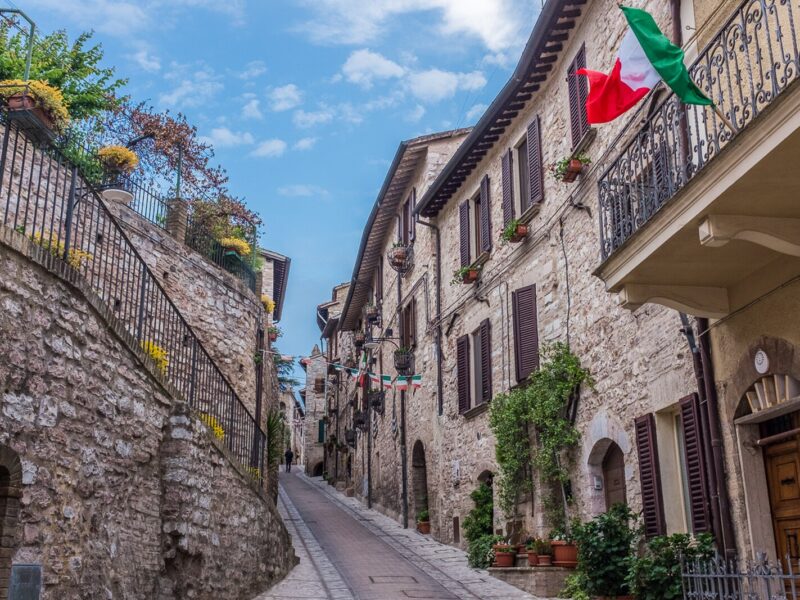
What to see in Spello, Umbria, Italy: Roman gates, mosaic villa, medieval walls at 314 m. Discover top attractions, local food and how to get there.
Bettona
Hills
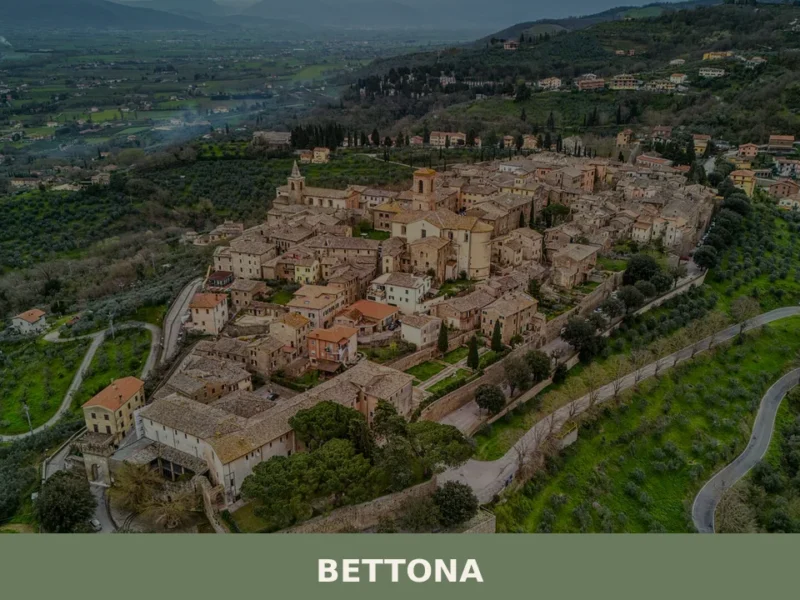
What to see in Bettona, Umbria, Italy: Etruscan walls, Perugino paintings and a Pinacoteca at 353 m altitude. Discover top attractions and how to get there.
Preci
Hills
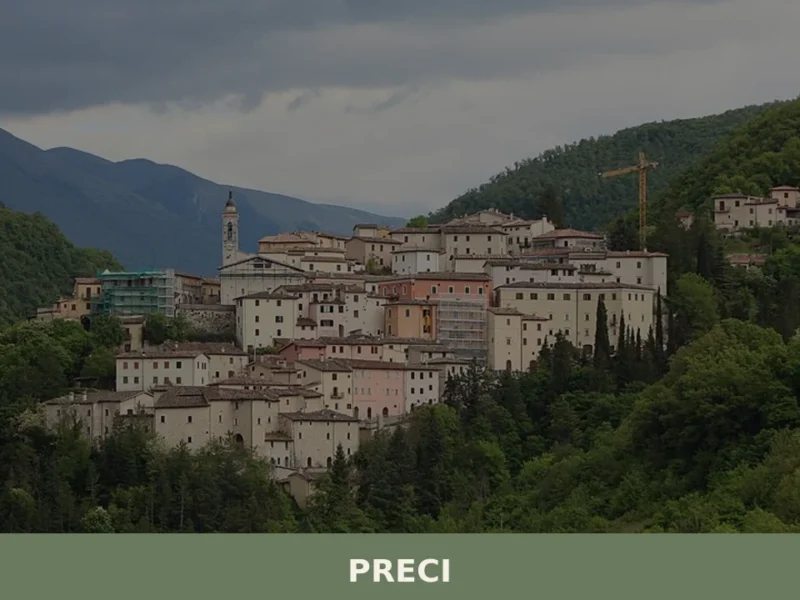
With a recorded population of 681 inhabitants, Preci stands at an elevation of 596 metres above sea level in the heart of Umbria, a region often referred to as Italy’s ‘green heart’. This small village, historically shaped by its monastic tradition and a renowned surgical school (see English Wikipedia), offers a distinct window into a […]





🏡 Know Assisi better than we do?
If you’re a local or have been there, your knowledge matters: add what’s missing or fix a detail on this page.