


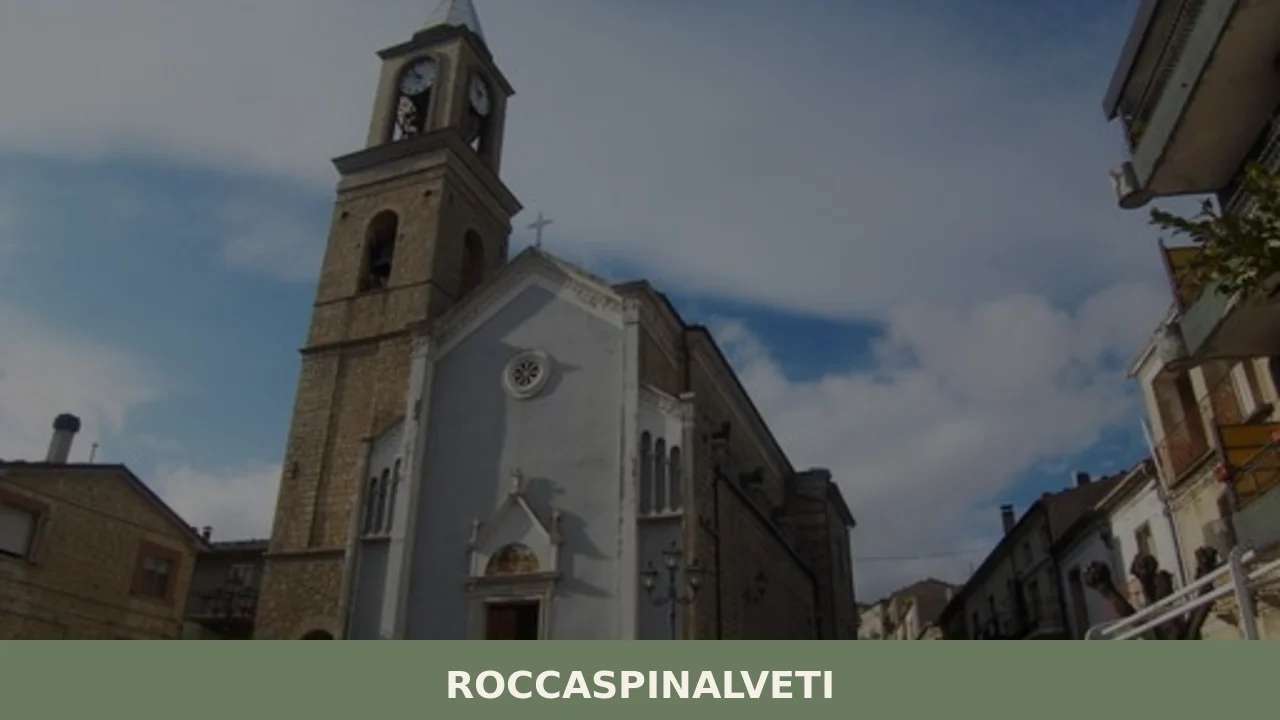
Roccaspinalveti
 Mountain
What to see in Roccaspinalveti? Discover 5 must-see attractions in this Abruzzese village. Guide covers things to do & how to get there. Plan your visit!
Discover Roccaspinalveti
One thousand one hundred and twenty-one inhabitants, a name that carries its own history written in stone: “rocca,” “spina,” “alveti” — three words that sketch the profile of a defensive hilltop settlement in the hinterland of Chieti.
The village rises in the province of Chieti, in that stretch of inland Abruzzo where the hills grow steeper and the towns retain a compact structure, built over the centuries around an ecclesiastical core and a network of alleyways that follow the contour lines of the land.
Those wondering what to see in Roccaspinalveti will find a historic centre of distinctly medieval character, a gastronomic tradition deeply rooted in the products of the Chieti hinterland, and a hilly landscape that on clear days opens towards the Majella massif.
The village today numbers 1,121 residents and lies in the province of Chieti: modest in size, yet possessing an architectural heritage and a web of connections with the surrounding territory that make it well worth a dedicated stop on an Abruzzo itinerary.
History and origins of Roccaspinalveti
The name of the village already contains a precise morphological description.
The element “rocca” refers to the defensive function of the site — a hilltop settlement chosen for military purposes and territorial control, following a logic common to many centres founded or consolidated during the medieval period of inland Abruzzo.
The element “spinalveti,” on the other hand, can be traced back to an environmental characteristic of the place, likely referring to the thorny vegetation or to a configuration of the terrain that defined the site even before the permanent construction of the settlement.
The territory of Roccaspinalveti forms part of the settlement system of the province of Chieti, an area that throughout the Middle Ages was the object of disputes among local lordships, noble families and ecclesiastical power.
Like many centres of the Chieti hinterland, the village followed the fortunes of the Kingdom of Naples, passing under various feudal dominions between the fourteenth and sixteenth centuries.
This layering of powers left traces in the urban layout of the historic core, with the presence of religious buildings marking the cardinal points of the settlement and bearing witness to the role of the Church as the institution that ordered communal space.
A direct comparison with the historical processes of other nearby centres can be found by visiting Canosa Sannita, another municipality in the province of Chieti that shares with Roccaspinalveti the same sequence of feudal dominions from the late Middle Ages through the early modern period.
In the modern age the village retained the characteristics of a small agricultural centre, with an economy based on cereal farming, sheep rearing and olive oil production in the more favourable areas.
The nineteenth century brought with it the administrative changes of Italian unification, which placed Roccaspinalveti within the provincial system of Chieti as we know it today. The twentieth century marked, as it did for dozens of other villages in inland Abruzzo, a progressive demographic contraction driven by emigration towards the industrial cities of northern Italy and abroad — a phenomenon that has reduced the population from the more than 1,400 residents recorded in certain historical surveys to the current 1,121 registered inhabitants.
What to See in Roccaspinalveti: Main Attractions
Parish Church of Sant’Eufemia
The parish church dedicated to Sant’Eufemia forms the architectural focal point of Roccaspinalveti’s historic centre.
The façade, built in local stone worked into regular ashlar blocks, overlooks a small square that serves as a gathering place for the community life of the village.
The interior preserves decorative elements traceable to the successive building phases that took place between the 16th and 18th centuries, with side altars displaying the typical stylistic layering found in places of worship throughout inland Abruzzo.
The bell tower rises above the roofline of the surrounding houses and is the most recognisable visual landmark of the village when seen from the outside.
Those exploring what to see in Roccaspinalveti will find this church the logical starting point for understanding the layout of the settlement, as the entire system of historic alleyways is organised around this ecclesiastical nucleus.
Historic Centre and Medieval Street System
The historic centre of Roccaspinalveti preserves a street plan that reflects the medieval settlement logic of the hilltop villages of the province of Chieti: narrow routes that follow the contour lines, openings onto the hilly landscape at points where the building frontage breaks, and limestone portals marking the entrances to the oldest palaces.
The houses built in local stone show, in their least altered sections, the masonry techniques of traditional Abruzzo construction: horizontal courses of squared stone, monolithic lintels, and projecting corbels that once supported wooden balconies.
Walking through this street system on foot, dedicating at least ninety minutes to reading the architectural elements, allows visitors to reconstruct the succession of building phases that shaped the settlement over the course of at least six centuries.
Views towards the Maiella and the Chietino Hill Landscape
From the highest points of the village, situated at an altitude that commands the surrounding hills of the province of Chieti, on days of good visibility the gaze reaches the Maiella massif, with its limestone walls rising above 2,700 metres.
The intermediate landscape is typical of the Chieti hinterland: valleys cultivated with cereals and vines, conifer reforestation on the steeper slopes, and distant villages identifiable by the bell towers emerging above the hilltops.
This viewpoint, reachable on foot from the historic centre within a few minutes, offers a system of geographical reference points useful for orienting oneself within the territory. The best period to enjoy visibility towards the Maiella is late autumn, when the air becomes clearer and the massif may already show the first snowfall at its highest elevations.
Civil Architecture of the Historic Centre
Alongside the religious buildings, the historic centre of Roccaspinalveti preserves several examples of civil architecture that document the presence of prosperous families tied to the agricultural economy of the Chieti area between the 17th and 19th centuries.
The most significant palaces display stone façades with windows framed by worked stone elements, arched portals with raised keystones, and internal courtyards accessible through barrel-vaulted passageways.
These buildings, distributed along the main streets of the historic nucleus, alternate well-preserved sections with stretches that bear the marks of time and the partial abandonment brought about by the depopulation of the second half of the 20th century.
Those walking attentively through the streets of the centre will recognise in the façades at least three distinct stylistic phases, datable between the late Renaissance and the eclecticism of the late 19th century.
Territory and Routes through the Hill Landscape
The municipal territory of Roccaspinalveti extends across the hilly landscape of the province of Chieti, with a network of rural roads and droveways connecting the inhabited centre to the surrounding hamlets and agricultural areas.
These routes, some of which follow ancient tracks linked to the sheep transhumance that characterised the Abruzzo economy until the 20th century, pass through Mediterranean scrubland, vineyards, and olive groves distributed across the best-exposed slopes.
The Abruzzo droving network is a system of great historical significance: the main droveways measured sixty Neapolitan paces in width, equivalent to approximately 111 metres, and were traversed twice a year by flocks moving between the mountains and the coastal plains.
Exploring the rural areas surrounding the village in the morning hours, when the raking light highlights the contours of the terrain, allows visitors to read the traces of this productive system still visible in the landscape.
For those wishing to extend their itinerary to other historic centres of inland Abruzzo, Lama dei Peligni represents a coherent next stop, with a natural and architectural heritage that fits into the same con
Typical Cuisine and Products of Roccaspinalveti
The cuisine of Roccaspinalveti belongs to the gastronomic tradition of the inland Chieti area, a food system built over centuries on cereal farming, sheep rearing, and olive oil production in the most favourable hilly areas.
This tradition is deeply influenced by the village’s geographical position: far from the coast, dependent on the products of the immediate territory, with a cuisine that favours preservation and processing techniques suited to a self-sufficient rural economy.
The result is a table where legumes, cereals, sheep and pork, and vegetables from the domestic kitchen garden form the backbone of meals.
Among the dishes documented in the tradition of the Chieti area to which Roccaspinalveti belongs, scrippelle ‘mbusse stand out — thin flour and egg crêpes served in chicken broth, considered one of the signature dishes of the entire Abruzzese cuisine.
Fish brodetto, though mainly associated with the coast, has inland variants using freshwater fish.
Hand-made pasta is a constant presence: maccheroni alla chitarra, obtained by pressing a dough of semolina flour and eggs through an instrument with metal strings that cuts the sheet into square-section spaghetti, are dressed with lamb ragù or tomato sauce enriched with chilli pepper.
Pallotte cace e ove — meatballs made of stale bread, pecorino cheese, and eggs, fried in oil and then cooked in tomato sauce — represent an example of cucina povera elevated to a reference dish of the region’s gastronomic identity.
As regards certified products, the available sources do not document DOP, IGP, or PAT certifications specifically attributed to the municipality of Roccaspinalveti. Local production of olive oil and wine falls within the broader framework of agricultural production in the province of Chieti, without the consulted sources attributing specific certified designations to the municipal territory.
Those visiting the area can check with local producers and village shops for the availability of seasonal agricultural products, extra-virgin olive oil, and sheep’s milk cheeses processed according to the traditional techniques of the area.
A gastronomy similar in ingredients and techniques can also be found in Introdacqua, a centre of inland Abruzzo where the tradition of hand-made pasta and sheep meat retains the same cultural roots.
The village’s patron saint festivals and community occasions are traditionally the moments when local cuisine expresses itself most fully.
During the summer and autumn sagre, tied to the agricultural calendar and the cycle of the grape harvest and olive picking, traditional dishes are prepared collectively and served in the public spaces of the historic centre.
September and October are the months when this type of gastronomic offering is most likely to be found active: it is advisable to check the events calendar with the Municipality of Roccaspinalveti or through local associations before organising a visit around a specific event.
Festivals, Events and Traditions of Roccaspinalveti
The religious and community life of Roccaspinalveti revolves around the calendar of Catholic festivities, with the patron saint feast dedicated to Sant’Eufemia as the central event of the year.
The celebration follows the established rite found in villages of inland Abruzzo: a solemn mass, a procession with the statue of the saint through the streets of the historic centre, and the participation of the village community and residents who have returned for the occasion.
These processions serve a precise social function, as well as a religious one: they mark the moment when the dispersed community physically reunites in its place of origin, and the processional route passes through the historic streets of the village as an act of collective reclaiming of urban space.
The popular traditions of the Chieti area include practices tied to the agricultural cycle — the harvest, the grape harvest, the slaughter of the pig in winter — which in Roccaspinalveti, as in many nearby centres, survive at least partially as community practices or are celebrated in the form of a sagra.
The winter period brings with it the traditions linked to Christmas and Epiphany, with the construction of nativity scenes and celebrations in the village churches.
For up-to-date information on the precise dates of annual events and any cultural events organised by local associations, it is necessary to check the official communications of the municipality, as calendars and formats may vary from year to year.
When to Visit Roccaspinalveti and How to Get There
The most favourable period to visit Roccaspinalveti falls between April and October, with two particularly recommended windows. Spring, from April to June, offers the hilly landscape at its most vibrant, with cultivated fields and vegetation on the slopes displaying an intense green that contrasts with the stone of the villages.
Autumn, between September and November, is instead the season of the grape harvest and olive picking: the rural landscape takes centre stage, the afternoon light becomes more oblique, and visibility towards the Maiella massif reaches its peak on days when the tramontana wind blows.
Summer concentrates the patron saint festivals and local food fairs, but also brings high temperatures during the central hours of the day; those who prefer to explore the historic centre on foot without thermal discomfort should choose the early morning hours or late afternoon.
If you arrive by car from the Adriatic route, the A14 motorway offers the fastest connection: the Lanciano exit is approximately 30 kilometres from Roccaspinalveti, from which you continue along provincial roads through the inland hilly landscape.
The nearest railway station with regular services is Lanciano, served by the Trenitalia network on the Adriatic line; from there it is necessary to continue by car or local transport.
Pescara International Airport, approximately 70 kilometres away, is the closest airport with national and seasonally international connections.
Those visiting Roccaspinalveti coming from Lanciano travel along a scenic road that passes through several smaller villages in the province of Chieti, making the journey an integral part of the experience. For those wishing to extend their itinerary to other historic centres in the area, Civitella Roveto represents a further destination in inland Abruzzo, reachable by travelling the region’s roads westward.
| Starting Point | Distance | Estimated Time |
|---|---|---|
| Lanciano (A14 motorway exit) | approx. 30 km | 35–45 minutes |
| Chieti | approx. 55 km | 60–70 minutes |
| Pescara Airport | approx. 70 km | 80–90 minutes |
📷 Photo Gallery — Roccaspinalveti
Nearby Villages near Roccaspinalveti
In Abruzzo More villages to discover
Vicoli
 Hills
Hills
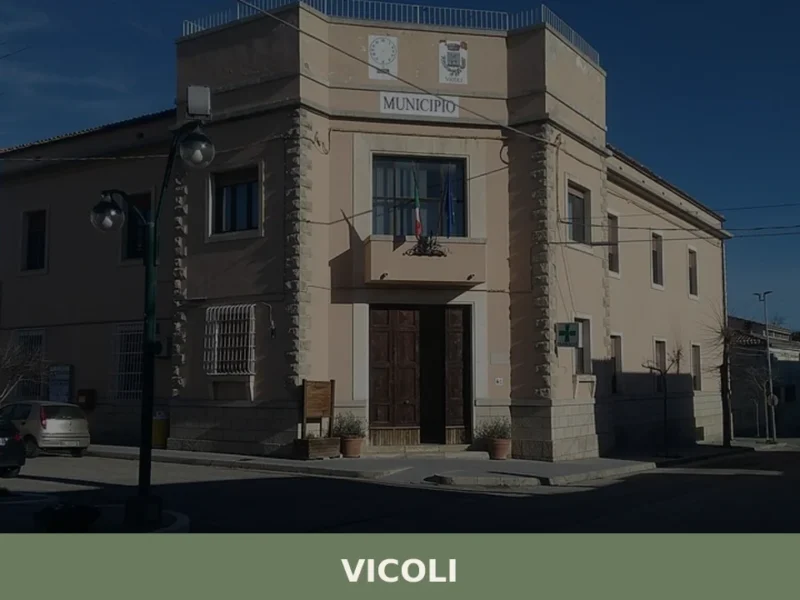
what to see in Vicoli, Italy: Discover the historical castle ruins and ancient village core of this Abruzzo comune, home to 394 inhabitants. Explore its medieval past.
Castel Castagna
Hills
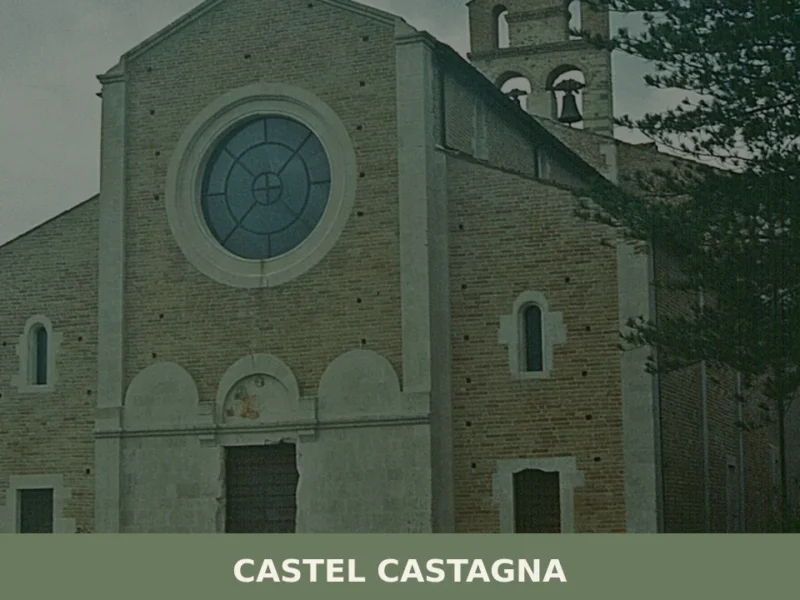
At 452 metres above sea level, on the eastern slope of the Gran Sasso, the municipality of Castel Castagna today counts 429 inhabitants spread between the main settlement and the hamlets scattered along the cultivated hillsides of the province of Teramo. Anyone wondering what to see in Castel Castagna will find answers in a territory […]
Fano Adriano
Mountain
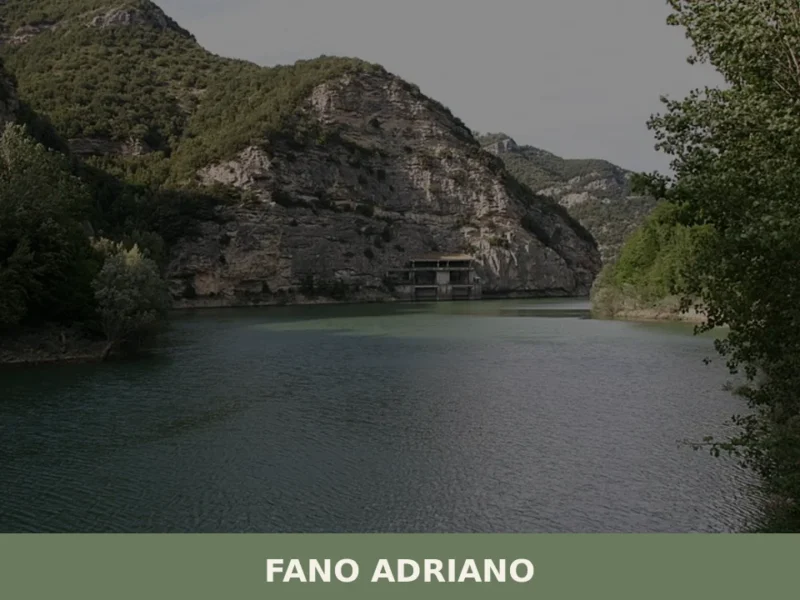
what to see in fano adriano, Italy: Discover 5 key attractions and local traditions in this Abruzzo village at 750 m (2,461 ft) altitude. Explore.
Tufillo
Hills
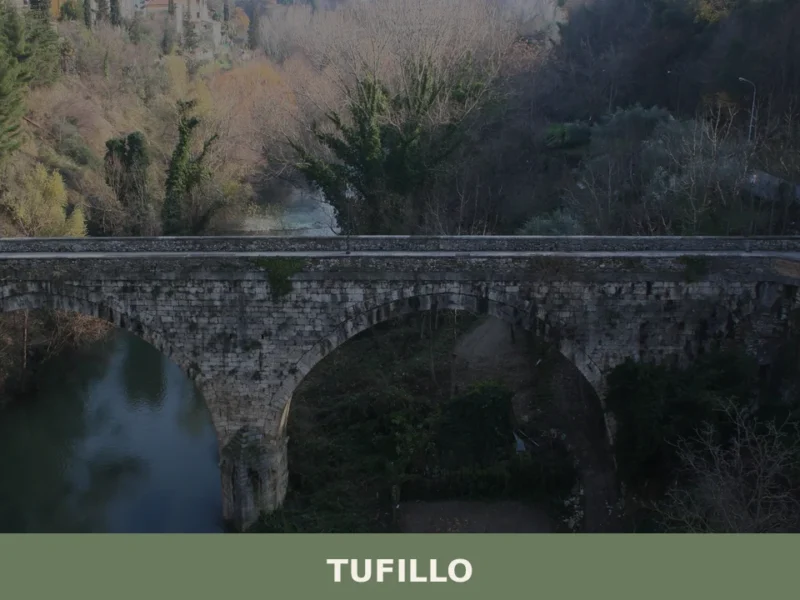
What to see in Tufillo, Abruzzo, Italy: a village of 456 inhabitants in the Province of Chieti. Discover top attractions, local food, and how to get there.
Avezzano
 Lake
Mountain
Lake
Mountain
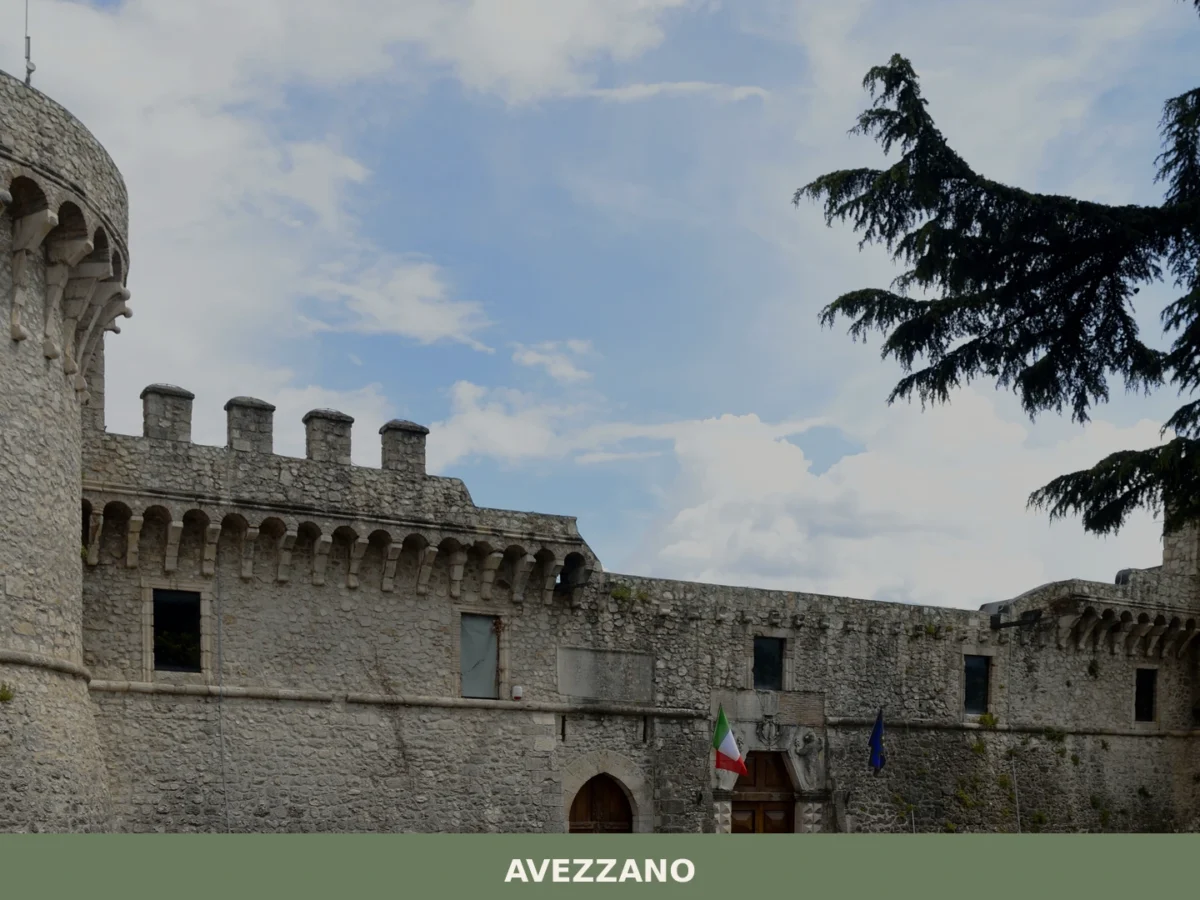
What to see in Avezzano, Italy: explore the Orsini-Colonna Castle, Roman villa, and Fucino PGI potato. 100 km from Rome. Discover Abruzzo's Marsica hub.
Campotosto
Lake
Mountain
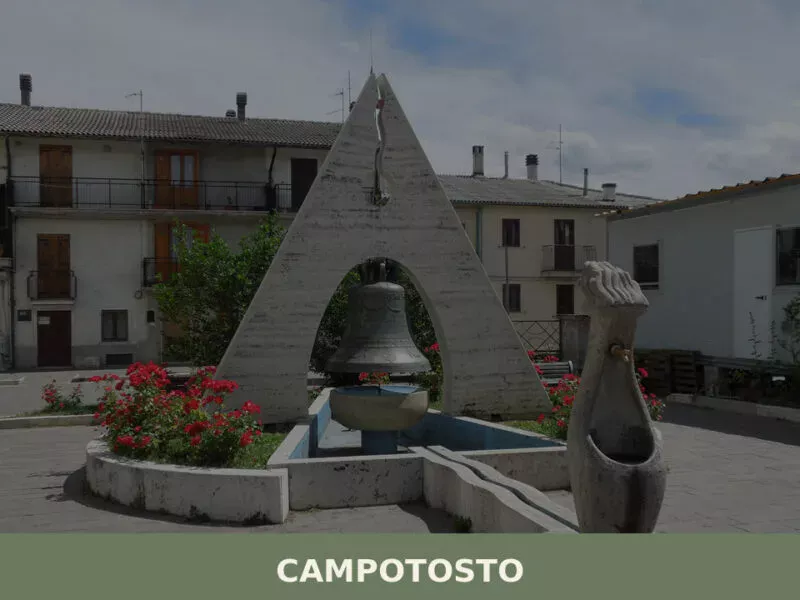
At 1,420 metres beside one of Europe's largest artificial lakes, Campotosto offers wild Apennine landscapes, cured mortadella, and trails into the Gran Sasso National Park.
Molina Aterno
Mountain
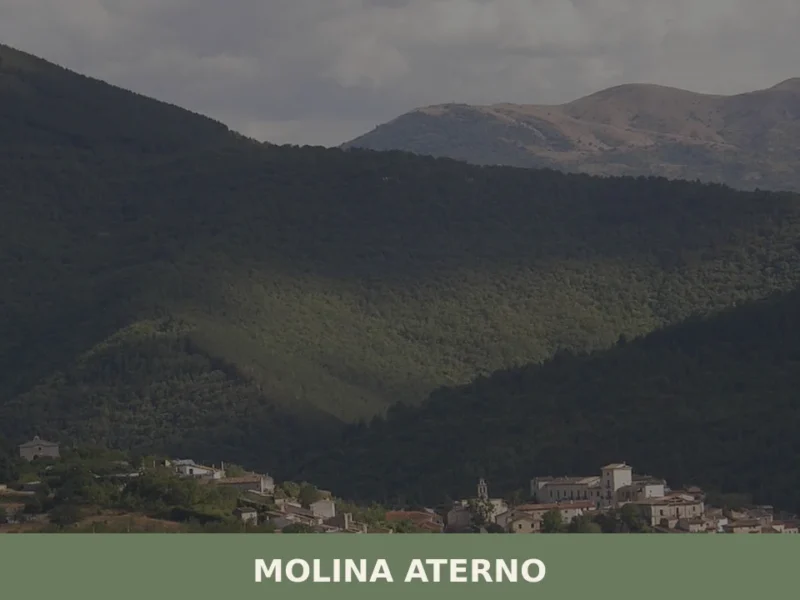
What to see in Molina Aterno, Italy: 3 historic monuments, a 12th-century church and a baronial palace. Discover how to get there and when to visit Abruzzo.
Acciano
Mountain
Morning light falls across stone walls the colour of dried wheat, and the only sound is water — a fountain somewhere below the main road, feeding a trough that has served this valley for centuries. Acciano sits in the Aterno Valley south of L’Aquila, a commune of just 339 inhabitants spread across a handful of […]
Tortoreto
 Sea
Sea
The village of Tortoreto, located in the province of Teramo, stands at 227 meters above sea level, maintaining an observation position over the Adriatic coast. Its historical foundation is attested in Roman times with the name of Castrum Salini, a settlement that indicated its proximity to salt pans and its function of territorial control. Today, […]
Castel del Monte
Mountain
what to see in Castel del Monte? Discover this Abruzzo village at 1346m altitude. Explore historic churches, medieval walls, and taste traditional canestrato cheese in Italy.


🏡 Know Roccaspinalveti better than we do?
If you’re a local or have been there, your knowledge matters: add what’s missing or fix a detail on this page.