


Roio del Sangro
 Mountain
What to see in Roio del Sangro? Explore the 5 main attractions of this village in Abruzzo, amidst history and nature. Discover the ultimate guide for your visit!
Discover Roio del Sangro
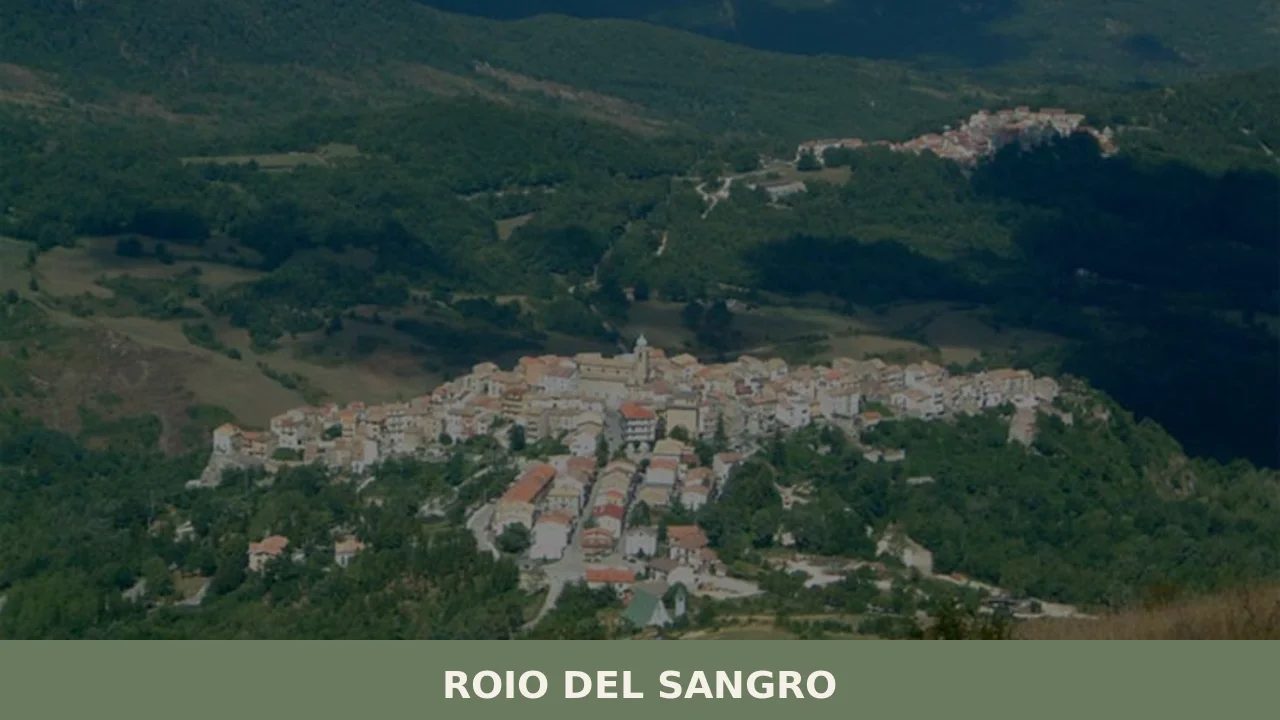
The village of Roio del Sangro stands on a rocky spur, dominating the valley below with its stone buildings that blend with the terrain’s profile.
Its altitude of 870 meters above sea level gives the place a wide perspective on the Abruzzo mountain landscape.
The structure of the inhabited center reflects the historical need for defense and the daily life of a mountain community, where every architectural element has a practical and lasting function.
Those wondering what to see in Roio del Sangro will find a municipality of 100 inhabitants, among the least populated in the province of Chieti and the entire Abruzzo region.
This small center offers visitors the chance to explore a well-preserved historic urban fabric and appreciate the view from its heights, which extends over the surrounding valleys and mountains.
The main attractions include its original inhabited core and the paths that wind through the surrounding territory, allowing for a direct experience with the natural environment and local history.
History and origins of Roio del Sangro
The origins of Roio del Sangro are linked to its strategic position on a rocky spur, a common feature of many Abruzzo mountain settlements born for defensive purposes.
The name “Roio” could derive from terms related to the terrain’s conformation or to pre-existing settlements, while the addition “del Sangro” geographically places it in relation to the river of the same name.
The first stable settlements in the area date back to ancient times, probably with the presence of Italic populations who exploited the heights for surveillance and territorial protection.
During the Middle Ages, the village developed as a fortified center, typical of the feudal fragmentation that characterized Abruzzo.
Its belonging to the Union of Mountain Municipalities of the Sangro testifies to a shared history with other centers in the area, often linked to pastoralism and subsistence agriculture dynamics.
The defensive structures, although now reduced to a few remains, were essential for the community’s survival during a period of continuous territorial disputes and incursions.
The evolution of Roio del Sangro up to the modern age was influenced by the events of the Kingdom of Naples and, subsequently, the Kingdom of Italy, always maintaining its identity as a small mountain center.
The population, recorded at 100 inhabitants according to the most recent data, reflects a process of depopulation that has affected many inland areas of Abruzzo starting from the 20th century.
This has contributed to preserving the original character of the village, where urban transformations have been less intrusive compared to larger centers, allowing for the observation of architecture that reflects centuries of mountain history.
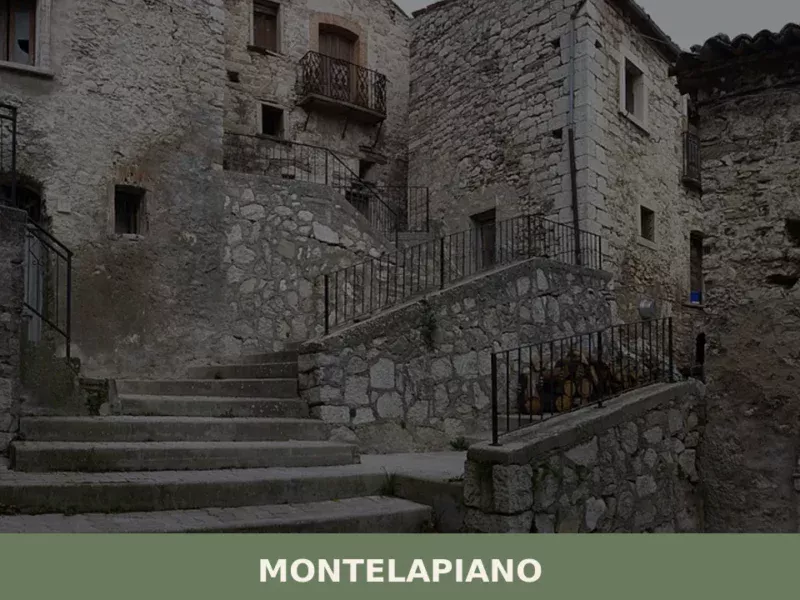
An example of a village that has faced similar historical dynamics, albeit with different outcomes, is Montelapiano, also part of the province of Chieti and a witness to a past linked to the Sangro territory.
What to see in Roio del Sangro: main attractions
The Historic Center and the Village Streets
The heart of Roio del Sangro is its historic center, a labyrinth of narrow, winding alleys that conform to the slope of the rocky spur.
The houses, built predominantly with local stone, display typical mountain architecture, with carved stone doorways and small windows opening onto unexpected views.
Walking through its streets, one perceives the history of a village that has preserved its original structure intact, with few modern interventions.
Every corner offers a different perspective on the houses leaning against each other, often connected by arches or covered passages that create an evocative atmosphere.
The Parish Church
In a village like Roio del Sangro, the parish church serves as a central reference point for the community.
The building, presumably dating back to remote eras and then renovated over the centuries, features architectural elements that reflect different styles, from Romanesque to Baroque, typical of Abruzzese churches. The facade, often sober and stone-built, contrasts with the interiors which may house sacred artworks, wooden altars, and minor frescoes.
Its position, usually dominant or at least highly visible, underscores the historical and social role of the religious institution.
The bell tower, often a tower, rises several meters above the roof, marking the time of village life.
The Belvedere on the Spur
The main characteristic of Roio del Sangro is its location on a rocky spur at 870 meters above sea level, offering a natural panoramic viewpoint of great visual impact. From this belvedere, the view extends over the Sangro river valley, the surrounding peaks of the Abruzzese Apennines, and the forests covering the slopes. On clear days, visibility can reach tens of kilometers, allowing one to distinguish the profiles of other villages and reliefs.
This observation point is accessible through the streets of the historic center, often culminating in a small square or an equipped rest area, where one can appreciate the views in complete tranquility.
The Remains of the Fortifications
The nature of the rocky spur on which Roio del Sangro stands suggests the presence of ancient defensive structures, such as walls or towers, which protected the village from external attacks.
Although specific ruins of a castle with a proper name have not been documented, it is plausible that fragments of these fortifications are still visible, integrated into the houses or rocky walls.
These remains, which may include sections of rough masonry or tower bases, offer tangible evidence of the site’s strategic function.
Their presence, even if modest, helps to understand the urban evolution of the village and its importance in the defensive context of the valley.
The Surrounding Nature Trails
The territory around Roio del Sangro, part of the Union of Mountain Municipalities of Sangro, is characterized by a natural environment that offers opportunities for hiking enthusiasts.
Numerous trails, some of which are ancient mule tracks or pastoral paths, branch out from the village towards the wooded areas and mountain pastures.
These routes allow one to explore the local flora and fauna, observing plant and animal species typical of the Abruzzese Apennines.
The trail network, which includes elevation changes varying from a few tens to hundreds of meters, is ideal for walks of varying difficulty, offering a way to discover the beauty of the landscape and breathe the pure mountain air.
For those seeking similar experiences of contact with nature and mountain history, Basciano, in the Abruzzese hinterland, also offers interesting landscapes and trails.
Typical Cuisine and Products of Roio del Sangro
The cuisine of Roio del Sangro, in the absence of specific certified products for the municipality, fits into the broader gastronomic tradition of mountainous Abruzzo, characterized by the enhancement of local produce and livestock products.
Culinary influences derive from the pastoral and peasant culture, which has shaped a repertoire of simple but robust dishes, designed to nourish and sustain the populations living in a mountain environment.
The availability of fresh, seasonal ingredients, such as lamb and mutton, cheeses, legumes, and cereals, has always guided local preparations.
Among the dishes that reflect this tradition, one can find various types of homemade fresh pasta, such as sagne a pezze or maccheroni alla chitarra, often seasoned with sauces based on lamb or castrated lamb ragu.
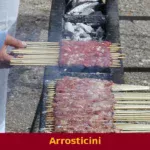
Lamb and mutton, in particular, are a pillar of local cuisine, prepared both stewed and roasted, like arrosticini, although the latter are more common in other regional areas.
There are also legume soups, such as lentils and beans, which make for a hearty single dish, ideal for colder months.
The simplicity of the ingredients is combined with cooking techniques that enhance the natural flavor of the raw materials.
As there are no documented DOP, IGP, or PAT certified products specific to Roio del Sangro, the food production of the village aligns with that of the wider mountainous Abruzzo area.
This includes locally produced sheep’s and goat’s cheeses, cured meats derived from pork processing, and mountain honey, which often benefits from the floral biodiversity of the surrounding pastures.
Such products, while not having a specific designation for Roio, constitute the culinary heritage of the region and are available from small producers or local markets, keeping artisanal traditions alive.
Opportunities to taste local flavors in Roio del Sangro are mainly linked to traditional restaurants or community social gatherings.
As there are no specific documented festivals or markets for the village, the search for typical products can extend to neighboring towns, where seasonal events or direct sales points may offer a greater variety.
The cuisine of Roio del Sangro is, therefore, an authentic expression of Abruzzese gastronomy, to be discovered through the dishes offered by the few existing dining establishments or through the hospitality of the local people.
Festivals, Events, and Traditions of Roio del Sangro
Specific information on festivals, events, and traditions of Roio del Sangro is not widely documented, which reflects the intimate and reserved character of a small mountain village.
However, it is plausible that, as in many centers of Abruzzo, community life is marked by religious festivities linked to the patron saint, whose celebration usually includes processions, sacred rites, and moments of social gathering.
These occasions are often the only times when the entire village comes alive with the participation of residents and the return of those who have moved elsewhere.
Beyond religious observances, the traditions of Roio del Sangro might be linked to the agricultural and pastoral cycle, with customs celebrating the end of the harvest or the beginning of transhumance, although no specific documented events exist.
The lack of a public events calendar does not mean the absence of traditional life, but rather that it takes place in more intimate and less publicized forms.
Visitors to the village can therefore take the opportunity to observe the daily life of a community that preserves its customs and traditions away from mass tourist circuits, perhaps participating in local celebrations if their visit coincides with them.
When to visit Roio del Sangro and how to get there
The best time to visit Roio del Sangro depends on personal preferences and the type of experience sought.
Spring and autumn offer a mild climate and a landscape rich in colors, ideal for walks and hikes along the surrounding trails.
Cool temperatures and lower tourist crowds make these months particularly suitable for those seeking tranquility and contact with nature.
Summer, with its longer and warmer days, allows for full enjoyment of outdoor activities and panoramic views, despite being the period of highest tourist presence, though for a village of this size, the flow remains limited.
Finally, winter can offer snowy landscapes and an atmosphere of profound tranquility, suitable for those who prefer silence and the beauty of snow-capped mountains.
Reaching Roio del Sangro requires the use of a car, as the village is located in an inland, mountainous area of Abruzzo.
Those arriving by car can take the A25 motorway (Rome-Pescara), exiting at the Sulmona toll booth, from which Roio del Sangro is about 60 kilometers away, with an estimated travel time of about an hour and twenty minutes.
Alternatively, for those coming from the Adriatic coast, the A14 motorway (Adriatica) can be an option, with the Val di Sangro exit, also about 50 kilometers away.
The nearest train station is Sulmona, from which it is necessary to continue by private transport or a taxi service. The reference airport is the Abruzzo International Airport in Pescara, located about 100 kilometers away, with a travel time of about an hour and forty-five minutes. It is always advisable to check public transport schedules and road conditions, especially during the winter months.
| Starting Point | Distance | Estimated Time |
|---|---|---|
| A25 Sulmona Toll Booth | 60 km | 1h 20 min |
| Sulmona Train Station | 60 km | 1h 20 min |
| Pescara Airport | 100 km | 1h 45 min |
Those visiting Roio del Sangro can extend their itinerary to other Abruzzese villages that offer significant historical and scenic views.
For example, the town of Civita d’Antino, also with ancient roots and a strategic position, shares with Roio del Sangro the atmosphere of mountain centers that have preserved their identity. Another interesting stop could be Castiglione a Casauria, known for its historic abbey, which offers a significant example of the architectural and cultural heritage of the Abruzzo region.
Frequently asked questions about Roio del Sangro
What is the best time to visit Roio del Sangro?
The best time to visit Roio del Sangro is from late spring to early autumn, roughly May to October. The mild mountain climate is ideal for exploring the historic center and engaging in hiking activities along the surrounding trails. Specifically, visiting around May 26th allows you to experience the Festa Patronale in honor of San Filippo Neri, a significant community event that brings the village to life. Autumn offers beautiful foliage, while winter provides a serene, snow-covered landscape for those seeking tranquility, though some trails might be less accessible due to snow.
What to see in Roio del Sangro? Main monuments and landmarks
In Roio del Sangro, explore the well-preserved Historic Center, a labyrinth of narrow, stone-paved alleys that reveal the village's ancient structure. Visit the Parish Church, a central reference point featuring architectural elements from various eras, and whose bell tower marks the rhythm of village life. Don't miss the Belvedere on the rocky spur at 870 meters above sea level, offering breathtaking panoramic views over the Sangro river valley and the Abruzzese Apennines. You can also seek out the subtle Remains of ancient Fortifications, which are often integrated into the village's architecture, hinting at its strategic past.
What are the main natural or scenic attractions of Roio del Sangro?
Roio del Sangro's primary natural attraction is its stunning mountain setting. Perched at 870 meters on a rocky spur, it offers expansive views of the Sangro river valley and the majestic Abruzzese Apennines. The surrounding territory, part of the Union of Mountain Municipalities of Sangro, is crisscrossed by numerous nature trails, including ancient mule tracks or pastoral paths. These routes invite visitors to explore local flora and fauna, enjoy the pure mountain air, and experience the diverse landscapes of forests and pastures through walks of varying difficulty, connecting directly with the natural environment.
Where to take the best photos in Roio del Sangro?
For the best photos in Roio del Sangro, head to the Belvedere on the rocky spur. From this vantage point at 870 meters, you can capture spectacular panoramic shots of the Sangro river valley and the surrounding Abruzzese Apennines. Additionally, the Historic Center itself offers numerous picturesque opportunities: photograph the narrow, winding stone alleys, the characteristic houses leaning against each other, and the evocative arches or covered passages that create unique perspectives and highlight the village's untouched mountain architecture. Every corner provides a different, charming view.
Are there museums, churches or historic buildings to visit in Roio del Sangro?
Yes, visitors can explore the Parish Church, a significant historic building reflecting various architectural styles from Romanesque to Baroque, central to the community's life. The entire Historic Center of Roio del Sangro functions as an open-air museum, showcasing well-preserved traditional mountain architecture with stone houses, carved doorways, and charming alleys. While no formal museums are documented, the visual history of the village, including the subtle Remains of ancient Fortifications, provides a rich cultural experience. Access to these areas is generally free during daylight hours, allowing for self-guided exploration.
What can you do in Roio del Sangro? Activities and experiences
In Roio del Sangro, you can immerse yourself in the authentic mountain lifestyle. Key activities include exploring the charming Historic Center, appreciating its well-preserved architecture, and enjoying the expansive views from the Belvedere. Hiking enthusiasts will find numerous nature trails branching out from the village, perfect for discovering the local flora, fauna, and breathtaking landscapes of the Abruzzese Apennines. Additionally, experience the local culture by seeking out traditional Abruzzese mountain cuisine and, if visiting around May 26th, participate in the Festa Patronale in honor of San Filippo Neri, a cherished community event.
Who is Roio del Sangro suitable for? Families, couples, hikers, solo travelers?
Roio del Sangro is ideal for travelers seeking tranquility, authentic mountain experiences, and a deep connection with nature and history. It's particularly suitable for hikers and nature lovers eager to explore the surrounding trails and enjoy panoramic views. Couples and solo travelers looking for a peaceful escape from bustling cities will appreciate its intimate atmosphere and well-preserved historic center. While not overtly geared towards young children with specific attractions, families who enjoy outdoor activities and cultural immersion in a quiet, traditional setting will also find it appealing, offering a genuine glimpse into Abruzzese mountain life.
What to eat in Roio del Sangro? Local products and specialties
While Roio del Sangro doesn't have specific certified products, its cuisine reflects the rich gastronomic traditions of mountainous Abruzzo. Expect robust, flavorful dishes based on local produce and livestock. Specialties include homemade fresh pasta like *sagne a pezze* or *maccheroni alla chitarra*, often served with rich lamb or castrated lamb ragu. Lamb and mutton are central to the local diet, prepared stewed or roasted. Hearty legume soups, such as lentils and beans, are also common. Look for locally produced sheep's and goat's cheeses, artisanal cured meats, and mountain honey, which showcase the authentic flavors of the region.
📷 Photo Gallery — Roio del Sangro
Getting there
Piazza Vittorio Emanuele III, 66040 Roio del Sangro (CH)
Nearby Villages near Roio del Sangro
In Abruzzo More villages to discover
Barete
Mountain
Morning light hits the limestone walls of Barete’s older houses at a low angle, turning them briefly gold before the shadow of the Gran Sasso massif reclaims the narrow lanes. A rooster calls from somewhere behind a garden wall. The air smells of woodsmoke and cold stone. This is a settlement of roughly 695 inhabitants, […]
Rocca di Cambio
Mountain
What to see in Rocca di Cambio, Italy: explore the Abbey of Santa Lucia, Campo Felice ski resort and the Sirente-Velino Park. 495 inhabitants. Discover it now.
Prata d’Ansidonia
Mountain
What to see in Prata d’Ansidonia? Discover the 5 must-see historic attractions of this village in Abruzzo. Plan your visit and immerse yourself in local history.
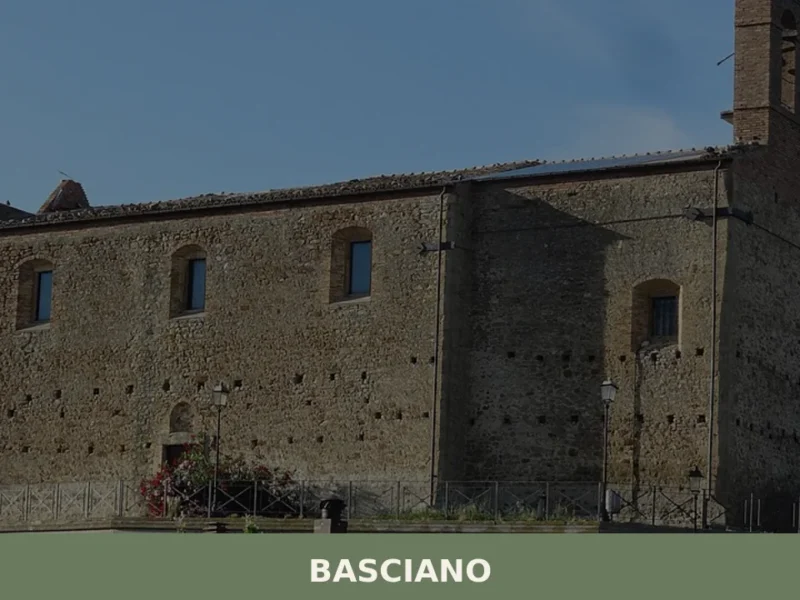
Basciano
 Hills
Hills
What to see in Basciano (Italy) at an altitude of 400m. Explore the historic church and medieval tower. Discover local traditions and festivals.
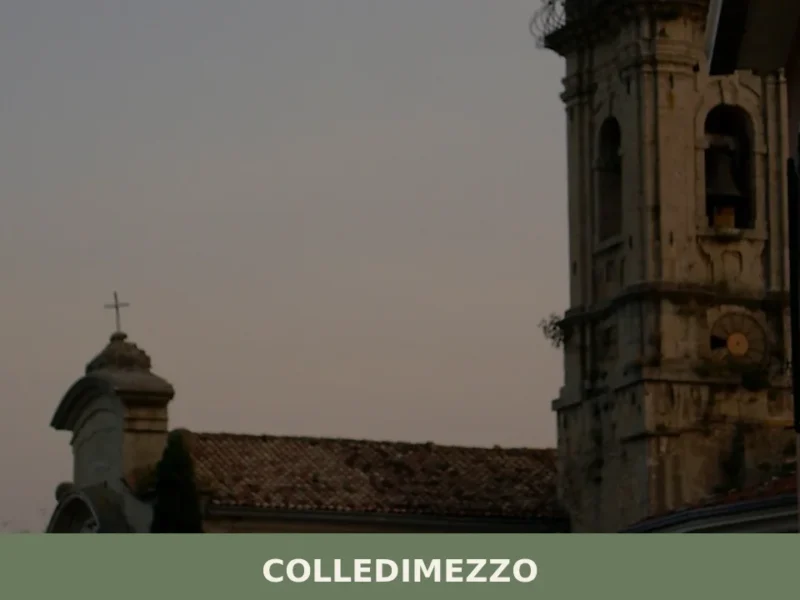
Colledimezzo
Hills
Colledimezzo has 440 inhabitants and extends along a hillside ridge at 425 metres above sea level, in the province of Chieti, overlooking the Sangro river valley and the artificial lake of Bomba. Anyone looking for what to see in Colledimezzo will find a settlement whose urban layout preserves the concentric plan of the fortified medieval […]
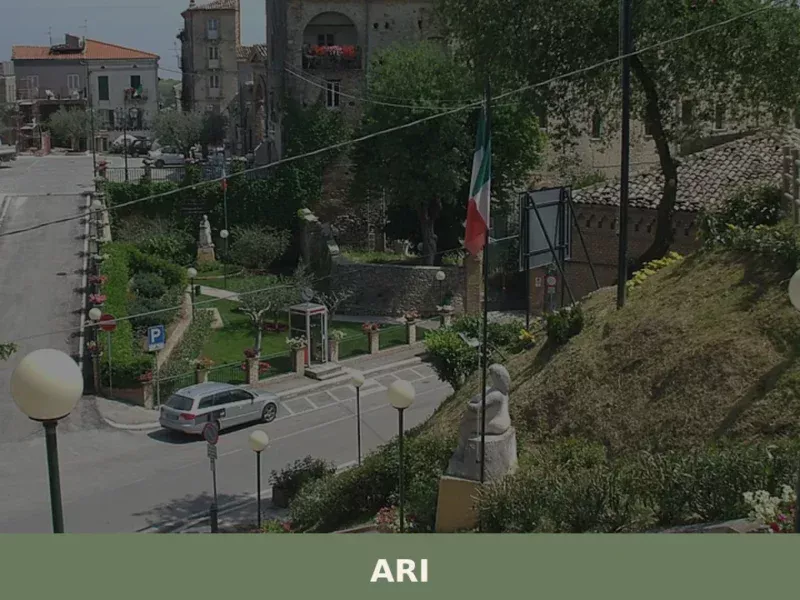
Ari
Hills
Ari has 1,071 inhabitants spread across a hilly area at 289 metres above sea level, in the strip of land that separates the Teatine coast from the first undulations of the Maiella massif. The municipality, in the province of Chieti, occupies a position that commands a view over the valley corridor of the Dendalo stream, […]
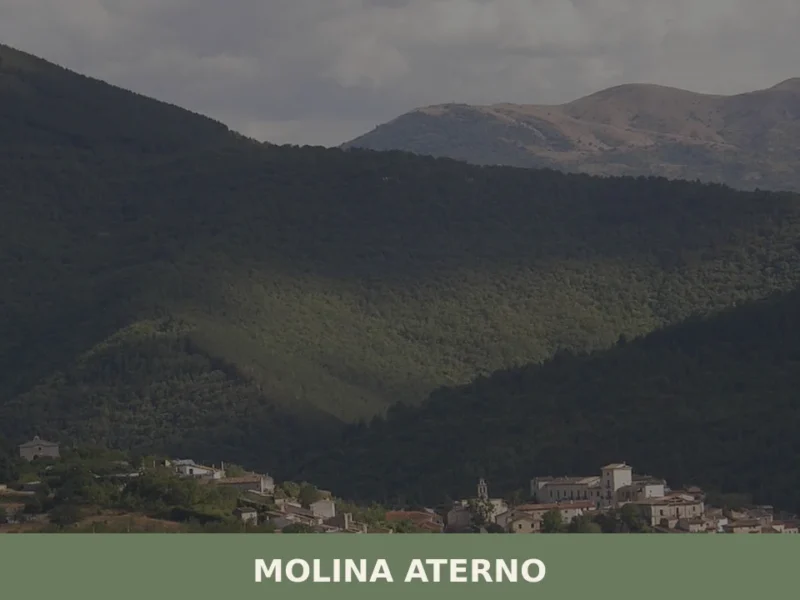
Molina Aterno
Mountain
What to see in Molina Aterno, Italy: 3 historic monuments, a 12th-century church and a baronial palace. Discover how to get there and when to visit Abruzzo.
Bussi sul Tirino
Mountain
What to see in Bussi sul Tirino, Italy: explore 5 top attractions in the Gran Sasso National Park. Discover the Castello Mediceo and local food. Complete guide.
Perano
 Plains
What to see in Perano? Discover the complete guide to the 3 unmissable attractions of this Abruzzo village. Plan your visit now!
Tortoreto
 Sea
Sea
The village of Tortoreto, located in the province of Teramo, stands at 227 meters above sea level, maintaining an observation position over the Adriatic coast. Its historical foundation is attested in Roman times with the name of Castrum Salini, a settlement that indicated its proximity to salt pans and its function of territorial control. Today, […]


🏡 Know Roio del Sangro better than we do?
If you’re a local or have been there, your knowledge matters: add what’s missing or fix a detail on this page.