


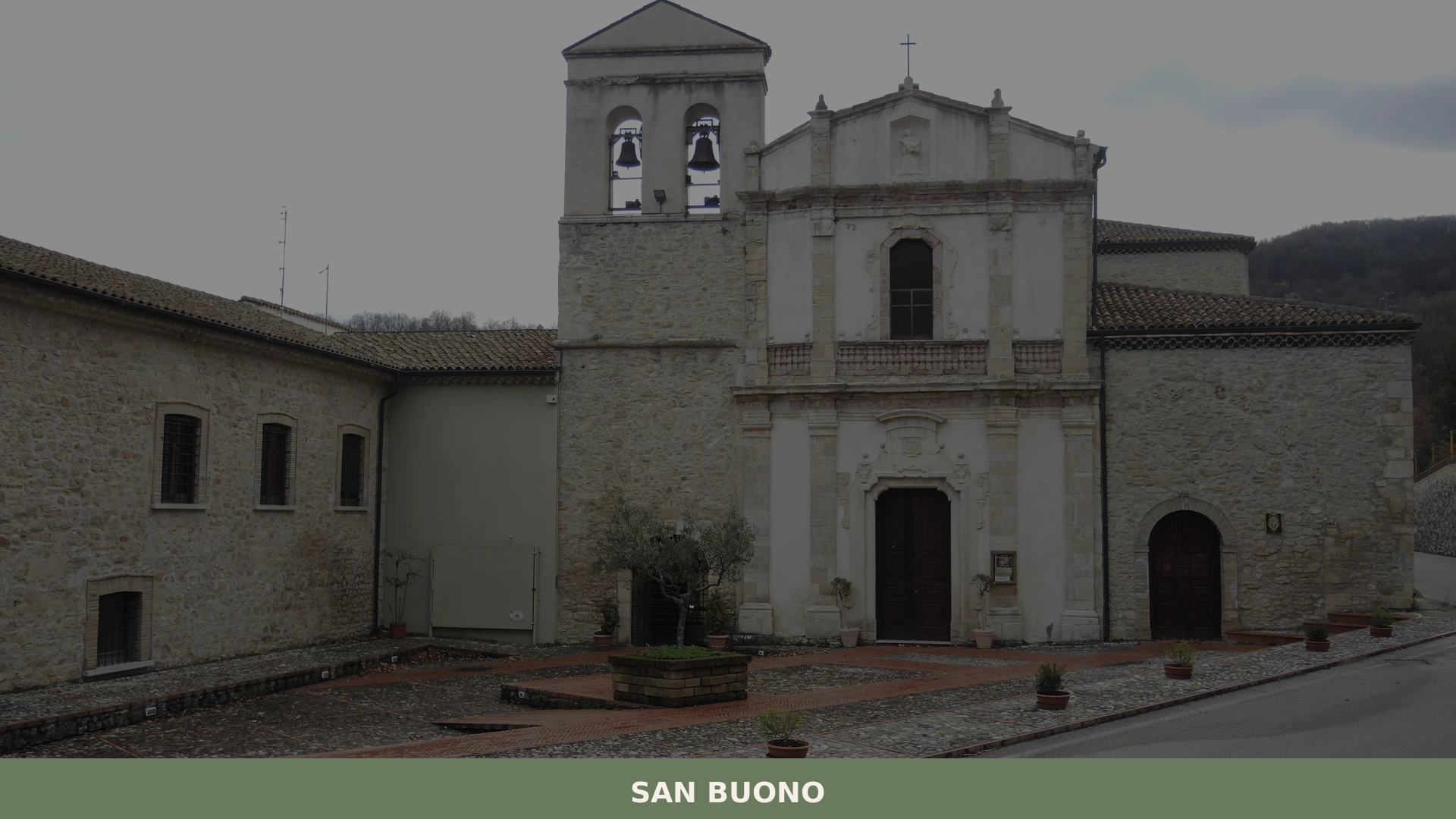
San Buono
 Hills
Hills
What to see in San Buono? Explore our complete guide to this Abruzzo village (1,010 residents), rich in history and nature. Plan your visit now!
Discover San Buono
The village of San Buono, with its 1,010 inhabitants, is located in the province of Chieti, Abruzzo, a region characterized by a landscape that alternates between mountains, hills, and coastal stretches.
Known in the Abruzzese dialect as Sant Bune or Sandə Búonə, this municipality is an example of the small communities that dot the hinterland, where life flows at a slower pace and local traditions maintain a certain resonance.
Its position in the heart of Abruzzo places it in a territorial context rich in history and nature, although specific information on its development is less documented compared to larger centers.
Those looking for what to see in San Buono will find a village that, despite not having internationally renowned attractions detailed in the available sources, offers the opportunity to immerse oneself in an authentic atmosphere.
With its 1,010 inhabitants, San Buono invites visitors to explore its urban fabric and the surrounding landscape, typical of the Abruzzese hilly areas.
Visitors can appreciate the simplicity and genuineness of a place that retains the characteristics of the region’s rural communities, offering a less conventional travel experience more connected to the discovery of everyday life. Every corner of the village can reveal unexpected glimpses, testimonies of a local history that merges with the broader history of Abruzzo.
History and origins of San Buono
The history of a village like San Buono is often intertwined with that of the Abruzzese territory, an area that has witnessed various dominations and cultures succeed one another over the centuries.
The name itself, “San Buono,” suggests an origin linked to a patron saint, a common practice in Italian toponymy that reflects the importance of faith and devotion in the foundation and development of communities.
The dialectal variants, such as Sant Bune or Sandə Búonə, highlight the local linguistic richness and cultural stratification that has shaped the village’s identity, keeping idiomatic expressions alive through generations.
This type of linguistic evolution is a distinctive feature of many settlements in central and southern Italy.
Available sources do not provide specific details on the founding date of San Buono or on particular historical events that have documented its evolution. However, it is plausible that the village, like many similar centers in Abruzzo, has ancient roots, probably dating back to the medieval period, when fortified settlements were erected on hills for defensive reasons.
These villages often developed around a central core, such as a church or a castle, and their economy was predominantly agricultural and pastoral, utilizing the resources of the surrounding territory.
The province of Chieti, where San Buono is located, has a millennial history rooted in pre-Roman times, with the presence of Marrucine and Frentane settlements, Italic peoples who left their mark on the territory.
The absence of detailed historical documentation for San Buono does not diminish its value as a testament to a certain model of life and territorial development typical of inland Abruzzo.
Many small municipalities have experienced a history shaped by daily life, agricultural cycles, strong community ties, and a slow but constant evolution, without major events that would attract the attention of larger chronicles.
Their history is often written in the stones of buildings, in oral traditions, and in the landscape itself, shaped by human intervention over the centuries.
Those wishing to delve deeper into the history of Abruzzese villages in similar contexts can explore places like Colledimezzo, another fascinating village in the same province of Chieti, or Villa Santa Lucia degli Abruzzi, which offers an example of a mountain settlement.
What to see in San Buono: main attractions
Overview of the village of San Buono
For those wondering what to see in San Buono, available sources do not list specific monuments, churches of particular artistic importance, or detailed archaeological sites that constitute main attractions. However, San Buono’s charm often lies in its nature as an authentic village, where spontaneous architecture and urban structure reflect local history and culture.
The village’s streets and small squares, while not described in detail in the sources, can offer characteristic glimpses and the opportunity to observe traditional Abruzzese buildings, often constructed with local materials such as stone.
This type of exploration allows visitors to grasp the essence of a community that has maintained a close connection with its territory and roots over time.
A relevant aspect for those visiting San Buono is the experience offered by the landscape context in which the village is situated, typical of the hills of the province of Chieti.
Although there are no specific panoramic viewpoints or nature trails documented for San Buono in the sources, the Abruzzo region is notoriously rich in green areas and paths that traverse unspoiled landscapes. The discovery of San Buono can therefore extend to informal exploration of its surroundings, where nature offers an environment of tranquility and beauty.
Visitors who appreciate walks in contact with nature and the discovery of gentle panoramas will find a valid reason for a visit in this context, even in the absence of specific documented attractions.
Daily life and interactions with the local community represent another important dimension for those wishing to understand what to see in San Buono. A village of approximately 1,010 inhabitants offers a unique opportunity to observe the rhythm of village life, the artisanal activities that still persist, or simply to enjoy the hospitality of the residents.
This type of experiential tourism, focused on immersion in local culture rather than visiting iconic monuments, is increasingly appreciated.
Despite the lack of a list of specific attractions in the sources, the authenticity of the place and its ability to offer a break from the hustle and bustle of modern life can be considered appealing elements for a certain type of traveler.
Those seeking an authentic and less structured experience will find San Buono a place to slow down and observe.
In a context like San Buono’s, religious architecture, although not detailed in the sources, also plays a central role in the life of the community. Every Abruzzese village has at least one parish church, often dedicated to the patron saint, which serves as a social and spiritual hub. These churches, while not always of great nationally recognized artistic value, often house local artworks, sacred furnishings, and traditions that recount the devotion and history of the place.
Their visit, although not described in the sources for San Buono, can offer an insight into understanding the culture and beliefs of the population. Exploring these places of worship, even if modest, can enrich the knowledge of the village’s intangible heritage.
For visitors interested in exploring the surrounding territory, the province of Chieti offers various opportunities.
Although there are no specific attractions linked to San Buono in the sources, its proximity to other Abruzzese localities can suggest broader itineraries.
Those who come to San Buono with the intention of discovering the surroundings can consider visiting other villages in the region, each with its own peculiarities and historical-cultural heritage, such as Lecce nei Marsi, which, despite being in another Abruzzese province, shares the spirit of small inland centers.
It is always advisable to consult local tourist guides or the websites of neighboring municipalities to discover more specific events and places of interest, which may vary from season to season.
Typical cuisine and products of San Buono
The available sources do not specify typical dishes or certified gastronomic products exclusively linked to San Buono.
However, its location in Abruzzo allows the local cuisine to be framed within the broader regional culinary tradition, renowned for its authenticity and for the use of genuine ingredients from the land and livestock. Abruzzese cuisine is characterized by robust flavors and recipes rooted in peasant and pastoral tradition, with a strong emphasis on homemade pasta, lamb and pork, and legumes.
In general, Abruzzese gastronomy is rich and varied, with dishes ranging from first courses like maccheroni alla chitarra, often accompanied by mixed meat ragù, to arrosticini, grilled lamb skewers, a symbol of regional sheep farming.
Cheeses, such as pecorino, and typical cured meats, like ventricina and liver sausage, are also fundamental elements of the Abruzzese table.
Although they cannot be specifically attributed to San Buono without direct sources, it is reasonable to assume that similar preparations, which constitute the shared gastronomic heritage of the region, are also consumed and appreciated in this village.
Regarding certified products, the database does not indicate any specific DOP, IGP, PAT, DOC, or DOCG certification for the San Buono area.
This does not exclude the presence of small local productions of excellence, such as olive oil, wine, or honey, which often characterize Abruzzese villages but do not always reach official certification circuits. The discovery of these artisanal products, if they exist, often occurs through direct contact with local producers or by visiting small village markets, where quality is guaranteed by the tradition and passion of farmers and artisans.
The culinary experience in San Buono, therefore, is linked to the discovery of authentic flavors and the promotion of short supply chains.
Festivals, events, and traditions of San Buono
Information on the specific festivals, events, and traditions of San Buono is not detailed in the provided sources.
Many Abruzzese villages, however, keep alive a rich tradition of religious and popular celebrations that mark the annual calendar. These include patron saint festivals, often dedicated to a patron saint and characterized by processions, musical bands, and sometimes fireworks.
Such events represent moments of strong community gathering, where the cultural and spiritual identity of the place is manifested, involving both inhabitants and visitors.
In addition to religious observances, Abruzzo municipalities are often the scene of food festivals, agricultural product fairs, and cultural events that celebrate the peculiarities of the territory and its traditions.
These events, although not documented for San Buono in the sources, are opportunities to savor local products, watch folkloric shows, and participate in ancient rites passed down from generation to generation. For those wishing to discover the traditions of San Buono, the advice is to inquire with the local municipality or tourist information points at the time of visit, as minor celebrations and cultural initiatives are often communicated locally and can vary from year to year.
When to visit San Buono and how to get there
The choice of the best time to visit San Buono, as with many villages in the Abruzzo hinterland, depends on personal preferences and the type of experience sought. Abruzzo has a varied climate, with hot, dry summers and cold winters, sometimes with snowfall.
Spring and autumn are generally considered the ideal seasons, thanks to mild temperatures and the beauty of the landscapes, which are colored by blooms or the warm hues of foliage.
During these periods, the climatic conditions are favorable for exploring the village and its surroundings without the excessive summer heat or winter harshness, offering a more tranquil and contemplative atmosphere.
To reach San Buono, located in the province of Chieti, it is necessary to consider regional transport options, as sources do not provide detailed information on specific motorway exits, train stations, or airports with relative distances and travel times.
Generally, Abruzzo is served by the A14 (Adriatica) motorway along the coast and by the A24/A25 motorways connecting Rome with Pescara. Those arriving by car will probably need to exit the motorway at a tollbooth in the province of Chieti and continue on provincial roads, following signs for the village. The nearest train station might be along the Adriatic line, while the reference airport is Abruzzo Airport in Pescara.
It is advisable to consult updated maps and public or private transport websites to plan your trip and check the most convenient schedules and routes.
| Starting point | Distance | Estimated time |
|---|---|---|
| Pescara | ~ 90 km | ~ 1 hour and 20 min |
| Chieti | ~ 60 km | ~ 1 hour |
| Rome | ~ 240 km | ~ 2 hours and 40 min |
Those visiting San Buono and wishing to extend their itinerary can consider exploring other villages in Abruzzo, which offer similar contexts and the opportunity to discover further facets of the region.
Among these, Capitignano, although located in a different area of Abruzzo, offers a travel experience focused on tranquility and the discovery of authentic communities, far from the most crowded tourist circuits. Exploring these smaller centers allows one to appreciate the diversity and richness of Abruzzo’s heritage, made up of landscapes, traditions, and architectures that tell centuries-old stories.
Frequently asked questions about San Buono
What is the best time to visit San Buono?
The best time to visit San Buono is undoubtedly in August, specifically on the 10th and 11th, when the village celebrates its patron saint, San Buono Martire, with traditional festivities. This period offers a vibrant glimpse into local culture and community life. For those seeking tranquility and pleasant weather for exploring the hilly landscape, spring (April-June) and early autumn (September-October) are ideal, offering mild temperatures perfect for walks and experiencing the authentic, slower pace of village life without the summer crowds. The altitude of 470m ensures a comfortable climate.
What to see in San Buono? Main monuments and landmarks
While San Buono does not feature internationally renowned monuments or archaeological sites detailed in available sources, its main attraction lies in its authentic village character. Visitors can explore its charming streets and small squares, appreciating the spontaneous architecture and traditional Abruzzese stone buildings that reflect local history. The village's parish church, central to community life and likely dedicated to its patron saint, San Buono Martire, offers insight into the local devotion and heritage, even if specific artistic details are not documented. The overall experience is one of immersion in genuine village life.
What can you do in San Buono? Activities and experiences
In San Buono, activities revolve around experiencing authentic village life at a slower pace. Visitors can immerse themselves in the local culture by exploring the urban fabric, observing daily routines, and interacting with residents. The surrounding hilly landscape offers opportunities for informal walks and appreciating the tranquility of nature. A highlight is attending the traditional Festa Patronale on August 10th and 11th, celebrating San Buono Martire, which provides a vibrant cultural experience. This experiential tourism focuses on genuineness and a break from modern hustle, rather than specific structured attractions.
Who is San Buono suitable for? Families, couples, hikers, solo travelers?
San Buono is ideally suited for travelers seeking an authentic and less conventional experience, away from mass tourism. It appeals to those who appreciate a slower pace of life, cultural immersion, and genuine interactions with local communities. Couples and solo travelers looking for tranquility, the beauty of a hilly landscape, and the charm of traditional Abruzzese villages will find it particularly appealing. While not offering specific structured activities for families, its peaceful environment can be enjoyed by those desiring a relaxing retreat and an appreciation for rural genuineness.
Nearby Villages near San Buono
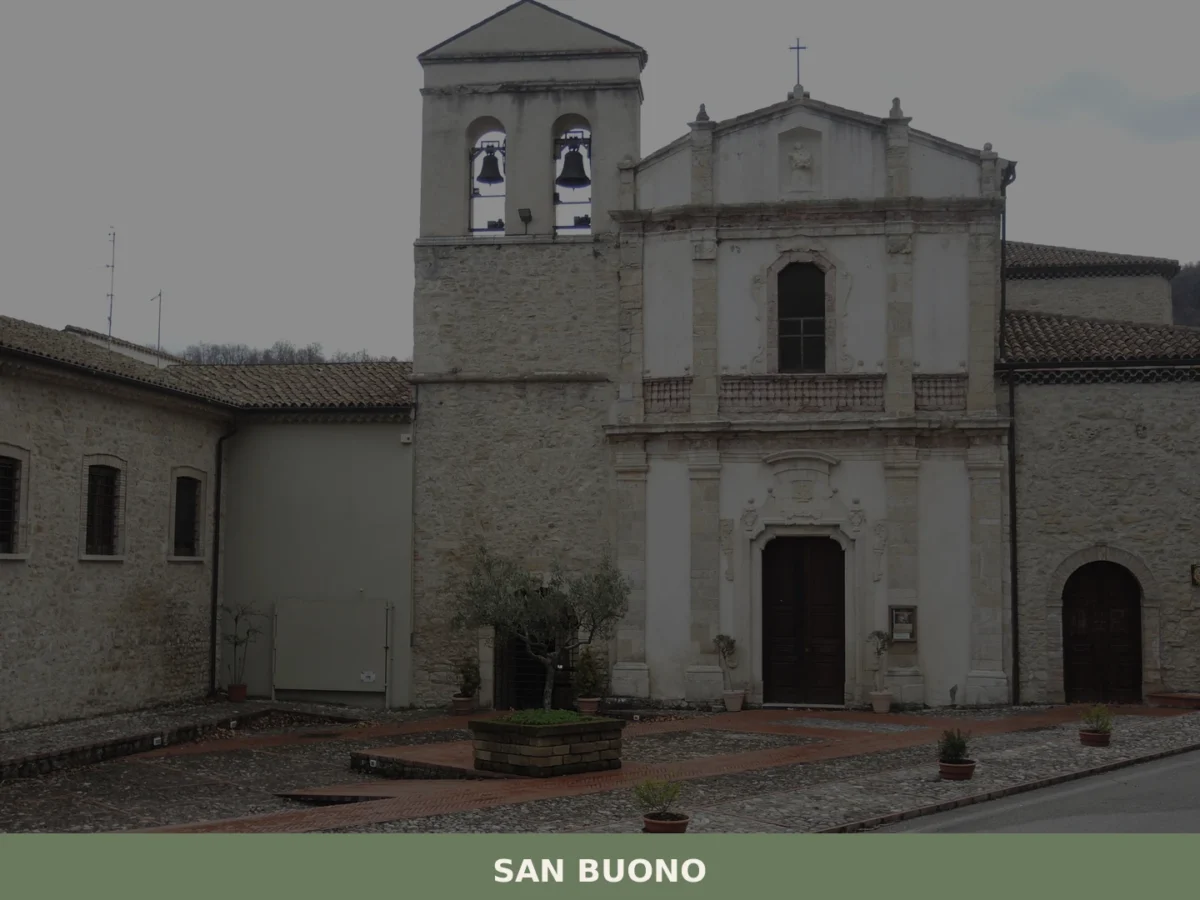
In Abruzzo More villages to discover
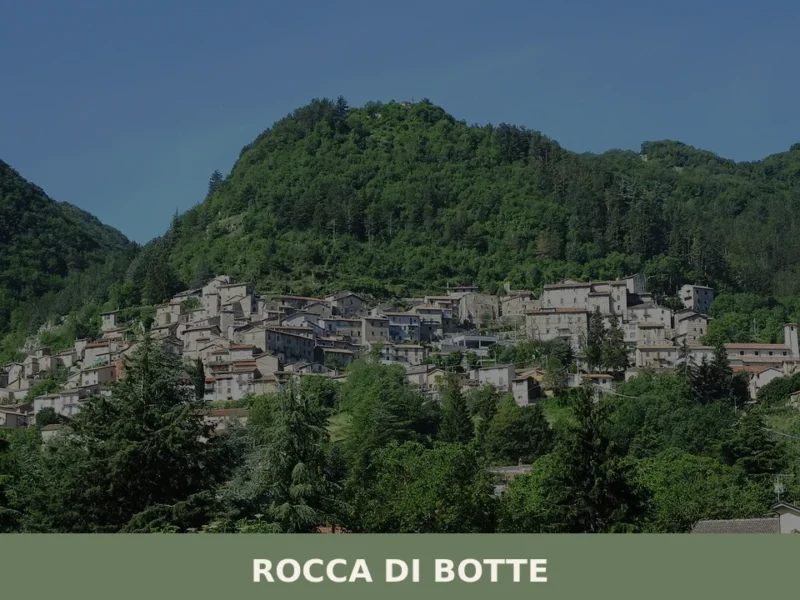
Rocca di Botte
 Mountain
What to see in Rocca di Botte, Abruzzo, Italy: explore 5 top attractions, medieval history dating to the 12th century, and local food traditions. Discover it now.
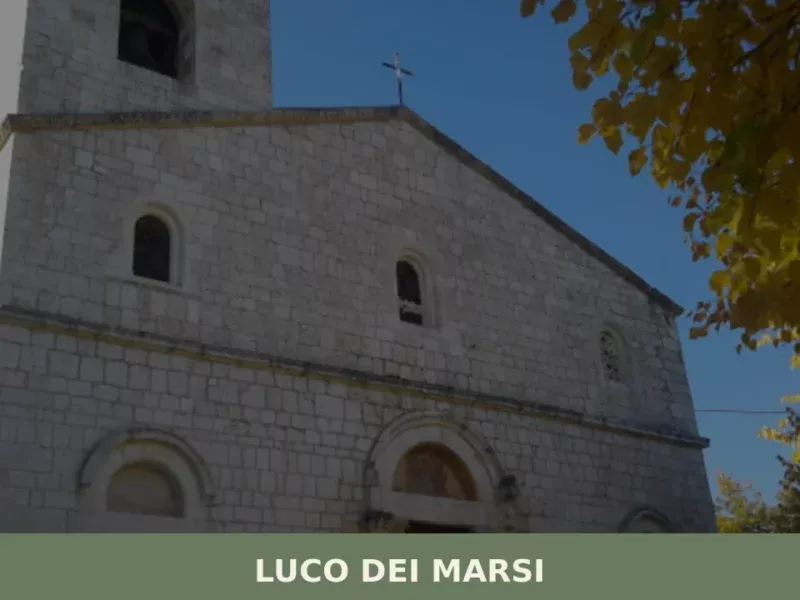
Luco dei Marsi
Mountain
At 680 metres above sea level, on the eastern edge of what until 1875 was the surface of Lake Fucino — the largest lake in peninsular Italy, drained by Prince Alessandro Torlonia — stands Luco dei Marsi, a municipality of 5,857 inhabitants in the province of L’Aquila. The plain that today stretches as far as […]
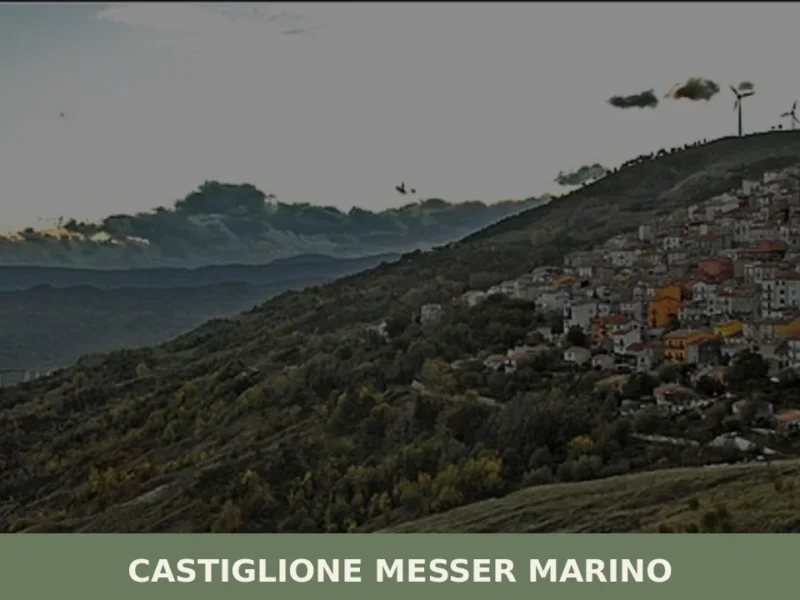
Castiglione Messer Marino
Mountain
At 1,081 metres above sea level, on the ridge separating the Trigno valley from the Sinello valley, Castiglione Messer Marino has a current population of 1,518 and retains an urban layout that clearly reveals its fortified origins. The village’s very name documents a direct link to the D’Aquino family, feudal lords who controlled its fate […]
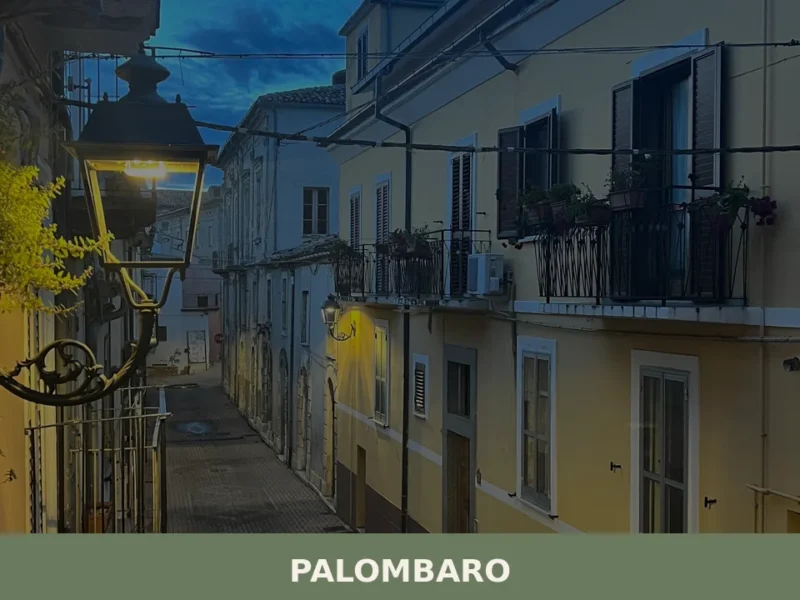
Palombaro
Hills
What to see in Palombaro: 5 attractions in this village at 536 m above sea level in the province of Chieti. Discover the historic centre, the medieval tower and the Madonna della Libera festival.
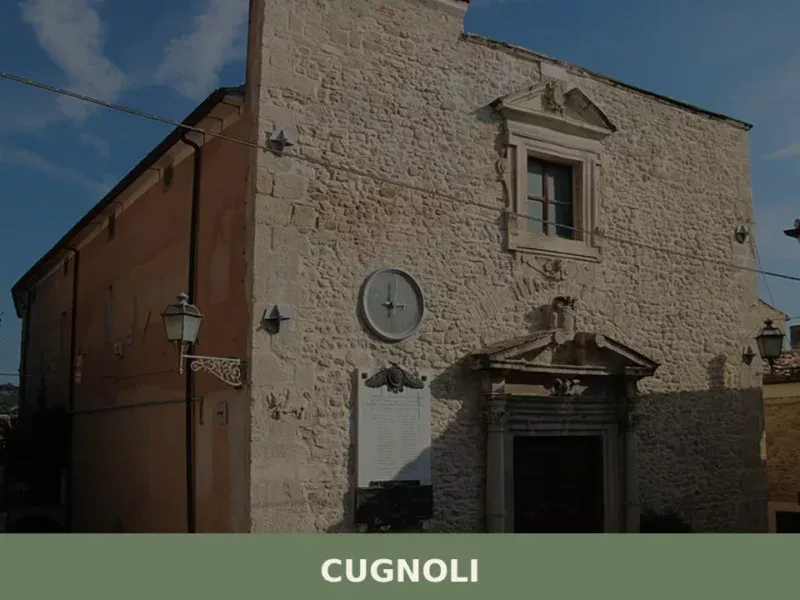
Cugnoli
Hills
At 331 meters above sea level, in the heart of the province of Pescara, lies Cugnoli, a settlement of 1,336 residents known for its hilly location. The village, whose history dates back to Roman times, as suggested by the etymology of its name (probably from Cunula, meaning small cradle or basin), offers a direct experience […]
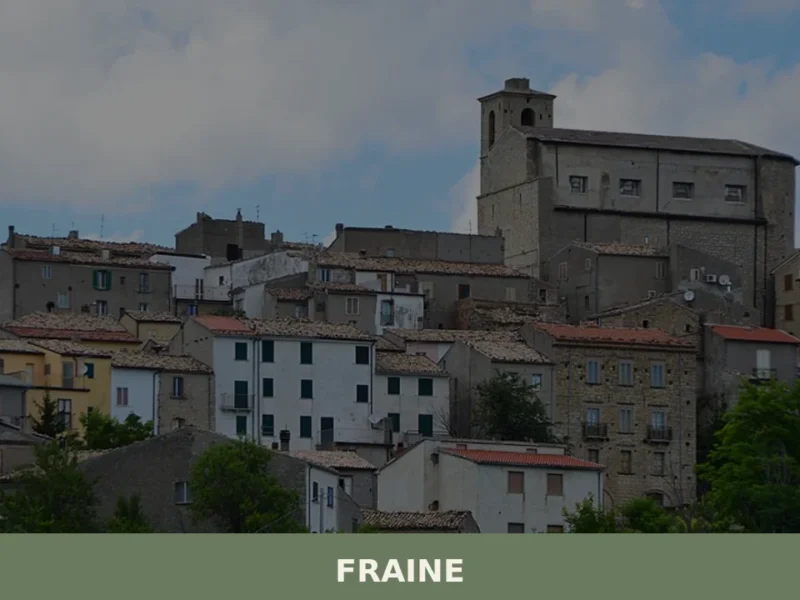
Fraine
Mountain
At 751 meters above sea level, in the Chieti area, lies Fraine, a municipality with a population of 261 inhabitants. This village, whose history dates back to the 10th-11th century, serves as an observation point over the Alto Vastese territory. For those wondering what to see in fraine, the town offers a journey through the […]

Capistrello
Mountain
In 1902, a flood of the River Liri devastated the town and forced its inhabitants to rebuild entire neighbourhoods in the upper part of the settlement: that wound redrew the map of Capistrello, a village of 5,309 residents in the Marsica area, standing at 734 metres above sea level in the province of L’Aquila. Anyone […]
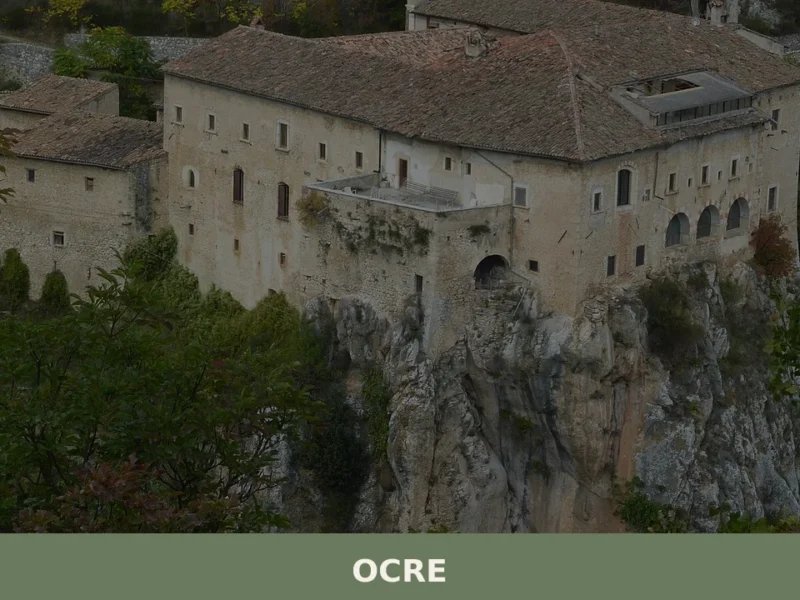
Ocre
Mountain
What to see in Ocre, Italy: discover historical landmarks and local festivals in this Abruzzo village of 1,133 inhabitants. Explore the castle ruins and traditional events.
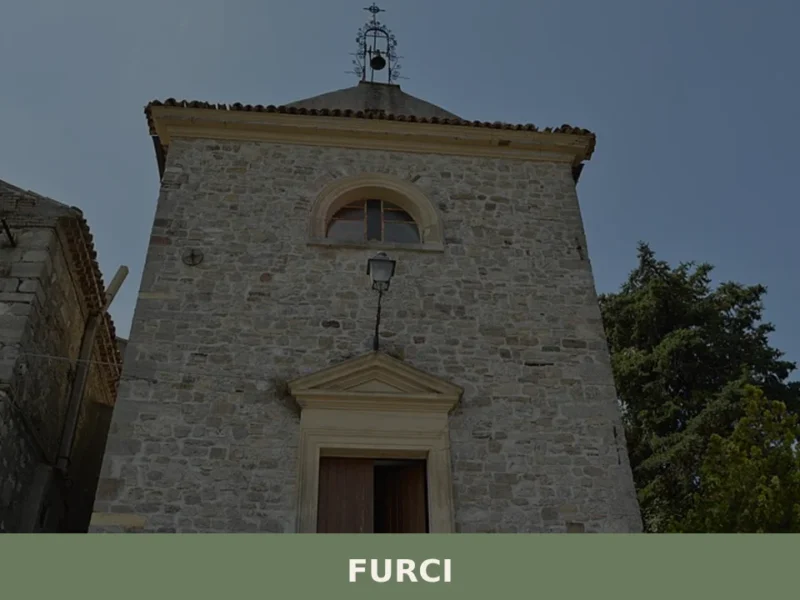
Furci
Hills
Furci has 806 inhabitants and sits at 550 metres above sea level, along the hill ridge that separates the Sinello valley from the Treste stream valley, in the southern part of the province of Chieti. Anyone looking into what to see in Furci will find a compact urban centre, organised around the main church and […]
Canosa Sannita
Hills
At 231 metres above sea level, on the plain that opens between the Maiella massif and the Teatine coast, Canosa Sannita is home to 1,268 inhabitants spread across an agricultural landscape where the cultivation of vines and olive trees marks the rhythm of the seasons. The village’s very name carries a precise indication: a reference […]






🏡 Know San Buono better than we do?
If you’re a local or have been there, your knowledge matters: add what’s missing or fix a detail on this page.