


Roccamorice
 Mountain
What to see in Roccamorice, Italy: discover rock-cut hermitages, the Majella National Park, and unique river-carved landscapes. Explore Abruzzo.
Discover Roccamorice
The distinctive shape of Roccamorice, a town in the province of Pescara, Abruzzo, central Italy, bears the indelible mark of natural forces.
Its unique topography was carved by the now-dried Lavino and Lanello rivers, whose ancient courses sculpted the landscape over centuries.
This geological feature defines the village’s immediate surroundings and offers a unique visual identity to the area.
For those wondering what to see in Roccamorice, the village itself presents a compelling starting point, defined by its geological history. Visitors can appreciate the unique contours left by the dried rivers and explore the immediate area, which serves as a gateway to the broader natural wonders of Abruzzo.
The town’s location provides access to significant historical and natural sites in the region.
History of Roccamorice
The historical narrative of Roccamorice is intrinsically linked to its geographical setting, characterized by the pronounced imprints of the Lavino and Lanello rivers. These watercourses, which have long since dried up, played a fundamental role in shaping the terrain around the settlement. The distinctive landforms created by their ancient flows likely influenced early human habitation and the eventual development of the community in this particular spot.
While specific founding dates or early historical figures for Roccamorice are not detailed in the provided sources, the presence of structures like the Hermitage of San Bartolomeo in Legio and the Hermitage of Santo Spirito a Majella in its vicinity suggests a long-standing human presence in the broader area.
These hermitages, often dating back many centuries, indicate the spiritual and perhaps strategic importance of the Majella region over time.
The village’s evolution would have been influenced by its relationship with these significant sites and the natural resources of the surrounding landscape.
The ongoing existence of Roccamorice as a comune, or municipality, within the province of Pescara, Abruzzo, affirms its continued role as a local administrative and community center in central Italy. Its history, though not extensively documented in the available information, is therefore understood through its enduring connection to the unique geological features that define its boundaries and the notable natural and spiritual landmarks in its immediate environment.
What to see in Roccamorice, Abruzzo: top attractions
Roccamorice Village and its River Imprints
The village of Roccamorice offers a striking landscape sculpted by geological processes.
Its most defining characteristic is the distinctive shape created by the ancient courses of the Lavino and Lanello rivers, both of which are now dry. Observing these natural imprints provides insight into the powerful forces that shaped the terrain long before human settlement.
This unique topography offers a visual record of the area’s geological past, distinct from many other settlements.
Monte Morrone
Rising prominently in the Abruzzo Apennines, Monte Morrone is a significant natural landmark associated with Roccamorice. While the exact elevation is not provided in the source, its mention as a notable feature indicates its considerable height and presence in the local landscape. Visitors can appreciate the mountain’s imposing form and its role in the broader Majella massif. The area around Monte Morrone offers opportunities to experience the rugged natural environment of central Italy.
Hermitage of San Bartolomeo in Legio
The Hermitage of San Bartolomeo in Legio is a historical site of considerable interest near Roccamorice.
This hermitage, mentioned in relation to the village, represents a type of spiritual retreat often found in the secluded areas of Abruzzo. Its historical significance is implied by its enduring presence, suggesting it has been a place of contemplation and pilgrimage for many centuries.
Visitors can typically reach such hermitages via natural paths, experiencing a blend of history and natural beauty.
Hermitage of Santo Spirito a Majella
Another important spiritual site in the vicinity of Roccamorice is the Hermitage of Santo Spirito a Majella. Like San Bartolomeo, this hermitage points to the deep historical and religious connections of the region. Its location within the Majella area suggests a tradition of monastic life that spans many centuries. Exploring the area around this hermitage allows visitors to connect with a long-standing cultural heritage set against a dramatic natural backdrop, characteristic of the Abruzzo region.
Local food and typical products of Roccamorice
The provided sources do not detail the specific local gastronomic traditions or culinary influences of Roccamorice.
Therefore, information regarding historical-geographical context, documented culinary influences, or specific traditional dishes is not available.
Visitors interested in local food culture in Abruzzo generally find a cuisine deeply rooted in its mountainous and pastoral traditions, often featuring robust flavors and simple, high-quality ingredients.
Without specific information from the provided extract, it is not possible to describe typical dishes with real ingredients and traditional techniques for Roccamorice. Abruzzese cuisine broadly features pasta dishes, often handmade, lamb and sheep meat preparations, and various cheeses. However, any specific dishes for Roccamorice cannot be confirmed from the available data.
The sources also do not list any certified products (such as DOP, IGP, or DOC) specifically associated with Roccamorice or its immediate surrounding municipalities.
Consequently, no information regarding protected designations of origin or typical product certifications can be provided for this village.
Details about food fairs, local markets, or specific places to purchase local products in Roccamorice are not available in the provided materials.
Visitors seeking such experiences would typically look for information on regional markets or seasonal festivals in Abruzzo, which often showcase local produce and traditional crafts. However, no specific events for Roccamorice are confirmed here.
Festivals, events and traditions of Roccamorice
Information regarding specific festivals, events, or traditions unique to Roccamorice, such as patron saint festivals with exact dates, processions, rituals, or local music, is not provided in the available sources. Consequently, a detailed account of the cultural calendar of the village cannot be offered.
Many Italian villages celebrate their patron saints with annual festivities, but the specifics for Roccamorice remain undetailed.
Furthermore, documented food fairs with specific months or other verified traditional practices in Roccamorice are not mentioned in the provided extract.
While many communities in Abruzzo have rich cultural traditions and seasonal events, precise information for Roccamorice is not available to confirm any such occurrences. Visitors are encouraged to consult local tourism resources upon arrival for current event listings.
When to visit Roccamorice, Italy and how to get there
The best time to visit Roccamorice, Italy, largely depends on the activities planned, though specific climate data or event schedules are not provided. Given its location in Abruzzo, a region known for its mountainous terrain, the spring and autumn months typically offer pleasant temperatures for exploring the natural landscape and historical sites like the hermitages.
Summers can be warm, suitable for outdoor activities, while winters bring colder temperatures and potential snow, especially at higher elevations like Monte Morrone.
Information regarding specific motorways, exits, nearest train stations, or airports with distances and travel times for Roccamorice is not detailed in the provided sources.
For those planning a day trip from a nearest major city, it is advisable to consult up-to-date travel information from regional transport providers or mapping services. Generally, traveling to smaller villages in central Italy often involves a combination of regional train services to larger towns and then local bus connections or private car hire. Visitors should note that public transport options might be limited in more secluded areas.
For international visitors, it is practical to carry some Euros cash, as smaller shops and establishments in less-trafficked villages may have limited card payment options. English may also be less commonly spoken in these smaller communities, so a basic understanding of Italian phrases or a translation app can be beneficial for day-to-day interactions.
Planning travel in advance, especially regarding local transport, is recommended.
Where to stay near Roccamorice
The provided sources do not offer specific verifiable data on accommodation types such as agriturismi, bed and breakfasts, village hotels, or holiday rentals in or immediately near Roccamorice.
Therefore, no specific recommendations or details about lodging options can be provided. Travelers planning to stay in the area would typically research general accommodation availability in the broader Abruzzo region, which often includes farm stays and guesthouses in surrounding towns.
Frequently asked questions about Roccamorice
What is the best time to visit Roccamorice?
Spring (April–June) and early autumn (September–October) are ideal for visiting Roccamorice, when temperatures are mild and the Majella landscape is at its most scenic. Summer is pleasant for hiking around Monte Morrone and visiting the hermitages. If you plan your visit around the patron saint feast, mark 7 August in your calendar — the village celebrates Sant'Donato d'Arezzo with traditional festivities. Winter brings cold temperatures and snow at higher elevations, best suited for those seeking mountain solitude rather than sightseeing.
What to see in Roccamorice? Main monuments and landmarks
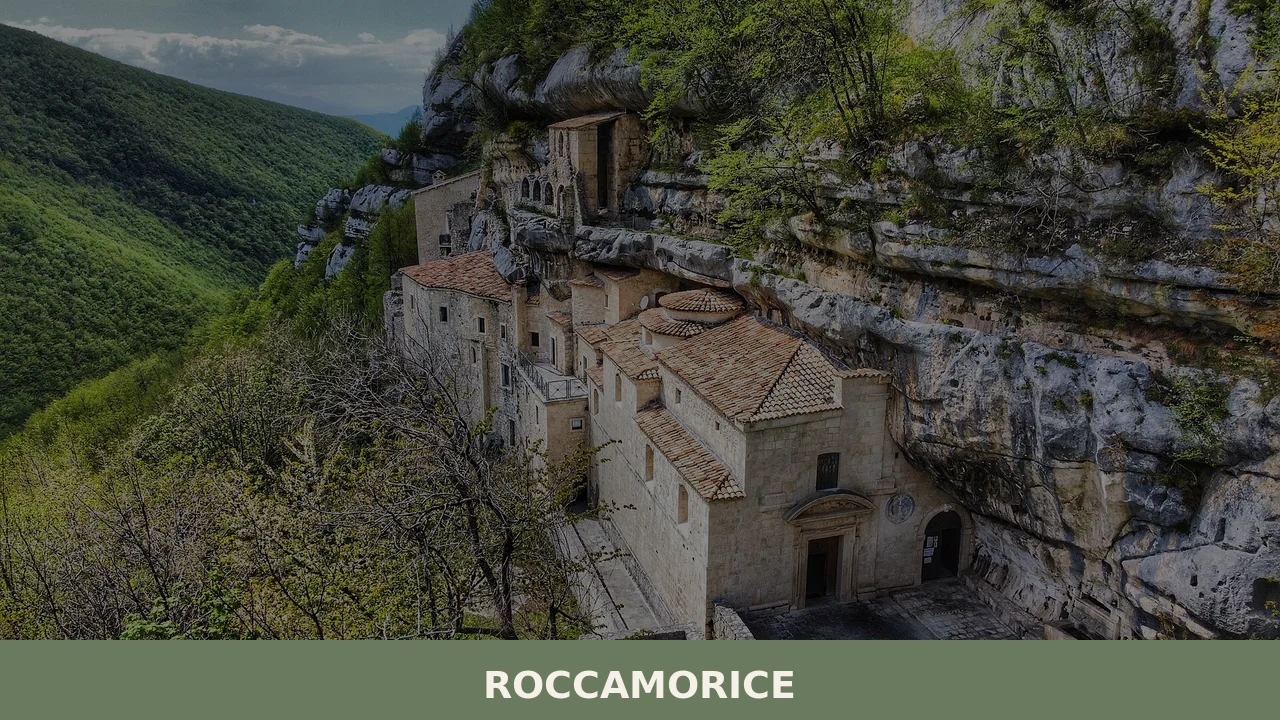
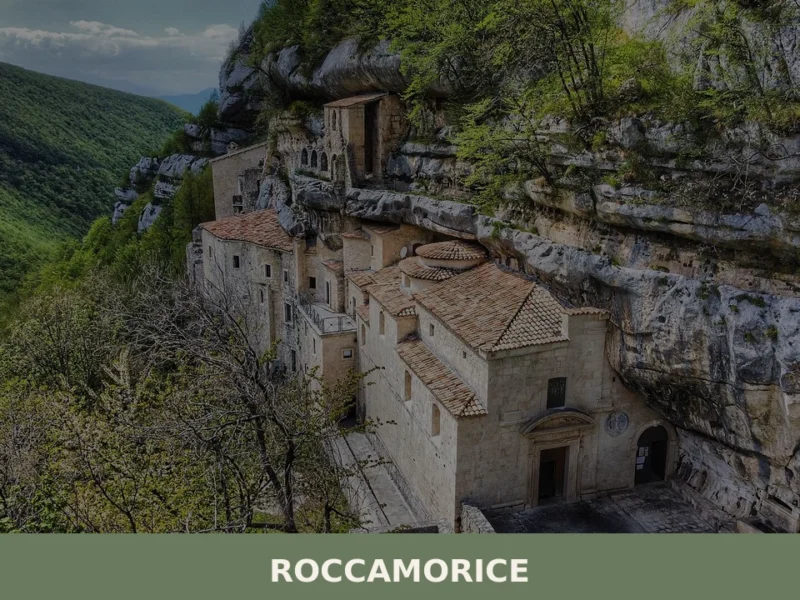
The top attractions near Roccamorice are two remarkable medieval hermitages carved into the rock of the Majella massif. The Hermitage of San Bartolomeo in Legio, dramatically set within a cliff face, is one of the most iconic spiritual sites in Abruzzo and can be reached via a scenic mountain path. The Hermitage of Santo Spirito a Majella is another historic monastic retreat of great cultural significance. Within the village itself, the distinctive landscape sculpted by the ancient Lavino and Lanello riverbeds offers a visually unique setting worth exploring on foot.
What are the main natural or scenic attractions of Roccamorice?
Roccamorice sits at the foot of Monte Morrone, part of the Majella massif, one of the most significant mountain ranges in Abruzzo. The area falls within or borders the Majella National Park, offering trails through wild terrain, deep gorges, and diverse flora and fauna. The ancient dried riverbeds of the Lavino and Lanello rivers create a unique geological landscape around the village. This is outstanding territory for hiking, nature walks, and experiencing the rugged character of the Abruzzo Apennines.
Where to take the best photos in Roccamorice?
The Hermitage of San Bartolomeo in Legio, dramatically embedded in the cliff face of the Majella, is one of the most photogenic subjects in all of Abruzzo — the contrast between the ancient stone chapel and the sheer rock wall is striking. The approach trail also offers sweeping views over the surrounding valleys. The geological imprints left by the Lavino and Lanello riverbeds around the village itself provide an unusual and evocative landscape composition, especially in the soft light of early morning or late afternoon.
Who is Roccamorice suitable for? Families, couples, hikers, solo travelers?
Roccamorice is particularly well suited to hikers, nature lovers, and visitors with a passion for spiritual heritage and medieval history. The hermitages of San Bartolomeo in Legio and Santo Spirito a Majella attract those interested in religious art and monastic culture. The Majella mountain environment makes it appealing to trekkers and outdoor enthusiasts. Couples seeking a quiet, off-the-beaten-path escape in authentic Abruzzo will find the atmosphere peaceful and evocative. It is less suited to visitors looking for beaches, nightlife, or large-scale tourist infrastructure.
📷 Photo Gallery — Roccamorice
Nearby Villages near Roccamorice

In Abruzzo More villages to discover
Alfedena
Mountain
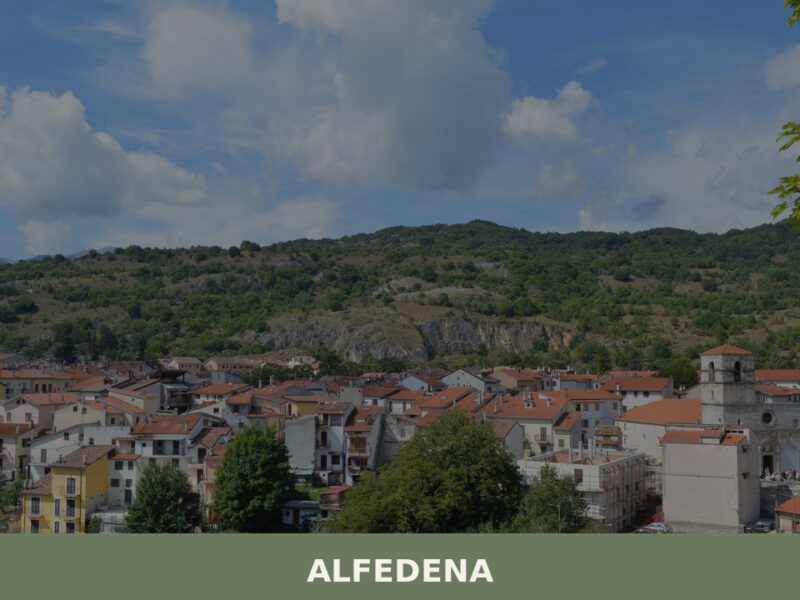
Morning light falls across a line of limestone rooftops, turning them the colour of raw honey. A church bell marks the hour — its sound rolls downhill, across empty streets still cool from the night, and fades into the forested slopes of the upper Sangro valley. Alfedena sits at roughly 914 metres above sea level […]
Magliano de’ Marsi
Mountain
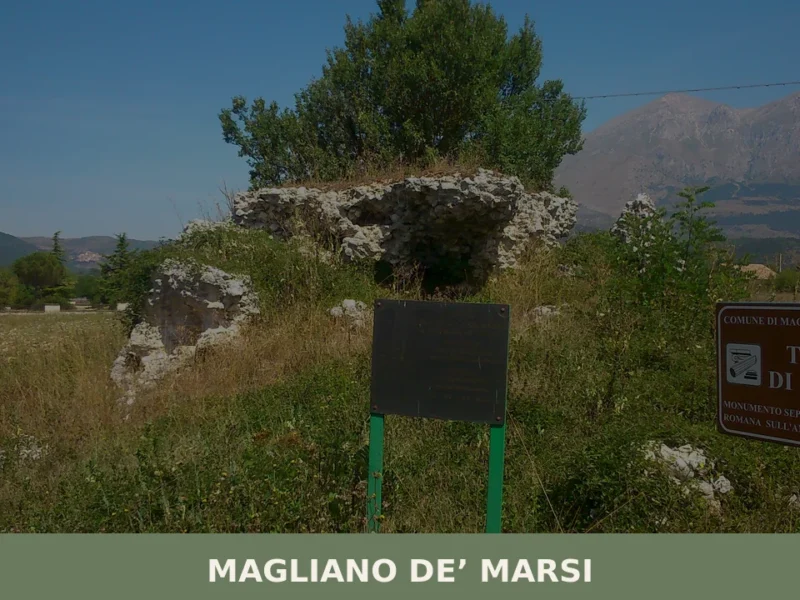
Magliano de’ Marsi has 3,739 inhabitants and extends along the western slope of the Fucino Plain, in the province of L’Aquila, at an altitude of approximately 720 metres. The town lies along the route that once connected Rome to the Adriatic coast through the Marsica basin, and its urban layout still bears the marks of […]
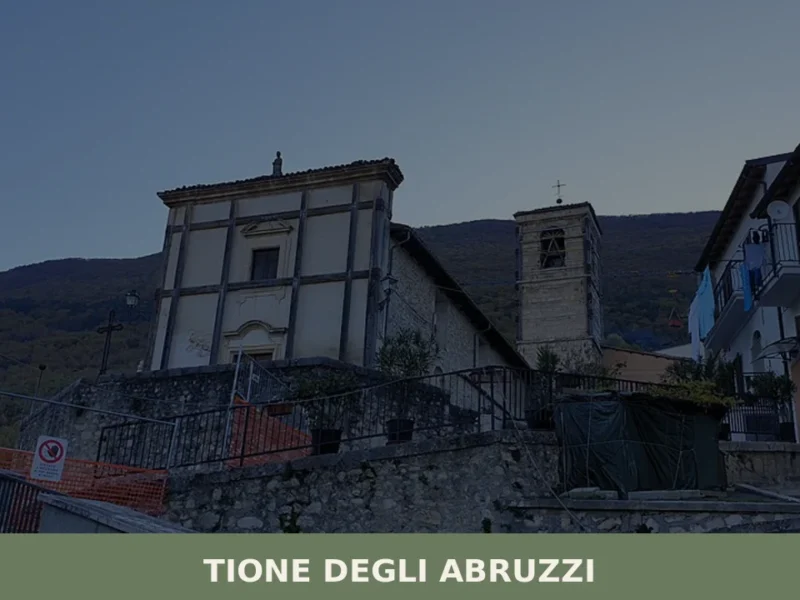
Tione degli Abruzzi
Mountain
What to see in Tione degli Abruzzi, Italy includes its 322 inhabitants and railway connection. Discover the village and its Abruzzese culture. Explore this L'Aquila comune.
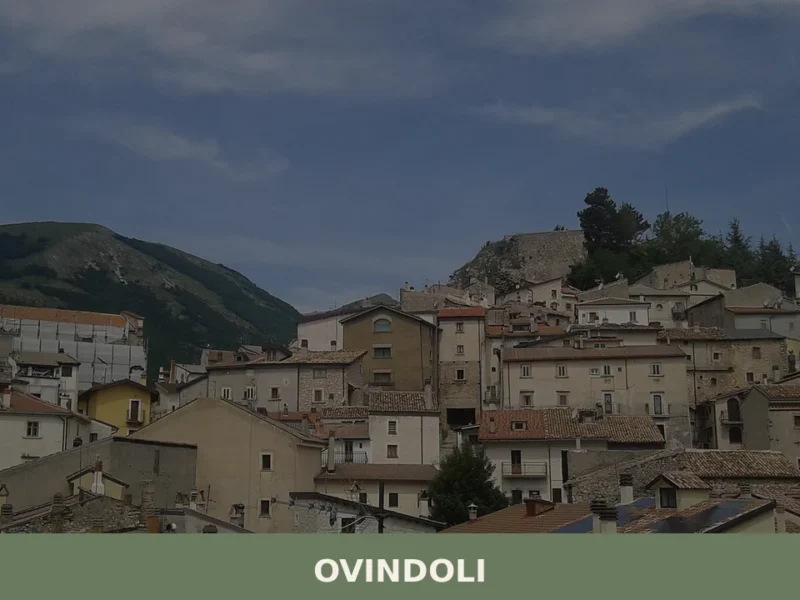
Ovindoli
Mountain
What to see in Ovindoli, Italy: ski slopes on Monte Magnola, hiking in Sirente-Velino park, 1,203 inhabitants. Discover top attractions and how to get there.

Casalbordino
 Hills
Hills
 Sea
Sea
What to see in Casalbordino, Italy: a sanctuary dating to 1576, 7.5 km of sand beach, and a nature reserve. Discover top attractions and travel tips.
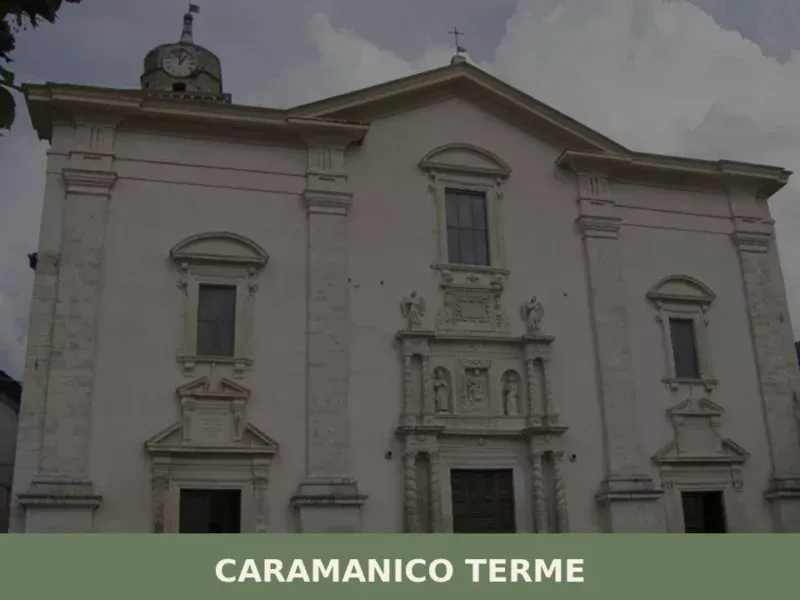
Caramanico Terme
Mountain
The sulphurous waters of Caramanico have been documented since the 16th century, when the earliest medical treatises recorded their therapeutic properties. Today the village has 1,779 inhabitants and sits at 600 metres above sea level in the Orfento valley, a canyon carved into the eastern side of the Majella massif, in the province of Pescara. […]
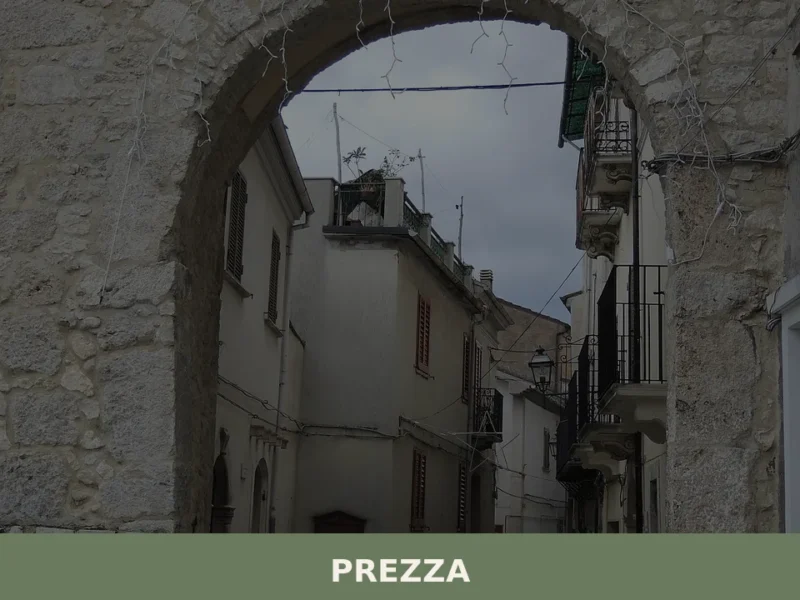
Prezza
Mountain
What to see in Prezza, Italy: explore a medieval hilltop comune at 480 m, the Praesidium Winery, and the Church of Santa Lucia. Discover Abruzzo's Valle Peligna.
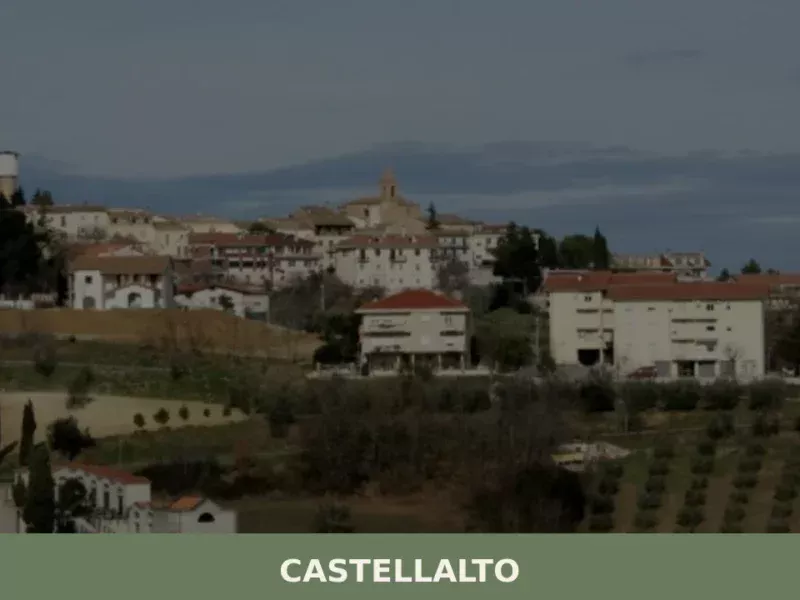
Castellalto
Sea
Scopri cosa vedere a Castellalto: borghi medievali, panorami mozzafiato e tesori nascosti dell'Abruzzo. La guida completa alle 5 tappe imperdibili!
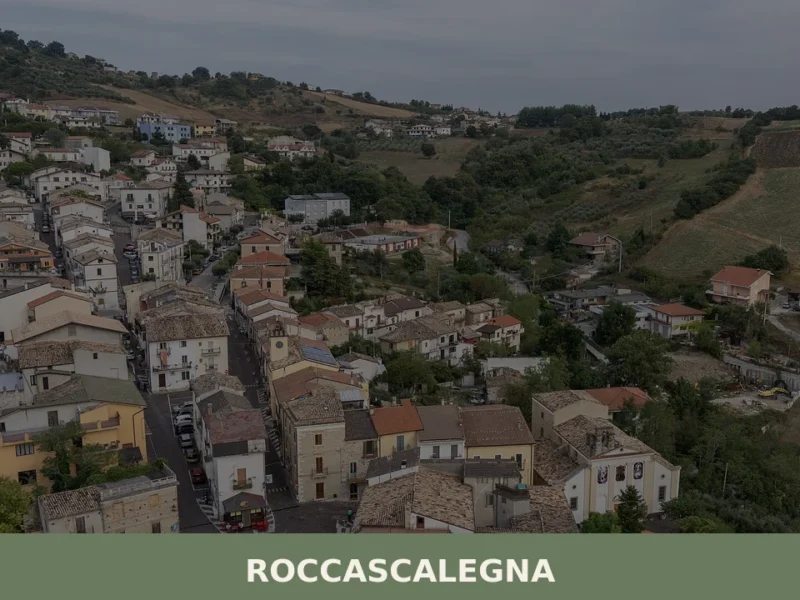
Roccascalegna
Hills
What to see in Roccascalegna, Abruzzo, Italy: castle, abbey, medieval village and 1,263 inhabitants. Discover top attractions, food and travel tips.
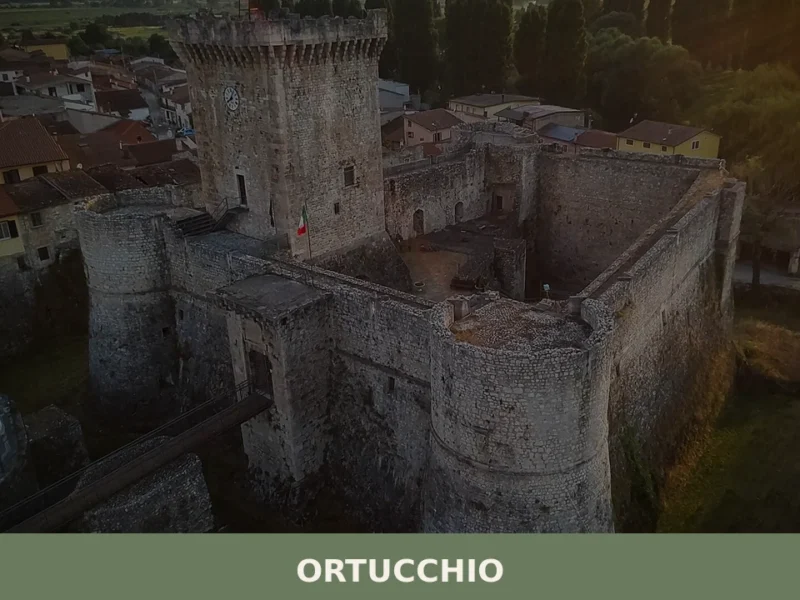
Ortucchio
Mountain
What to see in Ortucchio? Explore Piccolomini Castle and the historic center. Discover the natural beauty of this Marsican village in Abruzzo. Plan your visit!



🏡 Know Roccamorice better than we do?
If you’re a local or have been there, your knowledge matters: add what’s missing or fix a detail on this page.