


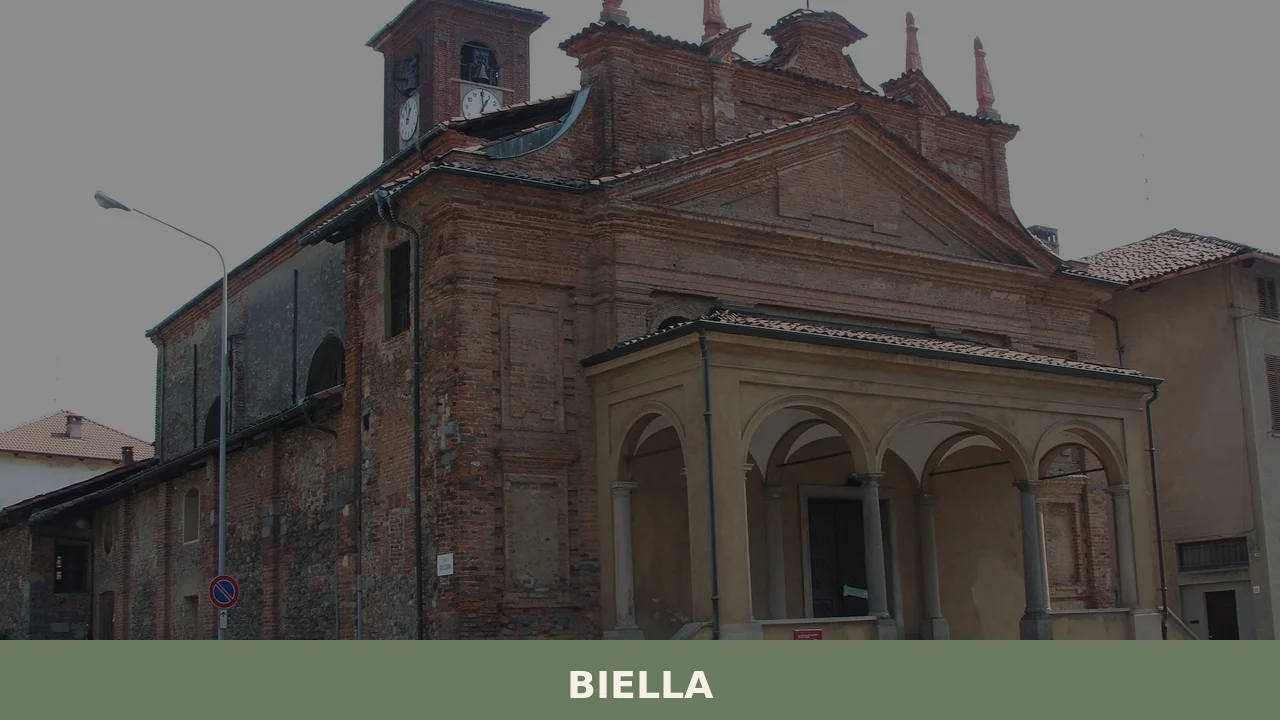
Biella
 Hills
Hills
what to see in biella, Italy? Explore the UNESCO Sanctuary of Oropa and Biella’s historic 420m altitude Piazzo quarter. Read our guide for top attractions.
Discover Biella
The city’s earliest recorded name, Bugella, appeared in a document from 826 AD, marking a significant historical transaction when Louis the Pious donated the settlement to Count Busone. This northern Italian city, situated in the foothills of the Alps, draws its lifeblood from an intricate network of springs and glacial lakes, feeding mountain streams such as the Elvo, Oropa, and Cervo.
These waterways have shaped the landscape and the livelihoods of its inhabitants for centuries, providing both sustenance and power for early industries.
For those wondering what to see in Biella, this city of 42,619 inhabitants offers a blend of historical depth and natural beauty within Piemonte, Italy.
Visitors to Biella discover significant religious sites like the UNESCO World Heritage-listed Sanctuary of Oropa and expansive natural areas such as the Burcina Natural Reserve. The city’s elevated medieval quarter, known as Piazzo, provides a distinct perspective on its past, making it a compelling destination for international travelers seeking an authentic Italian experience.
History of Biella
The earliest inhabitants of the Biella region were Ligurians and Celts, whose presence has been confirmed through archaeological discoveries made near the abundant streams and lakes. Initially, these groups lived as fishermen and hunters, later transitioning to herding.
A specific Ligurian people, the Victimuli, extended their presence into the plain of Biella, known as the Bessa, where they extensively exploited gold veins near the Elvo river.
This gold panning activity persisted into the early Middle Ages and continues even today as a local recreational pursuit, highlighting a continuous thread of human interaction with the land’s resources. Furthermore, tools and necklaces found within the Burcina Reserve date back to the Bronze Age, or possibly the Iron Age, serving as tangible evidence of Biella’s deep antiquity.
The city’s earliest recorded name, Bugella, appeared in an 826 AD document noting its donation to Count Busone by Louis the Pious, Holy Roman Emperor. Further records from 882 AD detail land transactions by Charles the Fat that benefited the church of Vercelli. By the 10th century, the town was inhabited by Alemanni, Lombards, and Franks, who built the first defensive walls against barbarian invasions, with extant remains from this period including the Lombard Romanesque Baptistry.
This baptistery stands adjacent to the church of S. Stefano, around which the town developed; the original 5th-century building was, however, demolished in 1872 and rebuilt as today’s cathedral.
A pivotal moment occurred on April 12, 1160, when Uguccione, bishop of Vercelli, granted significant trade privileges to those residing on the Piazzo hill.
This act aimed to create a place of refuge from the ongoing warfare between the Guelphs and Ghibellines of Vercelli, leading to the birth of the Borgo del Piazzo. This elevated section of the city now features the handsome public square, Piazza Cisterna, and a palace fronting it, distinguished by stone capitals and terracotta ornaments on its doors. Bishop Uguccione’s castle was later destroyed in a 1377 revolt, resulting in Biella and its dependent comuni becoming subject to the House of Savoy.
This period of medieval development and conflict is a common thread throughout Piemonte, similar to the historical evolution seen in cities like Asti, known for its medieval towers and palios.
Throughout the 14th and 15th centuries, the Visconti family contested with the House of Savoy for dominion over the Biella region. The 17th century brought similar conflicts involving French and Spanish forces, leading to Biella’s occupation in 1704. A significant event occurred in 1706 when Pietro Micca, a soldier from Biella, heroically saved nearby Turin from a siege that would have extended French occupation to Biella, sacrificing his own life in the process.
Biella was again occupied by the French in 1798, and following the Battle of Marengo, it was formally annexed by France, a status reversed by the Congress of Vienna which returned it to Savoy. Visitors interested in Piemonte’s rich and often turbulent history may also find the medieval fortifications and historical narrative of Agliè equally compelling, as it too has witnessed centuries of noble family influence and strategic importance within the region.
In 1859, Biella endured an Austrian siege, which was brought to an end by Garibaldi, after which the town became part of the province of Novara.
This change meant Biella lost its 17th-century status as a regional capital, a title previously granted by Charles Emmanuel I of Savoy. The city was later transferred to the province of Vercelli in 1927. During World War II, Biella played a role as a scene of armed resistance, contributing to the broader Italian struggle. A more recent administrative shift occurred in 1992 when the new province of Biella was formed, separating its territory from the north-western sector of the province of Vercelli.
What to see in Biella, Piemonte: top attractions
Sacro Monte and Sanctuary of Oropa
Perched at 1,180 m (3,871 ft) above sea level in the Biellese Alps, the Sanctuary of Oropa is a UNESCO World Heritage Site, recognized in 2003 as part of the Sacred Mountains of Piemonte and Lombardy.
This significant religious pilgrimage site features a complex of sacred chapels, each depicting scenes from the life of the Virgin Mary, leading up to the main basilica. Visitors can explore the intricate Baroque architecture and the serene mountain setting, reflecting centuries of devotion and artistry. The botanical garden, Giardino Botanico di Oropa, located nearby, offers further insight into the local alpine flora.
This sanctuary provides a profound spiritual and cultural experience, especially during the warmer months when the alpine paths are easily accessible.
Burcina Natural Reserve
The Burcina Natural Reserve, established in the 19th century, spans an area rich in biodiversity and offers expansive views of the Biellese landscape. Within its grounds, archaeological finds including tools and necklaces dating from the Bronze Age, or possibly the Iron Age, attest to the region’s ancient past. The reserve, covering an altitude range from 570 m (1,870 ft) to 800 m (2,625 ft), features diverse plant species and well-maintained paths suitable for walking and exploration. Visitors can observe various trees and plants, particularly impressive during spring blooms or autumn foliage.
This natural area provides a tranquil escape and a tangible connection to Biella’s prehistoric inhabitants.
Biella Baptistery and Cathedral of Santo Stefano
Adjacent to the present-day Biella Cathedral stands the remarkable Lombard Romanesque Baptistery, dating from the 10th-11th century, a structure that once formed the nucleus around which the town grew. This ancient edifice houses significant 13th-century frescoes, providing a glimpse into medieval artistry and religious iconography.
While the original 5th-century church of Santo Stefano was demolished in 1872 to make way for the current cathedral, the Baptistery retains its historical integrity and unique architectural style. Observing its robust stone construction and intricate details offers a direct connection to Biella’s early Christian heritage. The site is easily accessible in the city’s lower quarter, Biella Piano.
Borgo del Piazzo
The Borgo del Piazzo, Biella’s elevated medieval quarter, was established on April 12, 1160, by Bishop Uguccione of Vercelli as a fortified refuge. This historic district, accessible via steep streets or by bus services that replaced the indefinitely suspended funicular since September 2025, centers around the handsome Piazza Cisterna.
Visitors can admire the square’s historic palace, which features doors adorned with stone capitals and terracotta ornaments, reflecting the architectural styles of its era.
Exploring Piazzo provides a tangible sense of the city’s medieval past and the strategic importance of its elevated position, offering panoramic views over the lower town, Biella Piano. This area is ideal for a leisurely afternoon walk, appreciating the preserved historical environment.
Cittadell’arte – Fondazione Pistoletto
Located in a formally unused textile factory near Biella, the Cittadell’arte – Fondazione Pistoletto was founded in 1996 by Italian artist Michelangelo Pistoletto, who initiated his Progetto Arte in 1994. This innovative center aims to unify artistic, creative, and socio-economic aspects such as fashion, theatre, and design.
It functions as a hub for supporting and researching creative resources, generating innovative ideas and possibilities across various disciplines.
The Cittadell’arte is structured into different Uffici, or Offices, focusing on areas like work, education, communications, art, nutrition, politics, spirituality, and economics. Visitors can explore exhibitions and projects that challenge conventional boundaries, offering a contemporary cultural experience in Biella, Piemonte, Italy.
Local food and typical products of Biella
Biella’s gastronomic tradition is deeply intertwined with its historical economic activities and geographical location in the foothills of the Alps. The region’s extensive high mountain pastures naturally supported sheep farming, a fundamental element for the thriving wool processing and textile industry that has defined Biella since at least 1245.
This strong agricultural base, combined with a copious water supply essential for washing fleece and powering mills, created a self-sufficient environment where local produce and animal husbandry flourished.
While not explicitly detailed in historical records, the diet of the local population would have historically relied on products derived from sheep, along with other ingredients typical of a mountain and pre-alpine environment, similar to the rich culinary traditions found across the wider Piemonte region, including in areas around Cuneo.
Given the historical emphasis on sheep farming for the wool industry, the local cuisine would have traditionally incorporated lamb and mutton, prepared in various ways to utilize the whole animal. Dishes would likely feature slow cooking methods, reflecting the need to tenderize tougher cuts and impart deep flavors, often seasoned with herbs foraged from the surrounding alpine terrain. Dairy products, such as cheeses from sheep’s milk, would also have played a role, providing sustenance and a source of protein.
These traditional preparations emphasize resourceful cooking, making the most of available ingredients from the Biellese landscape.
The culinary heritage, therefore, is one of robust, unpretentious flavors, characteristic of mountain communities.
Among the notable local products, the city is home to Menabrea beer, a historic brewery founded in Biella that has been producing beer for generations. While not a certified agricultural product in the traditional sense, it is a significant local industry and a recognized name, reflecting the region’s capacity for artisan production. The presence of such an enduring enterprise highlights Biella’s capacity for industrial craft and quality, contributing to its identity beyond textiles. This local beer is a popular choice for visitors seeking a taste of Biella’s heritage.
Furthermore, Biella remains an internationally recognized center for wool processing and textile manufacturing, a tradition dating back to 1245 when wool workers’ and weavers’ guilds were already established in the city’s statutes.
Companies like Cerruti 1881, Ermenegildo Zegna, and Vitale Barberis Canonico continue this legacy.
Although many mills faced closure around 1999/2000 due to economic crises, the production of luxury fabrics endures, with firms such as Drago Lanificio in Biella producing high-quality textiles. These businesses represent a significant part of Biella’s economic and cultural identity, offering products that reflect centuries of local craftsmanship and contributing to its global reputation in the fashion industry.
Festivals, events and traditions of Biella
Biella observes its patron saint, Santo Stefano martire (Saint Stephen the Martyr), with an annual feast day on December 26th. This celebration, falling the day after Christmas, is a significant occasion for the local community, blending religious observance with civic tradition. While specific details of parades or elaborate rituals are not provided, the day typically involves special religious services at the Biella Cathedral, dedicated to Saint Stephen.
Families often gather to commemorate the occasion, extending the festive atmosphere of the holiday season. This annual event underscores the deep-rooted spiritual identity of the city and offers visitors a glimpse into local customs during the winter period.
Beyond the patron saint’s day, the historical fabric of Biella reflects traditions tied to its industrial heritage and alpine environment.
While explicit details on other major festivals or food fairs are not documented, the city’s long-standing connection to the wool industry, dating back to guilds in 1245, suggests a history of community gatherings related to trade and craft. The presence of the Sanctuary of Oropa, a UNESCO World Heritage site, also implies a tradition of pilgrimages throughout the year, particularly during warmer months, drawing visitors for spiritual and cultural reasons.
These collective experiences, whether religious or industrial, contribute to the unique identity of Biella, Piemonte, Italy, fostering a sense of continuity across generations.
When to visit Biella, Italy and how to get there
The best time to visit Piemonte and Biella specifically largely depends on the activities you plan to undertake. For exploring the natural reserves like Burcina and Oasi Zegna, or undertaking pilgrimages to the Sanctuary of Oropa, the warmer months from late spring to early autumn (May to October) offer pleasant weather and fully accessible trails. Winter, from December to March, transforms the region into a destination for snow sports, with the Bielmonte Ski Resort providing opportunities for skiing and snowboarding.
The city itself, with its elevated Piazzo quarter, presents some uneven terrain, requiring comfortable footwear for exploration. The historical funicular connecting the lower Biella Piano to the upper Biella Piazzo has been indefinitely suspended since September 2025 due to technical issues, with line buses now providing alternative transport, making the city still easily navigable for visitors of varying mobility.
Biella, Piemonte, Italy, is well-positioned for visitors arriving from major northern Italian cities, making it an excellent option for a day trip from nearest major city hubs.
It is located approximately 80 kilometers (50 miles) northeast of Turin and about the same distance west-northwest of Milan. For those traveling by rail, the Biella San Paolo Railway Station serves both the Biella–Novara line, opened in 1939, and the Biella–Santhià railway line, operational since 1856. Services are operated by Trenitalia, under the service contract with the Piedmont Region, connecting Biella to the wider Italian rail network.
While Biella-Cerrione Airport in Cerrione serves the area, it does not operate commercial flights. International visitors should plan to arrive at one of the nearest passenger airports, such as Turin Airport, Milan’s Malpensa Airport, Linate Airport, or Bergamo Airport, all within reasonable driving distance. For international visitors, it is advisable to carry some Euros cash, as smaller shops and establishments may have limited English-speaking staff and prefer cash transactions.
Visitors to Biella can extend their exploration of Piemonte by considering nearby destinations.
For instance, the village of Azeglio, also in Piemonte, offers its own distinct character and historical insights, providing a broader understanding of the region’s diverse offerings. These nearby locations complement a visit to Biella, allowing for a more comprehensive travel experience in northern Italy.
Frequently asked questions about Biella
What is the best time to visit Biella?
Spring (April–June) is ideal for visiting Biella: the Burcina Natural Reserve bursts into bloom, alpine paths to the Sanctuary of Oropa become easily accessible, and temperatures are pleasant at 420 m elevation. Summer suits hikers and pilgrims heading to Oropa at 1,180 m. Autumn offers stunning foliage in the reserve. Winter visitors can witness the feast of the patron saint Santo Stefano Martire on 26 December, a traditional celebration in the city. July and August can be busy around Oropa. Avoid heavy snowfall periods if driving to mountain sites.
What are the historical origins of Biella?
Biella's earliest documented name, Bugella, appears in an 826 AD deed recording its donation by Louis the Pious to Count Busone. The area was previously inhabited by Ligurians, Celts, and the Victimuli tribe, who mined gold near the Elvo river in the Bessa plain — an activity that persisted into the Middle Ages. By the 10th century, Alemanni, Lombards, and Franks had settled here, erecting defensive walls. The Borgo del Piazzo was formally founded in 1160 by Bishop Uguccione of Vercelli. Biella passed to the House of Savoy after a 1377 revolt destroyed the bishop's castle.
What to see in Biella? Main monuments and landmarks
Top attractions include: the UNESCO-listed Sanctuary of Oropa (1,180 m), with its Baroque chapels, main basilica, and adjacent botanical garden; the 10th–11th century Lombard Romanesque Baptistery housing 13th-century frescoes, located next to the Cathedral of Santo Stefano in Biella Piano; the medieval Borgo del Piazzo with its historic Piazza Cisterna, accessible by steep streets or bus (funicular suspended since September 2025); and Cittadell'arte – Fondazione Pistoletto, a contemporary art centre founded in 1996 by artist Michelangelo Pistoletto inside a former textile factory.
What are the main natural or scenic attractions of Biella?
The Burcina Natural Reserve is the city's principal natural attraction, spanning altitudes from 570 m to 800 m with diverse flora, walking paths, and archaeological significance — Bronze and Iron Age tools and necklaces have been found within its grounds. The reserve is particularly spectacular during spring blooms and autumn foliage. The alpine environment surrounding the Sanctuary of Oropa at 1,180 m offers mountain scenery and hiking opportunities. The area's network of glacial lakes and streams — including the Elvo, Oropa, and Cervo — also contributes to the scenic landscape of the Biellese foothills.
Where to take the best photos in Biella?
The Borgo del Piazzo offers panoramic views over the lower town, Biella Piano, making it one of the most photogenic vantage points in the city. Piazza Cisterna, with its historic palace adorned with stone capitals and terracotta door ornaments, provides strong architectural subjects. The Sanctuary of Oropa, set dramatically against the Biellese Alps at 1,180 m, offers iconic mountain-religious scenery. The Burcina Natural Reserve is outstanding for nature photography, especially during spring flowering season and autumn colour.
Are there museums, churches or historic buildings to visit in Biella?
The Lombard Romanesque Baptistery, dating from the 10th–11th century, is Biella's most ancient standing structure and contains significant 13th-century frescoes. It stands beside the Cathedral of Santo Stefano, rebuilt in its current form in 1872. The Sanctuary of Oropa, a UNESCO World Heritage Site since 2003, is a major religious and architectural complex. Cittadell'arte – Fondazione Pistoletto functions as a contemporary cultural institution open to visitors, housed in a converted textile factory and organised into thematic creative departments covering art, design, theatre, and more.
What can you do in Biella? Activities and experiences
Visitors can hike and walk the alpine paths around the Sanctuary of Oropa and explore the Burcina Natural Reserve on marked trails. The Cittadell'arte – Fondazione Pistoletto hosts contemporary art exhibitions and interdisciplinary events. History enthusiasts can tour the medieval Borgo del Piazzo and the ancient Baptistery. Recreational gold panning along the Elvo river in the Bessa plain is a documented local activity with roots going back to the Ligurian Victimuli tribe. The Giardino Botanico di Oropa, near the sanctuary, is worth visiting for alpine flora.
Who is Biella suitable for? Families, couples, hikers, solo travelers?
Biella suits a wide range of visitors. Hikers and nature lovers benefit from the Burcina Reserve trails and alpine routes around Oropa. Families can enjoy the accessible sanctuary complex, the botanical garden, and the historic Piazzo quarter. Couples and cultural travelers will appreciate the UNESCO heritage site, the medieval architecture of Piazza Cisterna, and the Cittadell'arte contemporary art centre. History enthusiasts will find layers of Roman, medieval, and Risorgimento heritage. The city's compact size and good transport links also make it manageable for solo travelers exploring Piemonte.
What to eat in Biella? Local products and specialties
Biella's culinary tradition is rooted in its Alpine and pre-Alpine environment. The region's historic sheep farming — documented since at least 1245 in connection with the wool trade — underpins a diet based on pastoral products. The wider Biellese area is known for polenta concia (polenta with local cheeses and butter), typical of mountain Piemonte. The area also produces local cheeses from the Alpine valleys, and cured meats consistent with Piemontese tradition. For verified DOP/IGP designations specific to the Biella province, consult the official Piemonte regional food authority or the local pro loco.
Nearby Villages near Biella
In Piedmont More villages to discover
Rondissone
 Plains
Discover what to see in Rondissone, a Po plain comune near Turin inside the Parco Fluviale del Po torinese. History, food, travel tips and more.
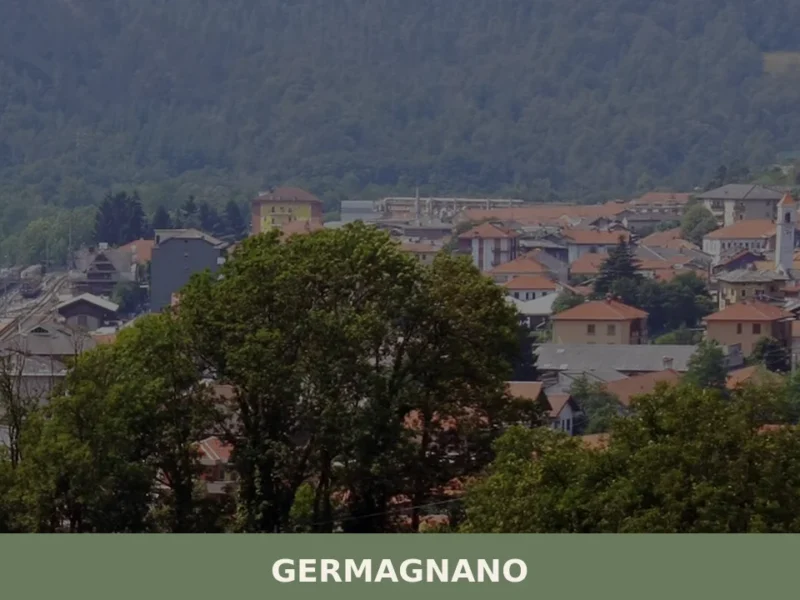
Germagnano
 Mountain
What to see in Germagnano, Italy: 30 km from Turin in the Valli di Lanzo. Discover the railway village, local cuisine and best times to visit. Read the guide.
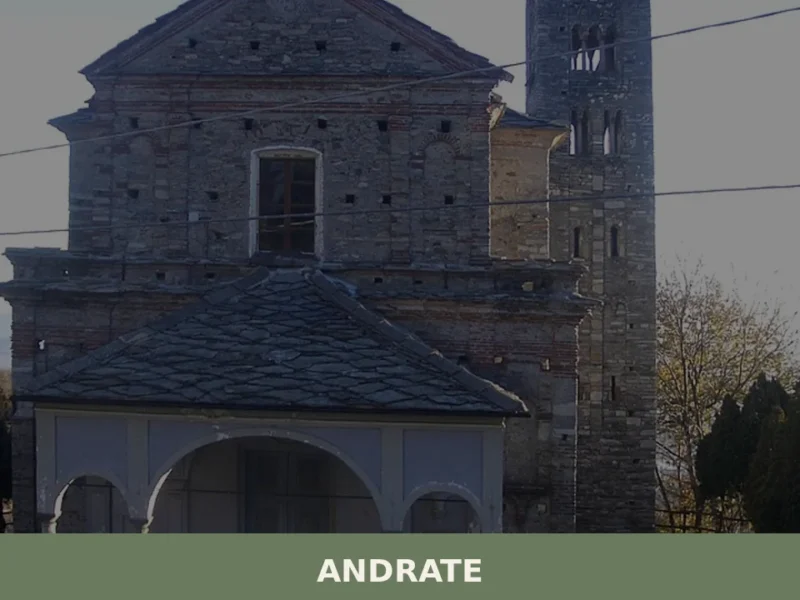
Andrate
Mountain
What to see in Andrate in Piedmont: panoramic views over the Serra d'Ivrea, trails, chestnut groves, Canavese cuisine. Complete guide with history and practical information.
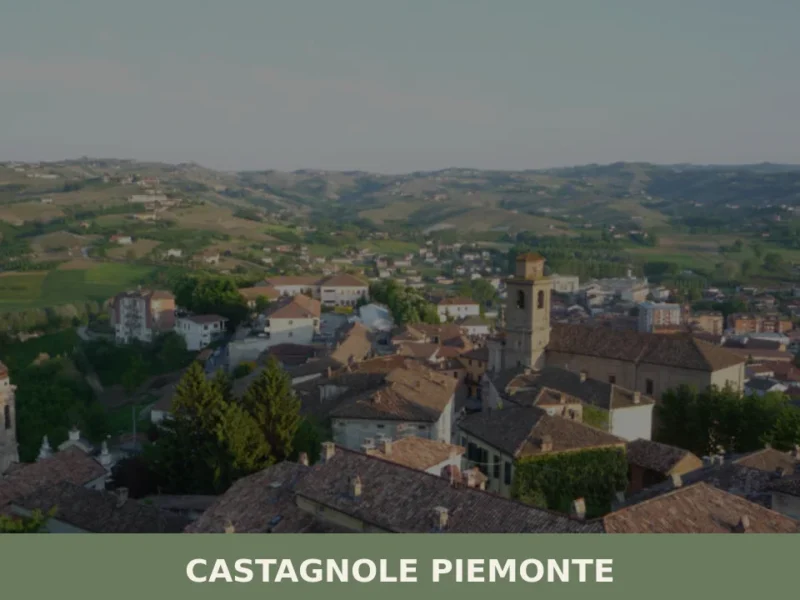
Castagnole Piemonte
Plains
What to see in Castagnole Piemonte, Italy — 20 km from Turin. Explore 5 top attractions, local food traditions and practical travel tips. Discover Piemonte.
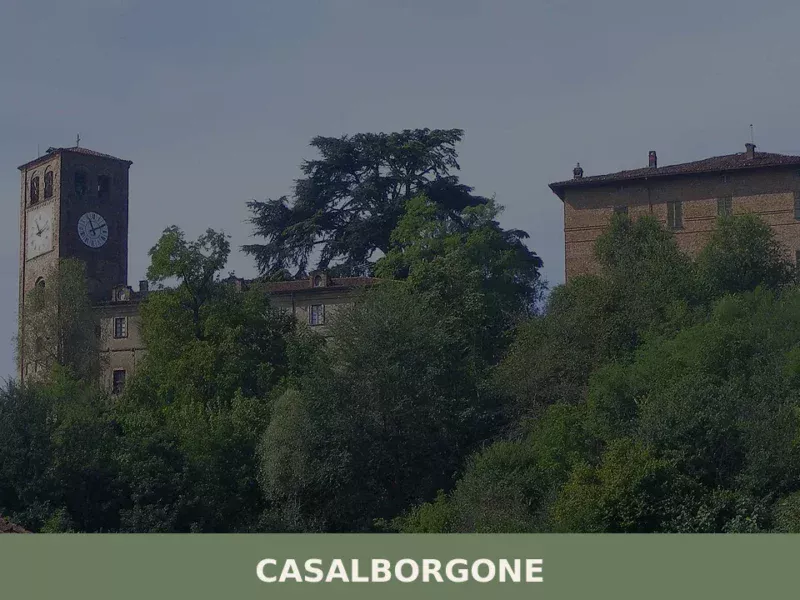
Casalborgone
Hills
Scopri Casalborgone, affascinante borgo storico del Piemonte: storia, tradizioni e paesaggi mozzafiato nel cuore del Monferrato.
Borgiallo
Hills
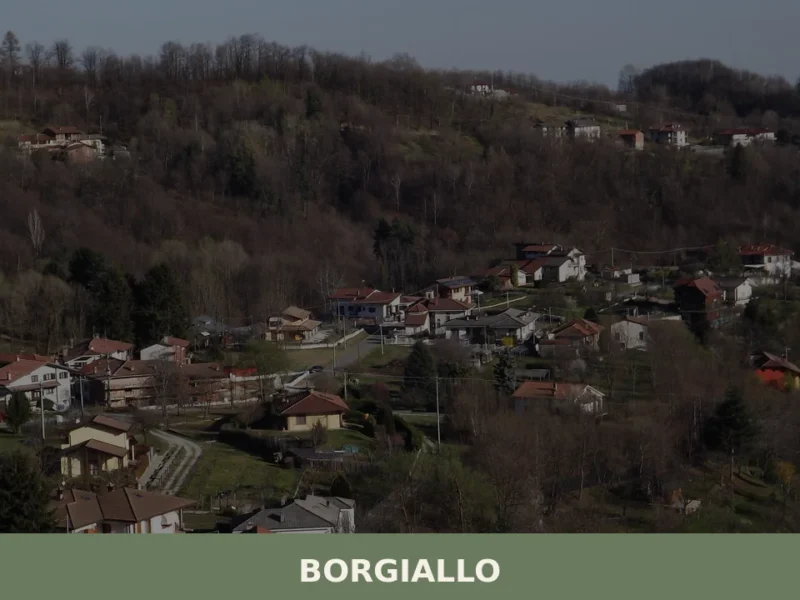
Borgiallo has 579 inhabitants and sits at 540 metres above sea level on the hills of the Valle Sacra, in the province of Turin. Travellers who take the road climbing from Castellamonte towards the Canavese uplands find a compact settlement of stone and brick houses that follow the line of the ridge. Understanding what to […]
Azeglio
Hills
Azeglio, a small Piedmontese village on Lake Viverone: history, what to see and how to get there. Discover everything to plan your visit.
Pragelato
Mountain
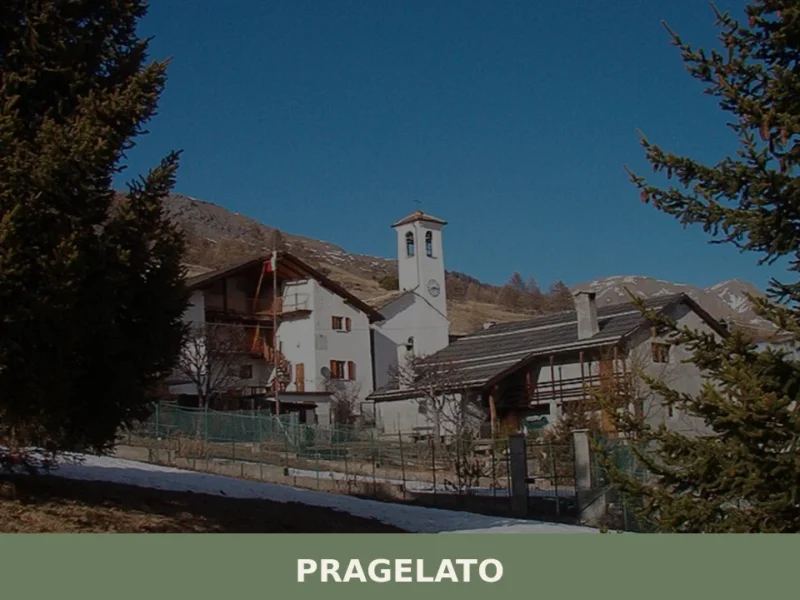
Pragelato sits at around 1,524 metres above sea level in Val Chisone, approximately 82 kilometres west of Turin, and its Occitan name — Pradzalà or Prajalats — translates directly as “frozen meadow”, a reference to the high-altitude pastures that define the landscape here. With a resident population of 692, this is a compact Alpine commune […]
Candia Canavese
Hills
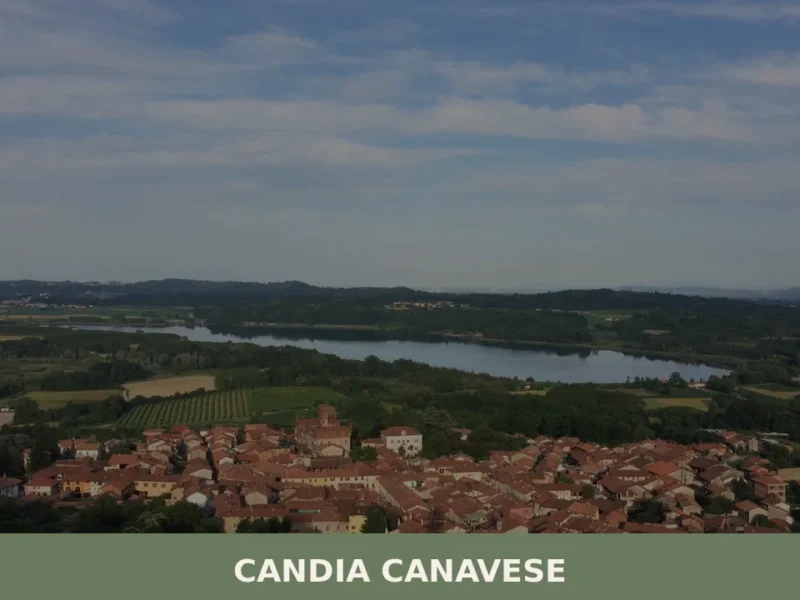
Scopri Candia Canavese, il gioiello del Piemonte affacciato sul lago. Storia, natura e tradizioni ti aspettano in questo borgo incantevole del Canavese.
Baldissero Torinese
Hills
Baldissero Torinese stands at 421 metres above sea level, on the eastern slope of the Turin hills, less than fifteen kilometres from the Piedmontese regional capital. With a population of 3,789, the municipality belongs to the Metropolitan City of Turin and retains an urban layout that still reflects its historical layers, from the medieval core […]
🧀 Italian traditional products



🏡 Know Biella better than we do?
If you’re a local or have been there, your knowledge matters: add what’s missing or fix a detail on this page.