
 Pianura
What to see in Pescosansonesco, Italy? Discover this village at 610 m altitude, exploring its ancient ruins and a renowned sanctuary. Read our guide.
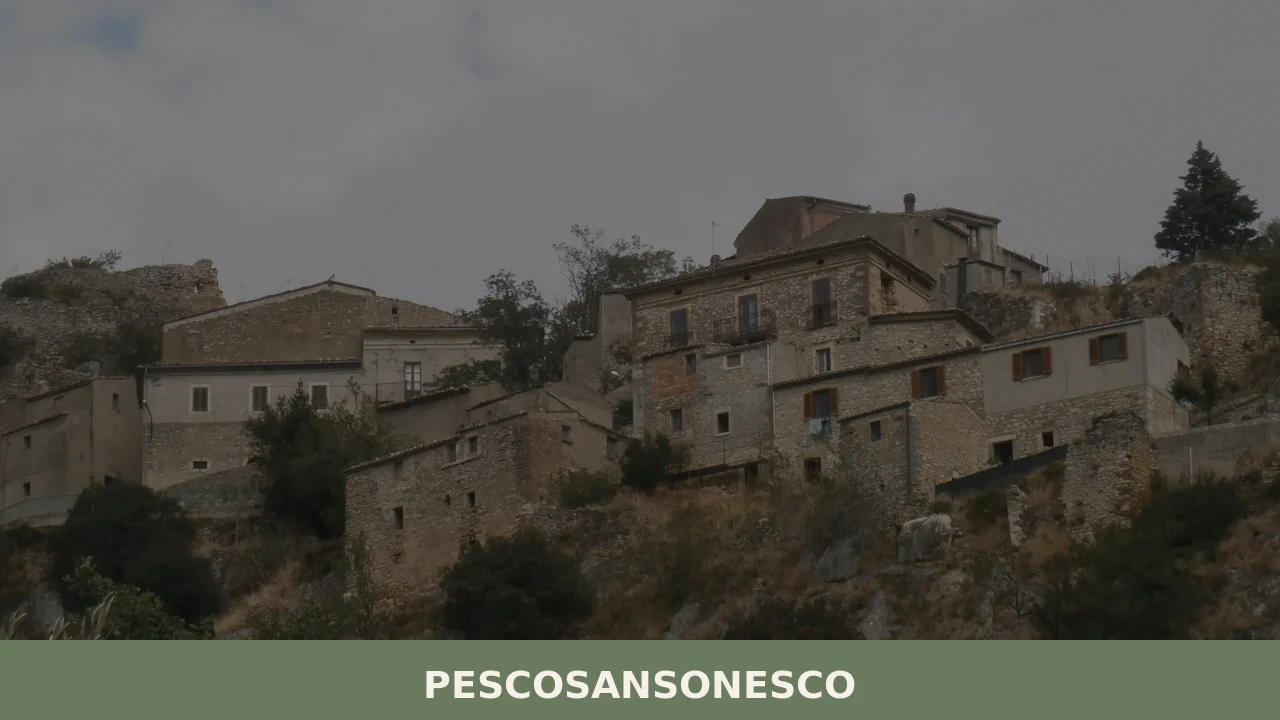
At an elevation of 610 m (2,001 ft) above sea level, the village of Pescosansonesco commands a view across the Pescara province. This settlement, with roots stretching back to pre-Roman times, stands as a testament to resilience, having relocated from its original site.
The landscape here, defined by the Gran Sasso e Monti della Laga National Park, tells a story of both ancient reverence and modern adaptation.
For those wondering what to see in Pescosansonesco, this village of 461 inhabitants offers a compelling journey through its dual identity.
Visitors can explore the solemn ruins of Pescosansonesco Vecchio, abandoned after 1944 landslides, and contrast them with the vibrant life of Pescosansonesco Nuovo, built just 3 km (1.9 mi) away. The Pescosansonesco highlights include its famed sanctuary and the ancient traces of a pre-Roman settlement near Lake Morrone, providing a rich historical and cultural experience.
The historical roots of Pescosansonesco extend far beyond its 10th-century establishment as a comune, or municipality, in the Abruzzo region of Italy. Evidence points to an even older presence, with an ancient settlement known as a pagus existing in the area before the village’s official founding.
This pre-Roman heritage is particularly notable through the discovery of a sanctuary near Lake Morrone, constructed by the area’s inhabitants as early as the 5th century BC, indicating a long-standing spiritual significance for this terrain.
The formal establishment of Pescosansonesco occurred in the 10th century, marking a significant period in its development within the province of Pescara.
For centuries, the village persisted at its original site, later known as Pescosansonesco Vecchio. This older settlement, however, faced severe challenges due to its geological instability. The seismic activity common to the region, coupled with various landslides, ultimately led to a pivotal decision in the mid-20th century.
A series of devastating earthquakes and subsequent landslides in 1944 compelled the inhabitants to abandon Pescosansonesco Vecchio entirely. This forced relocation resulted in the creation of a new village, Pescosansonesco Nuovo, situated approximately 3 km (1.9 mi) from the original site in the area locally known as ‘Ambrosian’.
The modern village, therefore, represents a remarkable act of communal resilience and reconstruction, preserving the community’s identity while adapting to safer ground, a narrative shared with other resilient Abruzzese communities like Ocre.
The village is renowned for its sanctuary, a site of deep spiritual importance dedicated to San Nunzio Sulprizio, one of Pescosansonesco’s patron saints.
This modern place of worship attracts pilgrims and visitors alike, seeking contemplation and historical insight into the life of the blessed Nunzio. The sanctuary stands as a focal point for the community, reflecting its enduring faith and serving as a contemporary landmark. Visitors should check local schedules for mass times or special events during their visit.
The evocative ruins of Pescosansonesco Vecchio offer a poignant glimpse into the village’s past, presenting a landscape defined by history and natural forces.
Abandoned in 1944 following extensive landslides caused by earthquakes, the old suburb stands as a silent witness to the community’s forced relocation. Exploring these remnants, located about 3 km (1.9 mi) from the current village, allows visitors to comprehend the challenges faced by its former inhabitants.
The site provides a unique opportunity for reflection, particularly for those interested in post-disaster architectural remains.
Pescosansonesco Nuovo, built after the 1944 abandonment of the old village, represents a vibrant example of community reconstruction and adaptation. Situated in the ‘Ambrosian’ region, this newer settlement became the heart of the village, housing its current population of 461 inhabitants. Visitors can observe the layout of a planned modern village, distinct from the organic growth of older settlements.
This area serves as the administrative and social center, offering services and local interactions, providing a contrast to the historical sites.
Near Lake Morrone, the remnants of a pre-Roman sanctuary dating back to the 5th century BC provide a profound connection to the ancient history of the region. This archaeological site predates the 10th-century establishment of Pescosansonesco itself, revealing the spiritual practices of the area’s earliest inhabitants. The sanctuary offers a rare opportunity to explore a site of significant antiquity within the Abruzzo landscape.
Access to this historical area may involve a short walk, allowing for an appreciation of the surrounding natural environment, part of the Gran Sasso e Monti della Laga National Park.
Pescosansonesco is situated within the expansive Gran Sasso e Monti della Laga National Park, a protected area of significant ecological and geological interest.
The village itself lies at an elevation of 610 m (2,001 ft), while the park’s general elevation around the village is noted at 500 m (1,600 ft). This natural setting provides opportunities for hiking, nature observation, and appreciating the diverse Abruzzese ecosystem. Visitors can explore various trails that offer panoramic views of the surrounding mountains and valleys, making it an ideal destination for outdoor enthusiasts.
The gastronomic tradition of Pescosansonesco, like much of Abruzzo, is deeply rooted in its pastoral and agricultural heritage, reflecting the bounty of both mountain and valley. Ingredients are typically fresh and seasonal, drawing from the rich soil and traditional farming practices of the Gran Sasso region. This culinary identity is characterized by hearty, robust flavors, often featuring local cheeses, cured meats, and pasta dishes that speak of a history tied to the land and its resources.
The simplicity and quality of ingredients are paramount in Abruzzese cooking.
Typical dishes found in the area often include homemade pasta like maccheroni alla chitarra, prepared with a special instrument that gives it a square cross-section, traditionally served with rich lamb or pork ragù.
Another common staple is arrosticini, skewers of lamb meat grilled over charcoal, a popular street food and local specialty across Abruzzo. Soups and stews made with legumes and vegetables, such as zuppa di lenticchie, also feature prominently, offering comforting and nutritious meals, particularly during colder months.
While the local sources do not specifically list certified products unique to Pescosansonesco, the surrounding Abruzzo region is renowned for several protected designations. These often include various types of olive oil, wines, and cheeses, reflecting the diverse agricultural output of the wider province of Pescara.
Visitors can expect to find regional specialties such as Pecorino d’Abruzzo cheese or Montepulciano d’Abruzzo wine in local eateries and markets, even if specific Pescosansonesco-branded certified products are not detailed in available information.
The spiritual life of Pescosansonesco is significantly shaped by its devotion to its patron saints, San Nunzio Sulprizio and San Giovanni.
The feast day of San Nunzio Sulprizio is a particularly important event, drawing both residents and visitors to participate in religious observances. While specific dates for the San Nunzio Sulprizio festival are not provided in the immediate sources, such celebrations in Italy typically involve solemn processions, where a statue of the saint is carried through the village streets, accompanied by traditional music and communal prayers.
These patron saint festivities often extend beyond religious ceremonies, incorporating elements of local culture and community gathering. Evening celebrations might include concerts, folk dances, and communal dinners, fostering a strong sense of togetherness among the inhabitants. Such events provide an opportunity for visitors to experience the authentic traditions and warm hospitality of the Abruzzese people.
Although specific dates for food fairs or other documented traditions are not detailed for Pescosansonesco, regional calendars often feature similar celebrations throughout the year in nearby villages like Sante Marie.
The best time to visit Abruzzo, including Pescosansonesco, generally spans from late spring through early autumn, specifically May to October.
During these months, the weather is typically mild and sunny, making it ideal for exploring the village’s historical sites and enjoying outdoor activities within the Gran Sasso e Monti della Laga National Park. Summer, particularly July and August, offers the warmest temperatures and the highest likelihood of local festivals, though it can also be the busiest period. Spring and autumn provide a quieter experience with pleasant temperatures and vibrant natural scenery.
Reaching Pescosansonesco, Abruzzo, Italy, is most conveniently done by car, offering flexibility to explore the surrounding region.
For those planning a day trip from nearest major city like Rome, the journey typically takes around 2 hours, covering approximately 180 km (112 mi) via the A24/A25 motorways, exiting at Torre de’ Passeri. From Pescara, the provincial capital, the drive is shorter, about 45 km (28 mi) and takes roughly 40 minutes. The village itself is situated at 610 m (2,001 ft) above sea level, with roads generally well-maintained, though some local roads can be winding.
For those wondering how to get to Pescosansonesco using public transport, the nearest major train station is Pescara Centrale train station, which connects to various Italian cities.
From Pescara, local bus services or a taxi would be required for the final leg of the journey to Pescosansonesco.
The closest airport is Abruzzo Airport (PSR) in Pescara, approximately 40 km (25 mi) away, offering connections within Italy and some European destinations. International visitors are advised that English may be limited in smaller shops, so carrying some Euros cash and basic Italian phrases can be useful for smoother transactions.
Discovering what to see in Pescosansonesco can be part of a broader exploration of Abruzzo, with nearby communities like Collepietro offering further insights into the region’s historical and natural heritage. Similarly, a visit to Castellafiume can complement the experience of Pescosansonesco, showcasing different facets of Abruzzese village life and mountainous landscapes.
 Hills
Hills
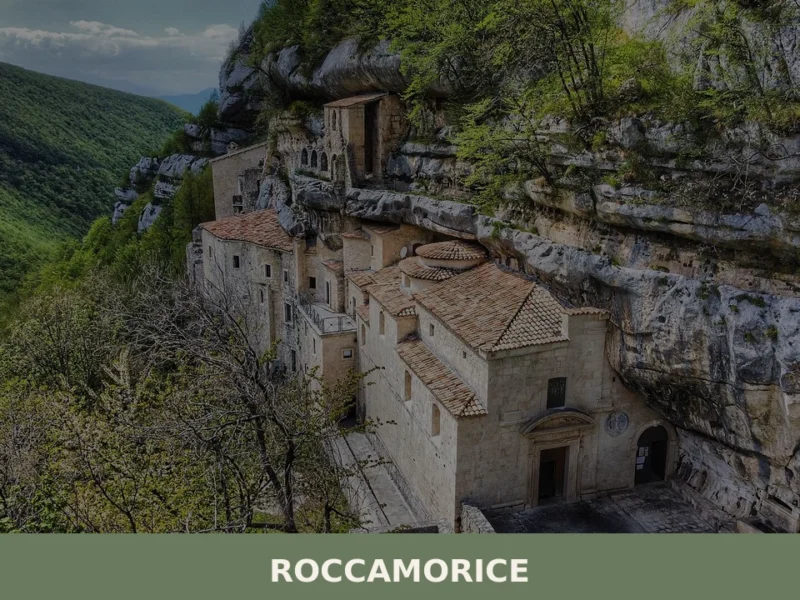
What to see in Roccamorice, Italy: discover rock-cut hermitages, the Majella National Park, and unique river-carved landscapes. Explore Abruzzo.
 Hills
Hills
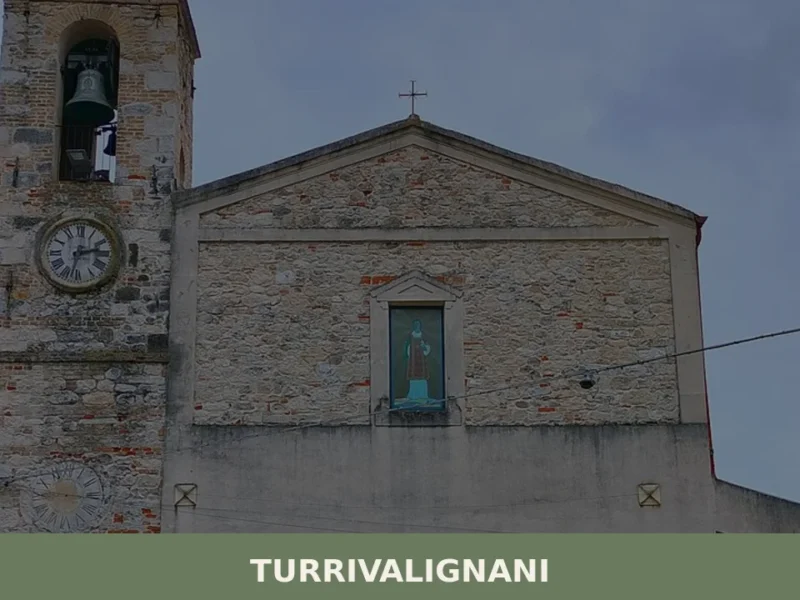
What to see in Turrivalignani? Discover the ancient village, the Church of San Nicola, and nature trails. Plan your visit to Abruzzo!
 Mountain
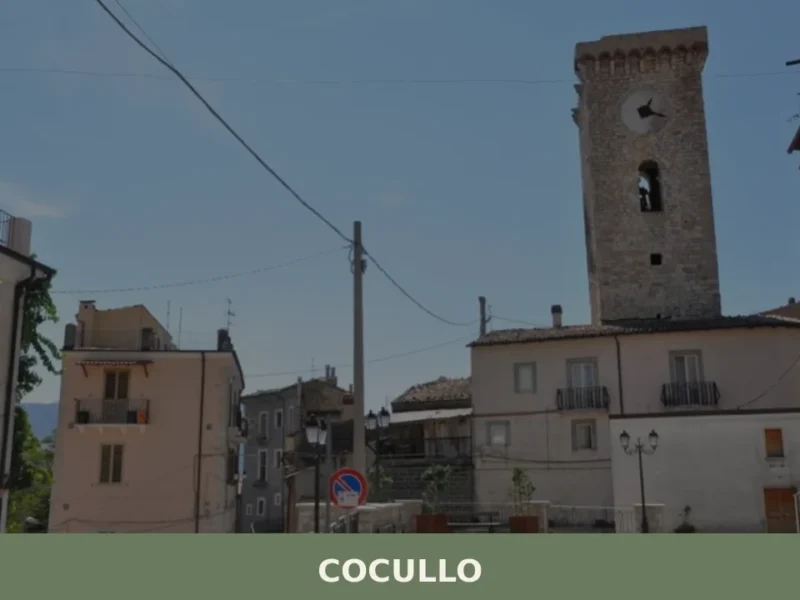
What to see in Cocullo: from the Serpari Festival to the Church of San Domenico. Complete guide with 5 attractions and practical tips for visiting the village.
📝 Incorrect information or updates?
Help us keep the Pescosansonesco page accurate and up to date.