


Opi
 Mountain
What to see in Opi, Abruzzo, Italy: explore 3 historic monuments, the National Park of Abruzzo, and the Val Fondillo Necropolis. Discover how to get there.
Discover Opi
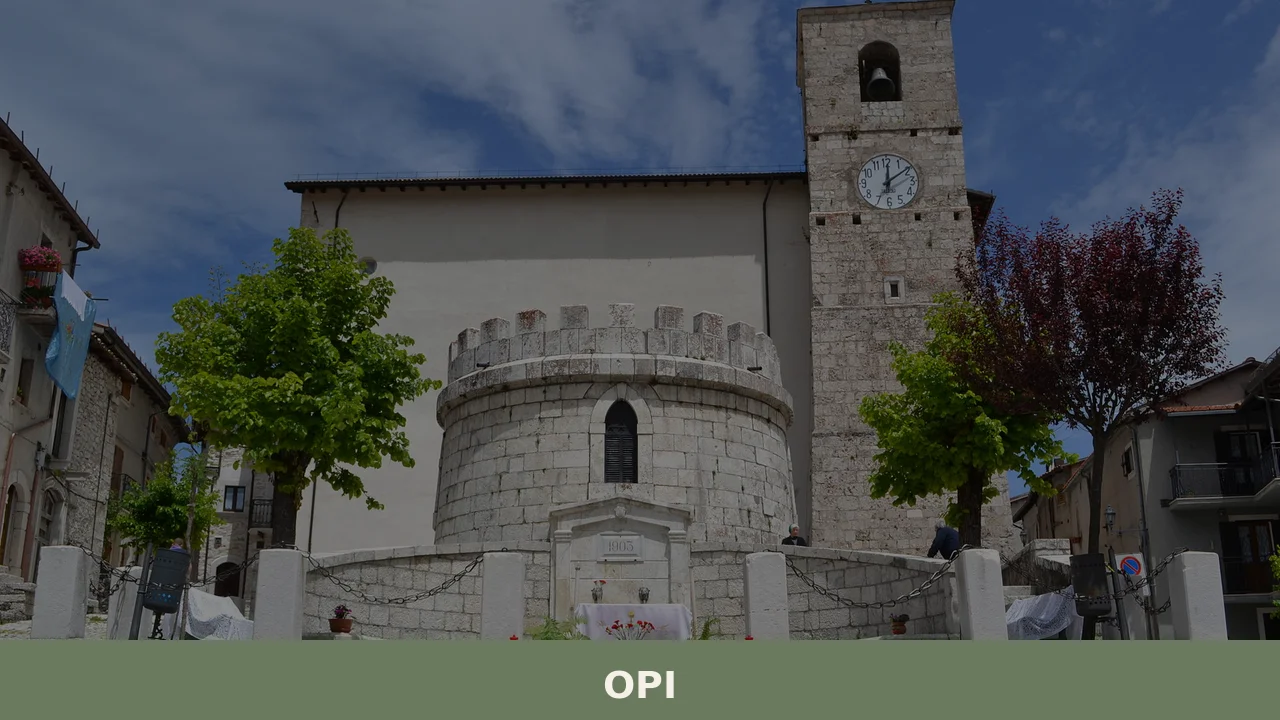
The village rises on a limestone spur at roughly 1,250 m (4,101 ft) above sea level, its stone houses following the curve of the ridge so tightly that from the valley floor they read as a single compact mass against the forested slopes of the Sangro river basin. The Church of Santa Maria Assunta anchors the upper end of the settlement, its mid-12th-century walls holding the line where the village meets the open sky.
Below the ridge, the Val Fondillo opens into the beech and maple woodland of one of the oldest protected areas in Italy, where red deer and Marsican brown bears move through terrain that no road penetrates.
Deciding what to see in Opi takes less than an afternoon to plan but rewards far longer attention.
The village counts 432 inhabitants and sits entirely within the National Park of Abruzzo, Lazio e Molise, a designation that shapes every aspect of life here. Visitors to Opi find three documented historic monuments, a protected necropolis, and direct access to marked trails inside the park.
The village is also listed among I Borghi più belli d’Italia, the national register of Italy’s most beautiful villages, a classification based on architectural and environmental criteria evaluated by a national association.
History of Opi
The name Opi derives from the Latin Ops, the Roman goddess of abundance and harvests, suggesting that a place of worship or a settlement connected to agrarian ritual occupied this ridge well before the medieval period. In the local Marsicano dialect the village is called Opjë, pronounced with a long initial vowel that linguists associate with pre-Latin substrate influence in the central Apennine area. The elevation and the natural defensibility of the limestone spur made it a logical site for permanent occupation, though the documentary record thickens only in the medieval centuries.
The construction of the Mother Church of Santa Maria Assunta in the mid-12th century places Opi firmly within the network of Romanesque ecclesiastical building that spread through the province of L’Aquila during Norman and later Swabian administration of the Kingdom of Sicily.
Churches built at that altitude, in terrain this remote, required organised labour, sustained patronage, and a community large enough to justify the investment.
The late 17th-century construction of the Church of San Giovanni Battista indicates that the settlement remained active and sufficiently prosperous more than five centuries later to commission a second place of worship, reflecting the broader demographic recovery that followed the plague years of the 14th and 15th centuries across the Apennine interior.
The modern administrative identity of Opi belongs to the province of L’Aquila in the Abruzzo region of central Italy. The creation of the National Park of Abruzzo in 1923 — one of the first national parks established in Italy — transformed the relationship between the village and its surrounding territory, replacing subsistence forestry and grazing with a protected-area framework that gradually attracted scientific and naturalistic interest.
Today Opi sits within the park’s core zone, and the Val Fondillo, immediately accessible from the village, contains archaeological evidence of occupation stretching back to pre-Roman populations whose funerary practices are documented in the necropolis that bears the valley’s name.
Those looking to understand the broader cultural geography of this part of Abruzzo can also visit Castelli, a village in the province of Teramo known for its centuries of ceramic craft production, which illustrates a very different but equally consistent strand of Abruzzo’s material history.
What to see in Opi, Abruzzo: top attractions
Mother Church of Santa Maria Assunta
The exterior masonry of the Mother Church uses local limestone laid in courses that have shifted slightly over nine centuries, giving the facade a texture of controlled irregularity that no restoration has tried to smooth out. Built in the mid-12th century, it is the oldest standing structure in Opi and predates the Church of San Giovanni Battista by roughly 550 years.
Inside, the spatial proportions follow the single-nave scheme typical of mountain Romanesque in the L’Aquila area, where the priority was vertical height rather than lateral expansion.
The church stands at the highest point of the village ridge, so reaching it means climbing the steeper lanes from the lower parking area; the approach itself provides uninterrupted views across the Val di Fondillo toward the park’s beech forests.
Church of San Giovanni Battista
Constructed in the late 17th century, the Church of San Giovanni Battista represents a phase of building in Opi when Baroque formal language was filtering into even the most remote Apennine communities, though here the result is restrained rather than ornate. The façade sits flush with the lane beside it, giving no forecourt or setback, which means visitors encounter the portal at close range and notice the carved stonework at eye level. The interior dimensions are modest relative to what the same period produced in lowland Abruzzo, a direct consequence of the small population and limited resources available at 1,250 m (4,101 ft).
The church is dedicated to John the Baptist, whose feast on 24 June marks one of the fixed points in the village’s annual calendar.
Necropolis of Val Fondillo
The Necropolis of Val Fondillo occupies a section of the valley floor approximately 2 km (1.2 mi) from the village, within the parkland that covers the entire basin.
The burial site dates to pre-Roman populations and was identified through systematic archaeological survey of the Val Fondillo area, which contains evidence of sustained human activity over multiple millennia. The valley itself is accessible via a marked path that follows the stream bed through beech and maple woodland; the necropolis site is encountered along the route and provides context for understanding why this specific valley attracted settlement and ritual use long before the medieval village on the ridge above was built.
Spring and early autumn are the periods when the trail surface is most stable and the canopy overhead allows enough light to read the landscape clearly.
The Val Fondillo Nature Trail
The Val Fondillo trail is one of the most documented walking routes inside the and runs for approximately 4 km (2.5 mi) along a valley floor that reaches an elevation of around 1,100 m (3,609 ft) at its upper end. The route passes through habitat classified as priority beech forest under European conservation law, and the park’s management records confirm sightings of Marsican brown bears, wolves, and red deer in this corridor. The path begins at the Val Fondillo car park, which is accessible by road from Opi, and is marked throughout; no technical equipment is required, though footwear with ankle support is advisable on the rocky sections near the valley head.
The trail is closed to vehicles year-round.
The Village Perimeter and Ridge Panorama
Walking the outer perimeter of Opi’s built nucleus takes roughly 25 minutes and covers a circuit of approximately 600 m (1,969 ft) along lanes that follow the edge of the ridge at between 1,240 m and 1,260 m (4,068 ft and 4,134 ft).
The ridge drops sharply on the eastern side toward the Sangro valley, and on clear days the view extends across park territory to the peaks of the Marsican range, including Monte Marsicano at 2,245 m (7,365 ft). The village’s classification among I Borghi più belli d’Italia reflects in part this relationship between the built fabric and the surrounding landscape, which can be read as a continuous whole from any point on the outer lanes. Early morning is when the light strikes the eastern face of the houses most directly, before valley mist has fully cleared.
Local food and typical products of Opi
The food culture of the upper Sangro valley, where Opi sits at the edge of the National Park of Abruzzo, Lazio e Molise, developed around the constraints and resources of high-altitude pastoral life. Sheep rearing, beekeeping, the harvesting of wild herbs from park-adjacent terrain, and the cultivation of legumes on the few terraced plots below the ridge defined what people grew, preserved, and cooked here across several centuries.
The same geographic isolation that limited trade also concentrated culinary knowledge around a narrow repertoire of ingredients used with considerable technical precision.
Lamb and mutton remain the proteins most closely associated with this part of the L’Aquila province. The local preparation involves slow cooking with wild rosemary, garlic, and dry white wine from lower-altitude Abruzzo vineyards, producing a dish whose texture depends on patience rather than elaborate technique.
Pecora alla cottora, mutton cooked for several hours in an earthenware pot with aromatics, is documented across the mountain communities of this province and represents the domestic version of what shepherds prepared on open fires during transhumance. Polenta con le spuntature, a coarse-ground cornmeal base served with pork spare ribs braised in tomato, appears regularly on menus in the wider Sangro valley and reflects the dual economy — pastoral and smallholder — that characterised villages at this elevation.
Foraged ingredients, particularly wild mushrooms from the beech forests of Val Fondillo and mountain herbs, supplement the diet seasonally and appear in soups and dressings without fixed recipe names.
No certified products with a specific PDO, PGI, or other European quality designation have been documented as exclusive to Opi in the available sources. However, the broader province of L’Aquila produces several nationally recognised items that circulate through local markets and restaurants in this area, including Zafferano dell’Aquila DOP, saffron cultivated in the plateau around L’Aquila at around 700 m (2,297 ft) elevation, and Lenticchie di Santo Stefano di Sessanio, small lentils from the Gran Sasso foothills with a Slow Food Presidium designation.
Both appear in the cooking of the mountain interior and are available in specialist food shops in L’Aquila city, approximately 70 km (43.5 mi) from Opi.
The best time to find locally produced food items — honey, dried legumes, aged sheep’s cheese — is during summer and early autumn, when the small producers who supply the village’s immediate economy are most active. The village itself has limited retail infrastructure, so visitors intending to purchase food products should plan a stop at one of the larger markets in Pescasseroli, 7 km (4.3 mi) southwest, or in Castel di Sangro, roughly 25 km (15.5 mi) to the southeast, where a broader range of park-area producers is represented.
Festivals, events and traditions of Opi
The feast of the village’s patron, the Assumption of the Virgin Mary (Ferragosto), falls on 15 August and centres on the Mother Church of Santa Maria Assunta, whose dedication directly reflects this liturgical connection.
The celebration follows the structure common to Marian feast days across central Abruzzo: a morning Mass, a procession through the village lanes with the statue of the Virgin carried through the settlement’s perimeter, and an evening gathering in the main square. The date coincides with the peak of summer tourism in the park area, which means the event draws an audience larger than the resident population of 432 and functions as both a religious observance and a community assembly point for those with family ties to the village.
The feast of San Giovanni Battista on 24 June marks the second fixed religious date in Opi’s calendar, connected to the Church of San Giovanni Battista built in the late 17th century.
In the mountain communities of the L’Aquila province, this feast has historically been associated with the summer solstice period and with the beginning of upland grazing cycles, though the contemporary observance is primarily liturgical.
Both feast days take place outdoors in conditions that depend entirely on the summer mountain climate: temperatures at 1,250 m (4,101 ft) in June and August average between 18°C and 24°C (64°F and 75°F), making evening gatherings comfortable without additional preparation.
When to visit Opi, Italy and how to get there
The best time to visit Opi is between late May and early October, when the park trails are fully accessible, the Val Fondillo path is clear, and the village itself is animated by a steady flow of visitors moving between the park’s hiking network and the ridge settlement above it. July and August bring the highest footfall and the warmest temperatures, with daytime highs around 22°C to 26°C (72°F to 79°F) at elevation.
Late May and September offer comparable conditions with fewer visitors and more consistent light for walking. Winter access is possible but the road from Pescasseroli can carry snow and ice between December and March, and several facilities in the area operate on reduced schedules. For those travelling specifically to see the Marsican brown bear in its park habitat, April and May — when bears emerge from winter rest — are the periods park rangers recommend for wildlife observation walks.
Opi sits approximately 160 km (99 mi) east of Rome by road, making it a manageable day trip from the capital for those with a car, though the final approach through the park on the SS83 Marsicana road adds roughly 45 minutes to a direct journey time of around two hours.
The nearest major rail hub is Castel di Sangro station, approximately 25 km (15.5 mi) southeast, served by regional connections from Sulmona, which in turn connects to Rome Tiburtina on the mainline. From Castel di Sangro, onward travel to Opi requires a car or taxi, as no regular bus line covers the final stretch into the park interior.
The nearest airport with scheduled international services is Rome Fiumicino (FCO), approximately 185 km (115 mi) west, from which the drive to Opi takes around two hours and fifteen minutes under normal traffic conditions. If you arrive by car from Rome, exit the A25 motorway at Pescina and follow the SS83 Marsicana road through Pescasseroli; the total distance from the motorway exit to Opi is approximately 40 km (24.9 mi).
International visitors should be aware that English is not widely spoken in smaller shops and restaurants in this area, and carrying some euros in cash is practical, as card payment terminals are not universal in the village and its immediate surroundings.
Travellers extending their stay in the Abruzzo interior can combine Opi with Introdacqua, a village in the Peligna valley near Sulmona that sits at a lower elevation and provides a contrasting example of medieval settlement in the same province.
Those exploring the Abruzzo coast and hill country further east might consider Fallo, a small village in the Sangro valley downstream, or Carpineto Sinello in the Chieti province, both of which illustrate the diversity of Abruzzo’s inland settlement patterns within a single day’s driving circuit from the park area.
Knowing what to see in Opi is ultimately inseparable from understanding its position inside the national park: the village is not a destination isolated from its landscape but a point of entry into one of Italy’s most significant protected territories, where the built heritage of the ridge and the natural heritage of the valley below occupy the same field of vision at almost every turn.
Nearby Villages near Opi
In Abruzzo More villages to discover
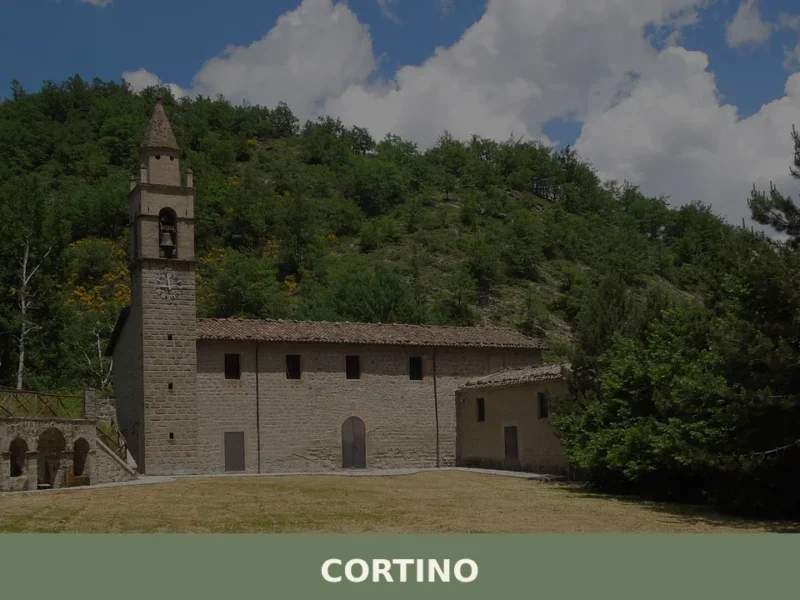
Cortino
Mountain
Explore Cortino, a charming mountain village in Abruzzo, Italy. Discover its rich history, stunning landscapes, and authentic Italian culture off the beaten path.

Casalbordino
 Hills
Hills
 Sea
Sea
What to see in Casalbordino, Italy: a sanctuary dating to 1576, 7.5 km of sand beach, and a nature reserve. Discover top attractions and travel tips.
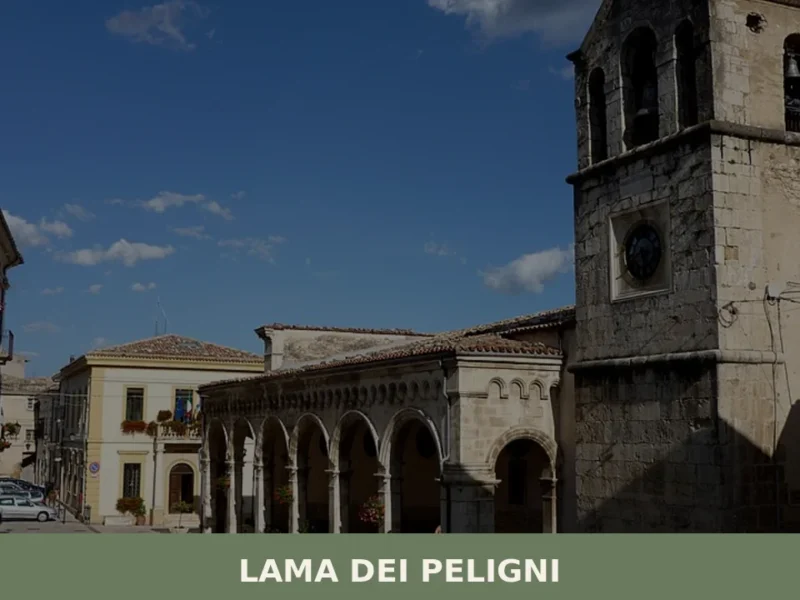
Lama dei Peligni
Mountain
What to see in Lama dei Peligni: village at 669 m, Grotta del Cavallone, Majella National Park trails and arrosticini PAT. Plan your visit with this complete guide.
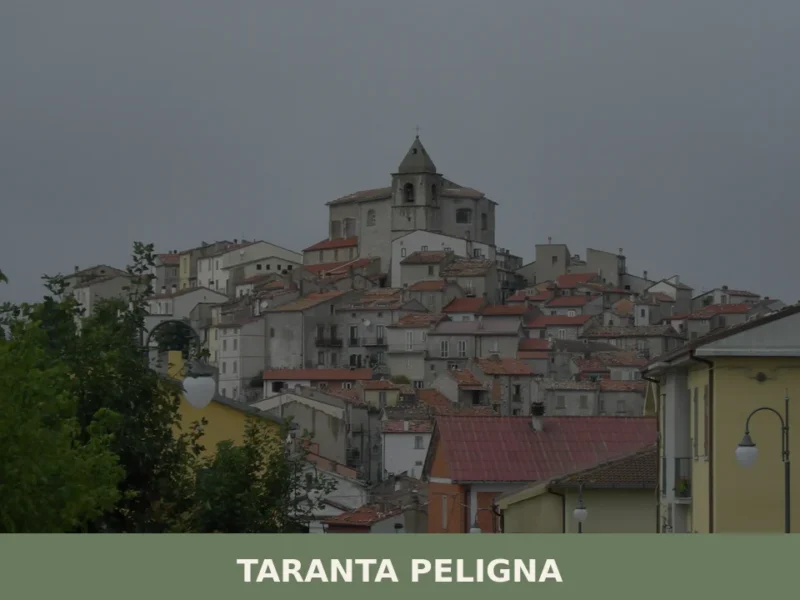
Taranta Peligna
Mountain
What to see in Taranta Peligna, Italy: explore the Maiella mountains from this village of 384 inhabitants. Discover Cavallone Cave and the Military Shrine. Read more.
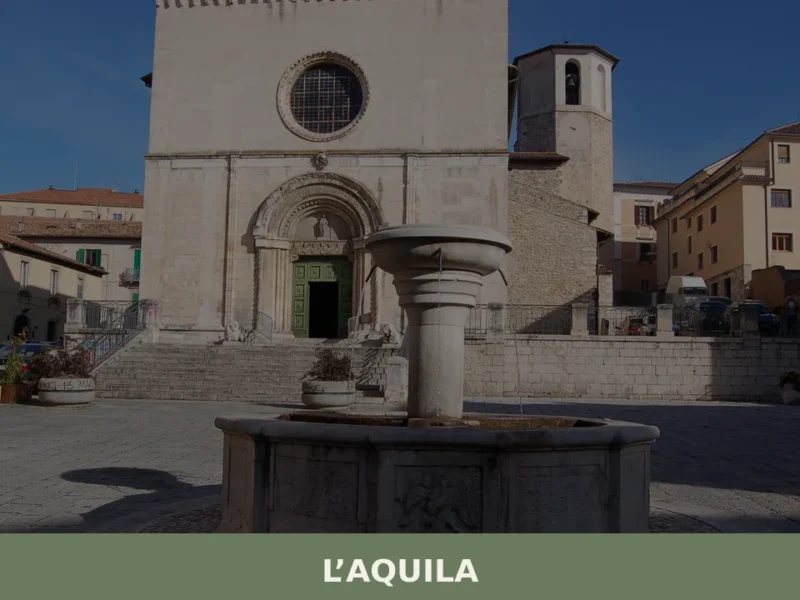
L’Aquila
 Lake
Mountain
Lake
Mountain
what to see all'Aquila: 5 attractions storiche, prodotti PAT e consigli pratici per visitare la città abruzzese a 714 m s.l.m. Pianifica il tuo itinerario.
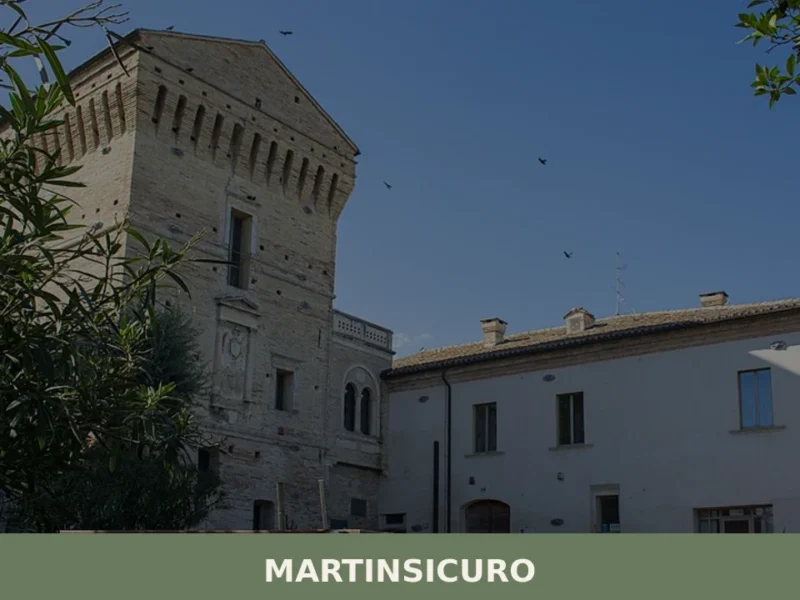
Martinsicuro
Sea
Martinsicuro, located 2 meters above sea level in the province of Teramo, has a population of 16,270 inhabitants. Its development is directly linked to the Adriatic coast and the presence of the Tronto river mouth. For those wondering what to see in Martinsicuro, the core interest lies in its identity as a seaside town that […]
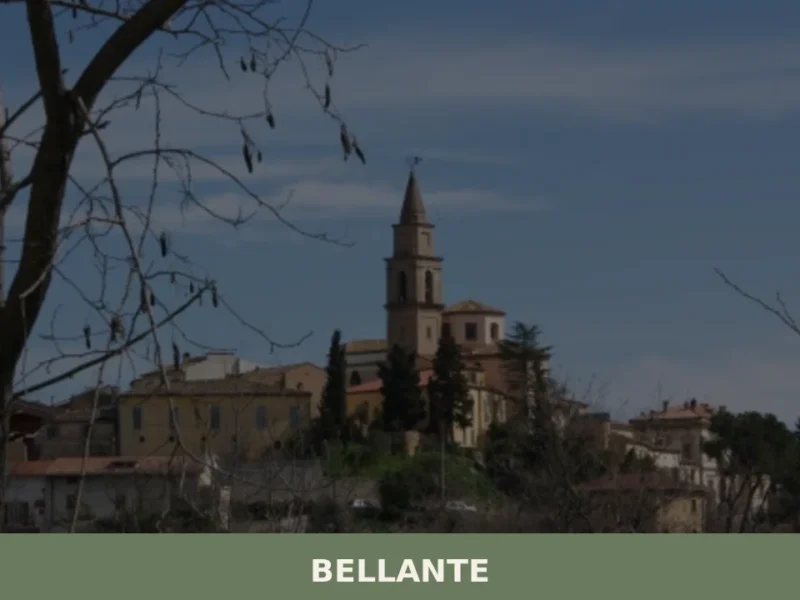
Bellante
Hills
The road into Bellante rises through a sequence of switchbacks that open, at the last bend, onto a compact hilltop settlement in the Teramo hills of Abruzzo. Stone buildings press close against one another along the ridge, and the Torre Civica — the civic tower at the center of the old settlement — marks the […]
Canosa Sannita
Hills
At 231 metres above sea level, on the plain that opens between the Maiella massif and the Teatine coast, Canosa Sannita is home to 1,268 inhabitants spread across an agricultural landscape where the cultivation of vines and olive trees marks the rhythm of the seasons. The village’s very name carries a precise indication: a reference […]
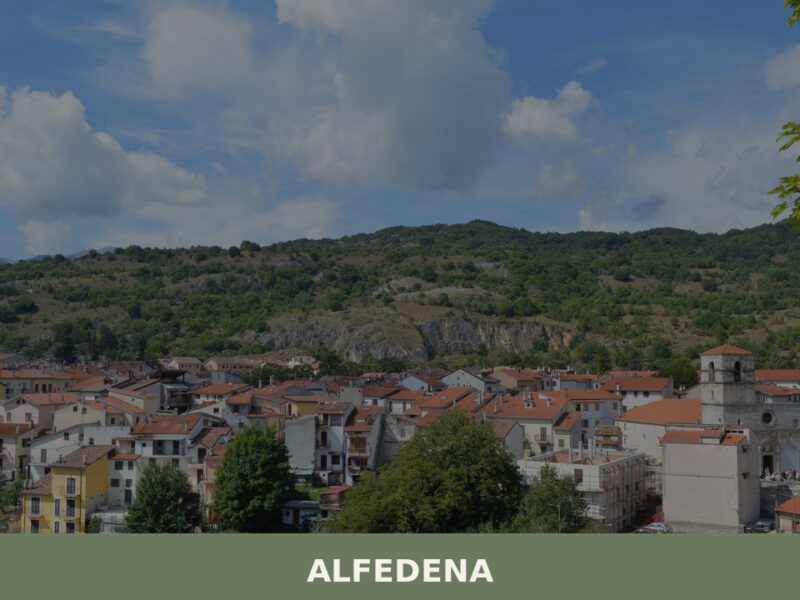
Alfedena
Mountain
Morning light falls across a line of limestone rooftops, turning them the colour of raw honey. A church bell marks the hour — its sound rolls downhill, across empty streets still cool from the night, and fades into the forested slopes of the upper Sangro valley. Alfedena sits at roughly 914 metres above sea level […]
Secinaro
Mountain
what to see in secinaro, Italy: Explore this Abruzzese village at 859m (2,818 ft) above sea level, home to a unique meteor crater field and Monte Sirente's slopes.


🏡 Know Opi better than we do?
If you’re a local or have been there, your knowledge matters: add what’s missing or fix a detail on this page.