


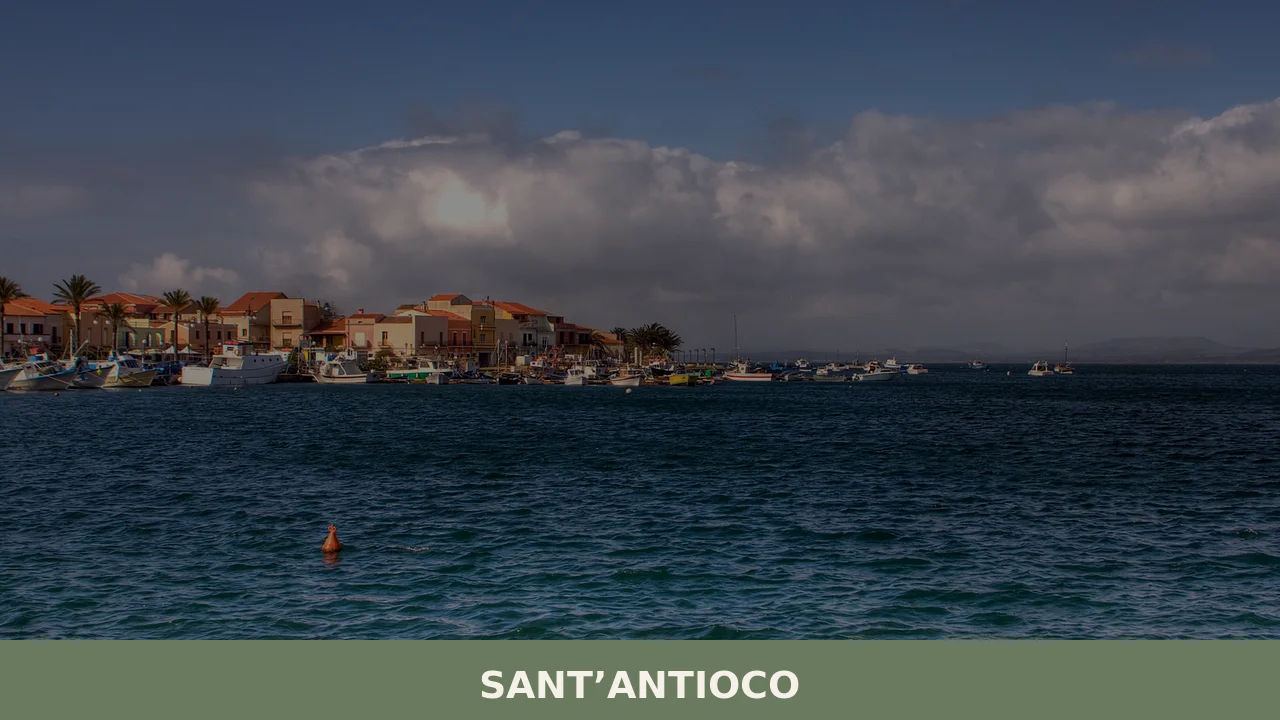
Sant’Antioco
 Sea
Sea
what to see a Sant’Antioco? Scopri le 5 attractions principali, dalla Basilica alle Catacombe, per un viaggio in history e in cultura sarda.
Discover Sant’Antioco
The connection to the sea and land distinguishes Sant’Antioco, an island connected to the rest of Sardinia by an artificial isthmus. This bridge, about 8 kilometers long, crosses the salt pans and the lagoon, evoking a past where the maritime landing represented the main route to reach the Phoenician-Punic heart of Sulcis.
Here, at just 7 meters above sea level, lies a settlement that has seen civilizations flourish since the 9th century BC, making it one of the oldest cities in the Western Mediterranean.
Those wondering what to see in Sant’Antioco will find a journey spanning millennia of history, offering at least five main attractions.
With over 10,600 inhabitants, the village boasts an archaeological heritage that includes early Christian catacombs and the ancient Phoenician-Punic Tophet.
Visitors can immerse themselves in a unique cultural context, exploring the legacy of one of Sardinia’s oldest cities, from the Phoenician-Punic to the Roman period, up to the Savoyard testimonies.
History and origins of Sant’Antioco
The history of Sant’Antioco begins with the foundation of Sulky (or Sulci) by the Phoenicians, dating between the 9th and 8th centuries BC, around 770 BC. This date places it among the oldest cities in the Western Mediterranean, a crossroads for trade and a strategic port.
The Phoenician presence is extensively documented by the Tophet, a sacred area designated for funerary rites, where thousands of cinerary urns and votive stelae have been found, testifying to a complex culture rooted in the territory.
With the arrival of the Carthaginians in the 6th century BC, Sulci became a flourishing Punic center, maintaining its commercial and strategic importance in the Mediterranean.
The Punic fortifications and necropolises, partly reused and transformed in subsequent centuries, reveal the power and organization of this civilization.
Subsequently, in 258 BC, the city was the scene of a naval battle during the First Punic War, which saw the Roman victory over the Carthaginian fleet, marking a crucial passage in its history.
Under Roman rule, Sulci flourished as a Municipium and an important port center, with a rich economic and cultural life.
It is during this period, specifically in the 2nd century AD, that the martyrdom of Antiochus, the patron saint, whose figure is central to the identity of the place, occurred.
The early Christian catacombs, developed from a Punic and Roman necropolis, represent one of the oldest and most significant Christian funerary complexes in Sardinia, preserving the legacy of a faith that has shaped the village through the centuries.
The Savoyard Fort, built in the 18th century, testifies to subsequent dominations and the island’s defensive needs, consolidating its historical relevance until modern times, in a context similar to what can also be found in Banari, another Sardinian village rich in historical stratifications.
What to see in Sant’Antioco: main attractions
For those wondering about what to see in Sant’Antioco, the archaeological and cultural offering is particularly rich and varied, capable of satisfying diverse curiosities.
The village does not merely propose a single point of interest, but an itinerary that spans millennia, from Phoenician vestiges to signs of ancient Christianity, up to Savoyard military architecture.
Each site tells a part of the island’s complex identity and its strategic position in the Mediterranean.
Basilica of Sant’Antioco Martyr and Catacombs
The Basilica of Sant’Antioco Martyr stands with its Romanesque-style facade and its architectural elements that have accumulated from the 5th-6th century AD up to more recent interventions.
Its limestone walls preserve the history of a place of worship built directly on the tomb of the patron saint, martyred in the 2nd century AD. The interior features a main nave and two side aisles, embellished with altars and works of art that narrate local devotion.
Beneath the basilica extend the Catacombs of Sant’Antioco, a labyrinth of tunnels and cubicles carved into volcanic rock, originally part of a Punic and Roman necropolis. These hypogea were reused by early Christians as a place of burial and secret worship, becoming the oldest early Christian cemetery in Sardinia.
The underground path allows visitors to observe loculi and arcosolia, and to perceive the atmosphere of an era when faith was expressed in clandestinity, offering a profound insight into local religious history.
Tophet of Sulci
The Tophet of Sulci is an open-air sacred area dating back to the Phoenician-Punic period, used between the 9th and 4th centuries BC.
It appears as a vast expanse where over 3,000 cinerary urns have been found, containing the cremated remains of children and animals, often accompanied by small stone votive stelae with engravings and symbols.
The site, located on a hill overlooking the lagoon, offers clear evidence of the religious and funerary practices of the ancient civilizations that inhabited Sant’Antioco.
The exact function of the Tophet has been the subject of in-depth studies, with interpretations oscillating between a sanctuary for child sacrifices and a child cemetery.
Regardless of its specific interpretation, the Tophet represents one of the most important Phoenician-Punic archaeological sites in the Mediterranean, providing valuable data on the culture and beliefs of these populations.
Its extent and the quantity of artifacts make it a focal point for understanding the ancient history of the island.
Ferruccio Barreca Archaeological Museum
The Ferruccio Barreca Archaeological Museum, inaugurated in 1982, is the place where artifacts found in the territory of Sant’Antioco are exhibited and contextualized.
The collections cover a time span from the Phoenician-Punic period to the Roman age, illustrating the daily life, rites, and commercial activities of ancient populations. Among the exhibited objects are ceramics, jewelry, ornaments, common tools, and funerary objects from the necropolises and the Tophet.
The museum is structured into various thematic sections that guide the visitor through the different historical phases of the village, from its foundation as Sulky to its development as a Roman center.
Particular attention is dedicated to artifacts related to worship and religious life, including objects that help understand the practices of the Tophet.
A visit to the museum complements the experience of the open-air archaeological sites, providing a scientific and detailed interpretation of the findings.
Hypogeum Village
The Hypogeum Village of Sant’Antioco is a unique example of the reuse of ancient funerary structures, transformed into dwellings over the centuries.
This complex consists of Punic and Roman burial chambers, carved into the tuff rock, which were adapted as homes by the local population, particularly between the 18th and 20th centuries, to meet housing needs. The walls of these underground dwellings still show signs of their original funerary functions, such as niches and loculi, now integrated into domestic environments.
The hypogeum dwellings develop along internal streets and squares, creating a true underground district that testifies to the ingenuity and adaptability of local communities. Some of these homes have been restored and are accessible to the public, allowing exploration of the environments and an understanding of the living conditions of those who inhabited them.
This site offers a unique perspective on the historical continuity and evolution of human settlement in Sant’Antioco, showing how the past merged with the present in unexpected ways.
Savoy Fort
The Savoy Fort, also known as Forte Su Pisu, is a military construction dating back to the 18th century, built by the House of Savoy to protect
the port and the village from enemy incursions.
Its star-shaped architecture, typical of fortifications of the era, integrates with the morphology of the terrain, exploiting its elevated position for visual control of the coastline. The stone walls and angular bastions reflect the military engineering techniques of the time, designed to withstand attacks and offer strategic observation points.
The fort, situated on a promontory about 60 meters above sea level, offers a panoramic view of the lagoon, the town, and the surrounding coast, making it a point of interest not only historically but also for its landscape.
Inside, there are rooms that once housed the garrison and ammunition stores.
Today, the Savoy Fort is a place of memory and a point from which to appreciate the extent of the surrounding territory, another reason why many wonder what to see in Sant’Antioco during their stay.
Typical Cuisine and Products of Sant’Antioco
Sant’Antioco’s gastronomic tradition reflects its island identity, with a strong connection to both the sea and the Sardinian hinterland.
The local cuisine is the result of centuries of cultural influences and the availability of fresh raw ingredients, ranging from daily catches to agricultural products cultivated in the fertile lands of Sulcis Iglesiente. This fusion has given rise to robust and flavorful dishes, where the simplicity of the ingredients enhances the true tastes of the region.
Among the typical seafood dishes, bottarga, made from salted and dried mullet roe, is a flagship product, often served in flakes on a bed of artichokes or grated over pasta.
Red tuna, fished in local tuna traps until a few decades ago, is another specialty, prepared in various ways, from belly in oil to sauce for pasta.
As for first courses, fregola, a Sardinian semolina pasta similar to couscous, is often cooked with seafood, while malloreddus, small semolina dumplings, are traditionally served with meat sauces.
Bread-making plays a central role, with pane carasau, thin and crispy, and pane guttiau, a variant seasoned with oil and salt.
Among the desserts, pardulas, small ricotta and saffron tarts, and seadas, fried pastries filled with fresh cheese and honey, conclude the meal with sweet and aromatic notes.
The Sulcis area is also renowned for the production of Carignano del Sulcis wine, a robust red that pairs well with the intense flavors of local cuisine, and which can also be tasted in other centers of the province like Nuoro, where Sardinian wine tradition is equally cherished.
Festivals, Events, and Traditions of Sant’Antioco
Sant’Antioco’s calendar is marked by events rooted in history and popular devotion, with the Feast of Saint Antioco Martyr representing the culmination of annual celebrations.
This festival, dedicated to the island’s patron saint, takes place on the 15th day after Easter, in a period ranging between April and May.
It is one of the oldest and most deeply felt religious festivals in Sardinia, with a tradition passed down for centuries, attracting faithful and visitors from all over the island and beyond.
The celebrations include a solemn procession where the statue of the saint is carried through the streets of the village, accompanied by folkloristic groups in traditional costume, horsemen, and musical bands. This event is an opportunity to admire the richness of Sardinian traditions, from music to dances, from costumes to religious rites.
During the festival, the village comes alive with stalls, markets, and shows, offering a complete immersion in local culture.
Beyond the patron saint’s festival, Sant’Antioco hosts other minor events throughout the year, related to agricultural or maritime traditions, which help keep the cultural heritage of the area alive.
When to Visit Sant’Antioco and How to Get There
The best time to visit Sant’Antioco is from late spring to early autumn, particularly between April and June or in September and October.
In spring, the climate is mild and pleasant, ideal for exploring archaeological sites and enjoying the first blooms, in addition to coinciding with the evocative Feast of Saint Antioco Martyr. Summer, especially July and August, sees a greater tourist influx, with high temperatures perfect for beaches but which can make visits to outdoor sites less comfortable. September and October still offer warm days and an inviting sea, with smaller crowds and more accessible prices, ideal for those seeking tranquility.
Those wishing to explore what to see in Sant’Antioco can easily reach it by various means.
If arriving by car, the village is connected to the Sardinian mainland via an artificial isthmus and the SS126 state road, which branches off from the SS130 coming from Cagliari.
The nearest airport is Cagliari-Elmas (Cagliari Airport), about 85 kilometers away. From there, it’s possible to rent a car or take a direct bus. For those who prefer the train, the nearest railway station is Carbonia Serbariu, about 15 kilometers away, from which buses regularly depart for Sant’Antioco.
To best plan your trip, here’s a summary table:
| Starting Point | Distance | Estimated Time |
|---|---|---|
| Cagliari Elmas Airport | 85 km | 1h 15 min |
| Carbonia (train station) | 15 km | 20 min |
| Porto Torres | 250 km | 3h |
Where to stay in Sant’Antioco
For those planning to explore what to see in Sant’Antioco and wishing to stay on the island, the village offers various accommodation options that cater to different needs.
The town center and its immediate surroundings feature small family-run hotels, offering authentic hospitality and the convenience of being close to the main historical attractions and the waterfront. Many establishments are housed in historic buildings, preserving the charm of the place.
Alternatively, numerous bed & breakfasts and holiday homes are available, often managed by residents, allowing for a more intimate experience and immersion in local daily life.
For those seeking a solution more immersed in nature or near the beaches, in the areas surrounding the urban center, you can also find agriturismos (farm stays) and apartment complexes, ideal for families or those who prefer more autonomy.
It is advisable to consult the official municipal website for updated information on available accommodation facilities: Municipality of Sant’Antioco.
After visiting the wonders of Sant’Antioco, one can consider extending their itinerary towards other fascinating villages in Sardinia.
A short distance away is Bessude, a small agricultural center that offers a glimpse into Sardinian rural life, or one can continue towards Aggius, in Gallura, known for its traditions and its granite landscape.
Frequently asked questions about Sant’Antioco
What is the best time to visit Sant'Antioco?
Spring (April-June) and autumn (September-October) are ideal times to visit Sant'Antioco: the climate is mild, the sea is still enjoyable, and archaeological sites can be visited without summer crowds. Don't miss the Feast of Sant'Antioco Martyr, patron saint of the town, celebrated on the 15th day after Easter with processions, religious rites, and folk events of great appeal. Summer is perfect for those focused on the sea, but July and August see peak tourist numbers.
What are the historical origins of Sant'Antioco?
Sant'Antioco stands on the site of ancient Sulky (or Sulci), founded by the Phoenicians around 770 B.C., making it one of the oldest cities in the western Mediterranean. It became a flourishing Punic center from the 6th century B.C. and in 258 B.C. was the site of a naval battle during the First Punic War, won by the Romans. In the Roman era it prospered as a Municipium. In the 2nd century A.D. Sant'Antioco of Sulcis suffered martyrdom, becoming the patron saint of the island. The early Christian catacombs and the Phoenician-Punic Tophet testify to this extraordinary historical stratification.
What is there to see in Sant'Antioco? Main monuments and attractions
Sant'Antioco offers a unique historical-archaeological itinerary: the Basilica of Sant'Antioco Martyr with early Christian Catacombs (the oldest in Sardinia), the Tophet of Sulci with over 3,000 Phoenician-Punic funerary urns, the Ferruccio Barreca Archaeological Museum (open since 1982), the Underground Village with dwellings carved from Punic and Roman tombs, and the 18th-century Forte Sabaudo Su Pisu, with panoramic views of the lagoon. We recommend checking current opening hours and admission fees on the Municipality website or Sant'Antioco's Pro Loco office.
What are the natural and scenic attractions of Sant'Antioco?
Sant'Antioco is an island connected to Sardinia by an artificial causeway of about 8 km that crosses salt marshes and lagoon, offering a landscape of great charm. The coasts alternating between sandy beaches and cliffs, the Sant'Antioco lagoon and surrounding salt pans represent valuable natural environments. The island is part of the Sulcis Iglesiente territory, an area of naturalistic interest with fauna typical of lagoon environments, including pink flamingos observable in wetland zones.
Where to take the most beautiful photos in Sant'Antioco?
The most picturesque photography spots in Sant'Antioco include Forte Sabaudo Su Pisu, about 60 meters above sea level, with panoramic views of the lagoon and historic center. The causeway connecting the island to Sardinia, with its pink salt pans at sunset, offers exceptional views. The Tophet of Sulci, overlooking the lagoon, is particularly evocative in the morning hours. The waterfront and historic port complete the village's photographic repertoire.
Are there museums, churches, or historic buildings to visit in Sant'Antioco?
Yes. The Basilica of Sant'Antioco Martyr, with Romanesque façade and architectural elements stratified from the 5th-6th century A.D., houses early Christian Catacombs below that can be visited with a guide. The Ferruccio Barreca Archaeological Museum, inaugurated in 1982, houses Phoenician-Punic and Roman finds with thematic sections on daily life, rituals, and ancient commercial activities. For opening hours, ticket prices, and reservations, it is advisable to contact Sant'Antioco Municipality or the local Pro Loco office directly.
What to do in Sant'Antioco? Activities and experiences
In Sant'Antioco you can combine archaeological, beach, and nature tourism. You can visit historic sites following a guided itinerary that connects the Tophet, Catacombs, Museum, and Underground Village. The island's beaches offer opportunities for swimming, snorkeling, and water sports. The lagoon is ideal for observing flamingos and other birdlife. During the Patron Saint Festival (15th day after Easter) you can experience authentic religious rites and folk traditions. Local gastronomy featuring bottarga, bluefin tuna, and fregola with seafood deserves a dedicated experience.
Is Sant'Antioco suitable for families, couples, hikers, or solo travelers?
Sant'Antioco is a versatile destination. Families with children appreciate the safe beaches, the Barreca Museum, and the Catacombs route, rich in fascination for the young. Couples find romantic atmosphere in the lagoon landscape, sunsets over the causeway, and seafood cuisine. Archaeology and history enthusiasts find here one of the most important Phoenician-Punic sites in the Mediterranean. Solo travelers can immerse themselves in an authentic cultural setting, away from mass tourism, with flexible visiting pace.
What to eat in Sant'Antioco? Local products and specialties
The cuisine of Sant'Antioco revolves around seafood and Sardinian tradition. Bottarga di muggine, salted and dried mullet roe, is the signature product: served in flakes over artichokes or grated on pasta. Bluefin tuna, caught in local tuna fisheries until a few decades ago, is prepared in oil or in sauce. Among first courses, fregola with seafood and malloreddus with ragù stand out. Carasau bread and pane guttiau seasoned with oil accompany every meal. Sulcis wines, such as Carignano del Sulcis DOC, complete the table.
Getting there
Corso Vittorio Emanuele III, 9017 Sant'Antioco (CI)
Nearby Villages near Sant’Antioco
In Sardinia More villages to discover
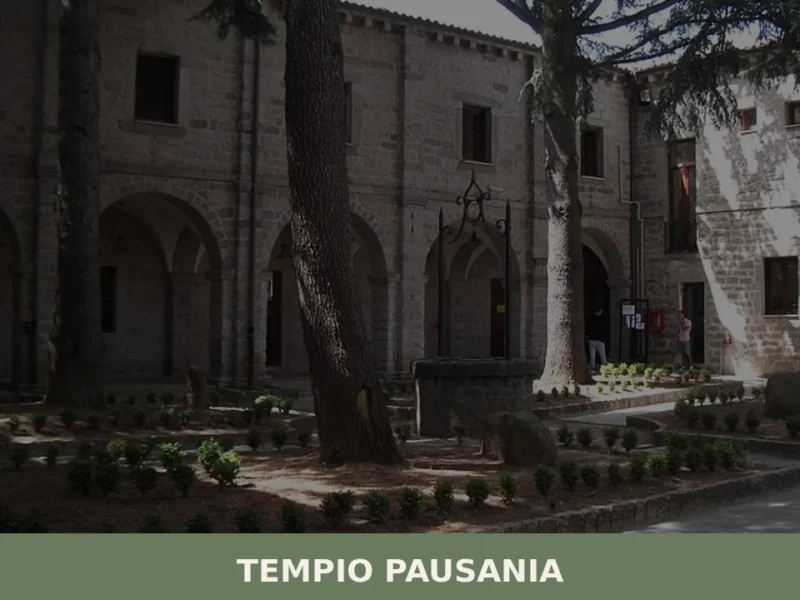
Tempio Pausania
 Hills
Hills
What to see in Tempio Pausania: granite city at 566m, 13,196 residents. Discover the Gothic cathedral, Monte Limbara, suppa cuata and Sardinia's only DOCG wine.
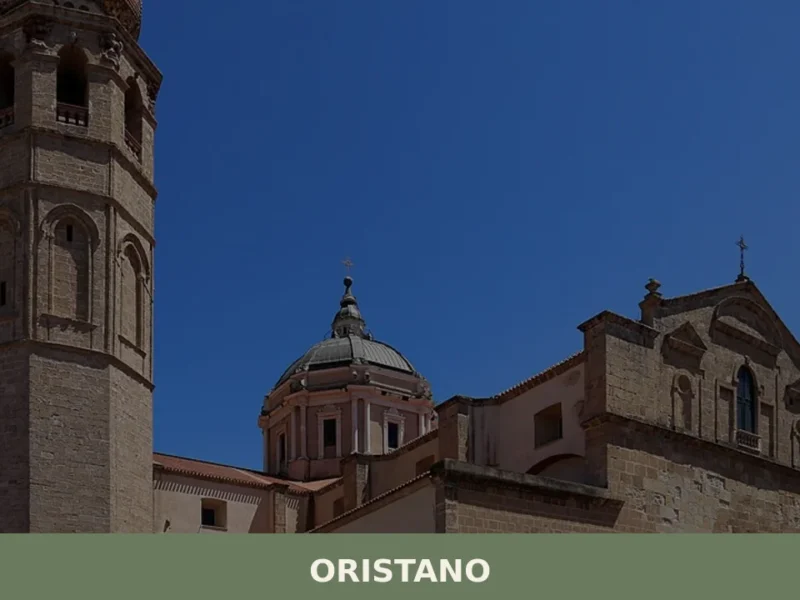
Oristano
Sea
What to see in Oristano: 31,095 inhabitants, medieval Giudicato history, the Sartiglia festival and Cabras bottarga. Discover towers, museums and the cathedral. Plan your visit now.
Abbasanta
Hills
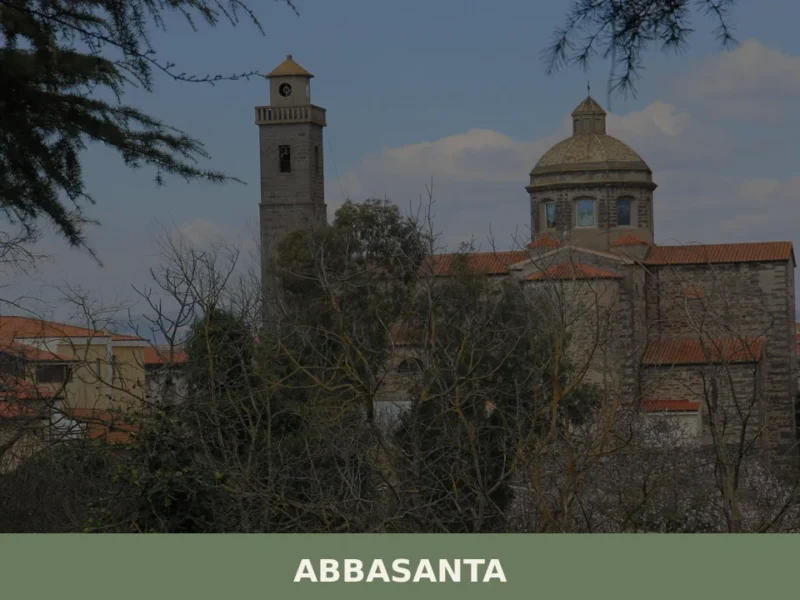
Scopri Abbasanta, affascinante borgo sardo ricco di storia, cultura e tradizioni. Un viaggio autentico nel cuore della Sardegna da non perdere.

Orotelli
Hills
Population 2,140. A plateau village marked by granite outcrops, divided by geological syncline, with medieval ecclesiastical heritage and nuragic foundations in the Nuoro province.
Bessude
Hills
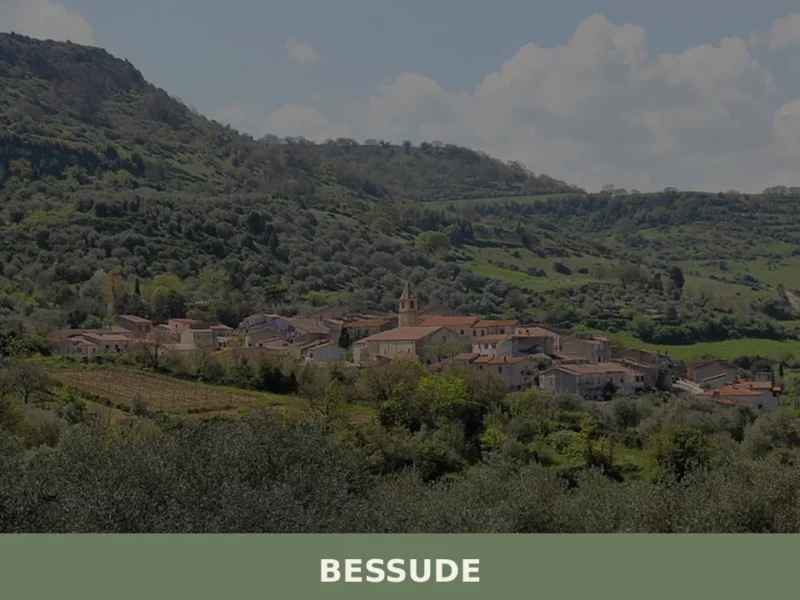
At 447 meters above sea level, with a population of 383 inhabitants as of 2023, Bessude is a small town in Logudoro-Meilogu, in the province of Sassari, whose existence is documented at least since 1341 in the Rationes Decimarum Sardiniae. The village, known for its hilly location and the Nuragic remnants that surround its territory, […]
Alghero
Sea
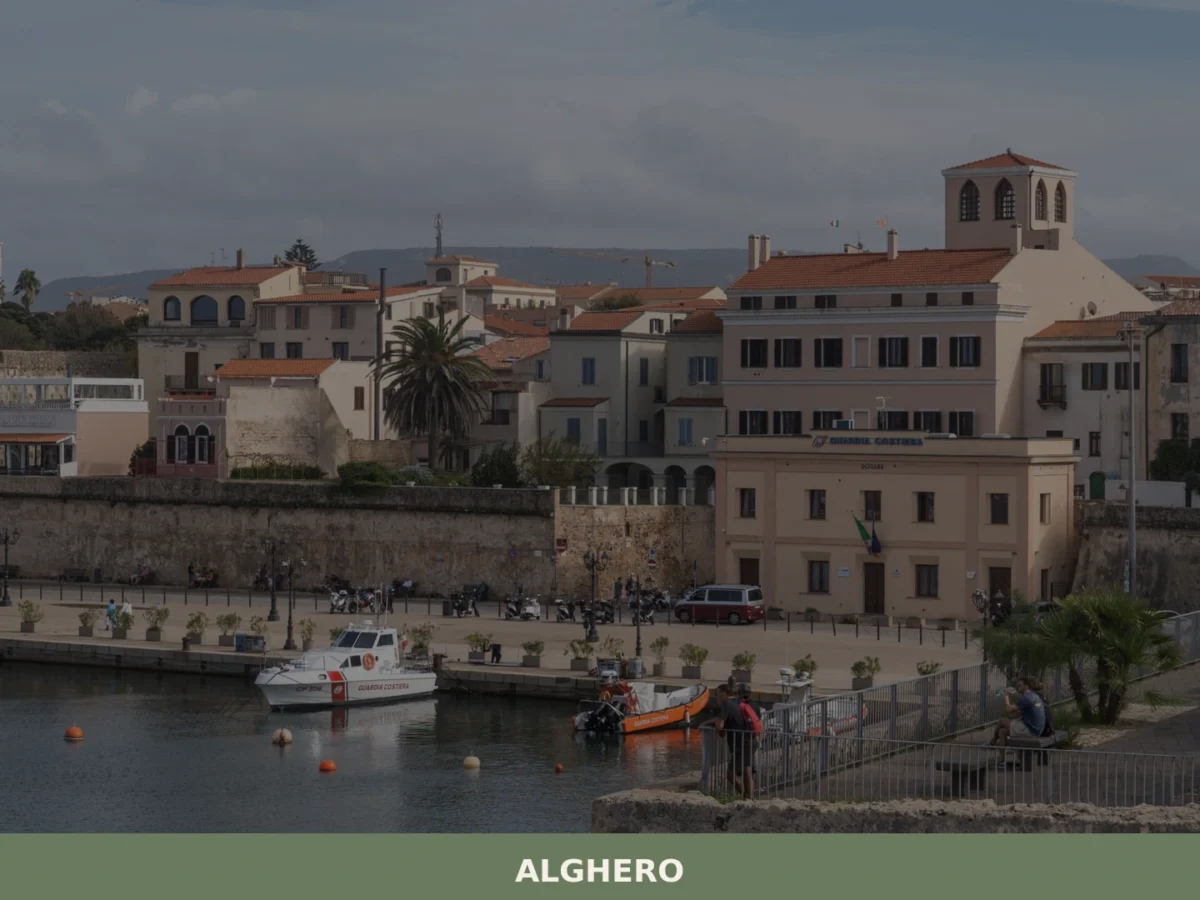
What to see in Alghero: from the Aragonese walls to the Neptune's Grotto, discover the 5 top attractions. Read the full guide to plan your visit.
Olbia
Sea
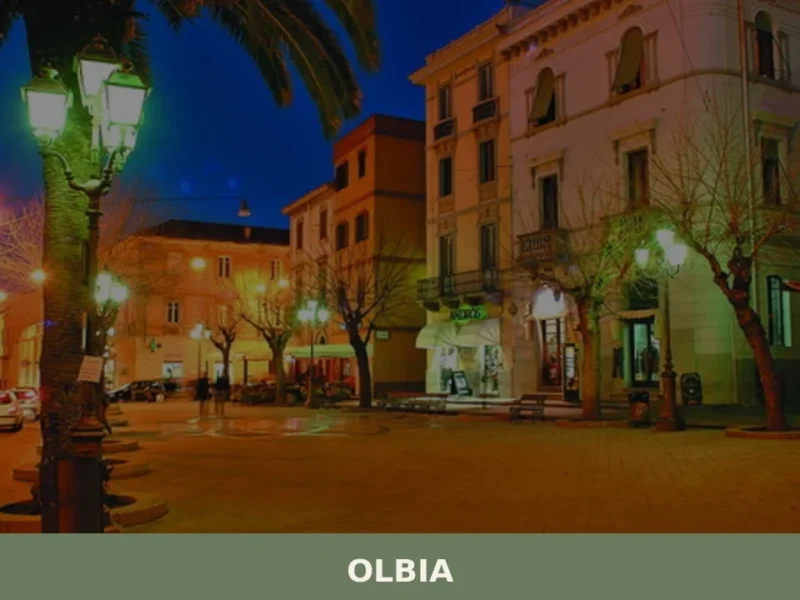
Discover Olbia, a charming village in Sardegna, Italy. Explore its rich history, stunning landscapes, and vibrant local culture in this Mediterranean treasure.
Bonnanaro
Hills
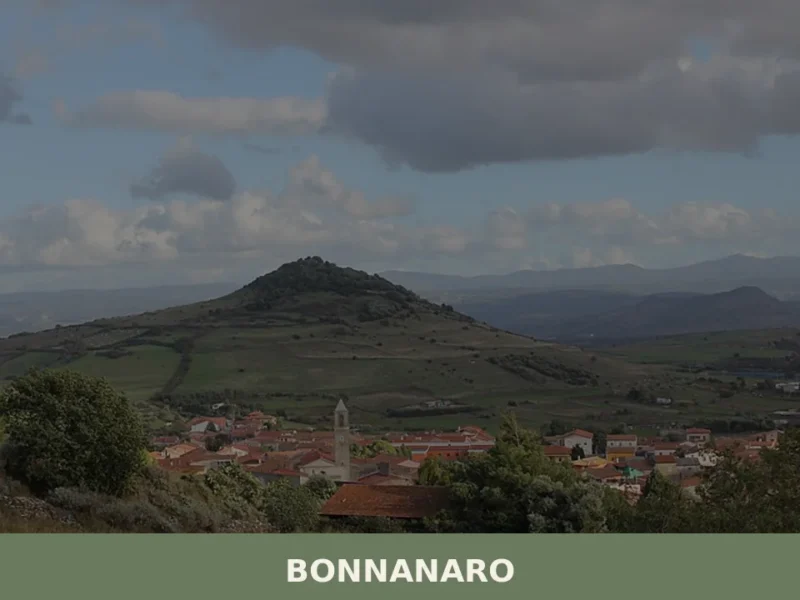
In 1388, when representatives of the Sardinian villages signed the peace treaty with the Crown of Aragon, among the signatories was the village of Bonnanaro, an agricultural centre already known for the fertility of its volcanic soils on the slopes of Monte Pelao. Today this village of 921 inhabitants, situated at 405 metres above sea […]
Aglientu
Sea
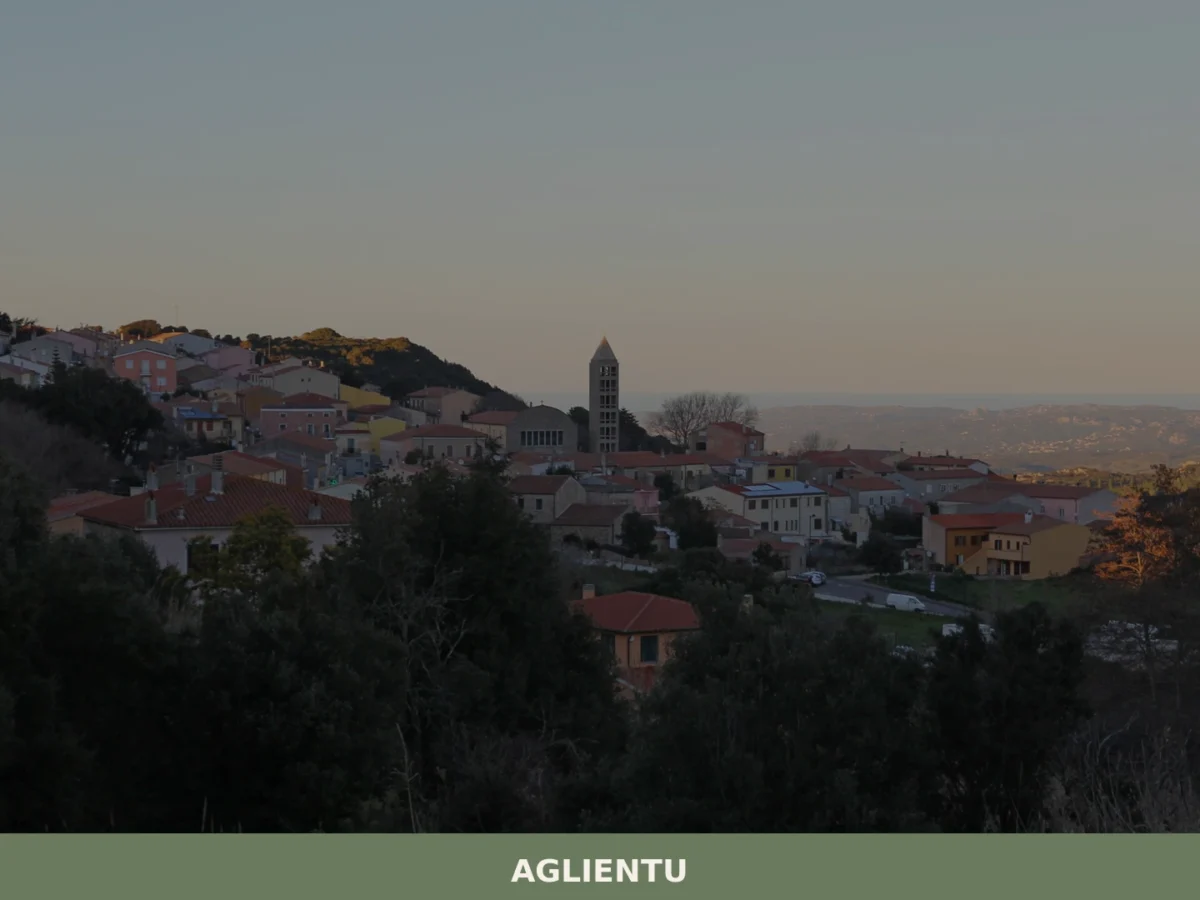
Discover what to see in Aglientu, a Gallura village in north Sardinia: granite coasts, cork oak landscapes, Nuragic sites, and local pecorino culture.
Sanluri
 Plains
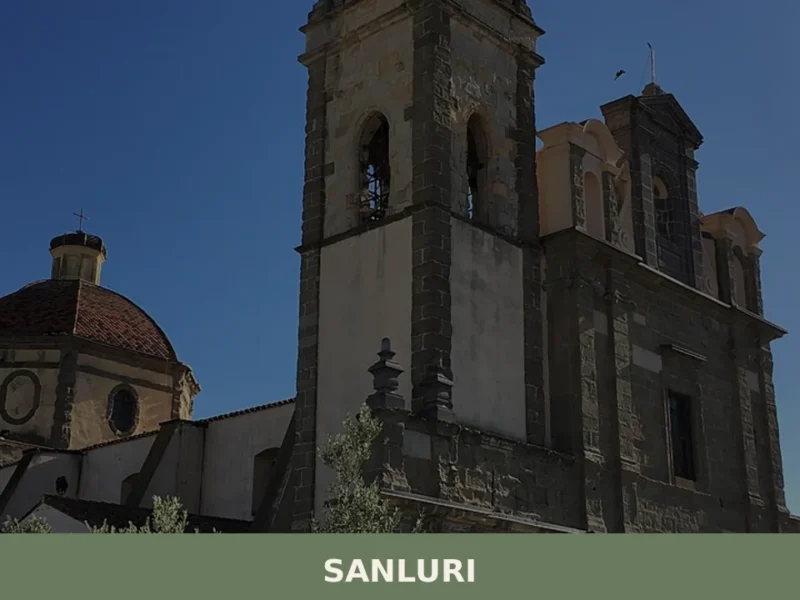
Discover Sanluri, a charming village in Sardegna, Italy, rich in history, culture, and stunning landscapes. Plan your visit today!
🧀 Italian traditional products


🏡 Know Sant’Antioco better than we do?
If you’re a local or have been there, your knowledge matters: add what’s missing or fix a detail on this page.