


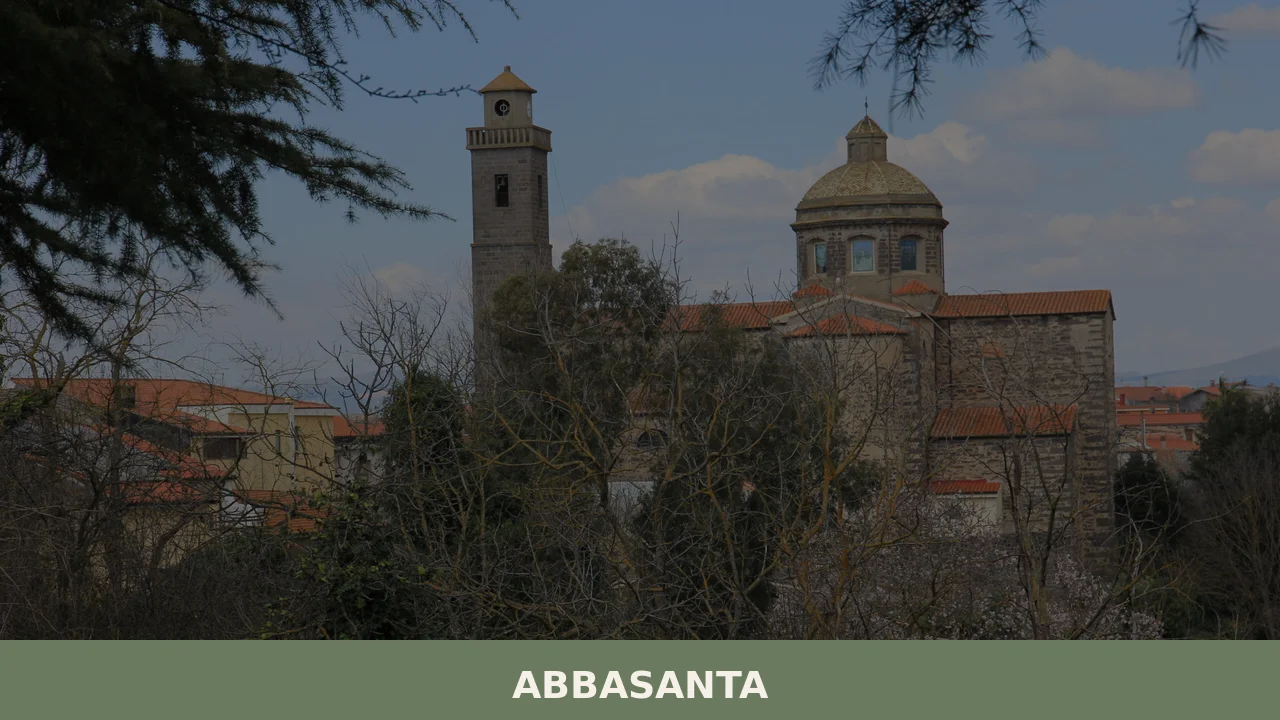
Abbasanta
 Hills
Hills
Scopri Abbasanta, affascinante borgo sardo ricco di storia, cultura e tradizioni. Un viaggio autentico nel cuore della Sardegna da non perdere.
Discover Abbasanta
Abbasanta sits on the Campidano plain in the province of Oristano, central Sardinia, at roughly 315 metres above sea level, with a registered population of around 2,532 inhabitants. Its name derives directly from the Sardinian phrase for “holy water” — abba santa — a reference to a sacred spring that once gave the settlement its reason for being. If you are mapping out what to see in Abbasanta, the answer begins not in the village piazza but in the prehistoric landscape that surrounds it, where some of the most consequential archaeological sites on the island are within direct reach.
History of Abbasanta
The territory around Abbasanta has been continuously inhabited since the Nuragic period, a Bronze Age civilisation that developed across Sardinia roughly between 1800 and 238 BCE. The evidence is not abstract: the nuraghe of Losa, located immediately outside the village, is one of the most complex and well-preserved nuragic structures in existence. Its main tower dates to around the fourteenth century BCE and the surrounding fortified village expanded over the following centuries, making it a rare example of a multi-phase Nuragic site that archaeologists can study in stratigraphic sequence. The presence of such a monument at the edge of Abbasanta confirms that this plateau was a zone of organised, hierarchical settlement long before Roman contact.
Under Roman administration, Sardinia became a province in 238 BCE, and the road network that crossed the island brought the area around Abbasanta into a wider commercial and military circuit. The plateau’s position — controlling routes between the coastal lowlands and the mountainous interior — gave it logistical value that outlasted the Bronze Age. In the medieval period, Sardinia was divided into four autonomous kingdoms called giudicati, and this territory fell within the Giudicato di Arborea, the last of the four to resist Aragonese conquest, holding out until 1420. The administrative legacy of Arborea shaped land tenure and local governance across the Oristano province for generations.
In the modern period, Abbasanta became a municipality within the province of Oristano following the post-unification reorganisation of the Italian state. The village developed along the SS131 — the Carlo Felice highway, the main north-south artery of Sardinia — which made it a natural stopping point rather than a bypassed interior settlement. This connection to infrastructure gave Abbasanta a modest commercial function that it has retained: the presence of service industries, small businesses, and a weekly market reflects a community that was never purely agricultural. The sacred spring referenced in the place name, meanwhile, remained a point of local identity, even as its original ritual significance receded into etymology.
What to see in Abbasanta: 5 must-visit attractions
Nuraghe Losa
The most significant site in the Abbasanta area, Nuraghe Losa is a trilobate nuraghe — meaning it has three secondary towers surrounding the central one — constructed primarily in basalt blocks during the Middle Bronze Age, around the fourteenth century BCE. A walled village grew around it in later phases. The site is open to visitors and managed as an archaeological park, with an on-site museum housing finds recovered during excavations. For more information, consult the official Nuraghe Losa website.
Santa Cristina Well Temple and Sacred Area
Located a short drive from Abbasanta near Paulilatino, the sacred well of Santa Cristina is one of the finest examples of a Nuragic well temple, constructed around 1000 BCE with a precision-cut tholos chamber descending to a water source. The surrounding sacred area also includes a protonuraghe and holiday cottages used during religious festivals. The site is administered regionally and open year-round.
Chiesa di San Basilio
The parish church of San Basilio represents the primary religious structure within the village itself. Its architecture reflects the Sardinian rural ecclesiastical tradition, with later additions modifying an earlier core. The church anchors the village’s central space and is the focal point of the feast day celebrations held in honour of the patron saint, a recurring point of local calendar life.
The Abbasanta Plateau Landscape
The basalt plateau on which Abbasanta stands is itself worth reading as a geographical document. Formed by ancient volcanic activity, the altopiano di Abbasanta supports a covering of holm oak and mastic scrub interrupted by cultivated fields. The flat terrain gives unobstructed views toward the Montiferru hills to the north and the Campidano plain to the south — a visual orientation that makes the strategic importance of the site immediately legible.
Local Archaeological Collections and the SS131 Corridor
The stretch of the SS131 through this part of central Sardinia passes several documented archaeological zones, and the Oristano provincial territory as a whole contains over a thousand recorded nuraghi. Visitors using Abbasanta as a base can access the Sardegna Regional Tourism portal to map a structured circuit of sites across the Oristano hinterland, including Nuraghe Losa, Santa Cristina, and smaller, less visited complexes reachable within thirty minutes.
Local food and typical products
The food culture of Abbasanta belongs to the broader tradition of the Oristano province, one of the most distinctive culinary territories in Sardinia. Pork butchery is central: salsiccia sarda, the island’s cured sausage, and prosciutto di cinghiale — wild boar ham — appear in local households and at agriturismo tables. Pasta takes the form of malloreddus, small ridged semolina dumplings served with lamb ragù or tomato and sausage sauce, and culurgiones, filled pasta parcels whose precise filling varies by family and by village. The area’s olive groves produce oil under the Sardinia IGP designation, characterised by low acidity and a grassy, slightly bitter finish.
Cheese is the other axis of the local food economy. Pecorino Sardo DOP, produced from the milk of the indigenous Sarda sheep breed, is made in this part of the island in both a younger, semi-soft version and an aged, harder form suitable for grating. Local pastry tradition includes sebadas, large fried pasta discs filled with fresh cheese and drizzled with bitter honey — a combination of fat, salt, and sweetness that makes more sense eaten than described. For dining in the area, agriturismo establishments in the surrounding countryside offer the most direct access to these products, typically using ingredients produced on or near the farm itself.
Best time to visit Abbasanta
The plateau climate at Abbasanta is drier and more continental than the Sardinian coast, with hot summers reaching above 35°C and winters that can produce frost. The most practical visiting windows are April through June and September through October, when temperatures in the mid-twenties allow extended time at open-air archaeological sites without heat exposure becoming a logistical problem. Spring brings the plateau scrubland into colour, with asphodel and wild orchid visible along field margins near Nuraghe Losa. Summer visits are workable with early-morning starts at exposed sites and afternoon retreats to shade.
The feast of San Basilio, the village patron, marks a point in the local calendar when the village itself becomes more active than usual, with processions, local food stalls, and traditional music. The exact date follows the liturgical calendar. Across the Oristano province, the period around Carnival sees events in nearby settlements, and the city of Oristano itself hosts the Sartiglia, a masked equestrian tournament of considerable historical depth held in February — worth coordinating with any winter visit to the area.
How to get to Abbasanta
Abbasanta sits directly on the SS131 Carlo Felice highway, the main north-south artery connecting Cagliari to Sassari, which makes road access straightforward from anywhere on the island. The village has its own exit on the SS131, approximately 85 kilometres north of Cagliari and 110 kilometres south of Sassari.
- By air: The nearest airport is Cagliari-Elmas (Aeroporto di Cagliari Elmas), approximately 90 kilometres to the south. Oristano is served more closely by the smaller Fenosu airport, though most international connections operate through Cagliari or Alghero (roughly 130 km to the northwest).
- By road: From Cagliari, take the SS131 north; the journey takes approximately one hour in normal traffic conditions. From Sassari, approximately 1 hour 15 minutes south on the same road.
- By train: Abbasanta is served by the Ferrovie della Sardegna regional rail network. The nearest mainline station on the Trenitalia network is Oristano, approximately 25 kilometres to the southwest, from which local connections or road transfers are required.
- By bus: ARST, the Sardinian regional bus company, operates services connecting Abbasanta to Oristano and other provincial centres on a scheduled timetable.
Where to stay in Abbasanta
Abbasanta does not have a large hotel infrastructure, which is consistent with its function as a working inland village rather than a resort destination. The available accommodation leans toward B&B rooms, small guesthouses, and self-catering holiday apartments in and around the village centre. For visitors who want immediate proximity to Nuraghe Losa and the plateau landscape, staying in or near Abbasanta rather than commuting from Oristano city has practical advantages: you can arrive at the nuraghe at opening time before tour groups and have the afternoon plateau light for photography without a drive.
Agriturismo accommodation in the surrounding countryside is the most characteristic option and typically includes dinner prepared with local produce, which removes the question of finding restaurants in a small village during quieter months. The city of Oristano, 25 kilometres to the southwest, offers a wider hotel range and makes a reasonable alternative base for those covering the entire province. A practical booking tip: for visits timed around local festivals or the summer high season, book agriturismo stays at least six to eight weeks in advance, as rural properties in this part of Sardinia have limited room counts and fill early.
More villages to discover in Sardegna
The province of Oristano offers several points of reference beyond Abbasanta itself. The city of Oristano, the provincial capital just 25 kilometres to the southwest, provides urban context for the rural plateau: its cathedral, medieval towers, and Antiquarium Arborense museum offer a concentrated reading of the same Giudicato di Arborea history that shaped this entire corner of the island. Further afield, Sant’Antioco on Sardinia’s southwestern coast presents a completely different register — a Phoenician and Roman settlement on an island connected to the mainland by a Roman-era causeway, where stratified history reads differently than on the basalt plateau.
Sardinia’s interior and north reward systematic exploration. Aggius, in the Gallura region to the north, is a granite village with a documented tradition of polyphonic choral singing — the cantu a tenore family of vocal practices — and a landscape of enormous rounded boulders that marks the shift from the volcanic centre to the northeast’s crystalline geology. For a quieter experience in the Sassari province, Banari offers a concentrated look at a small Sardinian community in the Logudoro territory, where Romanesque ecclesiastical architecture and traditional land use have remained largely continuous. Each of these settlements adds a distinct layer to any reading of the island’s human and physical geography.
Nearby Villages near Abbasanta
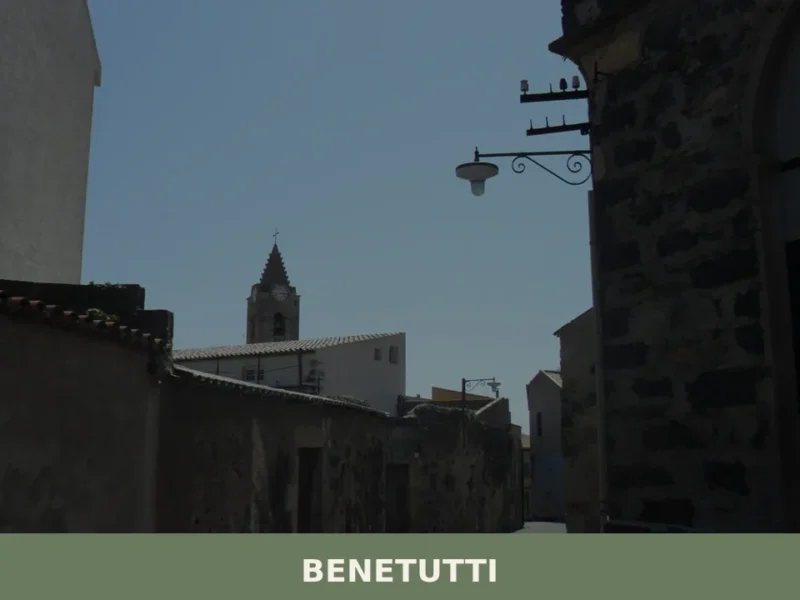
In Sardinia More villages to discover
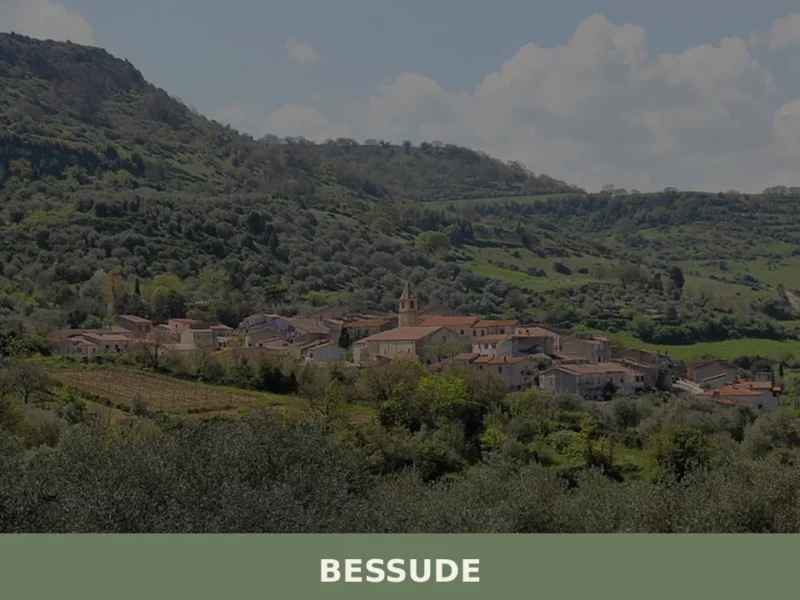
Bessude
Hills
At 447 meters above sea level, with a population of 383 inhabitants as of 2023, Bessude is a small town in Logudoro-Meilogu, in the province of Sassari, whose existence is documented at least since 1341 in the Rationes Decimarum Sardiniae. The village, known for its hilly location and the Nuragic remnants that surround its territory, […]

Nuraminis
 Plains
Discover Nuraminis, a Sardinian village with ancient nuraghi, Byzantine treasures & a Gothic-Catalan church. Your guide to an unmissable cultural escape.
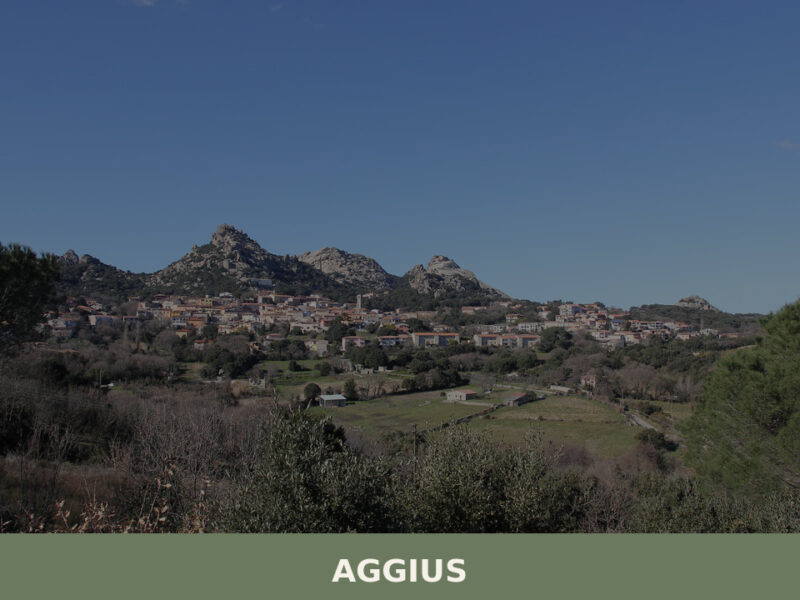
Aggius
Hills
Granite boulders glow amber in the late afternoon, stacked like ancient sentinels across a valley floor that drops away toward the Gallura coast. Wind pushes through narrow lanes of grey stone houses, carrying the faint rhythm of a polyphonic chorus rehearsing behind closed shutters. At 514 metres above sea level, this village of just over […]
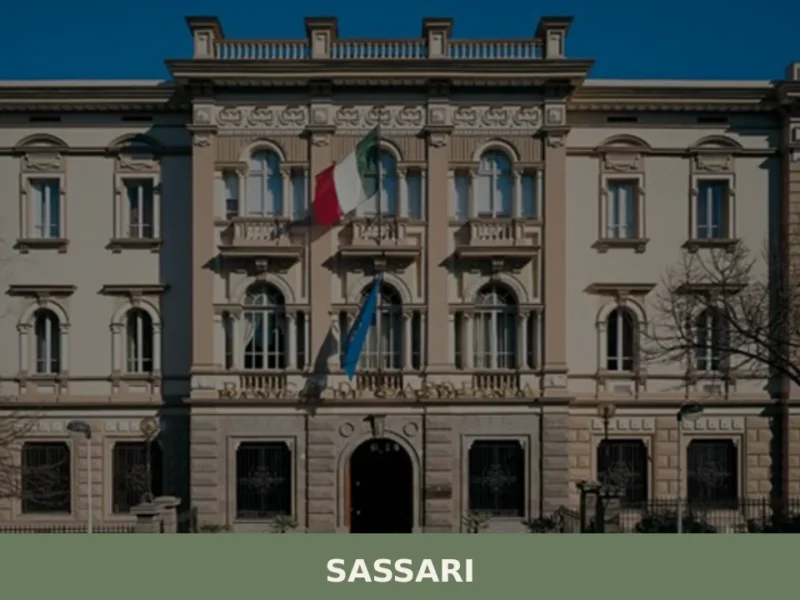
Sassari
 Sea
Sea
Discover Sassari, a captivating village in Sardegna, Italy. Explore its rich history, vibrant culture, stunning architecture, and authentic Italian charm.
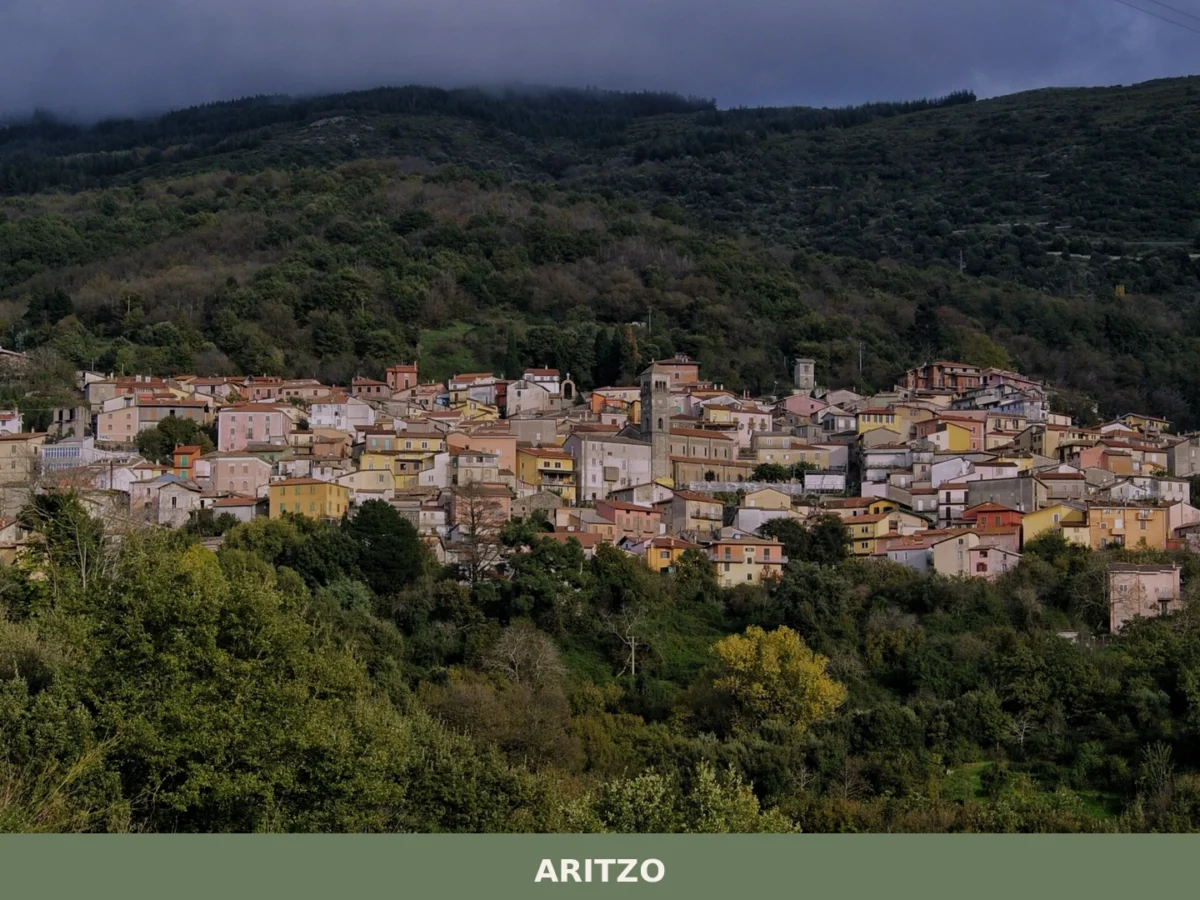
Aritzo
 Mountain
What to see in Aritzo, Italy: Explore a village of 1,272 residents in Sardegna, located 80 km from Cagliari. Discover its unique demographics and geographical setting.
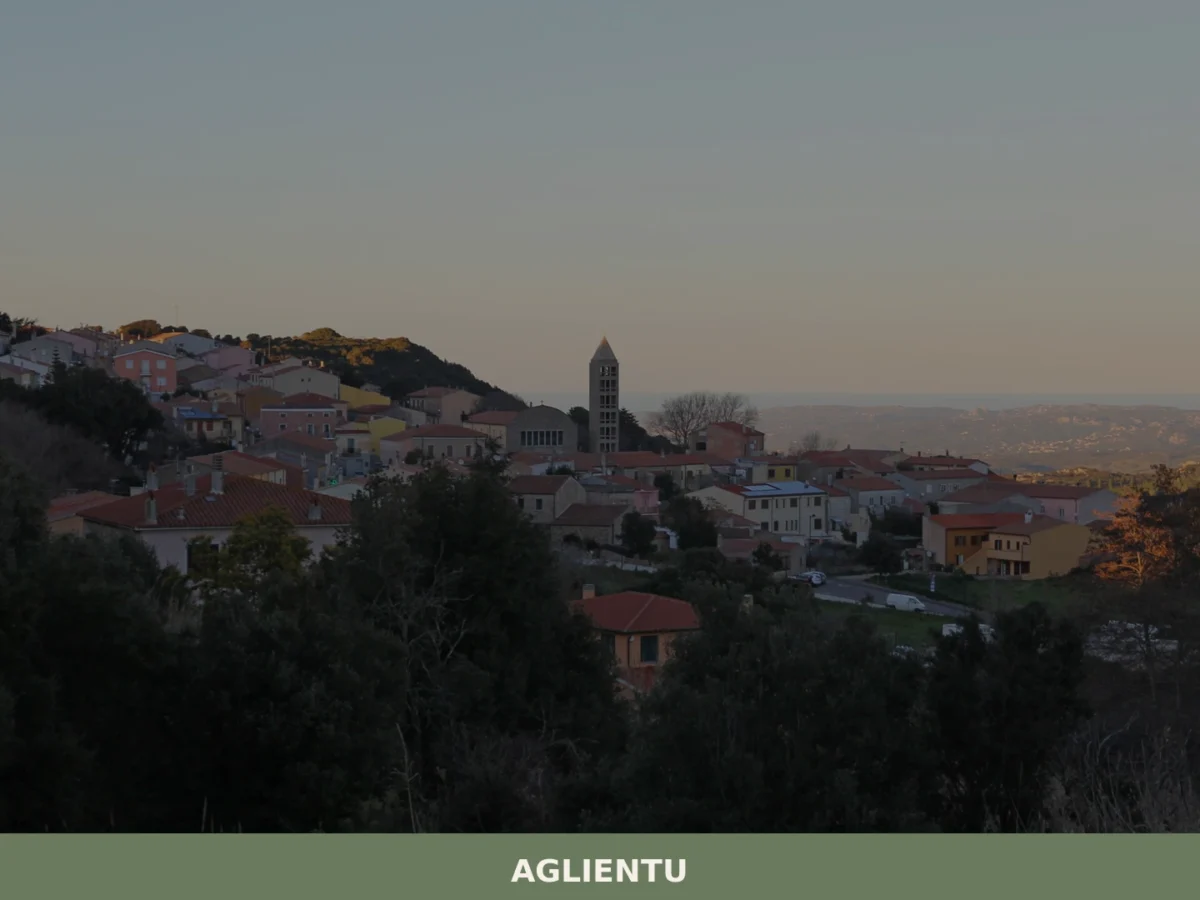
Aglientu
Sea
Discover what to see in Aglientu, a Gallura village in north Sardinia: granite coasts, cork oak landscapes, Nuragic sites, and local pecorino culture.
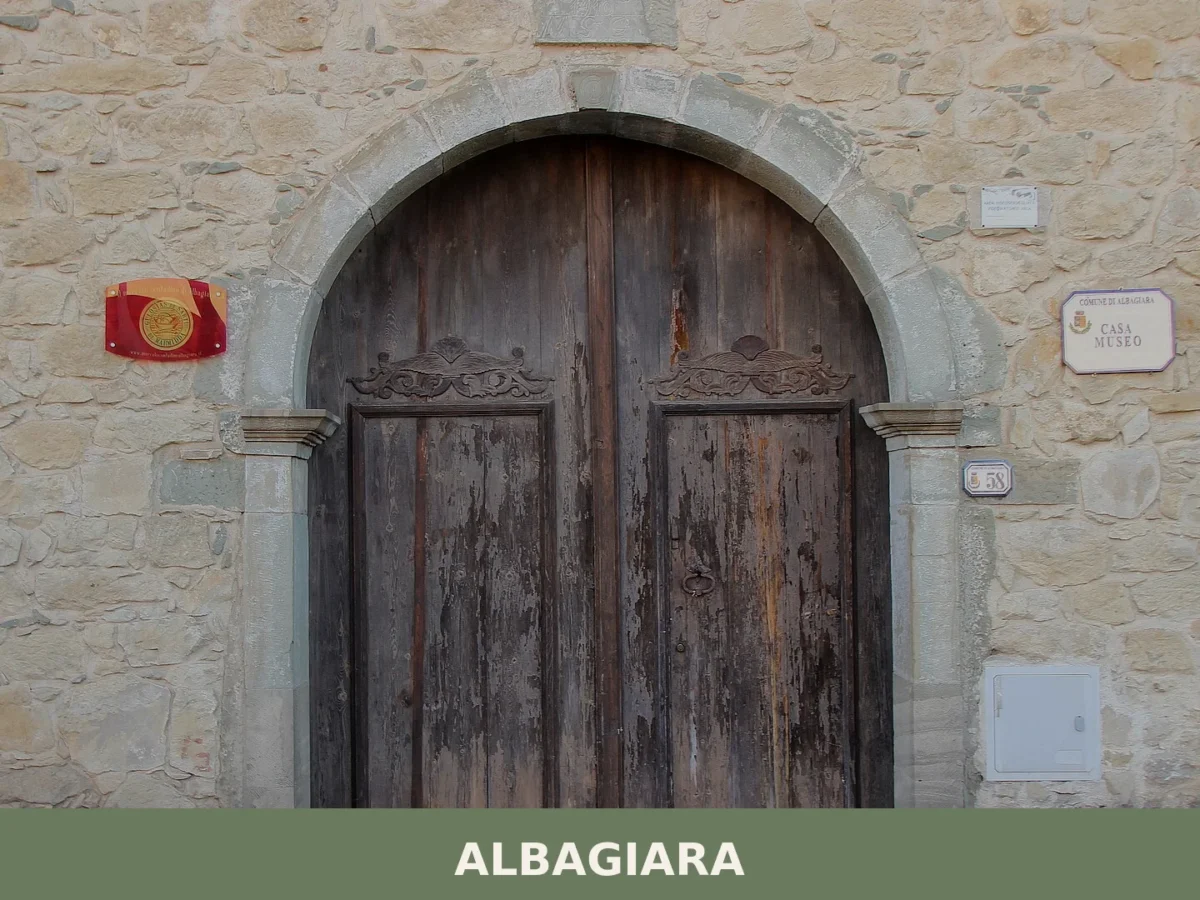
Albagiara
Plains
A community of 273 inhabitants in the heart of Oristano province. Albagiara balances ancient archaeology with modern agricultural and artisan traditions.

Orotelli
Hills
Population 2,140. A plateau village marked by granite outcrops, divided by geological syncline, with medieval ecclesiastical heritage and nuragic foundations in the Nuoro province.
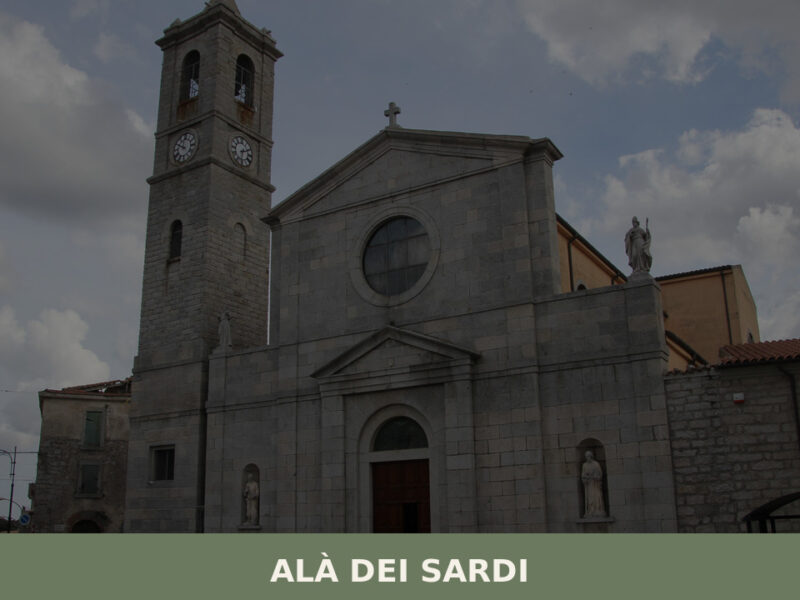
Alà dei Sardi
Mountain
Morning mist rolls off the granite plateau and settles in the narrow streets, carrying the smell of woodsmoke and fresh bread from a communal oven that has not changed position in two centuries. At 663 metres above sea level, the air here is thinner, cooler, and quieter than on the coast below. Alà dei Sardi […]
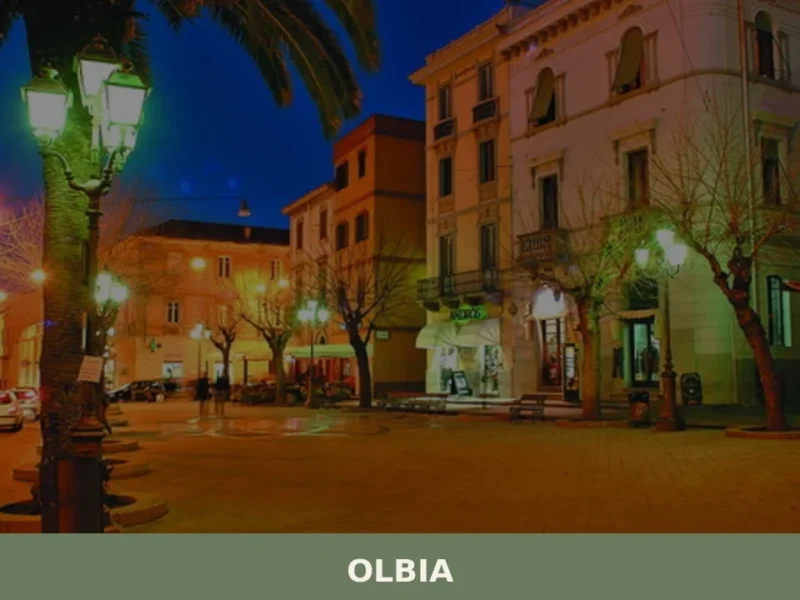
Olbia
Sea
Discover Olbia, a charming village in Sardegna, Italy. Explore its rich history, stunning landscapes, and vibrant local culture in this Mediterranean treasure.




🏡 Know Abbasanta better than we do?
If you’re a local or have been there, your knowledge matters: add what’s missing or fix a detail on this page.