


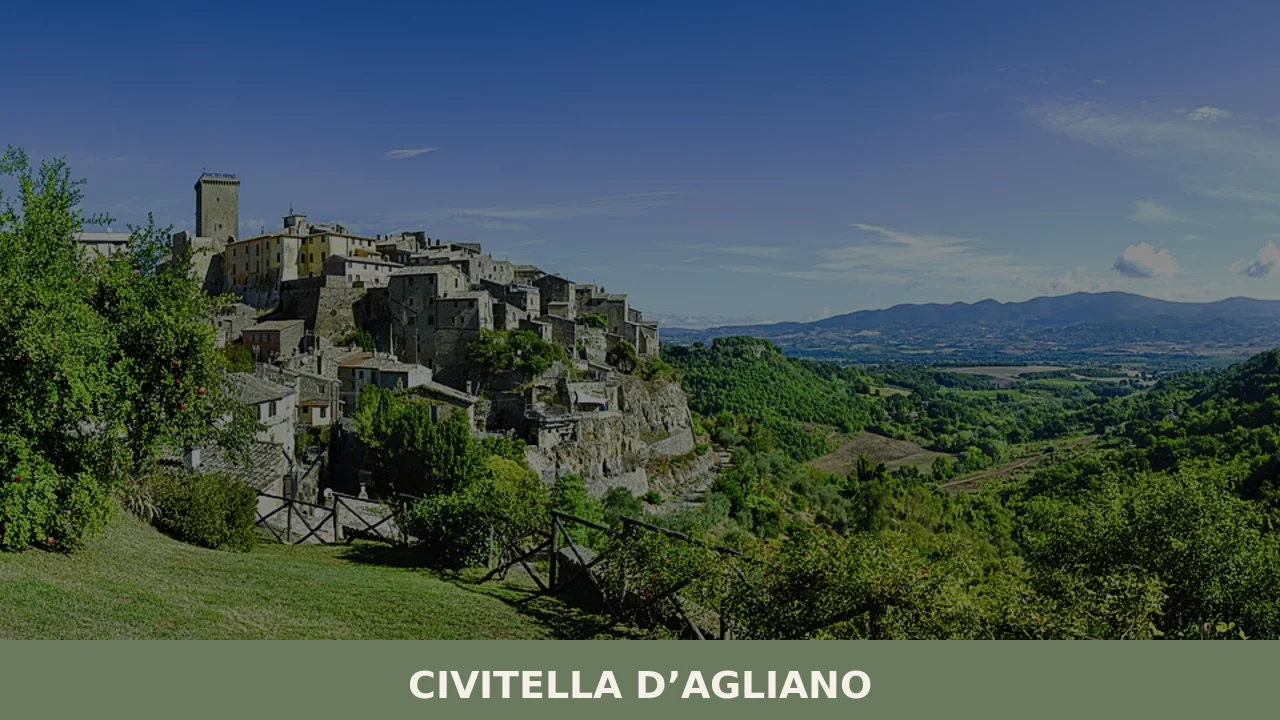

What to See in Civitella d’Agliano: Tower, Castle, Festival. Discover the historic attractions of the village! Experience culture and flavors.
Discover Civitella d’Agliano
The unmistakable flavor of Cacio fiore (PAT) — produced in the municipalities of Civitella d’Agliano, Bagnoregio, Viterbo, welcomes you as you wander through the historic streets of Civitella d’Agliano, in the heart of Lazio.
The cobblestone paths speak of an ancient past, surrounded by lush nature and hilly landscapes that inspire a sense of calm and beauty.
The chirping of birds among the alleys mixes with the aroma of freshly baked bread, creating an atmosphere that invites exploration.
Discovering what to see in Civitella d’Agliano means immersing yourself in a unique experience in this village of about 1,441 inhabitants.
Located at 262 meters above sea level, it offers visitors splendid panoramic views and a rich history evidenced by its ancient buildings and vibrant traditions.
Visitors to this enchanting place cannot miss the spectacular Clock Tower and the evocative Baglioni Castle, authentic gems of the local heritage.
History and Origins of Civitella d’Agliano
The history of Civitella d’Agliano is lost in the mists of time, with its first mention dating back to the 8th century. This settlement, perched among the gentle hills of Lazio, emerged as a strategic defense point during the medieval period.
Its origins intertwine with the passage of various dominations, including those of the Lombards and the Romans, which have definitively shaped its architectural and cultural identity.
The name of the village probably derives from the ancient cult of an agro-pastoral deity, “Agliana,” a figure revered by the locals for the protection of crops.
During the medieval period, Civitella d’Agliano became part of the possessions of the powerful Orsini family, which contributed to further fortifying it.
This historical phase was characterized by an increase in defensive constructions that still punctuate the urban landscape today.
The 17th century marked a period of stability and progressive urbanization for Civitella d’Agliano.
With the advent of the Baglioni family, the village experienced an economic and artistic bloom, evidenced by the numerous palaces and late-Renaissance churches.
Even today, visiting the village, one can perceive the influence of this period through the decorations and frescoes present in the historical buildings.
What to See in Civitella d’Agliano: Main Attractions
Clock Tower
The stone walls of the Clock Tower stand out at the entrance of the town with their earthy hues and irregular surfaces.
Erected in the 14th century, this tower marked time for the peasants and nobles.
Climbing its narrow steps, one reaches a magnificent view of the surrounding valley. It is possible to visit it all year round, but it is recommended during the cooler months to fully appreciate the panorama without crowds.
Baglioni Castle
The massive Baglioni Castle dominates Civitella d’Agliano with its severe walls and imposing battlements. Built in the 16th century, it tells a story of defenses and battles.
Inside, the vast halls narrate ancient family rituals.
Open for visits by appointment, the castle offers guided tours on selected days: always check the timings on the municipal website.
Church of San Carlo
The Church of San Carlo, with its baroque facade and soaring bell tower, dates back to the 17th century.
Decorated with carvings in local stone and frescoes, the church is an architectural jewel that tells of a community’s devotion tied to its spiritual roots.
During the Christmas festivities, masses here traditionally attract devotees and tourists.
Museum of Rural Civilization
Nestled in the historic center, the Museum of Rural Civilization preserves agricultural tools and artifacts that tell the rural life of Civitella d’Agliano. This collection, displayed in a building from the past, offers an authentic snapshot of the agricultural struggles and innovations of the 19th century.
An ideal place to understand the cultural changes of the area.
Piazza del Comune
The bustling heart of the village, Piazza del Comune is the gathering point for events and weekly markets. The buildings surrounding it, adorned by flowered balconies, date back to the 18th century and create a perfect setting to immerse oneself in the local life.
Don’t miss the panoramic view from the adjacent viewpoint, accessible all year round.
Typical Cuisine and Products of Civitella d’Agliano
The culinary tradition of Civitella d’Agliano is deeply rooted in the history and geography of northern Lazio, influenced by the local raw materials.
The typical dishes reflect the simple genuineness of peasant cuisine, enhanced by the intense flavors of cheeses and meats processed according to ancient recipes.
Among the most renowned dishes are pasta alla gricia and lamb coratella.
Made with simple ingredients like fresh pecorino and guanciale, these dishes offer an authentic taste experience.
The coratella, cooked with local spices, is a journey into the gastronomic past of the region.
The certified products of the area include the renowned Cacio fiore (PAT) — common areas: Civitella d’Agliano, Bagnoregio, Viterbo, and Guanciale (PAT) — common areas: Civitella d’Agliano, Viterbo, Orte.
These ingredients are fundamental in local dishes and can be purchased directly at the farm markets of the village or nearby towns.
During August, the village hosts a traditional food and wine festival where visitors can taste local products, including the famous Guanciale amatriciano (PAT) — common areas: Civitella d’Agliano, Bagnoregio, Bomarzo, in a celebration filled with music and culinary conviviality.
Festivals, Events, and Traditions of Civitella d’Agliano
The patronal feast dedicated to Saint Gorgonius of Rome, celebrated on September 9, is the highlight event for the community of Civitella d’Agliano.
During the day, solemn religious ceremonies take place, processions through the streets of the village, and fireworks light up the night, creating a suggestive atmosphere and intense participation from residents and tourists.
Another cherished tradition is the new oil festival held in November, an occasion to celebrate the end of the olive harvest and the arrival of fresh oil.
The event includes tastings, local product markets, and guided tours of the oil mills, offering an immersion into the agricultural excellences of the village and the region.
When to Visit Civitella d’Agliano and How to Get There
The best time to visit Civitella d’Agliano is spring and early autumn, when the climate is mild and the surrounding nature offers vibrant colors.
This is also the ideal time to attend the festivals and enjoy the village’s attractions without the summer crowds.
Those who prefer a quieter experience will find plenty of space for relaxing walks in the surrounding countryside.
To reach Civitella d’Agliano, it is recommended to take the A1 motorway and exit at the Attigliano toll booth, continuing for about 12 km. The nearest railway station is Orte, 30 km away, connected by local buses.
The closest airports are Rome Fiumicino and Perugia, approximately 120 km and 100 km away, respectively.
| Starting Point | Distance | Estimated Time |
|---|---|---|
| Orte | 30 km | 30 minutes |
| Rome | 100 km | 1 hour and 30 minutes |
| Viterbo | 50 km | 50 minutes |
Where to Stay in Civitella d’Agliano
For those seeking a local stay, Civitella d’Agliano offers various accommodation options, including small B&Bs and farm stays located within or around the village.
These establishments ensure a warm hospitality, allowing guests to fully immerse themselves in the beauty of the landscape and the peaceful rhythms of village life.
Frequently asked questions about Civitella d’Agliano
What is the best time to visit Civitella d'Agliano?
Spring (April–June) and early autumn (September–October) are ideal: mild temperatures, lush countryside, and key local events. September 9 is the feast of San Gorgonio, the village patron, with processions, religious ceremonies, and fireworks — a highlight for anyone seeking authentic local tradition. November brings the new oil festival celebrating the olive harvest, with tastings and mill tours. Summer is warm but quieter; winter is peaceful for those who enjoy solitary countryside walks.
What are the historical origins of Civitella d'Agliano?
Civitella d'Agliano has documented roots dating to the 8th century, shaped by Lombard and Roman influences. During the medieval period it became a fortified stronghold within the Orsini family's domain. The 17th century brought prosperity under the Baglioni family, who promoted architectural and artistic development visible today in the village's late-Renaissance palaces and churches. The name likely derives from an ancient agro-pastoral cult, 'Agliana,' associated with the protection of local crops.
What to see in Civitella d'Agliano? Main monuments and landmarks
The key sites include: the 14th-century Clock Tower at the village entrance, offering panoramic views of the valley; the 16th-century Baglioni Castle, visitable by appointment with guided tours on selected days (check the municipal website for schedules); the baroque Church of San Carlo with 17th-century frescoes and stone carvings; the Museum of Rural Civilization in the historic center, dedicated to local agricultural heritage; and Piazza del Comune, the lively village square with an adjacent panoramic viewpoint.
Where to take the best photos in Civitella d'Agliano?
The panoramic viewpoint adjacent to Piazza del Comune offers sweeping views over the hilly Lazio landscape and is accessible year-round. The top of the Clock Tower provides an elevated perspective over the surrounding valley — best visited in spring or early autumn for clear skies and vivid colors. The cobblestone streets of the historic center, framed by stone facades and flowered balconies, also offer excellent photographic compositions, especially in morning light.
Are there museums, churches or historic buildings to visit in Civitella d'Agliano?
Yes. The Museum of Rural Civilization in the historic center preserves 19th-century agricultural tools and artifacts documenting local rural life. The Church of San Carlo features a baroque facade, carved stonework, and interior frescoes from the 17th century; it is particularly atmospheric during Christmas masses. The Baglioni Castle is open for guided visits by appointment — contact the municipal office or check the official website for available dates and times.
What can you do in Civitella d'Agliano? Activities and experiences
Visitors can explore the medieval historic center on foot, visit the Museum of Rural Civilization, and book a guided tour of Baglioni Castle. Food and wine experiences are a highlight: attend the August gastronomic festival to taste local cured meats and cheeses, or the November new oil festival with olive mill tours and tastings. The surrounding hilly countryside is well suited to leisurely walks and cycling. Weekly markets at Piazza del Comune offer local produce directly from area farmers.
Who is Civitella d'Agliano suitable for? Families, couples, hikers, solo travelers?
Civitella d'Agliano suits couples seeking a quiet, authentic Italian village escape with history, good food, and scenic landscapes. It appeals to cultural travelers interested in medieval architecture and rural traditions, and to food lovers drawn by PAT-certified products like Cacio fiore and Guanciale. Families will appreciate the relaxed pace, open squares, and countryside setting. Solo travelers and slow-tourism enthusiasts will find the village's small scale and genuine atmosphere particularly rewarding, especially during the September patronal feast or November oil festival.
What to eat in Civitella d'Agliano? Local products and specialties
The village's culinary identity revolves around certified PAT products: Cacio fiore, a traditional soft cheese produced in Civitella d'Agliano and nearby Bagnoregio and Viterbo; Guanciale, the cured pork cheek essential to local pasta dishes, produced in Civitella d'Agliano, Viterbo, and Orte; and Guanciale amatriciano, shared with Bagnoregio and Bomarzo. Signature dishes include pasta alla gricia and lamb coratella with local spices. These products can be purchased at village farm markets or tasted during the August food and wine festival.
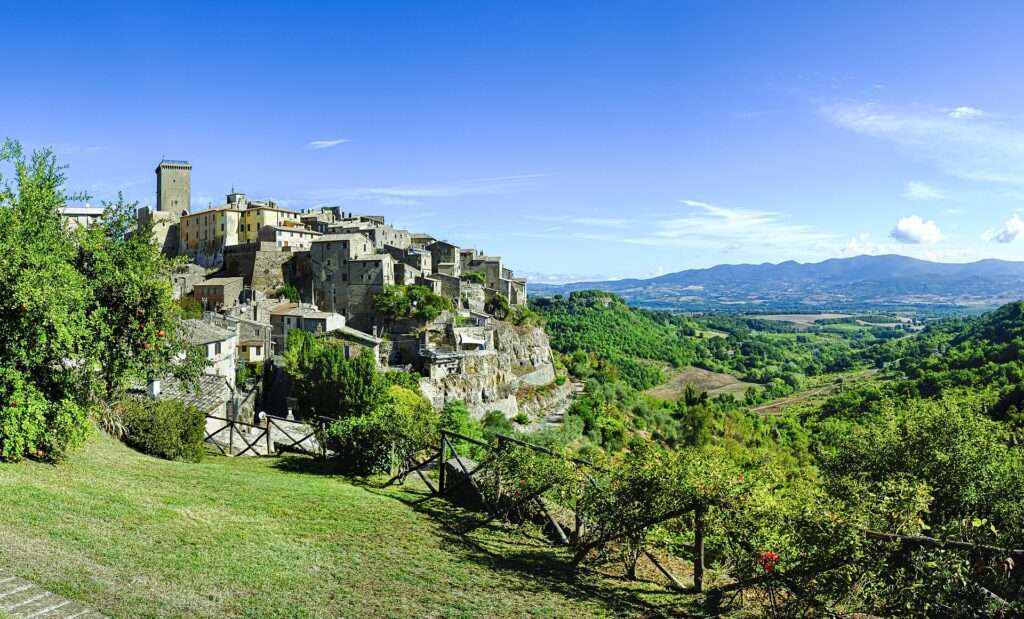
📷 Photo Gallery — Civitella d’Agliano
Nearby Villages near Civitella d’Agliano
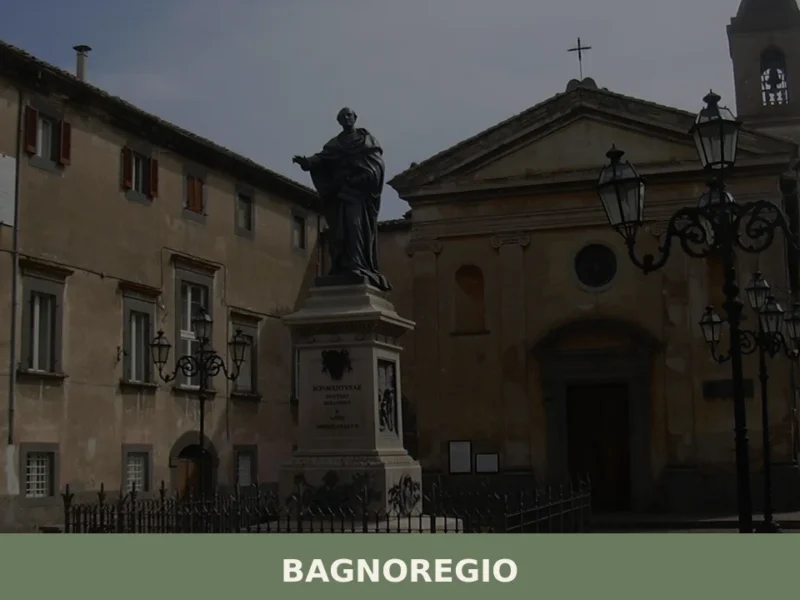
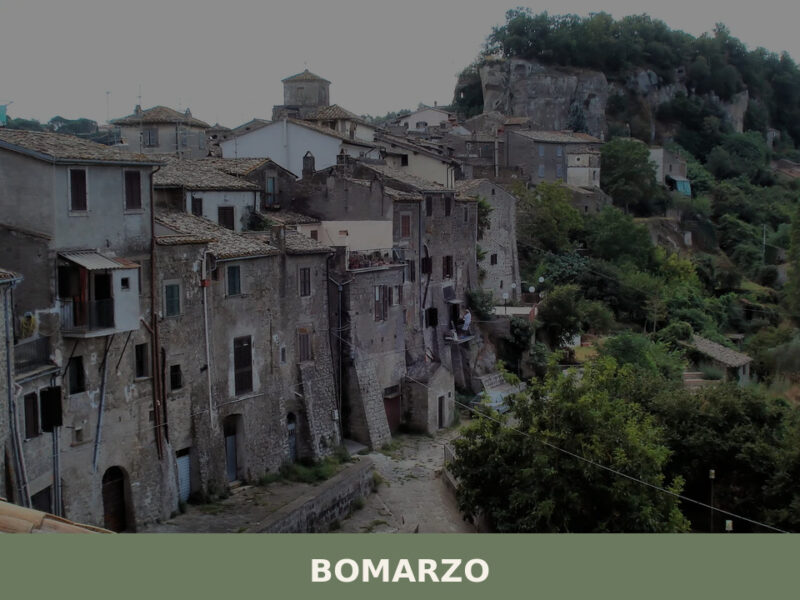
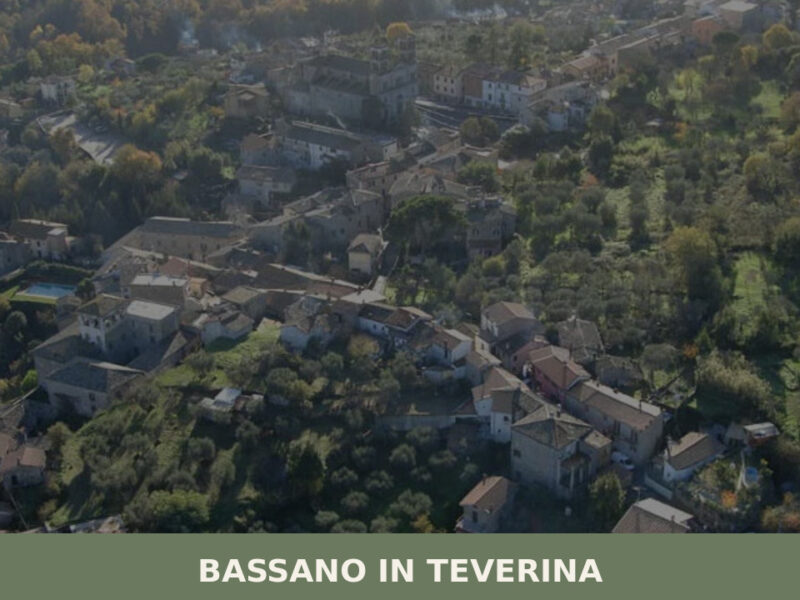
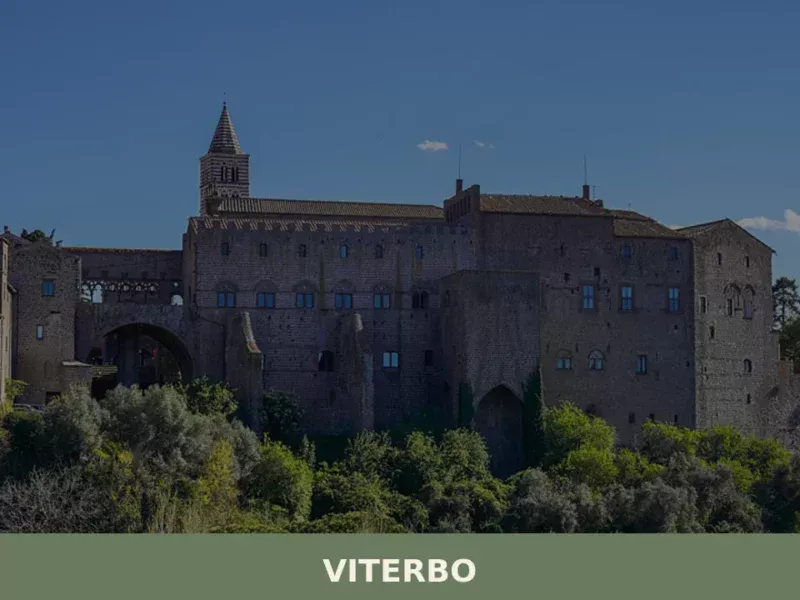
In Lazio More villages to discover
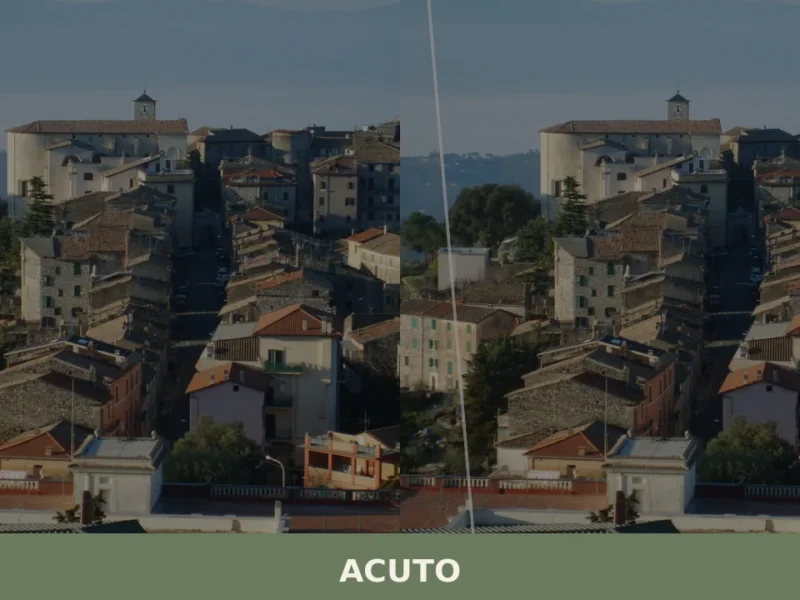
Acuto
 Mountain
What to see in Acuto, Lazio, Italy: explore a hilltop village at 680 m with the birthplace of a Catholic founder and Monti Ernici views. Discover it all here.
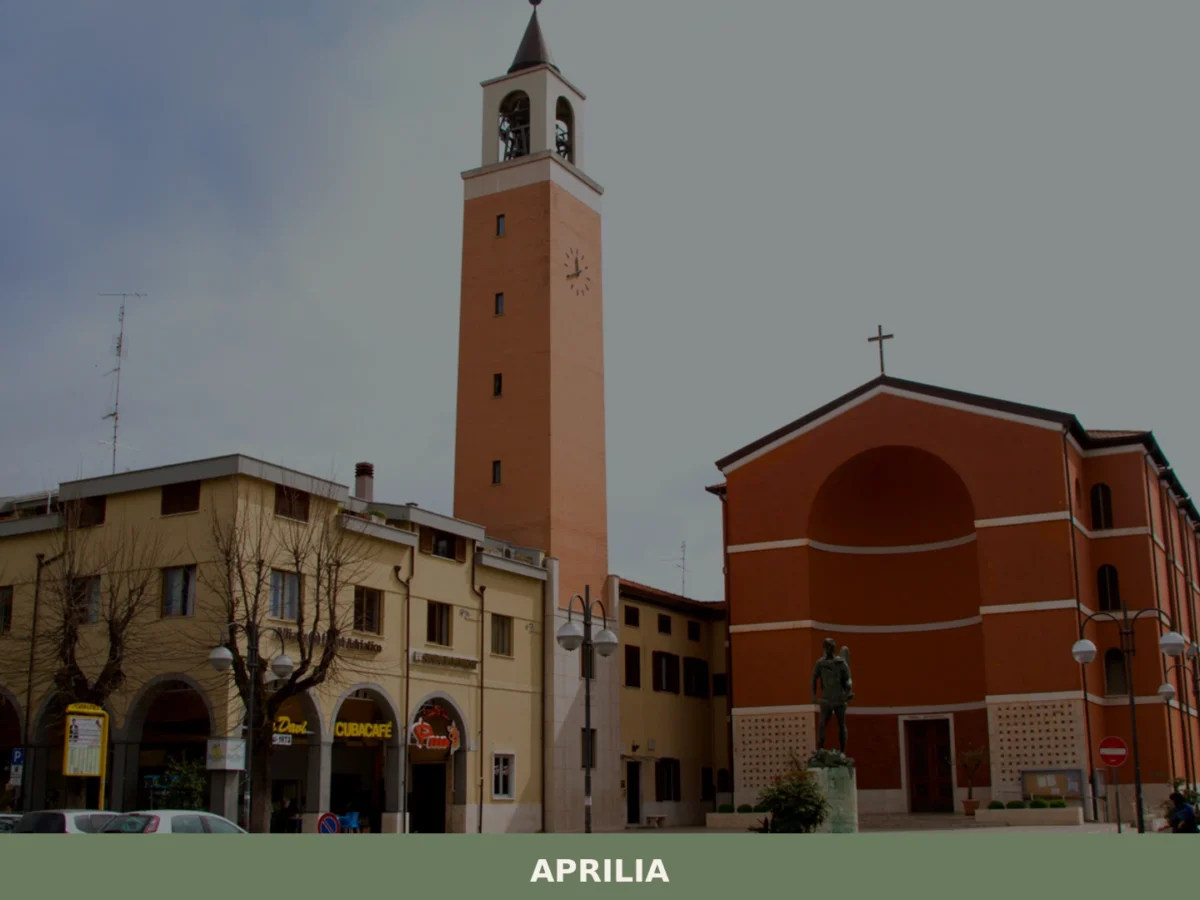
Aprilia
 Plains
What to see in Aprilia? Explore 5 unique attractions in this Lazio village. Discover its historic origins and hidden gems. Plan your visit now!
Arce
Plains
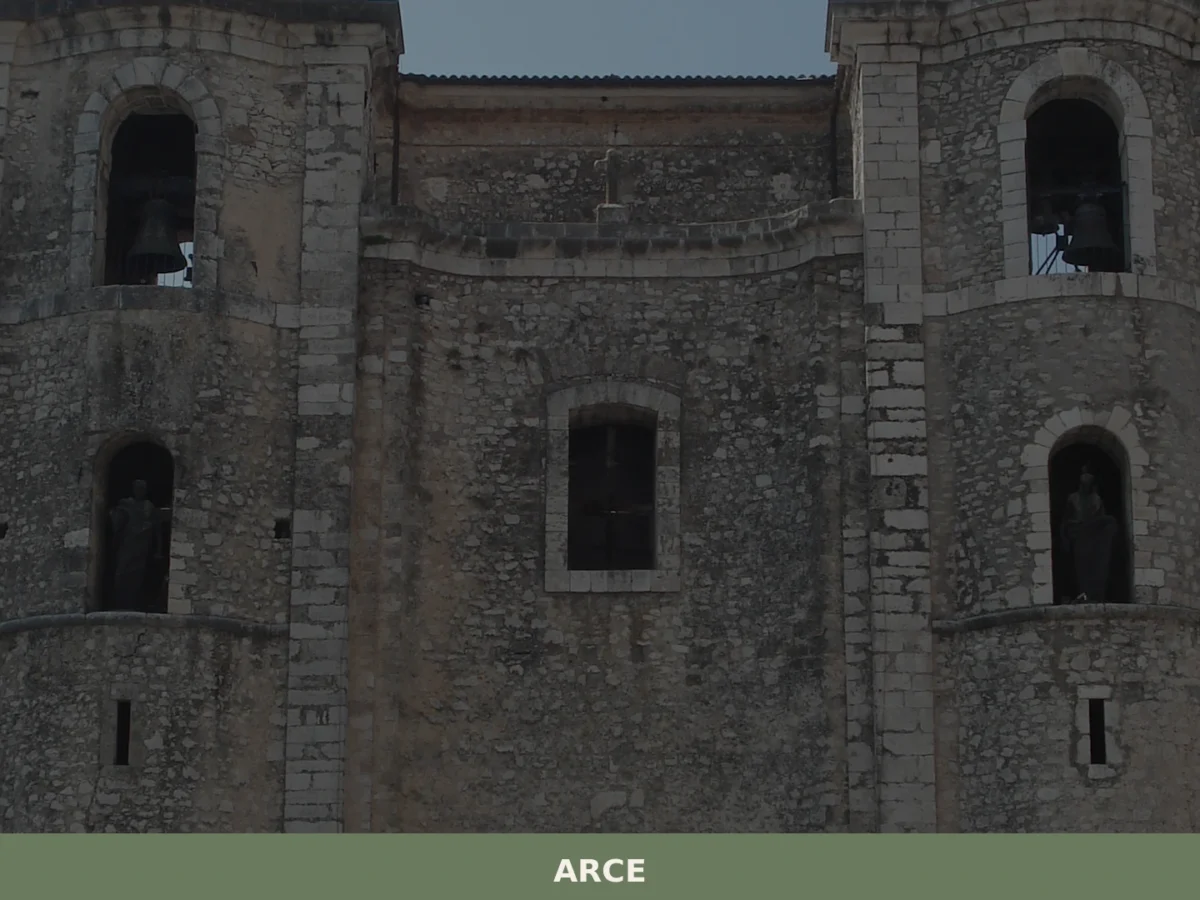
What to see in Arce: discover the 5 unmissable aspects of this Lazio village. From medieval fortresses to scenic views, your complete guide. Plan your visit!
Bassiano
 Hills
Hills
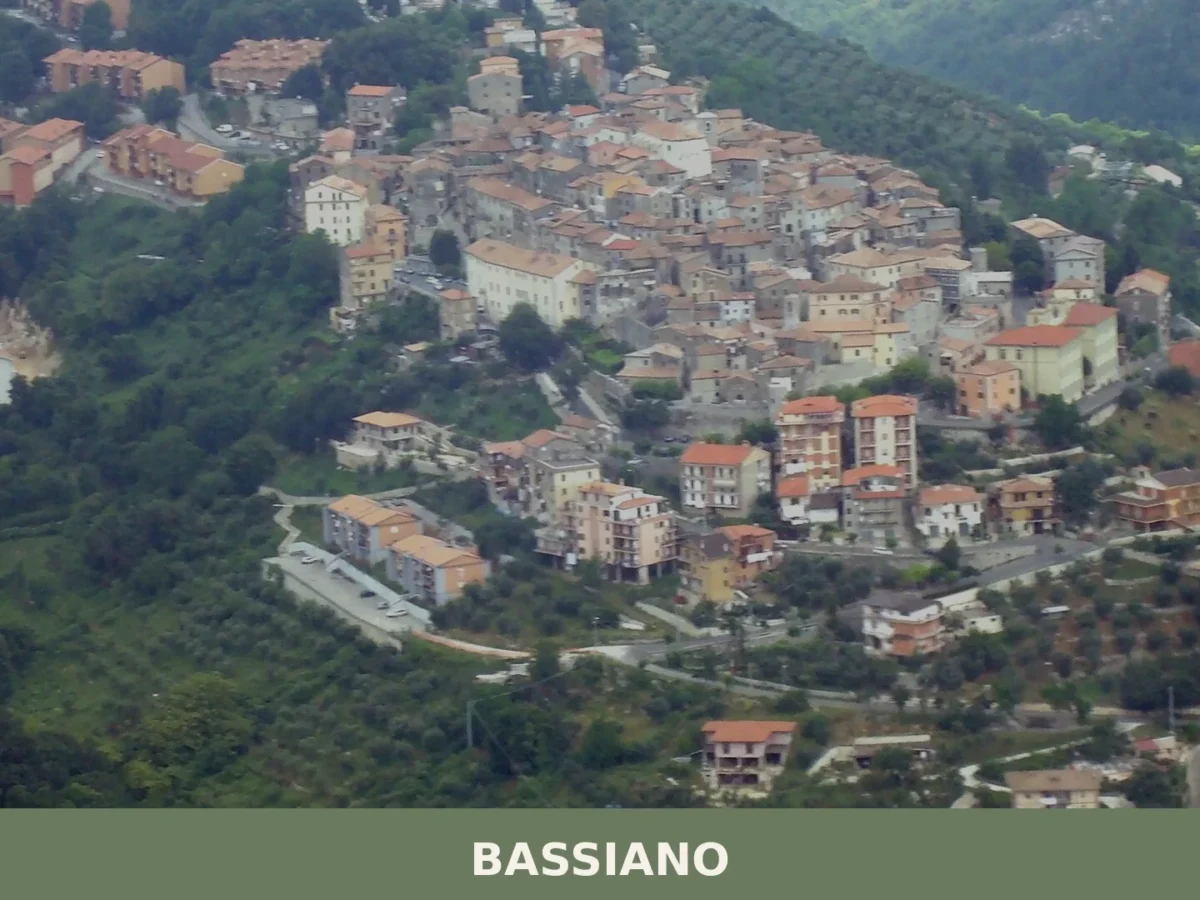
A compact medieval borgo of 1,432 inhabitants at 562 metres altitude. Home to the birthplace of Aldo Manuzio and churches spanning from the 12th century.
Camerata Nuova
Mountain
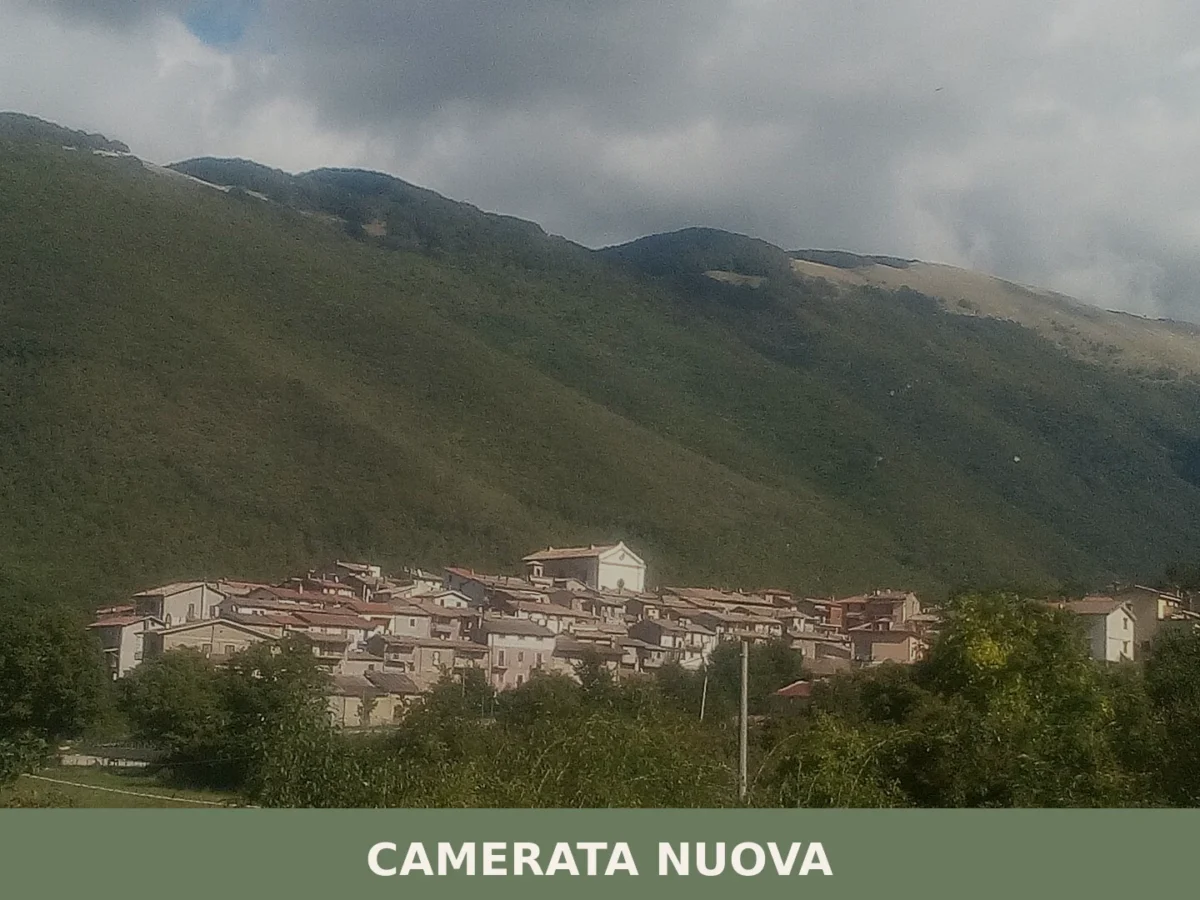
Camerata Nuova is a mountain comune of around 400 inhabitants in the Metropolitan City of Rome, rebuilt after an 1859 fire and set within the Parco Naturale Regionale dei Monti Simbruini at the easter

Ausonia
Hills
What to see in Ausonia, Lazio, Italy: discover a 15th-century sanctuary, an 11th-century castle, and medieval frescoes. Explore the full travel guide now.
Bracciano
Hills
 Lake
Lake
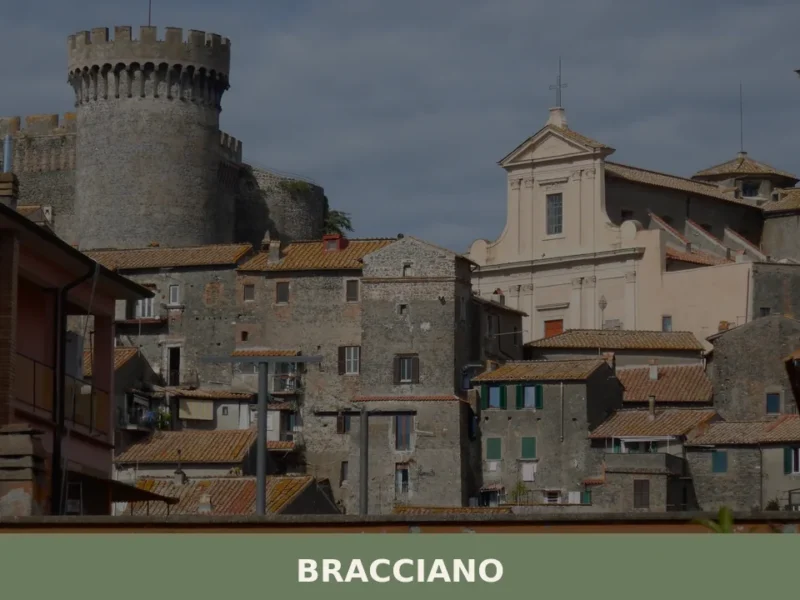
What to see in Bracciano, Italy: Discover its medieval castle and volcanic lake. Located 30 km (19 mi) from Rome, explore this Lazio village for a memorable day trip.

Terracina
 Sea
Sea
44,000 residents, one ancient temple on a cliff, and centuries of Roman, medieval and papal history waiting along the Tyrrhenian coast.

Boville Ernica
Hills
What to see in Boville Ernica, Lazio, Italy: 18 intact medieval towers, a mosaic attributed to Giotto, and pre-Roman walls. Discover the complete travel guide.
Calcata
Hills
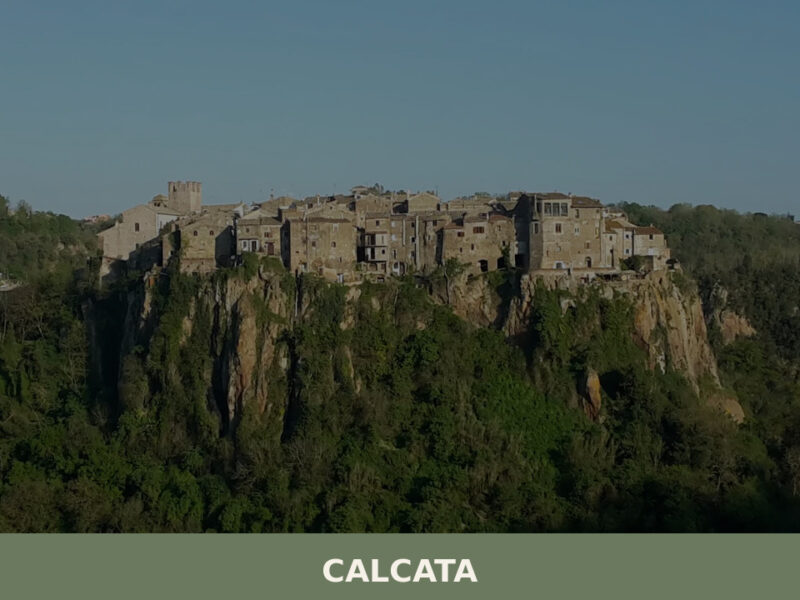
In 1935, the Italian government declared Calcata Vecchia a village to be abandoned due to the instability of the tuff cliff on which it stands. Fifty years later, the village was reborn as an artistic center, now offering visitors a unique experience. If you are wondering what to see in Calcata, the village appears as […]


🏡 Know Civitella d’Agliano better than we do?
If you’re a local or have been there, your knowledge matters: add what’s missing or fix a detail on this page.