


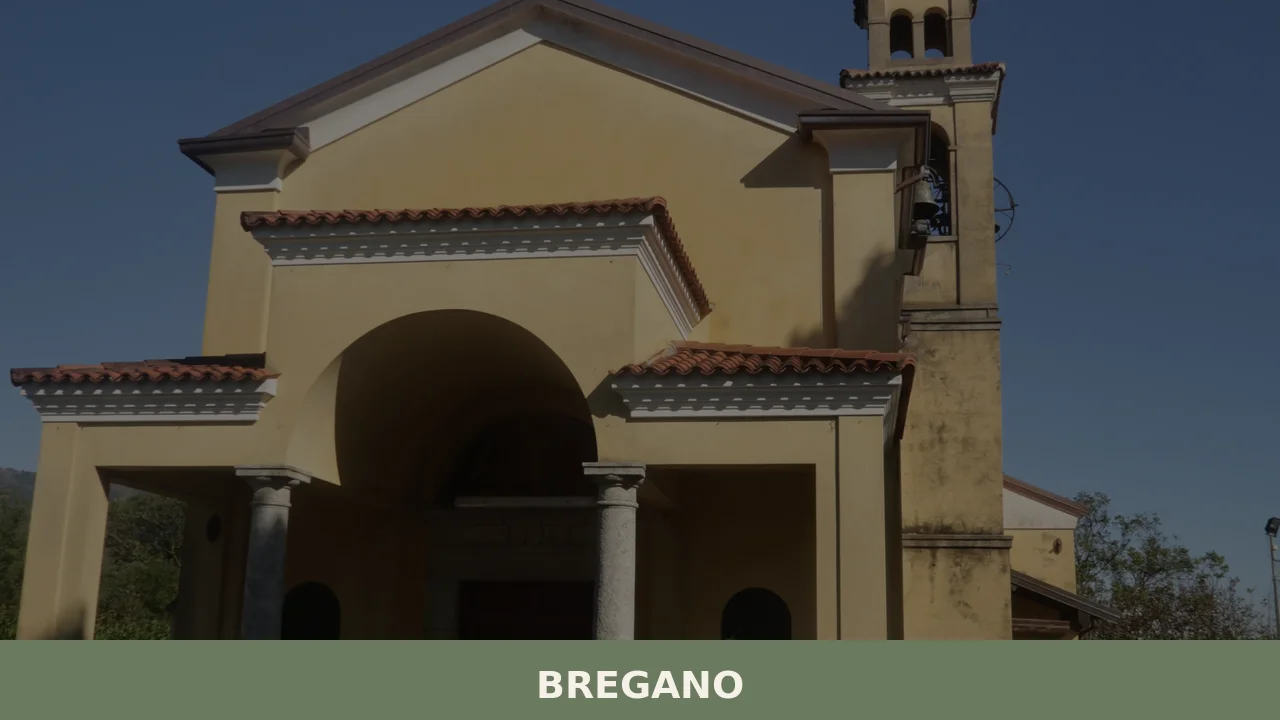
Bregano
With its 824 inhabitants spread across an elevation of 303 metres on the hills between Lake Varese and Campo dei Fiori, Bregano is a municipality in the province of Varese whose documented existence dates back at least to the 13th century, when the settlement appears in the ecclesiastical registers of the Pieve di Brebbia. Asking […]
Discover Bregano
With its 824 inhabitants spread across an elevation of 303 metres on the hills between Lake Varese and Campo dei Fiori, Bregano is a municipality in the province of Varese whose documented existence dates back at least to the 13th century, when the settlement appears in the ecclesiastical registers of the Pieve di Brebbia.
Asking what to see in Bregano means preparing to explore a territory where the hilly terrain has shaped every human decision: the orientation of the houses, the layout of the roads, the position of the church.
History and origins of Bregano
The place name Bregano is generally traced to a Celtic or pre-Latin root related to the concept of a height or elevated ground — consistent with the position of the settlement on the hilly belt separating the plain from the Varese pre-Alpine system.
The area belonged to the Pieve di Brebbia, one of the most extensive religious districts in the upper Varese territory, already documented in the early medieval period and encompassing numerous small rural centres gravitating towards Lake Varese.
Over the centuries, Bregano followed the administrative fortunes of the Varese area: from Visconti rule to Sforza dominion, then under Spanish and later Habsburg control, until its annexation to the Kingdom of Sardinia in 1859.
The Theresian reforms of the 18th century and the Napoleonic reforms of the early 19th century repeatedly redrew the municipal boundaries of the area, merging and separating the small hillside communities.
Bregano retained its administrative autonomy, a sign of a local identity recognised even by the central authorities.
The village’s economy was long tied to hillside agriculture — cereals, grapevines, mulberry trees for silkworm farming — and to the presence of coppice woodlands exploited for firewood and charcoal. In the 20th century, proximity to the industrial centres of the Varese area gradually transformed Bregano into a residential municipality, without however entirely erasing the rural structure of the original settlement.
What to see in Bregano: churches, trails and the hill landscape
Parish Church of the Assumption of Mary
Dedicated to the patron of the village, whose feast day falls on 15 August, the parish church represents the religious and urban focal point of Bregano.
The building, in its current form, reflects layered interventions over the centuries, with elements pointing to different construction phases.
The façade faces the oldest part of the village, where the houses are arranged according to the natural slope of the terrain.
The historic centre
The original core of Bregano retains the compact layout of small pre-Alpine hillside settlements: dwellings in local stone with lime-washed plaster, interconnecting inner courtyards, and covered passages between one building and the next. Elevations vary by several metres from one end of the core to the other, and the streets follow the contour lines rather than straight paths.
Hill trails towards Campo dei Fiori
From the municipal territory, footpaths lead uphill towards the massif of the Campo dei Fiori Regional Park, a protected area reaching 1,227 metres at Monte Tre Croci.
The trails pass through distinct vegetation bands: oak and chestnut woods in the lower sections, then beech forests and conifers at higher altitudes.
View over Lake Varese
Bregano’s position at 303 metres above sea level, on the western slope of the hilly belt, provides a direct view over the basin of Lake Varese and, on days with good visibility, over the Monte Rosa chain.
The most open vantage point is reached along the road climbing towards the upper hamlets, where the vegetation thins out and the horizon opens up.
Scattered rural architecture
Beyond the central core, the municipal territory features farmsteads and scattered rural clusters that document the historical agricultural organisation of the Varese hillside.
Dry-stone walls still mark out some plots of land, and the terraces — now partly overtaken by woodland — indicate areas once cultivated with grapevines and mulberry trees.
Local cuisine and regional produce
The table in Bregano reflects the gastronomic tradition of the Varese hills, halfway between lakeside and pre-Alpine cooking.
The dishes most deeply rooted in the territory include polenta — made with otto file maize in the most traditional versions — accompanied by semi-cooked cow’s milk cheeses, and preparations based on mushrooms gathered in the woods of Campo dei Fiori, particularly porcini and chanterelles in the autumn months. Chestnut and acacia honey is a widespread product in the area, given the abundance of woods and meadows.
The province of Varese falls within the production area of Gorgonzola DOP and Taleggio DOP, cheeses available at local markets and farms in the area. For lake fish — agone shad, whitefish, perch — the reference points are the lakeside towns of Lake Varese, reachable in just a few minutes by car.
The best-known local wine is the Ronchi Varesini IGT, a niche production that has seen a partial revival over the last two decades after the decline of viticulture in the 20th century.
When to visit Bregano: the best time of year
The 15th of August, the feast of the Assumption of Mary, is the central date in Bregano’s calendar: the patronal celebration represents the moment of greatest community gathering.
Spring — from April to June — offers the best conditions for walking the hill trails, with mild temperatures and vegetation at peak bloom. Autumn, between September and November, is the season for mushroom picking and foliage in the chestnut and oak woods surrounding the village.
Winter brings frequent fog to the lower-lying areas, while the village, at 303 metres, often enjoys clear days above the layer of Po Valley haze. Average winter temperatures range between 0 and 5 degrees, with possible snowfall between December and February.
Summer can be hot and humid, but the altitude and tree cover ensure a less muggy climate compared to the plain below.
How to reach Bregano
Bregano can be reached by car from the A8 Milan–Varese motorway, exiting at Buguggiate-Azzate, from which around 8 kilometres remain heading north-west along provincial roads.
The distance from Milan is approximately 55 kilometres, covered in just under an hour; from Varese the journey is only 10 kilometres.
The nearest railway station is Gavirate, on the Varese–Laveno line operated by Ferrovie Nord Milano (Trenord), from which Bregano is about 4 kilometres away. The closest airport is Milan Malpensa, approximately 30 kilometres to the south-east. For those coming from Switzerland, the Ponte Tresa border crossing is around thirty kilometres to the north.
Up-to-date information on roads and municipal services is available on the Lombardy Region portal.
What to see in Bregano and in the nearby villages of Lombardy
Bregano’s position, on the hilly belt between Lake Varese and the Campo dei Fiori massif, places it within a network of small centres sharing the same territorial matrix.
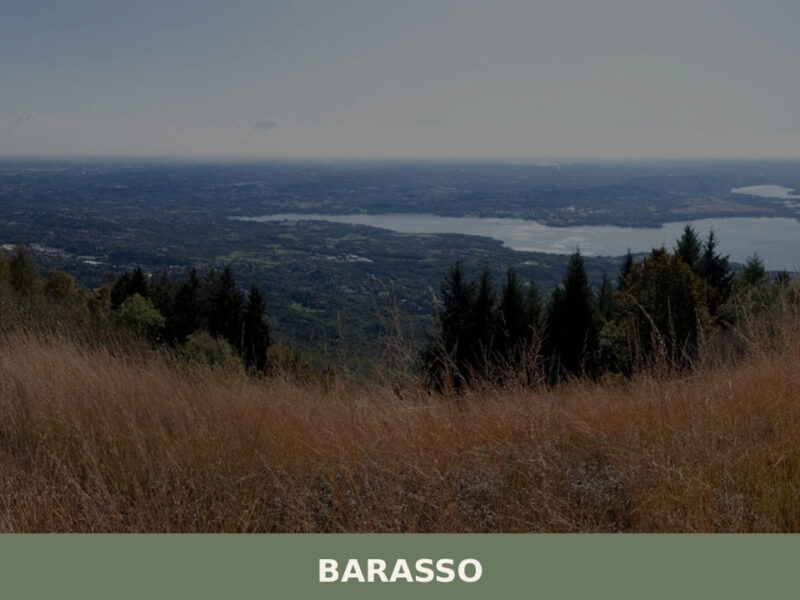
A few kilometres to the east lies Barasso, a municipality of similar size on the eastern slopes of Campo dei Fiori, with which Bregano shares the pre-Alpine environmental context and the tradition of settlement scattered across rural clusters. A visit to both villages can be combined in a single day, making use of the trail network that crosses the hillside.
The entire Varese area offers a succession of smaller municipalities that retain a rural urban layout, alternating with 19th-century villas built by the Milanese bourgeoisie as holiday residences. Lake Varese, with the Isolino Virginia — a UNESCO pile-dwelling site — and the wetlands of the Palude Brabbia, provides an additional element of naturalistic interest reachable from Bregano in under ten minutes by car.
Photo Gallery of Bregano
Do you have photos of Bregano?
Share your photos of the village: the best ones will be added to the official gallery, with your credit.
Send your photosNearby Villages near Bregano
In Lombardia More villages to discover
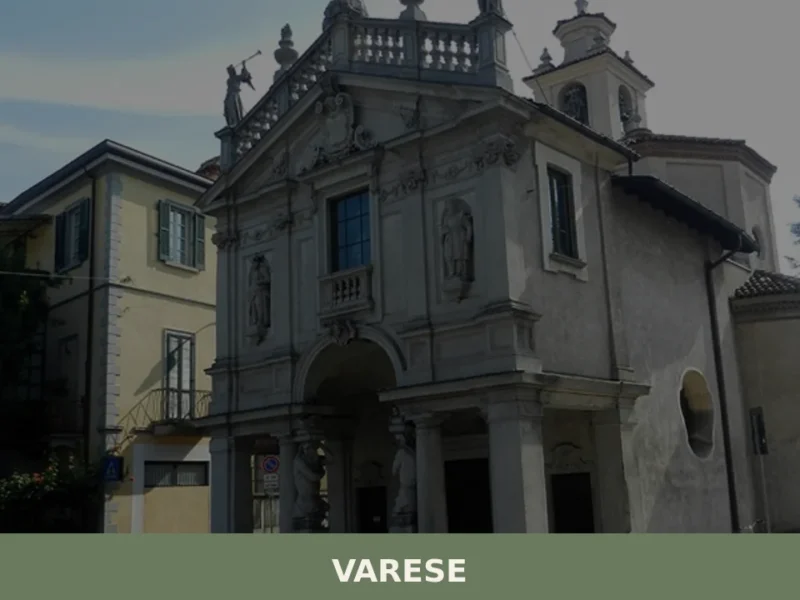
Varese
Varese, a Lombard city with a population of 78,409 inhabitants, stands at 382 m above sea level and is distinguished by its strategic position between lakes and pre-Alps. This locality, capital of the eponymous province, offers a rich historical and natural heritage that attracts numerous visitors every year. In this article History and Origins of […]
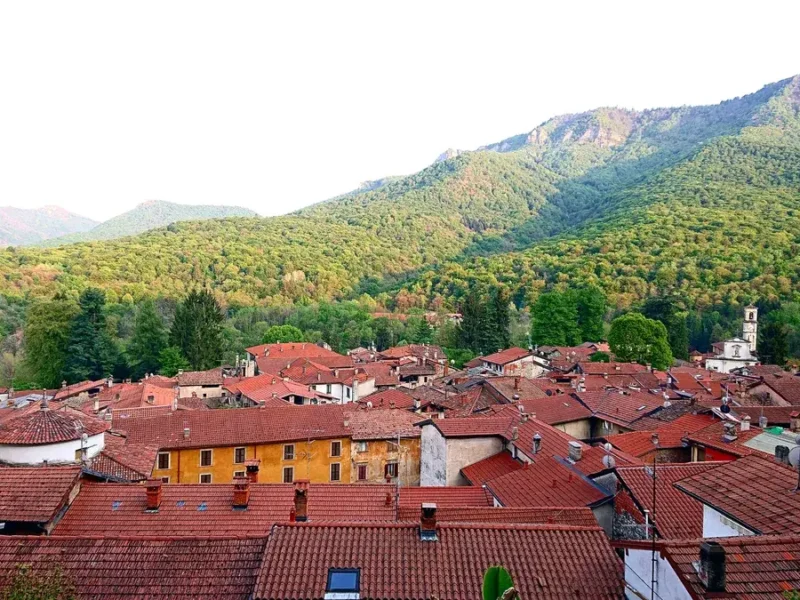
Castello Cabiaglio
What to see in Castello Cabiaglio: a hill village at 514m with 567 residents in Varese. Explore Sant'Appiano church, Campo dei Fiori trails and local porcini risotto. Plan your visit now.
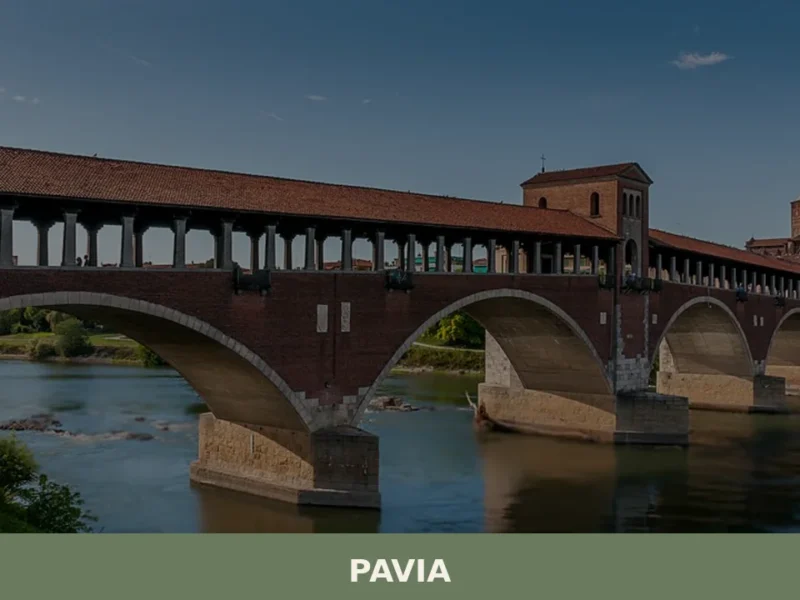
Pavia
what to see in pavia, home to 70,636 residents. Discover its iconic Duomo, the historic Certosa, and the ancient University. Explore Pavia's rich heritage now.





📝 Incorrect information or updates?
Help us keep the Bregano page accurate and up to date.