


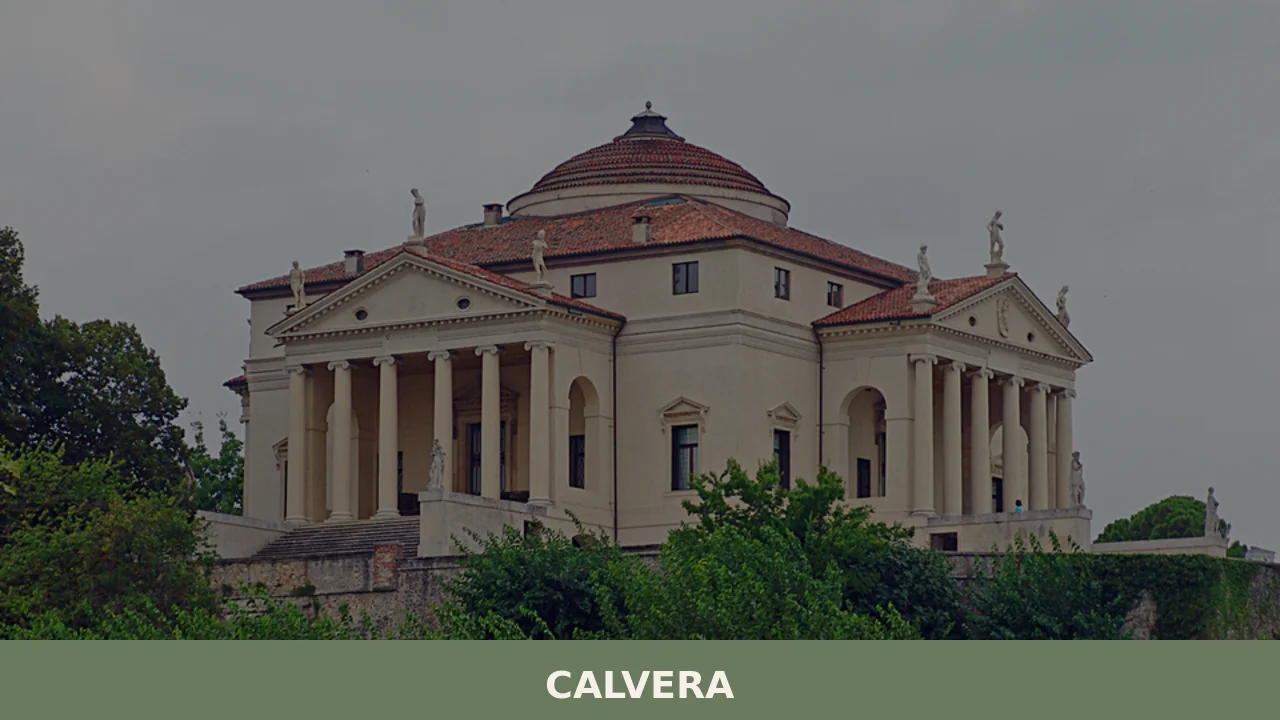
Calvera
The sharp clang of a church bell echoes across the valley, cutting through the crisp morning air as the first rays of sun ignite the ochre rooftops. Cobblestone paths, still cool from the night, wind past ancient stone houses, their windows often adorned with pots of geraniums. This is the quiet awakening of Calvera Basilicata, […]
Discover Calvera
The sharp clang of a church bell echoes across the valley, cutting through the crisp morning air as the first rays of sun ignite the ochre rooftops. Cobblestone paths, still cool from the night, wind past ancient stone houses, their windows often adorned with pots of geraniums. This is the quiet awakening of Calvera Basilicata, a settlement where time seems to measure itself by the rhythm of daily life and the slow unfolding of seasons. Here, at 630 meters above sea level in the heart of Potenza province, the village offers glimpses into a way of life deeply connected to the land, its history etched into every worn facade and panoramic vista.
History of Calvera Basilicata
The origins of Calvera are rooted in the ancient history of Basilicata, a region once populated by Lucanian tribes before the arrival of the Romans. While specific founding dates are often lost to antiquity for many small villages, Calvera’s elevated position suggests a strategic defensive purpose, likely settled or fortified during the early medieval period. The name itself might derive from a geographical feature, perhaps from the Latin “calvus” (bald), referring to a bare or treeless hill, or from a prominent local family name.
Throughout the Middle Ages, like much of Southern Italy, Calvera would have fallen under the successive rules of Byzantines, Lombards, Normans, and Swabians, each leaving an indelible mark on its cultural fabric and architectural style. The area was typically organised under a feudal system, with the village owing allegiance to a local lord who would have controlled the surrounding lands and ensured its defence. Although no grand historical figures are directly tied to Calvera’s narrative, its continuity through centuries of upheaval speaks to the resilience of its inhabitants and its enduring connection to the rugged Lucanian landscape.
What to see in Calvera: 5 must-visit attractions
Piazza Umberto I
At the heart of Calvera lies Piazza Umberto I, the village’s main square and a natural gathering point. Flanked by sturdy stone buildings and often featuring a traditional fountain, it offers a window into daily life. Here, locals convene for morning coffee, children play after school, and the rhythm of the village unfolds against a backdrop of understated architectural charm. It’s the perfect spot to observe and absorb the authentic atmosphere.
Chiesa Madre di San Nicola di Bari
Dominating the village skyline, the Mother Church of San Nicola di Bari is a testament to Calvera’s enduring faith and artistic heritage. While its exterior speaks of centuries of interventions, inside, visitors can discover a quiet solemnity, often adorned with modest yet historically significant religious artworks, wooden altars, and a sense of timeless devotion. Its bells mark the hours, anchoring the village to its traditions.
Belvedere della Valle del Sinni
Given its elevation of 630 meters, Calvera offers breathtaking vistas, and the Belvedere della Valle del Sinni is its prime viewpoint. From this natural terrace, the eye sweeps across the Sinni River valley, a patchwork of olive groves, vineyards, and dense Mediterranean scrub. On clear days, the distant contours of the Apennine mountains provide a dramatic backdrop, revealing the wild beauty of Basilicata.
Arco Medievale (Medieval Archway)
A surviving remnant of Calvera’s ancient fortifications, the Arco Medievale stands as a silent sentinel to the village’s past. This stone archway, possibly once part of a defensive wall or a gate into the older urban core, invites contemplation of the village’s history. Walking beneath it offers a tangible connection to the generations who have passed through its threshold, entering and exiting the protected confines of the settlement.
Museo della Civiltà Contadina
Housed in a lovingly restored traditional building, the Museo della Civiltà Contadina (Museum of Rural Life) provides an intimate glimpse into the agricultural traditions and domestic life of Calvera and its surrounding area. Collections of antique tools, household items, and traditional costumes tell the story of the ingenuity and hard work that shaped the local community, preserving the memory of a way of life that is slowly fading.
Local food and typical products
The cuisine of Calvera, like that of all Basilicata, is deeply rooted in the concept of cucina povera – a rich culinary tradition born from simple, local ingredients and generations of ingenuity. Expect robust flavors derived from fresh vegetables, legumes, and artisanal pasta. Signature dishes often include strascinati, a hand-rolled pasta similar to orecchiette, served with hearty meat sauces or a simple tomato and basil pesto. The region is famous for its peperoni cruschi, sun-dried, crunchy sweet peppers that add a unique crunch and flavor to many dishes.
Local products are a highlight, from the intense flavor of caciocavallo podolico cheese, crafted from the milk of free-grazing Podolica cows, to the region’s excellent olive oil. The hills around Calvera are also part of the Aglianico del Vulture wine production zone, yielding powerful, full-bodied red wines. To experience these flavors, seek out the small, family-run trattorie or agriturismi in and around the village, where traditional recipes are passed down through generations and ingredients are often sourced directly from local farms.
Best time to visit Calvera
The optimal time to visit Calvera is during the spring (April to June) and autumn (September to October). In spring, the landscape bursts into vibrant green, wildflowers carpet the hillsides, and the temperatures are pleasantly mild, ideal for exploring the village on foot or hiking in the surrounding countryside. Autumn brings a palette of warm hues, comfortable weather, and the bounty of the harvest season, often accompanied by local food festivals celebrating olives, grapes, or chestnuts.
Summer (July and August) can be warm, with temperatures sometimes reaching high levels, but the altitude of 630 meters offers some respite compared to the coastal areas. This period is vibrant with local sagre (food festivals) and cultural events, culminating in the Ferragosto celebrations in mid-August. Winter (November to March) transforms Calvera into a quieter, more introspective destination. While colder, and with a possibility of snow, it offers a serene atmosphere for those seeking solitude and the stark beauty of the Lucanian winter landscape.
How to get to Calvera
Reaching Calvera typically involves a combination of air travel and road transport, as the village is not directly served by train. The nearest major airports are Bari Karol Wojtyła Airport (BRI) in Puglia, approximately 150 km away, and Naples International Airport (NAP), about 200 km distant. From either airport, renting a car is highly recommended for the flexibility it offers in exploring Basilicata’s lesser-known areas.
By road, Calvera is accessible via regional roads connecting to the A2 Autostrada del Mediterraneo. From the A2, take the Lauria Nord exit if coming from the south, or the Potenza exit if coming from the north, then follow signs for Senise and subsequently Calvera. Potenza, the provincial capital, is approximately 80 km away, while Matera, a UNESCO World Heritage site, is about 120 km. Public transport options are limited to local bus services connecting Calvera to larger towns in the province of Potenza, but schedules can be infrequent, especially on weekends.
More villages to discover in Basilicata
Basilicata is a region of hidden gems, and Calvera is just one example of its authentic village life. For those keen to delve deeper into the region’s diverse offerings, consider venturing towards the Ionian coast to the village of Valsinni. Known as the “City of Poetry,” Valsinni is home to a captivating literary park dedicated to the poet Isabella Morra, offering a unique blend of culture and history amidst the rugged beauty of the Basento Valley.
Alternatively, journey into the heart of the Dolomiti Lucane to experience the dramatic landscapes surrounding Castelmezzano. This village, nestled amongst towering rock formations, is famous for the “Flight of the Angel” zipline, connecting it to its equally picturesque neighbour, Pietrapertosa. These destinations, like Calvera Basilicata, promise an immersive experience into the soul of a region that rewards the curious and adventurous traveller.
In Basilicata More villages to discover
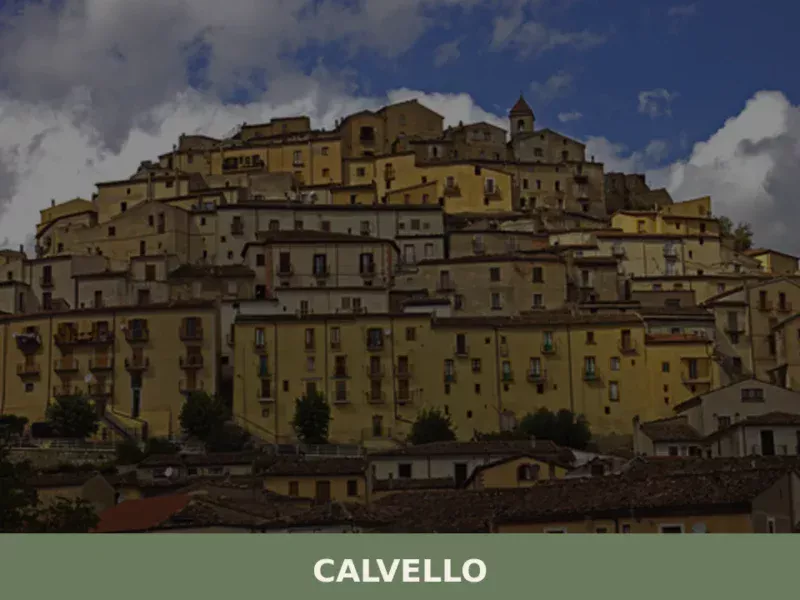
Calvello
Calvello has 1,768 inhabitants and sits at 730 metres above sea level in the middle Camastra valley, in the province of Potenza. The town extends along the slope that descends from the ruins of the Norman castle down to the plain where the local streams converge. Asking what to see in Calvello means crossing an […]
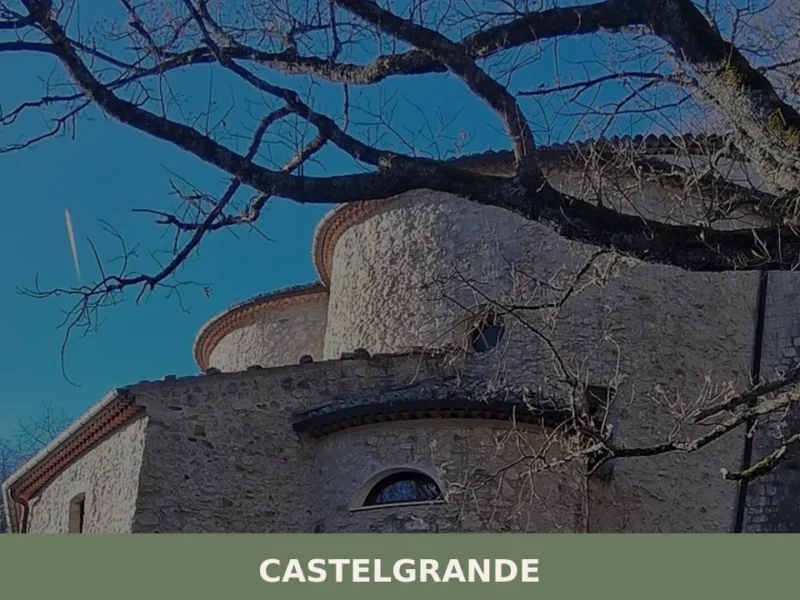
Castelgrande
Discover what to see in Castelgrande, a mountain village in Basilicata. From the Mother Church to the historic center, a journey through history and nature. Includes practical tips for your visit.
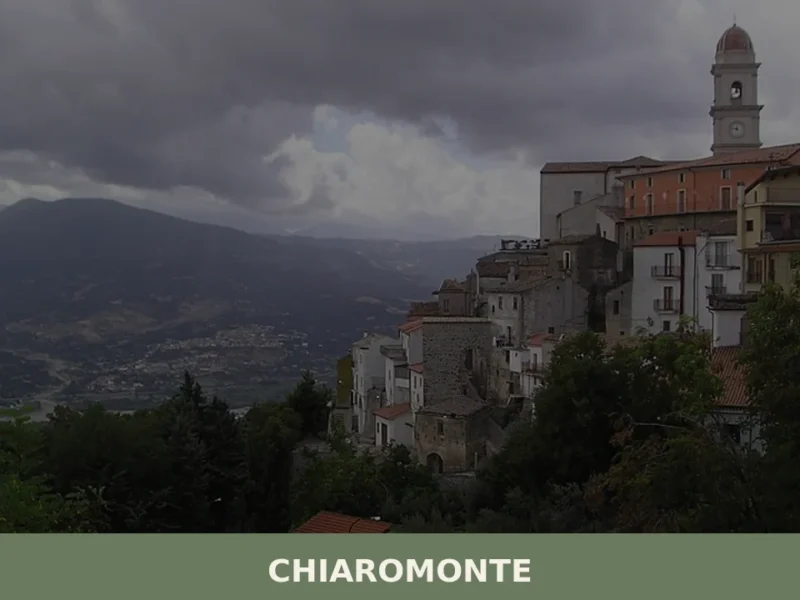
Chiaromonte
With a population of 1,964 inhabitants, Chiaromonte is located 794 meters above sea level in the province of Potenza. The village, whose presence has been documented since the medieval era, celebrates its patron, Saint John the Baptist, on June 24 and August 29. For those who venture into this mountain landscape, the desire to understand […]




📝 Incorrect information or updates?
Help us keep the Calvera page accurate and up to date.