

Nuoro
What to see in Nuoro: a city at 547m with 36,379 residents and birthplace of Nobel laureate Grazia Deledda. Explore museums, Monte Ortobene and Barbaricino cuisine. Plan your visit now.
Discover Nuoro
At 547 metres above sea level, in the heart of the Barbagia region, Nuoro is a city of 36,379 inhabitants that occupies a distinctive place in Sardinian cultural life. The provincial capital, it has been home to writers, artists and intellectuals who left a lasting mark on twentieth-century Italian culture.
Those wanting to know what to see in Nuoro will find a range of museums, churches, historic neighbourhoods and landscapes of considerable interest, spread across the city centre and its immediate surroundings.
The city can be visited year-round, though spring and autumn offer particularly favourable conditions for exploring both the centre and the Gennargentu National Park.
History and Origins of Nuoro
The earliest traces of settlement in the Nuoro area date back to the Nuragic period, as evidenced by the numerous archaeological remains scattered across the surrounding territory.
The city’s name is thought by some historians to derive from the Latin term Nugoredu, or from pre-Latin roots, though the precise etymology remains a matter of debate among scholars. During the Roman period the territory was already permanently inhabited, and the elevated position of the site provided natural defensive advantages over the flat coastal areas.
The presence of nuragic towers in the vicinity confirms a continuity of settlement spanning millennia.
In the Middle Ages Nuoro was part of the Giudicato di Gallura, then came under the control of the Giudicato di Torres, and was subsequently absorbed into the Aragonese domains from the second half of the fourteenth century. During the Spanish period the city retained a rural character, tied primarily to pastoral farming and mountain agriculture.
In 1621 it was elevated to a bishopric, a recognition that marked a turning point in the civic and ecclesiastical organisation of the territory.
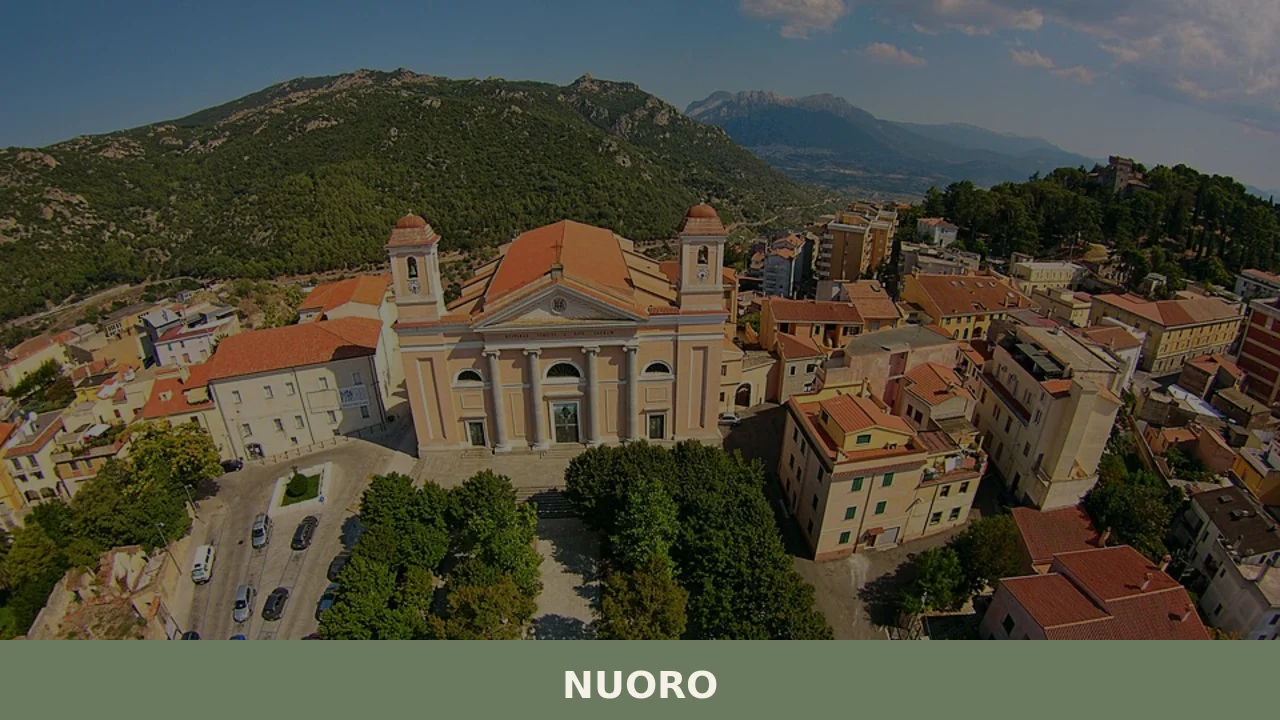
The Cathedral of Santa Maria della Neve, built in the following centuries, became the architectural and religious focal point of the community. The geographical proximity to Benetutti, also part of the territorial system of north-central Sardinia, reflects shared historical dynamics rooted in medieval judicial organisation.
The nineteenth century was a period of considerable cultural and social ferment for Nuoro.
The city became a provincial capital in 1927, an administrative recognition that accelerated urban development. But even before that, between the late nineteenth and early twentieth centuries, Nuoro had already secured a prominent place in Italian literature through Grazia Deledda, born in the city in 1871, who received the Nobel Prize in Literature in 1926.
Her works — Elias Portolu, Cenere, Canne al vento — fixed in the collective imagination the landscapes, customs and contradictions of Barbaricino Sardinia.
The painter Giovanni Ciusa Romagna and the sculptor Francesco Ciusa, creator of the celebrated bronze group La Madre dell’Ucciso, were also from Nuoro, reflecting an extraordinarily productive artistic period for this inland Sardinian centre.
What to See in Nuoro: Main Attractions
Museum of Sardinian Life and Popular Traditions
Founded in 1963 and managed by the Sardinian Regional Authority, the Museum of Sardinian Life and Popular Traditions is one of the most important ethnographic institutions on the island.
It holds more than three thousand objects relating to daily life, rituals, regional costumes and traditional crafts: filigree jewellery, textiles, Sardinian carnival masks and shepherd’s tools. The building, designed by architect Ubaldo Badas, is spread across several pavilions in the Su Viale neighbourhood.
For anyone wanting to understand what to see in Nuoro through a systematic approach to local culture, this museum is the most logical starting point.
Birthplace of Grazia Deledda
In the historic neighbourhood of Santu Pedru stands the house where Grazia Deledda was born in 1871, today converted into a biographical museum.
The rooms have been restored to reflect the original appearance of a late nineteenth-century bourgeois home, with period furnishings, documents, photographs and first editions of the writer’s works.
The visit traces the formative stages of Deledda’s life, from her Nuorese upbringing to her international recognition with the 1926 Nobel Prize. The museum is an essential stop for anyone visiting the city who wants to understand the literary figure who, more than any other, brought Nuoro to global attention.
Cathedral of Santa Maria della Neve
Dedicated to Our Lady of the Snow, the city’s patron saint, the cathedral stands in the historic centre of Nuoro and is the main religious building of the Barbaricino capital. The current structure dates from the eighteenth and nineteenth centuries and features a neoclassical façade opening onto the square of the same name. Inside, several significant paintings and modern sacred furnishings are preserved.
On 5 August, the feast day of the patron saint, the cathedral becomes the centre of religious celebrations involving the entire community.
The square in front of it is also a regular gathering and resting point at the heart of daily city life.
Monte Ortobene
A few kilometres from the city centre, Monte Ortobene reaches 955 metres in altitude and visually dominates the entire Nuoro area.
At its summit stands the bronze statue of the Redeemer, created by sculptor Vincenzo Jerace and unveiled in 1901 for the Jubilee. The hill is an integral part of the city’s identity and hosts, every year on 29 August, the Feast of the Redeemer — one of the most widely attended religious and folk events in Sardinia.
The trails running through the woodland of holm oaks and strawberry trees offer routes of varying difficulty suitable for visitors with different levels of fitness.
MAN — Nuoro Provincial Museum of Art
The MAN, Nuoro Provincial Museum of Art, is an exhibition space dedicated to contemporary and modern art, with a particular focus on Sardinian artistic production from the twentieth and twenty-first centuries. Housed in a building in the city centre, the museum organises permanent and temporary exhibitions covering painting, photography, sculpture and installation art. Among the permanent works are pieces by artists connected to the Nuorese tradition, including works by sculptor Francesco Ciusa.
The MAN is now a recognised reference point in the national museum circuit and represents one of the most active spaces for understanding what to see in Nuoro in terms of contemporary art.
Traditional Food and Local Products of Nuoro
The cuisine of Nuoro is deeply rooted in the pastoral culture of the Barbagia, the historic subregion surrounding the city.
Sheep and goat farming, practised for centuries in the mountains of inland Sardinia, has shaped a cuisine based on locally produced meats, cheeses and dairy products.
External influences have historically been limited, which has preserved the consistency of traditional preparations over time. The local larder revolves around simple, nourishing products, designed to meet the needs of a subsistence economy tied to the seasonal cycles of grazing and farming.
Among the dishes most firmly rooted in Nuorese tradition, porceddu — suckling pig roasted on a spit of aromatic wood — is considered the festive dish par excellence, served at village fairs, weddings and celebrations.
Grilled lamb and baked kid goat are equally common on local restaurant menus, often accompanied by seasonal vegetables and pane carasau.
The latter, also known as “carta musica”, is an extremely thin, twice-baked flatbread, traditionally produced in the inland areas of Sardinia and used both as an accompaniment and as the base for more elaborate preparations such as pane frattau, in which the carasau is softened in broth, dressed with tomato sauce, grated pecorino and a poached egg.
Culurgiones, ravioli filled with potato, pecorino and mint, are the symbolic first course of Barbaricino cooking, with variations in shape and seasoning that differ from village to village.
In terms of cheese, the territory of Nuoro and the Barbagia produces pecorino at various stages of ageing, from fresh to semi-aged through to the more mature, sharper varieties. Sheep’s milk is also the base for fresh ricotta and ricotta mustia, a smoked and aged version used grated over pasta dishes or eaten in slices.
Based on available data, there are no DOP or IGP certifications formally attributed to products specific to Nuoro, but local dairy production falls within the sphere of Sardinian pastoral traditions recognised at regional level.
Strawberry-tree honey, bitter and aromatic, is also produced in the area and is commonly paired with aged cheeses.
For those wishing to purchase local products, the civic market in Nuoro and several shops in the historic centre offer cheeses, cured meats, honey and pane carasau produced by local artisans and small-scale producers.
Spring and autumn coincide with the greatest availability of fresh produce. Those extending their route towards Ardara or Alà dei Sardi will find a gastronomic continuity based on the same core ingredients of inland Sardinian cooking, with small local variations in seasonings and preparations.
Festivals, Events and Traditions of Nuoro
Nuoro’s patron festival is dedicated to Our Lady of the Snow and is celebrated on 5 August.
The occasion is marked by religious services in the cathedral, processions through the city centre and moments of collective participation involving both the local community and visitors.
The fifth of August carries a strong sense of civic identity for the people of Nuoro, who maintain a close bond with this Marian devotion.
In terms of popular tradition, the Feast of the Redeemer, celebrated on 29 August on Monte Ortobene, is the most widely known event at both regional and national level: it features a procession in traditional costume with representatives of folk groups from across Sardinia, singing and dancing in the Piazza del Redentore, and a crowd that reaches considerable numbers each year.
Nuoro also hosts the Premio Deledda, a literary prize linked to the memory of the Nobel-winning writer, which periodically brings authors and readers to the city for presentations and ceremonies.
The Nuoro Carnival is another event firmly established in the city’s calendar, with parades of masks and costumed groups.
Also worth noting is the Museum of Costume — that is, the Museum of Sardinian Life and Popular Traditions — which during the main festivals organises demonstration events related to textile crafts and traditional goldsmithing.
The village of Bonnanaro, in the Sassari area, shares with the Nuoro territory a lively carnival tradition, with masks linked to Sardinian pastoral identity.
When to Visit Nuoro and How to Get There
The most suitable period for visiting Nuoro is spring, between April and June, when temperatures are mild — between 15 and 22 degrees — and the landscape around the city is green and easy to explore.
Summer brings heat and the major Feast of the Redeemer on 29 August, which draws visitors from across the island and makes August a particularly lively month.
Autumn is preferred by those seeking a quieter visit and wanting to explore the area without the concentration of tourists typical of the summer months. Winter, with temperatures that can drop below 5 degrees and the possibility of snow at this altitude, suits those who enjoy mountain settings and off-season travel.
To reach Nuoro by car, the main route is via the Strada Statale 131 DCN, known as the “nuragic central branch road”, which connects Nuoro to Olbia and the main SS 131.
From Cagliari the distance is approximately 180 km, covered in around two and a half hours.
The nearest airport is Olbia Costa Smeralda, approximately 100 km away, served by numerous low-cost carriers. Alternatively, Cagliari-Elmas airport, around 180 km away, is also an option. Nuoro’s railway station is served by the narrow-gauge line operated by Ferrovie della Sardegna, with a connection to Macomer on the main line. The service is slow but offers interesting scenery.
For those arriving from the north by bus, the ARST service connects Nuoro with Cagliari, Sassari and Olbia with daily departures.
Where to Stay in Nuoro
Nuoro offers a varied range of accommodation, including mid-range hotels, bed and breakfasts in the historic centre and several agriturismo properties in the immediate surroundings.
The city centre is home to family-run hotels and more recent establishments catering to cultural and business travellers. Agriturismos in the countryside around the city offer accommodation in rural settings with dining based on local produce. For those preferring self-catering, various platforms list apartments and holiday homes available in both the centre and the outskirts of Nuoro, well suited to multi-day stays for exploring the wider Barbagia area.
In Sardinia More villages to discover
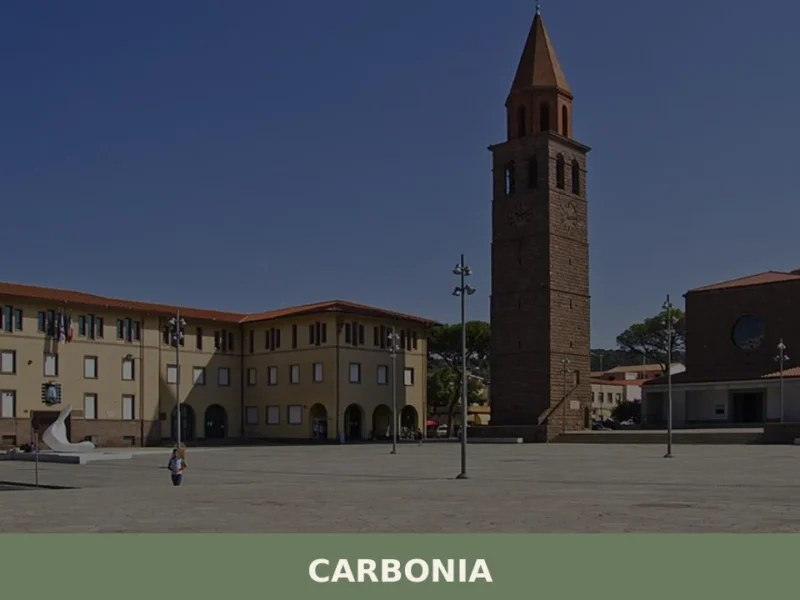
Carbonia
What to see in Carbonia: 28,684 residents, rationalist architecture, and Nuragic sites in Sulcis Iglesiente. Plan your visit to the Coal Museum and Monte Sirai.
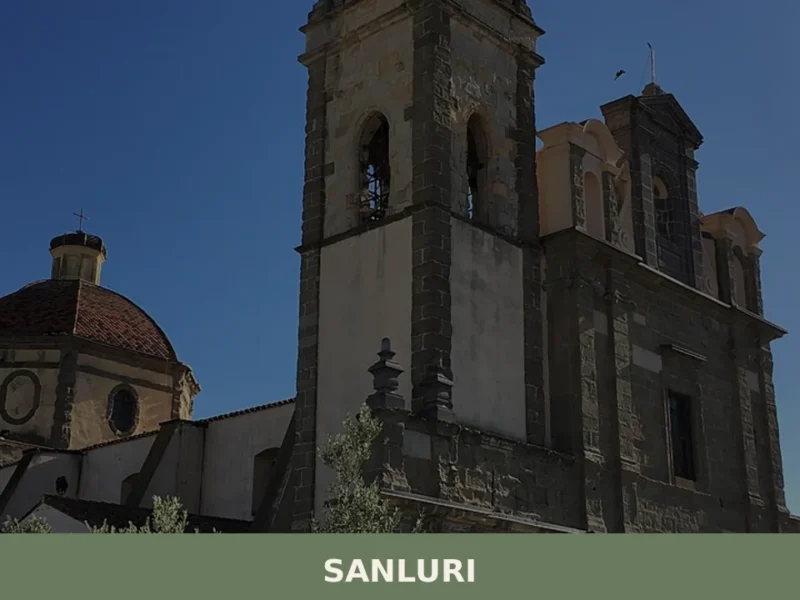
Sanluri
Discover Sanluri, a charming village in Sardegna, Italy, rich in history, culture, and stunning landscapes. Plan your visit today!
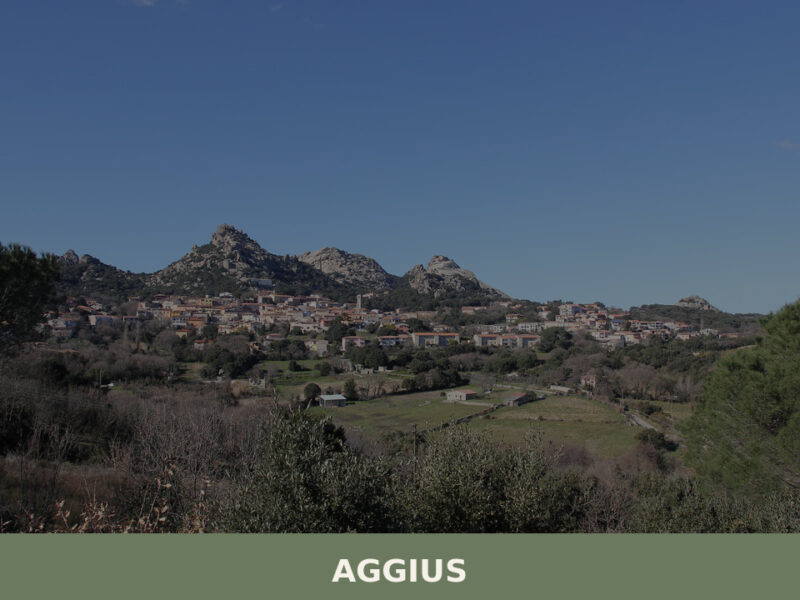
Aggius
Granite boulders glow amber in the late afternoon, stacked like ancient sentinels across a valley floor that drops away toward the Gallura coast. Wind pushes through narrow lanes of grey stone houses, carrying the faint rhythm of a polyphonic chorus rehearsing behind closed shutters. At 514 metres above sea level, this village of just over […]
📝 Incorrect information or updates?
Help us keep the Nuoro page accurate and up to date.