


Raviscanina
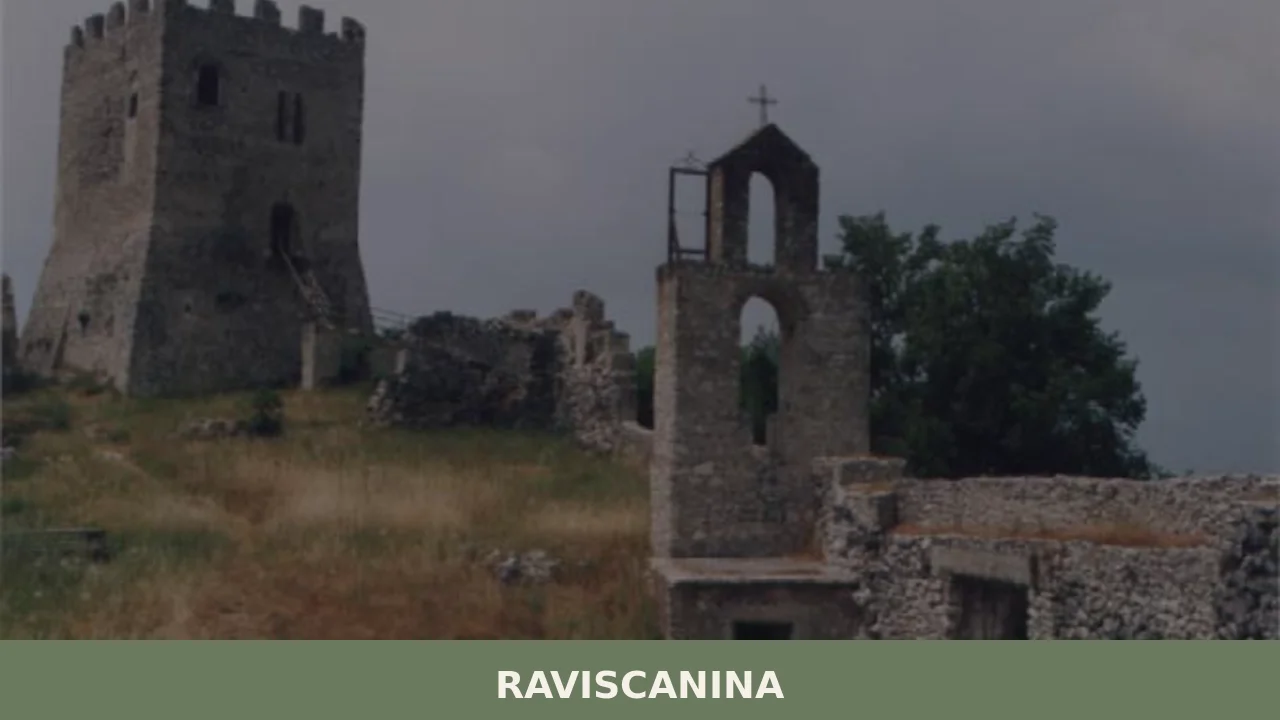
In the heart of Alto Casertano, at 358 meters above sea level, stands Raviscanina, a village whose history is evident through its architecture. Its foundation can be attributed to the Norman period, as evidenced by the imposing Castle, whose first constructions date back to the 11th century. With a population of 1,388 inhabitants, the settlement […]
Discover Raviscanina
In the heart of Alto Casertano, at 358 meters above sea level, stands Raviscanina, a village whose history is evident through its architecture. Its foundation can be attributed to the Norman period, as evidenced by the imposing Castle, whose first constructions date back to the 11th century. With a population of 1,388 inhabitants, the settlement developed around its oldest core, retaining traces of a past that saw successive dominations and noble families. For those wondering **what to see in raviscanina**, the village offers an itinerary that includes historical and religious points of interest, narrating the cultural stratification of the area.
History and origins of Raviscanina
Human presence in the Raviscanina area has deep roots, with archaeological finds suggesting settlements dating back to the Samnite and Roman eras. However, it was with the arrival of the Normans in Southern Italy that the village took on a more defined appearance, developing around its fortress. The name Raviscanina itself might derive from the Latin “Rapiscana”, indicating a place rich in *rapis*, or turnips, or from a root referring to a waterway. Over the centuries, the Raviscanina fiefdom was subject to disputes and transfers of ownership among various noble families, from the Sanframondo to the Della Leonessa, from the De Capua to the D’Aquino. Each dynasty left its mark, helping to define the urban and architectural layout. During the Angevin and Aragonese periods, the Castle maintained its defensive function, controlling communication routes between the surrounding valleys. The village, while maintaining an agricultural vocation, has always represented a reference point for the local community. To learn more about its history, you can consult the
Raviscanina page on Wikipedia.
What to see in raviscanina: 5 essential attractions
The itinerary through Raviscanina reveals a series of places that deserve attention, each with its own historical and artistic characteristics.
1. The Norman Castle
Dominating the settlement, the Norman Castle of Raviscanina represents the most recognizable feature of the village. Its walls and towers, though marked by time, indicate its ancient function of controlling the territory. The original structure, dating back to the 11th century, underwent modifications and expansions over the centuries, reflecting the defensive needs of different eras. Today, its ruins allow one to imagine the grandeur and strategic importance it once held.
2. The Church of San Michele Arcangelo
Dedicated to the Patron Saint of Raviscanina, the Church of San Michele Arcangelo is the main place of worship in the village. Its construction dates back to ancient times, with subsequent renovations that altered its appearance. Inside, one can observe architectural elements ranging from Romanesque to Baroque, resulting from various construction phases. The patron saint’s festival, celebrated on September 29th, enlivens the village with rites and celebrations.
3. The Baronal Palace
Adjacent to the Castle, the Baronal Palace is another significant architectural structure. Although less imposing than the fortress, this residence was for centuries the administrative and social center of the fiefdom. Its architectural lines, even in their simplicity, reflect the style of noble residences of the era, with details that can reveal information about the families who inhabited it.
4. The Church of Santa Maria della Valle
Located in a more secluded position compared to the historic center, the Church of Santa Maria della Valle has its own character. Its structure, often simpler and more rustic than the main church, indicates a function linked to the agricultural community or specific districts. It is an example of minor religious architecture that helps define the historical fabric of the village.
5. The Convent of San Francesco
The Convent of San Francesco, though no longer active as in the past, represents another stop in exploring Raviscanina. These buildings, often with cloisters and gardens, were centers of spiritual and cultural life. Their presence highlights the influence of religious orders in the history and development of Campania’s villages. For more details, you can consult the
official website of the Municipality of Raviscanina.
Typical cuisine and local products
Raviscanina’s cuisine reflects the rural tradition of Alto Casertano, based on simple and authentic ingredients. Among the local produce, legumes stand out, such as local beans, often featured in winter soups and stews. Homemade pasta, such as “lagane e ceci” or “fusilli”, seasoned with meat ragù or vegetable sauces, is a constant in culinary preparations. The area is also known for cheese production, including Caciocavallo Silano PDO, found in local farms. Artisanal cured meats, derived from pig farming, are also available and are often used to enrich first courses or enjoyed as appetizers. Local extra virgin olive oil, with its robust flavor, accompanies most dishes.
When to visit Raviscanina: the best period
Raviscanina can be visited in different seasons, each offering a distinct experience. Spring, with the blooming of hill vegetation, and autumn, with the warm colors of the foliage and olive harvesting, are ideal periods for those wishing to explore the surrounding area and enjoy mild temperatures. Summer, though warmer, offers the opportunity to participate in local events or festivals. The patron saint’s festival of San Michele Arcangelo, on September 29th, is a significant time to experience the community. During winter, the village takes on a more intimate atmosphere, suitable for those seeking tranquility and a direct connection with daily life in the town.
How to get to Raviscanina
Raviscanina is primarily accessible by car. * **By car:** From Caserta, you can take the SS 158. From Naples, take the A1 motorway towards Rome, exiting at Caianello and then continuing on the SS 158. From Rome, follow the A1 towards Naples, also exiting at Caianello. * **By train:** The nearest train station is Vairano-Caianello, on the Rome-Cassino-Naples line. From there, it is advisable to continue by taxi or with a local bus service. * **By plane:** The nearest airport is Naples-Capodichino (about 70 km), from which you can rent a car or use public transport to reach nearby locations and then Raviscanina.
Other villages to discover in Campania
Campania, particularly the Caserta area, is dotted with villages that recount histories and traditions. After exploring Raviscanina, travelers can continue their discovery of this corner of the region. A few kilometers away is
Ciorlano, another center that retains traces of a historical past, with its religious architecture and evidence of rural life. Another interesting destination is
Ailano, a village that offers points of interest for those wishing to deepen their knowledge of the territory and its cultural specificities. These centers, despite their individuality, share a deep connection with the hilly landscape and local traditions.
In Campania More villages to discover
Castel Campagnano
Standing at fifty-eight metres above sea level along the left bank of the Volturno, Castel Campagnano has a current population of 1,458, spread between the historic centre and the hamlets scattered across the alluvial plain. The municipality, in the province of Caserta, retains an urban layout that still follows the plan of the fortified medieval […]
Pratella
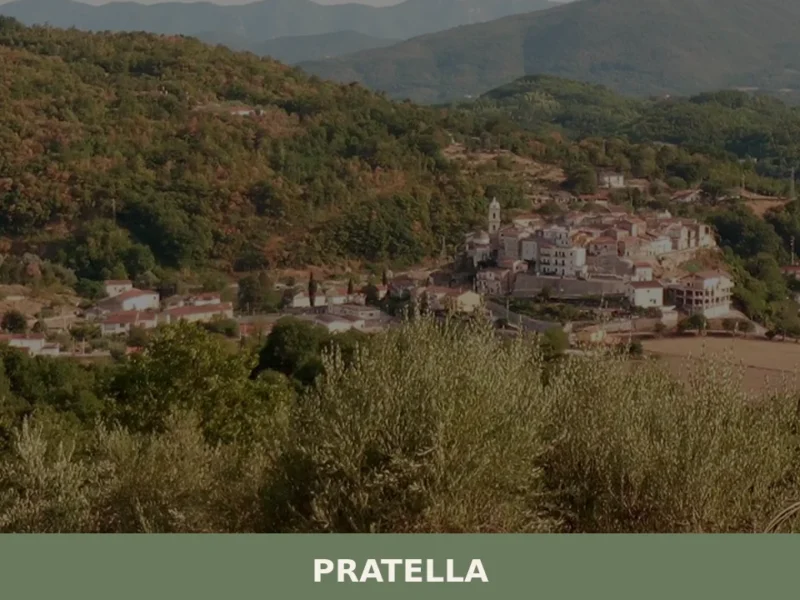
Pratella, a municipality of 1,613 inhabitants in the province of Caserta, extends over an area that reaches 152 meters above sea level. Its location, in the Volturno plain, defines a landscape dominated by cultivated fields and minor waterways, typical of plain villages. For those wondering about what to see in Pratella, the village offers an […]
Fontegreca
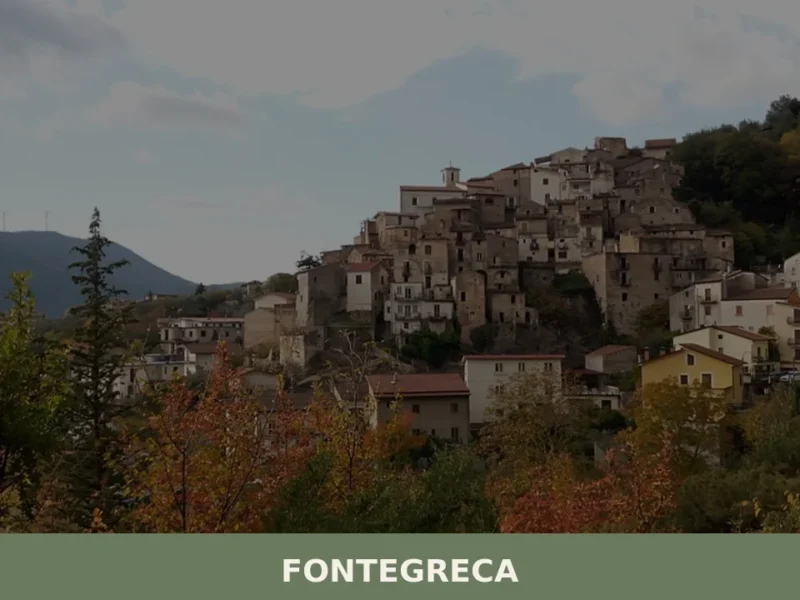
Fontegreca, a municipality in the province of Caserta, is home to the Cipresseta, a protected natural area recognized for its size and for the presence of centuries-old cypress trees, a distinctive feature of the local landscape. With a population of 834 inhabitants and situated 320 meters above sea level, this hill village develops on a […]



📝 Incorrect information or updates?
Help us keep the Raviscanina page accurate and up to date.