


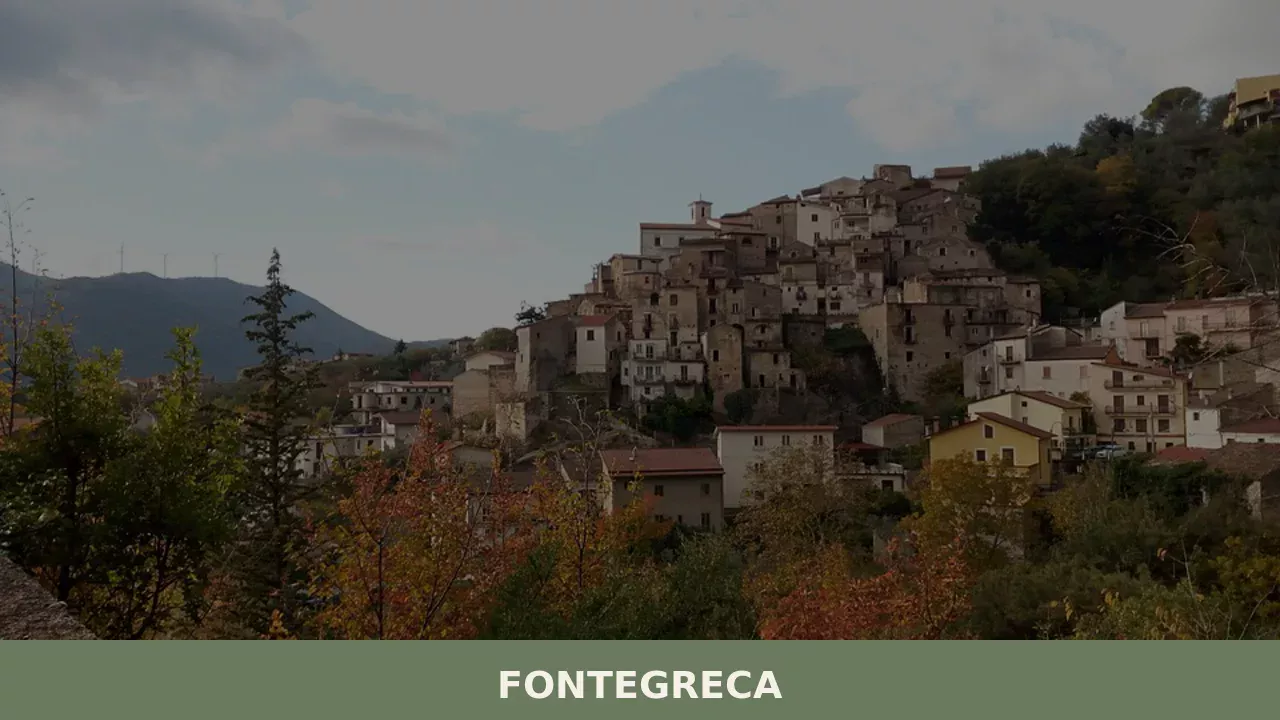
Fontegreca
 Hills
Hills
Fontegreca, a municipality in the province of Caserta, is home to the Cipresseta, a protected natural area recognized for its size and for the presence of centuries-old cypress trees, a distinctive feature of the local landscape. With a population of 834 inhabitants and situated 320 meters above sea level, this hill village develops on a […]
Discover Fontegreca
Fontegreca, a municipality in the province of Caserta, is home to the Cipresseta, a protected natural area recognized for its size and for the presence of centuries-old cypress trees, a distinctive feature of the local landscape. With a population of 834 inhabitants and situated 320 meters above sea level, this hill village develops on a rise that overlooks the Volturno valley. Its urban layout reflects historical layers, with stone buildings arranged along streets that follow the terrain’s contours. For those wondering what to see in fontegreca, the municipality offers a combination of natural elements and architecture that document its past and its territorial identity. The settlement preserves traces of an organization that has maintained its main structural characteristics over time, with the parish church and the central square as reference points.
History and Origins of Fontegreca
The origins of the name Fontegreca, according to some interpretations, derive from the presence of a spring (“fonte”) and from a connection with settlements of Greek populations or a period of Byzantine rule. Although direct archaeological evidence from the Greek era is limited, the region has been a crossroads of cultures since antiquity. The current settlement developed in the medieval period, probably around a stronghold or an agricultural settlement. The territory fell under the feudal jurisdictions that succeeded one another over the centuries, linked to noble families of the Kingdom of Naples.
Historical documents date its mention in Angevin registers, confirming its existence as an administrative and territorial entity as early as the 13th century. The village experienced the typical events of rural centers in inland Campania, with an economy tied to agriculture and pastoralism. Its hillside position provided some protection, but also relative isolation, helping to preserve some characteristics of its original layout. The veneration of Saint Stephen Protomartyr, patron saint of the village, attests to a deep-rooted devotion, with the patronal feast celebrated on August 3rd, an occasion to observe local traditions.
What to see in fontegreca: Main Attractions
The Cipresseta of Fontegreca
The Cipresseta represents a natural area of significant botanical and landscape interest. It is a forest of common cypress trees (Cupressus sempervirens) that extends over a large area, forming one of the few examples of a natural cypress forest in Italy. The paths that cross the area allow visitors to observe the local flora and fauna, in an environment characterized by the presence of trees of considerable size.
Church of Saint Stephen Protomartyr
The parish church is dedicated to Saint Stephen Protomartyr, the patron saint of Fontegreca. The building, with its façade facing the main square, constitutes the spiritual center of the village. Inside, sacred furnishings and artworks are preserved, documenting the religious history of the community. The structure has undergone interventions and modifications over the centuries, while maintaining its function as a reference point for the inhabitants.
The Historic Center
The historic center of Fontegreca develops with an urban layout that preserves elements from past eras. The narrow streets between the stone houses, often built with local materials, follow the hill’s contours. Walking along these streets, one can observe ancient doorways, windows with stone frames, and balconies that characterize the civil architecture of the village. The organization of the buildings offers an insight into traditional building techniques.
Piazza del Popolo
Piazza del Popolo is the focal point of social life in Fontegreca. Some of the main buildings face onto it, including the parish church. The square is a meeting point for residents and, during events and celebrations, becomes the center of collective activities. Its open configuration offers a space for observing the urban context and the surrounding landscape.
La Fontana Vecchia (The Old Fountain)
La Fontana Vecchia is a historical feature of the village, whose presence is linked to the very etymology of the name Fontegreca. It constitutes a reference point for the community, attesting to the importance of water resources for the life of the settlement. Its structure, often made of stone, reflects local building techniques and its original function of providing water to the population.
Typical Cuisine and Local Products
The cuisine of Fontegreca, like that of Alto Casertano, is based on ingredients from the territory and on traditional recipes. An emblematic product of Campania is the Mozzarella di Bufala Campana PDO, also present on tables in this area. Alongside this, stretched-curd cheeses made from cow’s or sheep’s milk are found, often used to season first courses or consumed fresh. Pork is the basis for many traditional cured meats, such as sausage, prepared with local spices and aged. Olive cultivation provides extra virgin olive oil, a fundamental element of the local Mediterranean diet.
Among the typical dishes are first courses based on homemade pasta, such as lagane or cavatelli, often seasoned with meat sauces or seasonal vegetables. Campanian vegetables, such as friarielli or broccoli, accompany meat main courses or are used in side dishes. During the patronal feast and other occasions, it is possible to observe the preparation of traditional sweets, often made with flour, eggs, and honey, which reflect the simplicity and authenticity of the available ingredients. Local wine, often produced from indigenous grape varieties like Pallagrello or Casavecchia, accompanies meals.
When to Visit Fontegreca: The Best Time
The climate of Fontegreca is typical of inland hill areas of Campania, with hot summers and cooler winters compared to the coast. The best time to visit the village is spring (April-June) and early autumn (September-October), when temperatures are mild and the surrounding landscape displays colors ranging from intense green to the warm tones of autumn leaves. These seasons are ideal for excursions in the Cipresseta and for walking through the streets of the historic center.
A significant time to observe community life is August 3rd, on the occasion of the feast of Saint Stephen, the patron saint of the village. During this day, religious celebrations and civil events take place, enlivening the square and streets. Summer, while warmer, offers the opportunity to participate in local events and festivals that often concentrate in July and August, showcasing the products and traditions of the area.
How to Get to Fontegreca
Fontegreca is mainly accessible via the road network. Those coming from the north or south can take the A1 motorway (Milan-Naples) and exit at Caianello, then continue on State Road 85 Venafrana towards Venafro/Isernia, following the signs for Fontegreca. From the Vairano-Caianello train station, which is on the Rome-Cassino-Naples line, it is possible to continue with local bus services or taxis.
The nearest airport is Naples-Capodichino (NAP), from which one can rent a car or use public transport services to reach the province of Caserta and then Fontegreca. The village is approximately 60 km from Caserta city, 75 km from Naples, and about 160 km from Rome, making it accessible for those wishing to explore inland Campania.
Other Villages to Discover in Campania
The territory of Alto Casertano, where Fontegreca is located, is dotted with other small settlements that retain similar characteristics and offer further perspectives on the identity of this part of Campania. These villages, often situated on elevations or in strategic locations, feature historical architecture and established traditions. Each locality has its specific character, but all share a connection with the agricultural landscape and with the history of the dominations that have succeeded one another.
Among these, it is possible to visit Ailano, a municipality known for its traditions and its location, or Ciorlano, another village that offers insights for those interested in rural architecture and the natural setting. Exploring these centers allows one to build a broader picture of the life and culture of the area, outside the more well-known tourist routes. For more information on Fontegreca, one can consult the official municipal website or the dedicated Wikipedia page, in addition to the Touring Club Italiano page.
Frequently asked questions about Fontegreca
What is the best time to visit Fontegreca?
The ideal times to visit Fontegreca are spring (April-June) and early autumn (September-October). During these months, the temperatures are mild, perfect for exploring the Cipresseta and wandering through the historic center, with the landscape displaying vibrant greens or warm autumnal hues. A particularly vibrant period is August 3rd, when the village celebrates its patron, Santo Stefano, with religious ceremonies and civil festivities enlivening Piazza del Popolo. While summer months (July-August) are warmer, they offer opportunities to experience local events and festivals, showcasing the area's traditions and products.
What to see in Fontegreca? Main monuments and landmarks
In Fontegreca, visitors can explore the remarkable Cipresseta, one of Italy's few natural cypress forests, offering scenic paths amidst centuries-old trees. The spiritual heart of the village is the Church of Saint Stephen Protomartyr, located in the central Piazza del Popolo, where sacred art and community life converge. Stroll through the Historic Center to admire traditional stone houses, ancient doorways, and the authentic urban layout. Don't miss La Fontana Vecchia, a historic spring that gives the village its name, reflecting its deep connection to water resources. These sites collectively offer a glimpse into Fontegreca's natural beauty and historical identity.
What are the main natural or scenic attractions of Fontegreca?
The primary natural attraction in Fontegreca is the magnificent Cipresseta, a protected natural area renowned for being one of Italy's rare natural cypress forests. Here, visitors can follow dedicated paths to immerse themselves in a unique botanical environment, observing ancient cypress trees and local wildlife. The village's hillside position also offers picturesque views overlooking the Volturno valley, providing serene scenic backdrops for contemplation and photography. These natural settings are ideal for gentle walks and appreciating the untouched beauty of inland Campania.
Where to take the best photos in Fontegreca?
For captivating photos in Fontegreca, start in the Cipresseta, capturing the unique beauty of its centuries-old cypress trees and the serene forest paths. The Historic Center offers charming opportunities with its narrow, winding streets, traditional stone houses, and intricate ancient doorways and balconies. Piazza del Popolo, with the Church of Saint Stephen Protomartyr as a backdrop, provides a vibrant snapshot of village life and its architectural focal points. Additionally, the higher points of the hill village offer panoramic vistas over the Volturno valley, perfect for wide-angle landscape shots, especially during sunrise or sunset.
Are there museums, churches or historic buildings to visit in Fontegreca?
Yes, Fontegreca offers several historic buildings and a significant church for visitors. The most prominent is the Church of Saint Stephen Protomartyr, the village's patron saint, located in Piazza del Popolo. This spiritual center houses sacred furnishings and artworks reflecting the community's history. Exploring the Historic Center reveals well-preserved civil architecture, including charming stone houses, ancient doorways, and windows with stone frames, all built with local materials. Additionally, La Fontana Vecchia, a historical fountain linked to the village's name, stands as a testament to its past and the importance of its water resources.
What can you do in Fontegreca? Activities and experiences
In Fontegreca, you can immerse yourself in nature by exploring the Cipresseta, a unique cypress forest ideal for hiking and observing local flora and fauna. Stroll through the charming Historic Center, admiring its traditional stone architecture and narrow streets. Engage with local culture by visiting during the patronal feast of Santo Stefano on August 3rd, or other summer events. Indulge in the regional food and wine experience, savoring local products like Mozzarella di Bufala Campana, traditional cured meats, homemade pasta dishes, and indigenous wines such as Pallagrello. The village also serves as a great base for discovering other historical settlements in the Alto Casertano area.
Who is Fontegreca suitable for? Families, couples, hikers, solo travelers?
Fontegreca is particularly suitable for nature lovers and hikers, thanks to its unique Cipresseta with its scenic paths. It appeals to those interested in history and authentic Italian village life, offering a tranquil historic center with traditional architecture and a glimpse into past eras. Couples seeking a peaceful retreat and solo travelers looking to explore off-the-beaten-path destinations will appreciate its quiet charm and connection to local traditions. Food enthusiasts will also find it appealing for its typical Alto Casertano cuisine. Its serene, hilly setting makes it ideal for a relaxing escape from bustling tourist routes.
What to eat in Fontegreca? Local products and specialties
Fontegreca's cuisine, typical of the Alto Casertano area, offers a delightful array of local products and specialties. Don't miss tasting the renowned Mozzarella di Bufala Campana PDO, alongside other stretched-curd cheeses. Savor traditional pork cured meats, like local sausage, and dishes featuring homemade pasta such as lagane or cavatelli, often served with rich meat sauces or seasonal vegetables. Extra virgin olive oil is a staple, complementing many dishes. For a sweet treat, try traditional sweets made with flour, eggs, and honey. Pair your meal with excellent local wines, including varieties like Pallagrello and Casavecchia, for a complete culinary experience.
📷 Photo Gallery — Fontegreca
Nearby Villages near Fontegreca
In Campania More villages to discover
San Potito Sannitico
Hills
Discover San Potito Sannitico, a hidden gem in Campania, Italy. Explore its rich history, stunning landscapes, local traditions, and authentic Italian charm.
Avellino
Hills
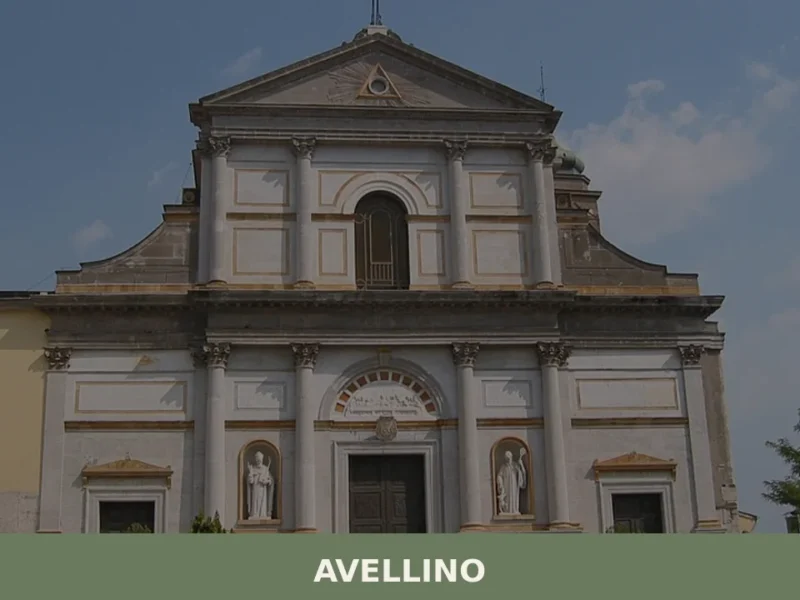
Uncover the charm of the village of Avellino in Campania, Italy. Explore its rich history, local traditions, and stunning landscapes. Plan your visit to this Italian gem!
Benevento
 Plains
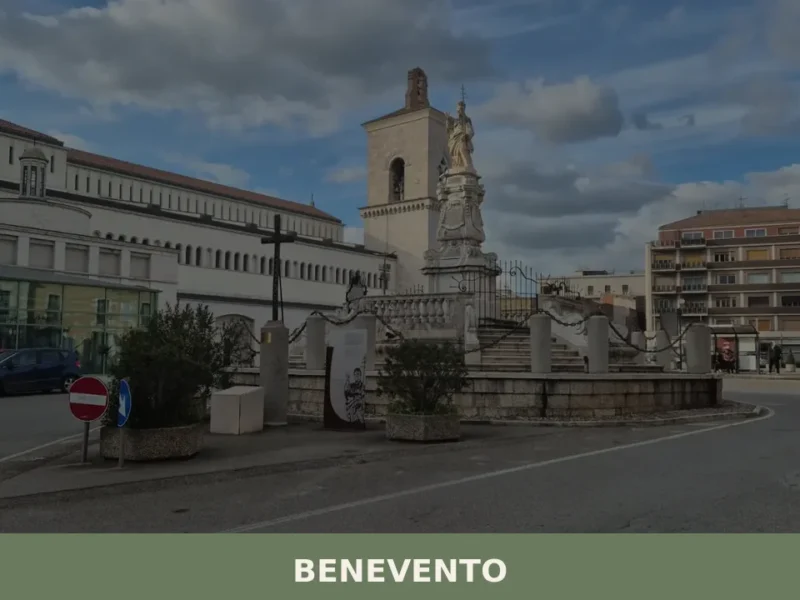
Uncover the rich history and beautiful landscapes of the village of Benevento in Campania, Italy. Plan your visit to this charming Italian gem today!

Altavilla Irpina
 Mountain
Discover Altavilla Irpina, a hilltop village in Avellino province with medieval churches, ancient stone architecture, and authentic Irpinian food traditions.
Afragola
Plains
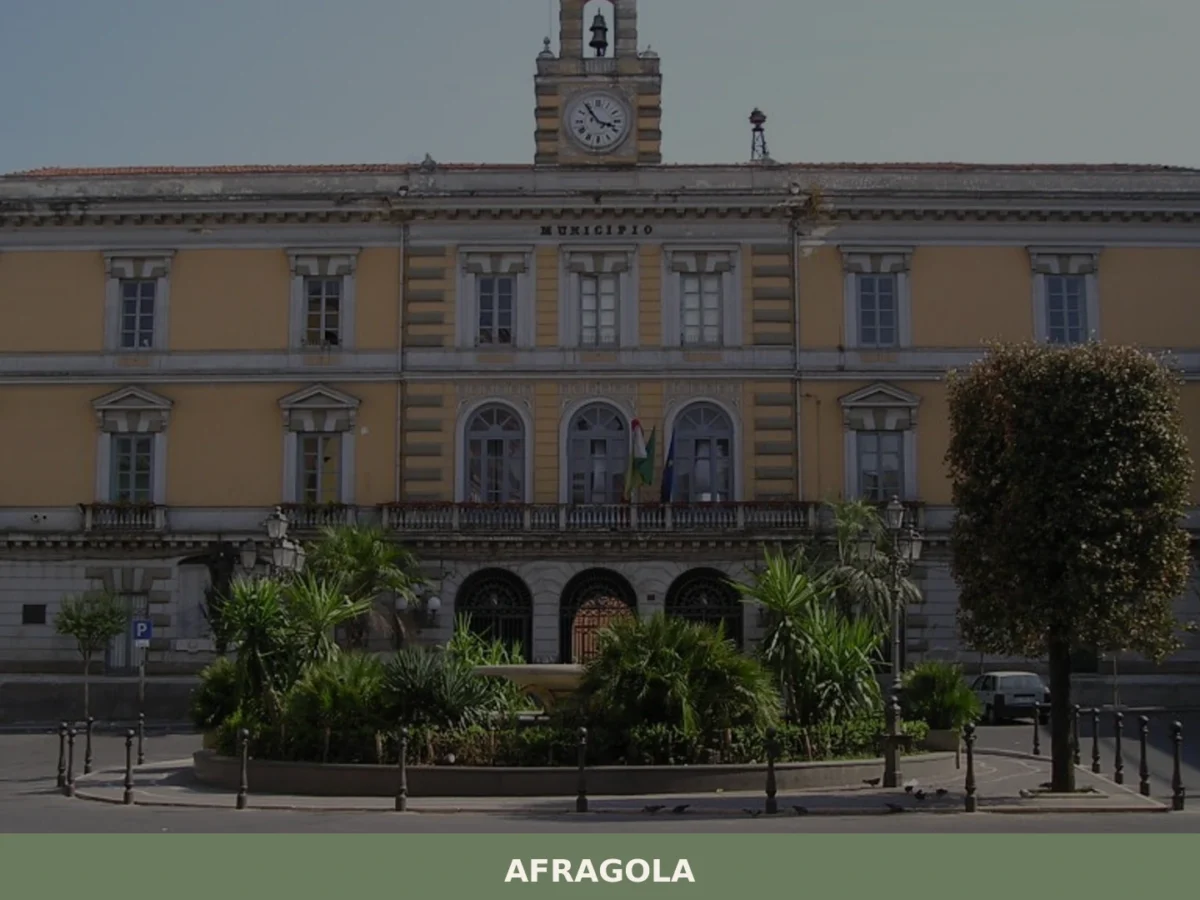
Discover what to see in Afragola, Campania: Zaha Hadid's station, Baroque churches, local food, and practical travel tips for this Naples hinterland town.
Tora e Piccilli
Hills
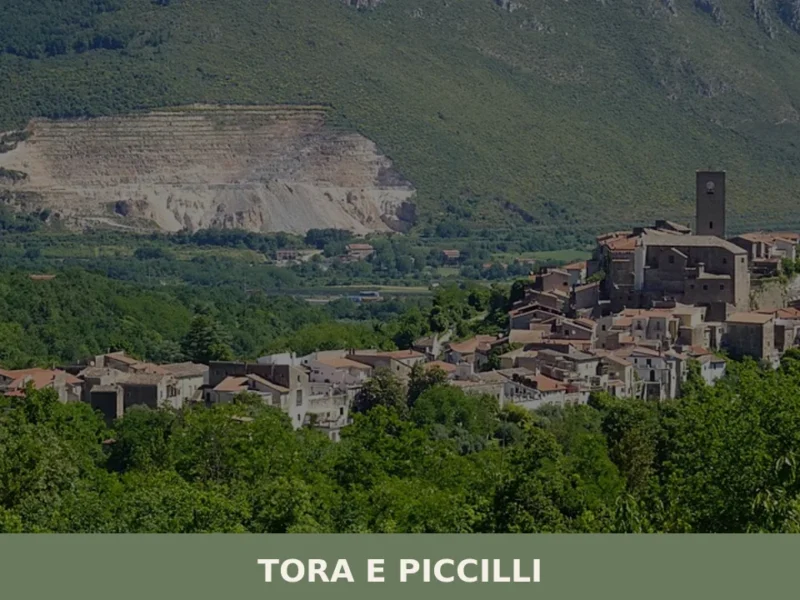
What to see in Tora e Piccilli, Italy: discover this Caserta comune at 343 m altitude. Explore its hilly landscape and small-town character. Read our complete guide.
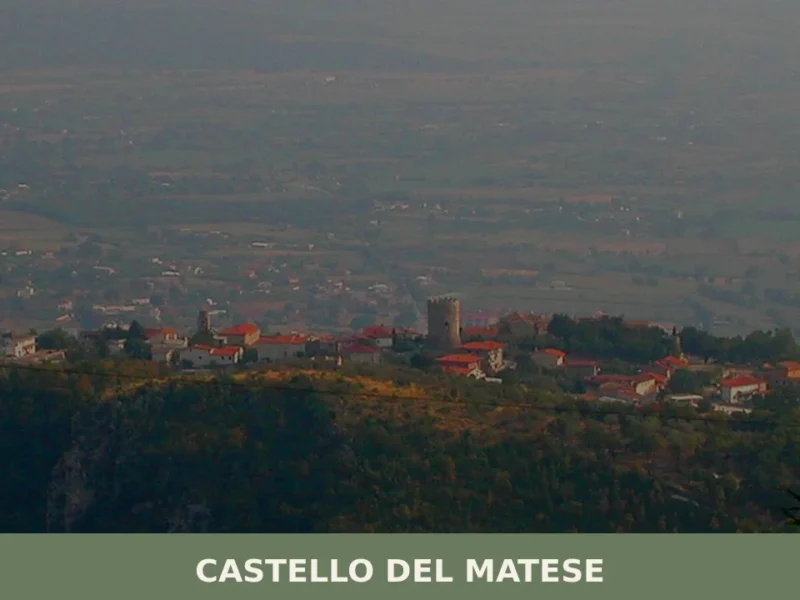
Castello del Matese
Hills
Visit Castello del Matese to explore its medieval historic center and local traditions. Plan your Campania trip, discover things to do in the village.
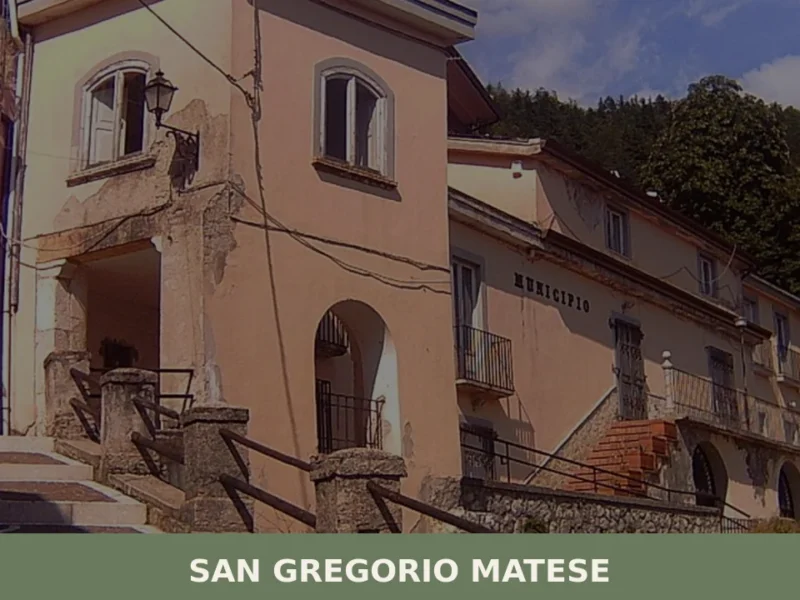
San Gregorio Matese
Mountain
What to see in San Gregorio Matese, Italy: Explore this mountain village at 765 m altitude. Discover its historic core and annual patron saint feast. Read our guide.
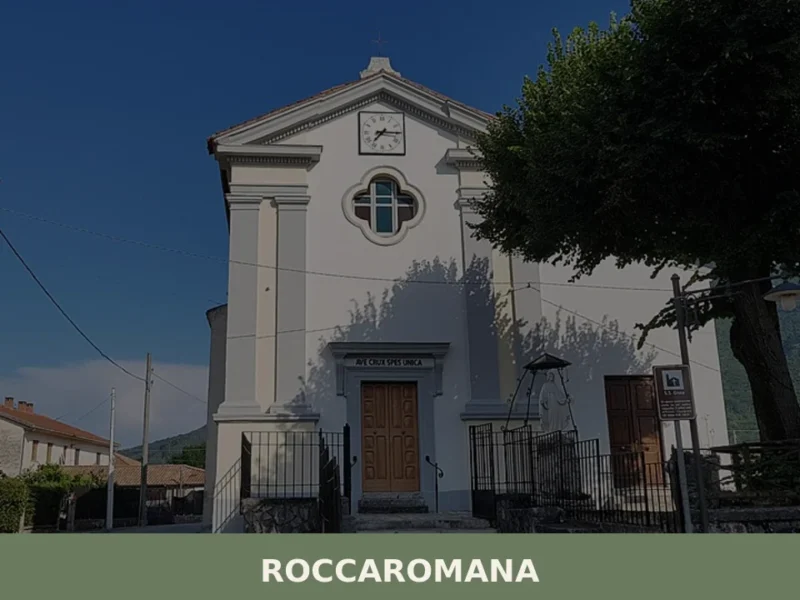
Roccaromana
Plains
What to see in Roccaromana, Italy: Explore its 180m altitude, discover historic churches and enjoy San Cataldo feast. Learn more about visiting this quaint village.
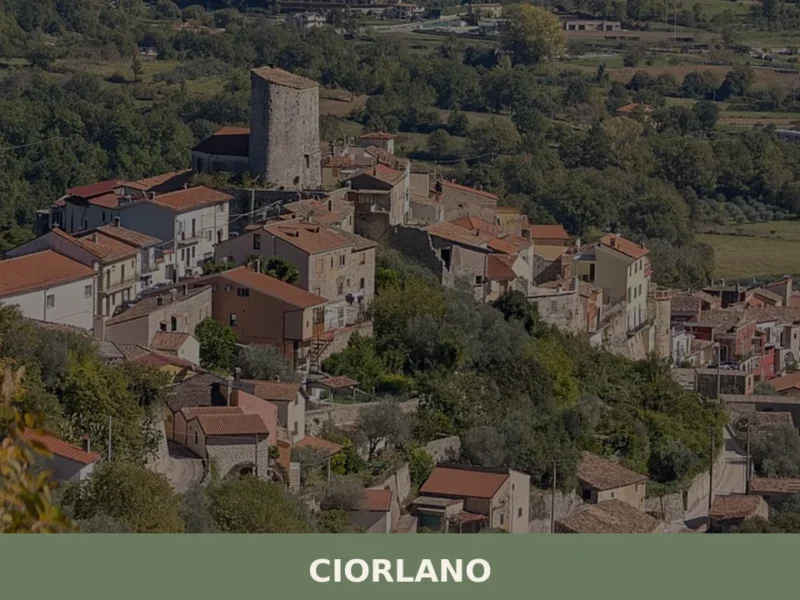
Ciorlano
Hills
With its 370 inhabitants spread across an elevation of 330 metres above sea level, Ciorlano is one of the least populated municipalities in the province of Caserta. The village sits in the middle Volturno valley, along the hillside that separates the Matese massif from the Alife plain. Anyone wondering what to see in Ciorlano will […]



🏡 Know Fontegreca better than we do?
If you’re a local or have been there, your knowledge matters: add what’s missing or fix a detail on this page.