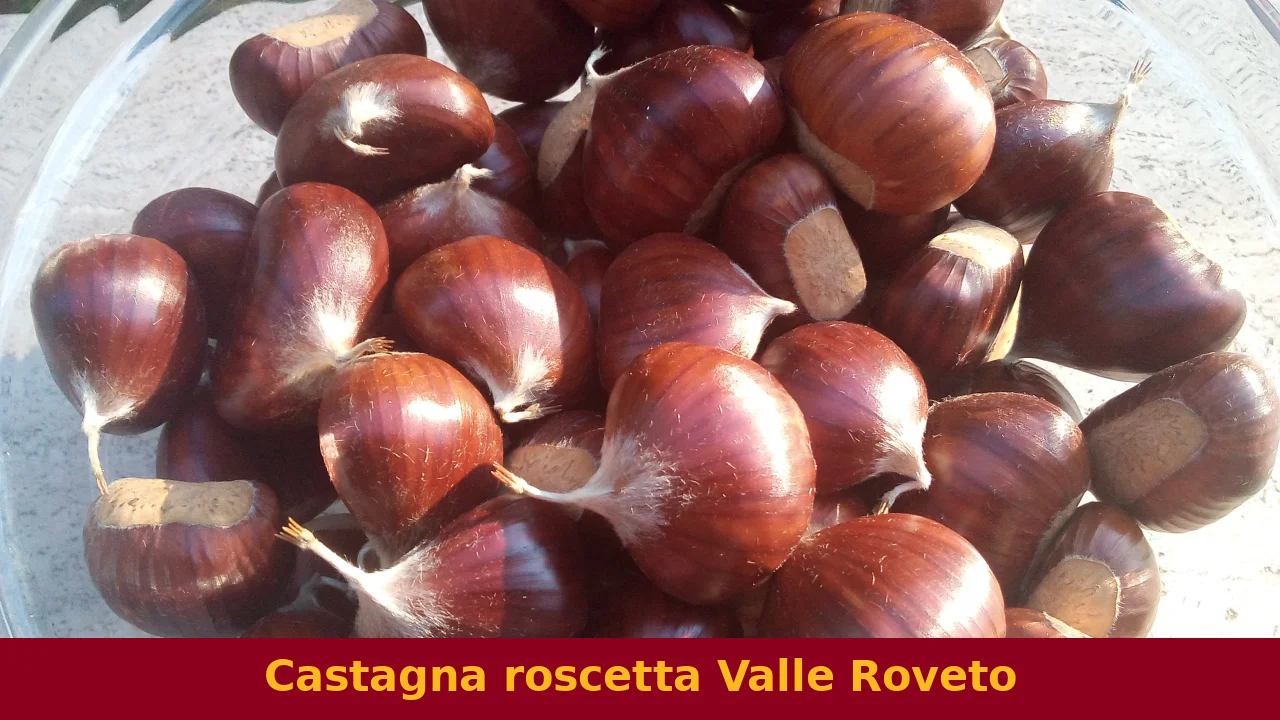
When autumn dyes the Abruzzo woods with ochre and bronze, a special fruit prepares to tell its story: the Castagna roscetta Valle Roveto. This native chestnut variety, simply known as Roscetta, is a symbol of the Valle Roveto, a territory where nature and traditions intertwine. Its presence is an appeal not only to taste, but…
When autumn dyes the Abruzzo woods with ochre and bronze, a special fruit prepares to tell its story: the Castagna roscetta Valle Roveto. This native chestnut variety, simply known as Roscetta, is a symbol of the Valle Roveto, a territory where nature and traditions intertwine. Its presence is an appeal not only to taste, but also to the discovery of a part of Italy that preserves flavors and knowledge linked to an ancient agricultural practice.
The Castagna roscetta Valle Roveto is a chestnut cultivar (Castanea sativa Mill.) distinctive to the Abruzzo territory, specifically recognized as an Italian Traditional Agri-food Product (PAT). This classification highlights its indissoluble link with its geographical area of origin and the cultivation and processing practices that have become established over time. Unlike other more widespread varieties, the Roscetta stands out for its peculiar morphological and sensory characteristics, making it prized for fresh consumption and various culinary preparations. Its identity is closely connected to the pedoclimatic environment of the Valle Roveto, which favors its optimal development and determines its specific qualities. It is a fruit representing a botanical and cultural heritage, kept alive thanks to the commitment of local communities and producers who preserve its cultivation.
The presence of the Castagna roscetta in the Valle Roveto has been documented for centuries, bearing witness to an ancient chestnut tradition that has shaped the local landscape and economy. It is an indigenous variety, meaning it was born and developed spontaneously in this specific territory, adapting perfectly to its environmental conditions. Chestnut cultivation in these areas of Abruzzo was not just an agricultural practice, but a truly fundamental resource for the subsistence of populations, especially in past eras. Chestnut groves provided wood, fodder, and, above all, a nutritious fruit that could be stored for a long time, representing an important food base. The earliest written records and oral traditions indicate how the harvesting and processing of chestnuts were central moments in rural life, with uses ranging from direct consumption to flour production. Attention to the Roscetta has grown over time, leading to its recognition as a valuable product, a symbol of agriculture that respects natural cycles and the specific characteristics of the place.
The Valle Roveto, the exclusive geographical production area of the Roscetta, extends into the southwestern part of Abruzzo, primarily in the province of L’Aquila. This territory is characterized by a mountainous and hilly environment, with varying altitudes that offer ideal conditions for the growth of chestnut groves. The soils, often acidic and well-drained, derive from geological substrates favorable to the chestnut tree, while the climate, with cold winters, mild summers, and good rainfall, contributes to the development of quality fruits. The valley is traversed by the Liri river and features slopes covered with varied vegetation, where the chestnut tree finds its natural habitat. The villages that animate the Valle Roveto and surrounding areas, such as Anversa degli Abruzzi or Bugnara, are the centers where the tradition linked to this fruit is concentrated. The morphology of the territory, with its slopes and exposures, directly influences the characteristics of the chestnut, making each harvest season a reflection of specific environmental conditions.
The cultivation of the Castagna roscetta Valle Roveto often follows methods that harken back to traditional practices, while integrating modern techniques for chestnut grove management. Reproduction occurs mainly by grafting or through sowing, selecting the most robust and productive mother plants. Tree care includes targeted pruning to promote ventilation and light exposure for the branches, crucial elements for fruit quality. Harvesting, which takes place between September and October, is a moment of great importance. Traditionally, chestnuts are collected by hand after naturally falling from their burrs, a method that ensures the fruit’s full ripening. Subsequently, the chestnuts are selected, graded, and subjected to a “curatura” or “novena” process, which involves immersion in water for several days. This natural treatment helps disinfect the fruits, eliminate worm-eaten ones, and improve their shelf life, making them more resistant and suitable for long-term storage. Preservation then takes place in cool, dry places, ready to be consumed or processed.
The Castagna roscetta Valle Roveto stands out for a well-defined sensory profile that makes it appreciated by connoisseurs. Externally, it has a reddish-brown skin, glossy and smooth, with darker streaks and a typical oval-shaped hilar scar. The inner pulp is light, tending towards whitish-yellow, with a firm and compact consistency when raw, becoming tender and floury after cooking. The taste is delicately sweet, with notes reminiscent of honey and a slight hint of hazelnut, never cloying. The aroma is characteristic, intense but not intrusive, fully released during cooking. These qualities make it particularly versatile in the kitchen, for both sweet and savory preparations. The ease with which the skin peels off after cooking is another appreciated characteristic, facilitating its consumption. Its natural sweetness and texture make it a versatile ingredient.
The versatility of the Castagna roscetta Valle Roveto makes it a star in numerous culinary preparations, both traditional and innovative. The simplest and most common way to enjoy it is roasted, the so-called “caldarroste,” which release all their aroma and sweetness. It can also be boiled, added to soups and stews to impart a sweet note and a full-bodied consistency, or used as a side dish for meat dishes, particularly wild boar or pork. The Roscetta is also excellent for sweet preparations: it lends itself to making jams, preserves, spreads, and as an ingredient for cakes, biscuits, and ice creams. Chestnut flour, obtained from grinding dried fruits, is used for bread, gnocchi, polenta, or for sweets like castagnaccio. Its floury consistency and sweet taste make it an excellent substitute for other ingredients in gluten-free recipes. It is an ingredient that allows one to explore Abruzzese cuisine in all its nuances, from the most rustic to the most refined dishes.
The Castagna roscetta Valle Roveto stands out due to several factors that attest to its uniqueness. First, its indigenous nature: being an original and specific variety of the Valle Roveto gives the fruit an exclusive link with its territory, making it a direct expression of the Abruzzese terroir. This genetic specificity, combined with the ideal pedoclimatic conditions of the valley, helps define its distinctive sensory characteristics, such as balanced sweetness and floury consistency. Furthermore, the persistence of often traditional cultivation methods and the dedicated care from local producers for its safeguarding make the Roscetta not just a fruit, but also a symbol of sustainable and environmentally respectful agriculture. Its recognition as a PAT highlights the cultural and historical value this product holds for the region, representing a bridge between past and present. It is a concrete example of how biodiversity and local traditions can generate a high-quality agri-food product with a profound identity.
The Castagna roscetta Valle Roveto has been included in the list of Italian Traditional Agri-food Products (PAT) by the Ministry of Agricultural, Food, and Forestry Policies. This recognition is an important attestation of the Roscetta’s value, certifying its historical significance and its link to the production territory. For a product to obtain PAT status, it must demonstrate production, processing, and preservation practices established for at least 25 years, carried out in a specific territory and according to traditional rules. The PAT is not a Protected Designation of Origin (DOP) or Protected Geographical Indication (IGP), but a label that enhances minor and local productions, contributing to the preservation of agricultural biodiversity and regional specificities. This status helps protect the Roscetta from imitations and promotes its awareness, guaranteeing consumers the authenticity of a product closely tied to Abruzzo and its culture. For more information, you can consult the dedicated entry on Wikipedia.
To savor the true Castagna roscetta Valle Roveto and discover its territory of origin, the best time is autumn, during the harvest season. It is at this time that you can find the freshest fruits and participate in the numerous chestnut festivals and events that animate the Valle Roveto and its vicinity. Local farmers’ markets, small shops in villages like Anversa degli Abruzzi or Bugnara, and agritourism farms in the area are the privileged places to buy directly from producers and taste Roscetta-based preparations. Many restaurants in the province of L’Aquila and throughout Abruzzo include dishes featuring this chestnut on their seasonal menus, offering an opportunity for a complete gastronomic experience. Visiting Abruzzo in autumn means immersing oneself in a landscape of warm colors and intense flavors, discovering not only the Roscetta, but also the richness of traditional products from ABRUZZO and the hospitality of its communities. It is an occasion to combine the search for an authentic taste with the discovery of a territory rich in history and nature, uniting a passion for food with a desire for exploration. The Roscetta is an invitation to discover the entire range of Italian traditional food products, starting with this Abruzzese excellence.
📷 Photo: Marica Massaro · CC BY-SA 4.0 · All credits →
Nelle cucine abruzzesi, il profumo dolce e leggermente acidulo del pomodoro maturo evoca immediatamente l'estate e la generosità...
In the heart of Abruzzo, where the landscape unfolds in a succession of valleys and hills, a gastronomic...
In the skilled hands of Abruzzese artisans, the quince transforms into a gastronomic treasure that encapsulates the genuine...
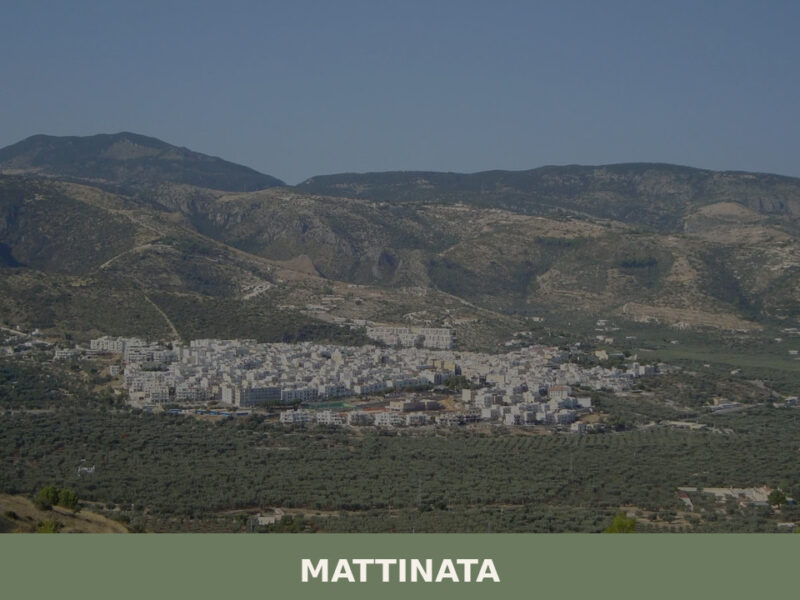
Perched on the sun-drenched slopes of the Gargano promontory, Mattinata is a dazzling white jewel overlooking the Adriatic Sea. With just 5,976 inhabitants and sitting at 75 metres above sea level in the province of Foggia, this coastal village captivates visitors with its pristine bays, ancient olive groves, and a way of life shaped by […]
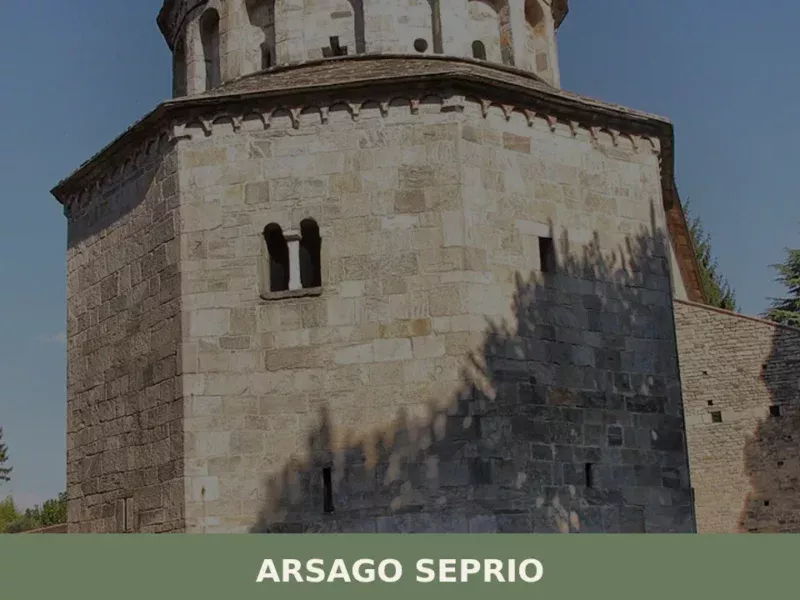
In Arsago Seprio, located in the province of Varese, the ancient Basilica of San Vittore Maggiore features structures dating back to the 9th century, indicating continuous settlement rooted in Roman times. This specific detail introduces a village of 4,869 inhabitants, located 290 meters above sea level, where historical layering is a tangible element. For those […]
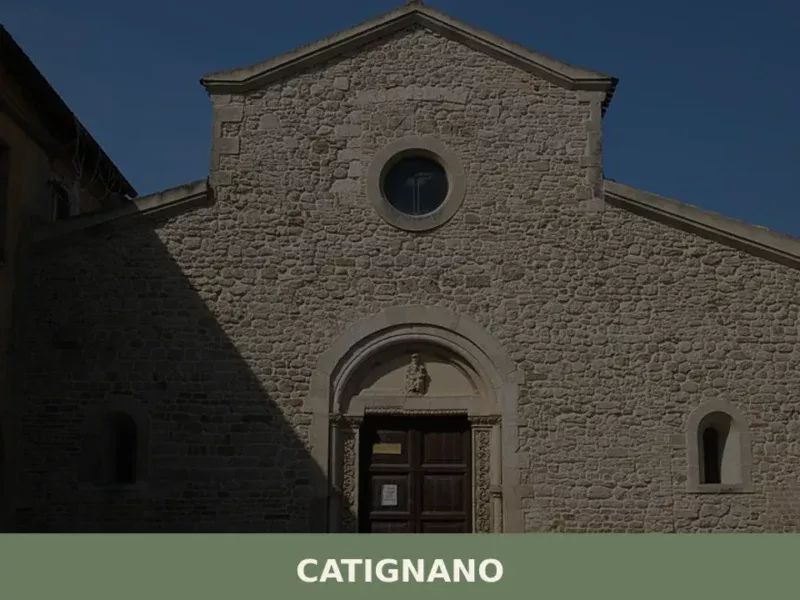
Catignano has a current population of 1,227, spread across a hilly territory at 365 metres above sea level in the province of Pescara. The municipality extends along a ridge separating the Nora and Cigno valleys, two watercourses that flow into the Pescara river. Those looking for what to see in Catignano will find a rural […]
📝 Incorrect information or updates?
Help us keep the Castagna roscetta Valle Roveto page accurate and up to date.