


Acquanegra Cremonese
 Plains
Discover what to see in Acquanegra Cremonese, a rural comune of 1,159 in the Province of Cremona, Lombardia u2014 from cascine architecture to Po Valley food culture.
Discover Acquanegra Cremonese
Acquanegra Cremonese is a comune of approximately 1,159 inhabitants in the Province of Cremona, Lombardia, sitting on the broad agricultural plain that defines this corner of the Po Valley. Knowing what to see in Acquanegra Cremonese requires understanding the village on its own terms: a compact rural settlement whose identity is bound to the land, to the slow rhythms of dairy farming, and to the modest but legible architectural record of a community that has occupied this flat, productive territory for centuries. In the local Cremonese dialect, the village is known as Cuanégra.
History of Acquanegra Cremonese
The toponym itself carries historical weight. “Acquanegra” — literally “black water” — almost certainly derives from the presence of dark, peat-rich water channels that once ran through this low-lying terrain, a feature common to many settlements on the Lombard plain where drainage and irrigation defined the landscape long before any formal administrative record. The Cremonese suffix distinguishes this village from Acquanegra sul Chiese, a separate comune in the Province of Mantua, and was formalised in administrative usage to prevent confusion between the two settlements.
The broader territory around Cremona, of which Acquanegra Cremonese forms a part, passed through successive layers of feudal control during the medieval period. The Province of Cremona was absorbed into the Duchy of Milan under the Visconti in the fourteenth century, and later came under Sforza dominion before falling to Spanish Habsburg rule in 1535 — a political shift that restructured land ownership and ecclesiastical administration across the entire Lombard plain, including the small rural communes in Cremona’s agricultural hinterland. Villages like Acquanegra Cremonese existed within this framework as units of agrarian production, their parish churches and local landholding structures reflecting the administrative priorities of each successive power.
Under the Napoleonic reorganisation of northern Italy in the early nineteenth century, the administrative map of Lombardia was redrawn, and the commune structure was formalised in a way that persists broadly to the present day. Acquanegra Cremonese was confirmed as an independent comune within this system. The twentieth century brought mechanisation to the Po Valley’s farming economy, transforming what had been a labour-intensive landscape of sharecropping and water management into one of Italy’s most productive dairy and cereal regions — a transition visible in the physical fabric of villages like this one, where older rural architecture stands alongside the functional buildings of modern agricultural enterprise.
What to see in Acquanegra Cremonese: the main attractions
The Parish Church
The parish church is the architectural focal point of the village centre, as is typical of Lombard rural communes of this scale. Built and modified across several centuries, its façade and bell tower follow the vernacular ecclesiastical tradition of the Cremonese plain, using local brick as the primary material. The interior typically houses devotional works and furnishings accumulated over generations of parish life.
The Agricultural Landscape of the Po Valley
The flat, geometrically divided farmland surrounding Acquanegra Cremonese is itself a document of human intervention stretching back to Roman centuriation. The grid of irrigation channels, poplar rows and dairy farm complexes — known locally as cascine — represents the living infrastructure of one of Europe’s most productive agricultural zones, still actively farmed for Grana Padano and Parmigiano Reggiano milk production.
The Cascine Farmstead Architecture
Scattered across the municipal territory, the traditional cascine — large enclosed farm complexes — represent the dominant building typology of the Cremonese countryside. These structures, often dating to the eighteenth and nineteenth centuries, combine residential quarters, animal stabling and grain storage within a single courtyard plan, reflecting the integrated logic of pre-industrial dairy farming on the plain.
The Village Centre and Civic Buildings
The compact historic core of Acquanegra Cremonese retains the proportions and spatial logic of a small Lombard comune: a central square oriented around the church, a municipio (town hall) housing the local administration, and the low domestic architecture of brick-built houses that characterise rural settlement throughout the Province of Cremona.
The Surrounding Water Channels and Irrigation Network
The network of rogge and drainage canals threading through the municipal territory reflects centuries of hydraulic engineering on the Lombard plain. These channels, some originating in medieval monastic land management, continue to regulate water distribution across the agricultural fields and offer an understated but historically significant feature of the local landscape.
Local food and typical products
The food culture of Acquanegra Cremonese is inseparable from the broader culinary identity of the Province of Cremona. This is dairy country: the milk produced on the surrounding plain feeds into the supply chains for Grana Padano PDO, one of Italy’s most produced protected-designation cheeses, alongside the tradition of aged salumi that defines Lombard charcuterie. On local tables, risotto prepared with the short-grain rice varieties grown in neighbouring Pavese and enriched with local butter and aged cheese is a standard first course. Tortelli cremaschi and other filled pasta forms, while more closely associated with Cremona city, appear in the domestic cooking of surrounding villages during festivals and family occasions.
Cremona’s most famous food export — mostarda di Cremona, the pungent fruit preserve in mustard syrup traditionally served alongside boiled meats — is produced and sold throughout the province and represents perhaps the most distinctive edible souvenir available to visitors. For dining, the most reliable options in an area of this scale tend to be agriturismi — farm-based restaurants operating on the edges of the village and across the surrounding countryside — where meals are structured around seasonal, locally sourced ingredients. The Province of Cremona’s official channels maintain updated listings of local food producers and agriturismo operators in the area.
Best time to visit Acquanegra Cremonese
The Po Valley climate means hot, humid summers and cold, often foggy winters — the famous nebbia padana that settles over the plain from November through February can reduce visibility dramatically and lends the flat landscape a particular, somewhat disorienting atmosphere. Spring and early autumn offer the most comfortable conditions for moving around the countryside: temperatures between 15°C and 22°C, the fields either coming into growth or bearing harvest, and the light on the plain at its most legible. April and May bring the cereal fields to their greenest; September and October coincide with harvest activity across the dairy and agricultural estates.
The liturgical calendar still structures much of village social life in rural Lombardia: the feast day of the parish’s patron saint typically draws the community together for a local sagra or procession, and these occasions offer a direct window into the rhythms of small-comune life. Visitors travelling from Cremona city may also time a visit to coincide with one of the city’s own major events — the Festa del Torrone in November being the most widely attended — using the village as a point of departure for broader provincial exploration.
How to get to Acquanegra Cremonese
Acquanegra Cremonese sits within the Province of Cremona in central Lombardia, accessible primarily by road. The nearest major city and provincial capital is Cremona, located approximately 20 kilometres to the northeast, reachable by provincial road in under 30 minutes by car. Milan, the regional capital, lies roughly 75–80 kilometres to the northwest, with a driving time of approximately one hour depending on traffic conditions on the A21 Torino–Brescia motorway, which passes through the Cremonese plain.
- By car: Exit the A21 motorway at Cremona, then follow provincial roads southward toward the Casalasco area. Local signage connects the surrounding comuni.
- By train: The nearest railway station with regular connections is Cremona, served by regional trains from Milan Centrale and Brescia. From Cremona station, local bus services or a taxi are required to reach Acquanegra Cremonese.
- By air: The closest airports are Milan Linate (approximately 80 km) and Milan Malpensa (approximately 110 km). Bergamo Orio al Serio is also within reasonable driving distance at roughly 70 km.
For visitors without a private vehicle, a car remains the most practical option for exploring the village and its surrounding agricultural territory. Public transport connections to small communes of this scale in the Cremonese plain are limited to infrequent regional bus services. Full transport timetables and route information are available through Regione Lombardia’s official portal.
Where to stay in Acquanegra Cremonese
Accommodation in and immediately around Acquanegra Cremonese is limited, as is typical of Lombard comuni of under 1,200 inhabitants. The most practical option for visitors wishing to base themselves in the area is an agriturismo — a farm-stay property operating within the municipal territory or in the immediately surrounding countryside. These establishments generally offer rooms within converted farm buildings, breakfast featuring locally produced dairy and cured meats, and often dinner by arrangement. The scale of hospitality is domestic rather than institutional, and advance booking is advisable, particularly during spring and autumn weekends when demand from urban visitors increases.
Cremona city, 20 kilometres to the northeast, offers a fuller range of hotels, guesthouses and B&Bs at various price points and serves as the most convenient urban base for visitors planning to cover multiple villages across the province. From Cremona, day trips into the surrounding plain — including Acquanegra Cremonese — are straightforward by car. Booking through the accommodation platforms most familiar to international travellers is standard practice in this part of Lombardia; confirming arrival times directly with proprietors is recommended for farm-stay properties where staffing is family-based.
More villages to discover in Lombardia
Lombardia’s smaller comuni extend far beyond the Cremonese plain, each occupying a distinct geographical and cultural register. In the lake district to the north of Milan, the area around Varese rewards careful exploration: Besozzo, positioned near Lago di Varese, offers a different reading of Lombard village life, shaped by the economics of tourism and the proximity of the pre-Alpine lakes rather than dairy farming. Nearby, Azzate is a compact comune in the Varese hills whose elevated position and residential character contrast markedly with the horizontal logic of the Po Valley settlements.
Further into the Varese province, the small communes of the hills above the Lago Maggiore basin offer yet another register of Lombard rural settlement. Azzio and Bregano both sit within this northern Lombard landscape, where the architecture, agriculture and topography bear almost no resemblance to the flat, fog-prone plain around Acquanegra Cremonese. Taken together, these villages demonstrate the remarkable range of environments and community types that coexist within a single Italian region.
Getting there
Via Stazione, 26020 Acquanegra Cremonese (CR)
Nearby Villages near Acquanegra Cremonese
In Lombardy More villages to discover
Varese
 Hills
Hills
 Lake
Lake
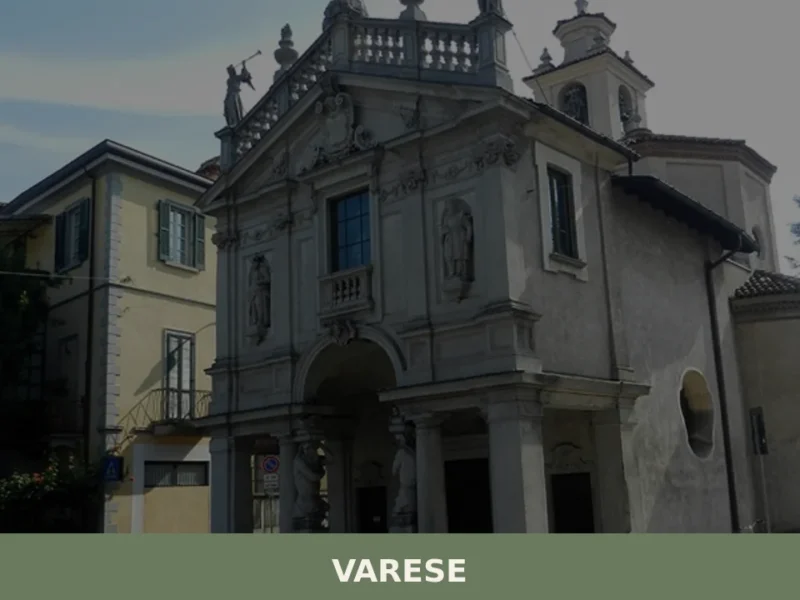
Varese, a Lombard city with a population of 78,409 inhabitants, stands at 382 m above sea level and is distinguished by its strategic position between lakes and pre-Alps. This locality, capital of the eponymous province, offers a rich historical and natural heritage that attracts numerous visitors every year. In this article History and Origins of […]

Cassano Magnago
Hills
Over 21,000 residents and a documented history stretching back to 1152. Cassano Magnago rewards visitors with a medieval castle, four ancient churches and a rich civic past.
Adrara San Rocco
Hills
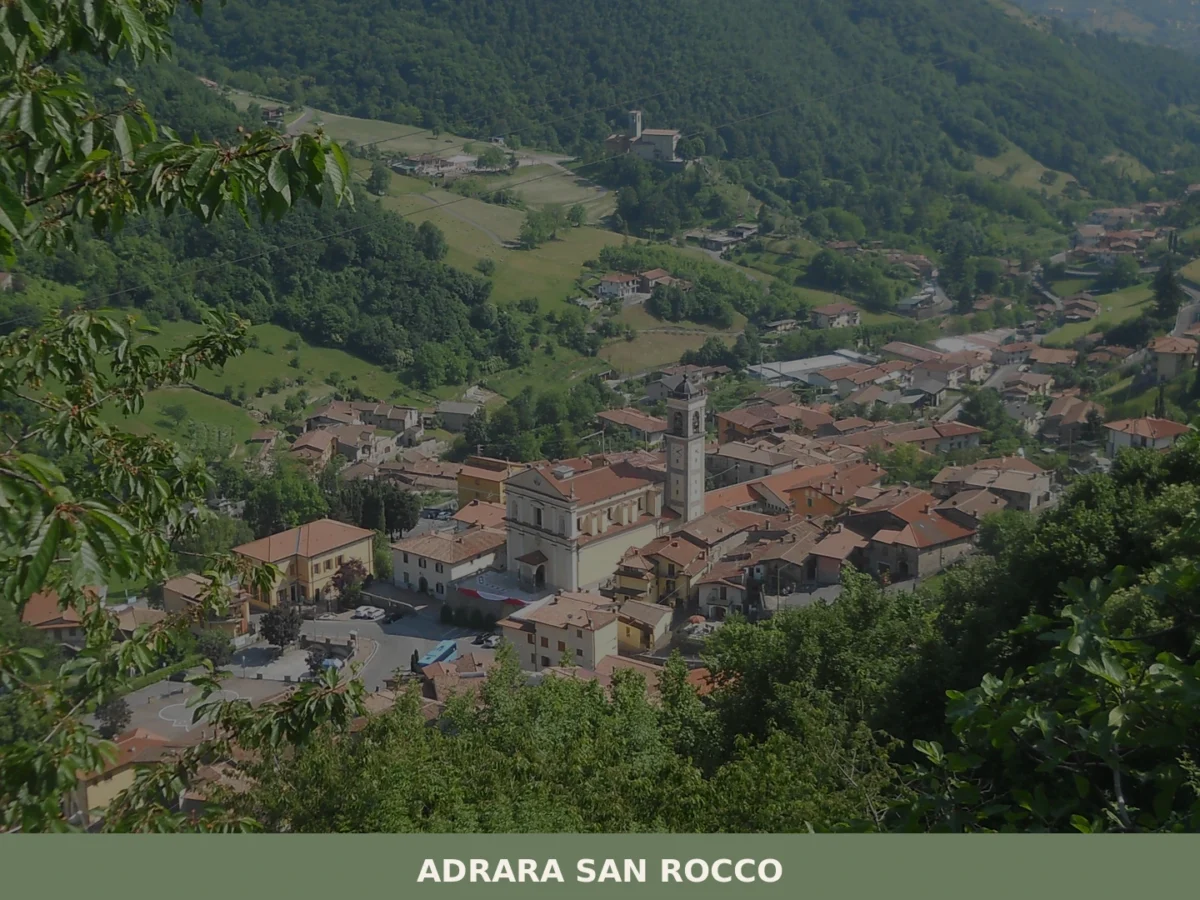
The long external staircase of the church of San Rocco rises above the Guerna river valley, its stone steps worn by five centuries of use since the building was consecrated in 1539. The valley cuts eastward from Bergamo, 25 kilometres (16 mi) away, deep into the territory of Monte Bronzone Sebino. A castle once stood […]
Besano
Hills
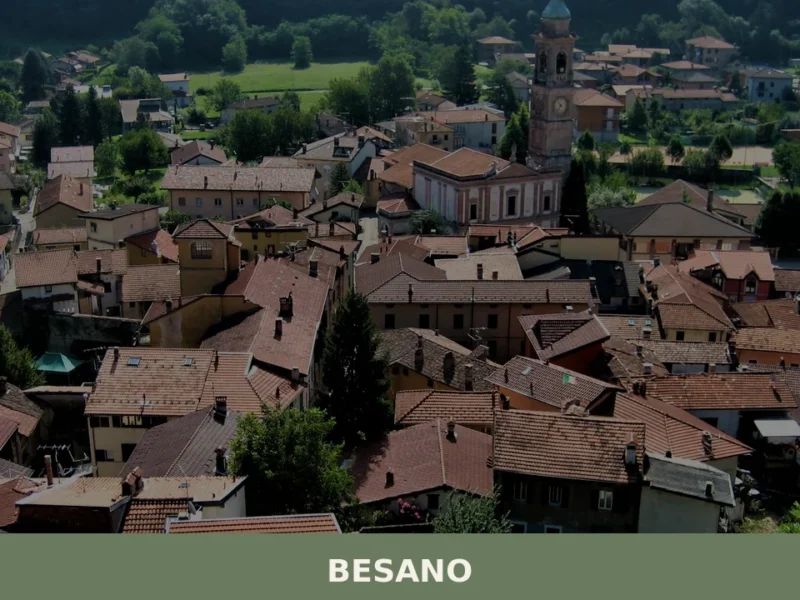
What to see in Besano, Italy: Explore the paleontological site and discover village life at 350 m (1,148 ft) a.s.l. Read our guide to Lombardy's unique corners.
Bedero Valcuvia
Plains
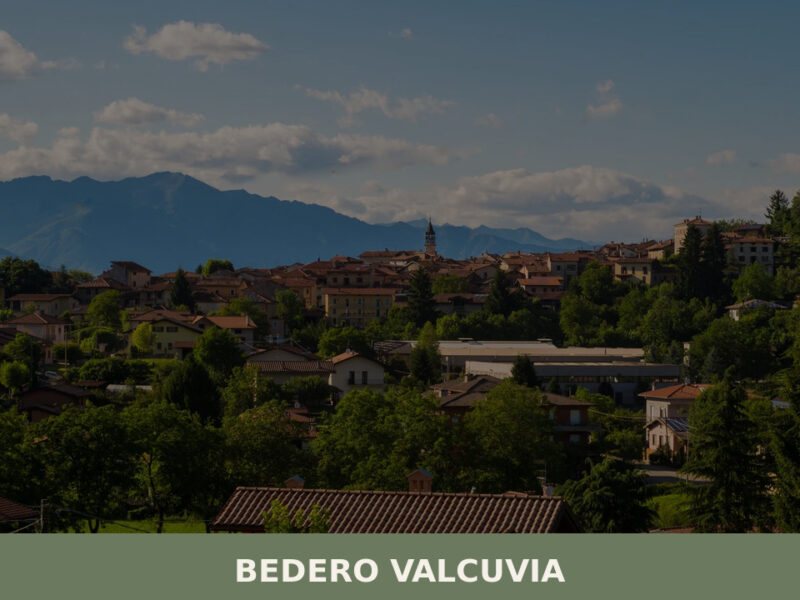
Morning light reaches Bedero Valcuvia in stages — first the bell tower of the parish church, then the stone walls along Via Roma, and finally the gardens where fig trees press against iron railings. The village holds 680 residents in the broad green trough of the Valcuvia, a valley running between Lake Maggiore and Lake […]
Besozzo
Hills
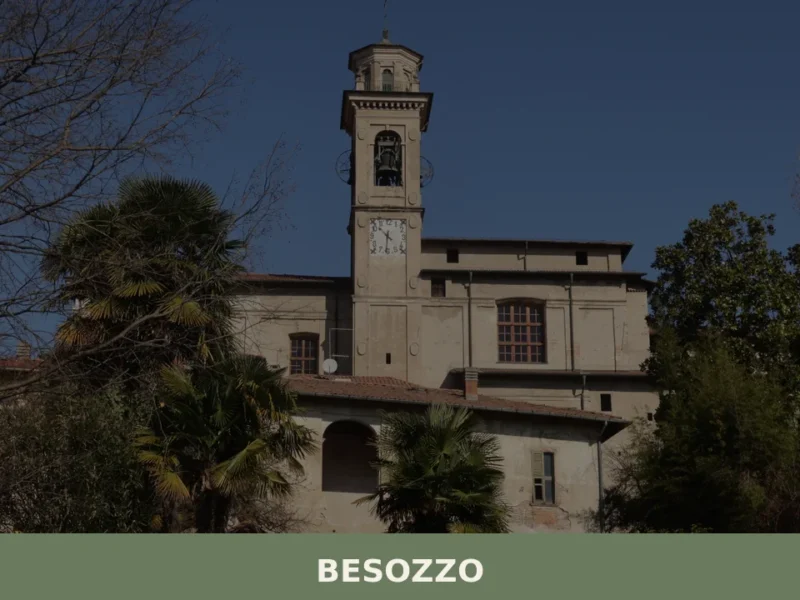
What to see in Besozzo, Italy: Explore the historic upper village (240 m a.s.l.), its noble Palazzi, and proximity to Lago Maggiore. Discover this Lombardian gem.
Albizzate
Hills
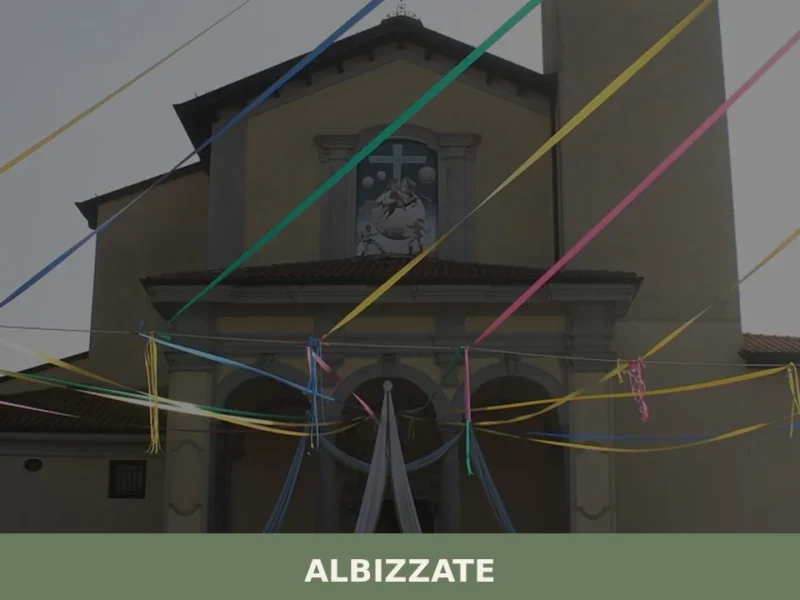
Explore the picturesque village of Albizzate, nestled in the heart of Lombardia, Italy. Learn about its unique culture, attractions, and local life.
Adrara San Martino
Hills
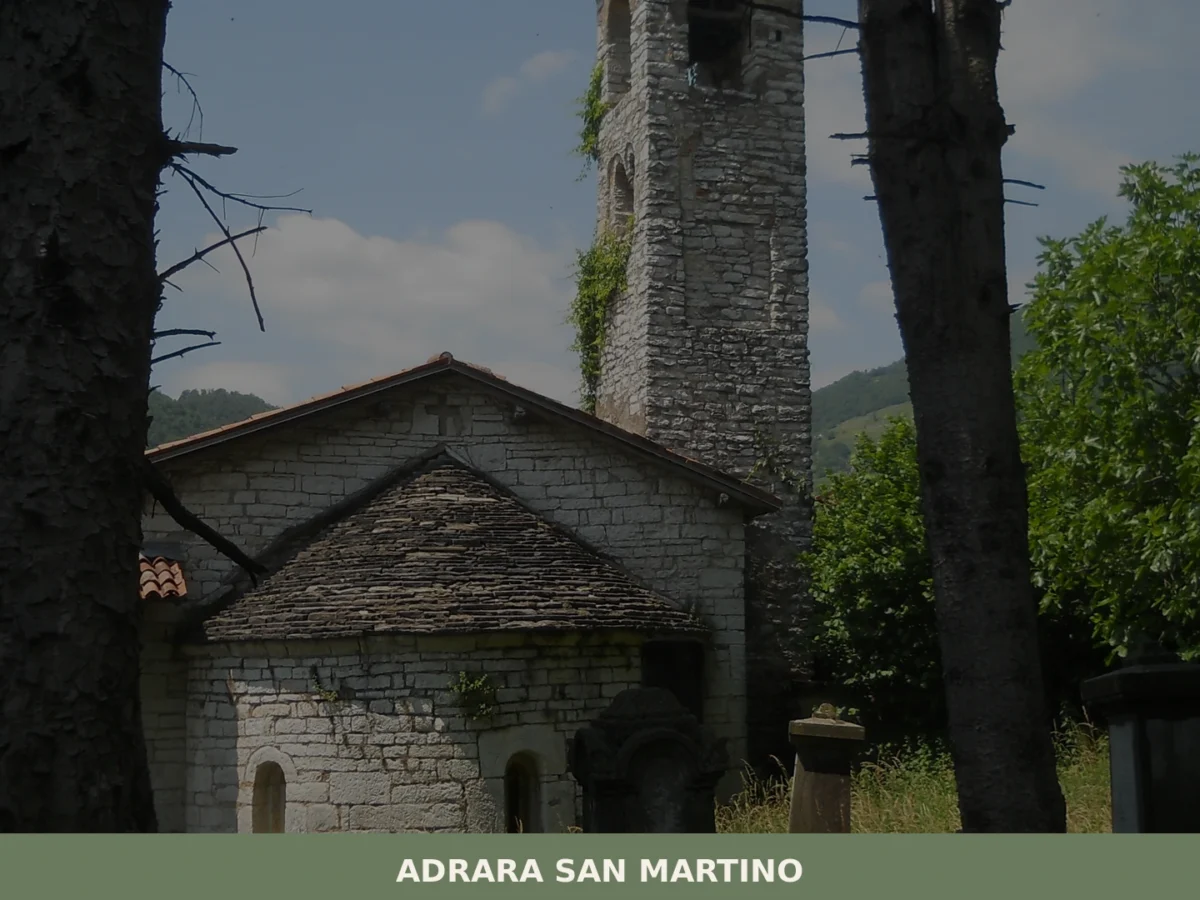
What to see in Adrara San Martino? Discover the 5 must-see attractions of this Lombard village. The complete guide for your visit. Plan your trip!
Brescia
Plains
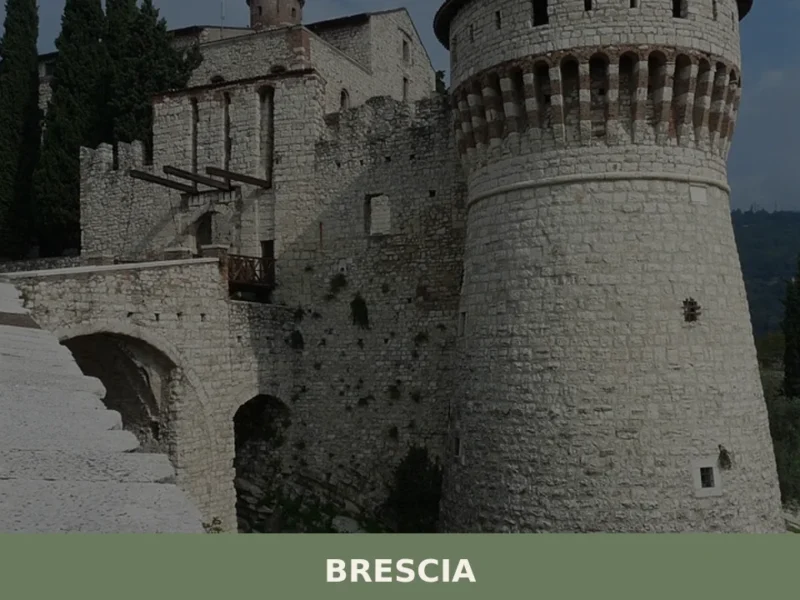
In 1826, during the excavation of a house’s foundations on Via Musei, the Winged Victory emerged from the ground — a Roman bronze from the 1st century AD, nearly two metres tall, and the symbol of a city that has layered twenty-five centuries of history upon itself. Anyone wondering what to see in Brescia today […]

Vanzaghello
Plains
5,375 residents, one medieval parish church and a steam locomotive in the central square: Vanzaghello rewards visitors drawn to authentic Lombard daily life.





🏡 Know Acquanegra Cremonese better than we do?
If you’re a local or have been there, your knowledge matters: add what’s missing or fix a detail on this page.