


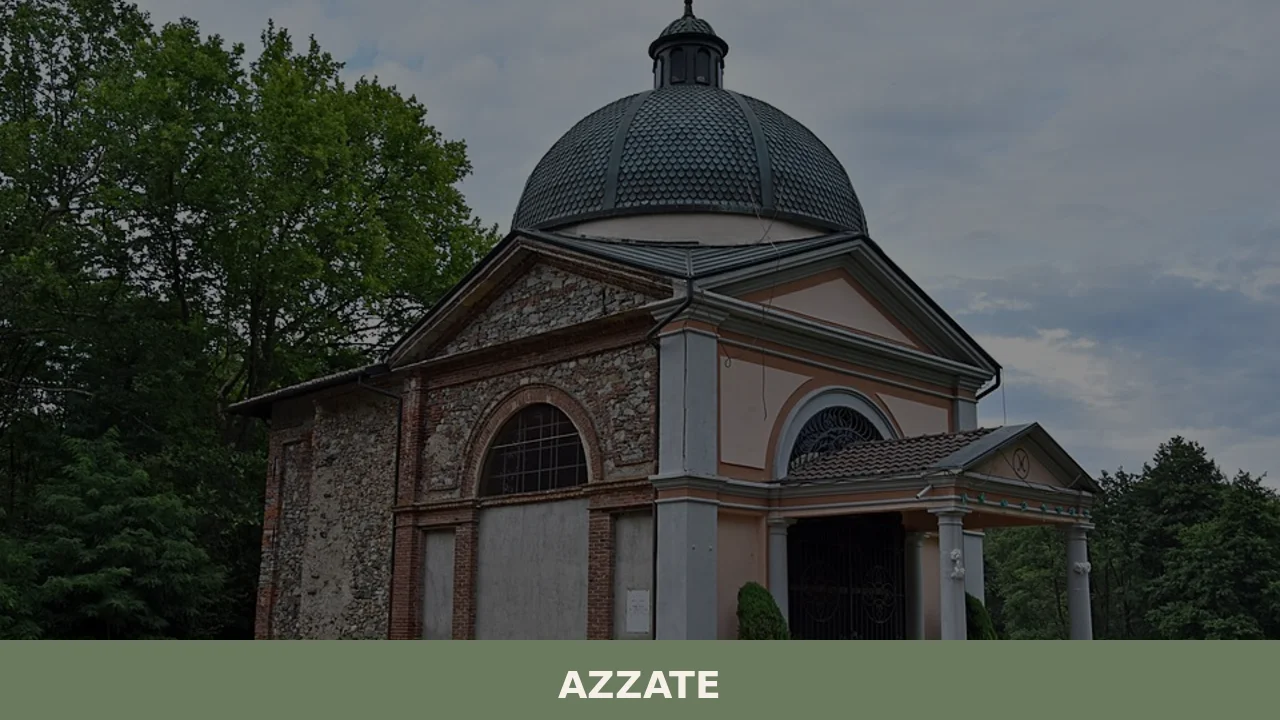

Azzate is a hillside comune in the province of Varese, Lombardia, at about 328 metres above sea level, shaped by centuries of noble rule and set along the Via Francisca del Lucomagno.
Discover Azzate
Azzate is a hillside comune in the province of Varese, Lombardia, sitting at about 332 metres above sea level with a surface area of roughly 4.72 square kilometres and a population of approximately 4,689 residents. Positioned in the inner hill zone between Varese and the surrounding lakes, it lies within easy reach of the regional capital — around 8 kilometres away, or a drive of roughly ten to fifteen minutes — and offers visitors a compact, walkable historic centre shaped by centuries of local noble rule.
Planning a trip to the Azzate village in Lombardy means stepping into a landscape where feudal history, Baroque decorative arts and quiet lakeside panoramas coexist without fanfare. The comune falls along the Via Francisca del Lucomagno, a long-distance route of around 135 kilometres, and its patron saint Sant’Andrea is celebrated on the first Sunday of September — a date worth noting for anyone hoping to catch the village in a moment of community life.
Azzate village in Lombardy: history and feudal heritage
Azzate, a hillside commune in the province of Varese at around 332 metres above sea level, developed over many centuries under the dominance of the Bossi family, a powerful local dynasty whose ties to the Visconti lords of Milan shaped the village’s identity from at least the late thirteenth century onwards. In 1277, the family appears in the Matricula Nobilium of Archbishop Ottone Visconti under the name Bossis de Acciate, marking an early formal recognition of the village’s noble standing.
The Bossi had supported the Visconti through the long conflicts with Castelseprio, and their loyalty was rewarded in 1439 when Azzate was detached from the feudo of Varese and granted to them as a signoria. They held this lordship until 1657, after which the village passed through several successive hands: to the Alfieri, then to the Torriani around 1712, to Giulio Visconti around 1737, and finally to Paolo Nolo around 1748. Even after their political authority ended, the Bossi retained their country residence at Azzate, periodically renovating the old fortified house, before eventually settling permanently near Como in the nineteenth century.
The parish church has roots that reach back to a document of around 1224 referring to an earlier church of Santa Maria on the same site; the building as it stands today, with its neogothic character and a facade dating from 1851, is essentially a nineteenth-century creation. Among its preserved works is a painted canvas attributed to Callisto Piazza, alongside other paintings traditionally linked to Nuvolone, Morazzone, and Holbein, though the attribution to Holbein remains debated. The village is also noted for a historic vineyard on the moraine hill of San Quirico, replanted with Nebbiolo in the early twenty-first century, traditionally associated with the era of Empress Maria Theresa of Austria.
Villas, Churches and a Castle on the Ridge above Lago di Varese
Azzate preserves a concentration of eighteenth-century villas along the northern edge of the village, where the terrain drops toward Lago di Varese, together with four named churches, a castle, and a parish church whose interior holds paintings attributed to several distinct hands.
Villa Bossi-Zampolli
Built on the foundations of a medieval fortified house, this villa was used for centuries by the Bossi family as a residence of prestige. After that family relocated toward Como in the nineteenth century, the building became a periodic country retreat and underwent its most substantial remodelling in the years 1771–1779 and again during the nineteenth century. In 1810 it was sold to Lorenzo Obicini, and eventually passed to the Zampolli family, who commissioned further restoration work during the twentieth century, including the replacement of the neoclassical pediment on the northern façade with a rococo-style crowning.
The complex brings together three distinct parts: an eighteenth-century villa to the east of a rural courtyard structure, and a late-medieval wing to the west. The villa itself is laid out on an asymmetrical H-plan. The southern arms of the H are considerably longer than those facing the garden to the north, forming a long perspective axis directed toward the southern façade. The building sits stylistically between baroque and neoclassicism, both in its external treatment and in its interiors, which include an frescoed ballroom. On the northern side, a double staircase with a shell-shaped plan descends from a terrace to a garden arranged partly in the Italian manner and partly in the English manner. The late-medieval wing retains fragments of fresco and terracotta windows datable to the fourteenth and fifteenth centuries.
Villa Bossi-Benizzi Castellani
A patrician residence is recorded on this site as early as 1495; the current structure dates from the seventeenth century, though parts were reworked in the century that followed. After passing from the Bossi to the Benizzi family, the property was inherited by the Castellani in 1844, who reorganised the ground-floor rooms.
The building has an L-shaped plan. Its early-eighteenth-century western façade opens onto a three-arched portico leading either to the park behind the house or to the main staircase, which is protected by a red marble balustrade and flanked by frescoed walls. Inside, several rooms have coffered ceilings and frescoed decoration attributable to the school of Pietro Antonio Magatti.
Parish Church of the Nativity of the Virgin Mary
Other Churches
Three further churches are recorded within the comune: the church of San Giorgio, the church of San Rocco, and the church of the Madonnina del Lago.
Castle of Azzate
The castle of Azzate is among the named heritage sites of the comune. The Villa Bossi-Zampolli complex itself originated from an earlier fortified structure, which gives some sense of the medieval defensive character once present on this ridge.
Food and Wine from Azzate and the Varese Province
Azzate itself produces no certified PDO or PGI speciality, but the wider Varese province and surrounding Lombardy region offer a credible table of quality products worth seeking out during a visit. The most distinctive local designation is Miele Varesino DOP, a protected honey that captures the character of the lakeland hills. From the same provincial territory comes Formaggella del Luinese DOP, a soft goat’s cheese produced in the Luino area. The broader Lombard larder adds Grana Padano DOP and, from Emilia-Romagna, Mortadella Bologna IGP and Cotechino Modena IGP — products from a distinct region rather than local traditions of the Varese area. Vegetable growers in the province are recognised for the Asparago di Cantello IGP, a delicate asparagus cultivated a short distance to the south-west.
For wine, the territory falls within the Ronchi Varesini IGT designation — the hillside vineyards of the Varese area, including a historic plot on the moraine hill of San Quirico within Azzate itself, replanted to Nebbiolo in the early decades of this century. Broader Lombardy contributes several celebrated appellations: the Franciacorta DOCG and Valtellina Superiore DOCG are among the most prominent, alongside Sforzato di Valtellina DOCG and the sparkling Oltrepò Pavese Metodo Classico DOCG. These are regional benchmarks rather than village exclusives, but they are readily available in the restaurants and wine shops of the Varese lakeland.
Getting to Azzate and Planning Your Stay in the Varese Lakeland
Azzate sits at about 332 metres above sea level in the Varese hills, within easy reach of Varese — a drive of approximately 10 to 15 minutes — making it an easy half-day or full-day excursion from the provincial capital, or a quiet base for exploring the surrounding lakeland. The spring and early autumn months suit the hill setting best: temperatures are mild, the views towards Lago di Varese are clearest, and the feast of Sant’Andrea, celebrated on the first Sunday of September, offers a genuine local occasion.
The village spreads across a compact 4.72 square kilometres, with a population of around 4,689. Neighbouring Mornago lies close by to the south-east, and the small comune of Brunello is similarly within easy reach — both make logical companions on a circular route through the morainic hills between Varese and the lake.
| Departure | Distance | Time |
|---|---|---|
| Varese | approx. 6 km | approx. 10 min |
| Milano (A8) | approx. 45 km | approx. 40 min |
| Malpensa (MXP) | approx. 20 km | approx. 25 min |
Walkers and pilgrims will find Azzate also touched by the Via Francisca del Lucomagno, a historic route of about 330 kilometres that threads through the Lombard foothills. Following even a short stretch of this path is a rewarding way to read the landscape at the pace it deserves.
Frequently asked questions about Azzate
How do I get to Azzate from Varese or Milan?
Azzate lies about 8 kilometres south of Varese, a drive of roughly ten to fifteen minutes via the SP1 provincial road. From Milan, the quickest route is the A8 motorway (Milan–Varese), exiting at Varese Sud or Azzate–Gazzada, placing the village within approximately 50 kilometres of the city. The nearest railway station is Varese or Gazzada-Schianno; local bus services run by CTPI connect Azzate to Varese on a regular daily timetable.
When is the best time to visit Azzate?
Spring (April–May) and early autumn (September–October) offer mild temperatures and clear views over the surrounding hills and Lago di Varese. The patron saint feast of Sant'Andrea falls on 30 November, when the village observes its main religious and community celebrations — worth attending for a genuine glimpse of local tradition. Summer is pleasant for walking and cycling the nearby lakeside paths, while winter visits are quieter but can reward travellers with atmospheric misty hill scenery.
Are there any walking or cycling routes near Azzate?
Azzate sits along the Via Francisca del Lucomagno, a documented long-distance pilgrimage and hiking route of approximately 135 kilometres crossing the Varese province. The trail connects historic churches, lake shores and hillside villages, making it suitable for both walkers and touring cyclists. The nearby shores of Lago di Varese are also accessible via flat lakeside cycling paths managed within the broader provincial cycling network, linking several comuni around the lake basin.
How long should I plan for a visit to Azzate?
Azzate covers roughly 4.72 square kilometres with a compact, walkable historic centre, so most visitors comfortably explore the village itself in two to three hours. Combining a stroll through the centre with a section of the Via Francisca del Lucomagno or a detour to the Lago di Varese shores extends a visit to a half-day or full day. The village works well as a base or a stop within a broader itinerary of the Varese lakeland area.
Is Azzate connected to the Bossi family and the Visconti of Milan?
Yes. Historical records confirm that Azzate developed for several centuries under the dominance of the Bossi family, a local noble dynasty with documented ties to the Visconti lords of Milan, who controlled much of Lombardia during the medieval and early Renaissance periods. This feudal connection influenced the architectural and artistic character of the village, including its villas and religious buildings reflecting noble patronage. The Bossi family's long presence left a tangible mark on the settlement's layout and heritage identity.
📷 Photo Gallery — Azzate
Nearby Villages near Azzate
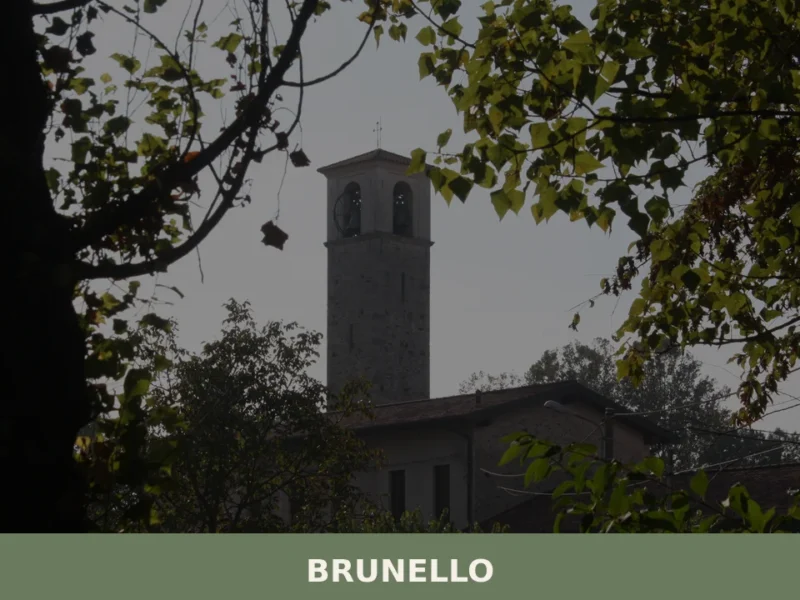
Nearby villages we are mapping:
- Besnate Lombardia 📍 9.3 km Coming soon
In Lombardy More villages to discover
Adrara San Rocco
 Hills
Hills
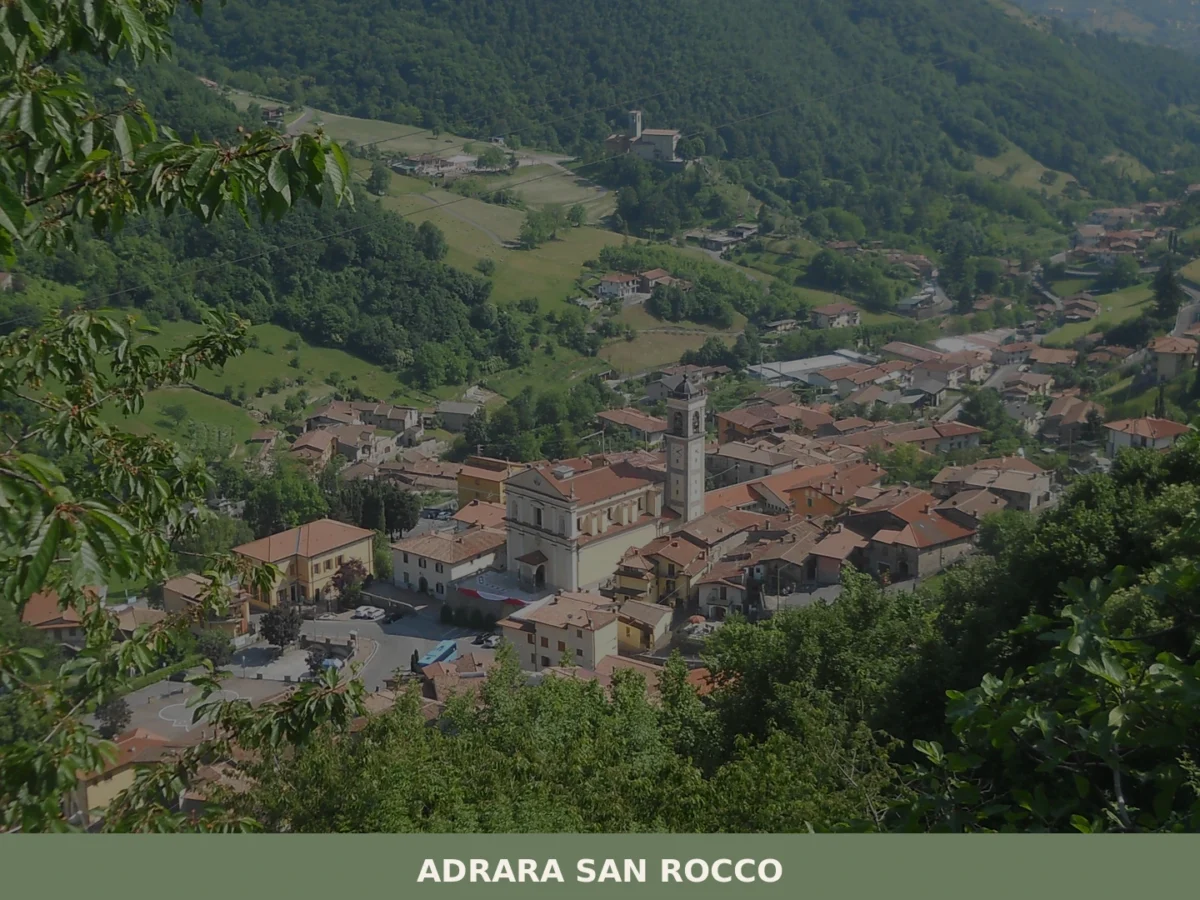
The long external staircase of the church of San Rocco rises above the Guerna river valley, its stone steps worn by five centuries of use since the building was consecrated in 1539. The valley cuts eastward from Bergamo, 25 kilometres (16 mi) away, deep into the territory of Monte Bronzone Sebino. A castle once stood […]
Albosaggia
 Mountain
Albosaggia is a mountain comune of around 2,985 inhabitants in the province of Sondrio, on the Orobian slope of the middle Valtellina, with a layered history stretching from prehistoric finds to early
Brusimpiano
Hills
 Lake
Lake
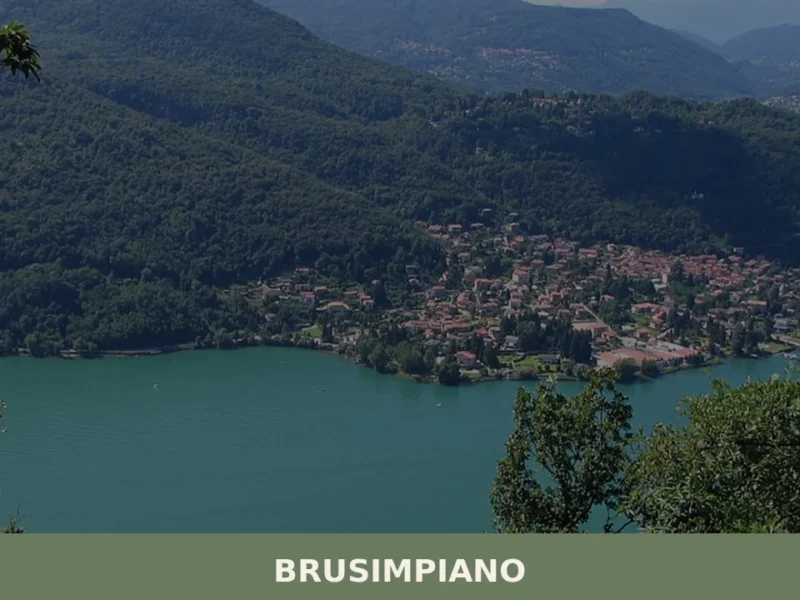
What to see in Brusimpiano: 1,229 inhabitants, 289m above Lake Lugano. Discover the Church of the Nativity, lakeside promenade and nature trails. Plan your visit now.
Bardello
Hills
Lake
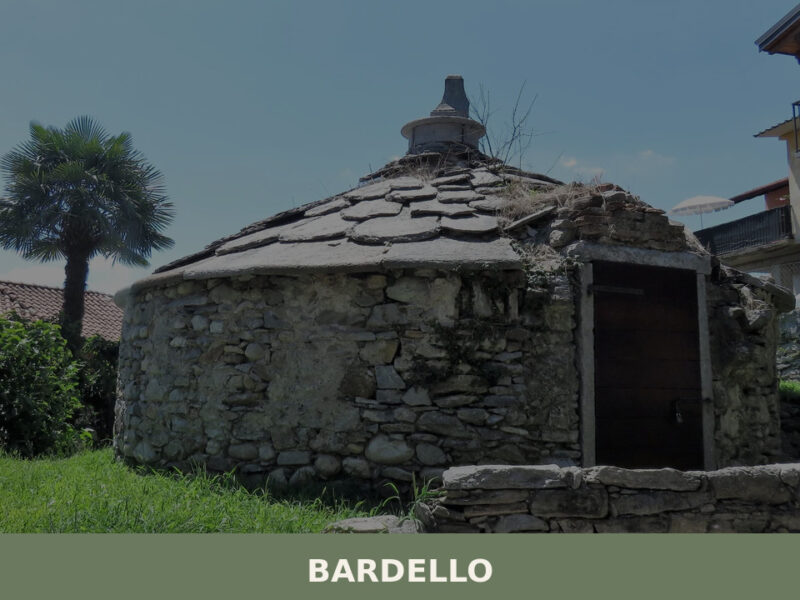
Morning mist lifts off the Bardello river in thin, slow ribbons, revealing a low-slung village of roughly 1,553 inhabitants pressed against the southern shore of Lake Varese. A church bell counts seven. A heron stands motionless in the reeds along the waterway that gives this settlement its name. If you are wondering what to see […]
Sirmione
Lake
 Plains
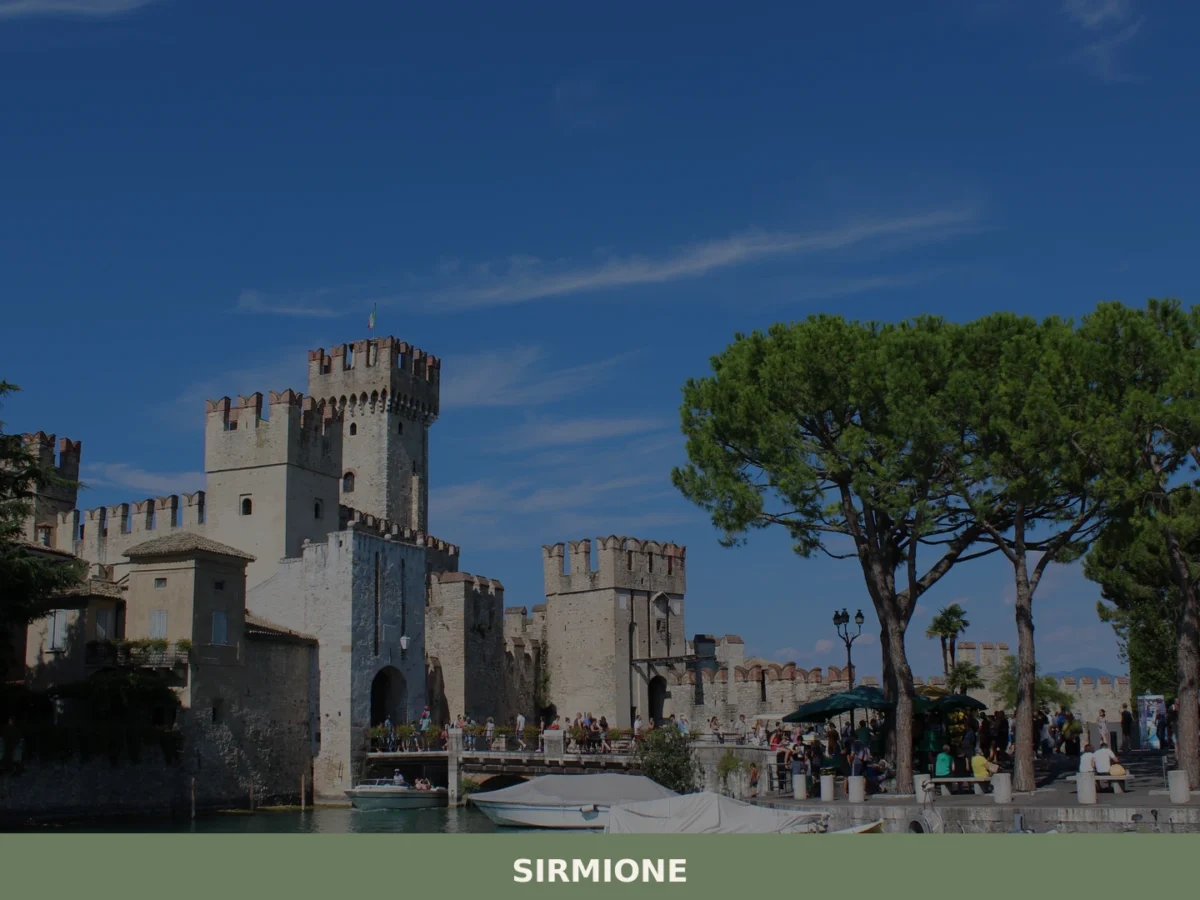
What to see in Sirmione, Italy: Explore the Scaligero Castle and Grottoes of Catullus in this Lombard village of 8,248 residents. Read our guide to planning your visit.
Algua
Mountain
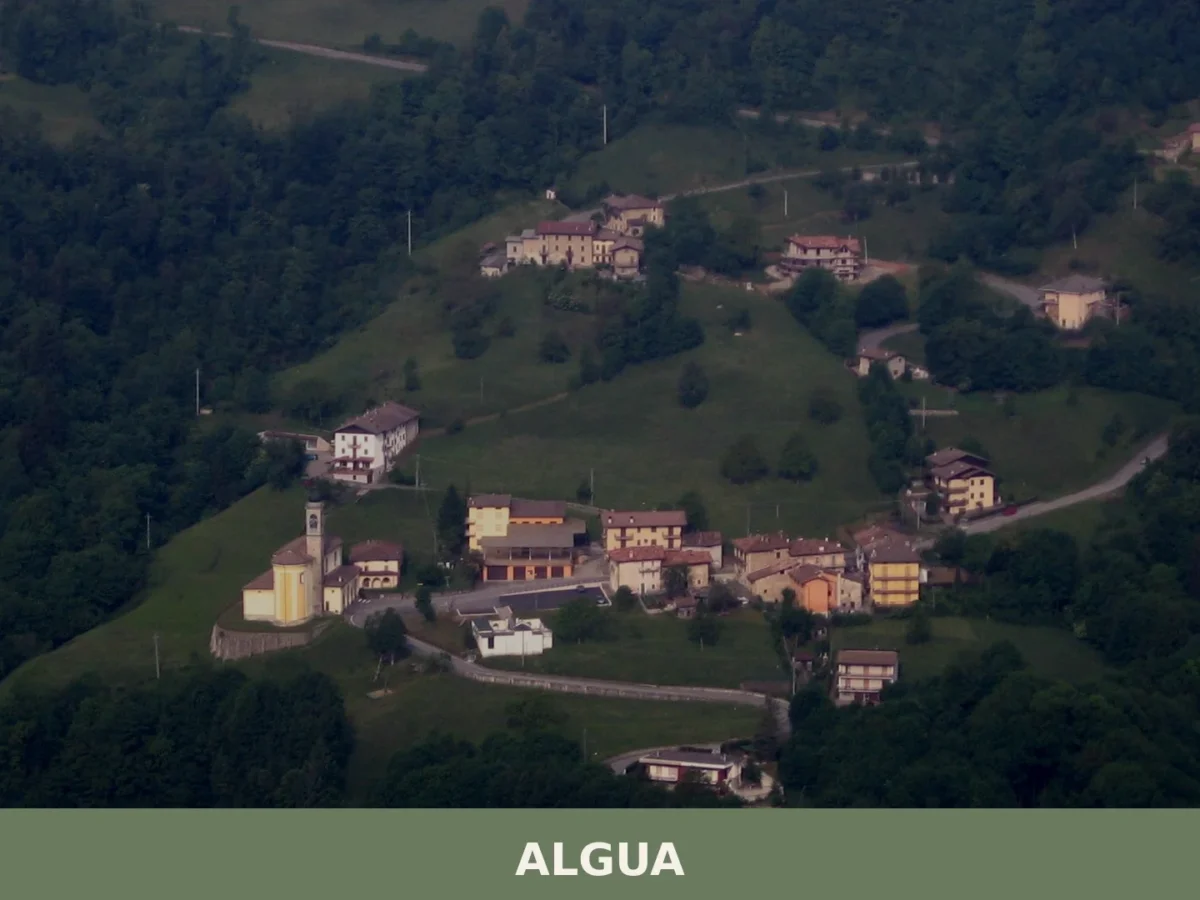
Algua is a compact mountain comune near Bergamo whose split territory, medieval ruins and hilltop sanctuaries make it a quietly distinctive destination in the Val Serina.
Brenta
Hills
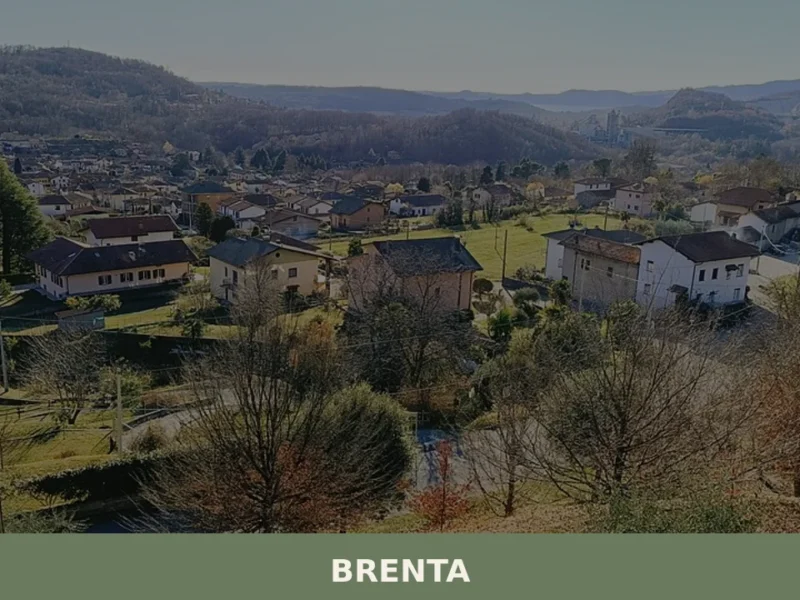
Brenta has 1,715 inhabitants and sits at 276 metres above sea level, on the hilly belt separating Lake Varese from the western Po Plain. The municipality, part of the province of Varese, comprises a central nucleus and agricultural hamlets spread across terrain that slopes gently southward. Anyone looking into what to see in Brenta will […]
Mantova
Plains
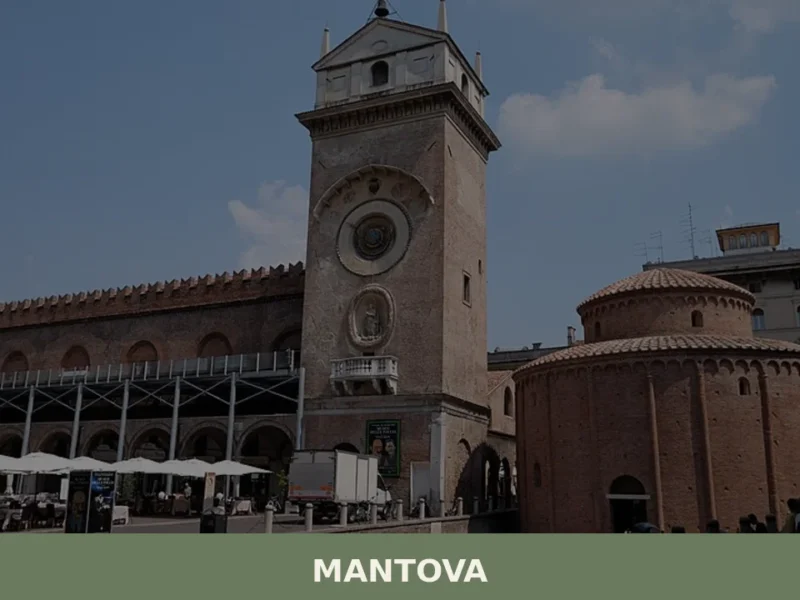
what to see in mantova. A UNESCO heritage village with 48,653 inhabitants. Explore Palazzo Ducale and taste the famous Pumpkin Tortelli.
Cassano Valcuvia
Hills
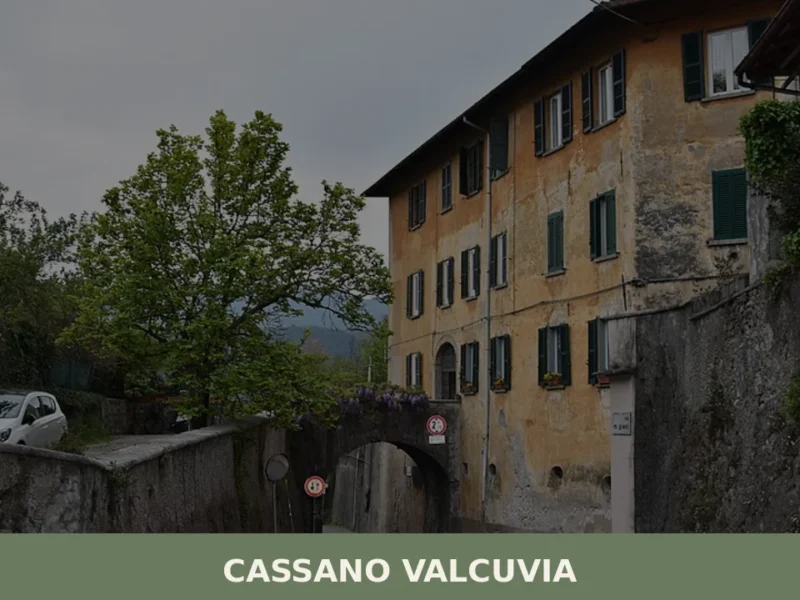
Cassano Valcuvia is a compact mountain municipality in the province of Varese, Lombardia, set at 300 metres in the Valcuvia valley with a population of 639.
Acquafredda
Plains
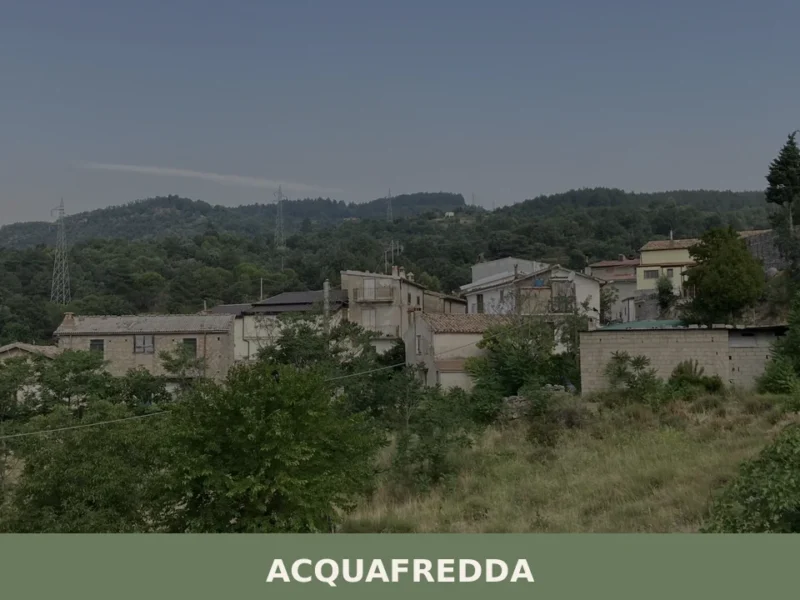
What to see in Acquafredda, a municipality in the lower Brescian area at 55 m above sea level: the Church of San Biagio, historic farmsteads, fontanili and the traditional cuisine of the Po Plain.




🏡 Know Azzate better than we do?
If you’re a local or have been there, your knowledge matters: add what’s missing or fix a detail on this page.