


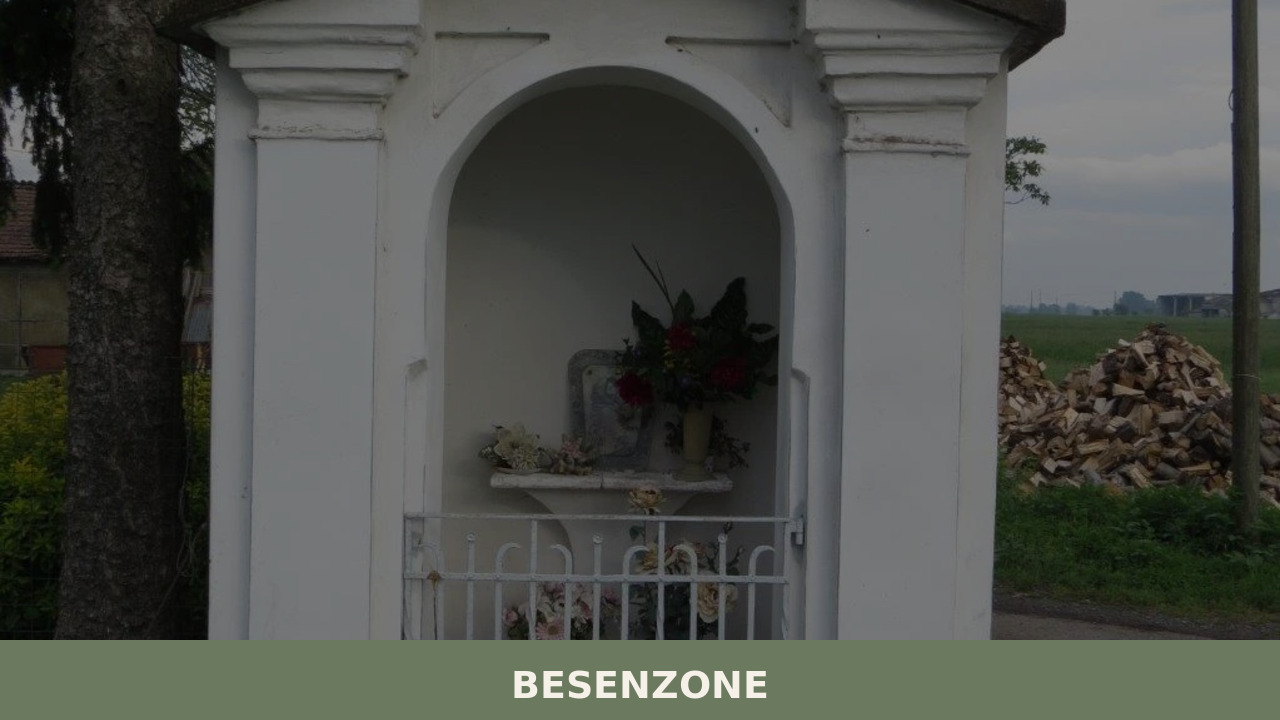
Besenzone
 Plains
What to see in Besenzone, Italy: Discover a tranquil village of 916 inhabitants at 48 m (157 ft) altitude. Explore its historical sites and local traditions. Read our guide.
Discover Besenzone
At an elevation of 48 metres (157 ft) above sea level, Besenzone emerges from the fertile plains of Emilia-Romagna, a quiet comune (municipality) in the Province of Piacenza. With a population of just 916 inhabitants, the village maintains a rhythm dictated by its agricultural surroundings and historical legacy.
The landscape here is defined by broad fields and the distant outline of the Apennine foothills, painting a picture of rural Italian life.
For those planning a trip and wondering what to see in Besenzone, this guide offers a comprehensive overview of the village’s highlights. This small community, home to 916 people, provides a tranquil setting where visitors can explore historical remnants and appreciate the local agricultural heritage. The Besenzone highlights include its historical centre and the surrounding natural environment, making it an ideal destination for a peaceful day trip.
History of Besenzone
At an elevation of 48 metres (157 ft) above sea level, Besenzone is situated within the fertile Piacenza plain, a region of Emilia-Romagna with deep historical roots. While the earliest specific documentation for Besenzone itself remains less detailed, the surrounding territory has a documented history stretching back to Roman times, due to its strategic position along ancient routes. The area’s consistent agricultural productivity has sustained communities here for millennia, laying the groundwork for settlements like Besenzone to gradually form and develop over time, a process mirrored in other Emilia-Romagna communities such as Fontanelice, adapting to successive historical epochs.
As a comune within the Province of Piacenza, Besenzone has long been intertwined with the broader history of this influential northern Italian city.
Its location approximately 20 kilometres (12 mi) southeast of Piacenza meant it was likely influenced by the city’s political, economic, and cultural developments from the medieval era through to the modern age. This historical connection is typical for many smaller settlements in the region, which often evolved under the protection or influence of larger urban centres, contributing to their shared heritage and administrative structures.
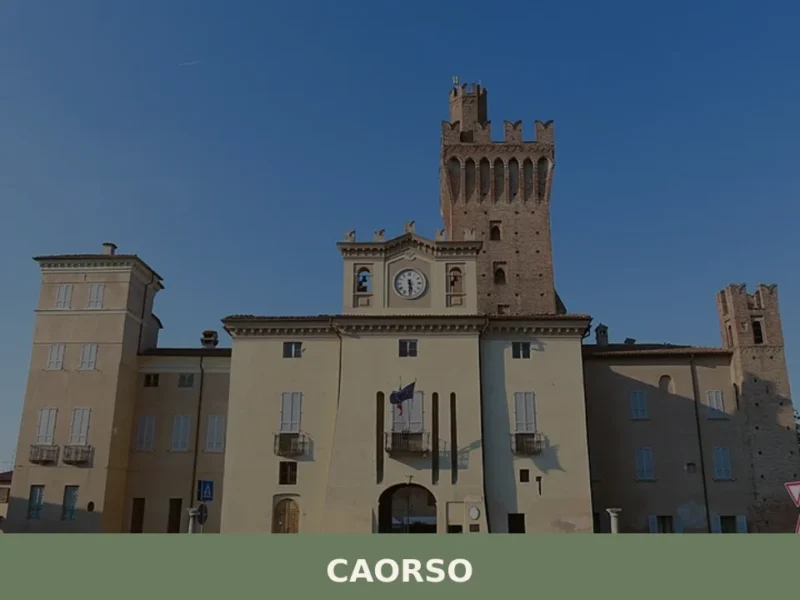
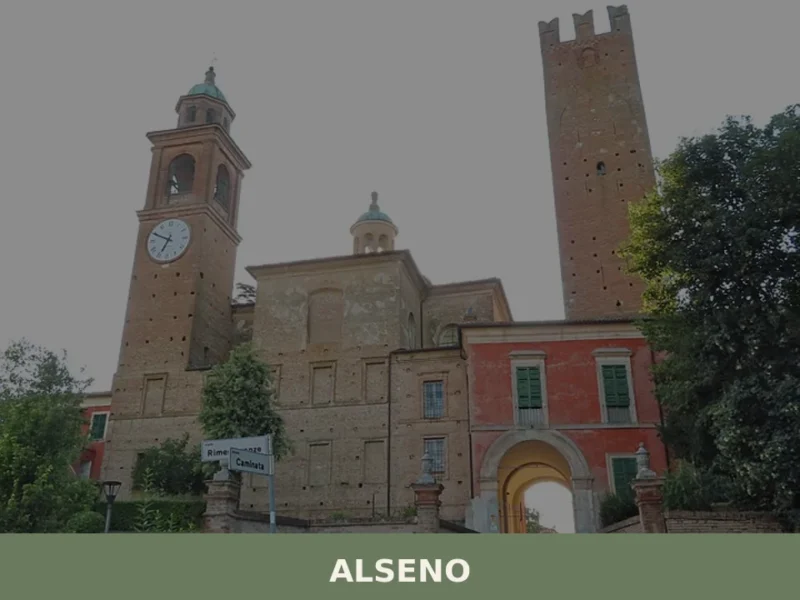
The modern municipality of Besenzone borders several other communities, including Alseno, Busseto, Cortemaggiore, Fiorenzuola d’Arda, and Villanova sull’Arda, forming a cohesive part of the agricultural landscape. This network of neighbouring villages and towns reflects the historical partitioning and governance of the Piacenza territory, where local identities are maintained within a broader regional context. Today, with a population of 916 inhabitants, Besenzone continues its role as a quiet agricultural hub, preserving the traditions and lifestyle characteristic of the Emilia-Romagna plains.
What to see in Besenzone, Emilia-Romagna: top attractions
The Parish Church of San Vitale
As the spiritual heart of Besenzone, the Parish Church of San Vitale stands as a central landmark within the village’s compact layout, offering one of the first insights into what to see in Besenzone.
Dedicated to the patron saint, San Vitale, whose feast day is celebrated annually on April 28, this church is typical of rural Emilia-Romagna architecture. Visitors can observe its modest yet sturdy structure, often characterized by brickwork and a bell tower that rises above the surrounding low-lying buildings, a common feature in the Piacenza plain. Inside, the atmosphere invites quiet reflection, offering a glimpse into centuries of local devotion.
Besenzone’s Historic Village Core
The historic core of Besenzone, though small, reveals the traditional layout of a Piacenza plain village, and is a key part of what to see in Besenzone. Walking through these lanes, visitors encounter a sense of local history, with some structures retaining architectural elements from past centuries. The village, with its 916 inhabitants, has evolved around central points of activity, offering a quiet environment distinct from larger urban centres. Observing the everyday life here provides insight into the enduring rural character of Emilia-Romagna, a region known for its strong community ties.
The Agricultural Landscape of the Piacenza Plain
Extending beyond the village limits, the vast agricultural landscape surrounding Besenzone is a defining feature of the Piacenza plain, and an integral part of what to see in Besenzone, lying at an altitude of 48 metres (157 ft).
This fertile land, cultivated for centuries, provides a tangible connection to the region’s primary economic activity. Visitors can take leisurely walks or bike rides along the quiet country roads, observing fields of corn, wheat, or other seasonal crops. This environment offers a serene backdrop for understanding the agricultural cycles that shape life in this part of Emilia-Romagna, especially during the warmer months when the fields are in full bloom.
Views Towards the Arda Valley
While Besenzone itself is situated on the flat plain, its proximity to the Arda River and its valley provides opportunities for appreciating slightly varied topography and views. Although the village is 20 kilometres (12 mi) southeast of Piacenza, the surrounding area gradually transitions towards riverine landscapes. From certain points just outside the village, one can observe the gentle undulations of the land leading towards the Arda, a tributary of the Po. This perspective offers a sense of the region’s hydrology and its impact on the fertile plain, particularly during clear days when the distant riverbanks are visible.
Local Farmsteads and Rural Architecture
Scattered across the countryside immediately surrounding Besenzone are numerous farmsteads and examples of traditional rural architecture, reflecting the area’s long agricultural history.
These structures, often built with local materials, include barns, stables, and older farmhouses that have been adapted over generations. Observing these working farms provides an authentic glimpse into the ongoing agricultural life of the Emilia-Romagna plains. For those interested in local heritage, a drive along the secondary roads around the village reveals these functional yet historically significant buildings, many dating back over 100 years, active year-round.
Local food and typical products of Besenzone
The gastronomic tradition of Besenzone, deeply rooted in the fertile Piacenza plain, reflects the broader culinary heritage of Emilia-Romagna, Italy. This region is renowned for its rich and hearty cuisine, characterized by the availability of excellent agricultural produce and livestock. The local diet has historically been shaped by the seasons and the bounty of the land, emphasizing ingredients like cured meats, fresh pasta, and dairy products, a culinary philosophy shared with areas like Argelato.
This culinary foundation ensures a robust and flavourful experience for visitors exploring what to see in Besenzone and its surroundings.
Visitors exploring the area around Besenzone will encounter dishes typical of the Piacenza province, often featuring local ingredients. Among the most celebrated are various forms of fresh pasta, such as Anolini in brodo, small meat-filled pasta served in a rich broth, especially popular during festive occasions. Another staple is Pisarei e Fasò, small pasta dumplings served with a sauce of beans and pork rind. These dishes highlight the region’s tradition of substantial, comforting meals, prepared with techniques passed down through generations.
While no specific certified products are uniquely associated with Besenzone itself, the village falls within the production zones of several Protected Designation of Origin (PDO) products from the Piacenza area. These include the renowned cured meats: Coppa Piacentina (DOP), Pancetta Piacentina (DOP), and Salame Piacentino (DOP). These products are traditionally made across various municipalities in the province of Piacenza, including areas near Besenzone.
Their production adheres to strict regulations, ensuring quality and authentic regional flavour, making them essential elements of the local gastronomy.
Although specific food fairs directly within Besenzone are not detailed, the surrounding Piacenza province frequently hosts agricultural markets and food festivals throughout the year. These events, often called sagre, a traditional local food festival, celebrate seasonal produce, regional cheeses, and cured meats, particularly in autumn. Visitors seeking to taste and purchase local delicacies might find opportunities in nearby towns like Fiorenzuola d’Arda or Cortemaggiore, especially on weekly market days, which typically occur during mornings.
Festivals, events and traditions of Besenzone
The village of Besenzone maintains its cultural rhythm through traditions deeply rooted in its community life, centring significantly on its religious observances. The most prominent annual event is the celebration of its patron saint, San Vitale, which takes place every year on April 28. This day is typically marked by a special mass in the Parish Church of San Vitale, often followed by local gatherings that reinforce community bonds.
These celebrations reflect the strong cultural identity of Besenzone, a characteristic shared with many other small villages across Bibbiano and the wider Emilia-Romagna region.
Beyond the patron saint’s feast, other traditions in Besenzone are often tied to the agricultural calendar and the changing seasons, a common pattern in the Piacenza plain. While specific large-scale festivals are not detailed for the village itself, the surrounding area regularly hosts smaller community events, particularly during harvest times. These local gatherings typically involve sharing traditional food and enjoying music, offering visitors a genuine insight into the rural lifestyle. Such events provide a valuable opportunity to experience the authentic local culture, which thrives quietly throughout the year.
When to visit Besenzone, Italy and how to get there
The best time to visit Besenzone, Italy, for those wondering what to see in Besenzone and the broader Emilia-Romagna region, generally falls between late spring (May-June) and early autumn (September-October). During these months, the weather is pleasantly mild, with average temperatures ranging from 18-25°C (64-77°F), making it ideal for exploring the agricultural landscapes and village centre. Summer, particularly July and August, can be quite hot, often exceeding 30°C (86°F), while winters are cooler and can be foggy. Visiting in spring or autumn allows for comfortable walks and offers a chance to experience local harvests and festivals.
Besenzone is conveniently accessible, making it suitable for a day trip from nearest major cities, particularly Piacenza.
The village is situated on relatively flat terrain, at an altitude of 48 metres (157 ft), which makes it easy to navigate for most visitors, including those with strollers. For those arriving by car, Besenzone is approximately 120 kilometres (75 mi) northwest of Bologna and about 20 kilometres (12 mi) southeast of Piacenza. The A1 motorway (Autostrada del Sole) is the main artery, with exits such as Fiorenzuola d’Arda being a practical choice, located just a few kilometres away. Travellers can also consider a day trip from Ferrara, another significant city in Emilia-Romagna, which is about 150 km (93 mi) to the east.
The nearest major train station is in Fiorenzuola d’Arda, which connects to the regional rail network, making it possible to reach Besenzone by combining train and a short taxi or bus ride. For international visitors, the closest significant airport is Parma ‘Giuseppe Verdi’ Airport (PMF), about 30 km (18.6 mi) away, or Bologna Guglielmo Marconi Airport (BLQ), approximately 110 km (68 mi) distant. While exploring what to see in Besenzone, it is useful to note that English may be limited in smaller local shops and carrying some Euros cash can be beneficial for minor purchases. For further details on local transport, refer to the official municipality website.
Frequently asked questions about Besenzone
What is the best time to visit Besenzone?
The most comfortable months are April through June and September through October, when temperatures are moderate and the Po plain cycles through its most visually striking agricultural phases — spring planting and autumn harvest. Summers are hot and humid, often exceeding 33°C, while winters bring cold, damp fog. The patron saint feast of San Vitale falls on 28 April, making late April a particularly good time to experience local communal life. Local sagre and parish festivals run primarily from late spring through early autumn; check the Comune di Besenzone website for current dates.
What are the historical origins of Besenzone?
Besenzone's name likely derives from a Lombard personal name — 'Bisincius' or a variation — combined with the Latin suffix -one, indicating the estate of an early medieval landholder. The village appears in church registers and land charters from at least the twelfth century, when its hamlets of Bersano, Mercore, and Mirandola were documented. Through the Middle Ages the territory passed between noble families and ecclesiastical authorities. Under the Farnese and later Bourbon rulers of the Duchy of Parma and Piacenza, Besenzone remained a modest agricultural parish, its identity shaped by grain cultivation and seasonal farming rhythms.
What to see in Besenzone? Main monuments and landmarks
Besenzone's essential sights are understated but genuine. The village bell tower, visible through the morning fog above the Po plain, anchors the parish church dedicated to San Vitale. The hamlet of Bersano holds a place in twentieth-century industrial history: methane well pozzo n. 21 erupted spectacularly mid-century, an event captured on Istituto Luce newsreel film. The broader territory — flat communal roads linking Besenzone, Bersano, and Mercore, lined with poplar rows and irrigation channels — constitutes an open-air landscape of considerable character. Admission to the outdoor landscape is free; access is easiest by car or bicycle.
What are the main natural or scenic attractions of Besenzone?
The primary natural attraction is the Po plain itself: an expansive alluvial landscape of irrigated farmland, poplar-lined channels, and wide skies stretching toward the river. Cycling or walking the flat communal roads between Besenzone, Bersano, and Mercore offers direct, unhurried contact with the agrarian geometry of the Emilian lowlands. The territory sits between the rivers Arda and Po, and the seasonal transformations of the plain — spring mists, summer heat haze, autumn harvest colours — give the landscape a distinct, if subtle, visual character that rewards patient visitors.
Where to take the best photos in Besenzone?
The most evocative photography conditions on the Po plain occur at dawn and dusk, when morning fog lifts off the fields or low light catches the poplar rows and irrigation channels. The village bell tower framed against open farmland is the classic local image. The straight, flat communal roads between Besenzone and its hamlets of Bersano and Mercore provide strong geometric compositions typical of Emilian agricultural landscape photography. Autumn harvest and early spring planting seasons offer the richest visual variety in the fields surrounding the village.
What can you do in Besenzone? Activities and experiences
Cycling is the most natural activity: the flat terrain and quiet communal roads make the area highly accessible even for casual riders. The route linking Besenzone, Bersano, and Mercore offers a low-effort introduction to the Po plain landscape. Food and wine experiences are available at agriturismi and trattorie in the surrounding area, where seasonal menus feature local DOP charcuterie, anolini in brodo, and Colli Piacentini wines. The patron saint feast of San Vitale on 28 April and local sagre between late spring and early autumn provide opportunities to engage with communal village life.
Who is Besenzone suitable for?
Besenzone suits slow travellers with a genuine interest in rural Italy — those drawn to agricultural landscapes, regional food culture, and the quiet persistence of small-commune life rather than monuments or busy itineraries. Cyclists will appreciate the flat, uncrowded roads ideal for relaxed riding. Food enthusiasts will find the area rich in DOP products and authentic trattoria cooking. Couples seeking an unhurried, off-the-beaten-path experience in the Piacenza lowlands will feel at home here. Visitors expecting concentrated sightseeing or tourist infrastructure should look elsewhere; Besenzone rewards patience and curiosity over convenience.
What to eat in Besenzone? Local products and specialties
Besenzone falls within the production zones of Piacenza's three DOP cured meats: coppa piacentina, pancetta piacentina, and salame piacentino. Both Parmigiano Reggiano and Grana Padano hold production rights in the province. The defining local first course is anolini — small meat-filled pasta parcels served in a clear, rich broth — especially during colder months. Seasonal menus at local agriturismi also feature tortelli con la coda in autumn and bollito misto in winter. Wines from the Colli Piacentini — Gutturnio, Ortrugo, and Malvasia — accompany meals throughout the area.
Nearby Villages near Besenzone




🏡 Know Besenzone better than we do?
If you’re a local or have been there, your knowledge matters: add what’s missing or fix a detail on this page.