


Airole
 Plains
A compact Ligurian hill village of 365 inhabitants in the Roia valley. Discover what to see in Airole, from medieval stone alleys to terraced olive groves.
Discover Airole
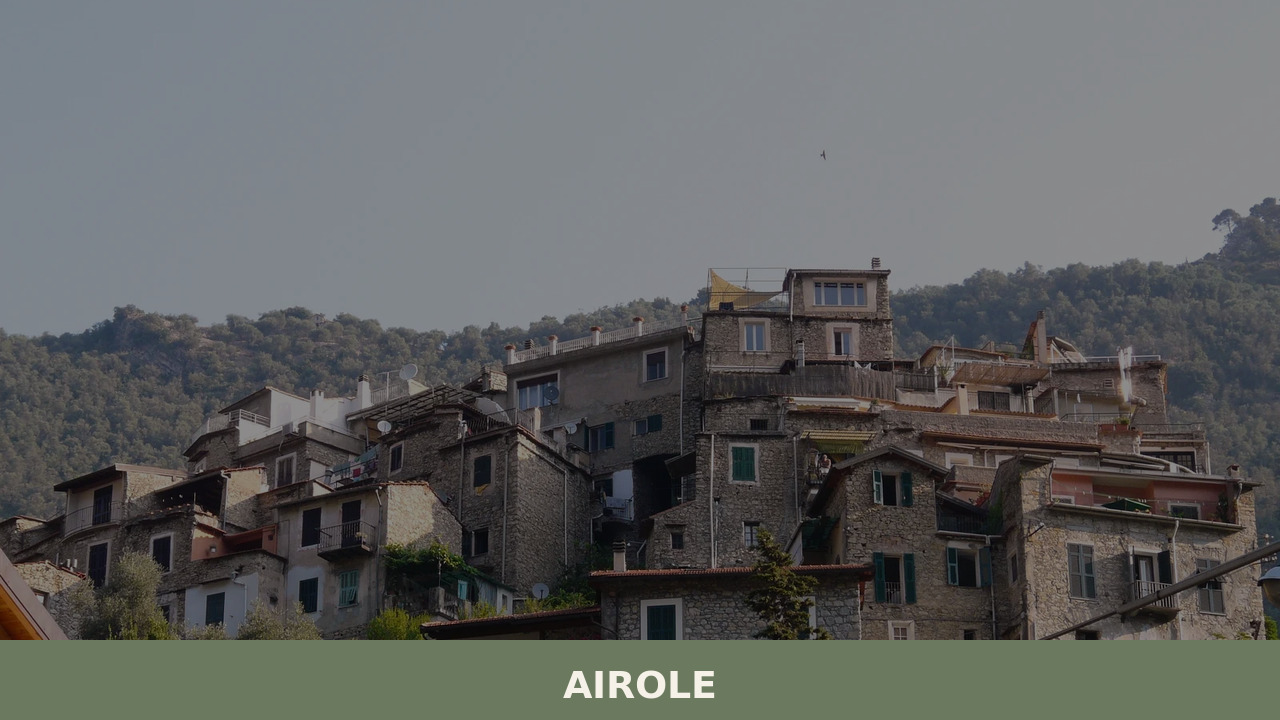
Morning light reaches the Roia valley floor in slow stages, first catching the limestone ridge above, then sliding down through terraced olive groves until it touches the stone facades of Airole — a settlement of 365 residents stacked along a hillside at 149 metres above sea level in the Province of Imperia. The sound here is water: the river below, a fountain in the central square, rain gutters cut into medieval stone. For anyone asking what to see in Airole, the answer begins with the village itself, where every narrow alley functions as both pathway and open-air archive.
What to see in Airole: 5 must-visit attractions
For anyone asking what to see in Airole, the answer begins with the village itself, where every narrow alley functions as both pathway and open-air archive. But there are also specific sights not to be missed, such as the ancient Church of San Giorgio or the charming Piazza del Mercato.
id=”history-of-airole”>History of AiroleAirole’s origins are tied to the strategic geography of the Roia valley, a natural corridor connecting the Ligurian coast to the mountainous interior of what is now the French-Italian border region. The settlement appears in historical records from the medieval period, when it served as a waypoint along trade routes running between the coast near Ventimiglia and the alpine passes above. Its position — elevated enough for defensibility, low enough for access to the river and agricultural terraces — made it a logical site for a fortified village.
The name “Airole” likely derives from the Latin word “area” or a local dialectal form referring to the threshing floors that once occupied flatter ground near the settlement. During the Middle Ages, the village fell under the control of the Counts of Ventimiglia, one of the dominant feudal families of western Liguria, before passing through various jurisdictions as borders between Genoa, Savoy, and France shifted repeatedly across this contested terrain. The Treaty of Turin in 1860, which ceded Nice and Savoy to France, placed Airole firmly within Italian territory — though French-speaking communities existed just kilometres upstream.
The village’s population has declined steadily from its peak in the 19th century, when terraced agriculture — primarily olives and vines — sustained a larger community. Two world wars and the economic pull of coastal cities accelerated the departure. What remains is a compact settlement whose built fabric is largely intact, a consequence of neglect that paradoxically preserved what development would have erased.
What to see in Airole: 5 must-visit attractions
1. Chiesa dei Santi Filippo e Giacomo
The parish church dedicated to Saints Philip and James anchors the upper portion of the village. Its stone bell tower is visible from the valley floor, a vertical reference point against the horizontal layers of terracing. The interior preserves baroque alterations over a simpler medieval structure, with painted vaults and a carved wooden altar. The church remains the civic as well as spiritual centre of village life.
2. The Medieval Village Centre (Centro Storico)
Airole’s historic core is a dense network of covered passageways, exterior staircases, and narrow caruggi — the vaulted alleys characteristic of Ligurian hill villages. Stone archways bridge the gaps between buildings, creating a layered, almost geological impression. Load-bearing walls double as retaining structures against the slope. Walking through it requires constant adjustment to changes in elevation and light.
3. Piazza della Fontana
The village fountain square functions as Airole’s communal living room. A stone fountain — simple in design, functional in purpose — occupies the centre of a small, irregularly shaped piazza. Surrounding buildings show a mix of centuries in their facades: rough-cut medieval stone at the base, plastered and painted additions above. The sound of running water here is constant and deliberate.
4. The Medieval Bridge over the Roia
Below the village, a stone bridge spans the Roia river, connecting Airole to the paths and roads on the opposite bank. The structure’s single arch, built from local limestone, reflects construction techniques common to Ligurian river crossings of the medieval period. The bridge offers one of the clearest views back toward the village, its stacked houses rising directly from the riverbank.
5. Olive Terraces and Valley Trails
The terraced hillsides surrounding Airole are constructed from dry-stone walls — thousands of metres of hand-laid stone that reshape the steep valley slopes into cultivable strips. Walking trails follow old mule paths through these terraces, passing abandoned farmsteads and functioning olive groves. The trail network connects to longer routes running up the Roia valley toward the French border.
Local food and typical products
Airole sits within the olive oil territory of western Liguria, where the Taggiasca cultivar dominates. The olives grown on the surrounding terraces produce a mild, low-acidity oil that forms the base of Ligurian cooking. Dishes here reflect the austere mountain-coast intersection of the Roia valley: rabbit cooked with Taggiasca olives and rosemary, farinata (chickpea flatbread baked in wood-fired ovens), and various preparations of fresh pasta dressed with pesto or walnut sauce. Foraged herbs — wild thyme, marjoram, borage — appear in fillings for pansoti, the stuffed pasta typical of the region.
The village itself does not support a large restaurant economy, but small trattorie and agriturismi in the surrounding valley offer meals built around seasonal, hyper-local ingredients. Local wine production, while modest, draws from the same terraced slopes: Rossese di Dolceacqua, a red DOC wine grown in the neighbouring communes, is the natural pairing. Bread, cheese, and charcuterie from the valley’s remaining small producers round out market stalls during local festivals. The Liguria tourism board lists seasonal food events in the Roia valley that occasionally include Airole.
Best time to visit Airole
Spring — late March through May — brings the terraces alive with wildflowers and new growth on the olive trees, and daytime temperatures hover between 15°C and 22°C, ideal for walking the valley trails. Autumn, particularly October and November, coincides with the olive harvest and carries a particular quality of low, golden light in the valley. Summer brings heat that pools in the valley floor, though the stone alleys of the centro storico offer shade. Winter is quiet and can be damp, but the village takes on a stark, unmediated character when stripped of visitors.
Airole’s small population means that village events — patron saint festivals, seasonal food celebrations — are intimate affairs. The feast of Saints Philip and James, tied to the parish church, traditionally falls on 3 May. Check locally for exact dates, as schedules can shift. Weekdays offer the most undisturbed experience; weekends may bring day-trippers from the coast, particularly in spring and autumn.
How to get to Airole
Airole is served by its own railway station on the Ventimiglia–Cuneo line, making it one of the more accessible hill villages in the Roia valley by public transport. Trains connect Airole to Ventimiglia in approximately 15 minutes, and from there to the rest of the Ligurian coast. By car, the village is reached via the SP 64 road that follows the Roia river inland from Ventimiglia, roughly 12 kilometres from the coast. The nearest motorway exit is Ventimiglia on the A10 (Genoa–Ventimiglia). Nice Côte d’Azur Airport, across the French border, lies approximately 45 kilometres to the west — about 50 minutes by car. Genoa’s Cristoforo Colombo Airport is roughly 170 kilometres to the east. The French border crossing at Fanghetto is just a few kilometres upstream from Airole, making the village accessible from the French side of the Roia valley as well.
More villages to discover in Liguria
Airole belongs to a broader constellation of Italian villages where small populations maintain traditions and built environments that larger towns have long since overwritten. While western Liguria’s Roia valley offers its own network of hill settlements worth exploring, the pattern of resilient small communities repeats across the Italian peninsula. In Puglia, the village of Zapponeta presents a completely different landscape — flat, coastal, oriented toward the salt pans and wetlands of the Gargano margin — but shares with Airole that quality of a place shaped more by geography than by planning.
Further inland in southern Italy, Anzano di Puglia occupies a position in the Apennine foothills of Puglia that mirrors, in its own way, Airole’s relationship to its valley: elevated, compact, dependent on terraced agriculture, and marked by a population that has contracted without quite disappearing. Both villages reward the visitor who arrives without a checklist — willing to sit in a piazza, follow an unmarked trail, and let the place reveal itself at its own pace.
Frequently asked questions about Airole
What is the best time to visit Airole?
Spring (late March to May) is ideal: wildflowers cover the terraces, olive trees show new growth, and temperatures between 15°C and 22°C make valley trail walking comfortable. Autumn (October–November) is equally rewarding, coinciding with the Taggiasca olive harvest and warm golden light in the Roia valley. The feast of the patron saints Philip and James falls on 3 May, offering a rare glimpse of village life at its most traditional. Weekdays guarantee a quieter experience; weekends in spring and autumn attract day-trippers from the nearby Ligurian coast.
What are the historical origins of Airole?
Airole developed in the medieval period as a fortified waypoint along the Roia valley, a trade corridor linking coastal Ventimiglia to alpine passes on the French-Italian border. It came under the Counts of Ventimiglia before passing through Genoese and Savoyard jurisdictions as the region's borders shifted over centuries. The Treaty of Turin (1860), which ceded Nice and Savoy to France, confirmed Airole within Italian territory. The village name likely derives from the Latin 'area', referencing threshing floors once used near the settlement. Its terraced olive and vine agriculture sustained a larger population until 20th-century depopulation.
What to see in Airole? Main monuments and landmarks
Airole's five main attractions are: the Chiesa dei Santi Filippo e Giacomo, a parish church with a baroque interior, carved wooden altar, and painted vaults visible from the valley floor; the medieval centro storico, a dense maze of vaulted caruggi and stone archways; Piazza della Fontana, the village's communal square centred on a working stone fountain; the medieval single-arch bridge spanning the Roia river below the village; and the dry-stone olive terraces, accessible via old mule paths. The church and historic centre require no admission and are freely accessible on foot.
What are the main natural or scenic attractions near Airole?
The terraced hillsides surrounding Airole form one of the Roia valley's most striking landscapes: thousands of metres of hand-laid dry-stone walls reshaping steep slopes into cultivable strips. Walking trails following old mule paths thread through functioning olive groves and abandoned farmsteads, connecting to longer routes running up the valley toward the French border. The Roia river itself, crossed by the medieval bridge below the village, adds a constant natural presence. The valley's position on the Ligurian-Alpine margin produces a varied flora, particularly vivid during the spring wildflower season.
Where to take the best photos in Airole?
The medieval bridge over the Roia river offers the clearest panoramic view of Airole, with the village's stacked stone houses rising directly from the riverbank — best photographed in morning light when the valley mist is still present. The bell tower of the Chiesa dei Santi Filippo e Giacomo serves as a landmark from multiple angles on the valley floor. Inside the centro storico, the vaulted caruggi and stone archways create strong geometric compositions. The dry-stone terraces at dawn or during the autumn olive harvest provide layered, textured landscape shots.
Are there churches or historic buildings to visit in Airole?
The main historic building is the Chiesa dei Santi Filippo e Giacomo, the parish church dedicated to Airole's patron saints. It features a stone bell tower visible from the valley floor, a baroque interior with painted vaults, and a carved wooden altar overlaid on an earlier medieval structure. The church remains active and is the civic centre of village life. No admission fee applies; visitors should respect mass schedules. The medieval centro storico itself — its archways, covered passages, and exterior staircases — constitutes a freely accessible open-air architectural monument.
What can you do in Airole? Activities and experiences
Airole suits slow, on-foot exploration. Walking the old mule-path network through olive terraces and up the Roia valley is the primary activity, with trails connecting to longer routes toward the French border. The valley's railway line (Ventimiglia–Cuneo) makes it easy to combine Airole with neighbouring villages. The olive harvest season in October–November offers an authentic agricultural experience. The 3 May feast of Saints Philip and James is an intimate village festival worth attending. Agriturismi and small trattorie in the surrounding valley provide seasonal, locally sourced meals anchored in western Ligurian cooking.
Who is Airole suitable for? Families, couples, hikers, solo travelers?
Airole suits independent travelers who value authenticity over infrastructure. Hikers benefit most: the dry-stone terrace trails and Roia valley paths offer genuine walking without crowds. Couples seeking a quiet, photogenic escape from the coastal Riviera will find Airole compelling, particularly in spring and autumn. Food and wine enthusiasts drawn to Taggiasca olive oil and Rossese di Dolceacqua wine will appreciate the valley's agricultural character. Families with young children or visitors requiring accessible facilities may find the steep, cobbled centro storico and limited village services challenging. It is not a resort destination — it rewards patience and curiosity.
What to eat in Airole? Local products and typical specialties
Airole sits within the Taggiasca olive oil zone of western Liguria, producing a mild, low-acidity extra virgin oil central to the local kitchen. Typical dishes include rabbit braised with Taggiasca olives and rosemary, farinata (wood-fired chickpea flatbread), and fresh pasta dressed with pesto or walnut sauce. Pansoti — stuffed pasta filled with foraged herbs including borage, wild thyme, and marjoram — is a regional specialty. Rossese di Dolceacqua DOC, a light red wine from neighbouring communes on the same terraced slopes, is the natural accompaniment. Small agriturismi in the valley serve meals built around these seasonal, hyper-local ingredients.
Nearby Villages near Airole
In Liguria More villages to discover
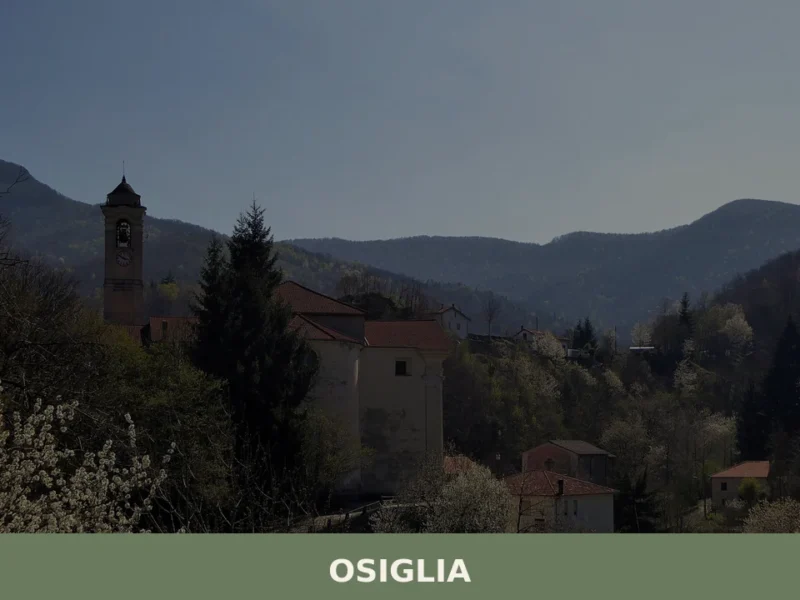
Osiglia
 Mountain
What to see in Osiglia, Italy? Explore this Ligurian comune of 458 inhabitants, 25 km (16 mi) from Savona. Discover its mountainous surroundings and tranquil environment.
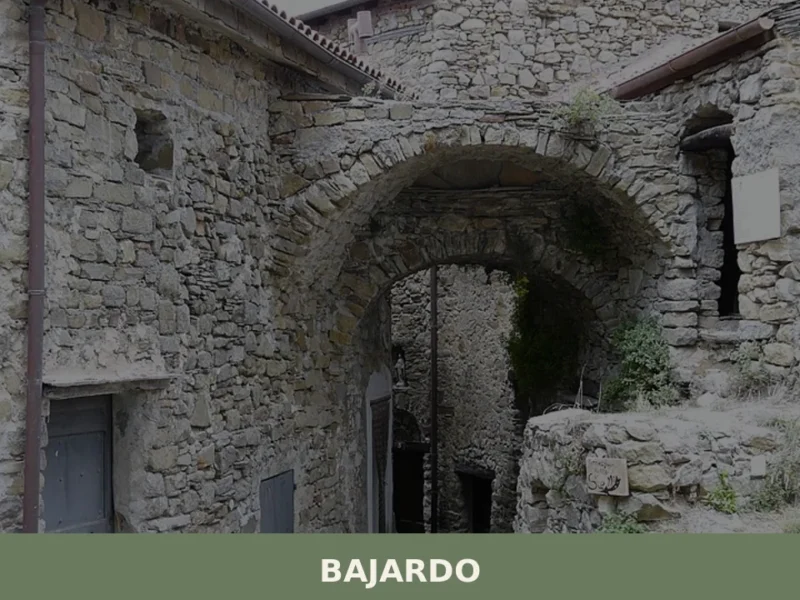
Bajardo
Mountain
What to see in Bajardo? Discover top 5 attractions at 910m, with historic ruins, stunning views, and trails. Plan your visit!
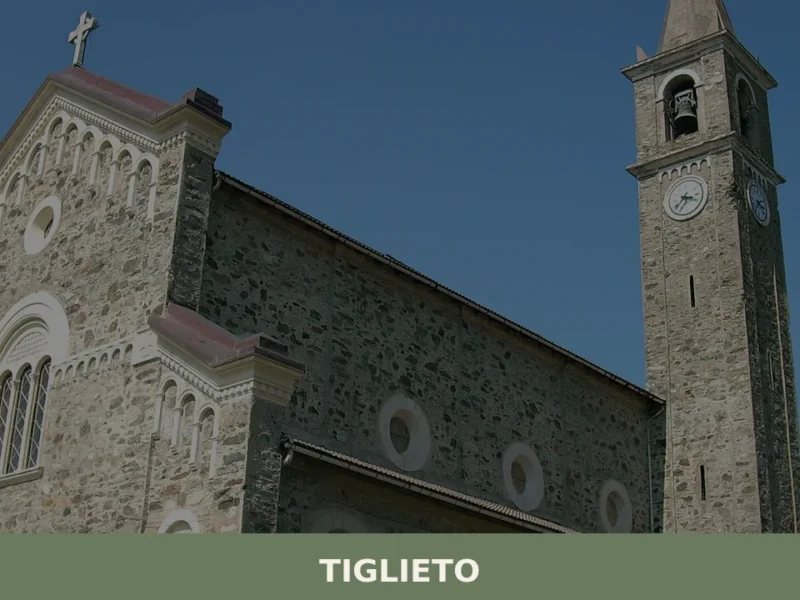
Tiglieto
Mountain
what to see in tiglieto: Explore Tiglieto, Italy, located 52 km (32 mi) from Genoa. Discover the historic Abbey and the Beigua Regional Park.
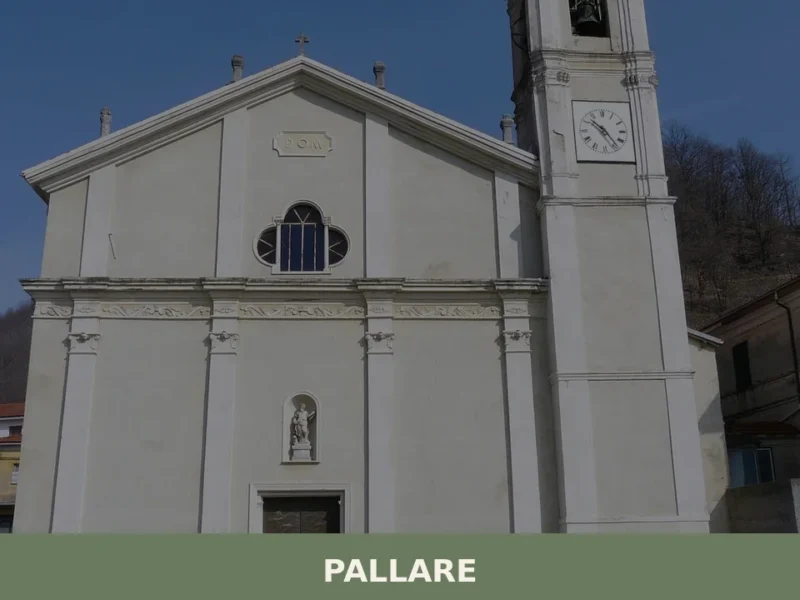
Pallare
Mountain
what to see in pallare: Explore this Ligurian comune, 15 km from Savona, Italy. Discover its geographical context and accessibility. Read our guide.
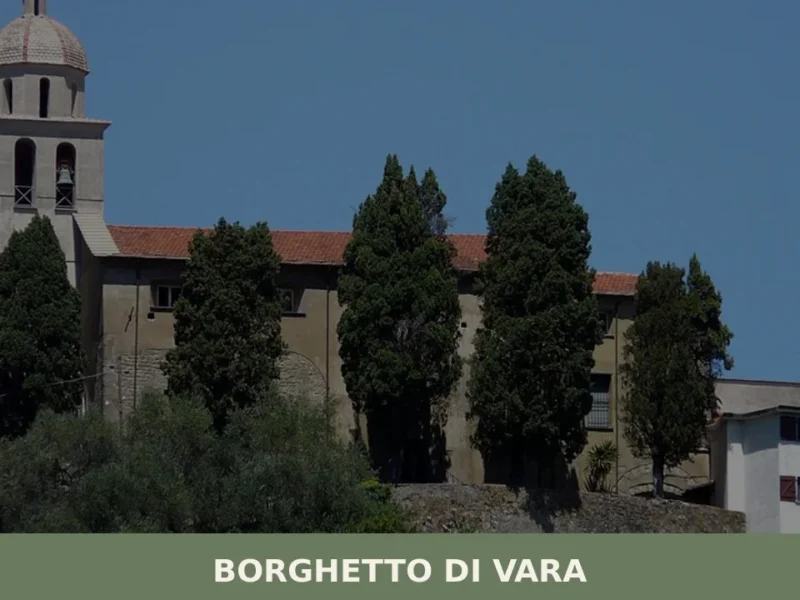
Borghetto di Vara
Plains
What to see in Borghetto di Vara, Italy: Discover a village of 870 inhabitants at 104 m altitude. Explore its plain landscape and the Parish Church of San Carlo Borromeo.
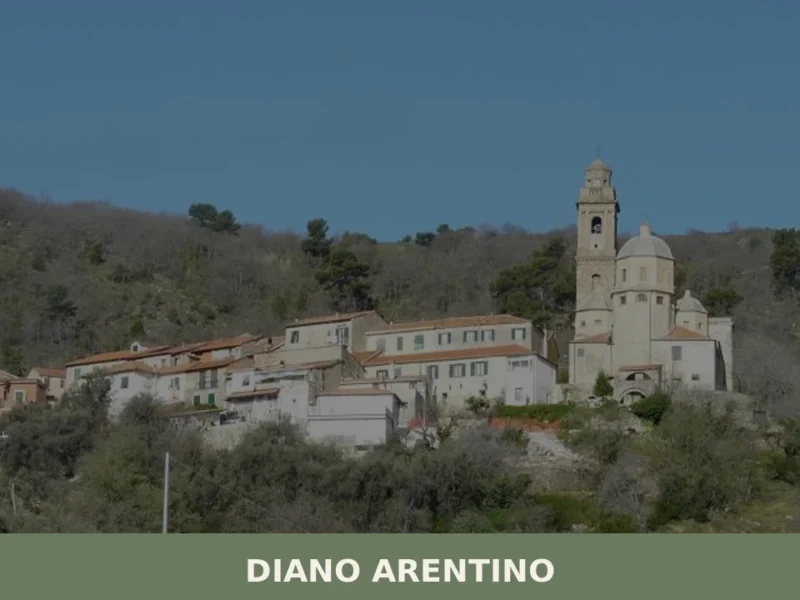
Diano Arentino
 Hills
Hills
Diano Arentino sits at 331 metres above sea level in the province of Imperia, one of several small settlements that make up the historical Comunitas Diani — a confederation of villages documented in medieval records across the olive-rich hills behind the Gulf of Diano. With a population of roughly 700, the village maintains an economy […]
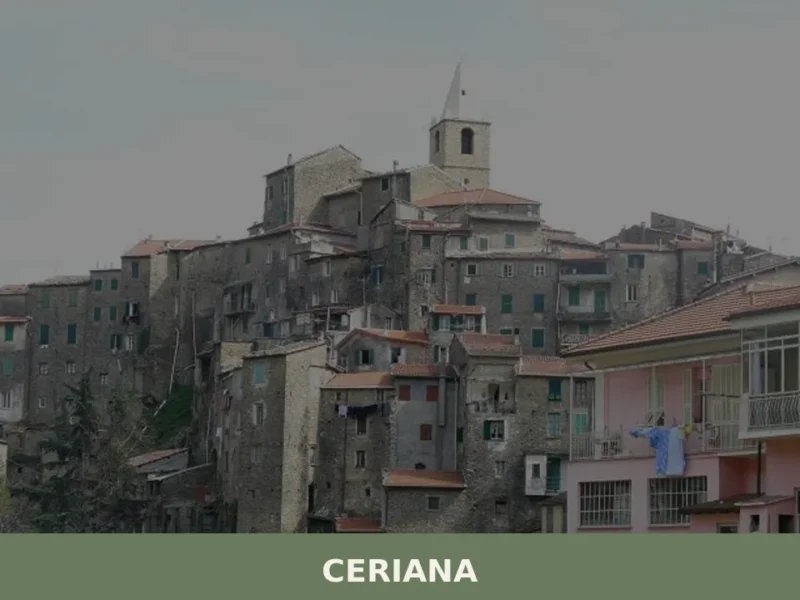
Ceriana: A Ligurian Hill Village Guide
Hills
What to see in Ceriana, Italy: Explore this Ligurian village at 369 m (1,211 ft) altitude. Discover historical sites and lively festivals. Read our guide.
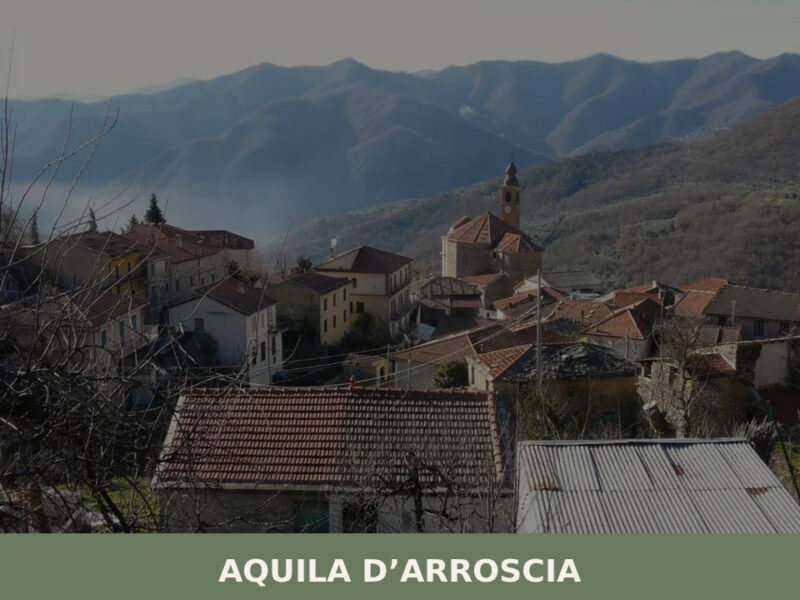
Aquila d’Arroscia
Mountain
From the heights of the Arroscia Valley, the stone facades and light plasterwork of Aquila d’Arroscia stand out against the intense green of the Mediterranean maquis, dotted with olive groves that trace the slopes. The profile of the parish bell tower, with its slender spire, emerges among the slate roofs, marking the highest point of […]
Vernazza
 Sea
Sea
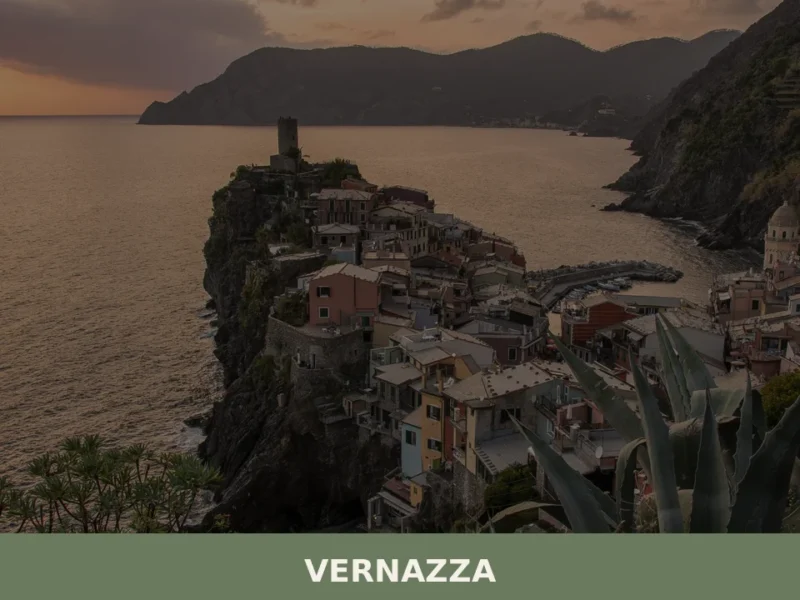
What to see in Vernazza, Liguria, Italy: Doria Castle, Santa Margherita Church and the only natural port of Cinque Terre. Explore a village of 899 inhabitants. Discover now.
Castiglione Chiavarese
Hills
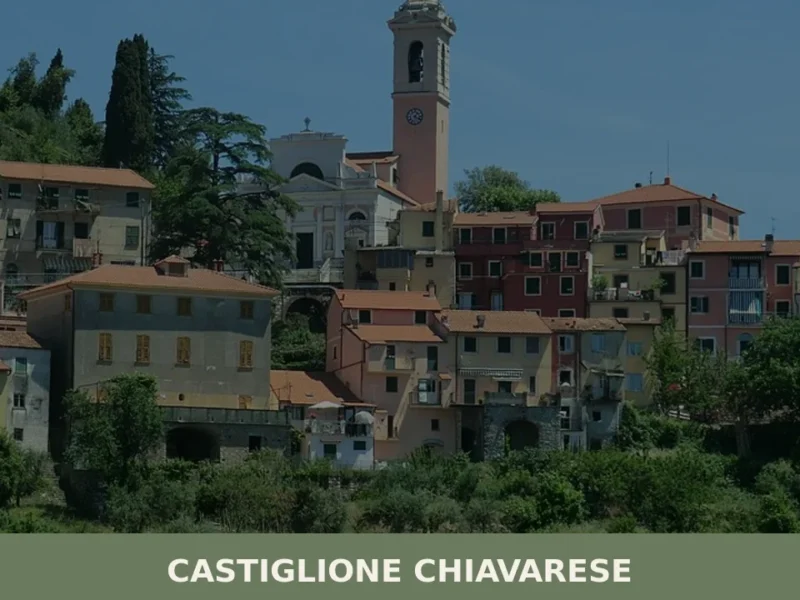
Castiglione Chiavarese sits at 271 metres above sea level in the province of Genova, its 1,586 inhabitants spread across a constellation of hamlets — or frazioni — that dot the hillsides above the Petronio valley. The comune’s territory stretches from the Ligurian ridge down toward the coast between Sestri Levante and Moneglia, covering a patchwork […]



🏡 Know Airole better than we do?
If you’re a local or have been there, your knowledge matters: add what’s missing or fix a detail on this page.