


Vernazza
 Sea
Sea
What to see in Vernazza, Liguria, Italy: Doria Castle, Santa Margherita Church and the only natural port of Cinque Terre. Explore a village of 899 inhabitants. Discover now.
Discover Vernazza
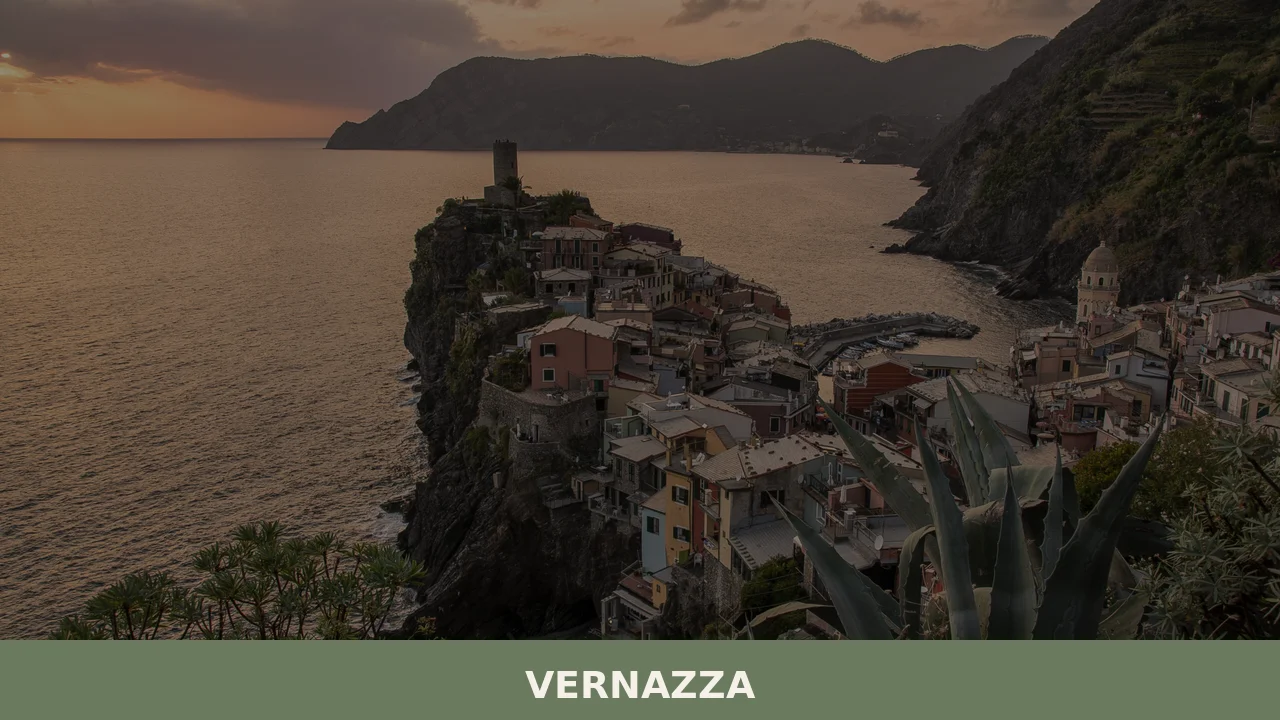
The octagonal bell tower of the Church of Santa Margherita d’Antiochia rises from the apse and is visible from the water long before the harbour walls come into view. Salt-worn stone facades line the inlet on three sides, their colours graduating from terracotta to pale ochre.
The port, the only natural harbour along the entire Cinque Terre coastline, receives fishing boats on the same northwestern side it has faced since the town’s first documented fortification in 1080.
Vernazza, un borgo dalla storia millenaria, ospita oggi una popolazione di 674 abitanti.
Knowing what to see in Vernazza means understanding a place built on three overlapping economies: maritime defence, wine production, and, since UNESCO recognition in 1997, tourism. Visitors to Vernazza find a compact historic centre with no car traffic, five documented landmarks within walking distance of each other, and a trail network connecting to the other four Cinque Terre villages. The village, officially listed among I Borghi più belli d’Italia — Italy’s most beautiful villages — sits in the province of La Spezia, Liguria, northwestern Italy, roughly midway along the Cinque Terre coast.
History of Vernazza
The name Vernazza derives from the Latin adjective verna, meaning “native” or “local.” The same root gave rise to vernaccia, the name applied to the indigenous wine grape cultivated on the terraced hillsides above the village.
That linguistic connection between the land, its produce, and the settlement itself was already embedded in the town’s identity before the first written records appeared. Those records date to 1080, when Vernazza is formally recognised as a fortified town and described as an active maritime base of the Obertenghi, a family of Italian nobility. The harbour served as a likely departure point for naval forces defending the coast against pirate raids.
Over the following two centuries, Vernazza played a direct role in the Republic of Genoa’s consolidation of Liguria.
The village supplied port facilities, fleet resources, and soldiers. In 1209, approximately 90 of the most powerful families of Vernazza pledged formal allegiance to the Republic of Genova, cementing the town’s political alignment.
The first documented presence of a church dates to 1251, and the parish of San Pietro is cited in records from 1267. The Church of Santa Margherita d’Antiochia is first referenced in 1318, though some scholars, citing construction materials and building technique, place its original construction earlier, in the 12th century. The church was expanded and renovated during the 16th and 17th centuries, after which the octagonal bell tower was erected above the apse.
The 15th century brought an intensified focus on coastal defence, with the construction of a fortifying wall to counter recurring pirate raids. By the mid-17th century, Vernazza entered a period of prolonged decline that disrupted wine production and slowed construction of the trail system and the harbour molo — a sea wall built to shelter vessels from heavy weather. Recovery came in the 19th century, when terraced hillsides were enlarged and new ones carved out, reviving commerce.
The construction of the Genoa–La Spezia rail line broke the village’s long geographic isolation and produced a 60 per cent increase in population.
Employment at the La Spezia naval base also drew residents into the local economy. The 20th century reversed that growth through emigration, as agricultural labour came to be seen as physically dangerous and economically limited. On 25 October 2011, torrential rains and mudslides buried Vernazza under more than 4 metres (13 feet) of mud and debris, submerging even the train station and causing over 100 million euros in damage. The town was evacuated and remained in a state of emergency for several months before restoration work began.
What to see in Vernazza, Liguria: top attractions
Church of Santa Margherita d’Antiochia
The church stands directly on Piazza Marconi, the main square that opens onto the harbour, and its east-facing entrance is a documented architectural anomaly — most churches in the Latin tradition face west. First cited in written records in 1318, the building has a nave and two flanking aisles, with the distinctive octagonal bell tower climbing from the apse at the rear.
The tower’s form, visible from both land and sea, serves as the clearest orientation point in the village. Expansion and renovation work took place across the 16th and 17th centuries, leaving the structure as a layered record of those interventions.
Visiting in the morning allows the eastern facade to catch direct light before the square fills with foot traffic arriving from the trail network.
Doria Castle
The castle was built in the 15th century on the elevated rock formation that closes the harbour to the north, positioned specifically as a lookout tower against the pirate raids that regularly threatened the Ligurian coast during that period. From the circular tower at the top, the line of sight covers the full harbour entrance and the terraced vineyard slopes rising behind the village. The access path climbs steeply from the historic centre, covering a short but vertical ascent. Inside the tower, the stone walls retain their original thickness, built for function rather than residence.
The site provides one of the few elevated vantage points within the village boundary itself, looking down over the coloured facades and directly into the harbour basin below.
Sanctuary of Our Lady of Reggio (Santuario di Nostra Signora di Reggio)
The sanctuary sits roughly one hour’s steep walk above Vernazza, and the path leading up to it is marked at intervals by the Stations of the Cross — fourteen stopping points that structure the ascent for those making a devotional climb. The surrounding property contains a large, shaded open area with unobstructed views across the terraced hillside vineyards and down to the coast. The walk itself gains significant elevation above sea level, passing through the vine-covered slopes that have defined the village’s agricultural identity since the 19th-century expansion of terracing.
Carrying water is practical advice for this route, particularly between June and September when temperatures on the exposed sections of the path rise sharply.
Chapel of Santa Marta
This small stone chapel sits along Via Roma, Vernazza’s main street, and occupies a position so compact that it registers more as a feature of the street wall than as a freestanding building.
Mass is celebrated there on specific Sundays, maintaining a liturgical function that distinguishes it from the village’s other religious monuments. The chapel’s scale reflects a building tradition in which local communities maintained neighbourhood oratories separate from the main parish church — a pattern documented across coastal Liguria. The 2016 video game Hitman included a fictionalised version of this chapel in the Sapienza level, based on Vernazza’s layout, which has brought a secondary category of visitors to the site in recent years.
The Harbour and Piazza Marconi Beach
Vernazza holds the only natural port along the entire Cinque Terre coastline, a distinction that shaped its role as the region’s primary maritime base from the medieval period onward. The beach lies off Piazza Marconi, sheltered within the harbour on the northwestern side, and its protected position means the water inside the breakwater remains calmer than the open sea beyond.
The square itself serves as the functional centre of village life — the church, the beach access, and the main café terraces all converge here. The 2021 Pixar film Luca drew directly on this piazza as the visual reference for the fictional town of Portorosso, after animators visited Vernazza during production.
What to see in Vernazza is, in many ways, concentrated on and around this square.
Local food and typical products of Vernazza
Vernazza’s food culture is rooted in the same geographic conditions that shaped its history: steep coastal terrain that made terraced viticulture the dominant agricultural activity, combined with direct access to the sea. Fishing, wine production, and olive oil pressing have continued uninterrupted through the tourism era, even as the economic balance shifted. The village’s documented involvement in wine production dates at least to the 19th-century revival of terracing, though the indigenous grape variety — vernaccia — gave its name to the settlement itself, suggesting cultivation well before any modern record.
The Cinque Terre coast produces Sciacchetrà, a concentrated sweet wine made from partially dried grapes grown on the steep terraces above the villages.
Production volumes are small because the terrain requires entirely manual harvesting — no mechanical equipment can operate on gradients of this angle. On the savoury side, focaccia al formaggio and farinata — a flat, unleavened pancake made from chickpea flour, water, olive oil, and salt, cooked in a wood-fired oven in a wide copper pan — are the most structurally representative foods of the Ligurian coastal kitchen.
Trofie al pesto appears on most restaurant tables in the village: short, hand-rolled pasta twists served with a sauce of crushed basil, garlic, pine nuts, Parmigiano Reggiano, Pecorino, and local olive oil, worked in a mortar without heat to preserve the oil’s green colour and the basil’s raw flavour.
Olive oil production in Vernazza and the broader Cinque Terre area relies predominantly on the Taggiasca olive variety, which produces a mild, low-acidity oil suited to the coastal microclimate.
The Cinque Terre DOC wine designation covers the white wine produced from Bosco, Albarola, and Vermentino grapes grown across the five villages. Cinque Terre DOC and Cinque Terre Sciacchetrà DOC are the two protected designations of origin associated with the area, covering production across Vernazza, Monterosso al Mare, Corniglia, Manarola, and Riomaggiore.
Local producers sell wine and olive oil directly from small shops along Via Roma and at the harbour-front market area during the summer months.
The best period to find freshly pressed oil is autumn, following the October harvest, when small producers occasionally open their frantoio — the olive press — for short retail windows.
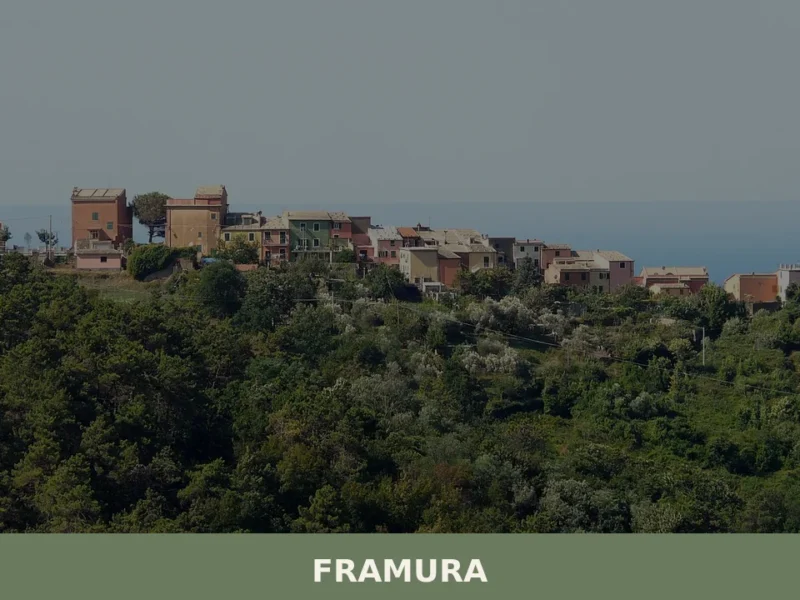
For visitors arriving from nearby Ligurian villages, Framura, a small coastal settlement to the northwest, shares the same olive and vine cultivation landscape and offers a quieter alternative base for exploring the area’s agricultural products.
Festivals, events and traditions of Vernazza
The principal religious and civic celebration in Vernazza is tied to Santa Margherita d’Antiochia, the patron saint of the village’s main church. Processions connected to the saint’s feast follow the established Catholic liturgical calendar for her commemoration. The Chapel of Santa Marta on Via Roma holds Mass on specific Sundays throughout the year, maintaining a cycle of smaller local observances that run parallel to the main parish calendar.
These events draw primarily local participation and retain a functional, non-theatrical character distinct from larger tourist-oriented festivals elsewhere in Liguria.
The broader Cinque Terre area, including Vernazza, observes seasonal traditions tied directly to the agricultural cycle — the grape harvest in September and October represents both a practical event and a communal one, given that the terraced vineyards above the village require coordinated manual labour.
Visitors arriving in late September may encounter working harvests on the hillside paths above the village. The Cinque Terre National Park, established in 1999, coordinates some of the environmental and cultural programming across all five villages, including trail maintenance events that involve resident participation.
When to visit Vernazza, Italy and how to get there
The question of the best time to visit Liguria, and Vernazza specifically, has a practical answer: May to June and September to early October. These months offer stable temperatures, functional trail conditions, and significantly lower visitor density than July and August, when the single main street and the small beach reach saturation point by mid-morning. Spring also coincides with the flowering of the terraced vegetation above the village. Winter months are quieter still, but some accommodation and restaurant services operate reduced hours between November and March.
For hikers, avoiding the peak summer heat — which on south-facing trail sections can exceed 35°C (95°F) — is a meaningful safety consideration, not merely a comfort preference.
Vernazza is accessible by train as the primary and most practical option for most international visitors. The village sits on the Trenitalia coastal line between Genoa and La Spezia.
From Genoa Piazza Principe station, the journey takes approximately 1 hour 20 minutes; from La Spezia Centrale, roughly 15 minutes. La Spezia Centrale is the closest major rail hub and connects to Florence (approximately 2 hours by fast train) and to Rome (approximately 3 hours 30 minutes). The nearest airport with international connections is Genoa Cristoforo Colombo Airport, approximately 90 km (56 mi) from Vernazza, with road transfer taking around 1 hour 15 minutes depending on traffic.
Pisa Galileo Galilei International Airport is an alternative for travellers arriving from central Italy or on low-cost carriers, at approximately 100 km (62 mi) by road. Vernazza has no car access into the historic centre; drivers must park at designated areas outside the village, with walking access from there. For international visitors, carrying euros in cash is practical, as smaller shops and some food vendors along the harbour front do not reliably accept card payments, and English is not always spoken fluently outside the main tourist-facing businesses.
Travellers planning a wider circuit of the eastern Ligurian coast may find it useful to include Coreglia Ligure, a hillside village in the interior, as part of a longer regional itinerary extending beyond the Cinque Terre coastline.
Those approaching from the western Riviera di Ponente can route through villages such as Isolabona, in the Val Nervia area, before joining the coastal rail line toward La Spezia.
What to see in Vernazza rewards a full day rather than a brief stop: the castle climb, the church interior, the harbour, and the lower section of the trail toward the neighbouring village each require separate time.
A day trip from Genoa or La Spezia is logistically straightforward, but visitors who stay overnight gain access to the village in the early morning and evening hours, when foot traffic is minimal and the light on the harbour facade changes register entirely.
Nearby Villages near Vernazza
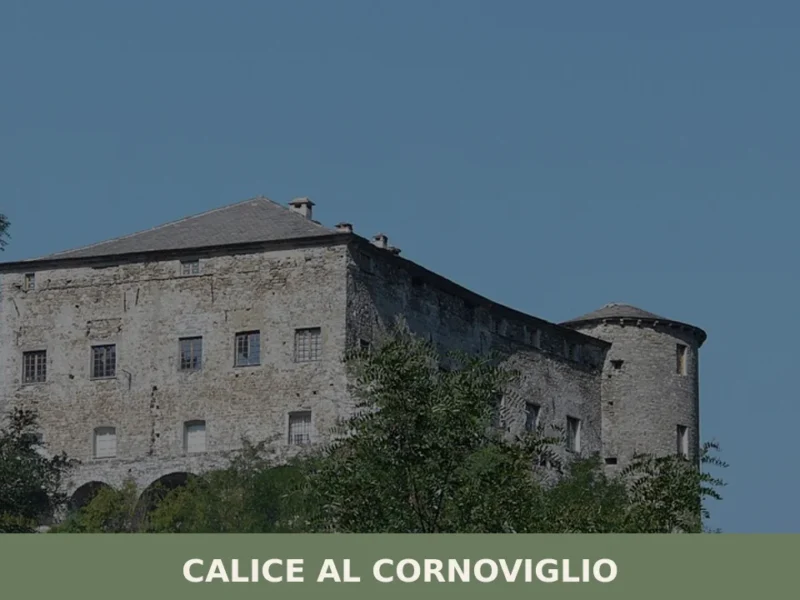
In Liguria More villages to discover
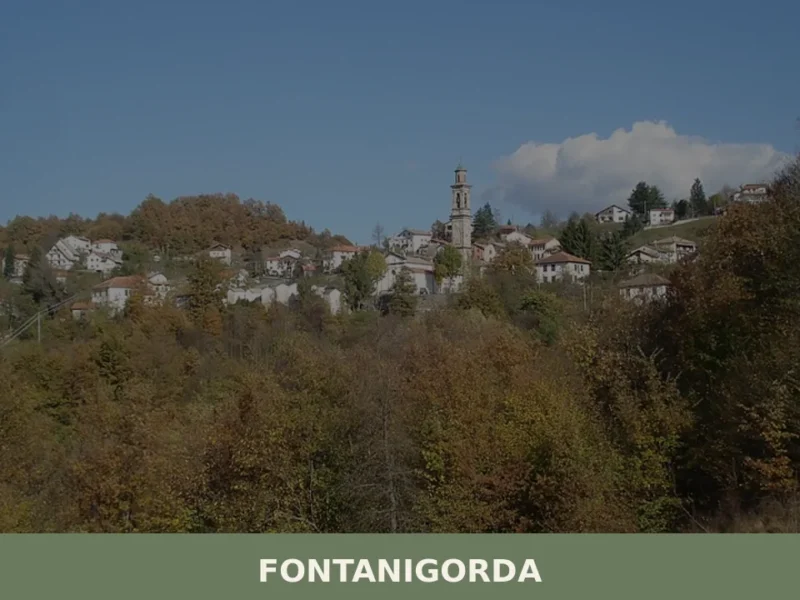
Fontanigorda
 Mountain
At 819 meters above sea level, in the heart of the upper Trebbia Valley, Fontanigorda appears as an alpine settlement in the province of Genoa. Its documented origin dates back to 1153, when it appears in annals as “Fontana Gordana,” a reference to the abundance of water in its territory. This village, with a population […]
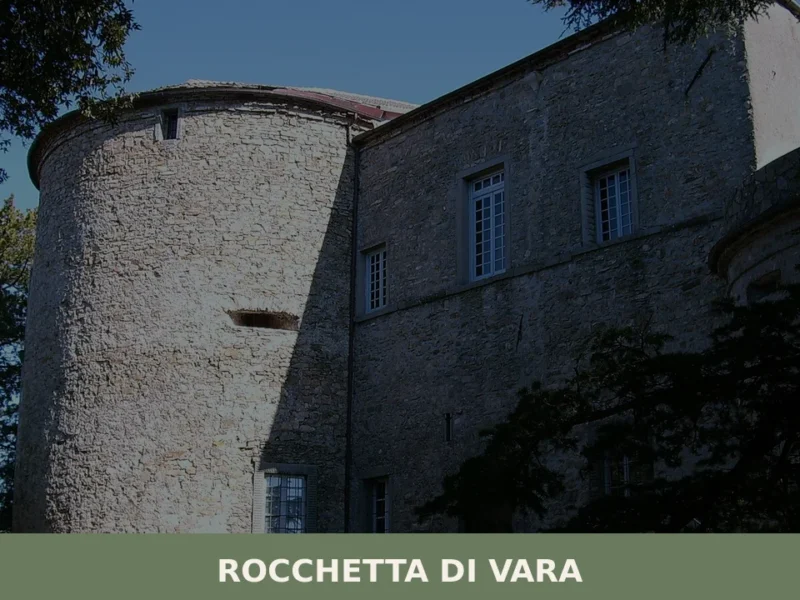
Rocchetta di Vara
Mountain
What to see in Rocchetta di Vara, Italy: 752 inhabitants, 70 km from Genoa. Discover top attractions, local food and how to get there. Complete guide.
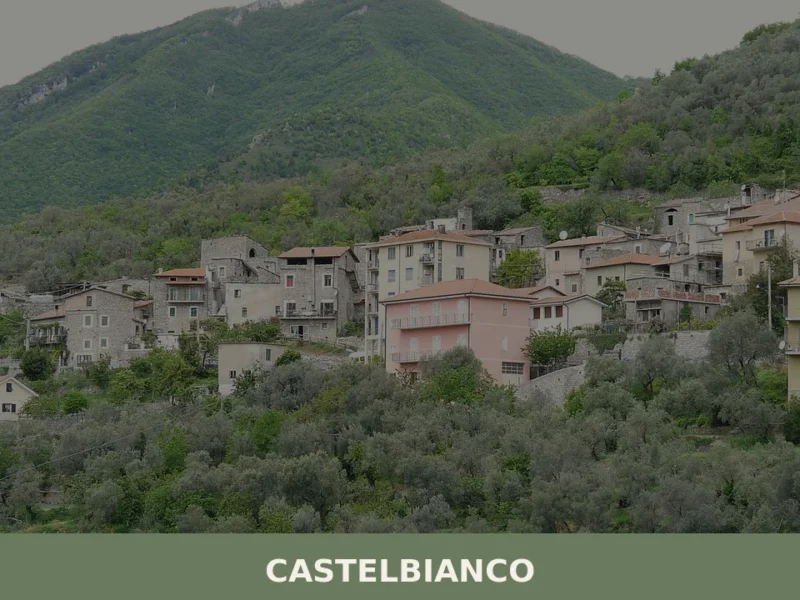
Castelbianco
 Hills
Hills
What to see in Castelbianco, Italy: a village of 326 people, 80 km from Genoa. Discover top attractions, local food, and how to get there. Explore now.
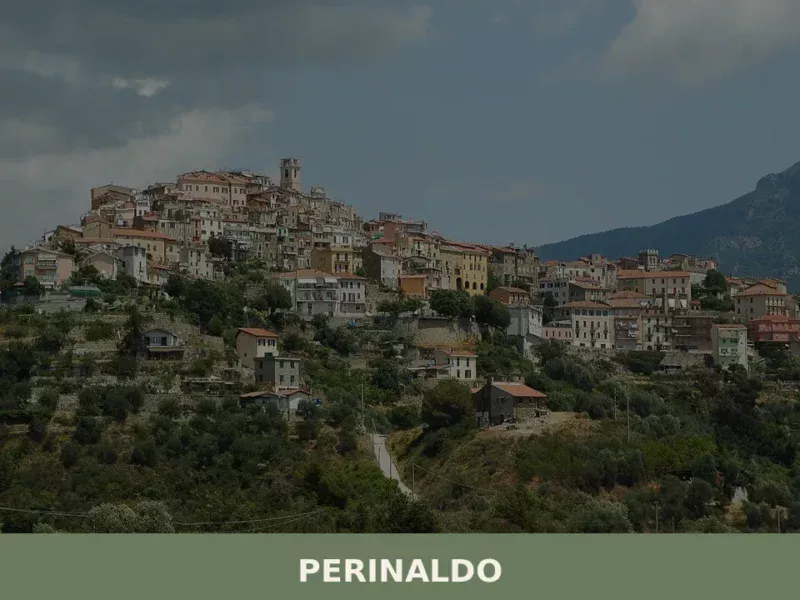
Perinaldo
Mountain
what to see in perinaldo, Italy: Discover the 15th-century church and Cassini Observatory in this Ligurian village of 913 inhabitants. Explore Perinaldo now.
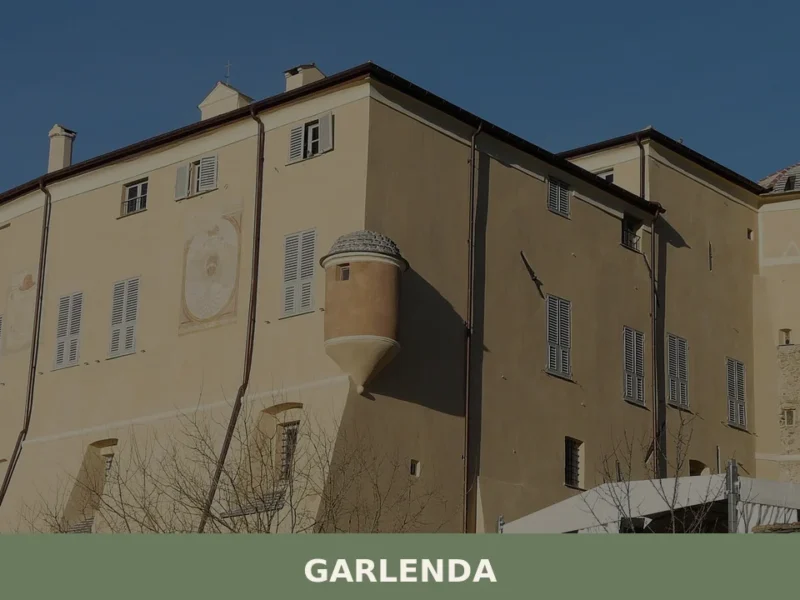
Garlenda
Hills
What to see in Garlenda, Liguria, Italy: explore a village of 1,200 inhabitants 80 km from Genoa. Discover top attractions, local food, and how to get there.
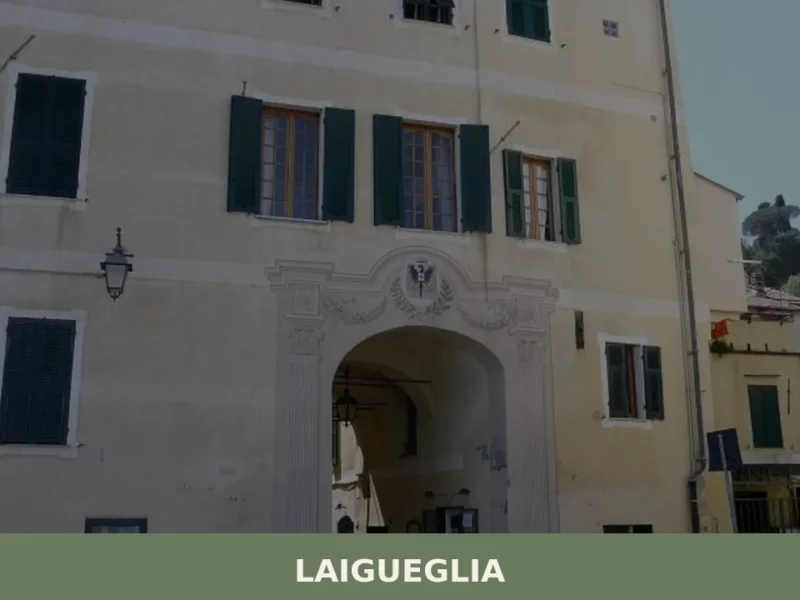
Laigueglia
Sea
What to see in Laigueglia, Italy: explore 5 top attractions, local food, and festivals in this Ligurian coastal village of 1,738 inhabitants. Discover the guide.
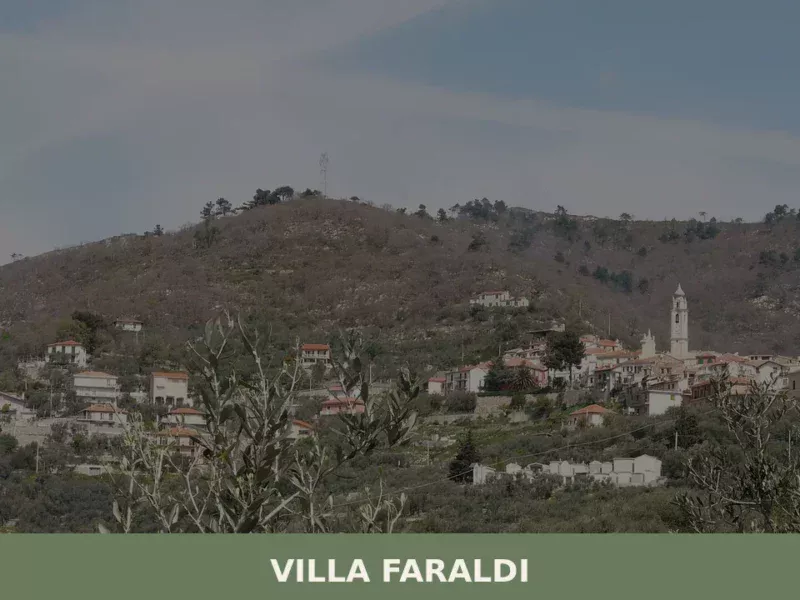
Villa Faraldi
Hills
what to see in villa faraldi: Discover this Italian village of 452 inhabitants in Liguria. Explore historic alleys and scenic views. Read our guide to Villa Faraldi, Italy.
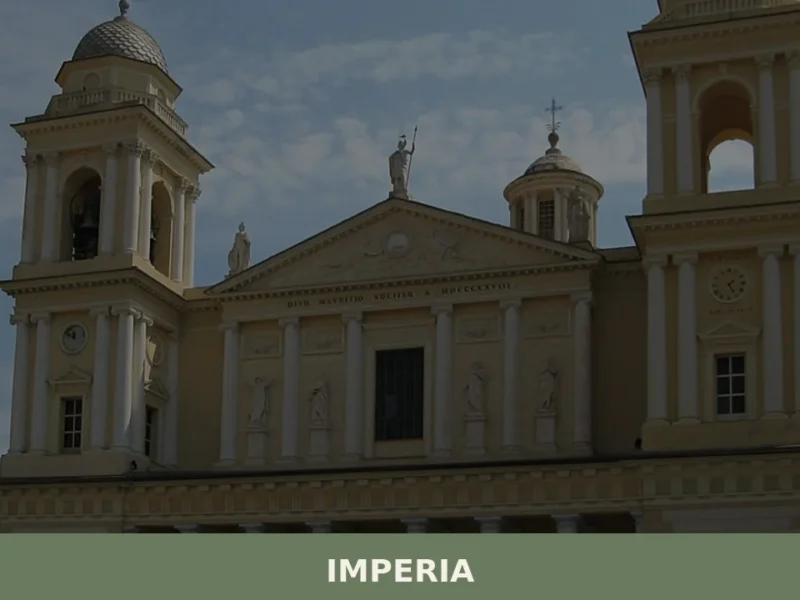
Imperia
Sea
What to see in Imperia: dual city rising to 534 m in Liguria. Explore the Parasio, the free Olive Museum and sardenaira. Plan your visit now.
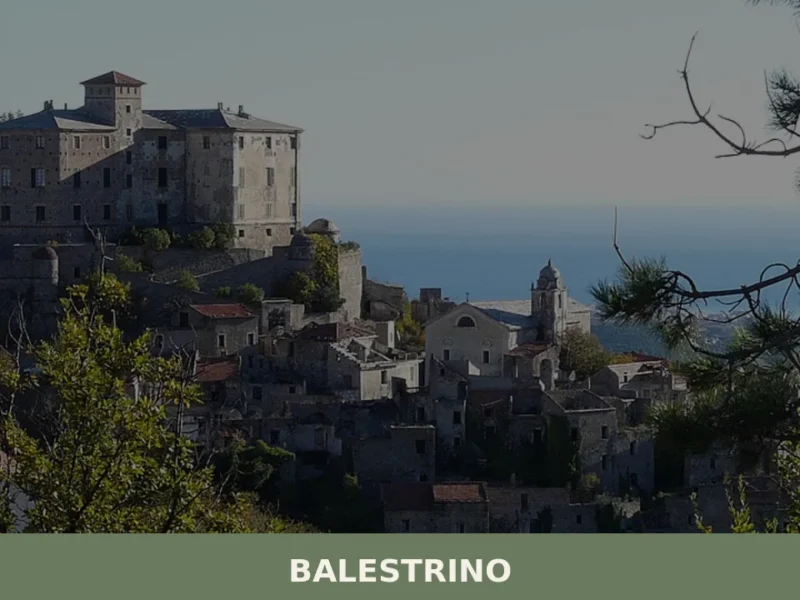
Balestrino
Hills
In 1963 a landslide forced the evacuation of the upper part of Balestrino, leaving the old village uninhabited and intact in its sixteenth- and seventeenth-century structure. Today the municipality has 530 residents, spread between the modern settlement in the valley below and the hillside hamlets, at 371 metres above sea level on the ridge separating […]
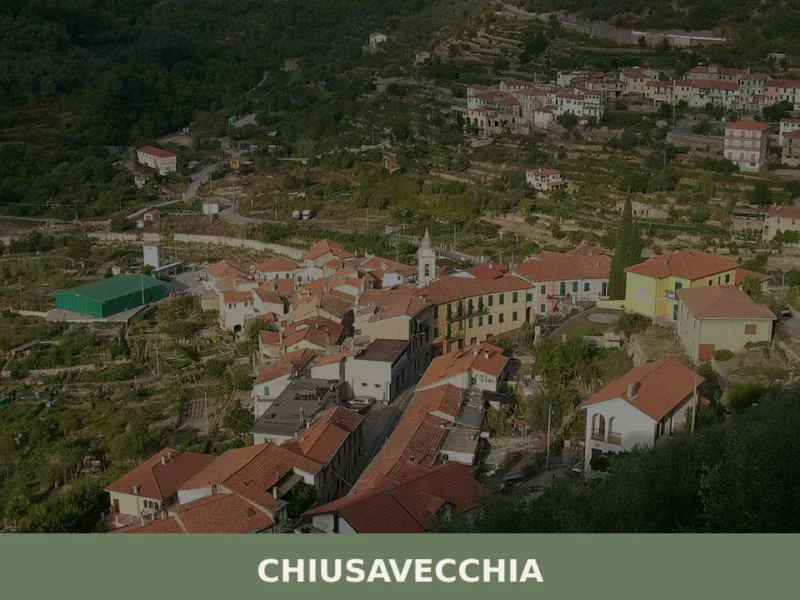
Chiusavecchia, Liguria: An Ancient Italian Village Guide
 Plains
What to see in Chiusavecchia, Italy: Explore this Ligurian village at 140m altitude. Discover its historic core and the feast of San Biagio.
🏡 Know Vernazza better than we do?
If you’re a local or have been there, your knowledge matters: add what’s missing or fix a detail on this page.