


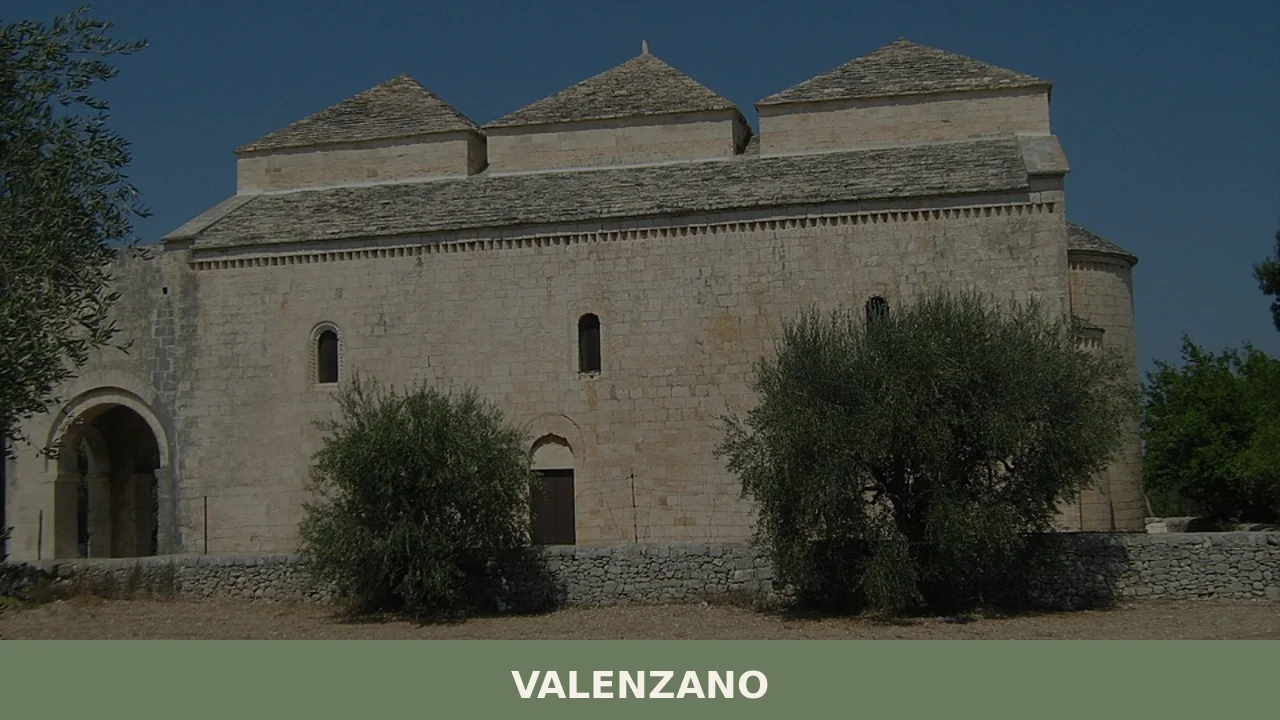
Valenzano
 Plains
What to See in Valenzano: explore the Castle and Mother Church. Discover authentic flavors and experience memorable events in the Apulian village.
Discover Valenzano
The August sun filters through the olive tree branches, while the sound of San Rocco’s bells spreads through the streets of Valenzano, a Puglian village rooted in ancient history.
The light limestone walls shine under the light, creating a lively contrast with the blue sky above the visitors’ heads.
The gentle summer breeze carries the scents of the local cuisine, an irresistible invitation to discover more about this fascinating corner of Italy.
Those wondering what to see in Valenzano will find a place rich in history and culture, just 10 km from the bustling heart of Bari.
With a population of 17,832 inhabitants and located 85 m above sea level, this village offers intriguing opportunities to explore historic architecture and local traditions.
Attractions include the Church of San Michele Arcangelo and the marvelous Baronial Castle, while for food lovers, the local cuisine offers delicious traditional dishes.
Every corner of Valenzano tells a story just waiting to be discovered.
History and Origins of Valenzano
The history of Valenzano is intertwined with the events of Southern Italy and reflects the passage of various dominations. The first traces of the village date back to the Roman era, but it was during the Middle Ages that Valenzano began to consolidate its identity.
At that time, the village was at the center of territorial disputes among local noble families.
The name “Valenzano” might derive from the Latin “Valens,” meaning strong and vigorous, perhaps reflecting the resilient character of its population.
A particularly significant historical event was the presence of the Normans, who participated in the fortification and development of the village.
The stone constructions that can still be admired today date back to that period, testifying to their influence.
Like many locations in Puglia, Valenzano also experienced the rule of the Swabians and Angevins, each of whom contributed to leaving an indelible mark on the town’s urban and social fabric.
In the 18th century, Valenzano prospered under the Bourbon reign, a period during which agriculture became central to the local economy.
The cultivation of wheat, olives, and vineyards increased significantly, laying the foundations for the distinctive gastronomy that today attracts visitors from all over the world.
This village is not just a corner of history but also a stage of changes and adaptations that have shaped its identity over time.
What to See in Valenzano: Main Attractions
Church of San Michele Arcangelo
The Church of San Michele Arcangelo stands imposingly in the square, with its limestone walls that seem to guard centuries of history.
Originally built in the 12th century, the church is a classic example of Puglian Romanesque architecture.
Inside, it features a main altar in marble decorated with intricate carvings. This place of worship, still active today, is open to the public and offers a suggestive environment for those seeking a moment of reflection.
Baronial Castle
The Baronial Castle of Valenzano is an architectural jewel that dominates the urban landscape.
Built in the 14th century, this robust stone building was once the residence of local nobles.
Its cylindrical towers and large internal courtyard invite you to imagine the echoes of medieval feasts and celebrations.
Open to the public, the castle hosts cultural events and guided tours that offer an in-depth view of past court life.
Piazza Flacco
Piazza Flacco is the vibrant heartbeat of Valenzano, where the life of the village unfolds at a constant pace.
Surrounded by historic buildings and outdoor cafes, the square is an ideal meeting point for residents and visitors. Here, you can sit and sip a coffee while admiring the lively movement of everyday life.
The square also hosts local events and markets, perfectly blending tradition with modernity.
Municipal Palace
The Municipal Palace, with its neoclassical façade, tells the civic history of Valenzano. Built in the 19th century, the palace is now home to the town hall and represents an excellent example of civil architecture. Its elegant and well-preserved interiors often host temporary art exhibitions, making it an active cultural hub.
Those interested in local history can arrange for a visit inside.
Villa Carducci
Villa Carducci, a charming country residence, invites visitors to explore its lush gardens.
Built in the 18th century, the villa is surrounded by a vast park that offers a tranquil refuge from urban hustle.
It is said that poet Giosuè Carducci stayed here, finding inspiration in the landscape’s beauty.
During the summer months, the villa hosts open-air concerts and cultural events that celebrate local music and traditions.
Typical Cuisine and Products of Valenzano
The cuisine of Valenzano reflects the richness of the Apulian territory, where the combination of genuine flavors and local ingredients creates inimitable dishes. Thanks to the mild climate and the fertile plain that surrounds it, Valenzano has developed a robust culinary tradition, where the use of vegetables, legumes, and grains predominates.
Norman and Swabian influences are evident in the traditional preparation methods, which are passed down from generation to generation.
One of the most beloved dishes is the Oven-Baked Lamb with Lecce-Style Potatoes (PAT) — common: Lecce, Bari, Brindisi, a specialty that combines tender meat with crunchy potatoes, all flavored with rosemary and bay leaf.
Another typical dish is Acquasale (PAT) — common: Bari, Taranto, Brindisi, a fresh salad of tomatoes and onions on stale bread, a classic during the summer months.
For those with a sweet tooth, the Africans (PAT) — common: Lecce, Taranto, Foggia are a small sweet delight to enjoy at the end of a meal or paired with coffee.
Local production is also important, with certified products that tell the story of the bond between the territory and its people.
Among these, Amaro del Gargano (PAT) — common: Foggia, Manfredonia, Monte Sant’Angelo is a digestive liqueur with multiple aromatic nuances, ideal for concluding a meal, while Ambrosia di Limone (PAT) — common: Lecce, Bari, Taranto is a tribute to the scent of Apulian citrus groves.
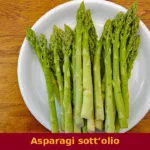
In spring, there is no shortage of Wild Asparagus (PAT) — common: Bari, Taranto, Brindisi, versatile and tasty, excellent either pickled in oil or alongside main dishes.
For those who wish to take home a piece of Valenzano, the weekly market offers a wide selection of local products, including fresh vegetables and artisan preserves, every Saturday morning.
During the summer, gastronomic events like the Lamb Festival enliven the village with tastings and live performances, turning every visit into a convivial and rewarding experience.
Festivals, Events, and Traditions of Valenzano
Valenzano boasts a rich and articulated festivity tradition, where culture intertwines with religious devotion.
On August 16th, the patronal feast in honor of Saint Rocco is celebrated, a day when solemn processions pass through the streets of the village, accompanied by music and fireworks.
This event attracts both residents and visitors, all ready to enjoy a festive atmosphere that culminates with a spectacular evening illumination.
In addition to religious events, Valenzano hosts cultural manifestations that reflect popular customs.
During the summer, folk music concerts and contemporary art exhibitions enliven the evenings, offering numerous opportunities to immerse oneself in community traditions.
These events strengthen the sense of collective identity and invite visitors to share memorable moments with the locals.
When to Visit Valenzano and How to Get There
The best time to visit Valenzano is late spring and early autumn when the weather is mild and local events abound.
This season offers ideal temperatures for exploring the village on foot and participating in various cultural activities. Those who enjoy tranquility will find that September, traditionally with lower crowds, is a perfect time for a serene and more intimate visit.
Reaching Valenzano is easy thanks to its strategic location.
By car, it is easily accessible from the A14 motorway, Bari Sud exit, continuing for about 14 km.
For those who prefer the train, the Bari Centrale railway station, just 12 km away, offers frequent connections.
Bari-Palese airport, located about 20 km away, is the main hub for those arriving from other regions or abroad.
We recommend consulting the site of Trenitalia for updated information on rail connections.
| Starting Point | Distance | Estimated Time |
|---|---|---|
| Bari | 10 km | 15 min |
| Taranto | 85 km | 1 h 15 min |
| Lecce | 160 km | 2 h |
Visitors to Valenzano can extend their itinerary towards Adelfia, known for its similar features and geographic proximity. Connections to nearby Locorotondo offer further opportunities to explore the beauty of the Itria Valley.
Frequently asked questions about Valenzano
What is the best time to visit Valenzano?
The ideal periods to visit Valenzano are late spring (May–June) and early autumn (September–October), when temperatures are mild and perfect for exploring the village on foot. Summer is lively, especially around August 16th, when the patronal feast of San Rocco fills the streets with processions, music, and fireworks — a highlight for anyone interested in authentic Puglian traditions. September offers a quieter, more intimate atmosphere with fewer crowds, making it perfect for a relaxed cultural visit.
What are the historical origins of Valenzano?
Valenzano's roots trace back to the Roman era, with the name possibly derived from the Latin 'Valens', meaning strong and vigorous. The village gained prominence during the Middle Ages under Norman rule, which shaped its urban structure and stone architecture. Subsequent Swabian and Angevin dominations each left cultural and architectural marks. During the 18th-century Bourbon period, the local economy flourished around wheat, olive, and vineyard cultivation, establishing the agricultural identity that still characterizes Valenzano today.
What to see in Valenzano? Main monuments and landmarks
Valenzano's key attractions include the Church of San Michele Arcangelo, a 12th-century Romanesque church with a marble altar, and the 14th-century Baronial Castle, which hosts guided tours and cultural events. Piazza Flacco is the social heart of the village, ideal for observing daily life. The 19th-century Municipal Palace features a neoclassical façade and occasional art exhibitions. Villa Carducci, an 18th-century country residence surrounded by gardens, hosts open-air concerts in summer. For visit hours and bookings, check with the local municipality or pro loco.
Where to take the best photos in Valenzano?
The most photogenic spots in Valenzano include the sunlit limestone façade of the Church of San Michele Arcangelo, especially in the golden hours of early morning. The Baronial Castle with its cylindrical towers offers striking architectural compositions. Piazza Flacco, framed by historic buildings and café terraces, captures the authentic rhythm of Puglian village life. Villa Carducci's lush gardens provide a romantic, pastoral backdrop. The surrounding flat countryside, with its centuries-old olive groves, is ideal during the soft light of late afternoon.
Are there museums, churches or historic buildings to visit in Valenzano?
Yes. The Church of San Michele Arcangelo (12th century) is open to the public and remains an active place of worship, featuring Romanesque architecture and a carved marble altar. The Baronial Castle (14th century) is open for visits and regularly hosts cultural events and guided tours — contact the local pro loco for updated schedules. The Municipal Palace (19th century) houses the town hall and occasionally opens its interiors for temporary art exhibitions. For current opening hours, it is advisable to contact the Valenzano municipality directly.
What can you do in Valenzano? Activities and experiences
Valenzano offers a range of experiences rooted in local culture. Visitors can explore historic monuments on a self-guided walking tour of the village center, attend guided tours of the Baronial Castle, and browse the Saturday morning market for fresh local produce and artisan preserves. In summer, Villa Carducci hosts open-air concerts, while gastronomic events such as the Lamb Festival offer tastings paired with live performances. The village also makes an excellent base for day trips to Bari (10 km) and the Itria Valley.
Who is Valenzano suitable for? Families, couples, hikers, solo travelers?
Valenzano is well-suited for a diverse range of visitors. Couples and culture enthusiasts will appreciate the historic monuments, intimate piazzas, and summer evening events. Families will enjoy the relaxed, safe village atmosphere and the lively patronal feast on August 16th. Food lovers will find the local gastronomy — from baked lamb to acquasale — deeply rewarding. Solo travelers seeking authenticity away from mass tourism will value its proximity to Bari combined with its quiet, genuinely local character. It is less suited to hikers, given the flat plain terrain.
What to eat in Valenzano? Local products and specialties
Valenzano's cuisine draws on the fertile Puglian plain. Must-try dishes include Oven-Baked Lamb with Lecce-Style Potatoes (PAT), seasoned with rosemary and bay leaf, and Acquasale, a refreshing summer salad of tomatoes and onions on stale bread. For dessert, the Africani are traditional small sweets typical of the area. Local products worth seeking out include wild asparagus (excellent pickled in oil), and artisan liqueurs such as Amaro del Gargano. The Saturday morning market is the best place to source fresh seasonal produce and homemade preserves.
Nearby Villages near Valenzano
In Apulia More villages to discover
Deliceto
 Hills
Hills
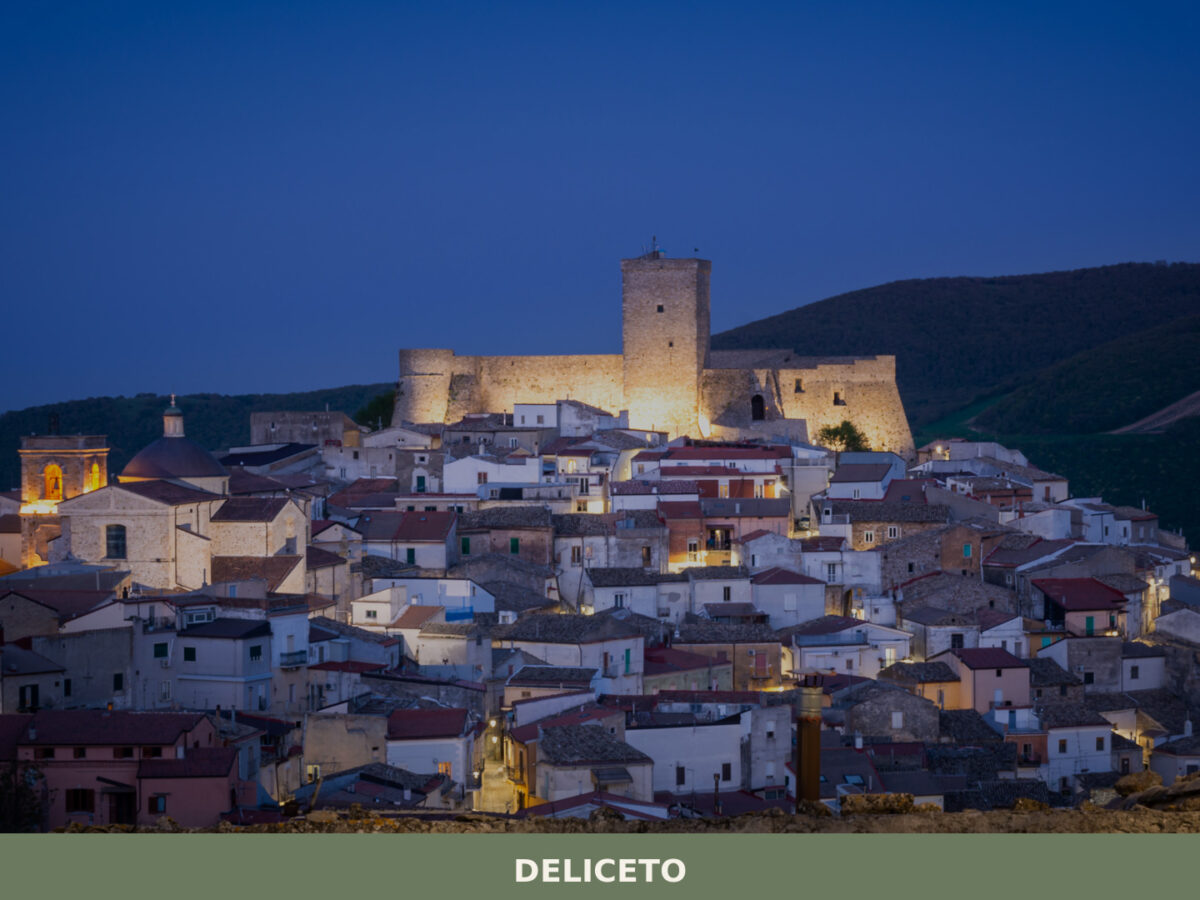
Deliceto rises at 575 metres on a ridge of the Subappennino Dauno, commanding the Tavoliere plain. A Norman castle, layered churches, and a stone-built historic centre define this compact Puglia hill village.
Castellana Grotte
Hills
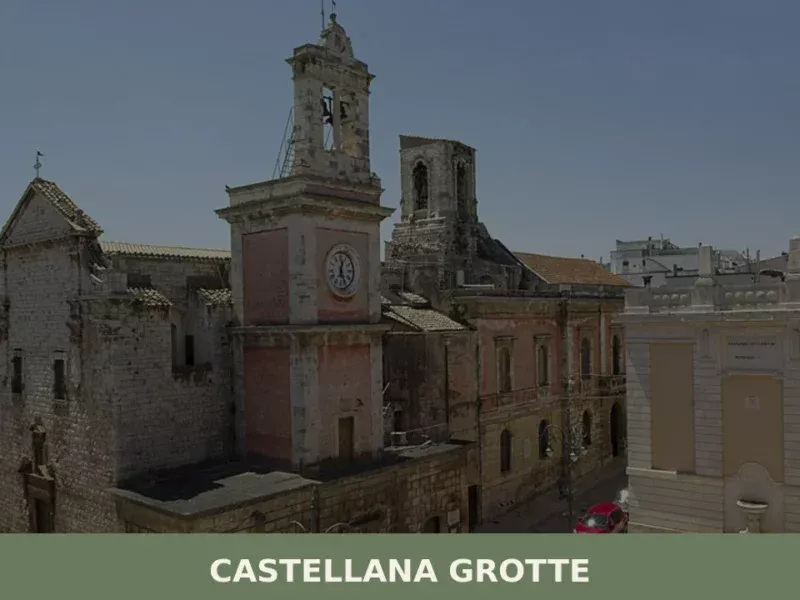
In 1938, speleologist Franco Anelli descended for the first time into a karst chasm a few kilometres from the town centre, revealing to the world an underground system stretching over three kilometres — one of the most extensive in Europe. That discovery permanently transformed the identity of an agricultural municipality on the south-eastern Murgia, placing […]
Monopoli
 Sea
Sea
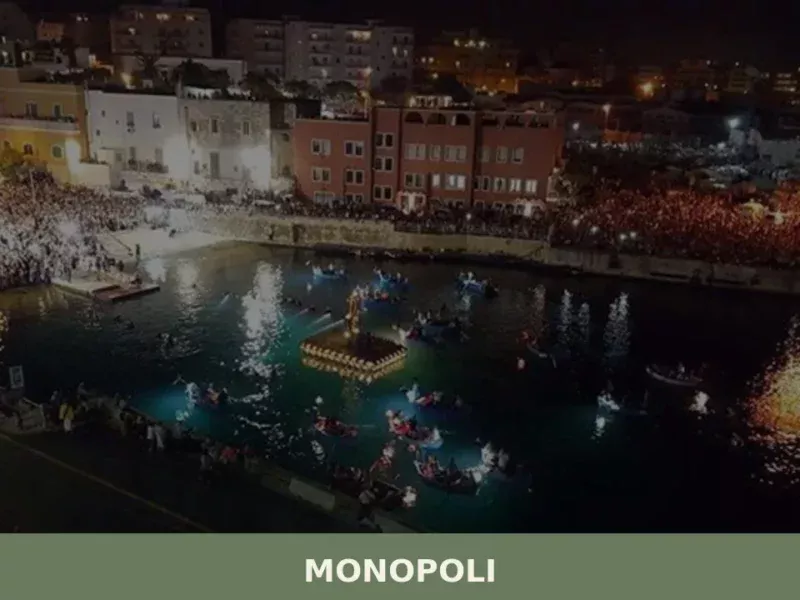
From the promontory where the Castle of Charles V stands, the view sweeps across the Adriatic, a horizon of waters that have shaped Monopoli’s identity for centuries. This port city, whose name evokes the idea of a “unique city,” reveals itself through its architecture, which tells of historical layers, from Messapian walls to Spanish fortifications. […]
Stornarella
Plains
A working agricultural village on the Tavoliere plain near Foggia, Stornarella offers wheat-field panoramas, rural chapels, and the elemental cuisine of northern Puglia.
Accadia
 Mountain
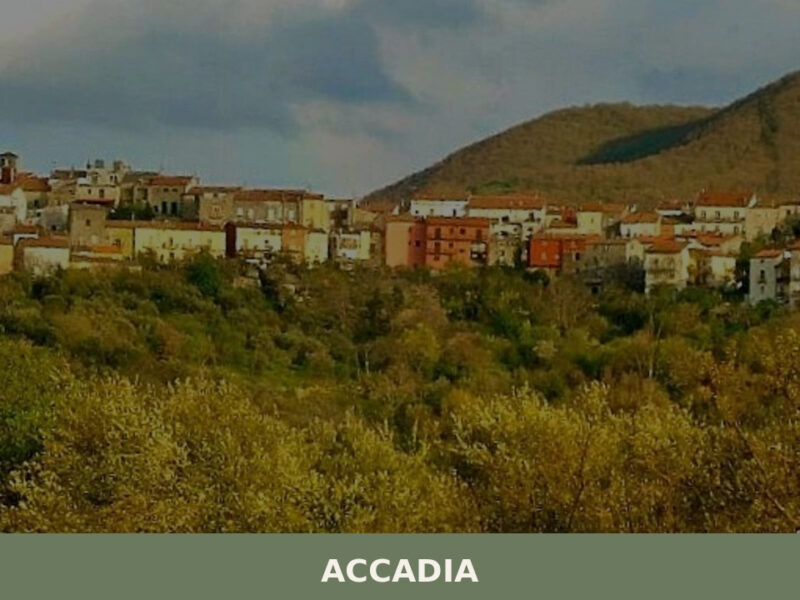
Perched at 650 metres above sea level on the western edge of Puglia’s Subappennino Dauno, the small village of Accadia feels like a secret whispered between mountains and sky. Home to just over 2,200 inhabitants, this ancient hilltop settlement in the province of Foggia rewards visitors with crumbling medieval ruins, sweeping panoramas, and a fierce […]
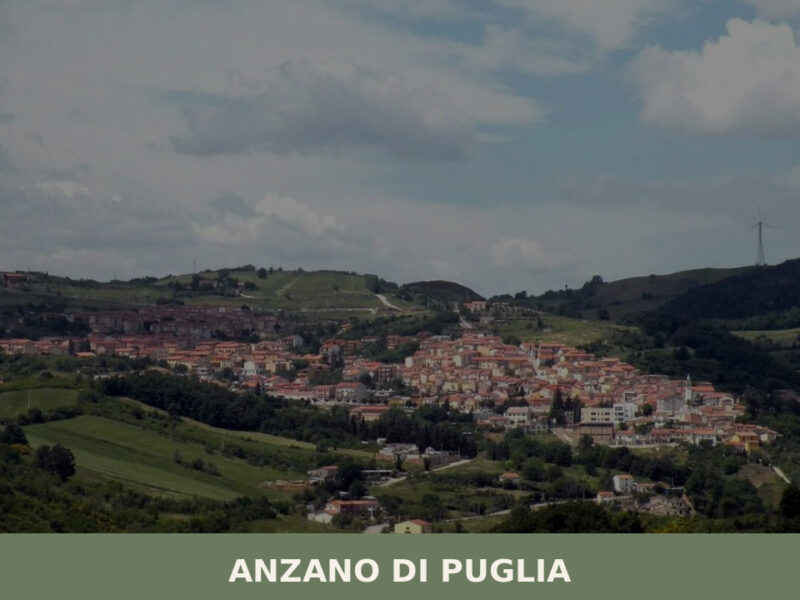
Anzano di Puglia
Mountain
A tiny hilltop village at 760 m in the Daunia Mountains, Anzano di Puglia enchants with stone lanes, sweeping panoramas, and authentic mountain cuisine.
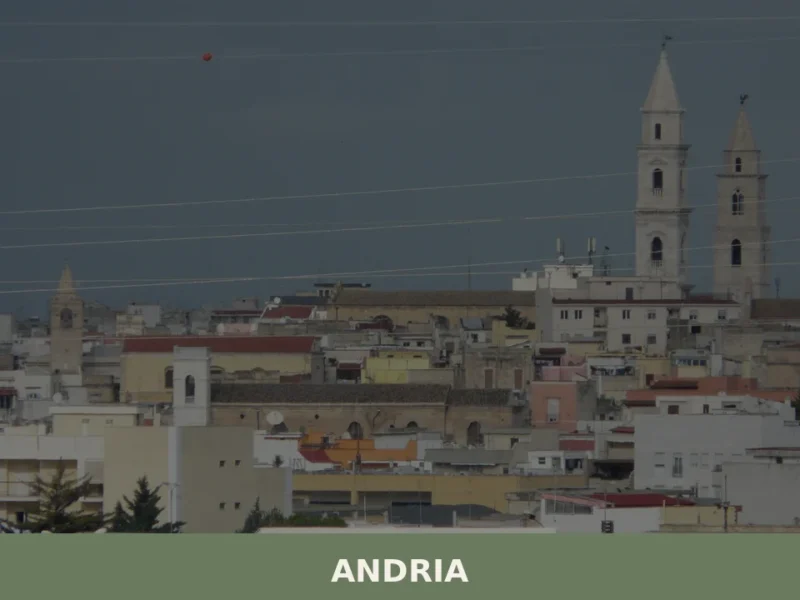
Andria
Plains
What to see in Andria, Puglia, Italy: explore Castel del Monte UNESCO site, the Cathedral crypt, and local products. Population 97,146. Discover the complete guide.

Trani
Sea
What to see in Trani, a city at 7m altitude: Discover its iconic Cathedral and Swabian Castle. Explore the historic port and Sant'Anna Synagogue Museum.
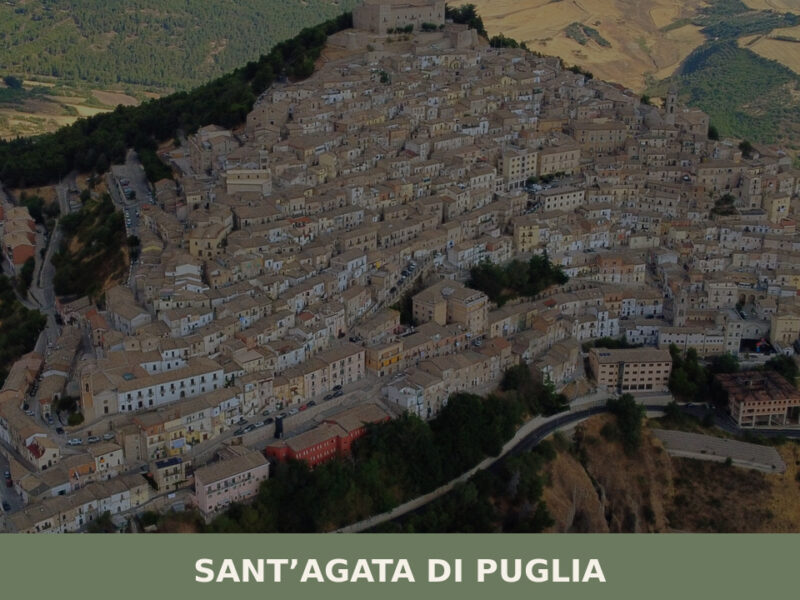
Sant’Agata di Puglia
Mountain
A ridge-top village at 794 metres in the Daunia hills, Sant'Agata di Puglia rewards slow exploration with its Norman castle, stepped stone alleyways, and mountain cooking.
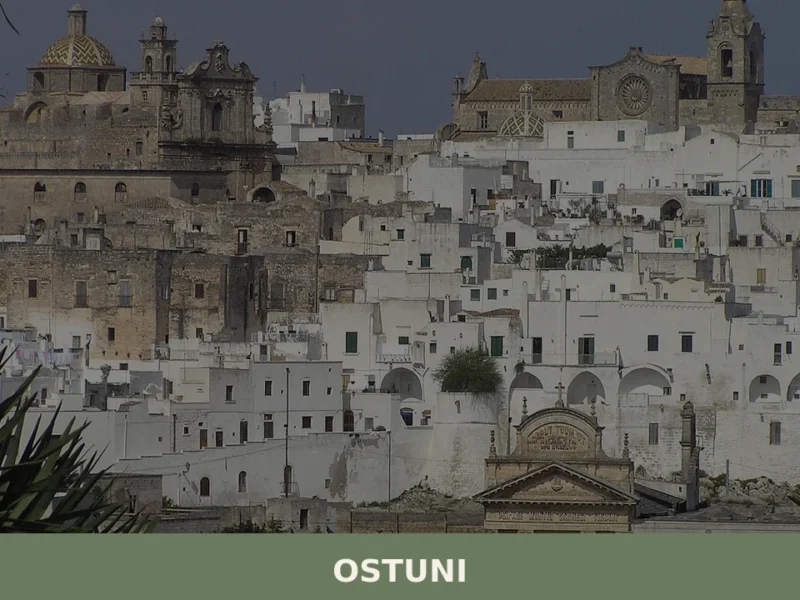
Ostuni
Sea
What to see in Ostuni, Italy: Discover the 'White Town' with its 30,143 residents and explore 5 key historical sights. Read our guide for top attractions and travel tips.



🏡 Know Valenzano better than we do?
If you’re a local or have been there, your knowledge matters: add what’s missing or fix a detail on this page.