


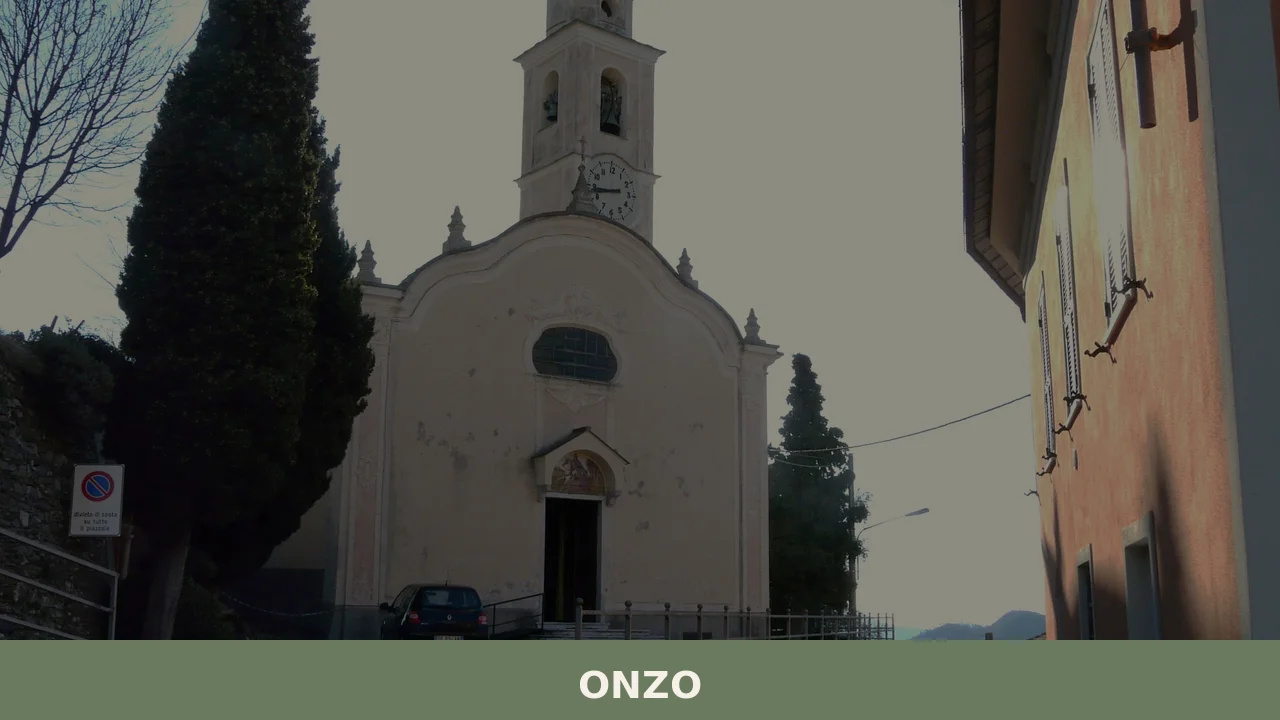
Onzo
 Hills
Hills
What to see in Onzo, Liguria, Italy: explore a village of 224 inhabitants 80 km from Genoa. Discover top attractions, local food, and how to get there.
Discover Onzo
The valley floor between Ortovero and Nasino sits roughly 80 kilometres (50 mi) southwest of Genoa, and the road that climbs toward Onzo narrows as the stone walls close in on either side. The village counts 224 inhabitants and belongs to the Province of Savona, in the Italian region of Liguria.
Seven municipalities border it directly: Aquila di Arroscia, Casanova Lerrone, Castelbianco, Nasino, Ortovero, Ranzo, and Vendone — a ring of small comuni, the Italian term for municipalities, that defines one of the least-trafficked corridors of inland western Liguria.
What to see in Onzo, Liguria: top attractions
For visitors asking what to see in Onzo, the answer begins with the fabric of the village itself: stone-built lanes, a historic parish church, and the surrounding agricultural landscape that has shaped life here for centuries.
With a population of only 224 and a position roughly 45 kilometres (28 mi) southwest of Savona, Onzo sits at the junction of several ancient mule tracks. Visitors to Onzo find a compact settlement where the built and natural environments are immediately legible — no sprawl, no industrial fringe, simply the original form of a Ligurian inland village.
History of Onzo
The Ligurian name for the village, Onsu, points to a pre-Roman substrate that linguists associate with the ancient Ligurian populations who occupied the inland valleys of what is now the Province of Savona before the expansion of Rome into the region.
The toponym does not derive from any Latin root that can be clearly identified, which suggests settlement well before the Roman consolidation of the Via Julia Augusta along the Ligurian coast. The inland valleys of this part of Liguria remained peripheral to the main Roman road network, a fact that partly explains the persistence of pre-Roman place names across the area.
During the medieval period, the territory around Onzo fell within the contested zone between the Republic of Genoa and the various feudal lordships that controlled the hinterland of the Savona coast.
The village and its neighbours, including Castelbianco and Vendone, passed through a succession of overlords whose administrative centres lay either at Savona or, further east, at Genoa.
The gradual incorporation of the entire Province of Savona into Genoese dominion shaped the economic and social organisation of communities like Onzo, whose inhabitants combined small-scale agriculture with transhumance along the connected valley systems. The borders with Casanova Lerrone and Ranzo reflect administrative demarcations that were largely fixed during this Genoese period.
The modern administrative history of Onzo follows the trajectory common to most Ligurian inland villages. After the Napoleonic reorganisation of northern Italy and the subsequent unification of the Italian peninsula in 1861, the village was constituted as an autonomous comune within the newly formed Kingdom of Italy.
Province of Savona. Population in communities of this type peaked in the late nineteenth and early twentieth centuries, before decades of rural depopulation reduced Onzo to its current figure of 224 residents.The municipality maintains its independent administrative status today, and the boundaries with its seven neighbouring communes — Aquila di Arroscia, Casanova Lerrone, Castelbianco, Nasino, Ortovero, Ranzo, and Vendone — remain as defined under the unified Italian state.
What to see in Onzo, Liguria: top attractions
The Parish Church of Onzo
The parish church forms the architectural centre of the village and is built, like most Ligurian inland churches, in local stone with a rendered facade that has weathered to a pale ochre tone.
Churches of this type in the Province of Savona were frequently rebuilt or enlarged between the sixteenth and eighteenth centuries as Counter-Reformation patronage reached even the smallest rural communities. The interior typically holds votive paintings and carved wooden furnishings produced by regional workshops active in the Savona area. When visiting, it is worth pausing to examine the entrance portal, where the stonework often carries the date of the most recent significant reconstruction or the name of the commissioning family.
The Historic Village Centre
The village centre of Onzo occupies a compact area where the street plan follows the natural contours of the terrain rather than any formal grid.
Lanes are paved with flat river stones and bordered by house walls built directly against each other, a construction logic dictated by the need to conserve building materials and body heat in an exposed inland position. The physical density of the settlement — 224 people within a defined historic perimeter — makes the scale immediately comprehensible on foot. A single circuit of the main lanes takes under twenty minutes and reveals the variation in wall construction technique: dry-stone lower courses giving way to lime-mortared upper sections added at different periods.
The Surrounding Agricultural Landscape
The terraced slopes around Onzo represent centuries of land modification by a population that needed to create flat cultivation surfaces on terrain that offers very few natural ones.
Individual terrace walls, known in Ligurian dialect as fasce, reach heights of up to 1.5 metres (5 ft) and run for tens of metres along the hillside contours.
The system connects directly to the landscape of neighbouring municipalities: the valley corridors leading toward Ortovero to the south and Nasino to the north remain visibly structured by the same terrace logic. Walking the field paths between the village and its immediate surroundings in spring, when the grass on the terrace surfaces is short, allows the full geometry of the system to be read clearly.
The Valley Paths Connecting the Seven Bordering Municipalities
Onzo borders seven municipalities, and the path network that once connected them for agricultural and commercial purposes is still partly walkable. The routes toward Castelbianco to the north and toward Ortovero to the south follow valley floors and ridge lines that offer continuous views of the surrounding terrain. Distances between village centres in this part of the Province of Savona are typically 3 to 8 kilometres (1.9 to 5 mi), making multi-village day routes feasible on foot.
The path toward Cosio d’Arroscia, which lies further into the Arroscia valley system, represents a longer excursion but follows terrain that is characteristic of the whole sub-region.
The Views over the Lerrone and Arroscia Valleys
From the upper edge of the village, the ground drops away toward the valley system shared with Casanova Lerrone and Vendone, two of Onzo’s direct neighbours.
The elevation of the village — situated in the upland zone of the Province of Savona — places it above the valley floor at a height sufficient to provide unobstructed sightlines across 10 to 15 kilometres (6.2 to 9.3 mi) of cultivated and forested terrain. On clear days between October and March, when atmospheric haze is minimal, the view extends south toward the coastal plain near Albenga. The best light for this orientation falls in the late afternoon, when the western sky behind the hills is fully lit.
Local food and typical products of Onzo
The culinary tradition of inland western Liguria, within which Onzo sits, reflects the constraints and resources of a mountain agricultural economy.
The diet historically centred on what could be grown on the terraced slopes or raised in small farmyard enclosures: legumes, chestnuts, vegetables, rabbits, and a limited range of preserved meats. Olive cultivation reaches this altitude in Liguria, and the small-fruited varieties grown on the inland terraces produce an oil with a more pronounced bitter-green profile than those pressed from coastal groves. Bread was traditionally made with chestnut flour mixed with wheat flour when wheat was scarce — a practice documented across the mountain communities of the Province of Savona.
Among the dishes typical of this territory, coniglio alla ligure — rabbit braised with olives, white wine, rosemary, and pine nuts — represents one of the most consistently documented preparations of the inland villages.
The technique involves browning the jointed rabbit in local olive oil before adding the aromatics and a measure of dry white wine, then cooking slowly with a handful of black olives added in the final stage.
Torta di verdure, a flat savoury tart with a thin pastry shell filled with seasonal greens, ricotta, and eggs, appears across the Province of Savona in variations that change with the season: Swiss chard in winter, wild herbs and young courgettes in spring. Farinata, a flatbread made from chickpea flour, water, olive oil, and salt, baked in a wide copper pan at high heat, connects Onzo to the broader Ligurian food tradition and is found in villages and towns from Ventimiglia to Genoa.
The area around Onzo does not currently hold independently certified designation-of-origin products specific to the village itself, but the broader territory of inland Savona is associated with the production of extra-virgin olive oil from the Taggiasca variety — the small, oval olive that dominates Ligurian cultivation and whose oil carries a mild, slightly fruity character.
Locally produced honey, particularly from chestnut and wildflower sources, is sold at farm gates and at the small markets held in neighbouring centres such as Ortovero.
Visiting in September or October, when the olive and chestnut harvests overlap, gives the clearest view of what the agricultural economy of this zone actually produces.
Nearby Magliolo, another small municipality in the Province of Savona, shares a similar pattern of terrace-based olive cultivation and seasonal vegetable production, and its local market offers comparable products to those found in the Onzo area. For visitors spending several days in the zone, combining markets and farm visits across the two villages gives a more complete picture of what upland Ligurian agriculture produces across an entire growing season.
Festivals, events and traditions of Onzo
Like most rural Ligurian municipalities, Onzo organises its public calendar around the feast day of its patron saint, celebrated with a mass, a procession through the village lanes, and communal gatherings that draw back residents who have moved to the coast or to larger centres.
The exact date of the patron saint’s feast follows the liturgical calendar of the Roman Catholic Church, and the celebration typically involves the ringing of the parish church bells, a formal religious procession in which a statue or image of the patron is carried through the main streets, and an open-air communal meal prepared by village associations in the evening.
The traditions of the inland Savona villages also include the autumn sagra, a traditional local food festival organised around a seasonal product — chestnuts and mushrooms being the most common focus in October and November across this part of Liguria.
These events are organised by local volunteer associations, run for a single day or a weekend, and represent one of the most direct ways to engage with the food culture of a small Ligurian municipality. Precise dates vary from year to year and are posted through the municipality’s official channels and on local notice boards in the weeks preceding the event.
When to visit Onzo, Italy and how to get there
The best time to visit Onzo depends on what a traveller is looking for.
Late spring, from mid-April through June, combines mild temperatures, green terrace slopes, and the possibility of walking the valley paths without the heat that builds in July and August. Autumn, from September through early November, brings the olive and chestnut harvests, cooler air, and clear visibility across the valleys. The summer months are viable but warm; the village sits at an elevation that moderates coastal temperatures, but midday heat on the exposed paths can be significant. Winter visits are possible for those interested in the architecture and landscape without other visitors present, though some local services operate on reduced schedules between December and February.
Onzo, Liguria, Italy is most practically reached by car. From Genoa, approximately 80 kilometres (50 mi) to the northeast, the route follows the A10 or A6 motorway toward Savona and then connects to the inland road network via Albenga or Ortovero. The journey takes approximately 1 hour and 15 minutes under normal traffic conditions.
From Savona, roughly 45 kilometres (28 mi) to the east, the drive takes under an hour via the provincial roads through the Lerrone valley. The nearest train station with regular service is at Albenga, on the main Genoa-Ventimiglia coastal line operated by Trenitalia; from Albenga, a car or taxi is required to complete the approximately 15 kilometres (9.3 mi) to Onzo.
The nearest international airport is Genoa Cristoforo Colombo Airport, approximately 85 kilometres (53 mi) from the village, with a transfer time of around 1 hour 20 minutes by car. For those arriving from further afield, Onzo makes a feasible day trip from Genoa, combining the coastal city with an afternoon in the inland valleys. International visitors should be aware that English is not widely spoken in smaller shops and services in villages of this size, and carrying a supply of euro cash is advisable as card payment terminals may not be available at all local businesses.
Travellers with an interest in the broader Arroscia valley area may also consider combining a visit to Onzo with a stop at Dolceacqua, a larger inland Ligurian village further west, or at Fontanigorda, which sits in a different section of the Ligurian Apennines and offers a point of comparison for how mountain village architecture and landscape vary across the region.
Both villages are reachable by car on the same day from Onzo, though each adds at least 45 to 60 minutes of additional driving.
Planning what to see in Onzo as part of a wider inland Liguria itinerary is the most efficient approach for visitors based on the coast, where accommodation options are more numerous and transport connections more frequent.
Frequently asked questions about Onzo
What is the best time to visit Onzo?
The ideal periods to visit Onzo are spring (April–May) and autumn (September–October). In spring, the terraced slopes are lush and the field paths between the village and neighbouring municipalities are at their most walkable. In autumn, the olive and chestnut harvests overlap, offering the clearest picture of the local agricultural economy. October to March brings the most transparent atmospheric conditions, with views extending south toward the coastal plain near Albenga on clear days. Summer is pleasant at 410 metres of altitude, though the village sees little organised tourism traffic in any season.
What are the historical origins of Onzo?
The name Onzo derives from the Ligurian form Onsu, a toponym with no identifiable Latin root, pointing to pre-Roman settlement by ancient Ligurian populations in the inland valleys of what is now the Province of Savona. The village remained peripheral to the Roman road network and during the medieval period fell within the contested zone between the Republic of Genoa and various feudal lordships. It was gradually absorbed into Genoese dominion before being constituted as an autonomous comune within the Province of Savona following Italian unification in 1861.
What to see in Onzo? Main monuments and landmarks
The parish church is the architectural centrepiece of the village, built in local stone with a rendered pale ochre facade; the entrance portal carries stonework worth examining closely. The historic village centre is compact enough to cover on foot in under twenty minutes, revealing varied dry-stone and lime-mortared wall construction across different building periods. Beyond the built fabric, the terraced agricultural slopes — locally called fasce — constitute the most distinctive landscape feature, representing centuries of deliberate land modification visible directly from the village lanes.
What are the main natural or scenic attractions of Onzo?
Onzo sits at 410 metres above sea level at the junction of ancient mule tracks connecting seven neighbouring municipalities. The path network toward Castelbianco to the north and Ortovero to the south follows valley floors and ridge lines offering continuous views across the Lerrone and Arroscia valley systems. Distances between village centres in this corridor range from 3 to 8 kilometres, making multi-village day walks feasible. A longer excursion follows the terrain toward Cosio d'Arroscia deeper into the Arroscia valley. Spring and early autumn offer the best walking conditions.
Where to take the best photos in Onzo?
The upper edge of the village provides the most rewarding viewpoint: the ground drops sharply toward the valley shared with Casanova Lerrone and Vendone, with unobstructed sightlines across 10 to 15 kilometres of cultivated and forested terrain. On clear days between October and March the view extends south toward the coastal plain near Albenga. The best light for this south-facing orientation falls in the late afternoon. The geometry of the terraced fasce on the surrounding hillsides, most legible in spring when grass is short, makes for compelling landscape photography from the field paths below the village.
Are there museums, churches or historic buildings to visit in Onzo?
The parish church is the principal historic building in the village. Like most inland Ligurian churches in the Province of Savona, it was likely rebuilt or enlarged between the sixteenth and eighteenth centuries under Counter-Reformation patronage. The interior holds votive paintings and carved wooden furnishings produced by regional workshops active in the Savona area. No dedicated museum is documented for Onzo. The church is typically accessible during morning hours and before and after Sunday Mass; for guaranteed access it is advisable to contact the local parish or the municipality directly.
What can you do in Onzo? Activities and experiences
The primary activity in Onzo is walking: the ancient path network connecting the seven bordering municipalities — Aquila di Arroscia, Casanova Lerrone, Castelbianco, Nasino, Ortovero, Ranzo, and Vendone — is partly walkable and covers varied terrain from valley floors to ridge lines. The terraced agricultural landscape around the village rewards slow exploration on foot. In September and October, visiting local farms during the olive and chestnut harvests gives direct contact with the working agricultural economy. The surrounding valleys also offer longer excursions toward the Arroscia valley system for experienced walkers.
Who is Onzo suitable for? Families, couples, hikers, solo travelers?
Onzo suits visitors who value authenticity over organised tourism infrastructure. Hikers benefit most from the village's position at the junction of several valley paths connecting seven neighbouring municipalities, with day routes of 3 to 15 kilometres available. Couples and slow-travel enthusiasts will appreciate the compact historic centre, the agricultural landscape, and the unhurried pace of a village of 224 people. Families with young children can enjoy the short circuit of the village lanes and the accessible terrace paths. It is not suited to visitors seeking hotels, restaurants, or evening entertainment within the village itself.
What to eat in Onzo? Local products and specialties
The food tradition of Onzo belongs to the inland western Ligurian repertoire. Coniglio alla ligure — rabbit braised with local olive oil, white wine, rosemary, black olives, and pine nuts — is one of the most documented preparations of these inland villages. Torta di verdure, a thin-crusted savoury tart filled with seasonal greens, ricotta, and eggs, varies with the season. Farinata, the chickpea flour flatbread baked in copper pans, is common across the territory. Local olive oil comes from small-fruited inland varieties with a pronounced bitter-green profile; chestnut and wildflower honey is sold at farm gates and markets in nearby Ortovero.
📷 Photo Gallery — Onzo
Nearby Villages near Onzo
In Liguria More villages to discover
Pompeiana
 Sea
Sea
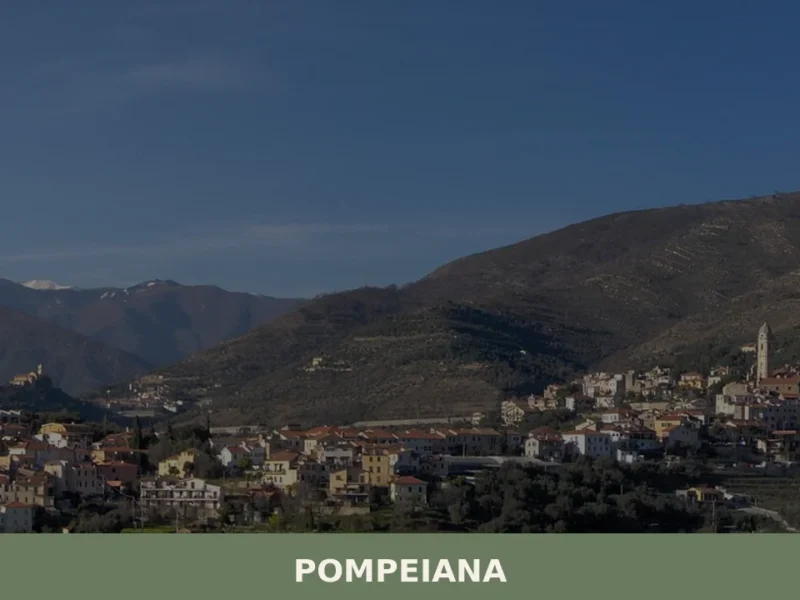
what to see in pompeiana, Italy. Discover this Imperia village of 837 residents, explore its historic center and surrounding olive terraces. Read our guide to Liguria.
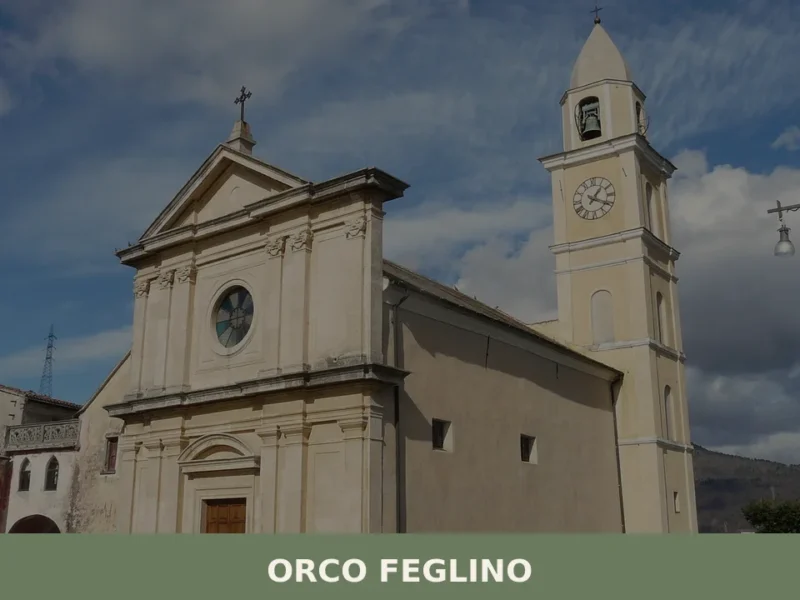
Orco Feglino
 Mountain
What to see in Orco Feglino, Italy? Located 50 km (31 mi) from Genoa, this village of 889 inhabitants offers castle ruins and historic churches. Explore its rich past.
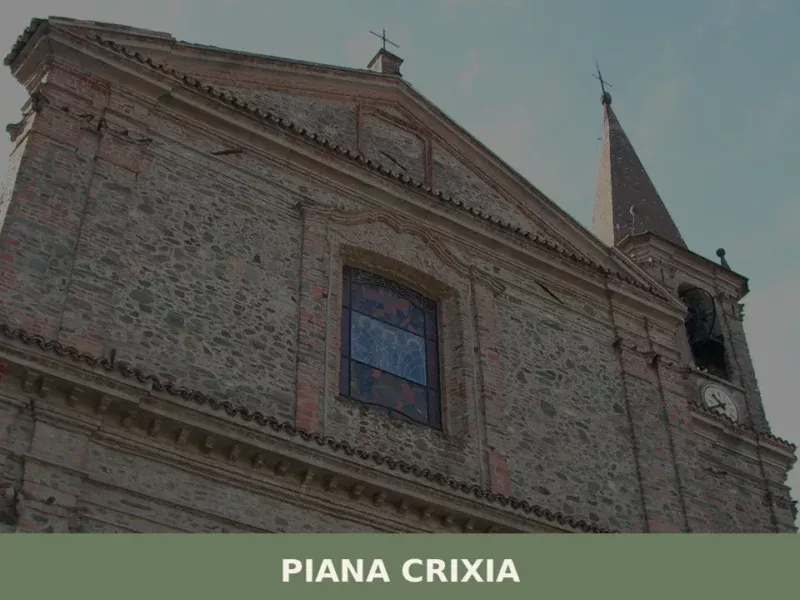
Piana Crixia
Mountain
what to see in piana crixia, Italy: Explore this Savona comune (843 inhabitants) and its international ties. Discover Ligurian character and natural surroundings.
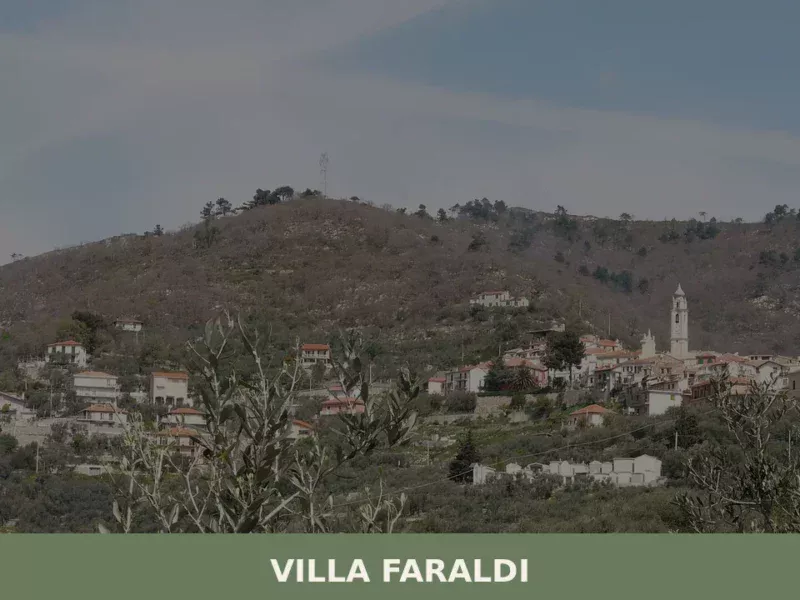
Villa Faraldi
Hills
what to see in villa faraldi: Discover this Italian village of 452 inhabitants in Liguria. Explore historic alleys and scenic views. Read our guide to Villa Faraldi, Italy.
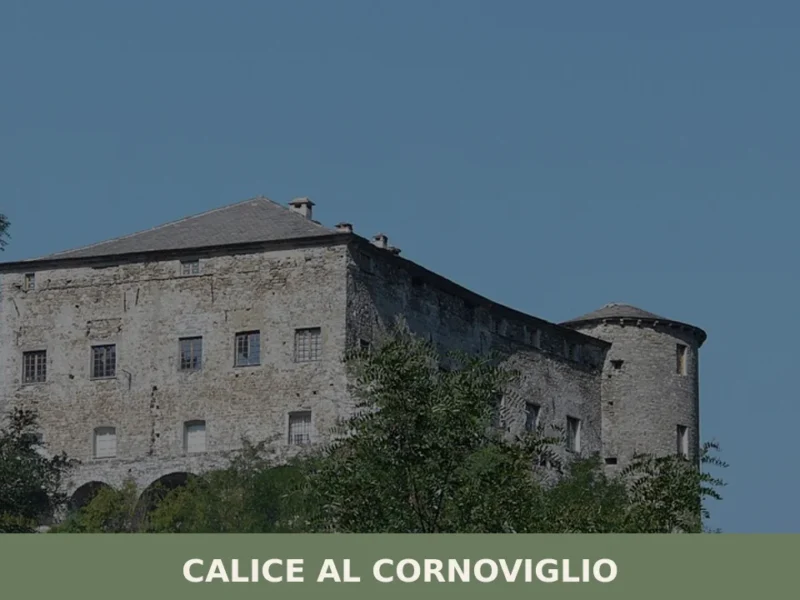
Calice al Cornoviglio
Hills
Discover Calice al Cornoviglio: medieval castle, baroque church, and historic village. Explore Ligurian hinterland's history and nature.
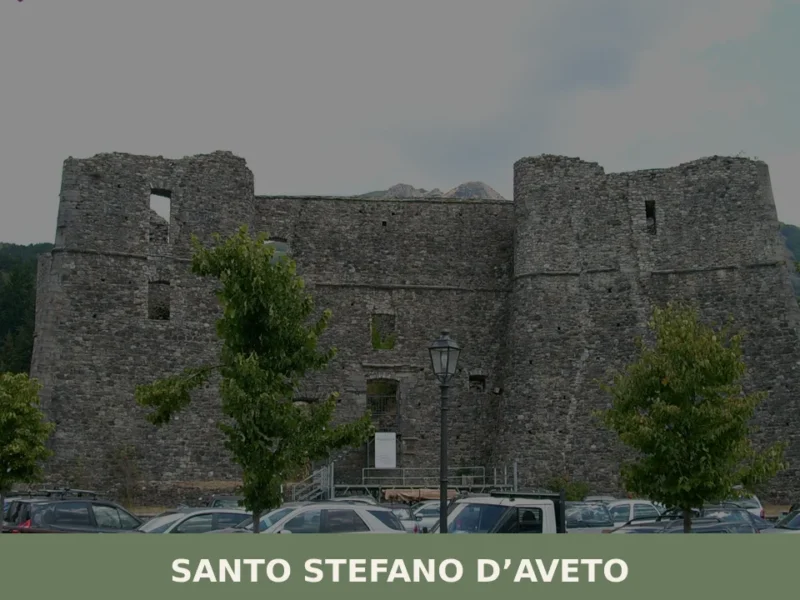
Santo Stefano d’Aveto
Mountain
What to see in Santo Stefano d'Aveto? Discover the castle, hikes, and nearby villages with our complete guide to the Ligurian hinterland. Plan your trip now!
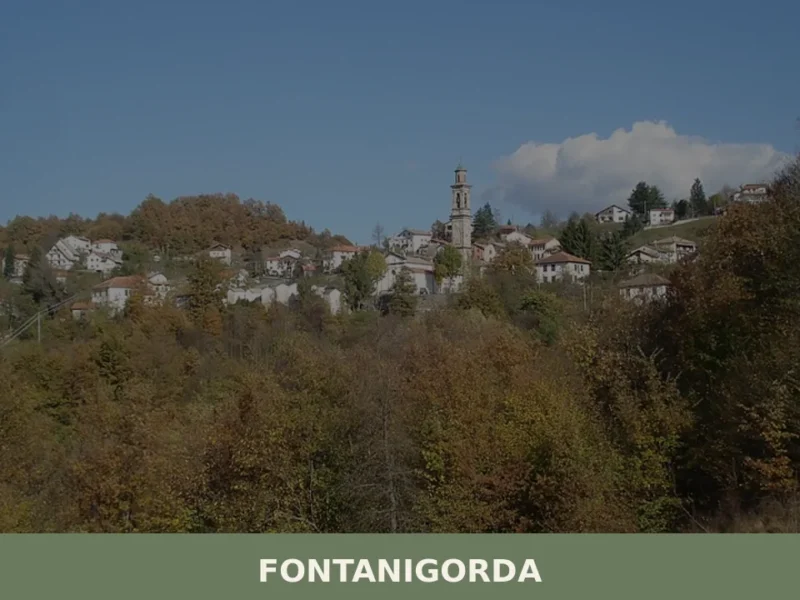
Fontanigorda
Mountain
At 819 meters above sea level, in the heart of the upper Trebbia Valley, Fontanigorda appears as an alpine settlement in the province of Genoa. Its documented origin dates back to 1153, when it appears in annals as “Fontana Gordana,” a reference to the abundance of water in its territory. This village, with a population […]
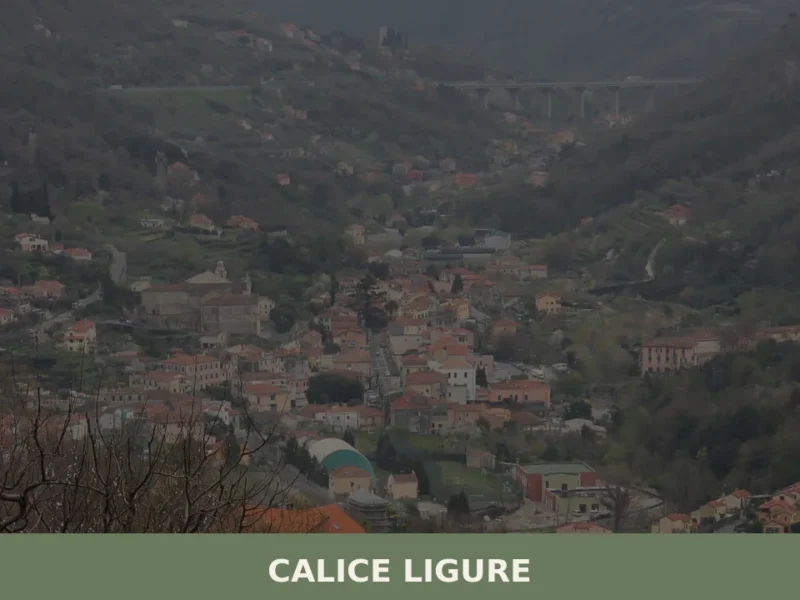
Calice Ligure
 Plains
What to see in Calice Ligure, Italy: explore top attractions, local food and how to reach this Savona village of 1,727 people. Discover Liguria's inland.
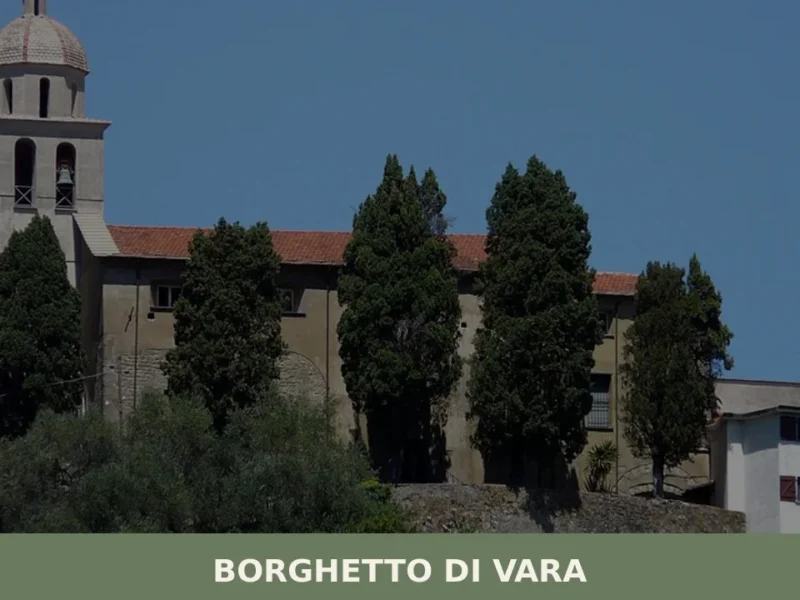
Borghetto di Vara
Plains
What to see in Borghetto di Vara, Italy: Discover a village of 870 inhabitants at 104 m altitude. Explore its plain landscape and the Parish Church of San Carlo Borromeo.
Apricale
Hills
A sun-facing medieval village of 626 inhabitants in Liguria's Val Nervia. Explore what to see in Apricale, from its castle to its open-air murals.

🏡 Know Onzo better than we do?
If you’re a local or have been there, your knowledge matters: add what’s missing or fix a detail on this page.