


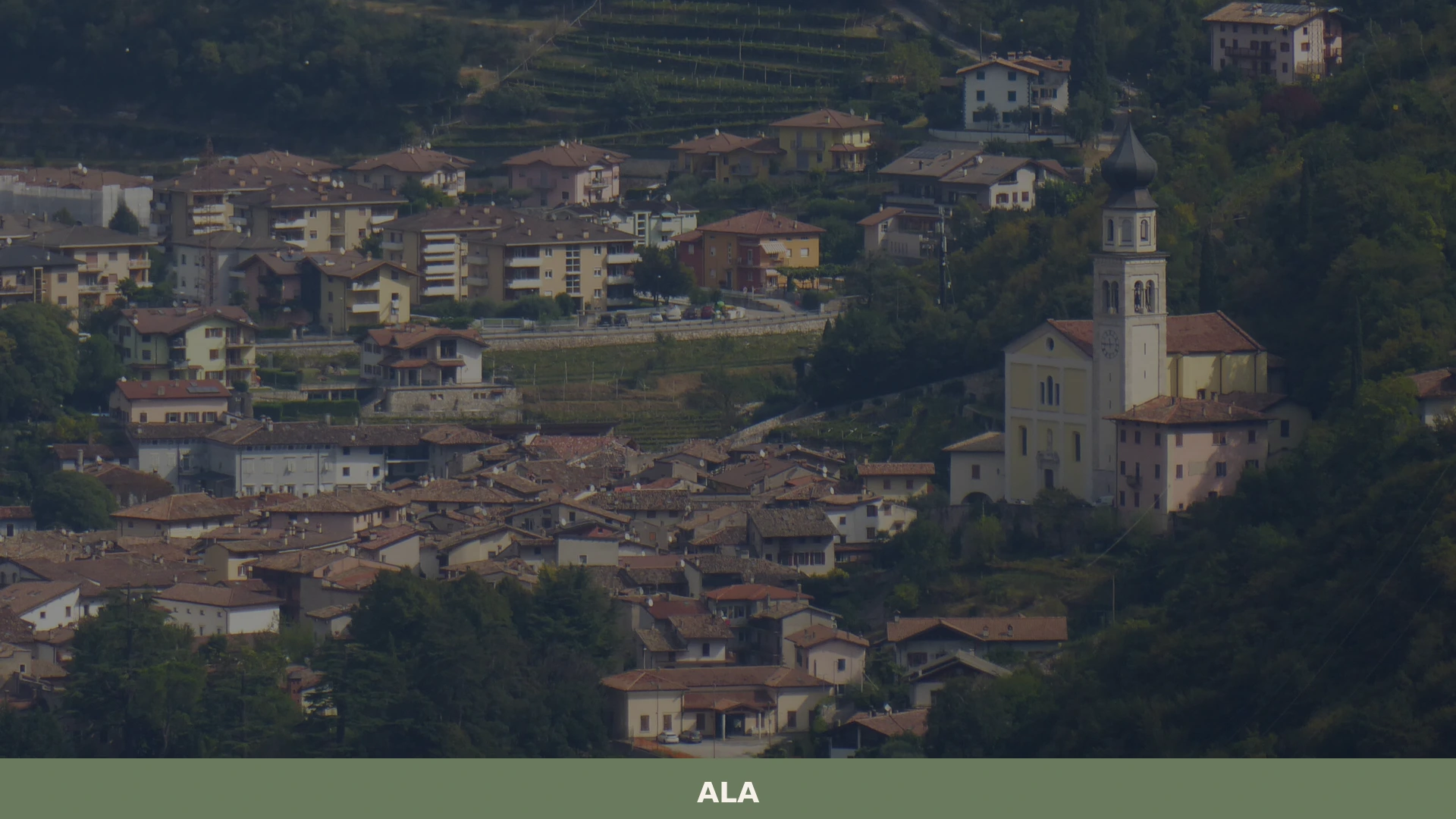
Ala
 Mountain
Discover what to see in Ala, Trentino: silk merchant palazzi, Habsburg border history, Vallagarina wines and the Valle dei Ronchi. Practical tips included.
Discover Ala
Eight thousand eight hundred and ninety-three people live in Ala, a town in the autonomous province of Trento that sits at the mouth of the Valle dei Ronchi as it opens into the wider Vallagarina valley. For anyone asking what to see in Ala, the answer begins with a striking historical paradox: this was, until the First World War, one of the principal border crossings between the Kingdom of Italy and the Austro-Hungarian Empire — a fact that left deep marks on the town’s architecture, economy and civic identity. Ala is also one of only five Italian municipalities whose name reads the same forwards and backwards.
History of Ala
Ala’s fortunes in the early modern period were built almost entirely on silk.
From the seventeenth century onwards, the town became one of the most productive centres for velvet and silk fabric manufacture in the entire southern Alpine region. The industry was not artisanal in scale: by the eighteenth century, Ala operated large looms producing figured velvets that were exported across Europe. The wealth generated by this trade is still legible today in the palazzi that line the historic centre — solid, wide-fronted buildings with the proportions of merchant prosperity rather than aristocratic display.
The town’s position on the border between Italy and the Austro-Hungarian Empire gave it a specific administrative and military character for several centuries. Until the end of the First World War in 1918, Ala functioned as an official customs and border post, and the infrastructure that supported this role — roads, inns, warehouses — shaped the urban layout considerably. The town changed hands definitively in 1918 when, following the armistice and the subsequent Treaty of Saint-Germain-en-Laye in 1919, the region of Trentino was formally annexed to Italy.
For Ala, this meant the end of its role as a frontier station, a shift that restructured its economic and social purpose almost overnight.
Earlier still, Ala and the surrounding Vallagarina had passed through the hands of various feudal powers, including the Prince-Bishops of Trento, who exercised temporal authority over much of the region during the medieval and early modern periods. The town’s civic institutions — including the parish church of Sant’Antonio Abate, whose current structure reflects Baroque-era reconstruction — were developed under this ecclesiastical-political framework. The transition from episcopal to Habsburg administrative control, which became more direct from the sixteenth century onward, reinforced Ala’s function as a strategic waypoint on the road connecting Verona to Innsbruck, one of the most commercially and militarily significant routes in northern Italy.
What to see in Ala: 5 must-visit attractions
The Historic Centre and Silk Merchant Palazzi
The core of the old town preserves a sequence of seventeenth- and eighteenth-century palazzi built by silk merchants and textile manufacturers. Their ground floors often retain wide arched portals designed to accommodate loaded carts, while the upper floors display the symmetrical fenestration typical of regional Baroque civic architecture.
Walking the main corso offers a concentrated read of commercial prosperity built on the velvet trade.
Church of Sant’Antonio Abate
The parish church dedicated to Sant’Antonio Abate represents the town’s principal place of worship and reflects Baroque rebuilding phases that replaced earlier medieval fabric. The interior contains altarpieces and decorative elements accumulated across several centuries of patronage. Its façade anchors the main piazza and provides the clearest single architectural reference point in the historic centre.
The Former Border Station Area
Until 1918, Ala was the last Italian stop before the Austro-Hungarian frontier. The infrastructure associated with this function — customs buildings, road structures and transit facilities — has left a readable trace on the urban fabric. For visitors interested in late Habsburg-era civil engineering and border administration history, this zone offers direct, physical evidence of a geopolitical boundary that defined the town for centuries.
Valle dei Ronchi
The valley immediately behind the town, Valle dei Ronchi, forms the natural backdrop to Ala and gives the settlement its geographical logic.
The valley floor and slopes support mixed woodland and traditional agricultural plots. Walking trails access the valley directly from the town, offering an immediate transition from the built historic centre into the limestone and forest landscape characteristic of the southern Trentino Prealps.
Palazzo Pizzini
Among the merchant residences that survive in the historic centre, Palazzo Pizzini is one of the best-documented examples of the wealth generated by the local silk and velvet industry. The building dates to the eighteenth century and reflects the ambitions of the families who controlled Ala’s textile trade.
Its courtyard and principal façade illustrate the domestic scale at which industrial prosperity was expressed in this part of the Trentino.
Local food and typical products
Ala sits within the Vallagarina, a valley that produces some of the most significant wines in Trentino under the Trentino DOC designation, including Marzemino, a red grape variety that has been cultivated in this valley for centuries and that Mozart famously referenced in Don Giovanni. The vineyards on the slopes above the valley floor yield wines with firm structure and dark fruit character. Local restaurants and osterie in and around Ala will typically offer Marzemino by the glass alongside dishes rooted in the northern Italian Alpine tradition.
The food culture of the area draws on both the Trentino mountain tradition and the more Mediterranean influences that enter the valley from the Veneto plain to the south. Expect cured meats, polenta preparations, freshwater fish from the Adige river, and robust meat-based secondi. The town itself is modest in size, so the dining offer is local and unpretentious: small family-run trattorie rather than resort-style restaurants. Market days and seasonal fairs are the best occasions to source local products directly from producers in the surrounding comuni.
Best time to visit Ala
The Vallagarina has a climate moderated by its north-south orientation, which channels air movement from the lake district of Garda to the south and the alpine interior to the north.
Spring and early autumn are the most practical seasons for visiting Ala: temperatures are moderate, the vineyards are either in flower or approaching harvest, and the Valle dei Ronchi is accessible for walking without the heat of July and August. Summer brings warmth and longer days but also higher visitor numbers in the broader Trentino region. Winter in the valley floor is mild by Alpine standards, though the town itself has no ski infrastructure.
The grape harvest in September activates the local economy and brings a particular energy to the Vallagarina. Wine-related events and sagre — local food festivals — are held across the valley in autumn, and Ala benefits from its position within this broader calendar. Visitors with a specific interest in the town’s historical silk industry or border history will find the site equally rewarding outside the main tourist season, when the architecture and street life can be read without distraction.
The official Trentino tourism portal publishes a regularly updated events calendar that covers the whole province.
How to get to Ala
Ala is positioned along one of northern Italy’s principal transit corridors, which makes access straightforward by road, rail and even air.
- By car: The A22 Brenner Motorway (Autostrada del Brennero) has an exit at Ala–Avio, placing the town directly on one of the most important north-south routes in the Alps, connecting Verona to Innsbruck. From Trento, the journey south takes approximately 30 minutes; from Verona, approximately 45 minutes heading north.
- By train: Ala has its own railway station on the Verona–Brennero line, served by regional trains. Connections to Trento take roughly 25–30 minutes; to Rovereto (the nearest larger centre) approximately 10 minutes.
- By air: The nearest airports are Verona Villafranca (Valerio Catullo Airport), approximately 60 km to the south, and Trento’s small Mattarello airport for limited connections. For international arrivals, Verona is the practical gateway.
- From Trento city centre: Regional trains run frequently along the Adige valley corridor; the drive via the A22 is direct and well-signposted.
Where to stay in Ala
Accommodation in Ala is proportionate to the town’s size: a small selection of hotels, B&Bs and private holiday apartments concentrated in and around the historic centre. Staying in the centro storico itself gives immediate access to the merchant quarter and the main piazza, and positions visitors well for early morning walks before the valley heats up. For those who prefer more space or a rural setting, agriturismo options exist in the surrounding countryside and on the vineyard slopes of the Vallagarina, offering accommodation with direct access to local wine production.
Given that Ala sits on the A22 corridor, it also functions effectively as a base for day trips into the broader region — north to Trento and Rovereto, or south toward Lake Garda.
Booking accommodation directly through the official municipal website of Ala or through the provincial tourism channels will provide the most accurate and current listings. Weekend demand can increase in autumn during the harvest season, so advance reservation from September onward is advisable.
More villages to discover in Trentino-Alto Adige
The Adige valley and its lateral tributaries contain a series of small comuni that reward the same kind of close attention that Ala repays. To the north, Bronzolo sits in the lower Alto Adige section of the valley, where the bilingual character of the region becomes more pronounced and the architectural vocabulary shifts toward the Germanic Alpine tradition.
Further east, in a valley that runs perpendicular to the main Adige corridor, Barbiano occupies a hillside position that illustrates how settlement in this region has historically balanced access to agricultural land with defensible elevation.
For those willing to travel further into the alpine interior, Campo Tures in the Val di Tures offers a markedly different landscape: a high valley with a medieval castle and the Vedrette di Ries-Aurina nature park on its doorstep.
Closer to Ala in both geography and viticultural culture, Caldaro sulla Strada del Vino sits on the wine road north of Bolzano and produces Lago di Caldaro, one of the region’s most widely exported reds. Together these villages sketch out the range of experience that Trentino-Alto Adige offers: border history, mountain landscapes, and a wine culture that predates Italian unification by several centuries.
Nearby Villages near Ala
In Trentino-South Tyrol More villages to discover
Aldeno
Mountain
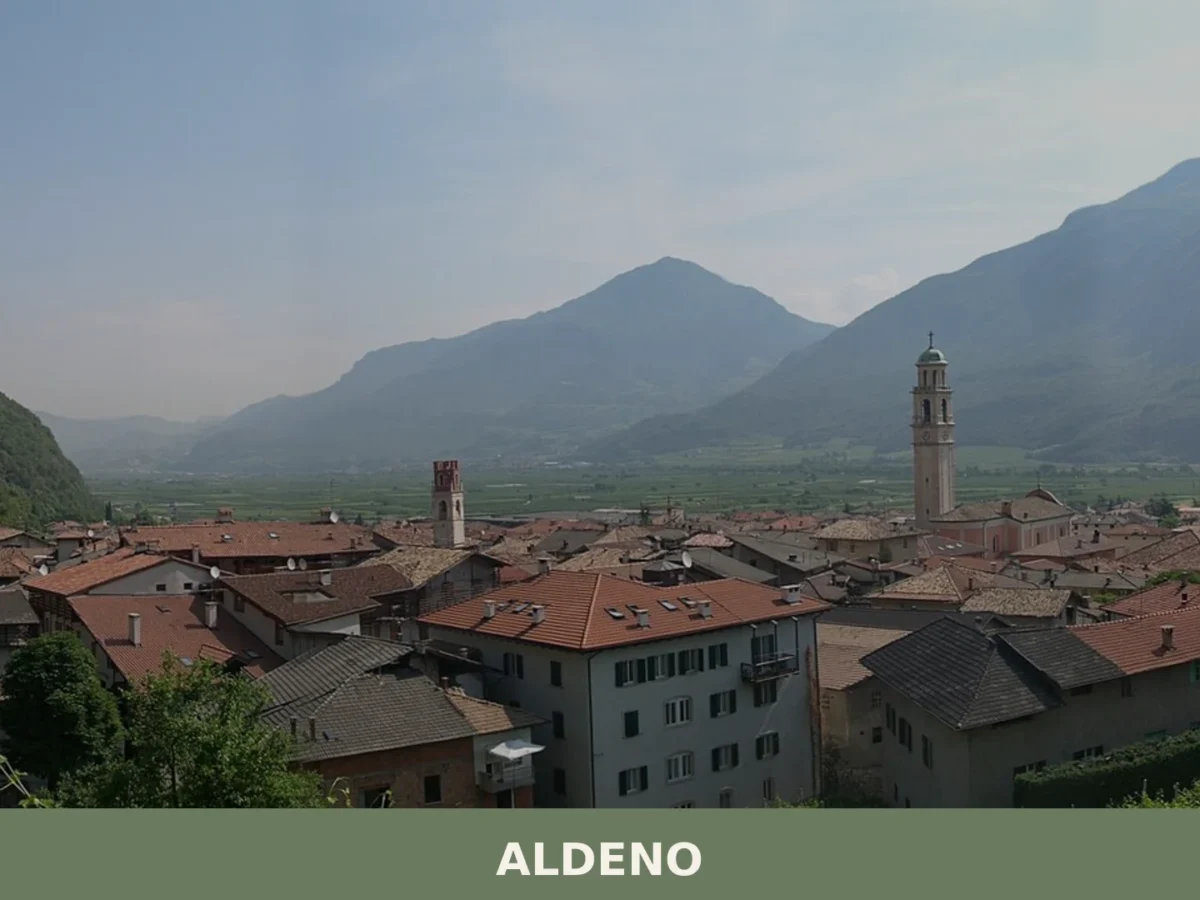
A 3,374-inhabitant comune on the Adige's bank, Aldeno blends prehistoric trade crossings with baroque churches and the memory of the Austro-Hungarian Great War command.
Campo Tures
Mountain
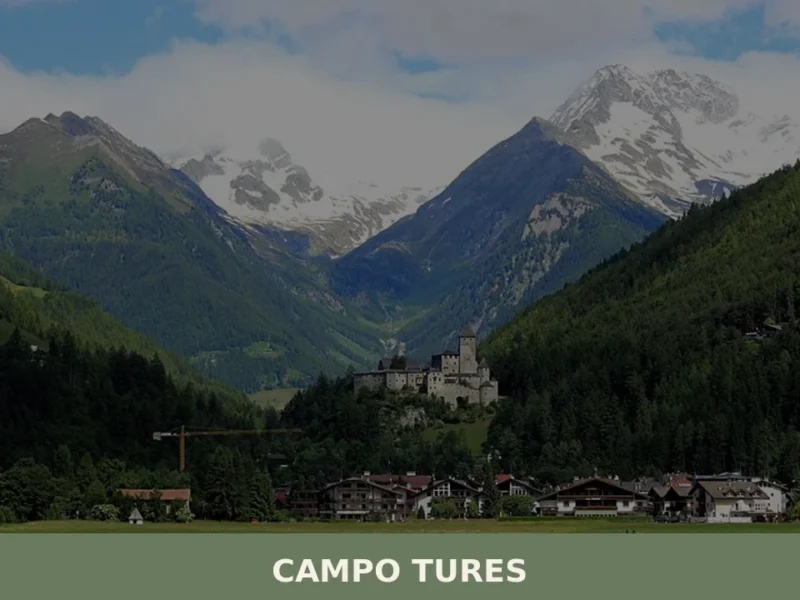
Tures Castle, first documented in 1136, dominates Campo Tures from a rocky spur at the entrance to the Tures Valley, a side valley of the Aurina Valley. The village has 5,321 inhabitants, spread across an elevation of 864 metres, in a basin where the Aurino torrent slows before continuing south. Understanding what to see in […]
Braies
Mountain
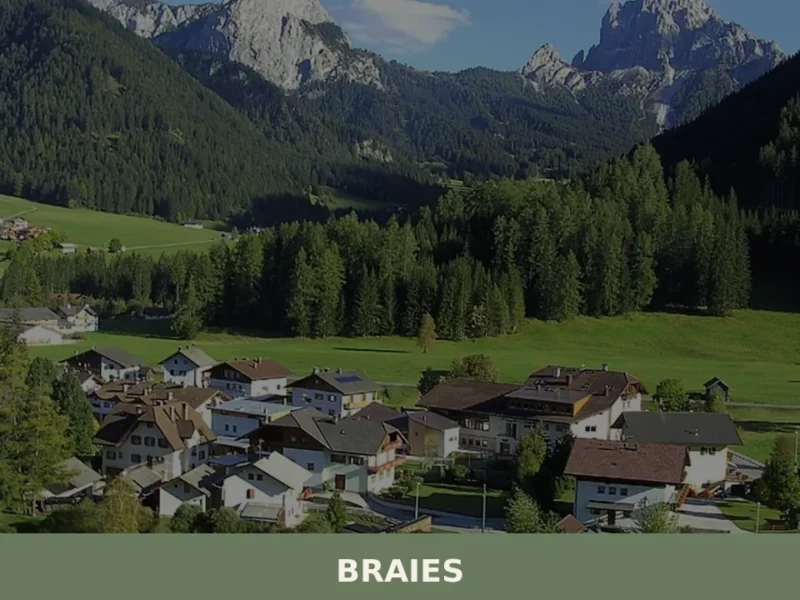
Lake Braies, sitting at 1496 metres above sea level, is the deepest natural lake in South Tyrol: 36 metres at its maximum point, fed by underground springs that filter through the Dolomite rock. This geological fact alone explains why hundreds of thousands of people reach this side valley off the Puster Valley every year. But […]
Badia
Mountain
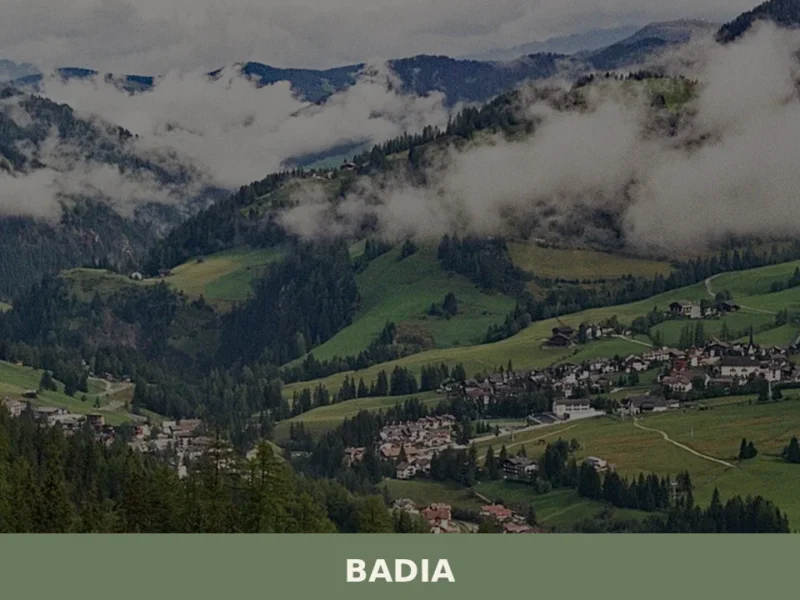
Badia has 3,396 inhabitants spread across six hamlets — San Leonardo, Pedraces, La Villa, San Cassiano, La Val and Antermoia — and occupies a stretch of the Val Badia where Ladin is the mother tongue for over ninety per cent of the population. Understanding what to see in Badia means entering a Dolomite valley where […]

Trento
 Plains
What to see in Trento, a city of 119,359. Discover its Duomo, Castello del Buonconsiglio, and typical cuisine. Explore its rich Council history.

Renon
Mountain
At 1154 m above sea level, Renon offers earth pyramids, medieval castle ruins and a narrow-gauge railway surviving from 1907.
Caines
 Hills
Hills
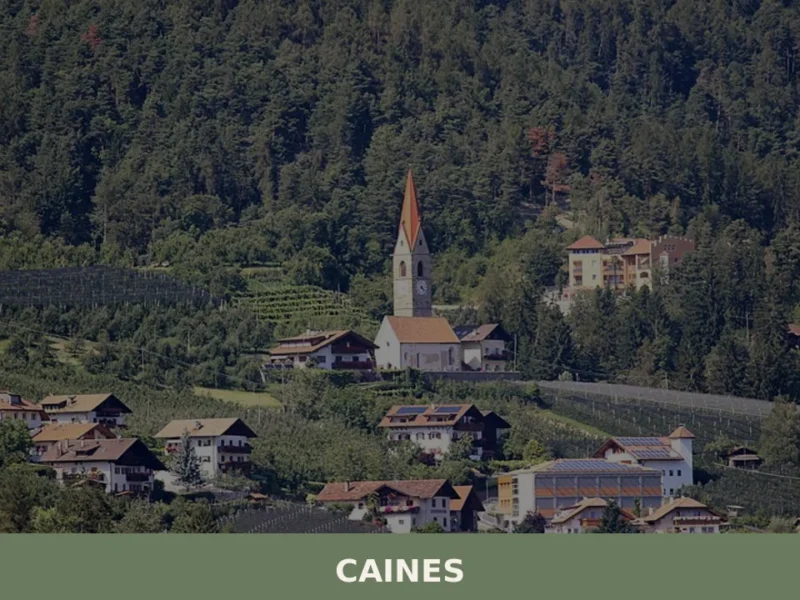
With just 398 registered inhabitants and an elevation of 592 metres above sea level, Caines — Kuens in German — is one of the smallest municipalities in the province of Bolzano. It extends across the sun-facing slope of the middle Passiria Valley, a few kilometres from Merano, on a natural terrace overlooking the confluence of […]
Caldaro sulla strada del vino
Hills
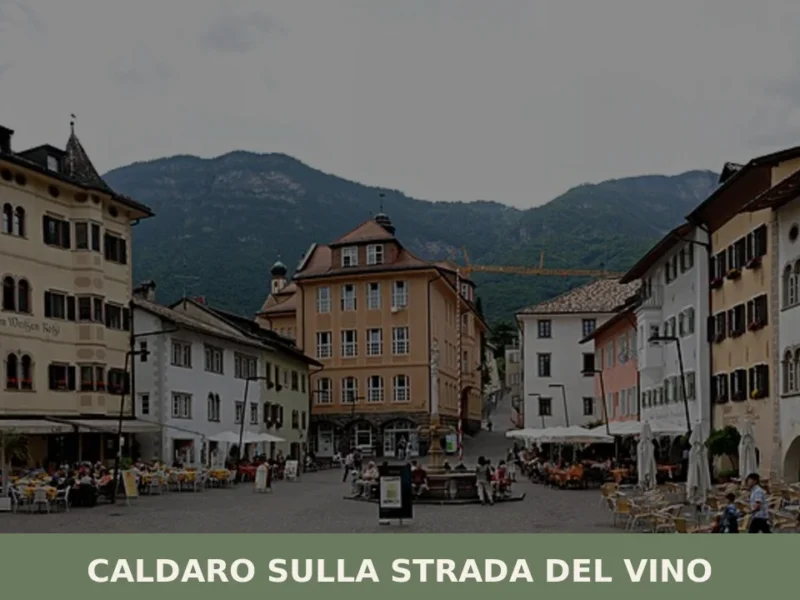
Caldaro sulla strada del vino — Kaltern an der Weinstraße in German — has 7,735 inhabitants and over 600 hectares of vineyards, the largest cultivated wine-growing area in South Tyrol. The place name itself declares the vocation of this centre in the province of Bolzano, which grew along the trade route linking the Bassa Atesina […]
Aldino
Mountain
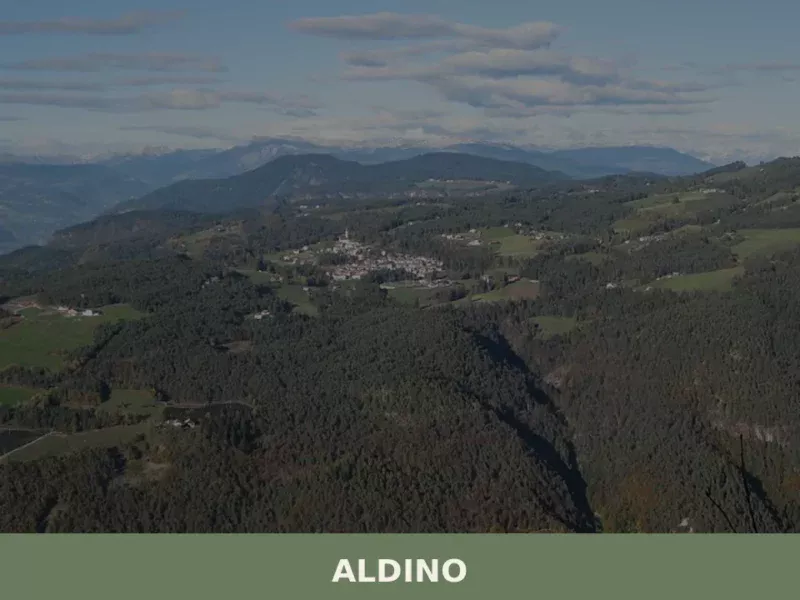
Population 1,607. Aldino sits at 1,225 metres in Bolzano province, where Alpine architecture and seasonal rhythms shape daily life.

Castelrotto
Mountain
7,000 residents, three languages and one of the Alps' highest-altitude market towns. Castelrotto offers medieval architecture, Ladin heritage and alpine pastures.



🏡 Know Ala better than we do?
If you’re a local or have been there, your knowledge matters: add what’s missing or fix a detail on this page.