


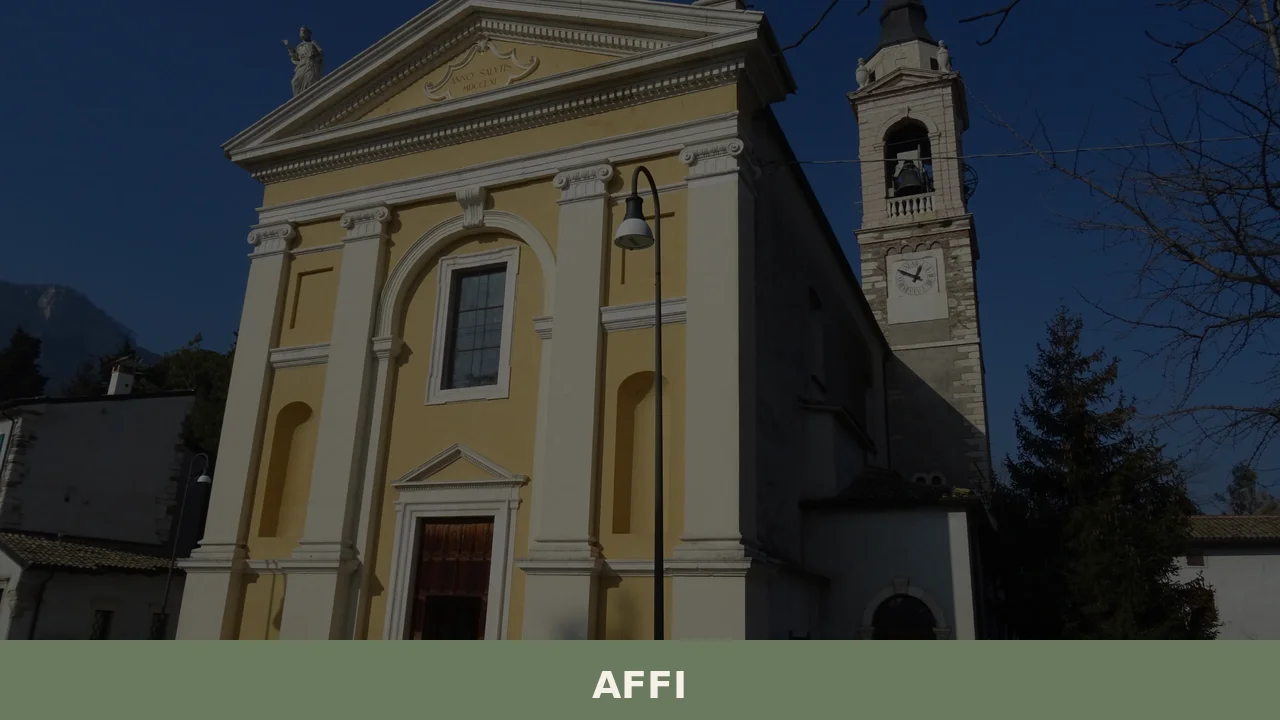
Affi
 Hills
Hills
Discover what to see in Affi, a Veronese commune in the Garda Morainic Hills. Wine country, lake access, history and practical travel tips.
Discover Affi
Affi is a commune of around 2,500 inhabitants in the province of Verona, positioned in the southern reaches of the Garda Morainic Hills — a band of low ridges left behind by glacial retreat at the end of the last ice age. Its location places it within a few kilometres of the eastern shore of Lake Garda, at a point where the Veneto region meets the infrastructure corridor linking Verona to Trento. Understanding what to see in Affi means engaging with a place whose identity is bound up in its landscape, its wine-producing territory, and its role as a quiet administrative and agricultural centre within one of northern Italy’s most visited lake districts.
History of Affi
The toponym “Affi” — rendered as Afi in the Venetian dialect — is of pre-Roman origin, likely derived from a Latinised form of a Celtic or Rhaetic root, a linguistic trace consistent with the broader settlement patterns of the Garda area before Roman colonisation. The territory falls within the zone of the Veneti, the Italic people who occupied much of what is now the Veneto region before assimilation into the Roman Republic. Evidence of Roman agricultural organisation in the surrounding Garda Morainic Hills suggests that land around Affi was worked and subdivided according to the Roman centuriation system, the geometric grid of field allocation that still partially influences rural land boundaries in the Po plain and its northern fringes.
During the medieval period, control of the villages in the Veronese hinterland shifted repeatedly between local signorie and larger powers. The Scaligeri — the ruling dynasty of Verona from 1262 to 1387 — held dominion over much of the province, including the territories surrounding Lake Garda. After the fall of the Scaligeri, Verona and its dependent territories passed to the Visconti of Milan and then, in 1405, to the Republic of Venice, which would govern the region for nearly four centuries. Under Venetian administration, the agricultural economy of villages like Affi was integrated into the broader system of terraferma governance, with landholding structured around noble Venetian families who acquired rural estates across the Veneto.
The administrative structure of the area was reorganised under Napoleonic rule after 1797, when the Republic of Venice was dissolved and its territories redistributed. Affi became part of the département system before passing to the Austrian Empire following the Congress of Vienna in 1815. It remained under Habsburg administration until the Third Italian War of Independence in 1866, when Veneto was annexed to the Kingdom of Italy following a plebiscite. This sequence — Venetian republic, Napoleonic reorganisation, Habsburg rule, Italian unification — is the standard historical arc of virtually every commune in the Veronese, and Affi is no exception. What distinguishes Affi in the modern period is its position within the Bardolino DOC wine zone, a designation that has shaped land use and rural identity in the area for decades.
What to see in Affi: 5 must-visit attractions
The Garda Morainic Hills Landscape
The amphitheatre of low morainic ridges encircling the southern end of Lake Garda constitutes the defining physical feature around Affi. Formed by glacial deposits during the Quaternary period, these hills reach altitudes of roughly 200–300 metres and are classified today within a protected landscape area, the Parco delle Colline Moreniche del Garda. Vine-covered slopes and small patches of mixed woodland alternate across the ridgeline.
Parish Church of Affi
The parish church is the principal historic building at the centre of the village. Like most rural Veronese churches, it underwent reconstruction or significant modification during the early modern period, when the post-Tridentine Catholic Church invested in the renovation of provincial places of worship. The building preserves the role it has held for centuries as the focal point of community life in the commune.
The Bardolino DOC Wine Territory
Affi sits within the Bardolino Denominazione di Origine Controllata zone, a wine-producing designation that covers a strip of hills and shoreline on the eastern side of Lake Garda. The territory produces red Bardolino and the distinctive Chiaretto rosé, both made primarily from Corvina Veronese grapes. Several local producers and agriturismo establishments offer direct wine tasting on site.
Proximity to Lake Garda’s Eastern Shore
The eastern shore of Lake Garda — including the town of Bardolino, approximately 6 kilometres from Affi — is accessible within minutes. The lake itself is Italy’s largest by surface area, extending over 370 square kilometres. The shoreline road between Bardolino and Lazise offers a continuous sequence of harbour-front villages that can be reached conveniently from Affi as a base.
The Garda Outlet Village
Immediately adjacent to the Affi motorway interchange, the Garda Outlet Village is a large commercial retail complex drawing visitors from across the Garda area. While architecturally unremarkable, it represents a significant node of economic activity in the commune and explains much of the contemporary traffic pattern through the area. Its presence near the A22 motorway exit has made Affi a recognisable name on road signage across the region.
Local food and typical products
The food culture of Affi is embedded in the broader Veronese gastronomic tradition, in which freshwater fish, cured meats, polenta, and wine play central roles. Lago di Garda olive oil, produced from groves on the hillsides and shoreline terraces around the lake, carries a Protected Designation of Origin status (DOP) and is notable for its mild, almost buttery profile — a consequence of the microclimate moderated by the lake’s thermal mass. Bardolino wine, produced in the hills surrounding Affi, is the natural table companion: the red is light-bodied and dry, often served slightly cool, while the Chiaretto rosé has gained considerable recognition in recent years for its pale colour and crisp acidity.
For dining, the area around Affi and the nearby Garda lakeshore offers a range of options, from agriturismi serving fixed menus based on seasonal produce to traditional Veronese trattorias. The provincial tourism board for Verona maintains a directory of local producers and restaurants across the Garda area, which can be a practical starting point for visitors interested in finding producers selling directly from the estate. Dishes to look out for include bigoli con le sarde (thick pasta with sardines), tortellini di Valeggio from the nearby Mincio area, and local freshwater fish preparations using perch and whitefish from the lake.
Best time to visit Affi
The Garda area has a lake-influenced climate that moderates temperatures year-round. Summers are warm and dry, with July and August bringing the heaviest tourist pressure along the lakeshore. Visiting in late spring — particularly May and early June — offers mild temperatures, lower crowds, and the visual reward of the vine-covered morainic hills in full green growth before the summer heat sets in. September and October are arguably the most rewarding months for anyone interested in the wine landscape: the grape harvest typically runs through September, and the light at that time of year is lower and more defined across the hillside rows. The wider Garda tourism network publishes seasonal event calendars that include wine harvest festivals and local sagre throughout autumn.
Winter is quiet in Affi and the surrounding villages. Most seasonal businesses and agriturismi on the eastern shore close between November and February. For travellers who want to see the working reality of a Veronese agricultural commune without the summer overlay of tourism, however, a visit in late autumn or early winter — when the vines are stripped back and the morainic landscape reveals its actual contours — offers a different and more stripped-down perspective of the territory.
How to get to Affi
Affi is straightforwardly accessible by road and sits at one of the more convenient interchange points in the region. The A22 Brennero motorway — the main north-south corridor linking Verona with Trento, Bolzano, and the Brenner Pass into Austria — has a dedicated exit at Affi/Lago di Garda Sud. This makes the village one of the first recognisable reference points for travellers arriving by road from northern Europe heading toward Lake Garda.
- By car from Verona: approximately 25 kilometres north on the A22, around 20–25 minutes depending on traffic.
- By car from Brescia: via the A4 and A22 interchange at Peschiera del Garda, approximately 50 kilometres, around 40 minutes.
- By car from Milan: via the A4 motorway eastbound to Peschiera, then A22 north, approximately 140 kilometres, around 90 minutes.
- Nearest airport: Verona Villafranca Airport (Aeroporto Catullo) is approximately 30 kilometres south, around 25–30 minutes by car.
- By train: The nearest main railway station is Verona Porta Nuova, served by high-speed and regional trains. From Verona, connecting by bus or taxi to Affi takes approximately 30–40 minutes. There is no direct train station in Affi itself.
- Motorway exit: A22, exit Affi/Lago di Garda Sud.
Where to stay in Affi
Affi offers a modest but practical range of accommodation, including a limited number of hotel properties concentrated near the motorway interchange — a reflection of the commune’s role as a transit and commercial stop on the A22 corridor. For visitors intending to use Affi as a base for exploring the eastern Garda lakeshore and the surrounding wine country, the village’s location gives reasonable access to Bardolino, Lazise, and Garda town within a short drive. Agriturismo properties in the morainic hills around the commune offer a more rural alternative, typically including locally produced wine and olive oil as part of their hospitality offering.
Travellers who prioritise proximity to the lakefront may find that booking accommodation in Bardolino or Lazise — both within 10 kilometres — gives more immediate access to waterfront activity, while Affi itself remains a quieter and often more affordable alternative. As a practical tip, accommodation in this zone books up significantly in advance for July and August; late spring and September visits offer more availability and, in many cases, more competitive rates across the Garda eastern shore as a whole.
More villages to discover in Veneto
The Veneto region extends far beyond the Garda shoreline, encompassing a range of landscapes and urban centres that repay exploration. The city of Vicenza, one of the great Palladian cities of northern Italy, lies roughly 60 kilometres east of Affi — a straightforward day trip along the A4 motorway that delivers a concentrated encounter with Renaissance civic architecture on a human scale. Further south, the province of Rovigo occupies the flat agricultural lowland of the Po Delta, a landscape radically different from the glacially sculpted hills around Garda, defined instead by water management, river ecology, and the quiet geometry of reclaimed land.
Within the broader Veronese and Venetian hinterland, smaller communes offer their own specific character. Concamarise is a small rural commune in the province of Verona whose agricultural setting reflects the flatter, more intensively farmed terrain of the southern Veronese plain — a counterpoint to the wine-producing morainic hills around Affi. At the opposite extreme in terms of scale and altitude, Cortina d’Ampezzo in the Dolomites represents the alpine dimension of the Veneto, a mountain environment defined by rock faces, winter sport infrastructure, and a very different relationship with seasonal tourism from anything found in the Garda lowlands.
Frequently asked questions about Affi
What is the best time to visit Affi?
The ideal time to visit Affi is late spring (May-early June) for mild temperatures, blooming landscapes, and fewer crowds before the summer rush. Alternatively, September and October are perfect for wine enthusiasts, coinciding with the grape harvest and various local festivals (`sagre`), offering beautiful light for the vine-covered hills. The village also celebrates its patron saint, San Pietro Apostolo, on June 29th, which can be a lively local experience. While summer (July-August) is warm and sunny, expect more visitors on the nearby Lake Garda shores.
What to see in Affi? Main monuments and landmarks
Affi offers a blend of natural beauty and local culture. You can explore the scenic Garda Morainic Hills, a protected landscape ideal for gentle walks through vineyards and mixed woodlands. The Parish Church of Affi, dedicated to San Pietro Apostolo, serves as the village's principal historic building and community focal point. Don't miss the opportunity to experience the Bardolino DOC Wine Territory, with several local producers and agriturismo establishments offering direct wine tastings. For shopping, the Garda Outlet Village is conveniently located near the motorway exit, while Lake Garda's eastern shore, including Bardolino and Lazise, is just minutes away.
Are there museums, churches or historic buildings to visit in Affi?
Yes, the Parish Church of Affi is the main historic building within the village center. Like many rural Veronese churches, it has been a focal point of community life for centuries and underwent significant modifications during the early modern period. While specific opening hours are not provided, Italian parish churches are generally open for visitors during daylight hours outside of service times, offering a quiet space for reflection and a glimpse into local religious heritage. There are no museums or other major historic buildings with public visitor access specifically mentioned for Affi.
What can you do in Affi? Activities and experiences
In Affi, you can immerse yourself in the local wine culture by visiting Bardolino DOC wineries and agriturismi for direct tastings and tours. Explore the gentle slopes of the Garda Morainic Hills, which are perfect for scenic walks or cycling amidst the vineyards. Take advantage of Affi's strategic proximity to Lake Garda to visit charming lakeside towns like Bardolino and Lazise, just minutes away. For shopping, the Garda Outlet Village offers a wide range of retail options. During autumn, you might also experience local wine harvest festivals and traditional `sagre` (food festivals) in the surrounding area.
Who is Affi suitable for? Families, couples, hikers, solo travelers?
Affi is ideal for visitors seeking a quieter base to explore the popular Lake Garda region, particularly those interested in wine tourism and scenic landscapes. It appeals to couples looking for a romantic getaway amidst vineyards, and families who appreciate a peaceful setting with easy access to lakeside attractions and the Garda Outlet Village. Hikers can enjoy gentle walks through the Morainic Hills. Its agricultural character also makes it suitable for solo travelers desiring an authentic Veronese experience away from peak tourist crowds, especially outside of the busiest summer months.
What to eat in Affi? Local products and specialties
In Affi, you can savor the rich Veronese culinary tradition. Key local products include Lago di Garda olive oil (DOP), known for its mild, buttery profile, and Bardolino wine (red and Chiaretto rosé), which pairs perfectly with local dishes. Look for specialties featuring freshwater fish like perch and whitefish from Lake Garda, along with traditional `bigoli con le sarde` (thick pasta with sardines). You might also find `tortellini di Valeggio` from the nearby Mincio area. Many local agriturismi and trattorias offer menus highlighting seasonal produce and these regional delicacies.
Nearby Villages near Affi
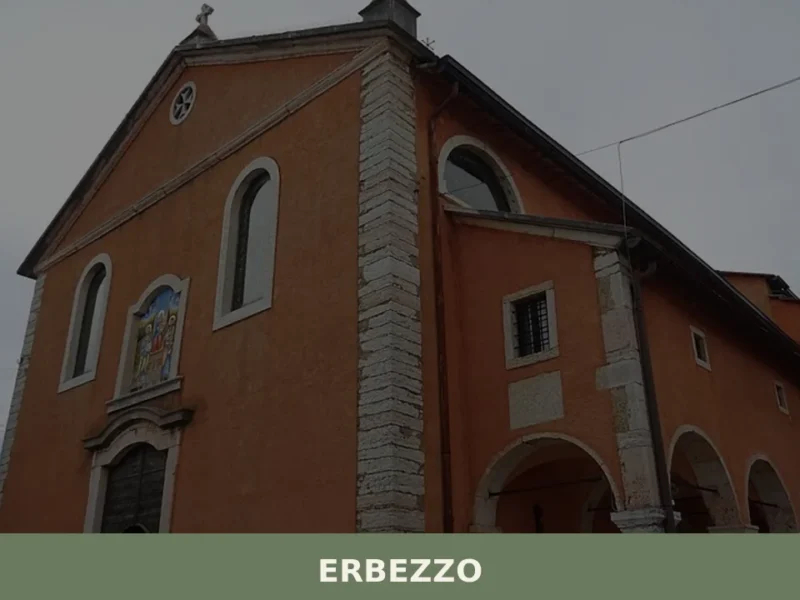
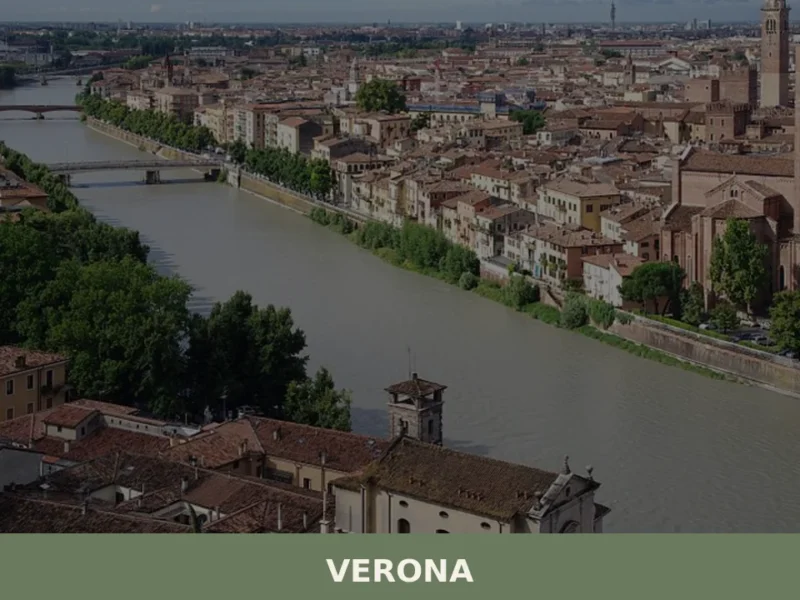
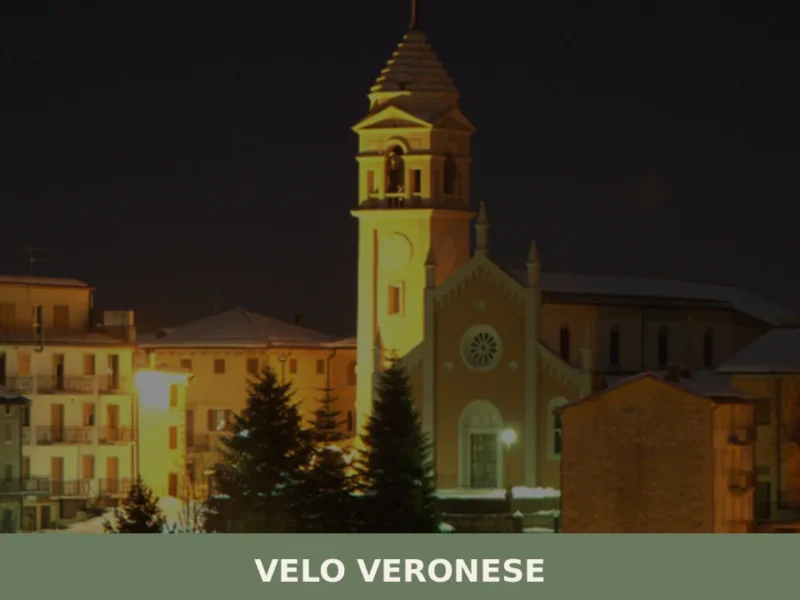
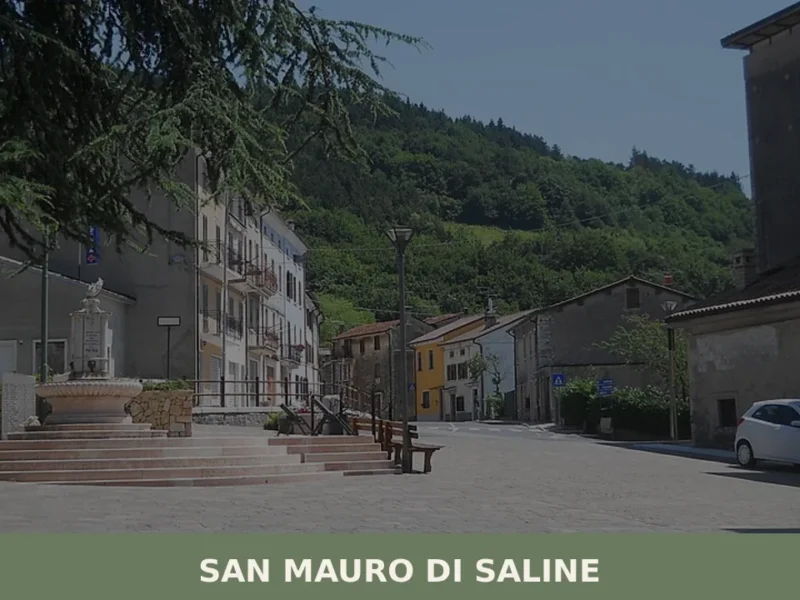
In Veneto More villages to discover
Vicenza
 Plains
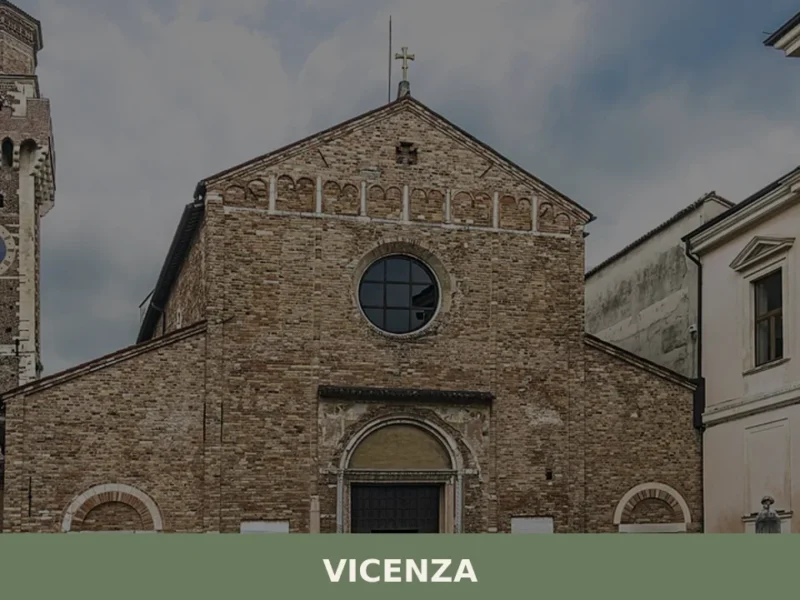
Village of Vicenza: Explore 1 architectural masterpiece, the Olympic Theatre, and taste traditional baccalà. Plan your Italy trip now!

Sommacampagna
Plains
Sommacampagna offers 3 DOC wine appellations and two landmark Risorgimento battle sites on the Custoza morainic hills, just 12 km from Verona.
Concamarise
Plains
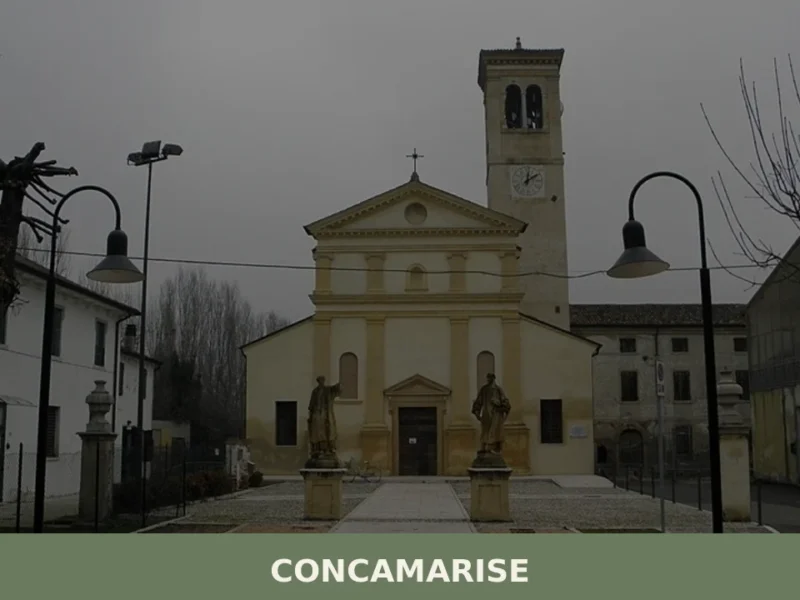
Concamarise, a municipality in Verona province with 1,053 inhabitants, rises only 21 meters above sea level, located in the Bassa Veronese, an area known for its long-standing agricultural tradition and complex hydrographic network. Its very name suggests a connection with water: “Conca” refers to a territorial depression, while “Marise” is likely linked to the marshy […]

Monfumo
Hills
Home to 1,292 people and a centuries-old rivalry between noble families, Monfumo rewards visitors with hill landscapes, local produce and an unhurried pace.
Agordo
 Mountain
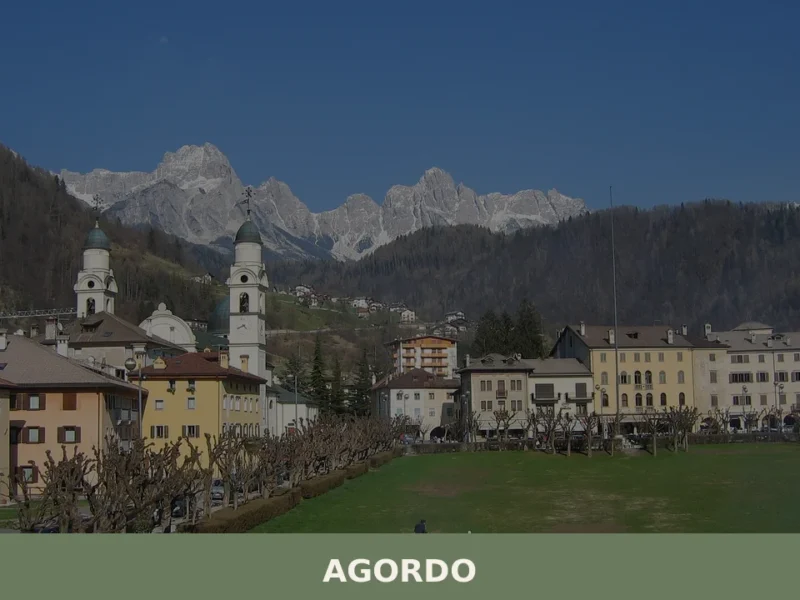
Discover what to see in Agordo, Veneto: the Valle Imperina mine, the 1867 Mining School, Ladin culture, and the Cordevole valley in the Belluno Dolomites.
Treviso
Plains
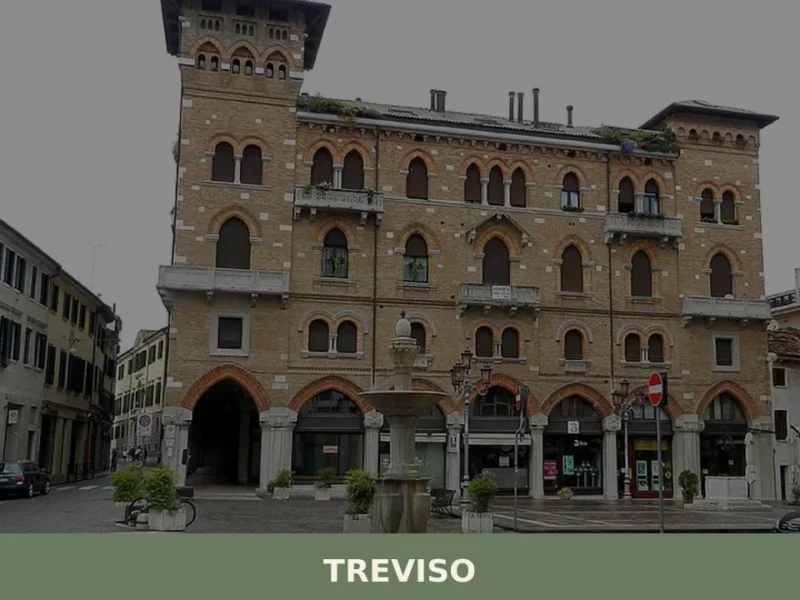
A medieval city of 85,000 enclosed by water-fed walls, Treviso shaped Venetian trade and still guards its own identity through art, architecture and civic pride.
Bevilacqua
Mountain
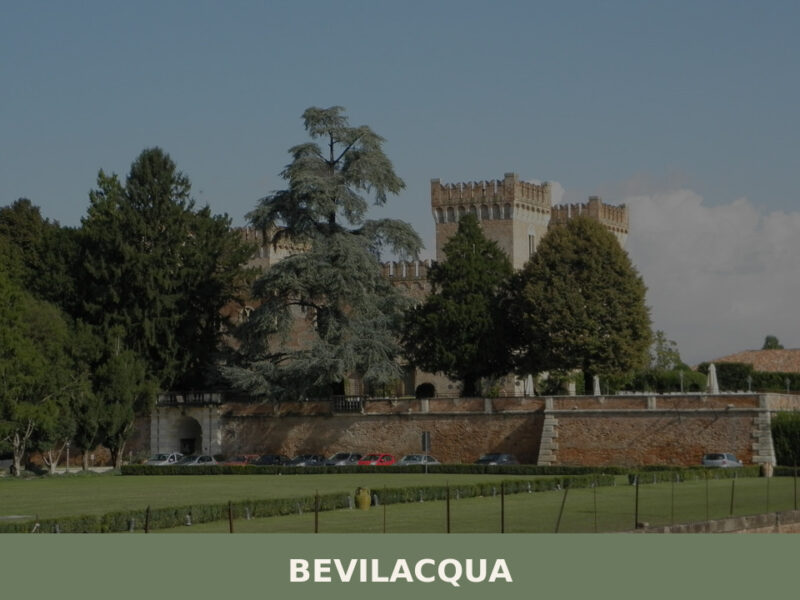
A castle rising over the Fratta River, fewer than 1,800 inhabitants, and the quiet agricultural heart of the Veronese plain. Here's what to see in Bevilacqua.
Venezia
 Sea
Sea
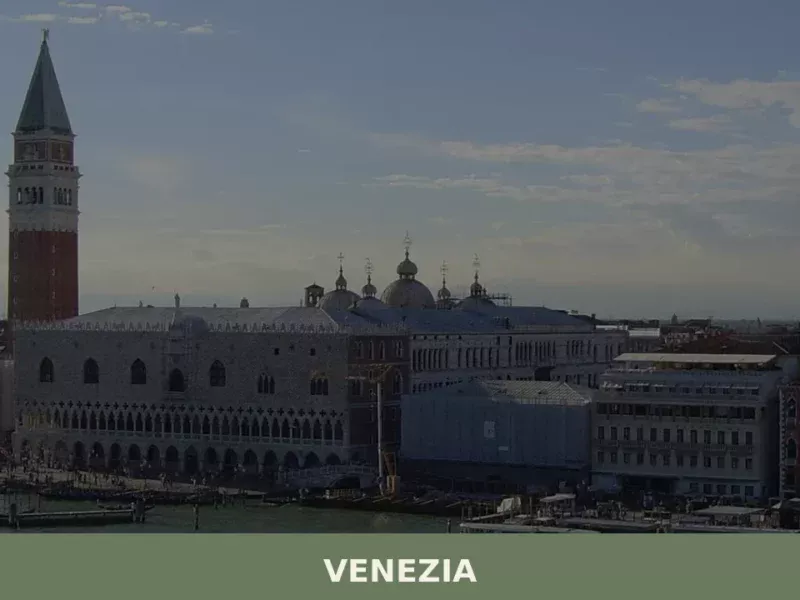
With its 259,263 inhabitants, Venice stands out as one of the most significant centers in Veneto, presenting an altitude of 256 meters above sea level. This city, included in the Hill Villages category according to the classification provided, offers an invaluable historical, artistic, and cultural heritage. In this article History and Origins of Venice What […]
Rovigo
Plains
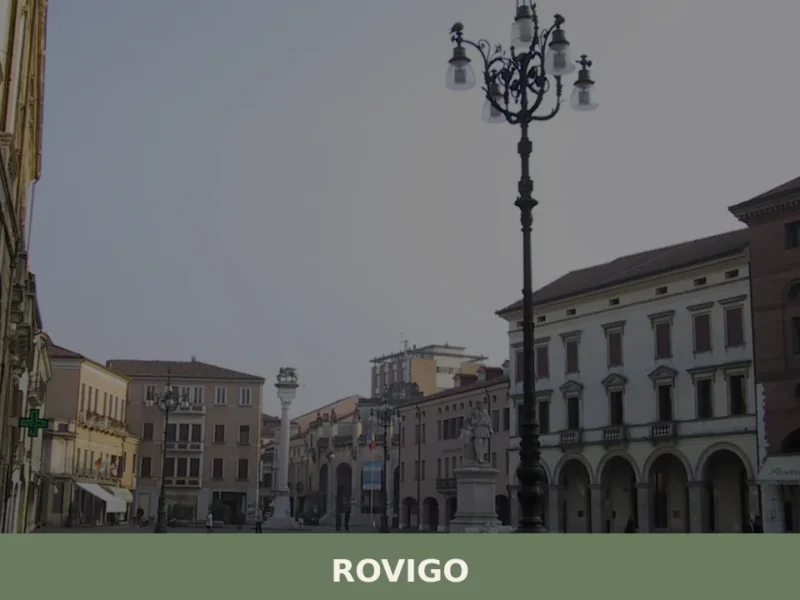
what to see in rovigo? Discover 5 top attractions in this city of 50,000 residents, from Rovigo Castle to La Rotonda. Explore the Polesine region.
Roveredo di Guà
Plains
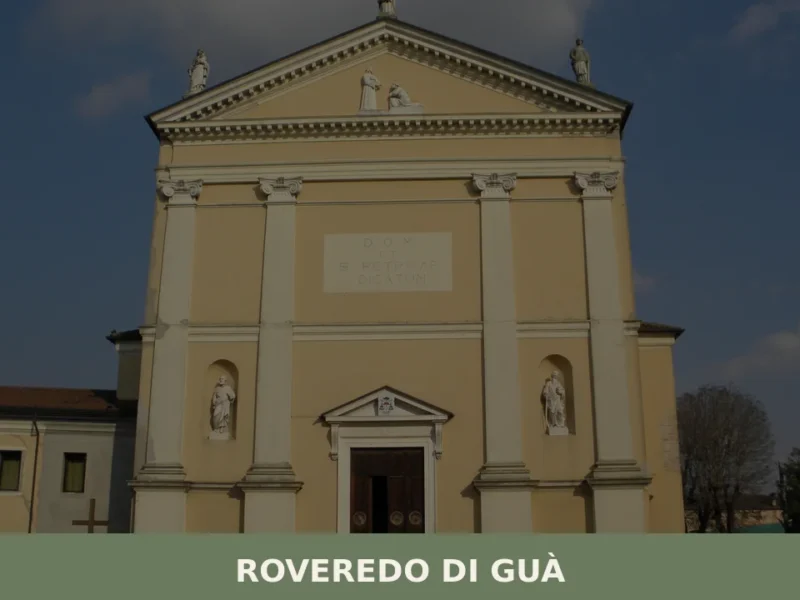
Roveredo di Guà has 1,542 inhabitants and covers an area of just 8 square kilometres on the lower Veronese plain, 16 metres above sea level, along the course of the Guà canal — a branch of the Adige river system that has determined the shape and economy of this territory. Understanding what to see in […]

🏡 Know Affi better than we do?
If you’re a local or have been there, your knowledge matters: add what’s missing or fix a detail on this page.