


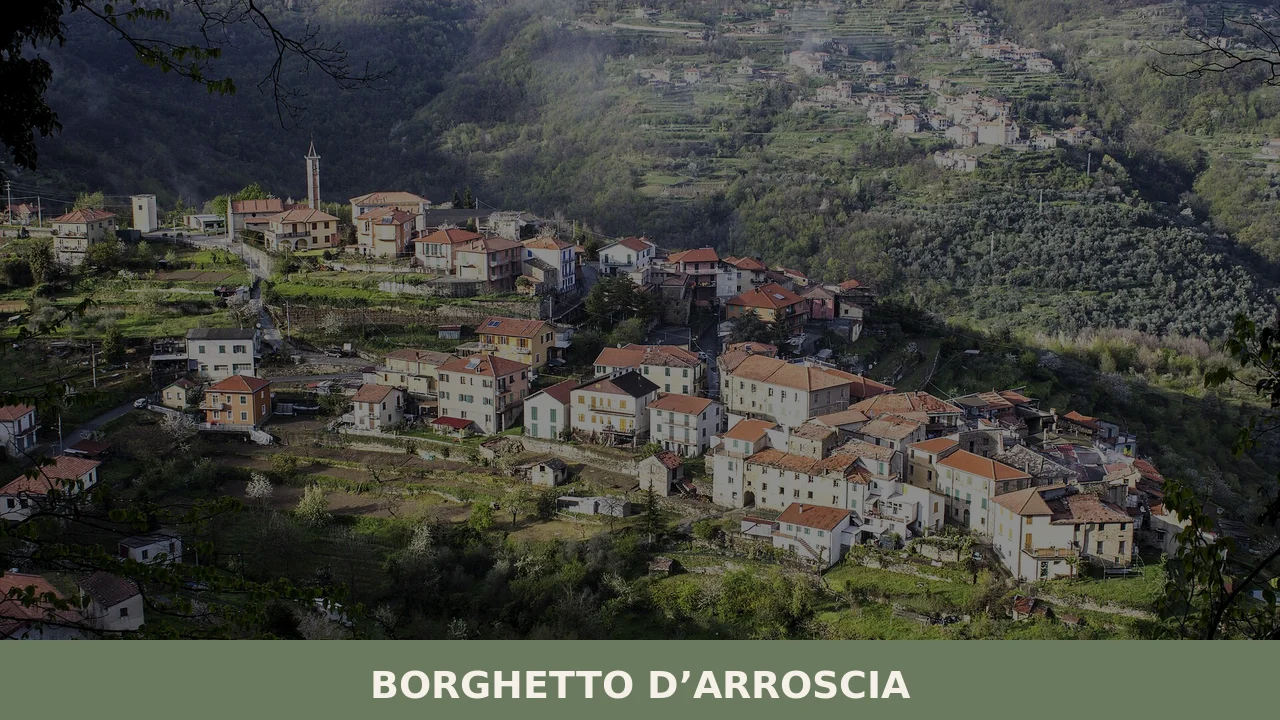
Borghetto d’Arroscia
 Plains
Along the banks of the Arroscia river, amidst centuries-old olive groves and cultivated terraces, lies the territory of Borghetto d’Arroscia, a scattered municipality in the province of Imperia. Its hamlets, such as Gavenola and Bastia, preserve the appearance of small Ligurian settlements, characterized by stone buildings and narrow streets that follow the contours of the […]
Discover Borghetto d’Arroscia
Along the banks of the Arroscia river, amidst centuries-old olive groves and cultivated terraces, lies the territory of Borghetto d’Arroscia, a scattered municipality in the province of Imperia. Its hamlets, such as Gavenola and Bastia, preserve the appearance of small Ligurian settlements, characterized by stone buildings and narrow streets that follow the contours of the land.
The landscape is shaped by olive cultivation, a central element of the local economy and culture, which draws a green mosaic on the surrounding hills.
For those looking for what to see in Borghetto d’Arroscia, this village of 400 inhabitants, located at 155 m a.s.l., offers various historical and scenic attractions.
Among the most significant elements are the Parish Church of San Marco Evangelista and the remains of Bastia Castle, witnesses to a past rooted in the Middle Ages. Visitors to Borghetto d’Arroscia find an authentic context where civil and religious architecture integrates with the nature of the valley, offering an itinerary that combines historical discovery with an appreciation of the agricultural landscape.
History and origins of Borghetto d’Arroscia
The name Borghetto d’Arroscia evokes its historical function: “Borghetto” indicates a small fortified center, while “Arroscia” derives from the river of the same name that flows through the valley, confirming the close relationship between the settlement and the hydrological element. The origins of the village date back to the medieval period, when the territory of the lower Arroscia valley was subject to disputes between various feudal powers.
Initially, the area fell within the Marquisate of Clavesana, a lordship that controlled much of the Ligurian and Piedmontese hinterland between the 10th and 13th centuries, leaving traces of its influence in the structure of the settlements and fortifications.
During the 13th century, with the expansion of the Republic of Genoa, Borghetto d’Arroscia and its surroundings progressively came under Genoese influence.
The village became part of the Jurisdiction of Pieve di Teco, integrated into the larger Captaincy of Porto Maurizio, while maintaining a certain autonomy linked to its rural communities. This period was marked by an alternation of dominations and local conflicts, but also by a progressive stabilization that favored agricultural development, particularly the cultivation of olives and vines, elements that still define the landscape today.
The administrative structure of the territory underwent significant changes during the Napoleonic era, when Borghetto d’Arroscia was included in the Department of Montenotte and subsequently in the Department of the Apennines.
After the Restoration and the Congress of Vienna in 1815, the village became part of the Kingdom of Sardinia and, from 1861, of the Kingdom of Italy.
The current municipal configuration is relatively recent, dating back to 1923, when the territories of Borghetto d’Arroscia were united with the hamlets of Bastia, Gavenola, Montegrosso, and Ubaghi, creating a single municipality that reflects the plural and diffused identity of the territory, similar to that of Chiusavecchia, which is also characterized by an organization of smaller inhabited centers.
What to see in Borghetto d’Arroscia: main attractions
Parish Church of San Marco Evangelista
The Parish Church of San Marco Evangelista, located in the main core of Borghetto d’Arroscia, features a sober but well-proportioned facade, typical of the religious architecture of the Ligurian hinterland. Although the building has older roots, it underwent renovations and expansions over the centuries, largely acquiring its current appearance between the 17th and 18th centuries.
Inside, the church houses marble altars and pictorial works that reflect the Baroque taste, a period of great artistic flourishing in the region.
The bell tower, with its slender silhouette, rises above the surrounding houses, serving as a landmark for the village.
Worshippers and visitors can observe the interior decorations, which include frescoes and votive canvases, expressing the local devotion to the patron saint San Marco Evangelista, whose feast day is celebrated every April 25th. The structure is a concrete example of how faith has shaped the architecture and identity of a community for hundreds of years, maintaining its function as a spiritual center.
Bastia Castle
In the territory of the hamlet of Bastia, a few kilometers from the center of Borghetto d’Arroscia, lie the remains of Bastia Castle, a fortification that bears witness to the strategic importance of the site in medieval times. The ruins, which include portions of perimeter walls and a partially preserved tower, are built with local stones and stand on an elevated position.
This vantage point ensured control over the Arroscia valley and its internal communication routes.
The original construction of the castle probably dates back to the 12th or 13th century, a period when local lordships erected defenses to protect their possessions and trade routes.
Although today only fragments of the original structure remain, a visit to the site offers the opportunity to understand the imprint left by military history on the landscape. From the perimeter of the ancient walls, visitors can enjoy a wide view of the surrounding valley, which extends to the olive-cultivated hills, a panorama that reveals the beauty of the Ligurian territory.
Oratory of Saint John the Baptist
Next to the parish church, as often happens in Ligurian centers, is the Oratory of Saint John the Baptist, a smaller religious building traditionally linked to local confraternities. Its construction, or at least its current appearance, dates back to the 17th-18th centuries, an era when oratories became places of worship and social gathering for various categories of the faithful.
The architecture is simple, with a linear facade and interiors that may feature stucco decorations and paintings.
These oratories were the focal point of charitable activities and popular devotion, hosting specific rites and processions.
The interior of the Oratory of Saint John the Baptist may reveal elements such as wooden processional crucifixes or statues of saints, expressions of local craftsmanship. The structure offers an insight into the religious and social life of the village in past centuries, an aspect that has been preserved over time in Borghetto d’Arroscia, and visitors can appreciate an example of minor but significant devotional architecture, distinguished by its authenticity.
Medieval Bridge over the Arroscia
The Medieval Bridge over the Arroscia, a robust and functional artifact, represents one of the most important historical infrastructures in the territory of Borghetto d’Arroscia. Built with local stone, the bridge crosses the Arroscia river with solid arches, likely dating between the 13th and 15th centuries. Its construction was fundamental for connecting the different banks of the valley, facilitating the transit of people, goods, and animals along the ancient communication routes that crossed the Ligurian hinterland.
Its structure, which has withstood river floods and the wear of time for many centuries, testifies to the engineering capabilities of the era.
Walking across the bridge, visitors can imagine the comings and goings of pilgrims, merchants, and farmers who crossed it over the centuries.
This bridge is not just an architectural element, but a true piece of history that continues to unite the communities of the valley, offering a concrete perspective on the evolution of infrastructure and past daily life in a rural context like that of Ceriana.
The Village of Gavenola
The hamlet of Gavenola, one of the most significant in the municipality of Borghetto d’Arroscia, offers a well-preserved example of a Ligurian rural settlement, with its urban layout dating back to the medieval period. The houses, built of local stone, lean against each other, creating a network of narrow passages and small squares that follow
Walking through Gavenola means immersing oneself in an environment where time seems to follow different rhythms, far from urban frenzy.
The internal streets, paved with cobblestones, lead to unexpected views and small votive shrines, testaments to deep popular religiosity. The structure of the village, with its natural defenses and compact organization, is an attraction in itself, allowing visitors to closely observe the life of a rural Ligurian community that has maintained many of its original characteristics intact, offering a clear vision of what to see in Borghetto d’Arroscia beyond individual monuments.
Typical Cuisine and Products of Borghetto d’Arroscia
The cuisine of Borghetto d’Arroscia, like that of much of the Ligurian hinterland, is deeply connected to the land and its products, reflecting a simple gastronomic tradition rich in authentic flavors. The influence of the sea, even if at a certain distance, combines with that of the mountains and the nearby Po Valley, creating a balance between vegetable ingredients, meats, and the ever-present olive oil. The local diet is historically based on what the land offers, with an emphasis on aromatic herbs, seasonal vegetables, and olive cultivation products.
Among the dishes that can be found in the area, the Borage Ravioli stand out, a traditional first course filled with wild greens, often seasoned with butter and sage or with a light walnut sauce.
A robust main course is the Ligurian-style Rabbit, cooked with Taggiasca olives, pine nuts, rosemary, and white wine, which enhances the Mediterranean flavors.
There are also baked specialties, such as the Ligurian Focaccia, plain or enriched with onions or olives, and the Farinata, a savory cake made from chickpea flour, baked in a wood-fired oven, crispy on the outside and soft on the inside. The Vegetable Tarts, prepared with wild or cultivated herbs, represent another cornerstone of local gastronomy, often eaten as a main dish or a side.
Although there are no products with specific certifications for the municipality of Borghetto d’Arroscia, the region is renowned for its extra virgin olive oil produced from Taggiasca olives, an indigenous variety that gives the oil a delicate and fruity flavor. The Arroscia valley territory is also a production area for DOC wines such as Pigato, Vermentino, and Ormeasco di Pornassio, which perfectly complement local dishes.
These products, while not exclusive to Borghetto d’Arroscia, fully represent its agricultural and gastronomic culture, a heritage shared with nearby centers like Arnasco, also known for the excellence of its olives.
Festivals, Events, and Traditions of Borghetto d’Arroscia
The calendar of traditions in Borghetto d’Arroscia is mainly marked by the feast of its patron saint, Saint Mark the Evangelist, celebrated every year on April 25th.
This day holds particular significance for the community, combining religious aspects with moments of social gathering. The celebration usually includes a solemn procession through the streets of the village, with the participation of the faithful and local confraternities, carrying the statue of the saint on their shoulders.
In addition to religious functions, the patron saint’s feast is often accompanied by civil events, such as musical bands, stalls selling local products and crafts, and convivial occasions that strengthen the community’s sense of belonging. Although sources do not indicate specific food festivals for Borghetto d’Arroscia, it is common for typical dishes to be offered for tasting during events like the patron saint’s feast.
These celebrations are fundamental for keeping the village’s customs and historical memory alive, offering visitors an opportunity to observe local traditions.
When to visit Borghetto d’Arroscia and how to get there
The best time to visit Borghetto d’Arroscia extends from spring to autumn, when Liguria’s mild climate favors outdoor activities and exploration of the area. Spring, in particular, offers pleasant temperatures and a lush bloom of olive groves and Mediterranean scrub, making walks along the Arroscia river and among the hamlets particularly enjoyable. Autumn, with its warm colors and still sunny days, is ideal for those who prefer tranquility and observing agricultural landscapes, with the possibility of witnessing the olive harvest phases.
For those arriving by car, Borghetto d’Arroscia is reachable via the A10 Motorway (Genoa-Ventimiglia). The recommended exit is Imperia Ovest, from which you continue on State Road 28 in the direction of Valle Arroscia for about 20 kilometers.
An alternative can be the Albenga exit, then continuing towards Pieve di Teco. For those who prefer the train, the nearest railway station is Imperia Porto Maurizio, connected by regional and intercity services.
From Imperia, it is possible to reach the village by bus, whose timetables can be consulted on the official website of the Municipality of Borghetto d’Arroscia or on regional transport portals. The most convenient airport is Genoa Cristoforo Colombo, about 100 km away, or Nice Côte d’Azur airport, about 90 km away, both with road connections to the area. It is always recommended to check public transport timetables and road conditions before departure.
| Starting Point | Distance | Estimated Time |
|---|---|---|
| Imperia | 25 km | 35 minutes |
| Genoa | 100 km | 1 hour and 30 minutes |
| Nice (France) | 90 km | 1 hour and 20 minutes |
Where to stay in Borghetto d’Arroscia
In Borghetto d’Arroscia and its immediate vicinity, accommodation options primarily consist of family-run establishments, offering a more intimate experience deeply connected to the local area. Visitors can find small farm stays (agriturismi), often located in ancient renovated farmhouses nestled among olive groves, which also offer tastings of local products.
These farm stays allow guests to connect with nature and appreciate the tranquility of the valley.
Bed & breakfasts are also available, spread between the village center and its hamlets, such as Gavenola or Bastia.
These options offer cozy rooms and breakfasts with homemade products, representing an ideal choice for those seeking an authentic stay and wishing to experience the daily life of the place. It is advisable to book in advance, especially during high season, checking availability and conditions directly with the establishments or through portals dedicated to rural hospitality.
Frequently asked questions about Borghetto d’Arroscia
What is the best time to visit Borghetto d'Arroscia?
Spring (April–June) and autumn (September–October) offer the most rewarding visits. April is particularly notable: the 25th marks both the national Liberation Day and the feast of the village patron, San Marco Evangelista, bringing local celebrations to Piazza Vecchia. Spring brings lush hillsides and ideal walking temperatures, while autumn coincides with the olive and grape harvests in the Arroscia valley. Summer evenings are pleasant, but July and August draw more visitors to the broader region. Winter is quiet, with some local businesses reducing hours.
What are the historical origins of Borghetto d'Arroscia?
The Arroscia valley shows traces of Roman-era settlement, and the village name — 'Borghetto,' a diminutive of 'borgo' — points to medieval origins as a small fortified community. During the Middle Ages it passed through various feudal lordships before coming under the Republic of Genoa, a pattern common to Ligurian inland villages. It later became part of the Kingdom of Sardinia and, following unification, of the Italian state. Its economy was historically built on olive cultivation, viticulture, and the valley's role as a trade corridor between the Ligurian coast and the Alpine interior.
What to see in Borghetto d'Arroscia? Main monuments and landmarks
The Parish Church of San Michele Arcangelo is the village's most prominent landmark, featuring Baroque elements and religious artworks. The surviving medieval gateways offer a direct encounter with the village's fortified past. Piazza Vecchia, the historic central square, is lined with traditional Ligurian architecture and is the hub of daily life. The carrugi — the characteristic narrow alleyways — reward slow exploration with hidden courtyards and stone details. Access to all these sites is on foot and generally unrestricted; the village is compact enough to explore thoroughly in a half-day.
What can you do in Borghetto d'Arroscia? Activities and experiences
The village and the surrounding Arroscia valley are well suited to slow tourism. Walking the carrugi and exploring the medieval gateways is the natural starting point. The valley's terraced hillsides, olive groves, and vineyards invite countryside walks, particularly in spring and during the autumn harvest season. Food and wine experiences — tasting Taggiasca olive oil, Pigato or Vermentino wines, and local dishes at a family-run trattoria or agriturismo — are a highlight. The patron feast of San Marco Evangelista on 25 April provides a window into authentic village traditions.
Where to take the best photos in Borghetto d'Arroscia?
The natural viewpoints on the village's upper edges offer panoramic shots of the Arroscia valley, with terraced olive groves, vineyards, and the river visible below — best in the soft light of late afternoon. The medieval gateways frame classic Ligurian architectural compositions, while the carrugi provide intimate, shadow-play photography opportunities throughout the day. Piazza Vecchia, especially during the morning hours or around the 25 April patron feast, captures authentic village life against a backdrop of traditional stone facades.
Are there museums, churches or historic buildings to visit in Borghetto d'Arroscia?
The main ecclesiastical landmark is the Parish Church of San Michele Arcangelo, whose Baroque interior houses religious artworks and provides a quiet space for visitors. The medieval gateways and stretches of the original defensive walls are the most tangible historic structures in the village. No dedicated museum has been documented for Borghetto d'Arroscia specifically. For specific opening hours of the church, it is advisable to check locally on arrival or contact the municipality of Borghetto d'Arroscia directly, as hours may vary seasonally.
Who is Borghetto d'Arroscia suitable for? Families, couples, hikers, solo travelers?
Borghetto d'Arroscia is best suited to travelers who value authentic, unhurried experiences over organized tourist infrastructure. Couples and solo travelers seeking quiet Ligurian village life will find it particularly rewarding. History enthusiasts appreciate the medieval architecture and the layered past of the Arroscia valley. The surrounding countryside appeals to walkers and those interested in agritourism, olive oil, and local wine culture. Families with older children curious about rural Italy will also find it engaging. It is less suited to visitors seeking beaches, nightlife, or extensive visitor facilities.
What to eat in Borghetto d'Arroscia? Local products and specialties
The cuisine reflects classic Ligurian inland cooking. Taggiasca olives and their DOP extra virgin olive oil are the cornerstone ingredient. Pasta dishes — trofie or trenette — are traditionally served with pesto Genovese. Coniglio alla ligure (rabbit with olives and pine nuts) and vegetable tarts (torte di verdura) are typical second courses. The Arroscia valley produces Pigato DOC and Vermentino DOC white wines, both excellent with local food. Focaccia seasoned with rosemary or onions is a ubiquitous snack. Seek out a family-run trattoria or agriturismo for the most authentic experience.
Nearby Villages near Borghetto d’Arroscia
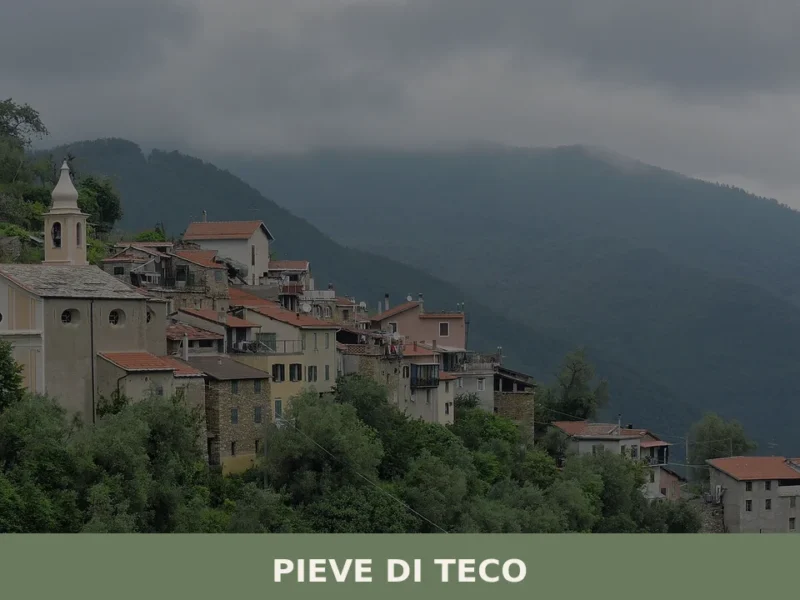
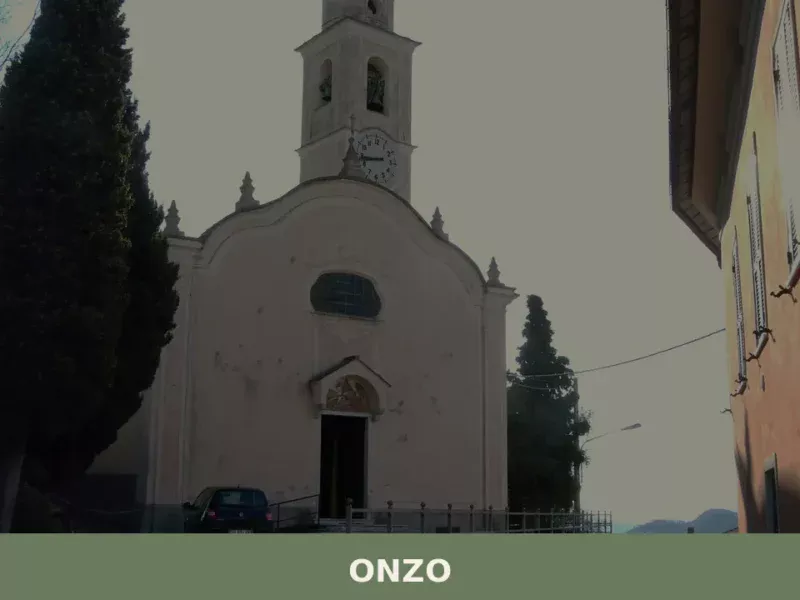
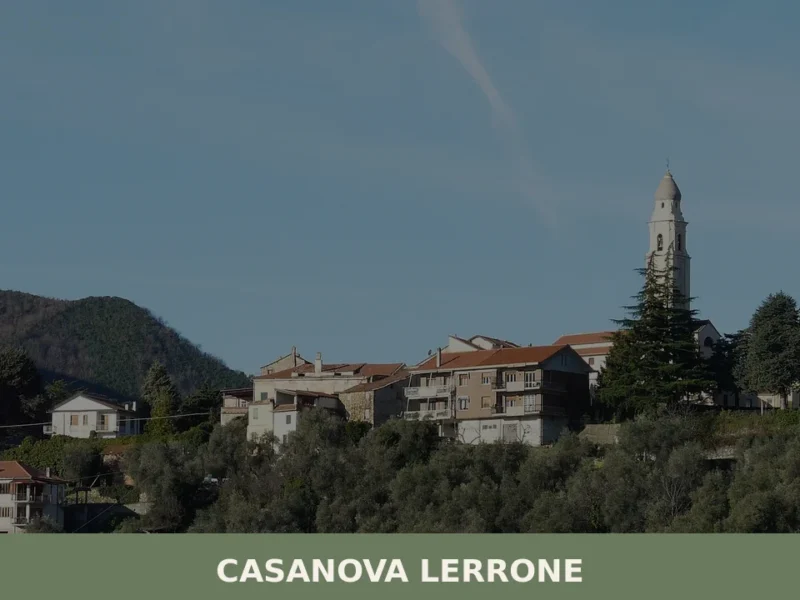
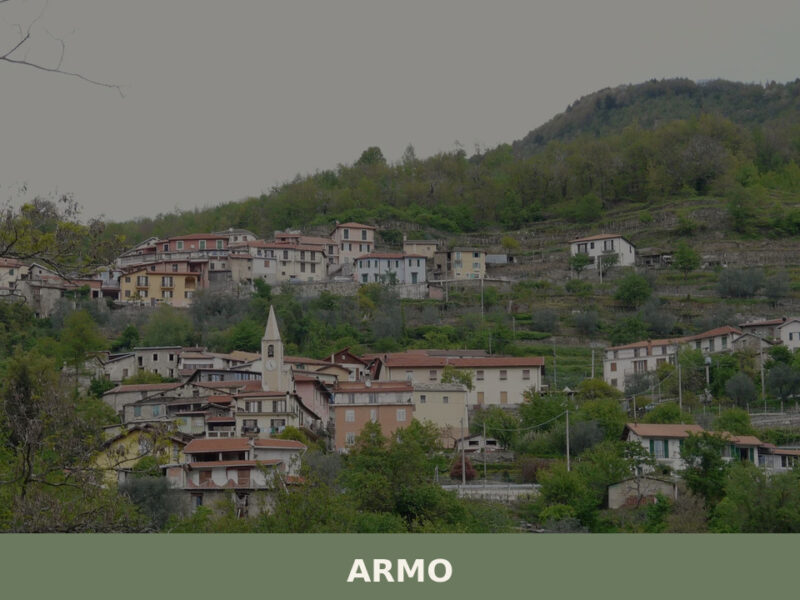
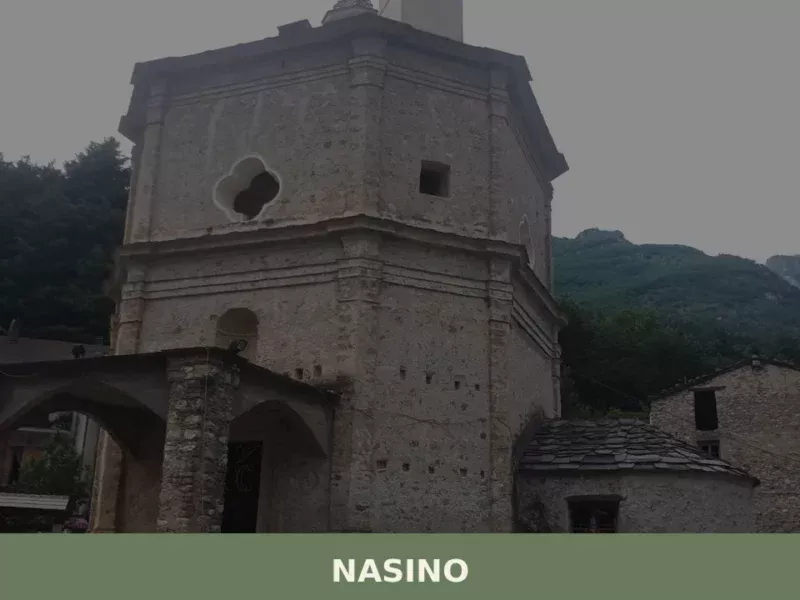
In Liguria More villages to discover
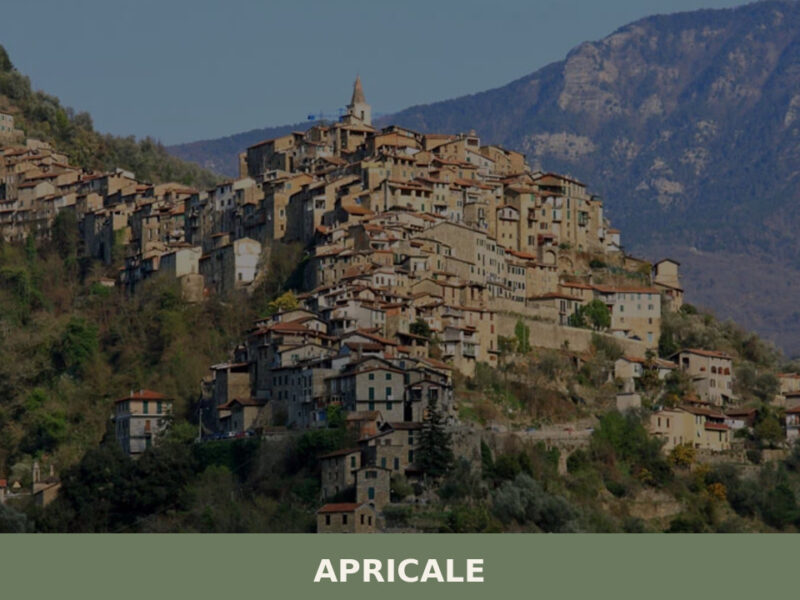
Apricale
 Hills
Hills
A sun-facing medieval village of 626 inhabitants in Liguria's Val Nervia. Explore what to see in Apricale, from its castle to its open-air murals.

Arenzano
 Sea
Sea
What to see in Arenzano, Liguria, Italy: explore a 16th-century patrician villa, a Saracens' Tower, and a coastal sanctuary. Population 11,445. Discover it all.
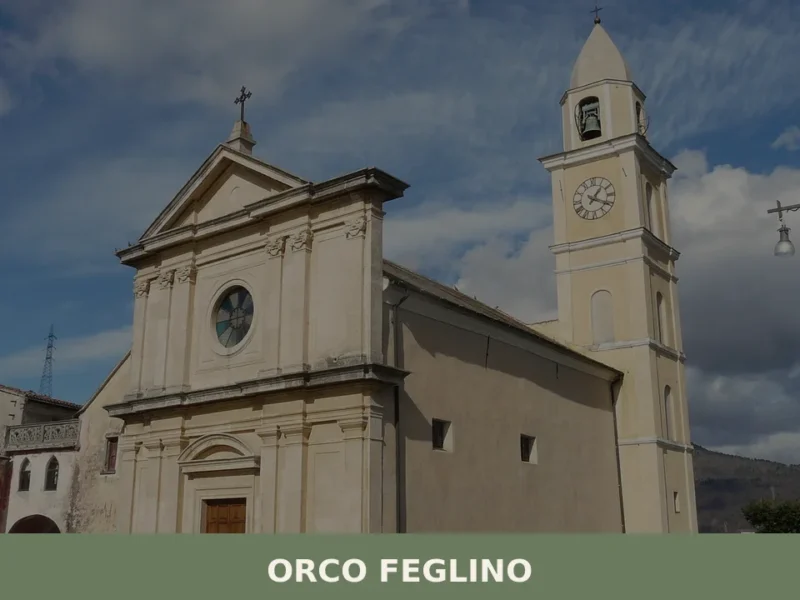
Orco Feglino
 Mountain
What to see in Orco Feglino, Italy? Located 50 km (31 mi) from Genoa, this village of 889 inhabitants offers castle ruins and historic churches. Explore its rich past.
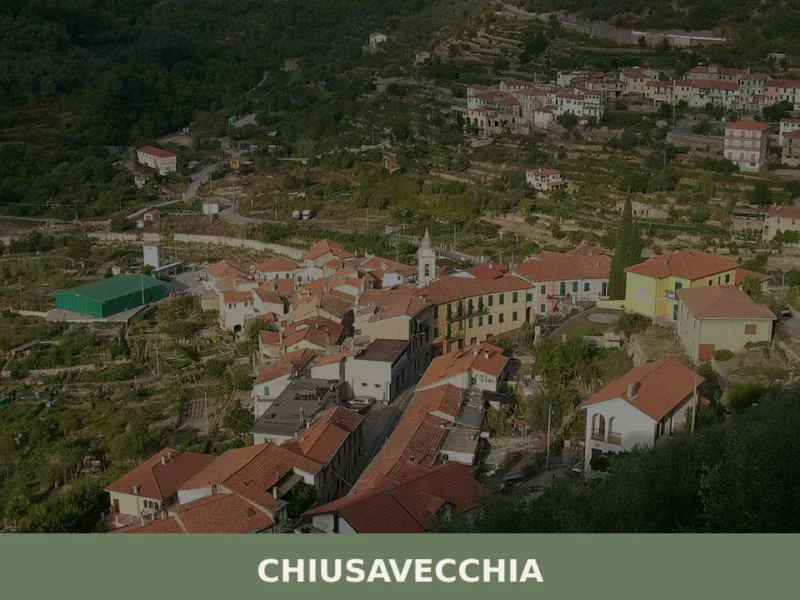
Chiusavecchia, Liguria: An Ancient Italian Village Guide
Plains
What to see in Chiusavecchia, Italy: Explore this Ligurian village at 140m altitude. Discover its historic core and the feast of San Biagio.
Calice al Cornoviglio
Hills
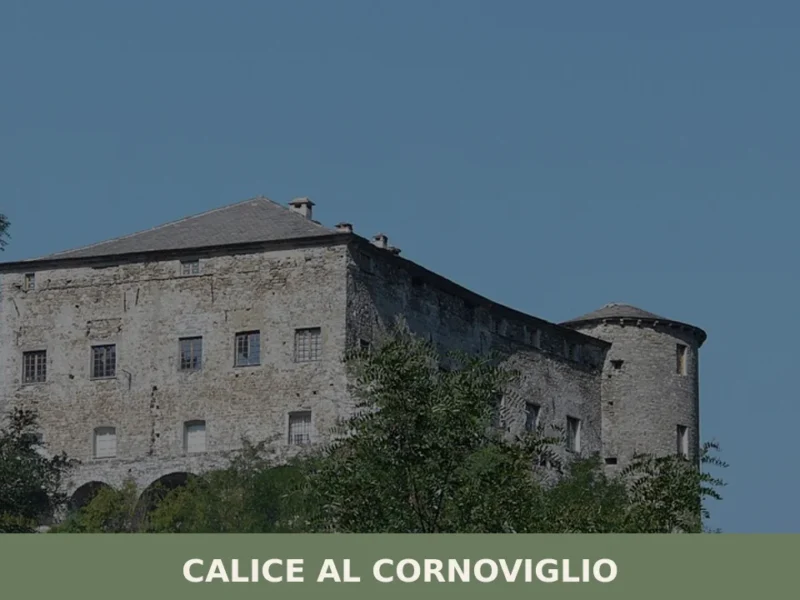
Discover Calice al Cornoviglio: medieval castle, baroque church, and historic village. Explore Ligurian hinterland's history and nature.
Sesta Godano
Mountain
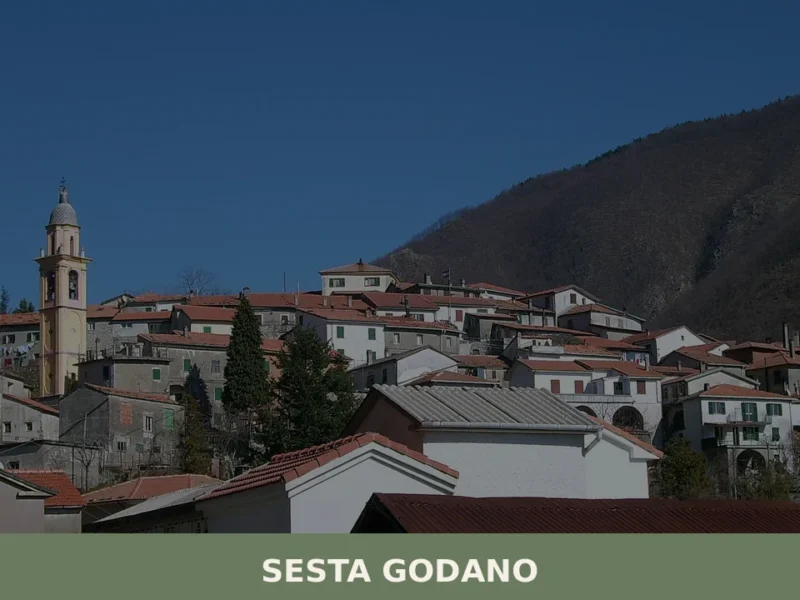
What to see in Sesta Godano, Italy? Explore this Ligurian village at 242 m (794 ft) altitude. Discover its mountain setting and local festivals. Read our guide.
Montebruno
Mountain
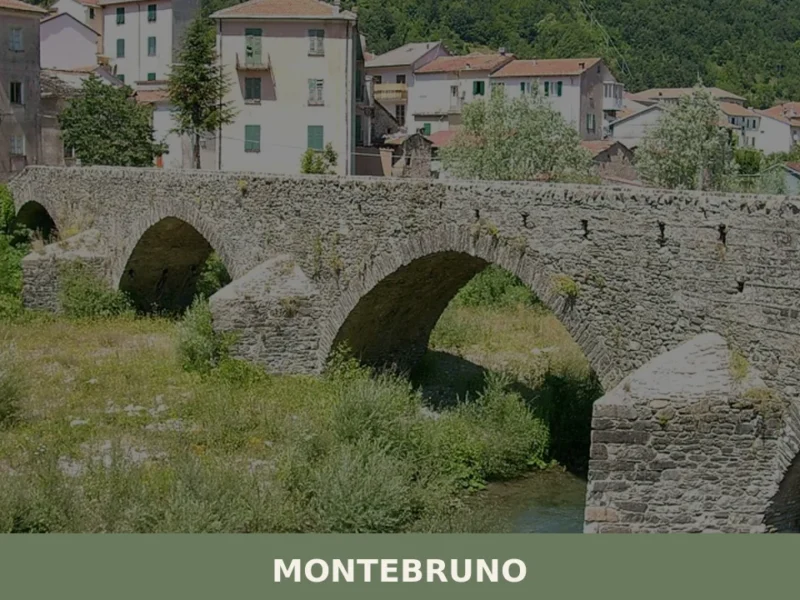
What to see in Montebruno, Italy: a mountain village at 655 m (2,149 ft) near Genoa. Discover the Marian sanctuary, Antola park trails and the 8 September feast.
Bonassola
Sea
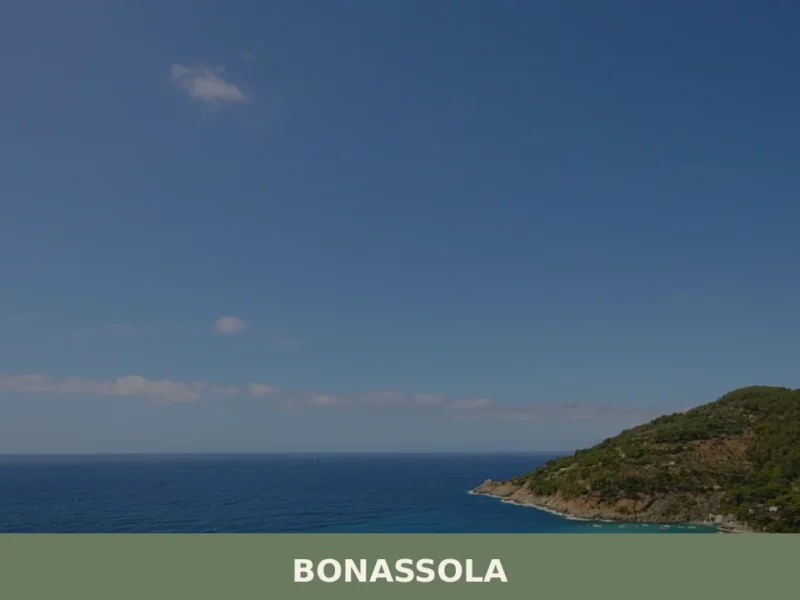
Bonassola’s single-track railway station, opened in 1874 as part of the Genoa–La Spezia line, brought the first outsiders to a coastal settlement that had survived for centuries on olive oil, wine, and anchovies. Today this compact village of 794 inhabitants sits at six metres above sea level along the Riviera di Levante, its beach one […]
Murialdo
Mountain
What to see in Murialdo, Liguria, Italy: 8 borgate, Monte Camulera, and local cuisine across 37.5 sq km. Discover top attractions, events, and how to get there.
Olivetta San Michele
Mountain
What to see in Olivetta San Michele? Discover 5 unique aspects of this Ligurian village, between history and nature. Read the full guide and plan your visit!



🏡 Know Borghetto d’Arroscia better than we do?
If you’re a local or have been there, your knowledge matters: add what’s missing or fix a detail on this page.