


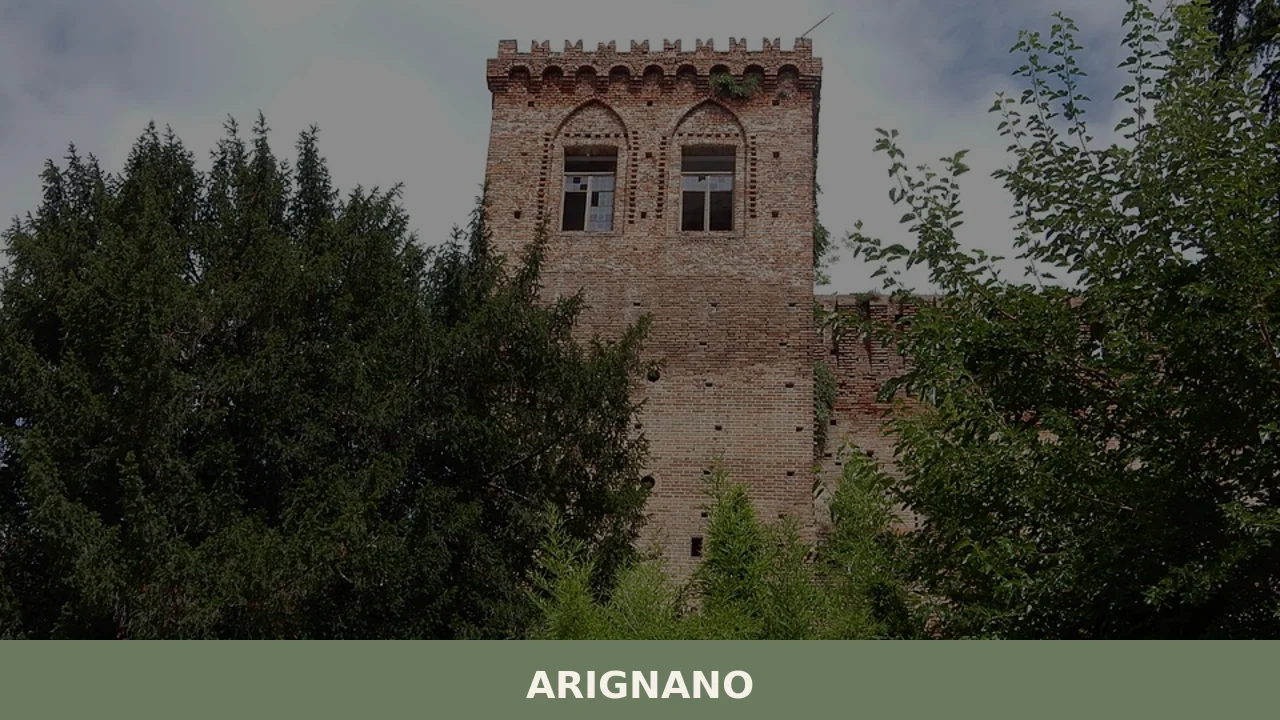
Arignano
 Hills
Hills
What to see in Arignano in Piedmont: castle, church, hill trails, traditional cuisine, and practical information for visiting the village at 321 m a.s.l.
Discover Arignano
In the Savoyard land registry of 1711, the territory of Arignano appears divided into over one hundred agricultural parcels devoted to the cultivation of wheat, rye, and hemp — a map that can still be overlaid with reasonable accuracy onto the mosaic of fields, vineyards, and small woods surrounding this hilltop settlement in the province of Turin.With its 1,080 inhabitants spread across an elevation of 321 metres above sea level, the municipality occupies a section of the western lower Monferrato where the hills do not exceed four hundred metres and the small valleys between ridges retain a tangible rural vocation, sustained by small farms and family vegetable gardens. Anyone wondering what to see in Arignano will find the answer in the landscape itself: an amphitheatre of hills planted with wheat and hazelnut trees opening towards the Turin plain, dotted with brick farmsteads and orderly rows of vines.
History and origins of Arignano
Scholars of Piedmontese place-name studies trace the toponym Arignano to a predial name of Roman origin, probably derived from the Latin gentilicium Arinius or Arinnius, with the addition of the suffix -anum indicating land ownership. This etymology, shared by dozens of localities in southern Piedmont and the Monferrato, suggests the existence of a fundus — an agricultural unit managed by a landowner of equestrian or freedman rank — as early as the first centuries of the imperial era.No significant archaeological remains have been found within the municipal territory, but the layout of the farm tracks linking Arignano to Andezeno and Marentino follows in several places the pattern of agrarian centuriation typical of sub-Alpine Piedmont, confirming a settled presence predating the Middle Ages.
The first documented attestation of the name appears in a diploma of 1034, when the territory fell under the influence of the bishops of Turin, who exercised temporal jurisdiction over much of the hill country south-east of the city. During the 12th and 13th centuries, Arignano entered the orbit of the marquises of Monferrato and subsequently the counts of Biandrate, later passing under the control of minor feudal families allied with the House of Savoy.Among these, the Balbiano family stood out: from the 15th century onwards they held lordship over the fief for several generations, building or restructuring the castle that still dominates the village centre. The definitive transfer to the Savoys as a direct fief consolidated the village’s position within the duchy’s administrative network, assigning it the role of a small rural service centre for the surrounding farmsteads. Parish registers from the 17th century record just over three hundred souls — a figure that remained essentially stable until the 19th century.
The modern era brought Arignano the transformations typical of the Turin hill country: the construction of new brick farmsteads between the 18th and 19th centuries, the introduction of mulberry cultivation for silkworm rearing and, in the second half of the 19th century, the arrival of phylloxera, which devastated the vineyards and forced many families to emigrate to Turin and the Americas. In the 20th century, the municipality experienced a slow depopulation that was only reversed from the 1980s onwards, when the proximity to the regional capital — less than twenty-five kilometres — began to attract new residents seeking a living environment different from the metropolitan one.Today Arignano retains a compact demographic structure, with a community that still revolves around agricultural activities, the upkeep of the hill landscape, and a local network of associations that organises events and festivals throughout the year. For further details on the municipality’s administrative history, consult the official page of the Municipality of Arignano.
What to see in Arignano: 5 top attractions
1. Castello dei Balbiano
The most recognisable building in the village is the Castello dei Balbiano, situated in the upper part of the settlement and visible from the provincial road climbing up from Andezeno. The current structure dates largely from the 15th–16th century, with 18th-century renovations that altered the main façade, converting it into a noble residence. From the older core, a square-plan corner tower and sections of wall built with river cobbles bound in lime mortar survive. The castle is privately owned and not open to the public, but the outer perimeter and the forecourt offer a privileged vantage point over the surrounding hills as far as the Alpine chain on clear days.
2. Parish Church
The parish church of Arignano, dedicated to the Nativity of the Blessed Virgin Mary, stands at the centre of the historic nucleus and is the village’s main place of worship. The present building dates from the 18th century, with an exposed-brick façade arranged over two orders and a square-based bell tower that forms the highest point of the urban skyline. The single-nave interior houses a polychrome marble high altar and several Piedmontese-school canvases from the 18th century depicting Marian scenes. The church is normally open during religious services and for the patronal feast on the third Sunday of September, when the building becomes the focal point of community celebrations.
3. Votive pillars and rural chapels
Scattered along dirt roads and at the junctions of farm tracks, the votive pillars of Arignano form a rural devotional network characteristic of the entire Turin hill area. At least a dozen can be counted within the municipal territory, some dating from the 18th and 19th centuries, built in brick with a niche that is either frescoed or decorated with majolica tiles. The most common subjects are the Madonna of the Rosary and Saint Anthony the Abbot, patron of livestock. Reaching them on foot or by bicycle along the hill paths allows you to cross a largely unaltered agricultural landscape of hazelnut rows, solitary oaks, and plots cultivated with vegetables.
4. Hill trail towards Marentino
For those looking for a slow-paced experience, the trail linking Arignano to Marentino across the hills covers approximately seven kilometres on unpaved roads and cart tracks, with a modest total elevation gain — in the region of one hundred and fifty metres — making it suitable even for families with children. The route passes through downy oak and hornbeam woodland, stretches of cultivated land, and several historic farmsteads still in operation. There is no official CAI trail marking, but municipal maps and hiking maps of the Turin hill area show the route. The best period to walk it runs from April to October, avoiding the days following heavy rain, which turn the cart tracks muddy.
5. Panorama from Strada Provinciale 122
The Strada Provinciale 122, which crosses the municipal territory connecting Arignano to Mombello di Torino, offers open views of the western Alpine arc at several points. On winter days with föhn — the warm downslope wind that sweeps away the plain’s haze — Monviso to the south-west, the Gran Paradiso massif to the north-west, and, in the most favourable conditions, the peaks of Monte Rosa can be clearly distinguished. A number of lay-bys along the road allow drivers to pull over safely. It is not a developed viewpoint, but the very absence of tourist infrastructure makes this observation spot genuine and uncrowded.
Traditional cuisine and local products
The table in Arignano reflects the farming tradition of the Turin hill country, with a cuisine built on locally sourced ingredients and slow preparation.The most representative dish of the area is the agnolotto piemontese — in the local version, the filling consists of a blend of braised meats (beef and pork) with the addition of savoy cabbage or escarole depending on the season, all enclosed in a thin hand-rolled sheet of pasta and served with roast-meat juices or simply with butter and sage. Alongside the agnolotti, bagna càuda appears on tables during the autumn and winter months: a hot sauce made from garlic, salt-cured anchovies, and olive oil into which raw and cooked vegetables are dipped — cardoons, roasted peppers, Jerusalem artichokes, and cabbage. Bagna càuda is recognised as a Prodotto Agroalimentare Tradizionale (PAT) of Piedmont on the official list of the Ministry of Agriculture.
Among the territory’s products, the most significant is the Nocciola Piemonte IGP (Tonda Gentile Trilobata variety), grown in the hazelnut groves that cover the less sun-exposed slopes of the hills. The hazelnuts are harvested between late August and September and processed locally to produce hazelnut paste, chopped kernels, and oil. Within the same hill belt, Freisa d’Asti DOC is produced — a lively red wine, often slightly sparkling, with red-fruit notes and a firm tannic structure that makes it a good match for cured meats and braised dishes.Another wine found here is Grignolino d’Asti DOC, lighter and paler in colour, with a floral aromatic profile and a distinctive, almost almond-like tannin. Local farms also supply seasonal vegetables, wildflower honey, and Toma Piemontese DOP, a semi-cooked cheese made from cow’s milk that is traditionally paired with the wines of the area.
Dining options in Arignano are limited to a handful of establishments — agriturismos and country trattorias — that often operate by reservation only, especially during the winter months. There is no food festival dedicated to a single product, but during the patronal feast on the third Sunday of September, tasting stalls with local products are set up, and the village associations organise communal open-air dinners with seasonal menus.For a wider gastronomic offering, the nearby town of Chieri — about ten kilometres away — has restaurants and food shops specialising in Monferrato and Turin hill-country products.
When to visit Arignano: the best time
The third Sunday of September, during the patronal feast, is when Arignano shows its collective dimension: a procession, market stalls, music, and a dinner in the square involve the entire village. Outside this date, spring — from mid-April to the end of May — is the most favourable period to visit the village and walk the hill trails: temperatures range between 12 and 22 degrees, the hazelnut groves are in leaf, the meadows are in bloom, and visibility towards the Alps is often good on breezy days. Autumn, particularly October, offers the colours of the foliage and the chance to watch the hazelnut harvest.
Summer — July and August — can be hot and humid, with temperatures regularly exceeding 30 degrees in the hill belt, and haze limits panoramic visibility. Winter is cold but generally dry, with occasional snowfall between December and February that whitens the hills for a few days. Those visiting in winter will find a bare but sharp landscape, ideal for landscape photography on föhn days.In every season it is advisable to check the opening times of the few dining establishments by calling ahead, as many operate on reduced hours or only at weekends.
How to get to Arignano
From Turin, Arignano can be reached by car in approximately thirty to thirty-five minutes via Strada Provinciale 122 in the direction of Chieri–Andezeno, or by exiting at the Santena toll station on the Turin–Piacenza motorway (A21) and continuing for about twelve kilometres north-east through the hills. From Milan, the distance is approximately 160 kilometres — covered in just under two hours following the A4 motorway to Turin and then turning off towards Chieri. Turin-Caselle Airport is about 40 kilometres away, reachable in forty to fifty minutes depending on traffic on the ring road.
The nearest railway station is Chieri, served by the Turin–Chieri line operated by Trenitalia, with a journey time from the regional capital of around twenty-five minutes. There are no frequent public-transport connections from Chieri to Arignano: having your own vehicle or arranging a lift is recommended. For those arriving by bicycle, the climb from Andezeno is short and steady, with gradients never exceeding seven per cent, suitable even for less experienced cyclists. Further logistical information is available on the dedicated page of Wikipedia — Arignano.
Other villages to discover in Piedmont
Visitors to Arignano have the opportunity to extend their itinerary to other hill-country settlements in the province of Turin that share the same landscape and historical matrix.A few kilometres to the west, offers a compact historic centre with an 18th-century parish church and a still-active winemaking tradition, linked in particular to Freisa production. The proximity of the two villages — less than five kilometres — makes it possible to connect them on foot or by bicycle along quiet secondary roads, putting together a half-day of exploration among cellars, farmsteads, and vine rows. Andezeno also has a wider range of shops than Arignano, including several food stores and a weekly market.
For those wishing to venture further north into the Canavese, Alice Superiore presents a different setting: a mountain village overlooking the Chiusella Valley, with an Alpine lake — Lago di Alice — and a landscape that shifts from hills to mid-mountain terrain within just a few kilometres.The contrast between the gentle hill country of Arignano and the vertical character of the Chiusella Valley makes the two villages complementary within a Piedmontese trip aiming to document the variety of sub-Alpine environments. The drive from Arignano to Alice Superiore takes approximately an hour and a half, heading north through Chivasso and Ivrea along the Strada Statale 565 of the Chiusella Valley.
Frequently asked questions about Arignano
What is the best time to visit Arignano?
The ideal months to visit Arignano are April to October, when the hill landscape is at its most scenic and the dirt paths towards Marentino are walkable. Late August and September combine the hazelnut harvest with the patronal feast of San Remigio, celebrated on the third Sunday of September, which is the village's main community event of the year. Winter visits are rewarding on föhn days, when the Alpine panorama from Strada Provinciale 122 — including Monviso and Gran Paradiso — is exceptionally clear.
What are the historical origins of Arignano?
The toponym Arignano derives from the Latin gentilicium Arinius or Arinnius with the suffix -anum, indicating Roman-era land ownership — a fundus recorded as early as the first centuries of the imperial period. The village is first documented in a diploma of 1034 under the bishops of Turin, later passing through the marquises of Monferrato, the counts of Biandrate, and eventually the Balbiano family, who held the fief from the 15th century. It was subsequently incorporated as a direct Savoy fief within the duchy's administrative network.
What to see in Arignano? Main monuments and landmarks
The main landmark is the Castello dei Balbiano, a 15th–16th century structure with 18th-century renovations, privately owned and not open to the public, but viewable from the forecourt with panoramic views towards the Alps. The Parish Church of the Nativity of the Blessed Virgin Mary, in the historic centre, features a polychrome marble high altar and 18th-century Piedmontese-school canvases; it is open during religious services and the September patronal feast. Scattered across farm tracks, over a dozen votive pillars and rural chapels dating from the 18th and 19th centuries are freely accessible on foot or by bicycle.
What are the main natural or scenic attractions of Arignano?
The hill trail linking Arignano to Marentino covers approximately seven kilometres on unpaved roads and cart tracks, with around 150 metres of total elevation gain, passing through downy oak and hornbeam woodland, cultivated fields, and working historic farmsteads. It is shown on municipal and Turin hill-area hiking maps and is suitable for families. The best period runs from April to October; avoid the route after heavy rainfall. The surrounding landscape of hazelnut groves, wheat fields, and vineyards — documented since the Savoyard land registry of 1711 — forms an unaltered rural backdrop.
Where to take the best photos in Arignano?
The forecourt of the Castello dei Balbiano offers a privileged elevated viewpoint over the surrounding hills and, on clear days, the Alpine chain. Several lay-bys along Strada Provinciale 122, connecting Arignano to Mombello di Torino, provide open views of Monviso to the south-west and the Gran Paradiso massif to the north-west, best captured on winter föhn days. The mosaic of hazelnut groves, vineyards, and brick farmsteads visible from the hill trail towards Marentino is also highly photogenic, particularly during the hazelnut harvest in late August and September.
Are there museums, churches or historic buildings to visit in Arignano?
The Parish Church of the Nativity of the Blessed Virgin Mary is the main historic building open to visitors, accessible during religious services and especially during the patronal feast on the third Sunday of September. It houses a polychrome marble high altar and 18th-century Piedmontese-school paintings. The Castello dei Balbiano, the village's most prominent historic structure, is privately owned and cannot be visited inside, but the exterior and forecourt are visible from the public road. No admission fees are charged for church entry.
What can you do in Arignano? Activities and experiences
Walking and cycling are the main activities: the seven-kilometre unpaved trail to Marentino suits families and leisure hikers, while the network of farm tracks connecting the votive pillars offers shorter loops. Wine and food experiences are available at a handful of agriturismos and country trattorias, typically operating by reservation. The hazelnut harvest period in late August–September is a good opportunity to visit local farms producing Nocciola Piemonte IGP. The patronal feast of San Remigio on the third Sunday of September offers a genuine local community event with the parish church as its focal point.
Who is Arignano suitable for? Families, couples, hikers, solo travelers?
Arignano suits visitors seeking quiet rural tourism away from mass tourism circuits. Families with children will appreciate the gentle Marentino trail (low elevation gain, no technical difficulty) and the open farmland landscape. Couples and food-and-wine travellers will find appeal in the local agriturismos, the Freisa d'Asti and Grignolino d'Asti DOC wines, and the hazelnut and truffle season in autumn. The village is less than 25 kilometres from Turin, making it ideal for day-trippers from the city. It is not suited to visitors expecting museums, nightlife, or mainstream tourist facilities.
What to eat in Arignano? Local products and specialties
The local table centres on agnolotto piemontese — thin pasta parcels filled with braised beef and pork with savoy cabbage or escarole, served with roast-meat juices or butter and sage. In autumn and winter, bagna càuda (a PAT-listed Piedmontese specialty of garlic, salt-cured anchovies, and olive oil) is served with cardoons, peppers, and Jerusalem artichokes. Key local products include Nocciola Piemonte IGP (Tonda Gentile Trilobata variety), Freisa d'Asti DOC, Grignolino d'Asti DOC, Toma Piemontese DOP, seasonal vegetables, and wildflower honey from local farms.
Nearby Villages near Arignano
In Piedmont More villages to discover
Banchette
Hills
Banchette is a municipality of 3,087 inhabitants in the province of Turin, situated at 266 metres above sea level on the Canavese plain, a few kilometres from Ivrea. Those wondering what to see in Banchette will find a settlement whose modern identity owes more to industry than to the Middle Ages: the area underwent significant […]
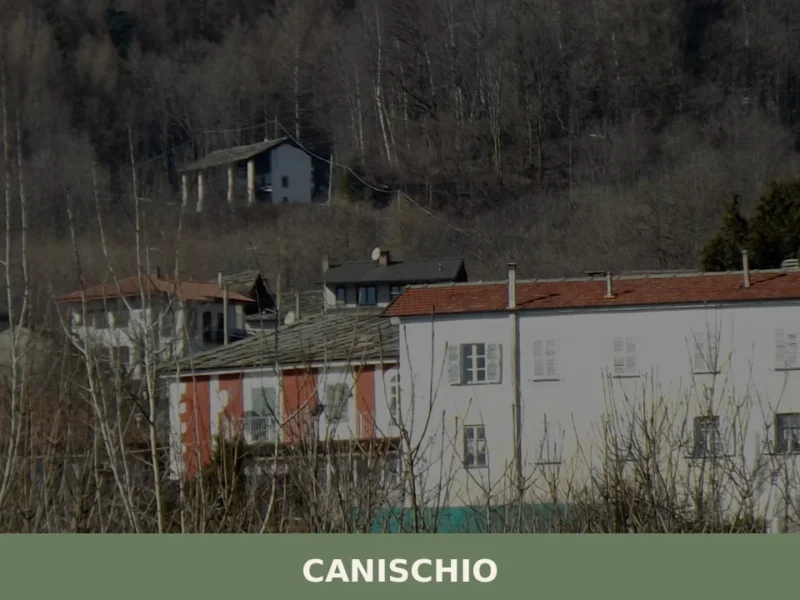
Canischio
 Mountain
Scopri Canischio borgo Piemonte: storia, tradizioni e paesaggi mozzafiato tra le colline canavesane. Una meta autentica da non perdere!
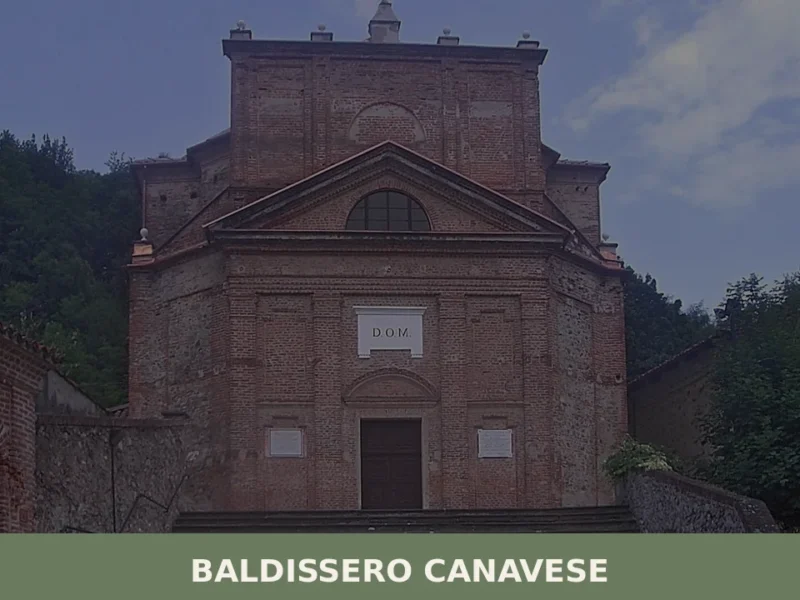
Baldissero Canavese
Hills
Baldissero Canavese has a population of 515 and stands at 392 metres on the hillside of the Canavese area, in the north-eastern corner of the Province of Turin, a short distance from the Piedmontese regional capital. The village is part of the Canavese settlement system, one of the historically densest areas in the region for […]
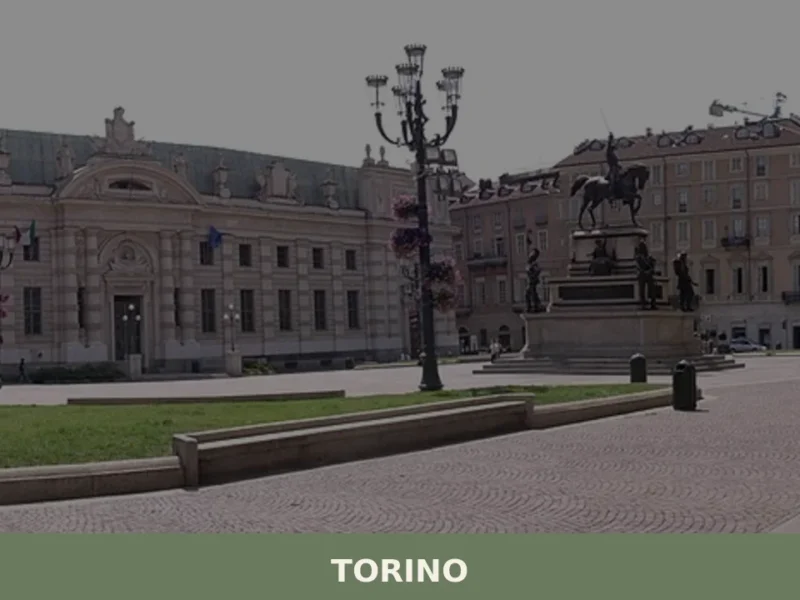
Torino
Hills
What to see in Torino: the city at 239m altitude with 841,600 residents. Explore 5 key attractions and Piedmontese cuisine. Read the full guide now.
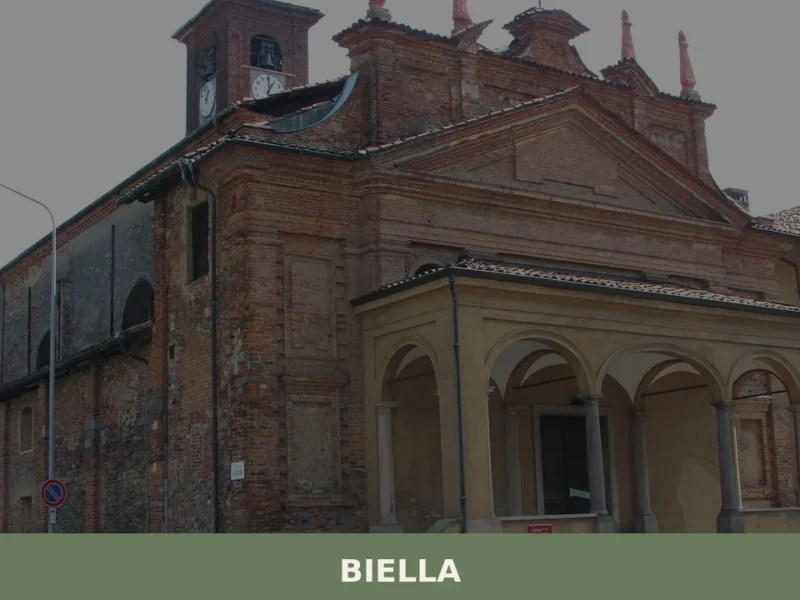
Biella
Hills
what to see in biella, Italy? Explore the UNESCO Sanctuary of Oropa and Biella's historic 420m altitude Piazzo quarter. Read our guide for top attractions.
Casalborgone
Hills
Scopri Casalborgone, affascinante borgo storico del Piemonte: storia, tradizioni e paesaggi mozzafiato nel cuore del Monferrato.
Airasca
Hills
Arriving in Airasca along the provincial road that connects Pinerolo to Turin, the first thing you notice is the bell tower of the parish church of San Bartolomeo, a vertical landmark in a horizontal landscape of cultivated fields and rows of poplars. The municipality, home to 3,842 inhabitants at 257 metres above sea level, occupies […]
Azeglio
Hills
Azeglio, a small Piedmontese village on Lake Viverone: history, what to see and how to get there. Discover everything to plan your visit.
Arona
 Lake
Lake
 Plains
what to see in arona, Italy: Discover Arona, a town of 13,694 inhabitants in Piemonte, home to a notable railway station. Explore this region's travel tips.
Alpette
Mountain
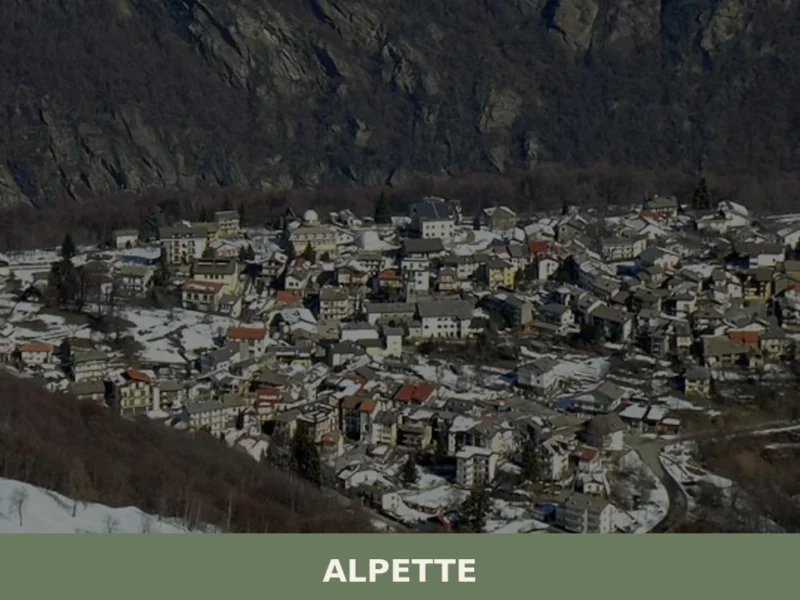
At 957 metres above sea level, on the eastern slope of Gran Paradiso, Alpette has 251 inhabitants spread between the central settlement and a handful of hamlets scattered along the pastures that climb towards Cima Quinzeina. Those looking into what to see in Alpette will find a village built almost entirely from local stone and […]

🏡 Know Arignano better than we do?
If you’re a local or have been there, your knowledge matters: add what’s missing or fix a detail on this page.