



What to see in Andrate in Piedmont: panoramic views over the Serra d’Ivrea, trails, chestnut groves, Canavese cuisine. Complete guide with history and practical information.
Discover Andrate
At 836 metres above sea level, on the left-hand slope of the Serra d’Ivrea — the longest glacial moraine in Europe, stretching over twenty-five kilometres in a continuous ridge — the municipality of Andrate has a current population of 520 and a territory that extends from the beech forests at altitude down to the first terraced slopes of the Canavese plain.
Anyone wanting to know what to see in Andrate should start right here, from this precise geographical position: a natural balcony overlooking the morainic amphitheatre that, on clear days, lets the eye travel all the way to the silhouette of Monviso. The village is reached along a provincial road that climbs in regular switchbacks from Borgofranco d’Ivrea, and every bend shifts the perspective over the valley floor below.
History and origins of Andrate
The name Andrate first appears in medieval documents in the Latin form Andracium or Andrate, and the most widely accepted etymological theory traces it to a pre-Latin root — probably Celtic or Ligurian — linked to the shape of the terrain, possibly indicating a crossing point or a slope. The Serra d’Ivrea, on which the village sits, has been used since antiquity as a communication route between the Po plain and the Alpine valleys.
Traces of settlements predating the Roman era have not been confirmed with certainty within the municipal territory, but the strategic position along the morainic ridge suggests long-standing human presence. During the Roman period, the area gravitated around Eporedia, present-day Ivrea, a colony founded in 100 BC as an outpost facing the Salassi people. The slopes of the Serra probably served as grazing land and a source of timber for the city below.
The medieval period marks Andrate’s entry into the official historical record. The territory fell under the influence of the bishops of Ivrea, who exercised temporal control over vast portions of the Canavese between the 10th and 12th centuries. The village subsequently passed under the dominion of the marquesses of Monferrato and then the House of Savoy, following the complex feudal developments that characterised the whole of northern Piedmont. The community of Andrate, like many settlements on the Serra, lived on an agro-pastoral economy: chestnut groves, highland pastures, small vegetable plots carved into the terraces.
The chestnut, in particular, formed the dietary staple of the Canavese mountain population, so much so that local chronicles called it the “bread of the poor.” The parish church dedicated to Saint Peter the Apostle, patron saint of the village, serves as the religious and social focal point of the community, and its presence is documented from at least the late medieval period, although the current building is the result of subsequent renovations.
Between the 18th and 19th centuries, Andrate underwent the same transformations that affected Piedmontese mountain villages: the introduction of the potato as a supplementary crop, the gradual improvement of communication routes, and seasonal emigration towards the plain and the cities. The 20th century brought the depopulation typical of Italy’s inland areas — from the censuses at the start of the century, when the population comfortably exceeded a thousand, numbers have fallen to the current 520 residents.
During the Second World War, the mountains above Andrate and the entire Serra area hosted partisan groups active in the Resistance, a chapter well documented by local and regional historiography. The patron saint’s feast day, set on 4 November, coincides not by chance with the date of victory in the First World War and the commemoration of the fallen, binding civic memory to religious observance in a single community occasion that still endures in the village calendar today.
What to see in Andrate: 5 top attractions
1. Parish Church of Saint Peter the Apostle
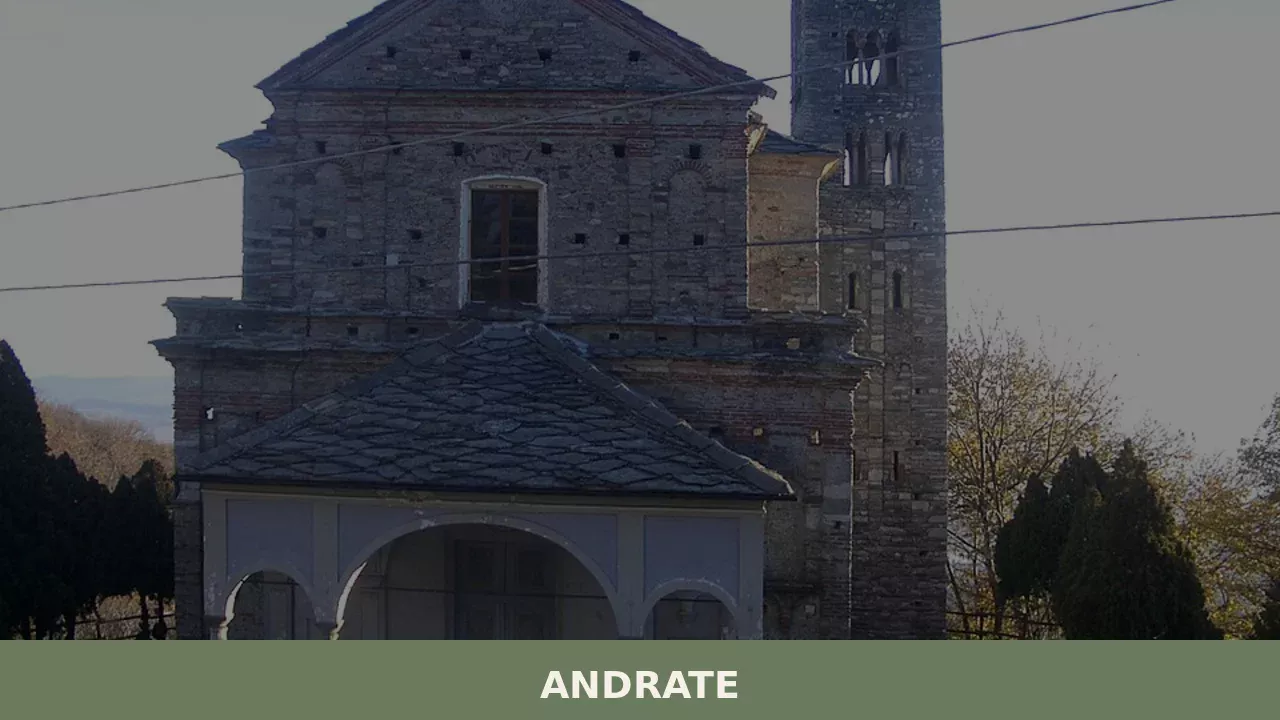
The Parish Church of Saint Peter the Apostle stands in the central core of the village, along the main road that runs through the settlement. The building, in its current configuration, features elements dating to 17th- and 18th-century interventions, with a simple façade and a bell tower visible from several points across the surrounding territory. Inside, sacred furnishings and decorations record the community’s devotion over the centuries. The church serves as the focal point for liturgical celebrations and the patron saint’s feast on 4 November. Access is free during service hours, and the small square in front offers an initial point of orientation for anyone beginning a visit to the village.
2.
Viewpoint over the Serra d’Ivrea and the morainic amphitheatre
Andrate offers one of the broadest panoramic viewpoints along the entire Serra d’Ivrea. From the upper part of the village, reachable on foot in just a few minutes from the centre, the view takes in the morainic amphitheatre of Ivrea — recognised as a geosite of international significance — with its lakes (Sirio, Pistono, San Michele, Nero, Campagna), the city of Ivrea on the valley floor and, to the west, the Alpine chain including Gran Paradiso and Monte Rosa. On days of perfectly clear sky, Monviso is visible to the south-west. No demanding trails are required: a few steps beyond the edge of the village are enough. For photographers, the late afternoon hours provide the best light over the plain.
3. Serra trails: hiking and mountain biking
The territory of Andrate is crossed by a network of trails that follow the ridge of the Serra d’Ivrea and descend towards neighbouring municipalities. The routes pass through beech forests, chestnut groves and clearings, with moderate elevation changes suitable for both experienced hikers and families. The trail connecting Andrate to Montalto Dora along the crest of the Serra is one of the most popular itineraries, involving roughly two hours of walking and marked with CAI waymarks. In autumn, the beech woods along these paths turn orange and red, creating a sharp contrast with the dark green of chestnuts still in leaf. The trails are also open to mountain biking on authorised sections.
4.
Monumental chestnut groves and rural architecture
Surrounding the village are chestnut groves that formed the backbone of the local economy for centuries. Some chestnut trees reach remarkable dimensions, with trunks over three metres in circumference, indicating an age of several hundred years. Among the chestnut groves, traditional rural structures can still be found: the seccatoi — small stone buildings where chestnuts were dried over a slow fire — and dry-stone walls marking property boundaries. These structures document a woodland management system with medieval roots in the Canavese. Access to the chestnut groves is open via municipal paths, and a walk among these trees offers a view of an ancient agricultural landscape whose original layout remains clearly readable.
5. Borgata Vialfré and the outlying hamlets
The municipal territory of Andrate includes several hamlets and scattered settlements across the slope of the Serra, each with its own cluster of houses built from local stone. These small groupings — some inhabited year-round, others only seasonally — preserve the layout of Piedmontese mountain rural settlements: houses built close together for protection from the cold, barns with wooden balconies for hay drying, and public stone fountains. Walking the unpaved roads that connect these hamlets to the village centre is a practical way to read the historical organisation of the territory. The outlying hamlets can be reached on foot or by car along narrow but paved municipal roads.
Local cuisine and regional products
Andrate’s gastronomic tradition is built on the ingredients that the mountain territory has always provided: chestnuts, potatoes, milk, cheese, game and wild herbs.
The chestnut, in its many preparations, is the signature product of the entire Canavese mountain belt. It appears dried and ground into flour for sweet polenta, fritters and castagnaccio; boiled in the traditional mundaj (roasted chestnuts that are then peeled and simmered); or turned into jam. Toma Piemontese DOP, a semi-cooked cheese made from cow’s milk according to a strict production specification, is present in the area through small local dairies that use milk from the remaining livestock farms on the Serra. Alongside Toma, there are fresh cheeses and ricotta that reflect the tradition of the margari, the transhumant shepherds of Alpine Piedmont.
Among the Canavese dishes found on the tables of Andrate, polenta concia stands out — cornmeal polenta layered with melted butter and melted Toma cheese — along with supa canavesana, a soup of stale bread, Savoy cabbage and meat broth, gratinated in the oven with cheese. Bagna cauda, a Piedmontese preparation based on garlic, salt-cured anchovies and olive oil, is consumed during the autumn and winter months in the Canavese valleys too, accompanied by raw and cooked seasonal vegetables: cardoons, preserved peppers and Jerusalem artichokes.
Grissini stiratoi torinesi, in their artisanal version, often accompany meals alongside the rye bread typical of mountain areas.
As for food festivals and gastronomic events, the Canavese is a land of chestnut celebrations between October and November, and Andrate takes part in this calendar with local events that vary from year to year — it is advisable to check the official website of the Municipality of Andrate for the updated programme. Ratafià di Andrate, a traditional liqueur made from black cherries left to macerate with sugar and alcohol, is a home preparation widespread throughout the Canavese: every family keeps its own recipe with variations in proportions and maceration times. Local restaurants and trattorias offer menus tied to the seasons, featuring porcini and chanterelle mushrooms in autumn, game in winter, and wild herbs in spring.
When to visit Andrate: the best time of year
Spring, from April to June, brings the flowering of mountain meadows and pleasant temperatures for hiking on the Serra, with highs between 15 and 22 degrees. It is the ideal period for those who want to walk the trails without the summer heat and with the woodland in full leaf. Summer, July and August, offers cooler temperatures compared to the plain below — the difference with Ivrea can reach 5–6 degrees — and the long days allow extended excursions.
However, afternoon thunderstorms are frequent from mid-July onwards. Autumn is the most photogenic season: the beeches of the Serra turn colour between late September and mid-November, and the chestnut harvest period (October) brings the hamlets to life with an activity that follows ancient rhythms and gestures. The patron saint’s feast on 4 November falls within this window and is the occasion to see the community gathered together.
Winter, from December to March, brings snowfall that can be heavy above 800 metres. The village takes on a different, silent aspect, with bare woods and visibility over the plain that, on fog-free days, becomes exceptional. Those choosing this period should be prepared for night-time temperatures below zero and roads that may require snow chains or winter tyres. There are no ski facilities in Andrate, but snowshoeing through the Serra’s forests is an activity practised by residents and hikers familiar with the area.
For up-to-date information on events and local conditions, it is useful to consult the dedicated page on Wikipedia.
How to reach Andrate
By car, the reference point is the A5 Turin–Aosta motorway: exit at the Ivrea toll booth and continue along the provincial road towards Borgofranco d’Ivrea, from where the climb to Andrate begins. The distance from Ivrea is approximately 12 kilometres, covered in 20–25 minutes. From Turin, the total journey is around 75 kilometres (one hour’s drive). From Milan, take the A4 as far as Santhià and then the A5 to Ivrea, for a total of roughly 140 kilometres and one hour and forty minutes of driving.
The nearest railway station is Ivrea, served by the Turin–Aosta line with frequent regional trains (approximately one hour from Torino Porta Nuova). From Ivrea, it is necessary to continue by private transport or with the limited local bus services — it is advisable to check GTT bus timetables for the Ivrea–Andrate route, which runs at reduced frequency especially on public holidays.
The nearest airport is Turin-Caselle (Sandro Pertini), approximately 80 kilometres away and reachable in about one hour and fifteen minutes by car. Milan Malpensa airport is around 130 kilometres away. Those arriving by train from abroad can use the international line stopping at Torino Porta Susa and continue from there to Ivrea. Detailed information on road access and directions is available on the Touring Club Italiano website.
Other villages to discover in Piedmont
Visitors to Andrate find themselves in a strategic position to explore other centres in the Canavese and the Piedmontese hills that are well worth a detour. A few kilometres to the south, along the eastern slopes of the Serra, lies Alice Superiore, a village that shares with Andrate its setting in a landscape of transition between mountain and plain.
Alice Superiore looks out over the Five Lakes area of the Serra and offers hiking routes complementary to those of Andrate, with the possibility of building a circular itinerary touching both municipalities in a single day’s walk. The two communities share the Canavese tradition of chestnuts and alpine pasture cheeses, but Alice Superiore adds the proximity to the morainic lakes, which allow different activities such as fishing and birdwatching.
For those who prefer to head towards the Turin hill country and discover a completely different landscape, Andezeno offers an experience of vine-covered Piedmontese hills, with vineyards producing Freisa — a native Piedmontese grape variety with a long-established tradition — and a rolling terrain that opens towards the Po plain.
The distance between Andrate and Andezeno is roughly 60 kilometres, just over an hour by car, and the contrast between the two villages effectively illustrates the variety of Piedmont: on one side the mountain of the Serra with its beeches and chestnuts, on the other the hillside cultivated with vines and cereals. An itinerary combining both visits allows you to cross at least three distinct landscapes in a few hours — mountain, plain, hills — and to compare two different yet equally deep-rooted ways of inhabiting the Piedmontese territory.
Frequently asked questions about Andrate
What is the best time to visit Andrate?
Spring (April–June) and autumn (September–November) are the ideal seasons to visit Andrate. In spring, the beech and chestnut forests awaken and the trails of the Serra d'Ivrea are passable under optimal conditions. In autumn, the chestnuts turn orange and red, and between October and November chestnut festivals are held throughout the Canavese region. On November 4th, the patronal feast of San Pietro in Vincoli is celebrated, which combines the civic commemoration of those who fell in World War I with religious devotion, representing a significant moment in the town's calendar.
What are the historical origins of Andrate?
The name Andrate appears in medieval documents in the Latin form Andracium, with a root probably Celtic or Ligurian. During the Roman period, the territory was centered around Eporedia (present-day Ivrea), founded in 100 BC. In the Middle Ages, the village fell under the control of the bishops of Ivrea, then passed to the marquises of Monferrato and subsequently to the House of Savoy. The traditional economy was based on chestnut cultivation, high-altitude pastures, and small terraced gardens. The partisan presence during World War II is documented in local and regional historiography.
What is there to see in Andrate? Monuments and main sites
The main monument is the Parish Church of San Pietro Apostolo, in the heart of the town, with architectural elements from the 17th and 18th centuries and sacred furnishings of historical and devotional interest. Access is free during service hours. Also worth visiting are the stone drying houses among the chestnut groves — ancient structures for drying chestnuts — and the scattered hamlets on the Serra hillside, including the hamlet of Vialfré, reachable on foot or by car on paved municipal roads.
What are the natural and landscape attractions of Andrate?
Andrate overlooks the Serra d'Ivrea, Europe's longest glacial moraine (over 25 km), recognized as a geosite of international significance. The municipal territory is crossed by CAI trails that traverse the Serra crest through beech and chestnut forests: the route toward Montalto Dora along the ridge takes about two hours and is also suitable for families. From the upper part of the town, the glacial amphitheater with the lakes of Sirio, Pistono, San Michele, Nero, and Campagna dominate the view, and on clear days you can see Gran Paradiso, Monte Rosa, and Monviso.
Where to take the most beautiful photos in Andrate?
The viewpoint in the upper part of the town, reachable on foot in a few minutes from the center, offers the broadest panorama of the Ivrea glacial amphitheater, its lakes, and the Alpine chain. Late afternoon hours guarantee the best light on the plain below. In autumn, the monumental chestnut forests — with trunks over three meters in circumference — offer extraordinary chromatic scenery, ideal for nature photography.
Are there museums, churches, or historic buildings to visit in Andrate?
The Parish Church of San Pietro Apostolo is the main historic-religious building in the town, with interventions dating between the 17th and 18th centuries, a bell tower visible from multiple points of the territory, and sacred furnishings that testify to centuries of community devotion. Among the chestnut forests, drying houses are preserved — small dry-stone constructions with medieval roots — and the dry-stone walls delimiting plots of land: a heritage of traditional rural architecture of the Canavese accessible through municipal trails.
What to do in Andrate? Activities and experiences
In Andrate, it is possible to practice hiking and mountain biking on the CAI trails of the Serra d'Ivrea, with routes suitable for different difficulty levels. Walks among the monumental chestnut forests and stone hamlets allow you to read an agricultural landscape that has remained substantially intact. In autumn, you can participate in the chestnut festivals of the Canavese. On November 4th, the patronal feast of San Pietro in Vincoli, is an opportunity to experience a celebration that unites historical memory and local religious tradition.
Who is Andrate suitable for? Families, couples, hikers?
Andrate is particularly suitable for hikers looking for medium-difficulty trails in a well-preserved natural landscape, and for families with children thanks to the accessible trails of the Serra and modest elevation changes. It is an ideal destination for those who love landscape photography, traditional Piedmontese cuisine, and slow tourism. Couples seeking tranquility will find in the town and its hamlets an authentic atmosphere, far from mass-tourism circuits, a short distance from Ivrea and the motorway.
What to eat in Andrate? Local products and specialties
The cuisine of Andrate is rooted in the gastronomic tradition of the mountain Canavese. Chestnuts are protagonists in multiple forms: flour for sweet polenta and castagnaccio, mundaj (roasted then boiled chestnuts), jam. Toma Piemontese DOP is produced in the area by small local dairies. Among typical dishes stand out polenta concia with butter and melted Toma, supa canavesana of stale bread, savoy cabbage and broth gratinéed in the oven, and bagna cauda consumed in autumn and winter months with seasonal vegetables.
Nearby Villages near Andrate
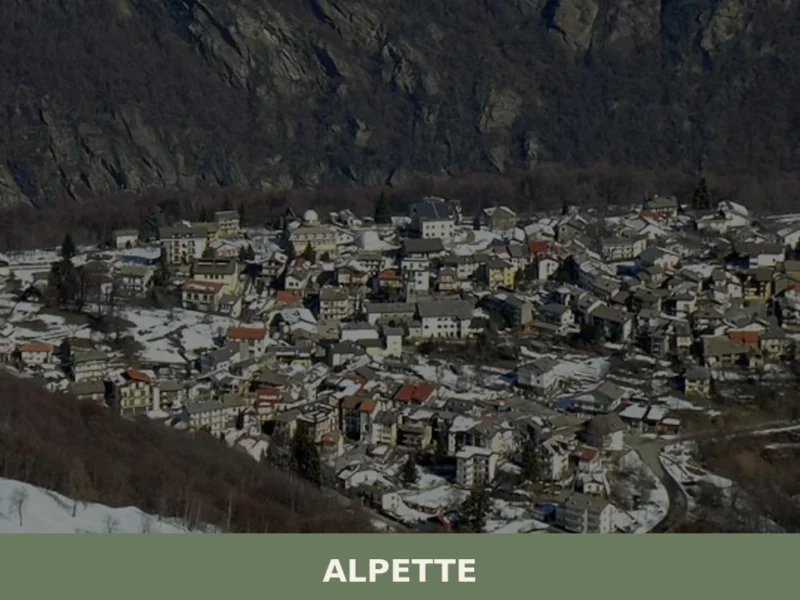
In Piedmont More villages to discover
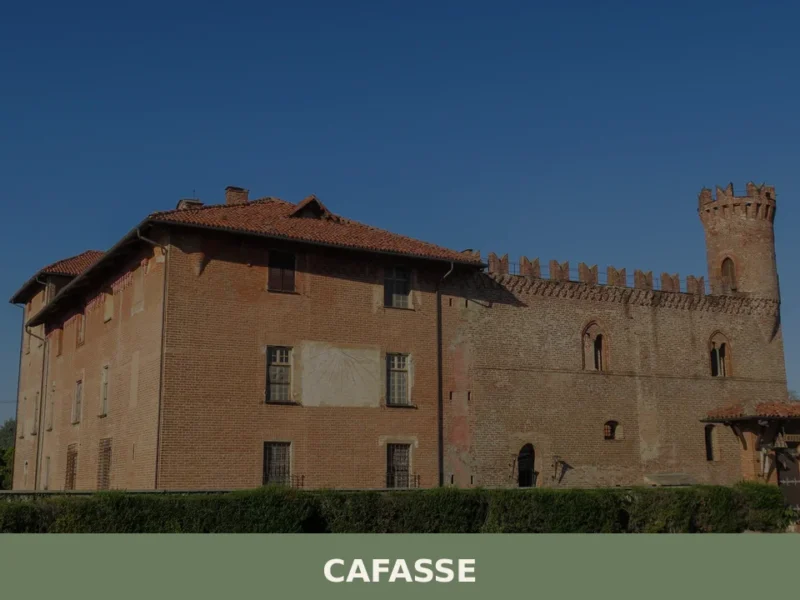
Cafasse
 Hills
Hills
What to see in Cafasse, Italy: 25 km from Turin, explore the Valli di Lanzo gateway, local cuisine and festivals. Discover the best of this Piemonte village.
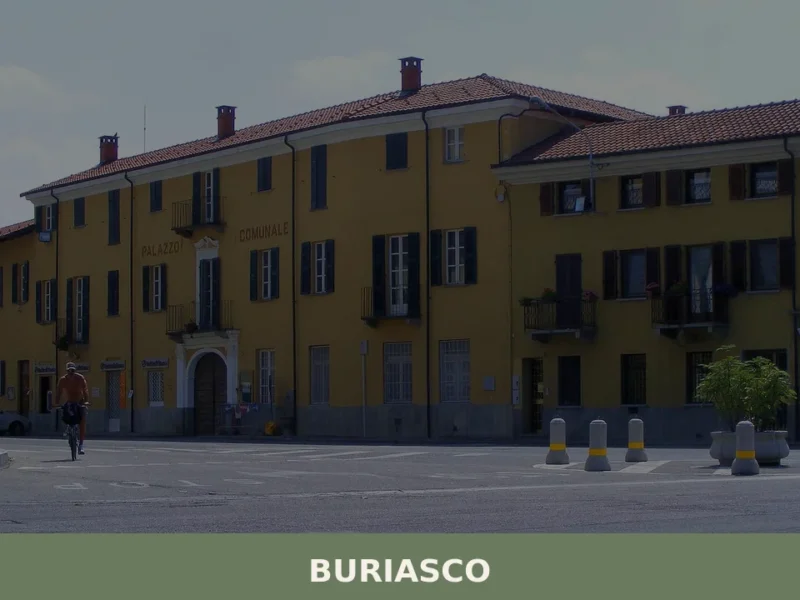
Buriasco
Hills
What to see in Buriasco, Italy: 5 top attractions, local food, festivals and how to get to this 301 m village near Turin. Discover Buriasco, Piemonte.
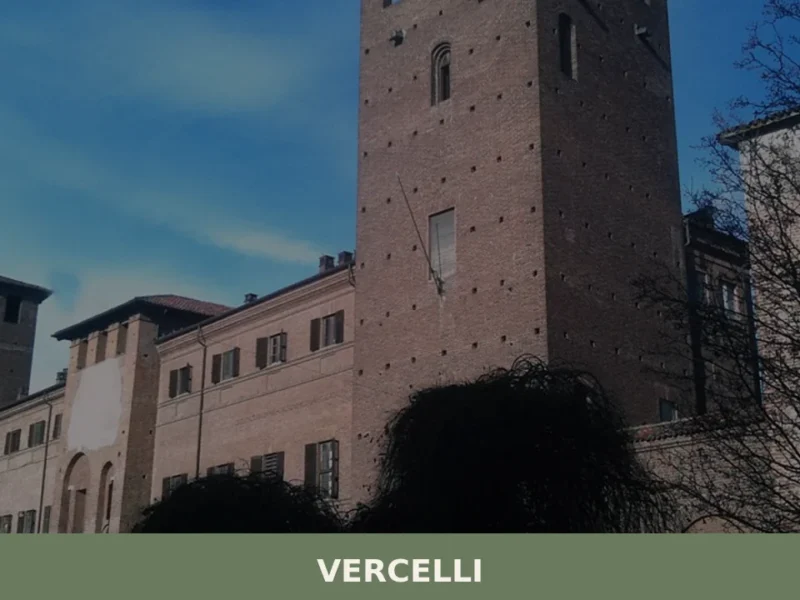
Vercelli
 Plains
What to see in Vercelli: rice capital at 130 m in Piedmont. Basilica di Sant'Andrea, Museo Borgogna, panissa and flooded paddies. Plan your visit now.
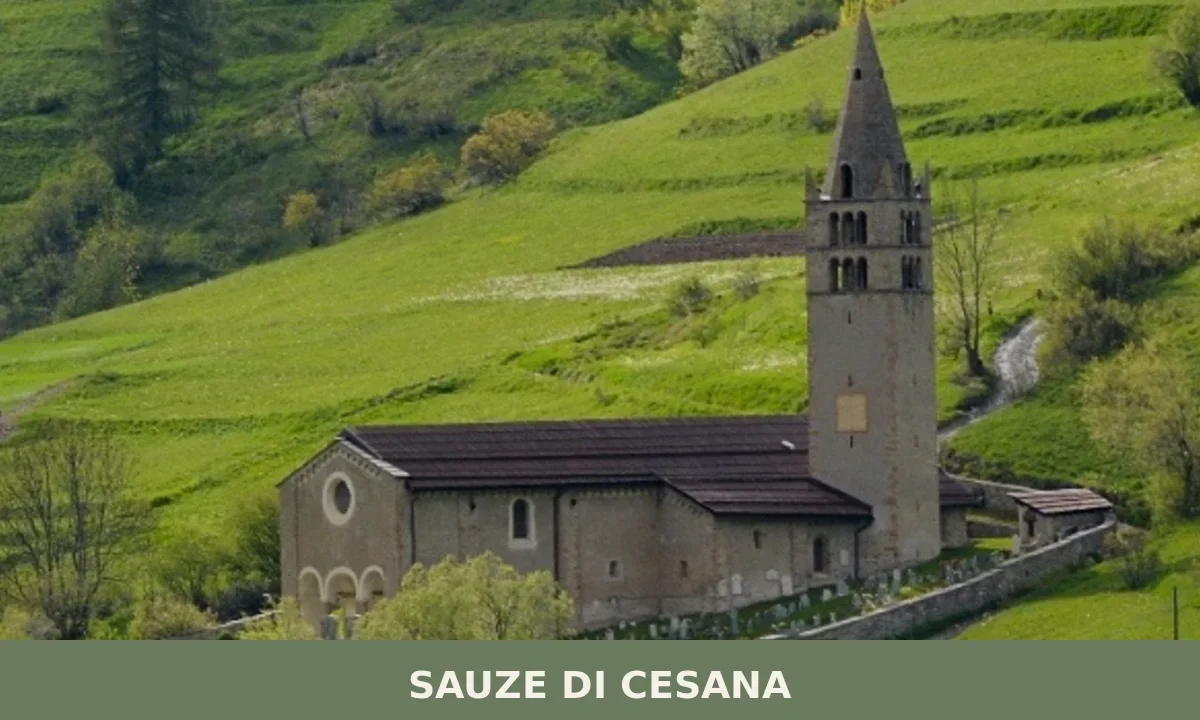
Sauze di Cesana
 Mountain
Population 226. A high-altitude mountain village in Val di Susa where stone architecture and a century of territorial struggle have shaped identity more than monuments.
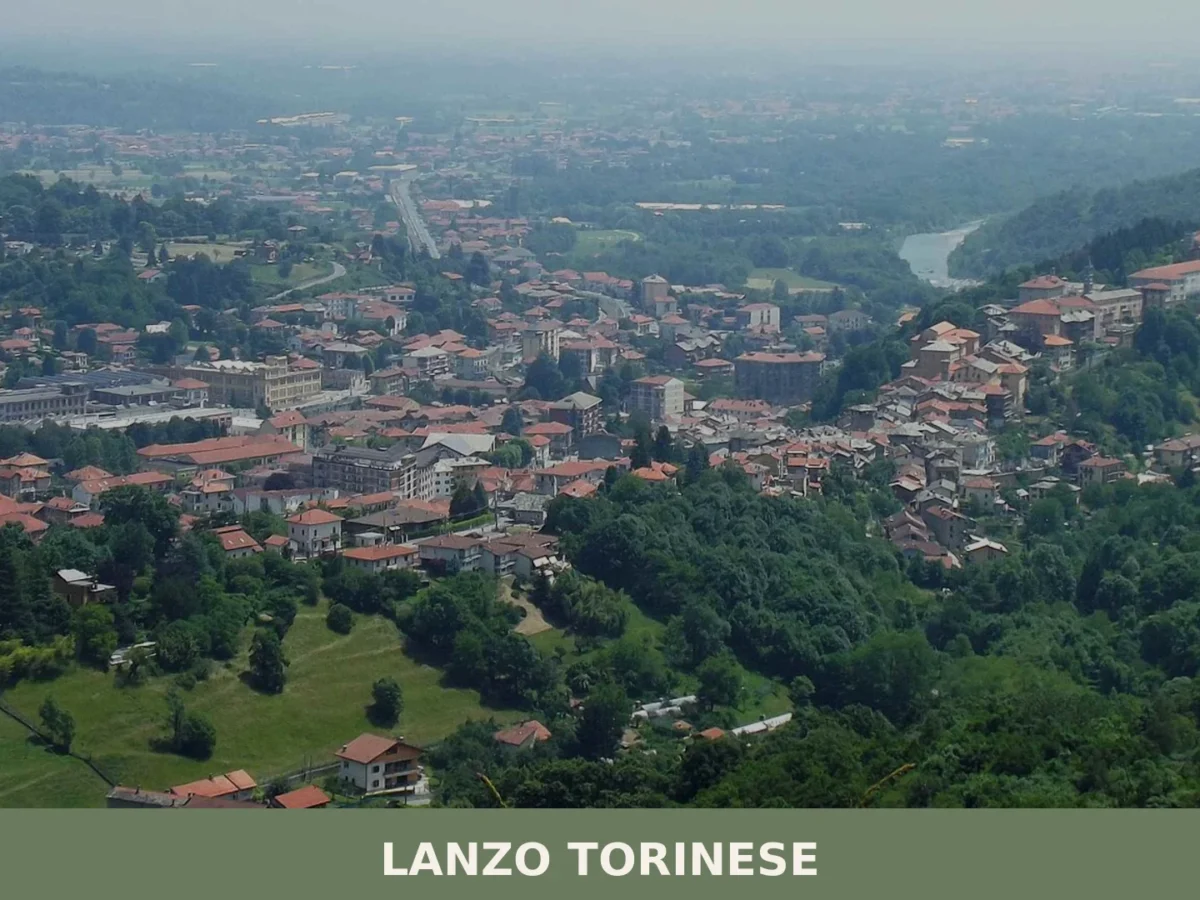
Lanzo Torinese
Mountain
A town of nearly 5,000 residents where Alpine valleys meet industrial heritage. Medieval castle ruins and 14th-century bridge engineering define its character.
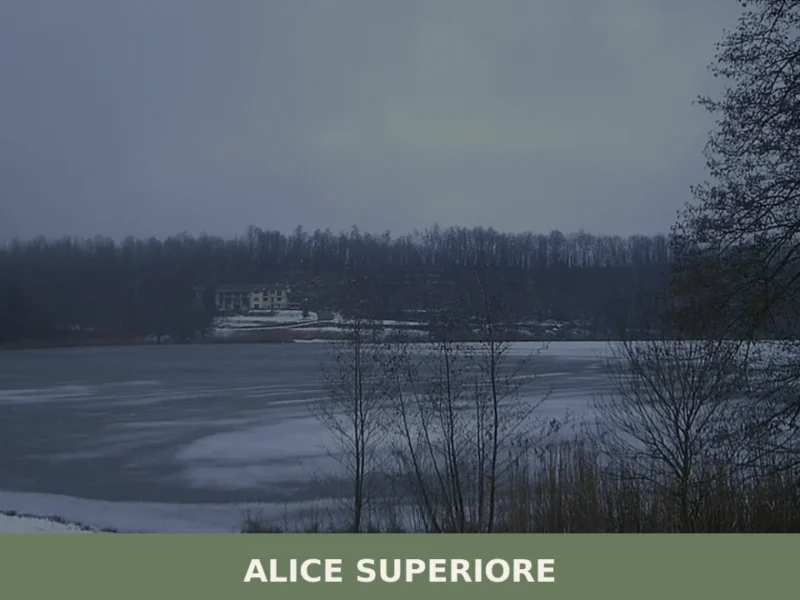
Alice Superiore
Mountain
Alice Superiore sits at 610 metres above sea level in the Chiusella Valley, a lateral branch of the Canavese district within the Metropolitan City of Torino. Home to 711 inhabitants, the village occupies a stretch of sloping terrain where chestnut woods give way to Alpine pasture. For anyone researching what to see in Alice Superiore, […]
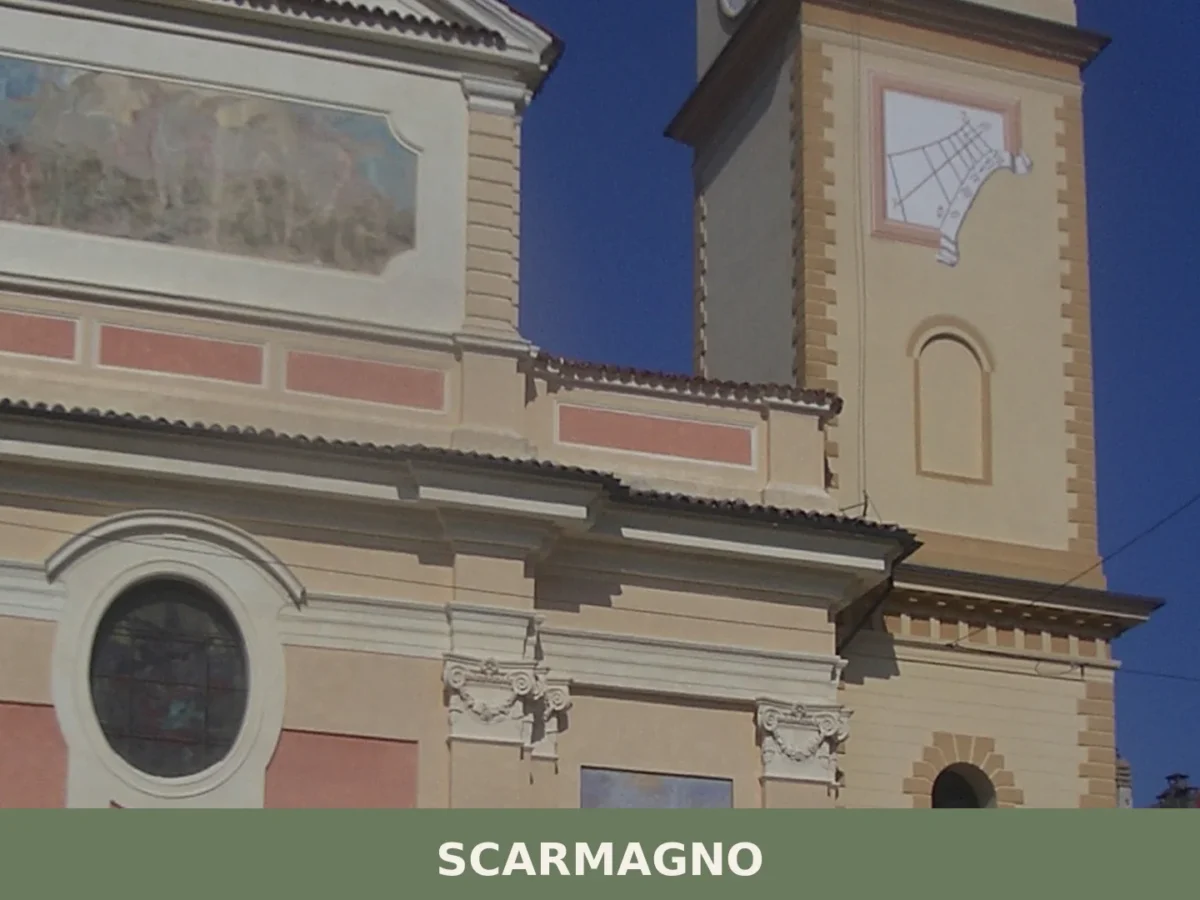
Scarmagno
Mountain
Population 796. A small Piedmontese comune where 10th-century stone chapels stand within sight of the automated Olivetti plant that once produced 200,000 computers annually.
Avigliana
Hills
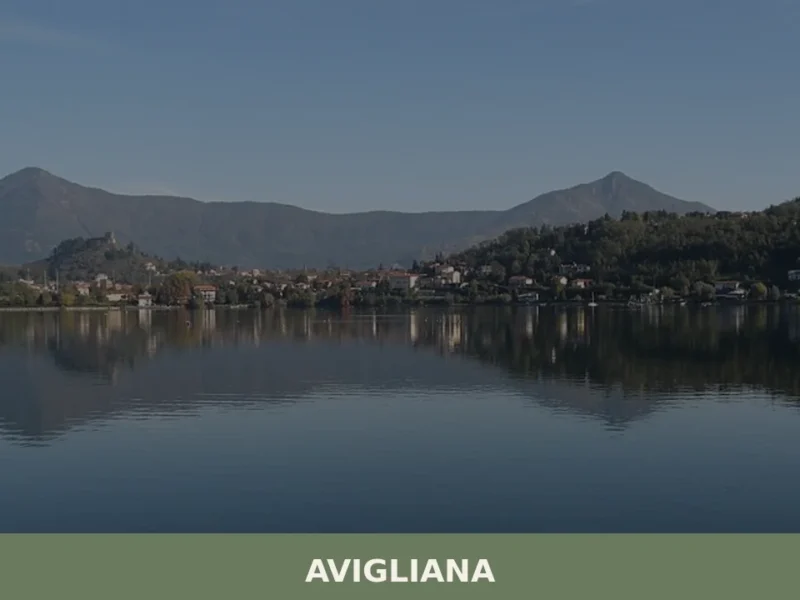
In 1092, a donation charter by Countess Adelaide of Susa mentioned for the first time the castrum Avillianae, a fortified settlement on the hill overlooking two moraine-origin lake basins in the lower Susa Valley. Anyone wondering what to see in Avigliana today will find an urban fabric preserving precise layers of history: thirteenth-century towers, Gothic […]
Cantalupa
Hills
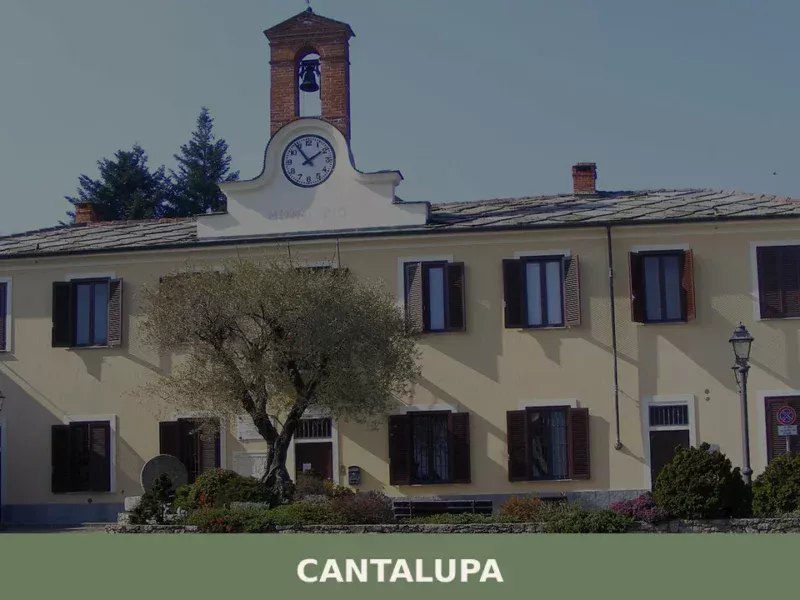
Scopri Cantalupa borgo Piemonte: storia, tradizioni e attrazioni di uno dei gioielli nascosti delle colline piemontesi. Visita questo angolo autentico d'Italia!
Agliè
Hills
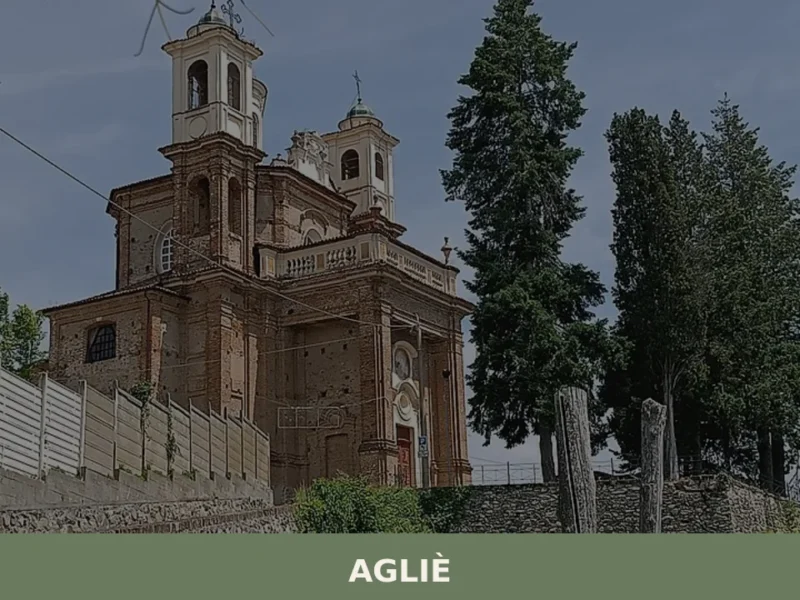
In 1646, Count Filippo San Martino d’Agliè — diplomat, poet, choreographer at the court of Christine of France — danced in the great hall of the castle that bears his name, directing baroque festivities destined to reshape Savoyard court ceremony. That castle still dominates the village’s skyline today with its eighteenth-century façade stretching over one […]
🧀 Italian traditional products
🏡 Know Andrate better than we do?
If you’re a local or have been there, your knowledge matters: add what’s missing or fix a detail on this page.