


Andezeno
 Hills
Hills
At 306 metres above sea level, on the eastern Turin hills, Andezeno has 2,012 inhabitants spread between the historic centre and its rural hamlets. The municipality appears in medieval documents as early as the 10th century, linked to the affairs of local lords and the Diocese of Turin. Today, anyone wondering what to see in […]
Discover Andezeno
At 306 metres above sea level, on the eastern Turin hills, Andezeno has 2,012 inhabitants spread between the historic centre and its rural hamlets. The municipality appears in medieval documents as early as the 10th century, linked to the affairs of local lords and the Diocese of Turin. Today, anyone wondering what to see in Andezeno will find an agricultural territory where vine cultivation and Freisa wine production have shaped the landscape more than any urban development.
History and origins of Andezeno
The name Andezeno probably derives from a personal name of Germanic origin — Andicenus or Andicius — following a toponymic pattern common to many Piedmontese settlements founded during the Lombard or Frankish period. The first documented mention of the place dates back to the early Middle Ages, when the territory fell within the sphere of the March of Turin. Its hilltop position, overlooking the plain of the Banna stream, made it a natural defensive point between the Chieri area and Monferrato.
During the Middle Ages, Andezeno passed under the control of various noble families, including the Counts of Biandrate, before being definitively absorbed into the Savoyard domains. The castle, documented from the 12th century, underwent successive destructions and reconstructions linked to conflicts between the communes of Chieri and Asti. The rural community maintained for centuries a structure based on cereal farming and viticulture, with a subsistence economy that only transformed in the 20th century through agricultural mechanisation and commuting to Turin.
The patron saint feast of San Giorgio, celebrated on 23 April, still marks the community calendar today. Santa Giustina is the other patron saint, and this dual devotion reflects the religious stratifications typical of Piedmontese parishes that incorporated cults from different eras.
What to see in Andezeno: 5 main attractions
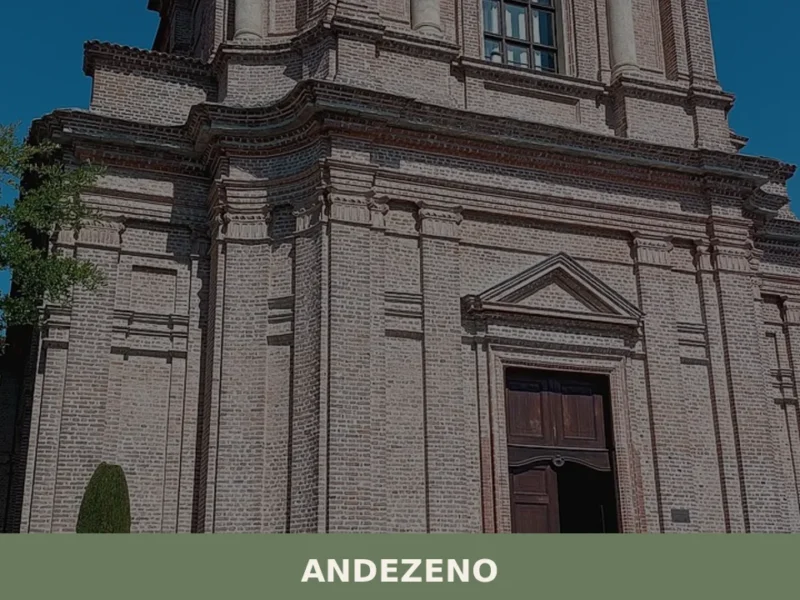
1. Parish Church of San Giorgio
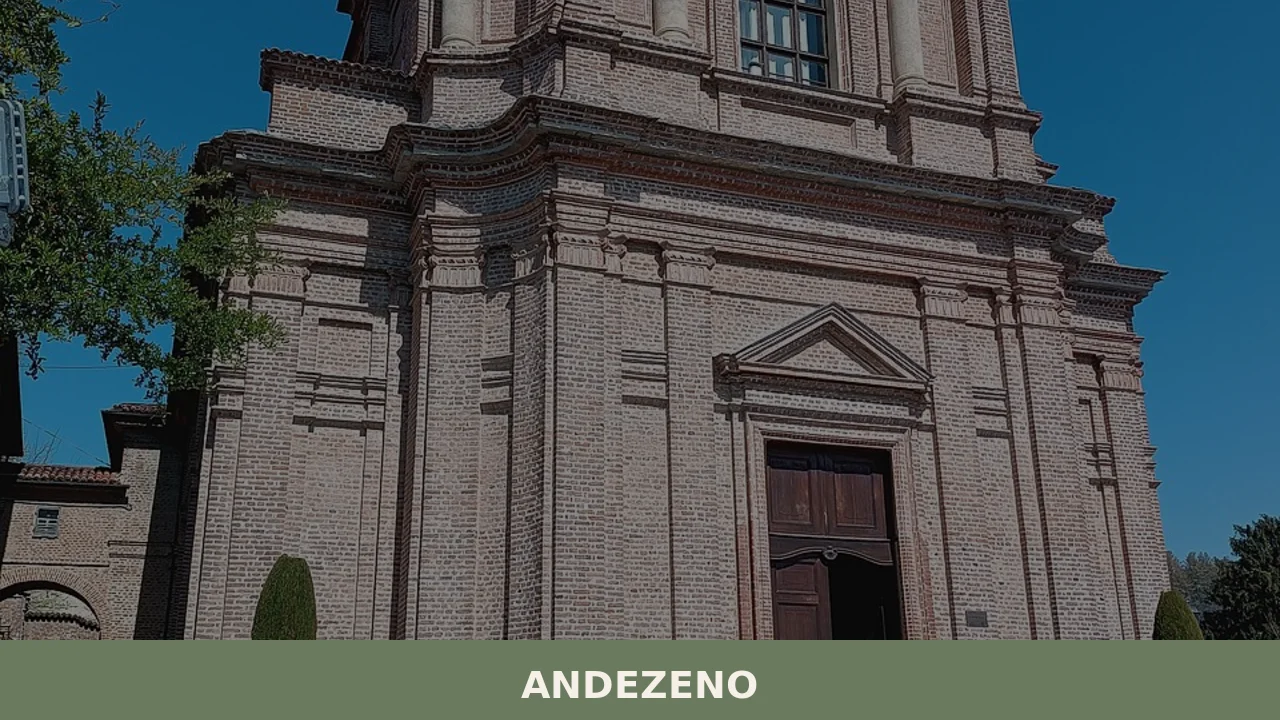
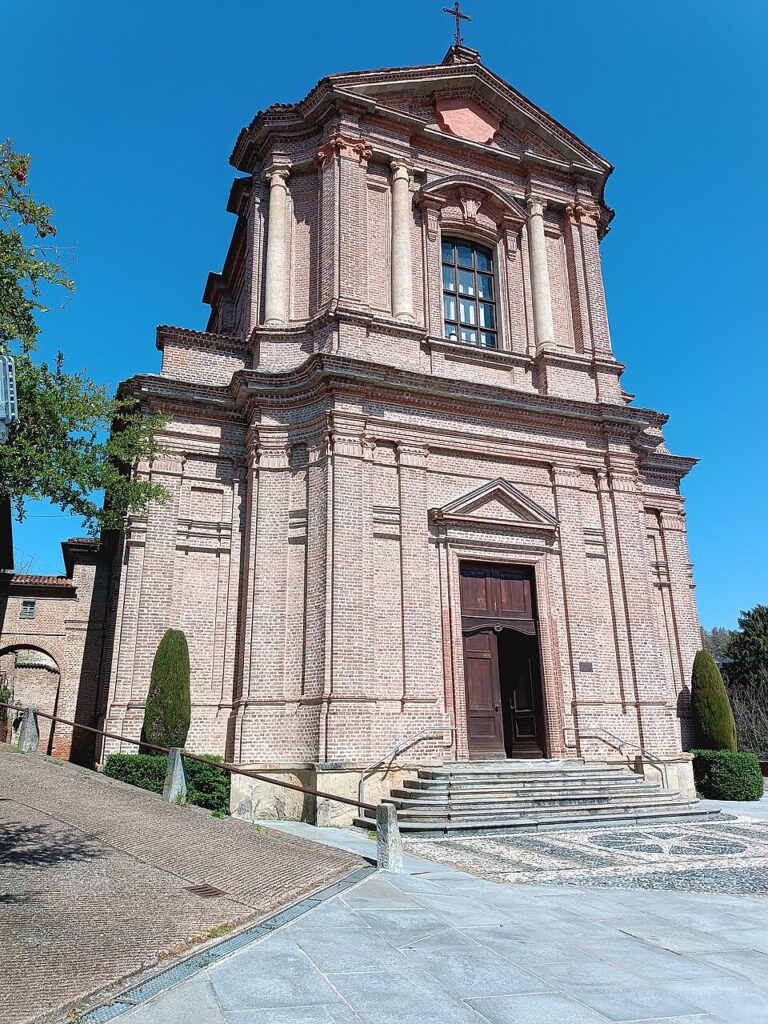
The main religious building in the village is dedicated to the patron saint and preserves architectural elements documenting interventions between the 17th and 18th centuries. The façade and interior layout reflect the Piedmontese Baroque style widespread among the rural churches of the Turin hills. Inside, there are wooden furnishings and canvases from the local school.
2. Remains of the medieval castle
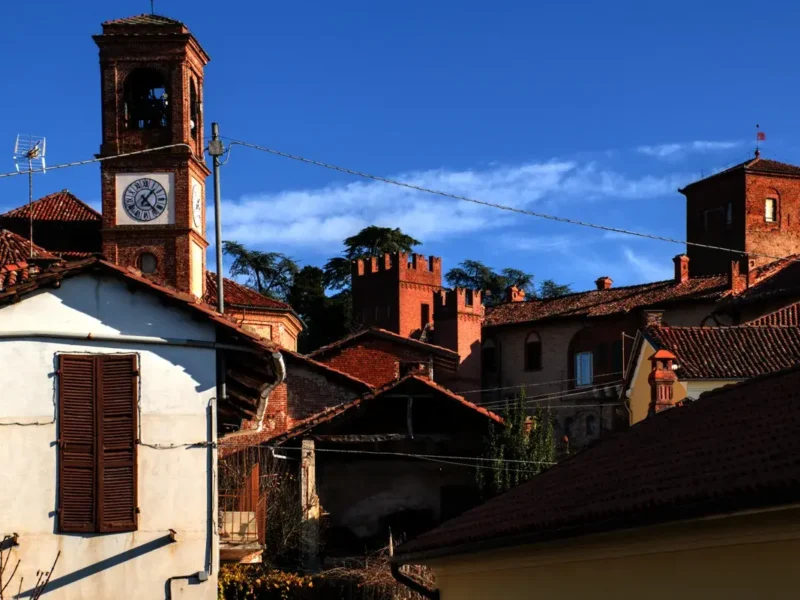
Of the fortification documented from the 12th century, traces remain incorporated into later constructions in the historic centre. The elevated position above the surrounding plain confirms the original defensive function. Some sections of brick and stone walling are still legible within the building fabric along the upper part of the village.
3. Historic centre and medieval street layout
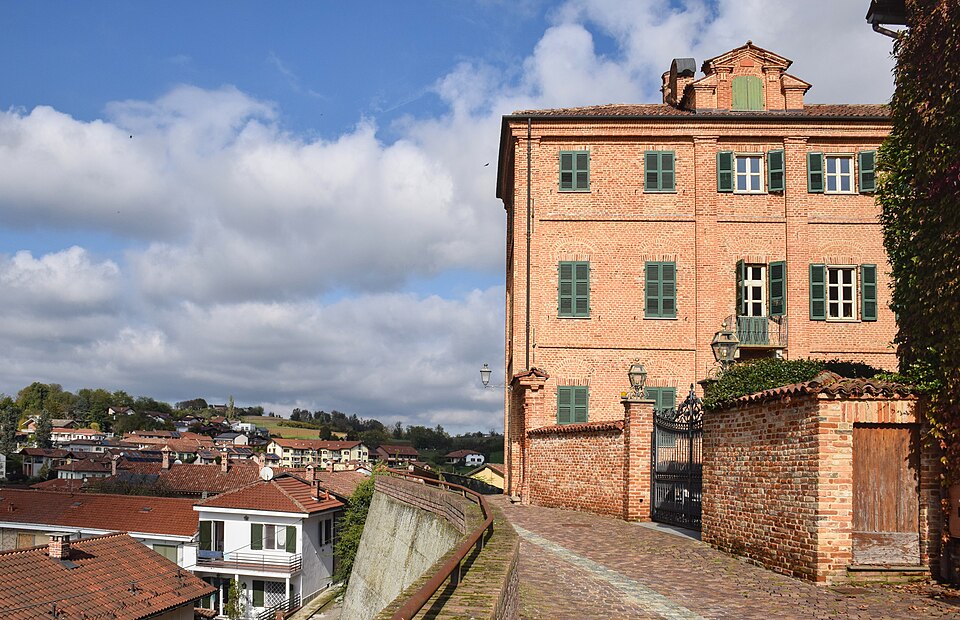
The old nucleus preserves the concentric urban layout typical of Piedmontese hilltop villages, with narrow streets climbing towards the highest point. The exposed-brick houses, with wooden and wrought-iron balconies, document rural building techniques that remained in use until the 19th century.
4. Hillside paths through the vineyards
The farm tracks connecting Andezeno to its hamlets and neighbouring municipalities pass through rows of Freisa and Barbera vines. The hilly landscape, with moderate gradients and limited elevation changes, allows walking or cycling routes with views over the Turin plain and, on clear days, the western Alpine arc.
5. Votive pillars and rural chapels
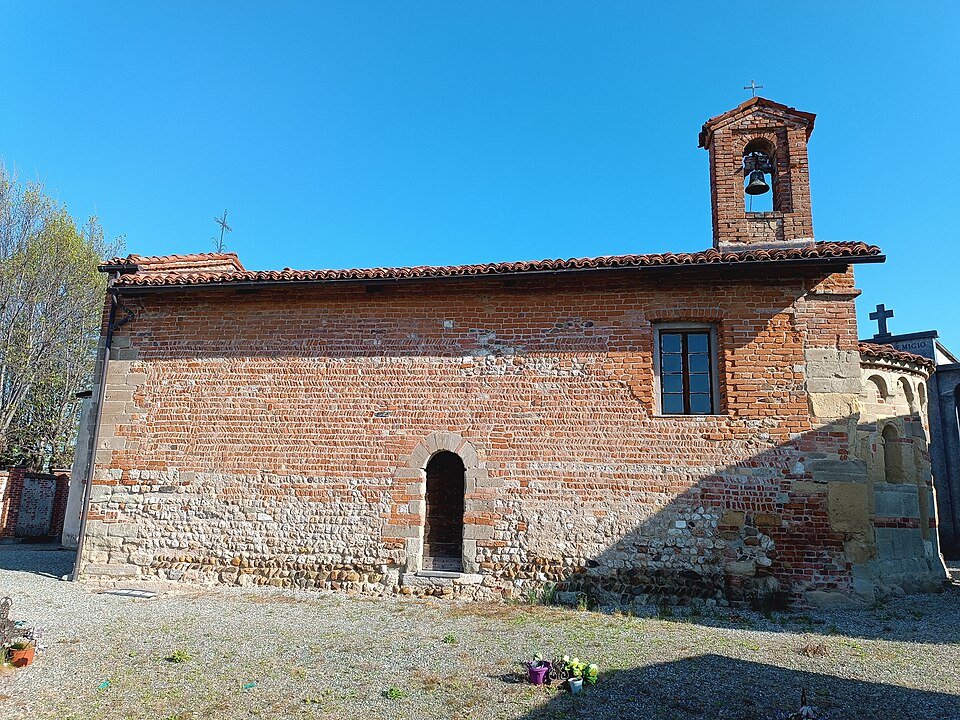
Along the rural roads of the municipal territory, one encounters votive pillars dating from the 18th and 19th centuries, with devotional frescoes often dedicated to the Madonna or to the patron saints of harvests. These structures document the peasant religiosity of the Turin hills and physically mark the boundaries between historic land holdings.
What to see in Andezeno: food and local products
The territory of Andezeno falls within the production area of Freisa di Chieri DOC, a red wine with pronounced tannins and aromas of raspberry and violet that finds one of its prime growing zones on these hills. Freisa, vinified both still and slightly sparkling, traditionally accompanies the dishes of rural Piedmontese cuisine: agnolotti dal plin, bagna cauda, bollito misto with its green and red bagnet sauces. Local farms also produce Barbera and, to a lesser extent, Bonarda.
The cuisine of Andezeno follows the repertoire of the Turin hills: starters based on vitello tonnato and hand-chopped raw beef, first courses with egg tajarin, main courses of Piedmontese beef. In autumn, truffles from the Chieri hills — less famous than those from Alba but of the same species, Tuber magnatum — appear on the tables of local trattorias. Cow’s milk cheeses, particularly fresh toma, complete a food landscape that still depends to a large extent on local production.
When to visit Andezeno: the best time
Spring, from mid-April to June, offers the most favourable conditions: temperatures range between 12 and 24 degrees, the vineyards are in full growth, and the patron saint feast of San Giorgio on 23 April brings the village into one of its few days of concentrated public activity. Autumn — from mid-September to late October — coincides with the Freisa harvest and the truffle-hunting season, two events that set the rhythm of agricultural life in the area.
Summer can be hot and humid, with temperatures exceeding 30 degrees on the plain below, although the hilltop elevation ensures a few degrees less and better ventilation compared to Turin. Winter is cold and often foggy on the plain, but clear days offer a sharp view of the Alps from the hill, from Monviso to Monte Rosa. For up-to-date information on events and services, it is useful to consult the official website of the Municipality.
How to reach Andezeno
Andezeno is approximately 25 kilometres from Turin in a south-easterly direction. By car, it can be reached from the Turin ring road by exiting at Pessione or Santena and following the provincial road that climbs towards the Chieri hills. The A21 Turin–Piacenza motorway, with the Villanova d’Asti exit, offers an alternative for those coming from the east. Provincial road 122 connects the village directly to Chieri, approximately 7 kilometres away.
The nearest railway station is Chieri, served by the Turin–Chieri line operated by Trenitalia. From Chieri, an intercity bus service reaches Andezeno in approximately 15 minutes. Turin-Caselle airport is approximately 45 kilometres away; from there, the fastest route involves the southern ring road and then the provincial road towards the hills. Milan Malpensa is approximately 170 kilometres away.
Other villages to discover in Piedmont
Those visiting the Turin hills who wish to extend their exploration to the hilly and mountainous areas of Piedmont will find a completely different geography in the Canavese. Alice Superiore, in the centre of the Ivrea morainic amphitheatre, is a municipality of just a few hundred inhabitants overlooking Lake Alice, a body of water of glacial origin surrounded by broadleaf woods. The lakeside landscape and morainic geology offer a sharp contrast with the clay vineyards of Andezeno.
Higher up, towards the Alpine valleys of Gran Paradiso, Alpette represents the Piedmontese mountains in their most essential form: a settlement at around 800 metres altitude, with a pastoral economy still partially active and direct access to the trails of the national park. The comparison between Andezeno, Alice Superiore and Alpette captures, within just a few kilometres, three distinct ways in which Piedmontese communities have shaped their territory according to altitude, soil and climate.
Frequently asked questions about Andezeno
What is the best time to visit Andezeno?
The ideal periods are spring (mid-April to June) and autumn (mid-September to late October). In spring, temperatures stay between 12 and 24°C, the vineyards are in full growth, and the patron saint feast of San Giorgio falls on 23 April — one of the village's most lively community events. Autumn coincides with the Freisa grape harvest and the truffle season on the Chieri hills, giving visitors direct contact with local agricultural traditions. Summer is warm but the hilltop position at 306 metres provides a few degrees of relief compared to the Turin plain.
What are the historical origins of Andezeno?
Andezeno's name likely derives from a Germanic personal name — Andicenus or Andicius — following a toponymic pattern common to Lombard or Frankish-era settlements in Piedmont. The village appears in medieval documents from the 10th century, when it fell within the March of Turin. Its hilltop position served a defensive function between the Chieri area and Monferrato. Control passed through noble families including the Counts of Biandrate before the territory was absorbed into the Savoyard domains. The castle, documented from the 12th century, was repeatedly destroyed and rebuilt during conflicts between the communes of Chieri and Asti.
What to see in Andezeno? Main monuments and landmarks
The Parish Church of San Giorgio is the main attraction, featuring Piedmontese Baroque architecture with 17th–18th century interventions, wooden furnishings and local-school canvases. Traces of the medieval castle, documented from the 12th century, remain incorporated into buildings in the upper part of the historic centre. The old village preserves a concentric hilltop street layout typical of rural Piedmont, with exposed-brick houses and wrought-iron balconies. Along country roads, 18th- and 19th-century votive pillars with devotional frescoes mark the boundaries of historic land holdings. The church is generally accessible during religious services.
What are the main natural or scenic attractions of Andezeno?
The municipal territory offers hillside farm tracks winding through rows of Freisa and Barbera vines, with moderate gradients suitable for walking or cycling. The elevated position at 306 metres provides views over the Turin plain and, on clear days, the western Alpine arc from Monviso to Monte Rosa. The landscape is shaped by the clay and calcareous soils of the Chieri hills, characteristic of the Freisa di Chieri DOC growing zone. No designated nature reserves or official CAI trails are documented for the immediate municipal area, but the network of rural paths offers genuine contact with the Piedmontese hill environment.
Where to take the best photos in Andezeno?
The upper part of the historic centre, near the remains of the medieval castle, offers an elevated vantage point over the surrounding vineyards and the Turin plain below. The vineyard paths on the hillside slopes provide wide-angle views of the vine rows typical of the Freisa di Chieri DOC landscape. On clear days, the Alpine arc from Monviso to Monte Rosa is visible on the horizon. The 18th- and 19th-century votive pillars along rural roads, often set against vine-covered backgrounds, offer distinctive foreground subjects characteristic of the Turin hills.
Are there churches or historic buildings to visit in Andezeno?
The Parish Church of San Giorgio, dedicated to the village's patron saint, is the principal historic building, built in the Piedmontese Baroque style with documented 17th- and 18th-century phases. It contains wooden furnishings and canvases from the local painting school. The remains of the 12th-century castle are visible as sections of brick and stone walling integrated into later constructions along the upper streets of the historic centre. Votive pillars and rural chapels with devotional frescoes are scattered throughout the municipal territory. Visiting hours for the church are not officially published; access is generally possible during morning and evening services.
What can you do in Andezeno? Activities and experiences
Andezeno suits slow, wine-and-landscape tourism. Visitors can walk or cycle the farm tracks through Freisa and Barbera vineyards, explore the compact historic centre on foot, and participate in the patron saint feast of San Giorgio on 23 April. The autumn harvest season offers the chance to observe or inquire about Freisa di Chieri DOC grape picking at local farms. The surrounding Chieri hills are hunting ground for white truffles (Tuber magnatum) in October, and local trattorias incorporate seasonal produce into traditional menus of agnolotti dal plin, tajarin and bollito misto.
Who is Andezeno suitable for? Families, couples, hikers, solo travellers?
Andezeno is best suited to couples and adult visitors seeking quiet wine-country tourism away from mass tourism circuits. Food and wine enthusiasts will find direct engagement with Freisa di Chieri DOC production and the broader Piedmontese culinary tradition. The gentle hillside terrain and vineyard paths are accessible to leisure walkers and cyclists without requiring technical skills. Families with young children will find limited dedicated infrastructure but a safe, uncrowded rural environment. It is less suited to travellers looking for nightlife, museums or urban amenities, and best combined with a base in nearby Chieri or Turin.
What to eat in Andezeno? Local products and specialties
Andezeno falls within the Freisa di Chieri DOC production zone, and the local red wine — vinified still or lightly sparkling, with aromas of raspberry and violet — is the defining product of the territory. Traditional dishes follow the Turin hills repertoire: vitello tonnato, hand-chopped raw beef (carne cruda), agnolotti dal plin, egg tajarin, and bollito misto with green and red bagnet sauces. In autumn, white truffles (Tuber magnatum) from the Chieri hills appear in local trattorias alongside Barbera wines. Fresh toma cow's-milk cheese and locally produced Bonarda complete the food offer.
📷 Photo Gallery — Andezeno
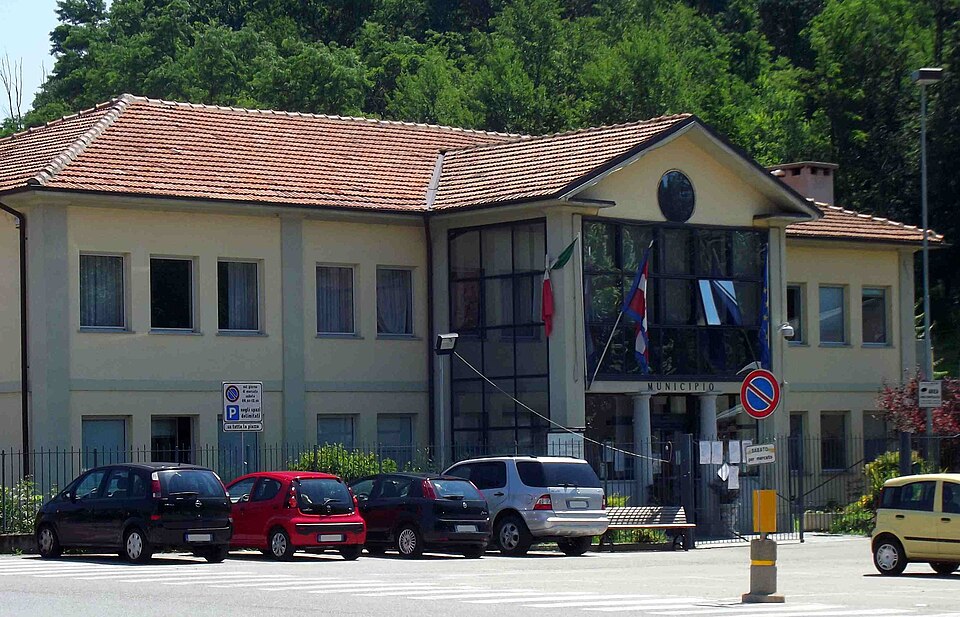
Nearby Villages near Andezeno
In Piedmont More villages to discover

Prarostino
 Mountain
Population 1,230. A foothill comune where partisan memory and valley crossroads define the landscape and village rhythm.
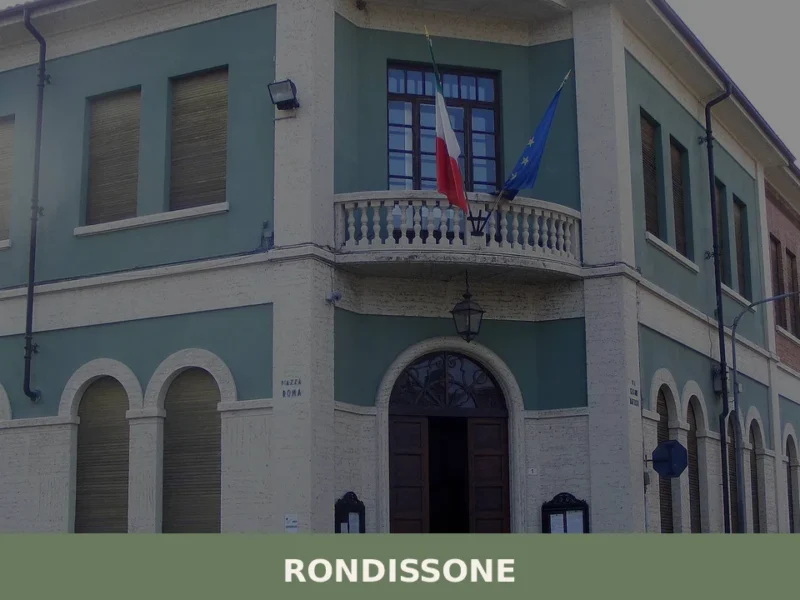
Rondissone
 Plains
Discover what to see in Rondissone, a Po plain comune near Turin inside the Parco Fluviale del Po torinese. History, food, travel tips and more.
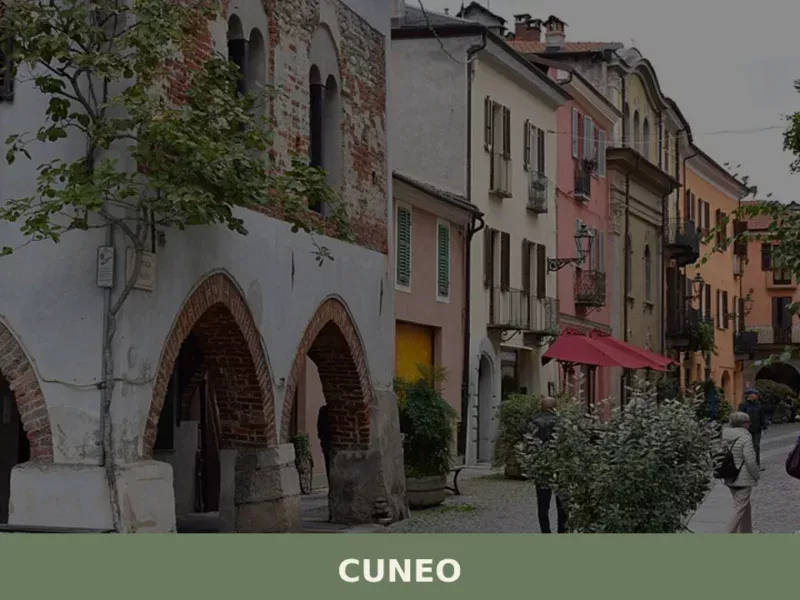
Cuneo
Hills
What to see in Cuneo: 55,744 residents at 534m, historic arcades, Piazza Galimberti and the Cuneese al Rum. Plan your visit with this complete city guide.

Castelletto Molina
Hills
137 residents, one patron saint and a golden civic banner: Castelletto Molina rewards slow travellers with genuine Monferrato countryside and Piedmontese village life.
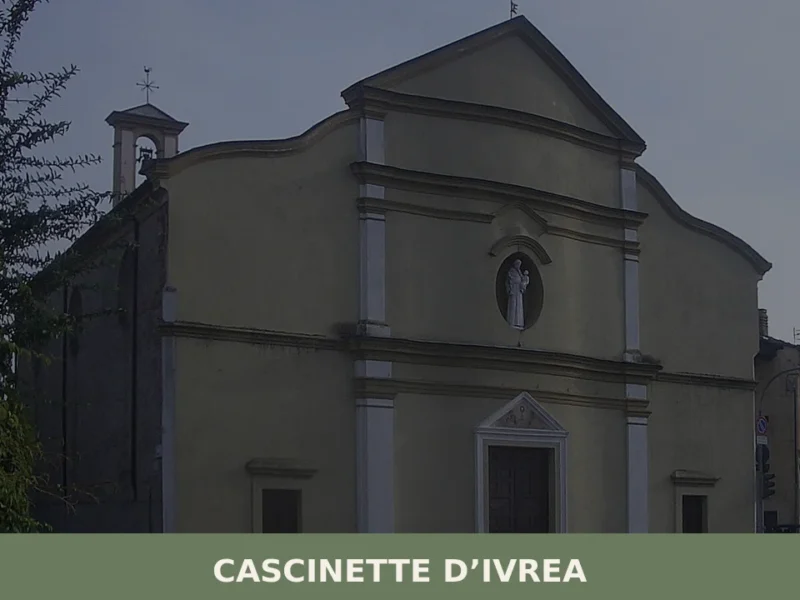
Cascinette d’Ivrea
Hills
Scopri Cascinette d'Ivrea, un incantevole borgo piemontese ricco di storia e paesaggi mozzafiato. Tutto quello che devi sapere su questo gioiello d'Italia.
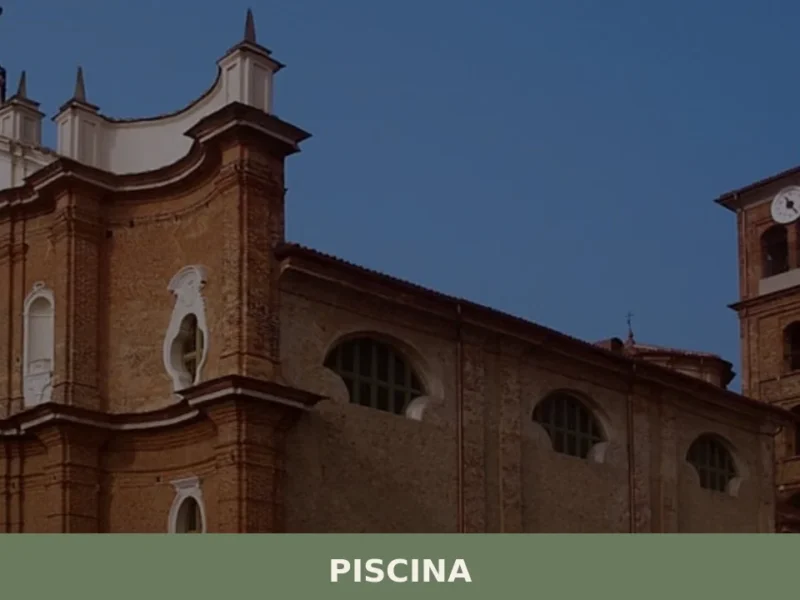
Piscina
Plains
Scopri Piscina borgo Piemonte: storia, tradizioni e attrazioni di questo affascinante comune piemontese tutto da esplorare.
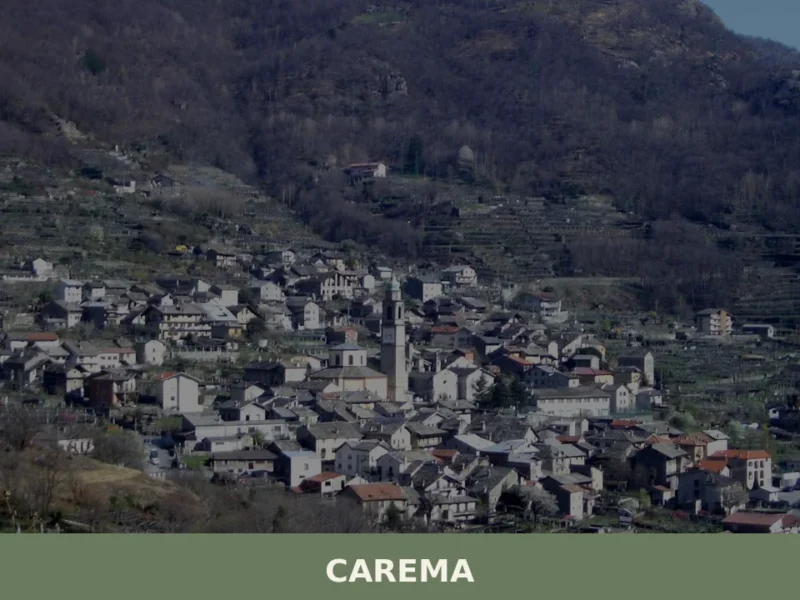
Carema
Mountain
Scopri Carema borgo medievale: un gioiello del Piemonte tra vigneti storici, torri antiche e tradizioni millenarie. Visita questo angolo unico d'Italia!

Beinasco
Plains
Beinasco traces its roots to a Roman frontier post. Discover how this small town survived plague, warfare and transformation to anchor modern metropolitan Turin.

Pomaretto
Mountain
Discover what to see in Pomaretto, a 937-inhabitant Waldensian village in the Val Chisone near Torino — history, food, travel tips and local culture.
Buriasco
Hills
What to see in Buriasco, Italy: 5 top attractions, local food, festivals and how to get to this 301 m village near Turin. Discover Buriasco, Piemonte.


🏡 Know Andezeno better than we do?
If you’re a local or have been there, your knowledge matters: add what’s missing or fix a detail on this page.