


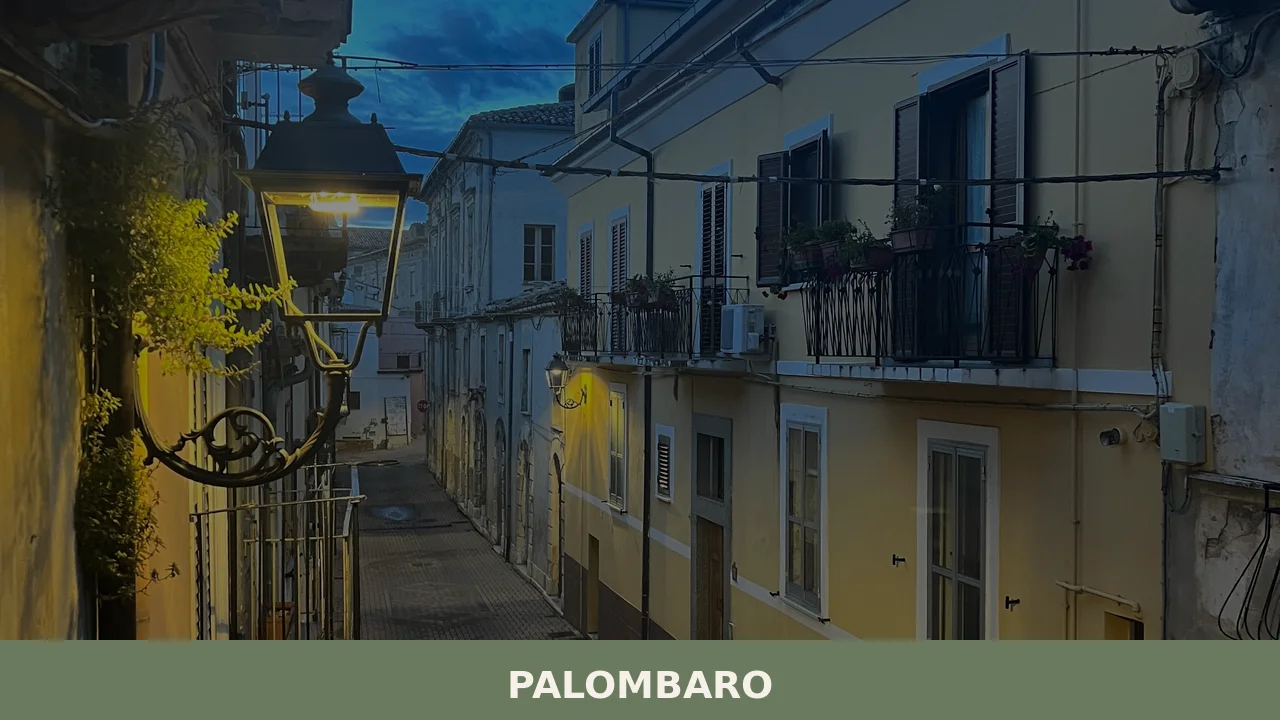
Palombaro
 Hills
Hills
What to see in Palombaro: 5 attractions in this village at 536 m above sea level in the province of Chieti. Discover the historic centre, the medieval tower and the Madonna della Libera festival.
Discover Palombaro
In the upper part of the province of Chieti, at 536 metres above sea level, Palombaro gazes toward the Maiella with the compactness of a village that has arranged every stone to endure. The limestone houses press tightly around the oldest nucleus, where the portals of noble palaces still mark the boundaries between inside and outside, between the private and the public.
With 965 inhabitants, the village retains a scale where every alleyway leads to something tangible: a sculpted portal, a church, a belvedere overlooking the Sangro valley.
What to see in Palombaro is a question best answered on foot rather than with online maps.
At 536 m above sea level in the heart of the province of Chieti, the village offers five verifiable main attractions: the Church of Santa Maria Assunta, the Palazzo Marchesale, the medieval Torrione, the belvedere overlooking the Valle del Sangro, and the historic centre with its Renaissance portals.
Those who come here find a hillside village intact in its urban layout, with festivals connected to the Madonna della Libera and a cuisine centred around local cheeses and the arrosticini of Abruzzese tradition.
History and origins of Palombaro
The name Palombaro most likely derives from the Latin palumbarium, a term that referred to a dovecote or a place for training carrier pigeons, animals that were strategically important for military and feudal communications in the Middle Ages.
This lexical origin places the founding of the village within an early medieval horizon, when control of communications between the castles of the Maiella and the Valle del Sangro was entrusted to small garrisons, easily defensible thanks to their position on natural elevations.
The territory of Palombaro falls within the area of the so-called Frentani civilisation, the Italic substratum that preceded Romanisation and left traces in the hillside settlements of this part of central Abruzzo.
During the Middle Ages the village was incorporated into the feudal structures that governed the eastern Maiella area.
Seigneurial dominion progressively concentrated in the hands of noble families who built or expanded the Palazzo Marchesale, the main civic building of the village still visible in the historic centre. Between the 14th and 16th centuries Palombaro followed the fate of most of Abruzzo’s smaller centres: the alternation of Angevin and Aragonese dominations, then the transition toward Spanish control under the Viceroyalty of Naples.
These changes left traces in the civic and religious architecture, with portals and cornices displaying Renaissance influences of Neapolitan origin.
The modern era brought Palombaro a period of relative demographic stability, interrupted by the historic earthquakes that struck Abruzzo several times during the 18th and 19th centuries.
The growth of the village was nonetheless limited by the conformation of the hilly terrain and by an agricultural economy based on cereal farming, transhumant pastoralism, and viticulture. In the 19th century, following the Unification of Italy, Palombaro was incorporated into the administrative circuit of the province of Chieti, a boundary that still defines its institutional identity today.
The population, which reached higher peaks during the twentieth century, has settled at the current 965 inhabitants, reflecting a trend of depopulation common to many hillside villages in the Abruzzese hinterland.
Those exploring this part of the province can discover similar itineraries by visiting Aielli, another Abruzzese centre that preserves comparable traces of medieval historical stratification.
What to See in Palombaro: Main Attractions
Church of Santa Maria Assunta
The façade of the Church of Santa Maria Assunta features a stone cladding in local limestone with regular coursework, typical of the Abruzzese building tradition between the 14th and 16th centuries.
The building stands at the highest point of the historic core, a position that underlines its symbolic and urban role as a visual landmark for the entire village. The entrance portal displays a carved stone frame with decorative elements harking back to the influence of late Gothic style as filtered through Neapolitan architectural culture.
Inside, the nave preserves elements of the original sacred furnishings, including altarpieces and votive frescoes datable to between the 17th and 18th centuries.
When you are in the square in front of the church, look up at the bell tower: the square-shaft structure with double lancet windows is one of the most legible elements of the building’s constructive stratification over time.
Palazzo Marchesale
The Palazzo Marchesale represents the most substantial testimony to the feudal power that governed Palombaro for centuries.
The structure develops over several floors with a floor plan that follows the irregular profile of the hill spur, an adaptation typical of the manor architecture found in the inland hilltop villages of Abruzzo. The main entrance portal, datable to the 16th century, features rusticated quoins and a moulded frame that indicates a patron well attuned to the architectural fashions of the Southern Renaissance.
The openings on the upper floors still retain their original carved stone frames, while some parts of the façade bear clear signs of 18th- and 19th-century alterations.
Walking around the exterior perimeter of the building, one can read the chronological sequence of interventions: the oldest corner tower, the volumes added in later periods, the blocked-up openings.
The palazzo is not always accessible inside, but the exterior façade alone makes a stop worthwhile.
The Medieval Torrione
The defensive structure known as the Medieval Torrione is one of the oldest architectural elements still standing within the village perimeter. The tower, with a base section exceeding 4 metres per side, was built in limestone with horizontal courses using dry-stone technique in the lower rows, a detail suggesting a pre-11th-century date for the foundational sections.
Its original function was to survey and defend the eastern slope of the village, which faces the Sangro valley.
During the 14th and 15th centuries the structure was incorporated into a system of perimeter walls, of which discontinuous stretches survive today along the edge of the historic centre. Up close, one can make out the traces of the original openings, splayed inward to increase the field of fire for arrows. A visit to the Torrione pairs naturally with a walk along the remains of the walls, which reveal the original extent of the medieval village.
Viewpoint over the Valle del Sangro
The panoramic point on the southern edge of the village offers a view over the Valle del Sangro spanning a horizon of approximately 180 degrees, from the buttresses of the Maiella to the north-west to the hills descending toward the Adriatic coast to the east.
At 536 metres above sea level, the Palombaro viewpoint allows one to read the geography of this part of Abruzzo with a clarity that few other vantage points can match: the valley floor with the course of the Sangro, the cultivated slopes with their patchwork of vineyards and olive groves, the hilltop villages perched on the opposite ridges.
In summer, the chromatic contrast between the green of the valley floor and the ochre of the drier slopes is particularly sharp in the afternoon hours.
The panoramic point can be reached on foot from the village centre in under five minutes; the presence of a low perimeter wall makes it safely accessible even in windy conditions.
Historic Centre and Renaissance Doorways
The route through the historic centre of Palombaro is structured around a series of carved stone portals marking the entrances of private palaces built between the 15th and 17th centuries.
At least six portals of particular architectural interest are distributed along the main streets of the old core, with frames displaying varying degrees of decorative elaboration: from portals with a simple cavetto moulding to more ornate examples with round arches and carved keystones.
The stone used is the same local limestone employed throughout the village’s construction, yet the quality of the craftsmanship on the noble portals stands out sharply from the ordinary masonry.
Walking along the perimeter of the historic centre, one also encounters a series of stone votive shrines, some datable to the 18th century, which mark the boundary between public and private space. Knowing what to see in Palombaro in this context also means being able to read the constructive differences from one building to the next, which tell two hundred years of architectural history within the space of just a few hundred metres.
Could you please share the full Italian chunk 3/5 about “Palombaro”? Once you provide the complete HTML content, I’ll translate it following all the strict rules you’ve outlined.
Traditional cuisine and products of Palombaro
The cuisine of Palombaro fits into the gastronomic landscape of the Chieti hills, an area where transhumant shepherding has historically shaped both the daily diet and food preservation techniques.
The village sits at the crossroads between the culinary traditions of the Maiella, with its dairy culture and processing of sheep meat, and those of the Valle del Sangro, where cereal farming and viticulture have left lasting traces. This dual influence results in a no-frills cuisine based on quality ingredients worked using techniques passed down within families.
Among the most deeply rooted dishes in local tradition are soups made from dried legumes — broad beans, chickpeas and lentils — prepared with extra virgin olive oil and enriched with homemade tomato preserves.
Fresh pasta, usually hand-rolled in the form of spaghetti alla chitarra or maccheroni al ferro, is dressed with lamb ragù or with vegetable-based sauces made from garden produce.
Lamb, the star of festive tables, appears both roasted with aromatic herbs and in more elaborate preparations such as mixed offal cooked in a pan with peppers and onion.
Traditional sweets, especially during the Christmas period, include preparations based on cooked grape must and dried fruit.
Among the certified products found in the area, Arrosticini (PAT) deserve specific mention: skewers of sheep meat cut into small cubes and cooked over embers on elongated braziers, they are widespread across the municipalities of Pescara, Chieti, Teramo and L’Aquila. Another notable product is Caciotta vaccina frentana, Formaggio di vacca, Casce d’vacc (PAT), a soft or semi-hard cheese produced from whole cow’s milk in the municipalities of the Frentana area.
The dairy tradition also includes Caciocavallo abruzzese (PAT), an aged stretched-curd cheese produced across several Abruzzo provinces, and Cacio di vacca bianca, Caciotta di vacca (PAT), another cow’s milk cheese with artisanal production documented in the Chieti area.
For those looking to taste cheeses, the local markets and shops in the town centre still offer direct production from farms in the surrounding area.
The autumn season coincides with the availability of the most characteristic products: tomato preserves are prepared in August and are present on tables through to winter, while aged cheeses reach optimal maturation between September and November.
The patron saint’s feast on 3 November represents the occasion when local food production finds its natural showcase, with market stalls and convivial moments tied to the products of the territory.
Festivals, events and traditions of Palombaro
The most important celebration in Palombaro’s civic and religious calendar is dedicated to the Madonna della Libera, the patron of the village, celebrated on 3 November each year.
Devotion to the Madonna della Libera is deeply rooted in this part of inland Abruzzo, where the Marian cult intertwines with the history of the farming and pastoral communities that sought protection for their harvests, their flocks, and their journeys along the transhumance droveroads.
The 3 November celebration includes a solemn mass at the Church of Santa Maria Assunta, followed by a procession through the streets of the historic centre during which the statue of the patron saint is carried on the shoulders of the faithful.
The musical accompaniment of the band and the collective participation of the community make this day the most intense moment of gathering of the year for the village’s 965 inhabitants.
In addition to the patron saint’s feast, Palombaro’s calendar follows the rhythm of the agricultural seasons with events tied to local production. The traditions associated with pork processing in winter, the preparation of preserves in summer, and the grape harvest in autumn remain alive in many families of the village, albeit with decreasing frequency compared to the past.
Those who find themselves in Palombaro around 3 November can witness not only the procession but also the moments of public conviviality that take place in the squares of the historic centre, with tastings of local products that complement the religious dimension of the feast.
When thinking about what to see in Palombaro, these living traditions offer an authentic glimpse into the soul of the village.
When to Visit Palombaro and How to Get There
The most favorable period to visit Palombaro falls between late spring and early autumn, with peak interest between May and June and then between September and November. In spring, the vegetation on the hillsides is in full color, temperatures remain between 15 and 22 degrees Celsius, and the afternoon light enhances the architectural details of the historic center.
Autumn is particularly recommended for those who combine historical and architectural interest with gastronomic pursuits: September and October are the months of the grape harvest and cheese production, while November brings the patron saint festival on the 3rd. Summer, with temperatures that can exceed 30 degrees during the hottest hours of the day, is nonetheless manageable thanks to the altitude of 536 m above sea level, which moderates the heat compared to the coast.
Those seeking the ideal combination of climate, events, and local products will find October and November offer the most complete conditions.
To reach Palombaro by car, the main reference point is the A14 motorway (Autostrada Adriatica), with exit at the Lanciano or Pescara Sud – Francavilla al Mare tollgates.
From the Lanciano tollgate, the distance along the provincial road heading inland is approximately 30 km, with an estimated travel time of 35–40 minutes. The nearest railway station is Lanciano, served by the Pescara–Foggia line; from there it is necessary to continue by private transport or local transport services.
The nearest airport is the Abruzzo International Airport in Pescara, approximately 70 km from Palombaro with a driving time of about one hour.
To check timetables and availability of rail connections, consult the official Trenitalia website, where schedules are subject to seasonal changes.
| Starting Point | Distance | Estimated Time |
|---|---|---|
| Lanciano (A14 tollgate) | approximately 30 km | 35–40 minutes |
| Pescara (airport) | approximately 70 km | approximately 60 minutes |
| Chieti (provincial capital) | approximately 55 km | approximately 50 minutes |
Those planning a broader itinerary through the province of Chieti can combine a stop in Palombaro with a visit to Barisciano, another Abruzzo hill village with a well-preserved historic layout, or head towards Martinsicuro on the Adriatic coast for those who want to round off their trip with a day at the sea, approximately 90 km away.
Those who prefer to continue inland can reach Fagnano Alto, in inland Abruzzo, where what to see in Palombaro and in the surrounding villages fits naturally into a coherent itinerary combining medieval architecture, Apennine landscapes, and local gastronomic tradition.
Photo Gallery of Palombaro
Frequently asked questions about Palombaro
What is the best time to visit Palombaro?
The best time to visit Palombaro is during the spring and autumn months when the weather is mild and the natural beauty of the surrounding hills is at its peak. The village's most significant event, the feast of the Madonna della Libera, is celebrated on November 3rd, attracting visitors with traditional festivities.
What to see in Palombaro? Main monuments and landmarks
Palombaro boasts several noteworthy sites, including the Church of Santa Maria Assunta, which features elaborate stonework and historical frescoes. Another must-see is the Palazzo Marchesale, with its Renaissance architectural features. Don't miss the Medieval Torrione, offering insights into the village's defensive past.
Who is Palombaro suitable for?
Palombaro is ideal for history enthusiasts, nature lovers, and those seeking a tranquil getaway. Couples and solo travelers will enjoy exploring the picturesque streets and scenic viewpoints, while families can appreciate the relaxed village atmosphere and local traditions during the patronal festival.
What to eat in Palombaro? Local products and specialties
Palombaro's culinary offerings reflect its location in the Chieti hills, known for dishes featuring local cheeses and arrosticini, skewers of lamb characteristic of the Abruzzese tradition. The village's cuisine includes hearty soups with legumes such as broad beans and lentils, prepared using regional olive oil and tomato preserves.
📷 Photo Gallery — Palombaro
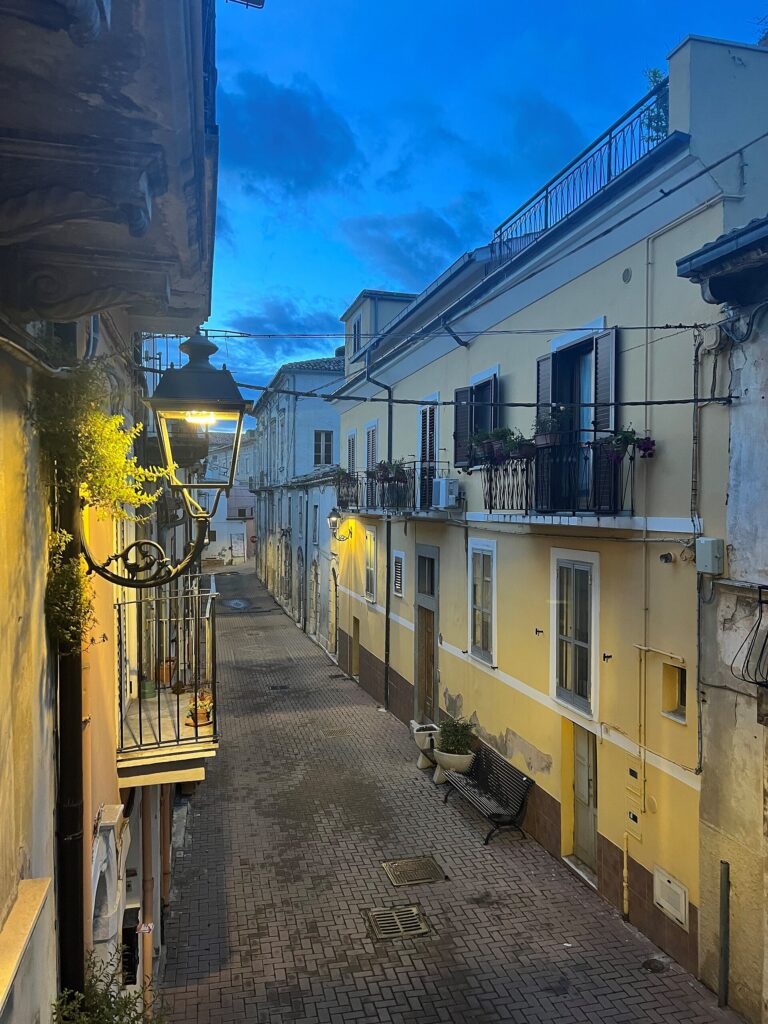
Nearby Villages near Palombaro
In Abruzzo More villages to discover
Anversa degli Abruzzi
Hills
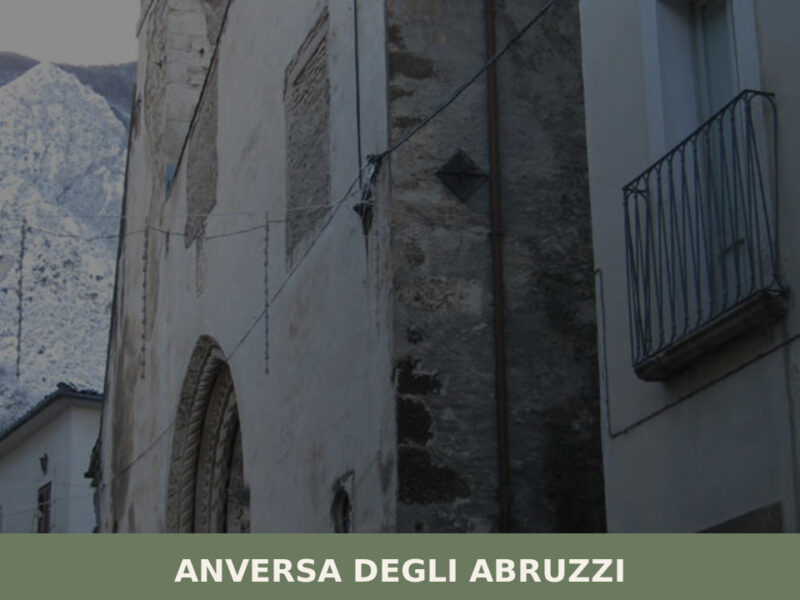
Morning light strikes the limestone walls of the old quarter at an angle that turns them the colour of raw honey. Below, the Sagittario Gorge drops away — a vertical wound in the rock that swallows sound. The air carries a faint mineral chill even in July. With only 368 residents, Anversa degli Abruzzi holds […]
Civitella Casanova
Hills
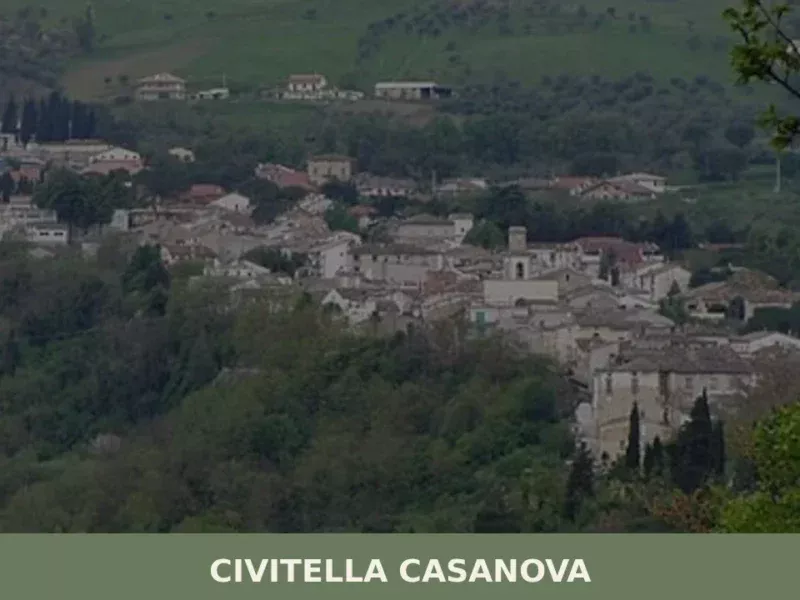
At 400 meters above sea level, in the hilly heart of the province of Pescara, lies Civitella Casanova. This village, whose historical presence is attested since Roman times, offers a territorial context where geology and human activity have shaped a distinctive landscape. For those wondering about what to see in civitella casanova, the journey through […]
Civitaluparella
 Mountain
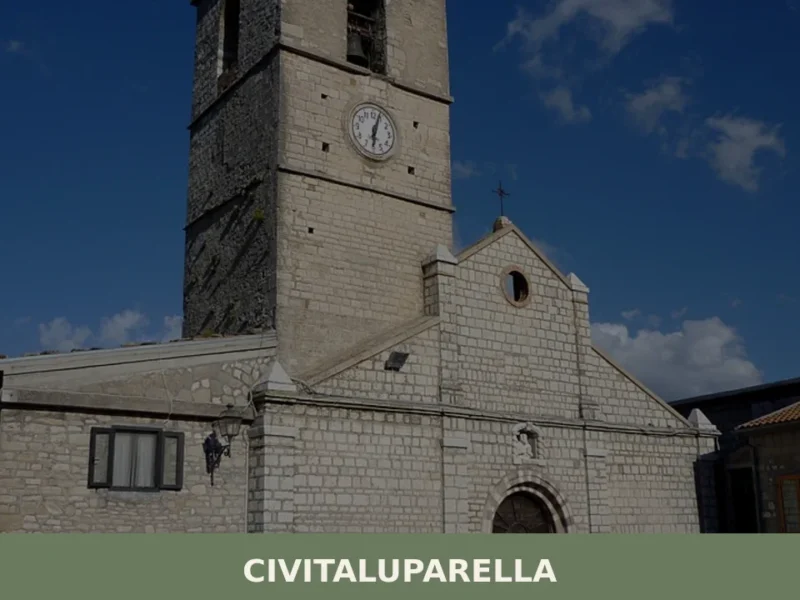
At 903 metres above sea level, on the eastern slope of the Majella descending towards the Aventino river, Civitaluparella has 281 inhabitants spread across a compact urban core of medieval origin. The place name most likely derives from “Civitas Luparella”, a direct reference to the historical presence of wolves in the dense surrounding woodlands. Anyone […]
Civitella Messer Raimondo
Mountain
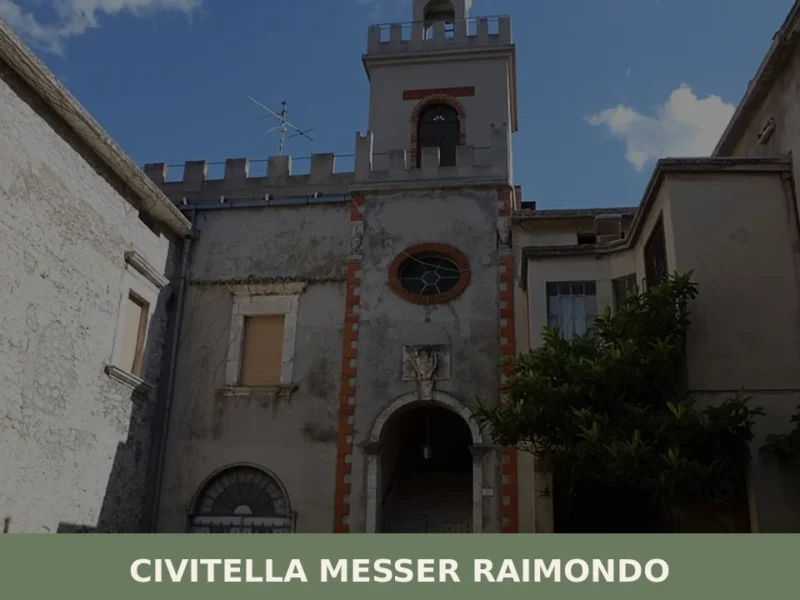
Civitella Messer Raimondo has 769 inhabitants and sits at 613 metres above sea level, on the eastern slope of the Maiella massif, in the province of Chieti. The village’s name still bears that of a medieval feudal lord — Raimondo — who shaped its political fortunes between the 13th and 14th centuries. Understanding what to […]
Quadri
Mountain
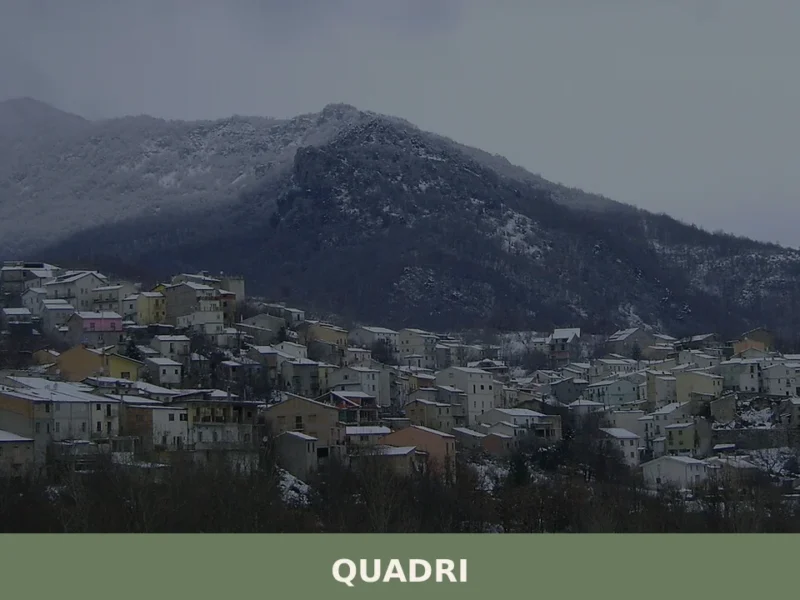
The limestone of the alleyways climbs straight up toward the ridge, and from up there the valley opens onto slopes where beech forests give way to pastures. Quadri belongs to the province of Chieti, in the heart of inland Abruzzo, at an altitude that isolates the village from the main transit routes and keeps it […]
Pennadomo
Hills
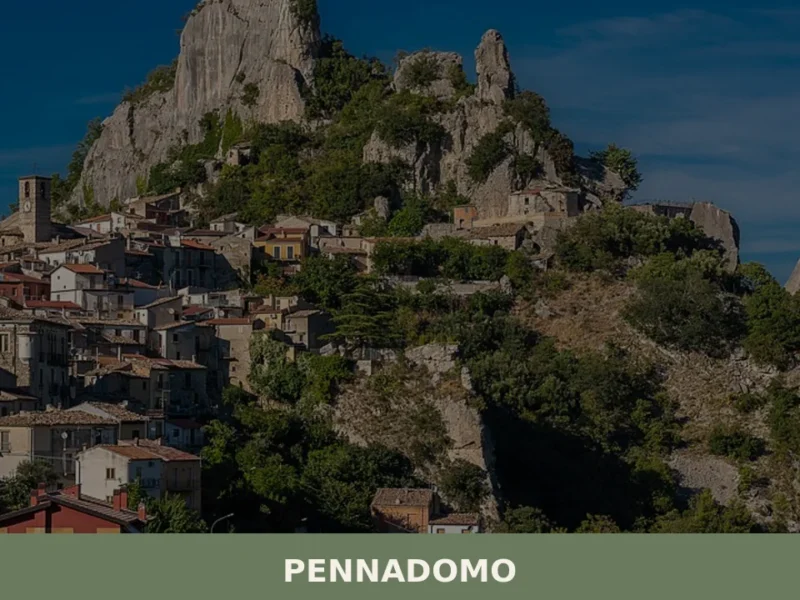
What to see in Pennadomo, Italy: 5 attractions at 460 m in Chieti province. Discover the feast of San Lorenzo, local food traditions and how to get there.
Chieti
Hills
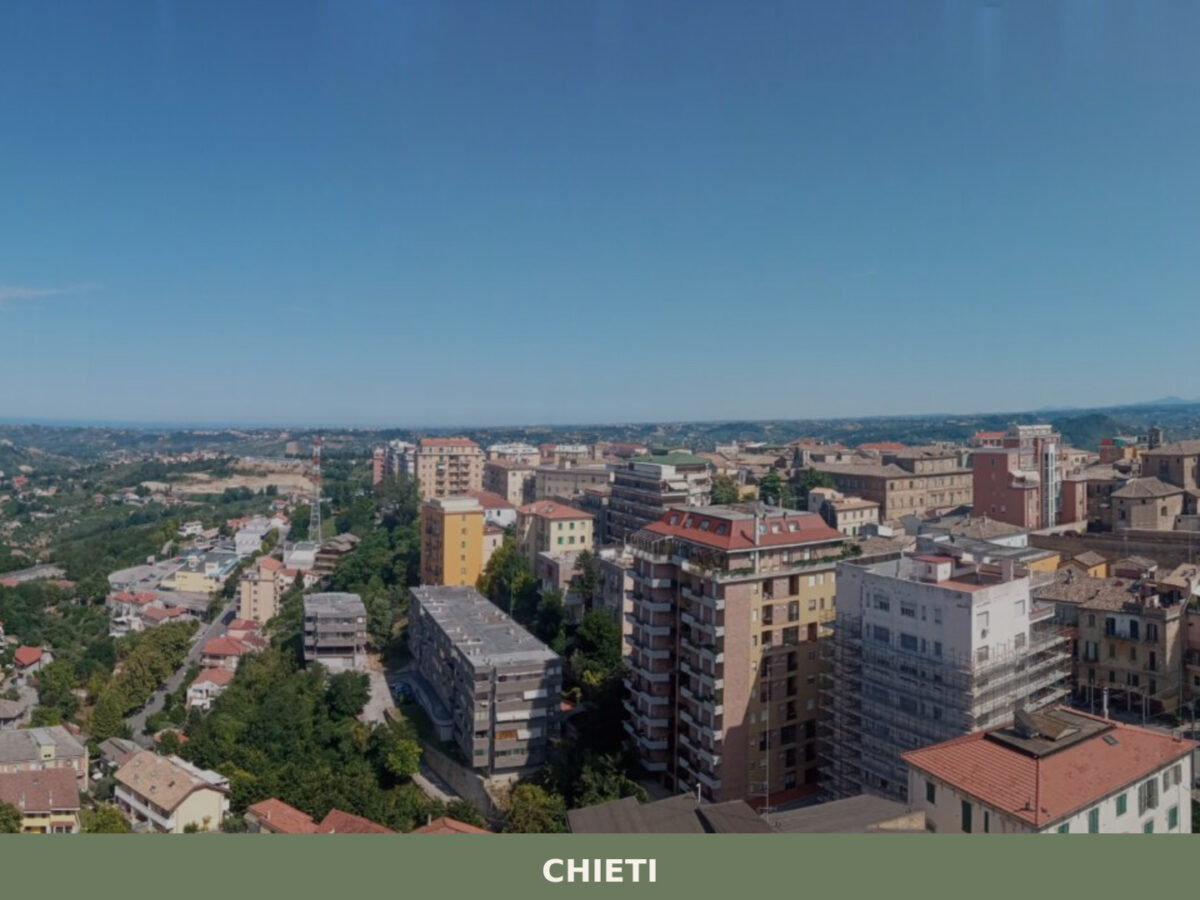
Chieti, an art city in Abruzzo: discover the National Archaeological Museum, Roman monuments and historic districts. Plan your visit with our guide.
Lettopalena
Mountain
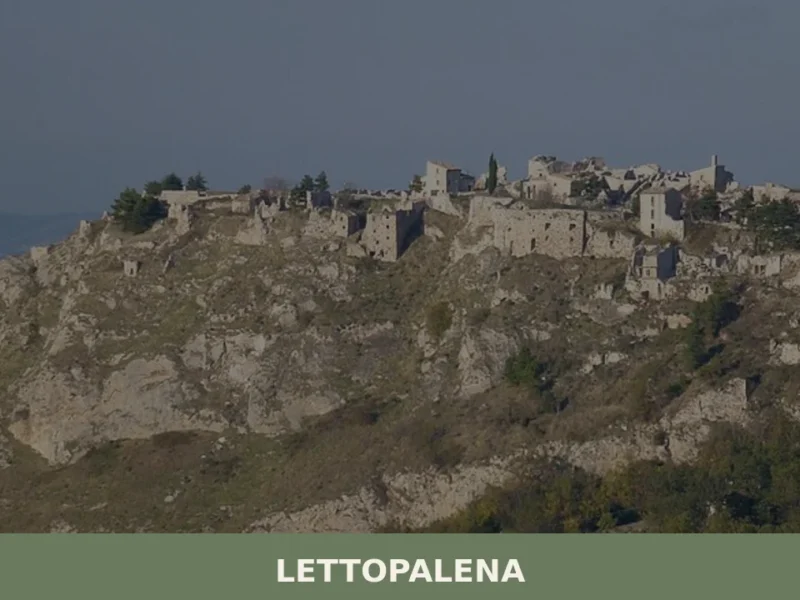
Discover the charm of Lettopalena Village in Abruzzo, Italy. Explore its rich history, culture, and scenic beauty. Plan your visit to this hidden Italian gem today!
Aielli
Mountain
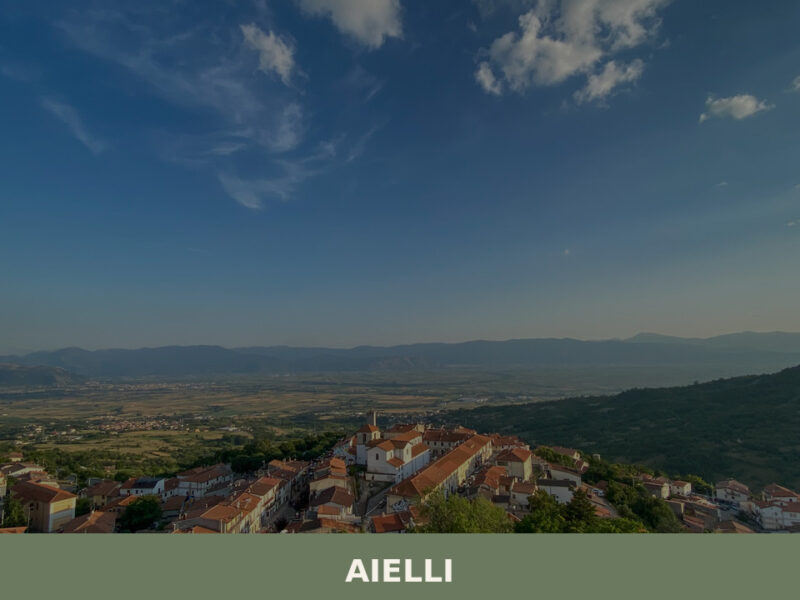
Morning light falls across a wall of painted figures three storeys tall, their colours sharp against old stone. A narrow street turns, and another mural appears — an astronomical chart, its constellations precise enough to navigate by. Aielli sits at over 1,000 metres on the Fucino plateau in the province of L’Aquila, a village of […]
Colledimacine
Mountain
One hundred and eighty-eight residents in the 2001 census, now down to 158: Colledimacine contracts with the regularity of a slow heartbeat, yet it holds on along the eastern ridge of the Majella massif, at 770 metres above sea level, in the province of Chieti. Anyone wondering what to see in Colledimacine should be prepared […]

🏡 Know Palombaro better than we do?
If you’re a local or have been there, your knowledge matters: add what’s missing or fix a detail on this page.