


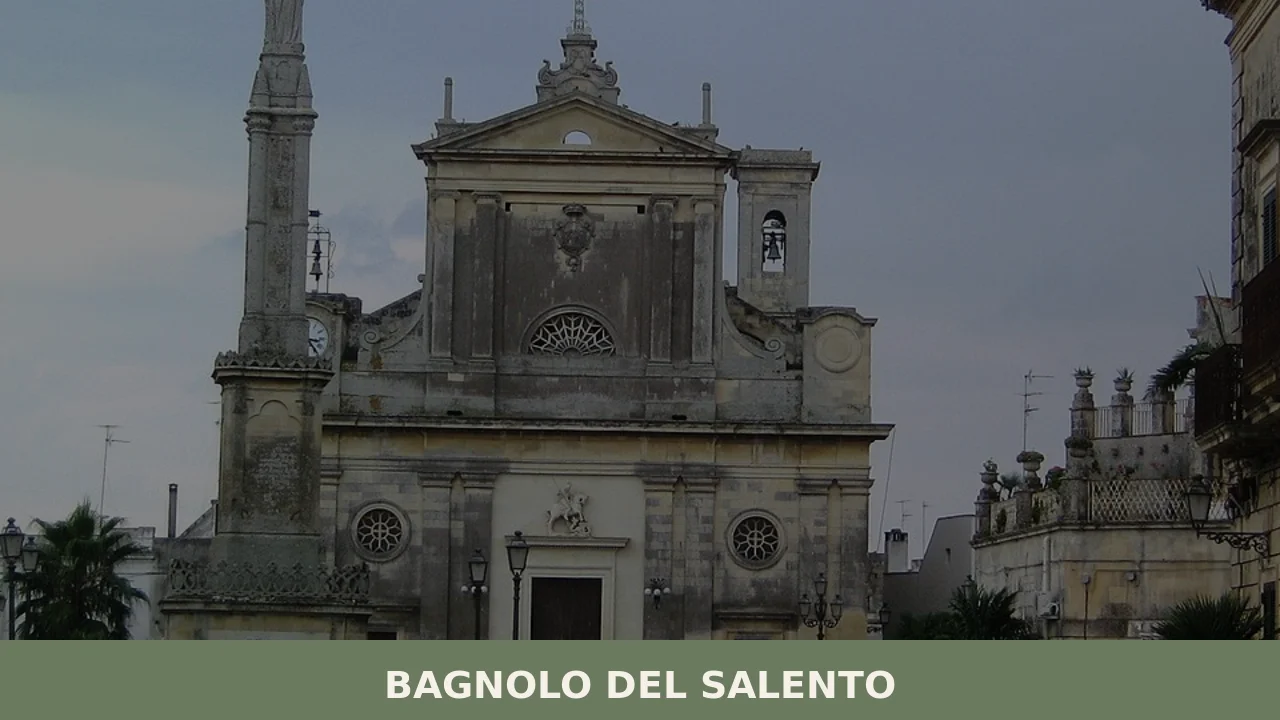
Bagnolo del Salento
 Plains
Bagnolo del Salento: discover the village, visit historic churches, and taste traditional cuisine. Plan your trip now!
Discover Bagnolo del Salento
Morning light falls across the limestone paving of Piazza San Giorgio, warming the pale tufa walls until they glow the colour of weak tea. A woman sets out chairs in front of a bar, the metal legs scraping against stone worn smooth by centuries of foot traffic. This is Bagnolo del Salento, a village of 1,767 inhabitants sitting at 96 metres above sea level in the province of Lecce, deep in the Salento peninsula of southern Puglia.
Here, the rhythms of daily life still mark the hours more reliably than any clock.
History of Bagnolo del Salento
The origins of Bagnolo del Salento likely date to the early medieval period, when the Salento peninsula was a contested frontier between Byzantine and Norman powers.
The village’s name has been the subject of local debate for generations. One theory connects it to the Latin balneum, meaning bath, suggesting the possible presence of thermal springs or a Roman bathing site in the area. Another interpretation links the name to bagnolo, a term for a marshy or low-lying ground — plausible given the topography of the surrounding countryside, where shallow depressions collect winter rainwater.
Like many settlements in the Lecce hinterland, Bagnolo del Salento passed through a succession of feudal lords during the medieval and early modern periods. The village fell under the jurisdiction of various noble families who shaped its built environment, commissioning churches and fortified residences.
Its position inland, away from the coast, offered some protection from the Ottoman raids that terrorised Salento’s littoral towns in the fifteenth and sixteenth centuries, allowing a modest but stable population to persist through periods of broader regional upheaval.
By the eighteenth and nineteenth centuries, Bagnolo del Salento was a small agricultural centre, its economy rooted in olive oil production and tobacco cultivation — two pillars that sustained much of the Salento economy until well into the twentieth century.
The village’s social fabric was shaped by the rhythms of harvest and the hierarchies of land ownership, patterns still legible in its architecture: modest workers’ houses clustered near grander palazzi with carved doorways and interior courtyards.
What to See in Bagnolo del Salento: 5 Must-Visit Attractions
Chiesa Madre di San Giorgio
The parish church dedicated to Saint George anchors the village’s central piazza. Its façade, built in the local Lecce stone that carvers shaped as easily as wood, displays restrained Baroque ornamentation typical of Salento’s ecclesiastical architecture.
Inside, altars and devotional paintings reflect centuries of layered patronage from local families and religious confraternities.
Palazzo Baronale
The baronial palace occupies a commanding position in the village centre.
Its scale — large relative to the surrounding houses — speaks to the feudal order that governed Bagnolo del Salento for centuries. Architectural details including arched portals and an internal courtyard reveal the building practices of Salento’s minor nobility, who combined defensive solidity with modest displays of status.
Historic Centre and Traditional Architecture
Walking the narrow lanes of the centro storico reveals a coherent vocabulary of local building: tufa block walls, wrought-iron balconies, and courtyard houses with vaulted ceilings designed to stay cool through Salento’s long summers.
Many doorways bear carved family crests or date stones, quiet records of individual lives within the communal fabric.
Rural Chapels and Wayside Shrines
Scattered along the roads leading out of the village, small chapels and votive shrines mark the agricultural landscape surrounding Bagnolo del Salento.
These structures, some dating to the seventeenth and eighteenth centuries, served farming communities too distant from the parish church for regular attendance. They remain maintained by local families as acts of continuity.
Olive Groves and Countryside Walks
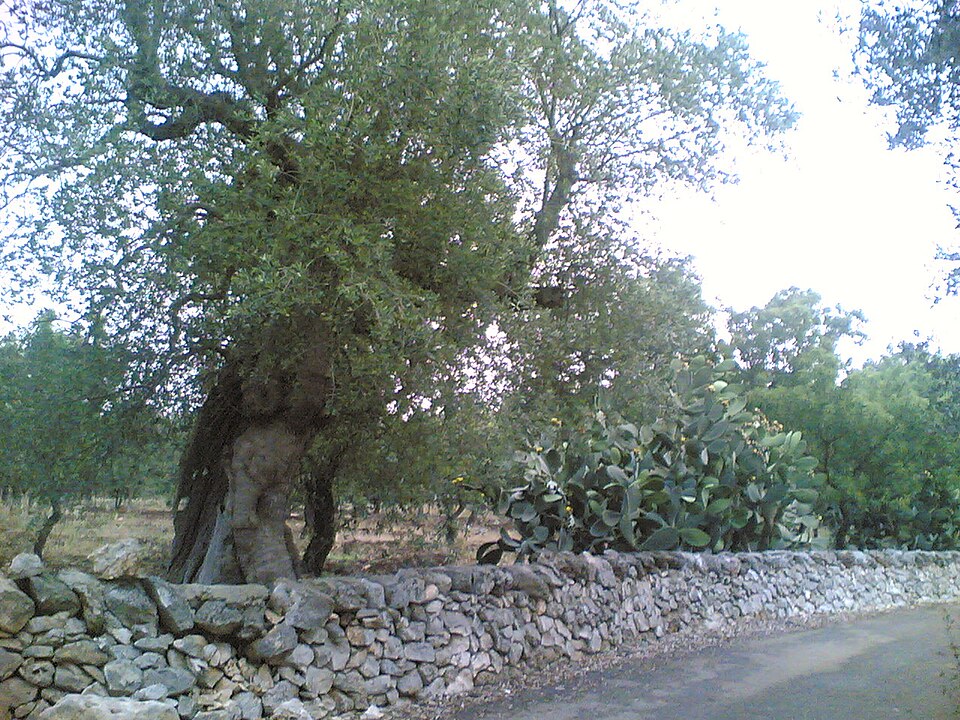
The terrain around the village is defined by ancient olive groves, some containing trees with trunks so gnarled and swollen they may be several hundred years old. Unpaved farm tracks and rural roads offer walking routes through this landscape, passing dry-stone walls and patches of Mediterranean scrub fragrant with wild thyme and oregano.
Local Food and Typical Products
The cuisine of Bagnolo del Salento follows the broader Salento tradition — direct, ingredient-driven, and shaped by a landscape where olive trees outnumber people.
Extra virgin olive oil is the foundation of nearly every dish.
Typical preparations include ciceri e tria, a pasta and chickpea dish in which some of the pasta is fried until crisp before being combined with the broth; puccia, a round bread sometimes stuffed with olives or onions; and pittule, fried dough balls served during festive periods. Vegetables dominate: wild chicory, lampascioni (wild hyacinth bulbs), and dried fava beans puréed and paired with sautéed greens.
Local wine production draws on the Negroamaro and Primitivo grape varieties that thrive in Salento’s iron-rich red earth. Several small producers in the surrounding area offer tastings. For dining, the village and its immediate vicinity have trattorias and agriturismi where menus change with the season and portions are calibrated to agricultural appetites rather than tourist expectations. Look for establishments serving pasticciotto leccese — a custard-filled pastry — as a reliable marker of quality.
Best Time to Visit Bagnolo del Salento
Late spring — from mid-April through June — offers the most comfortable conditions for visiting.
Daytime temperatures hover between 20 and 28 degrees Celsius, the countryside is green before the summer drought turns it gold, and wildflowers colonise the verges of every farm track.
Autumn, particularly October and November, brings the olive harvest, when the groves surrounding the village come alive with nets spread beneath the trees and the sound of mechanical shakers. Summer, from July to August, is hot and dry, with temperatures regularly exceeding 35°C; the village empties in the early afternoon and revives only after sunset. Winter is mild compared to northern Italy but can be damp and quiet, with some local businesses operating on reduced schedules.
The village’s patron saint feast and other local celebrations typically take place in the warmer months, when piazzas are dressed with lights and temporary stages. Checking with the local municipality for exact dates is advisable, as schedules can shift from year to year.
Visiting midweek ensures a quieter experience; weekends in high season bring day-trippers from the coast.
How to Get to Bagnolo del Salento
The nearest airport is Brindisi-Salento (Papola Casale), approximately 70 kilometres to the northwest, with regular connections to Rome, Milan, and several European cities.
From Brindisi, the most practical option is a rental car; take the SS613 toward Lecce, then follow provincial roads southeast into the Salento interior. The drive takes roughly one hour. Lecce, the provincial capital, lies about 25 kilometres to the northwest and serves as the main hub for regional bus and rail services operated by Ferrovie del Sud Est.
Local bus connections to smaller villages exist but run infrequently, making a car the most reliable means of reaching Bagnolo del Salento and exploring the surrounding area.
From Bari, the journey south by car along the E55/A14 and then the SS613 takes approximately two and a half hours. Those arriving by high-speed rail to Lecce can arrange onward transport by taxi or local bus, though advance booking is recommended for taxis.
More Villages to Discover in Puglia
Puglia’s inland villages offer a counterpoint to the region’s celebrated coastline, each preserving distinct architectural and culinary traditions shaped by local geography.
In the Daunian Apennines, far to the northwest of the Salento flatlands, Orsara di Puglia sits at a higher elevation in a landscape of forests and mountain pastures, with a food culture centred on wheat, pork, and wild herbs — a stark contrast to Salento’s olive-and-sea orientation.
Visiting both villages within a single trip reveals the full range of Puglian terrain and tradition.
Closer in spirit to the coastal identity of the Adriatic, Vico del Gargano occupies the northern Gargano promontory, where citrus groves and dense forest replace Salento’s open olive plains. Together, these three villages — Bagnolo del Salento in the deep south, Orsara in the western mountains, and Vico on the northern headland — trace a triangle across Puglia that encompasses the region’s full geographic and cultural diversity, from limestone plateau to forested peak to sun-bleached plain.
Frequently asked questions about Bagnolo del Salento
What is the best time to visit Bagnolo del Salento?
Late spring (mid-April to June) is ideal: temperatures range between 20–28°C, the countryside is green, and wildflowers line every farm track. April 23rd brings the feast of San Giorgio Martire, the village patron, when the piazza fills with lights and celebrations — a genuine local event worth timing your visit around. Autumn (October–November) is excellent for the olive harvest. Avoid the July–August heat peak (above 35°C). Midweek visits year-round offer a quieter experience than weekends, which attract day-trippers from the coast.
What are the historical origins of Bagnolo del Salento?
Bagnolo del Salento's origins date to the early medieval period, during Byzantine and Norman rule over the Salento peninsula. Its name likely derives either from the Latin balneum (bath), suggesting a possible Roman bathing site, or from bagnolo, denoting marshy low-lying ground — both plausible given local topography. Through the medieval and early modern periods, the village passed through successive feudal lords. Its inland position offered protection from Ottoman coastal raids in the 15th–16th centuries. By the 18th and 19th centuries, it was an agricultural centre sustained by olive oil production and tobacco cultivation.
What to see in Bagnolo del Salento? Main monuments and landmarks
The Chiesa Madre di San Giorgio anchors the central piazza, its Lecce-stone façade featuring restrained Baroque ornamentation and interior altars reflecting centuries of local patronage. The Palazzo Baronale, with its arched portals and internal courtyard, illustrates the feudal history of the village. The centro storico rewards slow walks: tufa-block walls, carved doorways with family crests, and vaulted courtyard houses. Rural chapels and votive shrines dot the surrounding roads, some dating to the 17th–18th centuries. Access to outdoor areas and the historic centre is free and unrestricted.
What are the main natural or scenic attractions of Bagnolo del Salento?
The countryside surrounding Bagnolo del Salento is defined by ancient olive groves, some with gnarled trunks potentially hundreds of years old. Unpaved farm tracks connect the village to this agricultural landscape, passing dry-stone walls and Mediterranean scrub fragrant with wild thyme and oregano. Shallow depressions in the plain collect winter rainwater, shaping a subtle but distinctive terrain. The olive harvest in October and November transforms the groves into a working spectacle, with nets spread beneath trees and mechanical shakers in operation — an authentic seasonal experience requiring no formal trail or booking.
Where to take the best photos in Bagnolo del Salento?
Piazza San Giorgio is the village's most photogenic space: morning light warms the pale tufa façade of the Chiesa Madre to a golden tone, and the stone paving reflects the low sun well before midday crowds arrive. The carved portals and date stones along the centro storico's narrow lanes offer close-up architectural detail. For landscape photography, the ancient olive groves on the periphery — especially in October during harvest — provide striking subjects. The Palazzo Baronale's arched entrance and courtyard are also worth framing.
Are there museums, churches or historic buildings to visit in Bagnolo del Salento?
The Chiesa Madre di San Giorgio is the village's principal religious monument, with a Baroque Lecce-stone façade and interior featuring layered altarwork and devotional paintings from local families and confraternities. The Palazzo Baronale is the main civic historic building, notable for its arched portals and internal courtyard reflecting the architecture of Salento's minor nobility. Rural chapels scattered along roads leading out of the village represent a third layer of heritage, maintained by local families. Specific opening hours for these sites are not centrally published; the local municipality or pro loco can provide current access information.
What can you do in Bagnolo del Salento? Activities and experiences
Walking the olive grove tracks on the village periphery is the primary outdoor activity, with farm roads passable on foot or by bicycle in the cooler months. The April 23rd feast of San Giorgio Martire offers a direct encounter with local religious and community traditions. Agriturismo visits in the surrounding area allow olive oil and wine tastings, with Negroamaro and Primitivo the dominant local varieties. The olive harvest in October and November is an authentic seasonal experience. The centro storico rewards slow architectural exploration, particularly the carved doorways and courtyard houses of the historic lanes.
Who is Bagnolo del Salento suitable for? Families, couples, hikers, solo travelers?
Bagnolo del Salento suits travellers seeking authentic, unhurried Salento village life rather than organised tourism infrastructure. Couples and solo travellers with an interest in vernacular architecture, local food culture, and slow travel will find it most rewarding. Families with older children can enjoy the olive grove walks and the April patron saint festival. It is not oriented toward beach holidaymakers or those seeking museums with fixed hours and guided tours. The village functions best as part of a broader Salento itinerary, paired with nearby Lecce (25 km) for urban contrast and coastal towns for swimming.
What to eat in Bagnolo del Salento? Local products and specialties
The local table follows Salento tradition built on extra virgin olive oil from the surrounding groves. Key dishes include ciceri e tria — pasta and chickpeas with a portion of pasta fried crisp — and pittule, fried dough balls typical of festive periods. Puccia bread, sometimes stuffed with olives or onions, is a local staple. Vegetable preparations feature wild chicory, lampascioni (wild hyacinth bulbs), and puréed dried fava beans with sautéed greens. Pasticciotto leccese, a custard-filled pastry from the Lecce tradition, is widely available in the area. Local wines draw on Negroamaro and Primitivo grapes.
📷 Photo Gallery — Bagnolo del Salento
Nearby Villages near Bagnolo del Salento
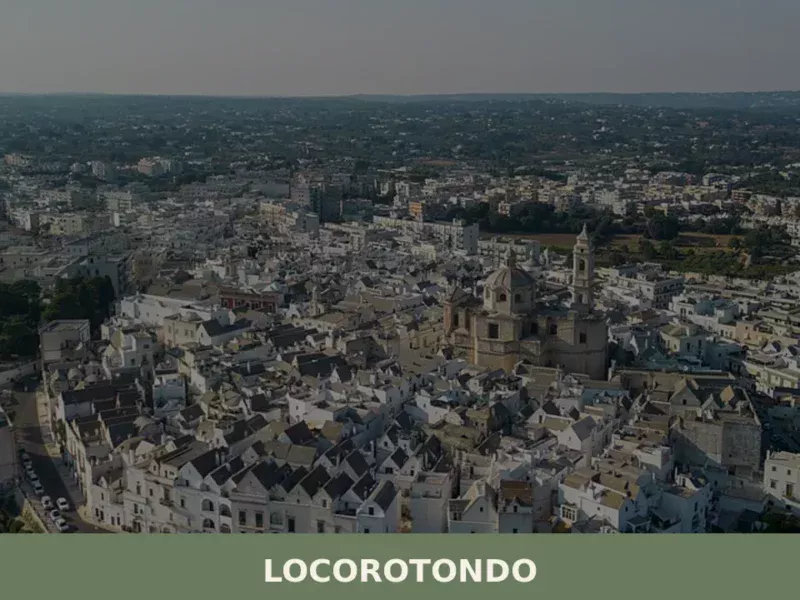
In Apulia More villages to discover
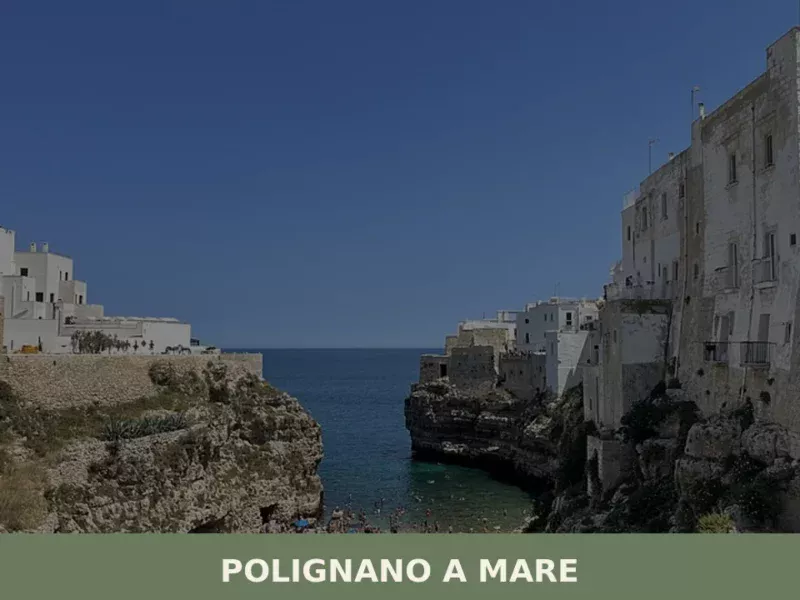
Polignano a Mare
 Sea
Sea
What to see in Polignano a Mare: clifftop town at 24 m, 17,531 residents. Lama Monachile, Grotta Palazzese, PAT Africani. Plan your visit now.
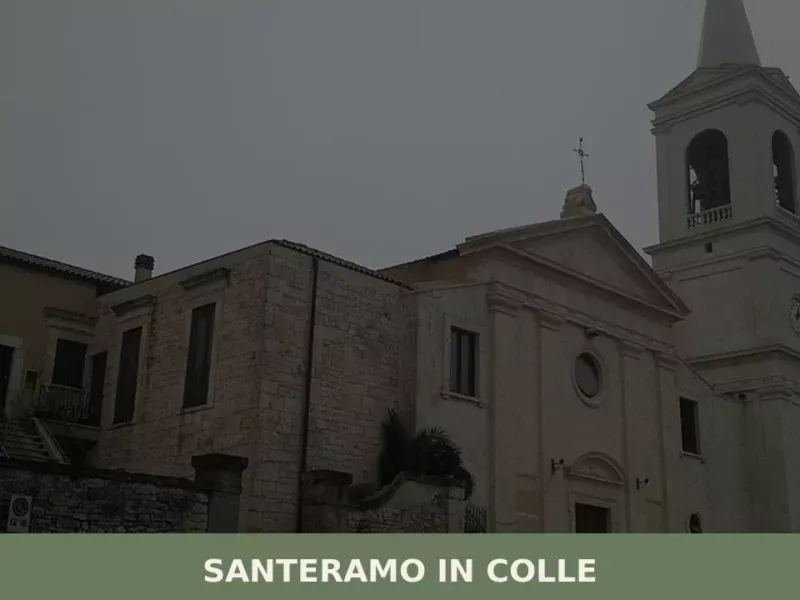
Santeramo in Colle
 Hills
Hills
What to see in Santeramo in Colle? Discover the top 5 attractions, from the historic center to beautiful churches. Plan your visit to Puglia!
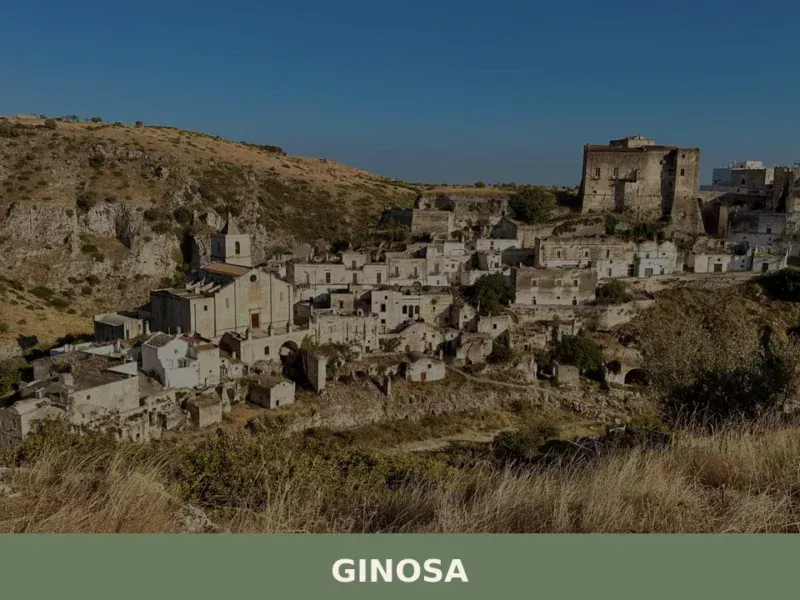
Ginosa
Sea
Discover what to see in Ginosa, Puglia: the dramatic gravina, rupestrian churches, castle, cathedral and Ionian coast. Practical travel guide with tips.
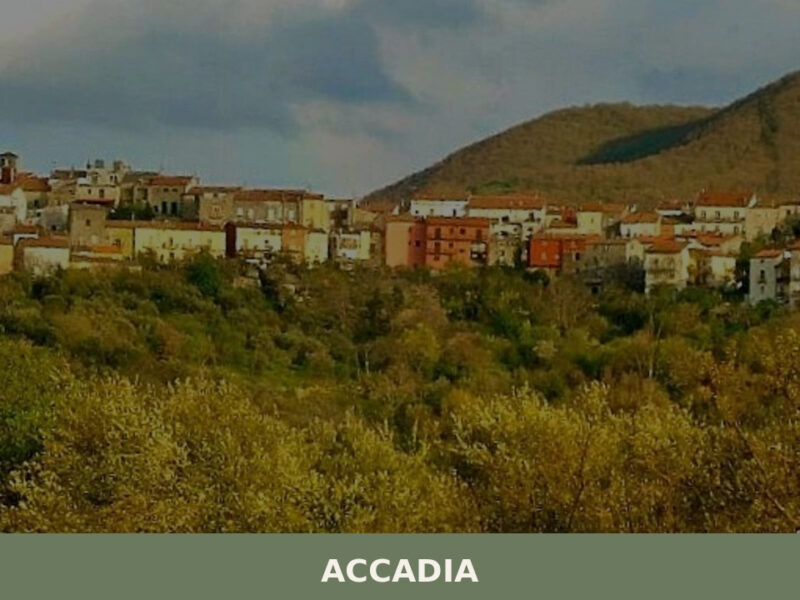
Accadia
 Mountain
Perched at 650 metres above sea level on the western edge of Puglia’s Subappennino Dauno, the small village of Accadia feels like a secret whispered between mountains and sky. Home to just over 2,200 inhabitants, this ancient hilltop settlement in the province of Foggia rewards visitors with crumbling medieval ruins, sweeping panoramas, and a fierce […]
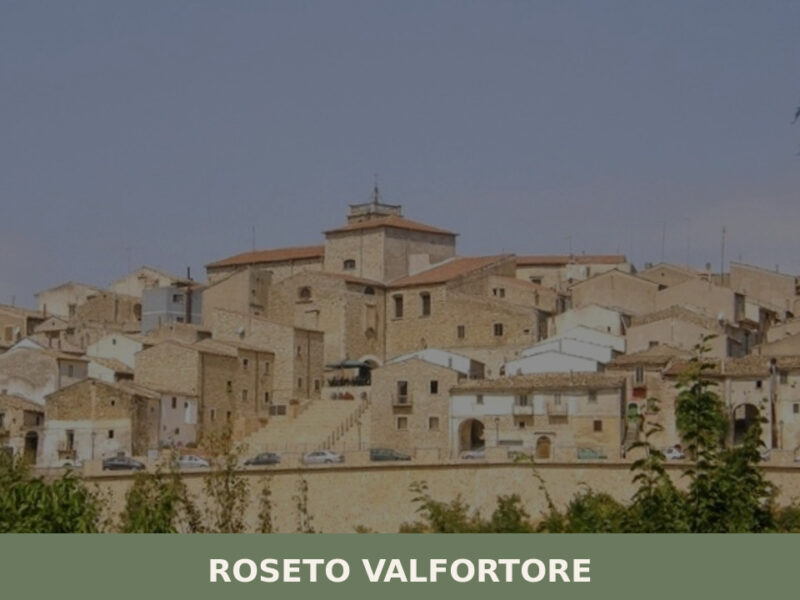
Roseto Valfortore
Mountain
A stone village of 993 inhabitants at 658 metres in the Fortore valley. Roseto Valfortore preserves medieval architecture, mountain cooking traditions, and the quiet of inland Puglia.
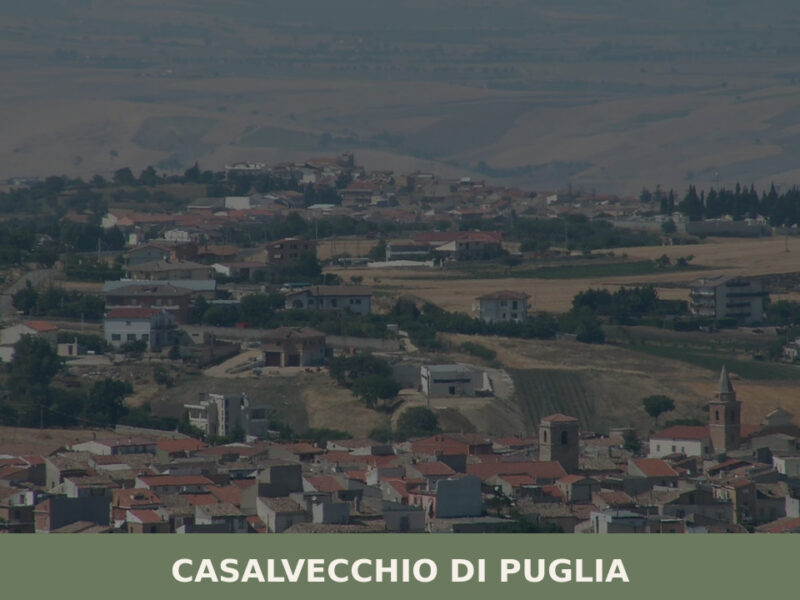
Casalvecchio di Puglia
Hills
An Arbëreshë village of 1,689 inhabitants perched at 465 metres in the Daunia hills. A guide to its historic centre, rural paths, and slow-paced southern Italian life.
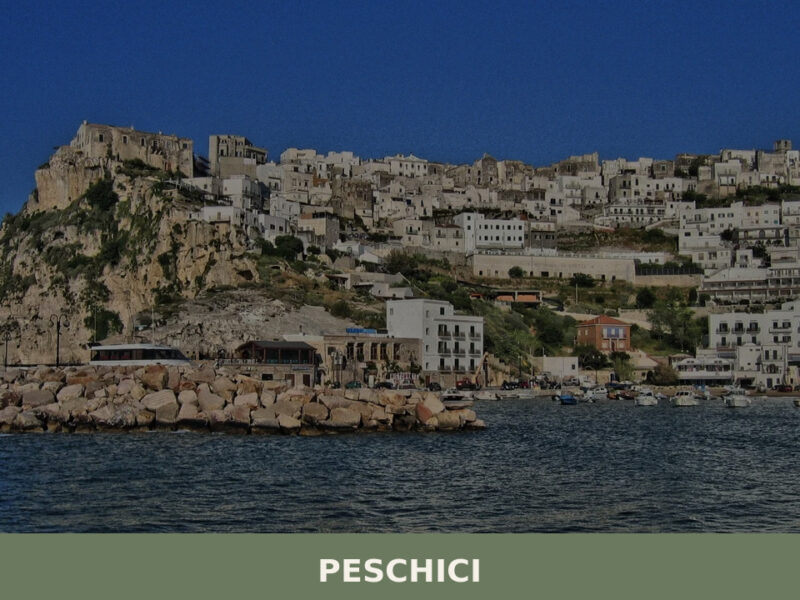
Peschici
Sea
Perched on a rocky promontory above the turquoise waters of the Adriatic Sea, Peschici is one of the most enchanting coastal villages in Puglia’s Gargano peninsula. With its whitewashed houses, narrow alleyways, and dramatic clifftop setting, this small town of 4,283 inhabitants offers a captivating blend of history, natural beauty, and Mediterranean charm. If you’re […]
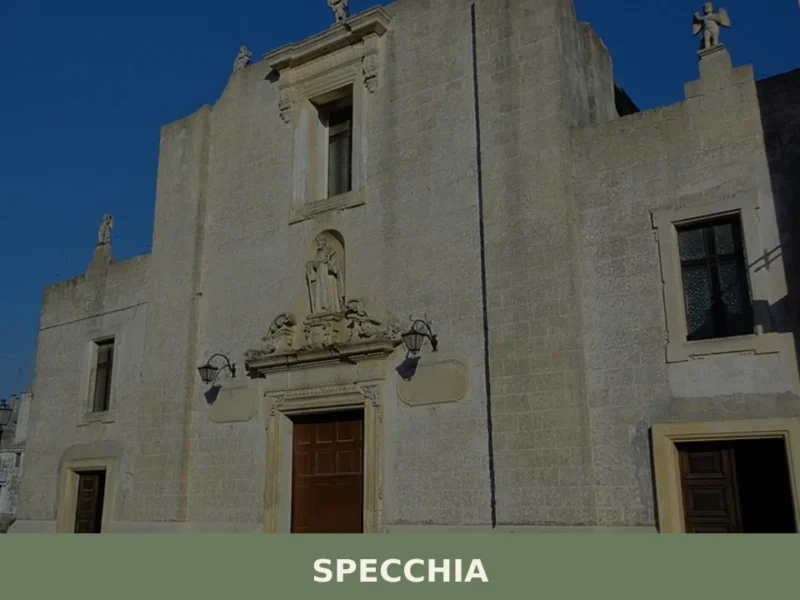
Specchia
Plains
What to see in Specchia: a medieval village at 131m in Salento with 4,569 residents. Explore Castello Risolo, the historic centre and PAT-certified local food. Plan your visit.
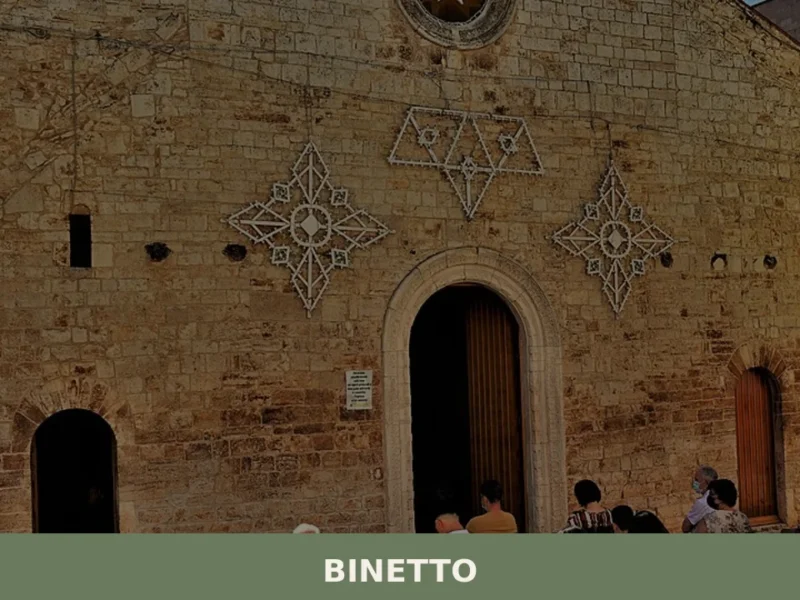
Binetto
Plains
At 170 meters above sea level, with a population of 2,128 inhabitants (most recent ISTAT data), Binetto is located on the Bari plain, a geographical context that has shaped its history and economy. This village, whose origin may date back to Roman settlements linked to vine cultivation, offers a careful discovery experience, away from the […]
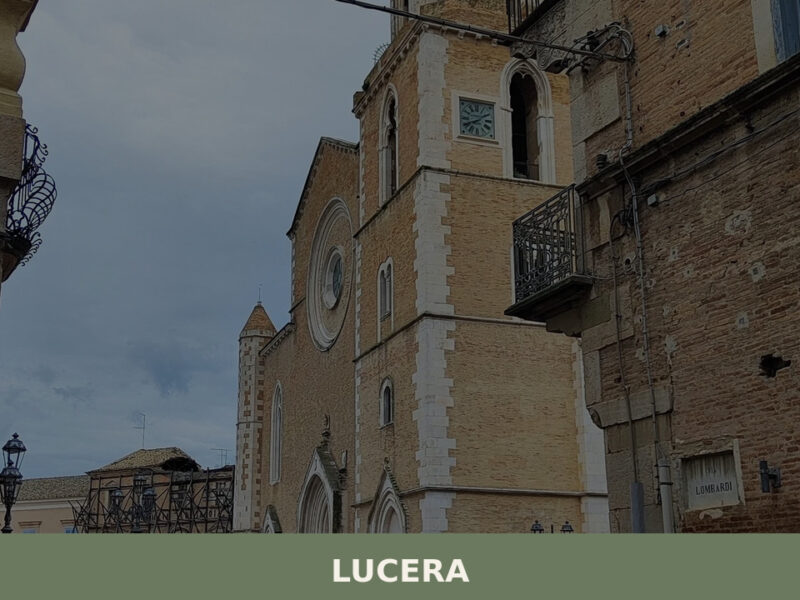
Lucera
Hills
Discover Lucera, a historic hilltop city in Puglia where Roman ruins, a Saracen past, and Angevin grandeur converge amid the sun-drenched Tavoliere plain.




🏡 Know Bagnolo del Salento better than we do?
If you’re a local or have been there, your knowledge matters: add what’s missing or fix a detail on this page.