


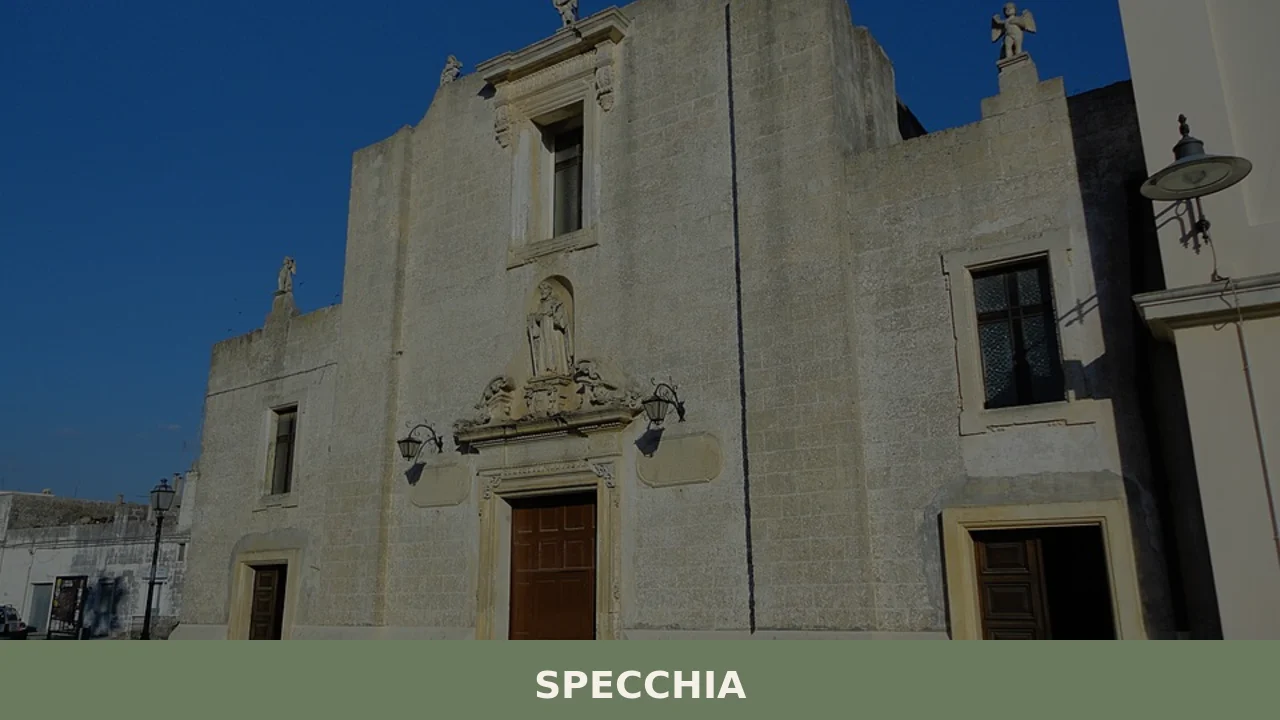
Specchia
 Plains
What to see in Specchia: a medieval village at 131m in Salento with 4,569 residents. Explore Castello Risolo, the historic centre and PAT-certified local food. Plan your visit.
Discover Specchia
At 131 metres above sea level, in the heart of southern Salento, Specchia preserves its medieval layout intact: narrow streets that close tightly around a cylindrical tower, noble palaces lined along the main square, and an urban logic that still responds to the defensive needs of six centuries ago. With 4,569 inhabitants distributed between the historic centre and the surrounding hamlets, the village ranks among the best-preserved centres in the province of Lecce.
Those wondering about what to see in Specchia will find a layered answer: not a single isolated monument, but a coherent system of architecture, landscape and local production that makes this corner of Salento one of the most rewarding destinations in the heel of Italy.
History and origins of Specchia
The village’s name has roots in the Latin term specchia, itself derived from the Greek skopía, meaning “observation post” or “watchtower.” This etymology is no coincidence: the elevated position of the settlement, though modest in absolute altitude, allowed effective visual control over the surrounding Salentine plain — a crucial function in a territory exposed for centuries to Saracen raids and incursions by peoples arriving from the sea.
The place name appears in medieval documents as early as the eleventh century, when the fief fell within the Norman sphere of influence that was then reshaping the political structure of southern Italy.
The period of greatest urban definition corresponds to the fourteenth and fifteenth centuries, when the Trane family gained control of the fief and began constructing the main civic and religious buildings that still characterise the historic centre today. The feudal title subsequently passed to the Spinola and then to the Acquaviva, one of the most influential dynasties in the Kingdom of Naples, who left concrete traces in the local architecture. It was during this period that the village took on its characteristic “chiusa” structure — a compact perimeter with limited access points — typical of Salentine centres of the medieval period.
The Castle, the Tower and Piazza Castello form the nucleus around which public life in the village is still organised today.
Between the sixteenth and eighteenth centuries, Specchia experienced a phase of relative prosperity tied to cereal farming and olive oil production, which had already acquired considerable economic weight across Salento.
The demographic decline of the nineteenth century, common to many inland Salentine centres, led to a gradual fall in population as residents moved to coastal towns and northern Italy. Yet this very contraction preserved the historic centre from invasive building interventions: the absence of development pressure effectively froze the medieval urban structure, making it today one of the primary reasons visitors come here. The village is recognised among the “Most Beautiful Villages in Italy” (Borghi più belli d’Italia), a certification that has contributed to increasing visitor numbers over the past two decades.
What to see in Specchia: 5 top attractions
1. Castello Risolo and the medieval tower
Castello Risolo dominates the village’s main square and is the essential starting point for anyone wishing to understand the urban structure of Specchia. Built around the fifteenth century and later adapted into a more residential form by successive feudal lords, the castle retains its original cylindrical tower — a typical defensive element of Salentine military architecture from the late Middle Ages. The building now houses accommodation and exhibition spaces, but its architectural mass — with squared blocks of Lecce stone and double-arched windows on the upper floors — precisely conveys the social hierarchy and feudal power system that governed the village for centuries.
2. Piazza Castello and the historic centre
Piazza Castello is Specchia’s civic centrepiece: a trapezoidal space enclosed by noble palaces and the bulk of the castle, paved in local stone that reinforces the sense of architectural cohesion.
Around the square, the lanes of the historic centre open up — irregular in plan, with arches and loggias that filter the light — forming one of the best-preserved examples of medieval urban planning in Salento. Walking through this perimeter means moving through a system of spatial relationships that property development has not disturbed: every building relates to its neighbour according to proportions established centuries ago, and this coherence is the true value of the place.
3. The Mother Church of Santa Maria Assunta
Dedicated to Santa Maria Assunta, Specchia’s mother church stands in the oldest part of the village and presents a façade in a restrained Lecce Baroque style, with local stone decorations less elaborate than the grand examples found in the city of Lecce itself. The three-nave interior preserves lateral altars in Lecce stone and several canvases datable to the seventeenth and eighteenth centuries.
The building underwent later modifications to its original medieval structure, but the load-bearing fabric and the orientation of the apse still follow the ancient layout. The church is the centre of the village’s religious life and hosts the celebrations for the feast of San Nicola di Bari, held on the second Sunday of May.
4. The Church of Sant’Eufemia and the religious complex
The Church of Sant’Eufemia is one of the oldest religious buildings in the Specchia area and reflects the historical layering of Christian presence in southern Salento. The structure dates back to a medieval foundation, with later additions in a late Renaissance style visible in the portals and window frames. The building sits within a context of low-rise domestic architecture that enhances its presence: the surrounding single-storey houses allow the church façade to emerge with an unforced but effective theatricality. Inside, stucco decorative elements and majolica-tiled floors dating from the eighteenth and nineteenth centuries enrich a compact space of considerable historical and artistic interest.
5. The inland Salentine landscape and rural routes
The territory surrounding Specchia offers a reading of the Salentine agrarian landscape still legible in its essential lines: centuries-old olive groves with monumental trees and twisted trunks, dry-stone walls marking plots of red earth, and historic farmsteads distributed along rural roads. Walking and cycling routes from the historic centre quickly reach areas of Mediterranean scrub and old drove roads. This landscape is not a passive backdrop but a historical construction: every wall, every olive grove, every track represents centuries of agricultural work and human adaptation to the terrain of deep Salento.
What to eat in Specchia: local cuisine and traditional products
The cuisine of Specchia belongs to the gastronomic tradition of southern Salento — a food culture built on centuries of subsistence farming and a limited availability of animal proteins.
The province of Lecce — flat, windy, with clay soils and a historically dominant viticulture and olive-growing economy — has shaped a cuisine based on cereals, pulses, vegetables and extra virgin olive oil. The influence of the sea, though not immediate for an inland centre like Specchia, makes itself felt in the presence of preserved fish products in traditional recipes.
The result is straightforward cooking, with few ingredients treated using simple techniques and long cooking times.
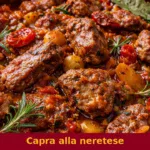
Among the dishes that best represent this tradition, acquasale holds a central place: a simple preparation of stale bread soaked in water and dressed with fresh tomatoes, extra virgin olive oil, oregano and salt — a dish that Salentine farmworkers ate in the fields and that today appears as an antipasto. Equally rooted in the local territory is oven-roasted lamb with Lecce-style potatoes, a preparation involving slow cooking in a baking dish with potatoes, onions, tomatoes and generous amounts of olive oil — a balance of meat and vegetables requiring hours at a low oven temperature. These dishes appear on the menus of village trattorias and surrounding farmhouses, particularly during the colder months.
In terms of certified products, the territory of Specchia and Salento includes several nationally recognised specialities.
Acquasale (PAT) — Traditional Agri-food Product — is officially listed in the Italian Ministry of Agriculture’s register as a typical Apulian preparation. Likewise, the wild asparagus (PAT) that grows spontaneously in the surrounding scrubland is gathered in spring and used in omelettes, risottos and as a side dish: a foraging practice that survives in local culture despite the progressive development of the countryside.
Asparagus preserved in oil (PAT) also represents a traditional conservation method that allows the product to be enjoyed out of season, using techniques handed down within village families.
Local festivals and food events offer a practical opportunity to engage with local production. The feast of San Nicola di Bari, celebrated on the second Sunday of May, is the village’s main gathering and features food stalls selling local products. During the summer, between July and August, the historic centre hosts evening food and wine events showcasing local producers.
The weekly markets in nearby towns — Tricase, Alessano, Presicce — are the most effective places to buy fresh produce and preserves at prices not inflated by tourist demand.
Local wine production falls under the DOC Salice Salentino and the broader IGT Salento designation, with a prevalence of Negroamaro and Primitivo grapes yielding full-bodied red wines with considerable alcohol content. White wines produced from Verdeca and Fiano di Puglia round out a wine offering that has gained international recognition over the past twenty years.
Wineries in the surrounding area offer visits by appointment and represent a natural stop for those combining an interest in architecture and history with the exploration of Salento’s food and wine scene.
When to visit Specchia: the best time of year
The best time to visit Specchia is spring, between April and June, when temperatures range between 18 and 25 degrees Celsius, the agrarian landscape is in full seasonal growth, and the village has not yet been reached by the summer coastal tourist flow. The second Sunday of May brings the feast of San Nicola di Bari: an event combining religious procession, traditional music and a local market in an atmosphere that is genuine and free from tourist gloss. Spring also brings wild asparagus, a seasonal ingredient that appears on local trattoria menus for only a few weeks a year.
Summer, between July and August, brings considerable tourist traffic to Salento — concentrated mainly on the coast, but reaching inland historic centres during the evening hours.
Specchia, like many villages in the area, organises cultural and food events in the squares of the historic centre between June and September. Those who prefer a calmer visit, with enough time to explore without rushing, should consider September and October: the climate remains favourable, the afternoon light in Salento during autumn has a particular quality on the yellow stone blocks, and the olive harvest season — between October and November — adds an additional layer of interest to the surrounding rural landscape.
How to get to Specchia
Specchia is most easily reached by car, which remains the most practical way to explore the Salentine interior.
The A14 motorway (Bologna–Taranto) is the main route from the north: the recommended exit is Taranto, from where you continue along the SS7ter towards Lecce and then south through Salento for around 80 km. From Lecce, Specchia is approximately 45 km away — a 40 to 50-minute drive along the SS274 towards Tricase. From Brindisi, the distance is around 80 km with a journey time of approximately one hour.
Brindisi “Papola-Casale” Airport is the nearest airport, less than 90 km away, with direct connections from numerous Italian and European cities.
For those using public transport, the nearest railway station is Lecce, served by Trenitalia with high-speed and regional services from across Italy.
From Lecce, connections to Specchia are provided by buses operated by STP Lecce (Società Trasporti Provinciali), with routes linking the provincial capital to inland Salentine centres including Tricase and the surrounding area. Journey times by public transport are significantly longer than by car — often exceeding one hour — and service frequency is limited on public holidays. A practical alternative is to hire a car in Lecce or at Brindisi Airport.
Other villages to explore in Puglia
Puglia offers a variety of historic centres that complement an itinerary built around Specchia. Those drawn to medieval architecture and the relationship between a village and the sea will find in Giovinazzo, in the province of Bari, a fine example of a historic centre looking directly out over the Adriatic, with a twelfth-century Romanesque cathedral and a remarkably coherent urban fabric.
For those interested in the cultural specificities of northern Puglia, Faeto — a small municipality in the Monti Dauni with a Franco-Provençal linguistic heritage — represents a fascinating historical and linguistic detour, geographically distant but complementary to understanding the cultural complexity of Puglia.
Moving towards the Gargano, Monte Sant’Angelo offers a spiritual and scenic dimension entirely different from the flat Salentine landscape: the Sanctuary of San Michele Arcangelo, a UNESCO World Heritage Site, and the views from the promontory over the Adriatic make for a travel experience that pairs well with Specchia.
Finally, Pietramontecorvino, in the Daunia, with its Norman tower and medieval village recognised among the most beautiful in Italy, allows visitors to complete an ideal circuit of Puglia that crosses its most varied facets: from the Salentine plain to the Daunian hills, from the Gargano coast to the Apennine interior — each village with its own precise historical and architectural logic.
Frequently asked questions about Specchia
What is the best time to visit Specchia?
Spring (April–June) is the ideal season: mild temperatures, blooming countryside, and the village at its most atmospheric. The feast of San Nicola di Bari, celebrated on the second Sunday of May, is the highlight of the local calendar and the best opportunity to experience Specchia's community traditions, food stalls and religious processions. Summer (July–August) brings evening food and wine events in the historic centre. Autumn offers quieter streets and harvest-season local produce. July and August are busiest; visiting midweek avoids the weekend crowds that flock to Salento's inland villages.
What are the historical origins of Specchia?
The village name derives from the Latin specchia and Greek skopía, meaning 'observation post' — reflecting its role as a visual control point over the Salentine plain. It appears in documents from the eleventh century under Norman rule. Its main urban form was shaped in the fourteenth and fifteenth centuries under the Trane family, later passing to the Spinola and then the Acquaviva dynasty of the Kingdom of Naples. This feudal history produced the compact 'chiusa' layout — a closed perimeter with few access points — still visible in the historic centre today. Specchia is listed among the Borghi più belli d'Italia.
What to see in Specchia? Main monuments and landmarks
The essential stops are: Castello Risolo, a fifteenth-century fortified residence with a distinctive cylindrical tower built in Lecce stone, now hosting exhibitions and accommodation; Piazza Castello, the trapezoidal civic heart enclosed by noble palaces; the Mother Church of Santa Maria Assunta, with a restrained Lecce Baroque façade and seventeenth-century canvases inside; and the medieval Church of Sant'Eufemia, featuring late Renaissance portals and eighteenth-century majolica floors. The entire historic centre, with its arched lanes and stone-paved alleys, functions as an open-air architectural museum. Access to outdoor areas is free; check locally for castle and church opening hours.
What are the main natural or scenic attractions of Specchia?
The countryside surrounding Specchia offers a well-preserved example of the Salentine agrarian landscape: monumental centuries-old olive groves with gnarled trunks, dry-stone walls dividing plots of red clay earth, and historic farmsteads (masserie) along rural tracks. Walking and cycling routes from the historic centre reach areas of Mediterranean scrub and old drove roads. In spring, wild asparagus grows spontaneously in the surrounding countryside — a foraging tradition still practised locally. The flat terrain makes routes accessible to most fitness levels, ideal for leisurely exploration by bicycle.
Where to take the best photos in Specchia?
Piazza Castello offers the most photogenic composition in the village: the cylindrical tower of Castello Risolo framed by noble palaces and local stone paving, best photographed in early morning light before visitors arrive. The narrow lanes of the historic centre — particularly the arched passages and loggias — provide strong geometric subjects. The centuries-old olive groves on the outskirts of the village, with their dramatically twisted trunks against red earth, are excellent for landscape photography, especially in the golden hour before sunset.
Are there museums, churches or historic buildings to visit in Specchia?
Castello Risolo hosts exhibition spaces alongside its accommodation function; verify current exhibitions through the local municipality or pro loco. The Mother Church of Santa Maria Assunta is open for visits outside Mass times and contains seventeenth- and eighteenth-century paintings and Lecce stone altars. The Church of Sant'Eufemia, one of the oldest religious buildings in the area, features medieval foundations with Renaissance portals and eighteenth-century majolica-tiled floors. For current opening hours and any admission fees, contact the Specchia Pro Loco or the municipal office directly, as schedules vary seasonally.
What can you do in Specchia? Activities and experiences
Specchia lends itself to slow, immersive travel: exploring the medieval historic centre on foot, cycling through the olive grove landscape on rural tracks, and attending the San Nicola di Bari feast (second Sunday of May) with its food stalls and processions. Summer evenings bring food and wine events in the historic centre showcasing local producers. Weekly markets in nearby Tricase, Alessano and Presicce are practical for buying local olive oil, wine (Negroamaro, Primitivo) and preserved products. The village also serves as a base for day trips to the southern Salento coast, reachable within 20–30 minutes by car.
Who is Specchia suitable for?
Specchia is an excellent destination for couples seeking a quiet, authentically preserved medieval village away from the coastal crowds. Architecture and history enthusiasts will find the intact urban structure and feudal buildings rewarding. Food and wine travellers can engage with genuine Salentine cuisine — acquasale, slow-cooked lamb, Negroamaro wine — at prices well below coastal tourist areas. Families with older children who appreciate cultural visits will enjoy the compact, walkable historic centre. The flat surrounding landscape suits casual cyclists and walkers. It is less suited to beach-focused tourists or those seeking nightlife.
What to eat in Specchia? Local products and specialties
Specchia's cuisine reflects the peasant tradition of southern Salento. Acquasale (PAT) — stale bread soaked in water and dressed with tomatoes, olive oil and oregano — is the defining local antipasto. Oven-roasted lamb with Lecce-style potatoes (slow-cooked with onions, tomatoes and abundant olive oil) is the signature second course, especially in cooler months. Wild asparagus (PAT), gathered in spring from the surrounding scrubland, appears in omelettes and as a side dish; preserved in oil (PAT), it is available year-round. Local wines fall under DOC Salice Salentino and IGT Salento designations, predominantly Negroamaro and Primitivo.
Getting there
Via San Giovanni Bosco, 73040 Specchia (LE)
Nearby Villages near Specchia
In Apulia More villages to discover
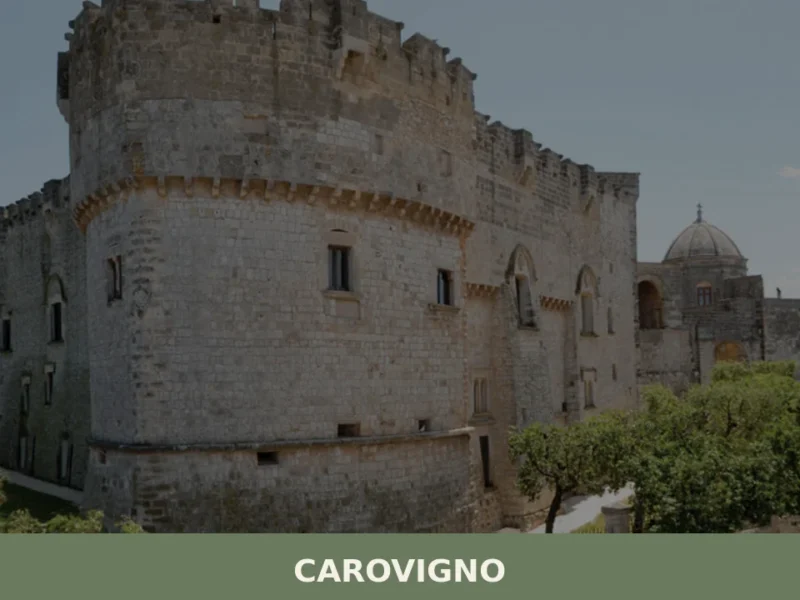
Carovigno
 Sea
Sea
Discover what to see in Carovigno, Puglia: medieval castle, rupestrian churches, Torre Guaceto nature reserve, olive oil traditions and practical travel tips.
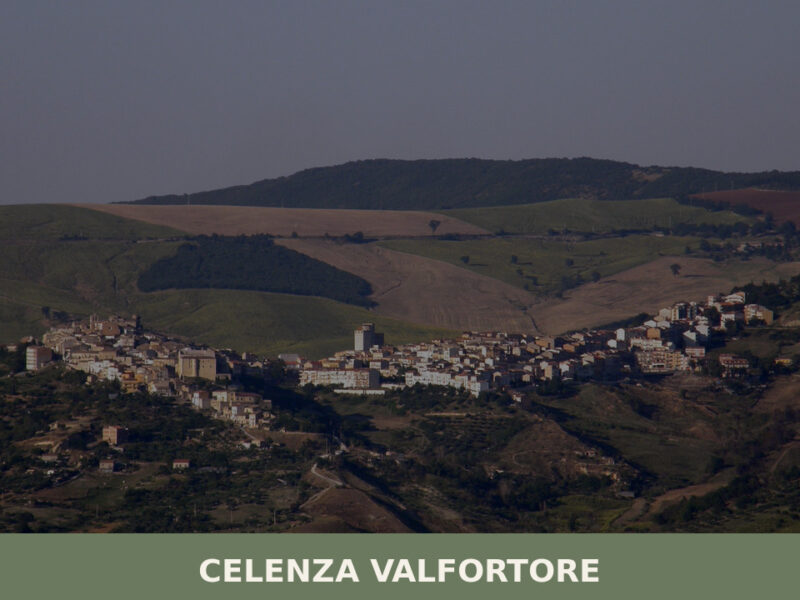
Celenza Valfortore
 Hills
Hills
A hill village of 1,363 people above the Fortore valley in Puglia's Daunia highlands. Castle, churches, stone lanes, and a working landscape far from the tourist coast.
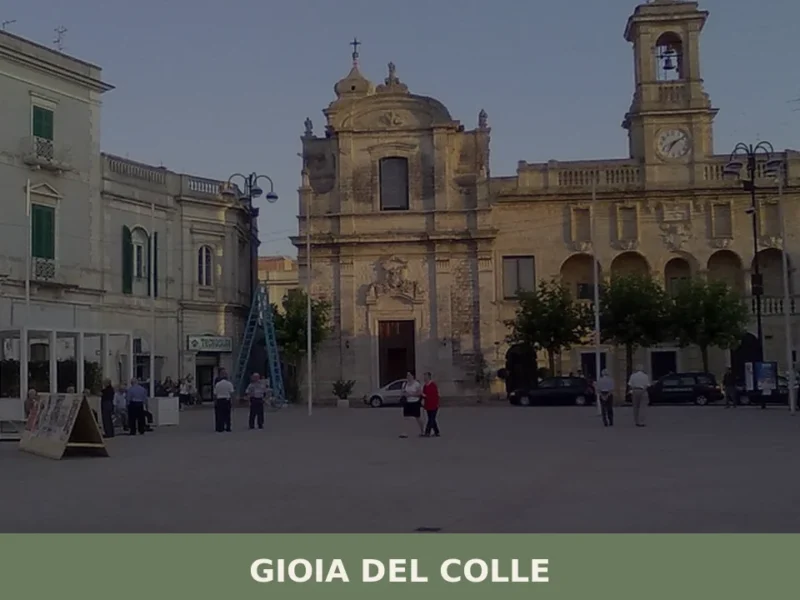
Gioia del Colle
Hills
What to see in Gioia del Colle: hilltop town at 362m on the Murgia. Explore the Swabian castle, Monte Sannace park, Primitivo DOC wines and local PAT dishes.
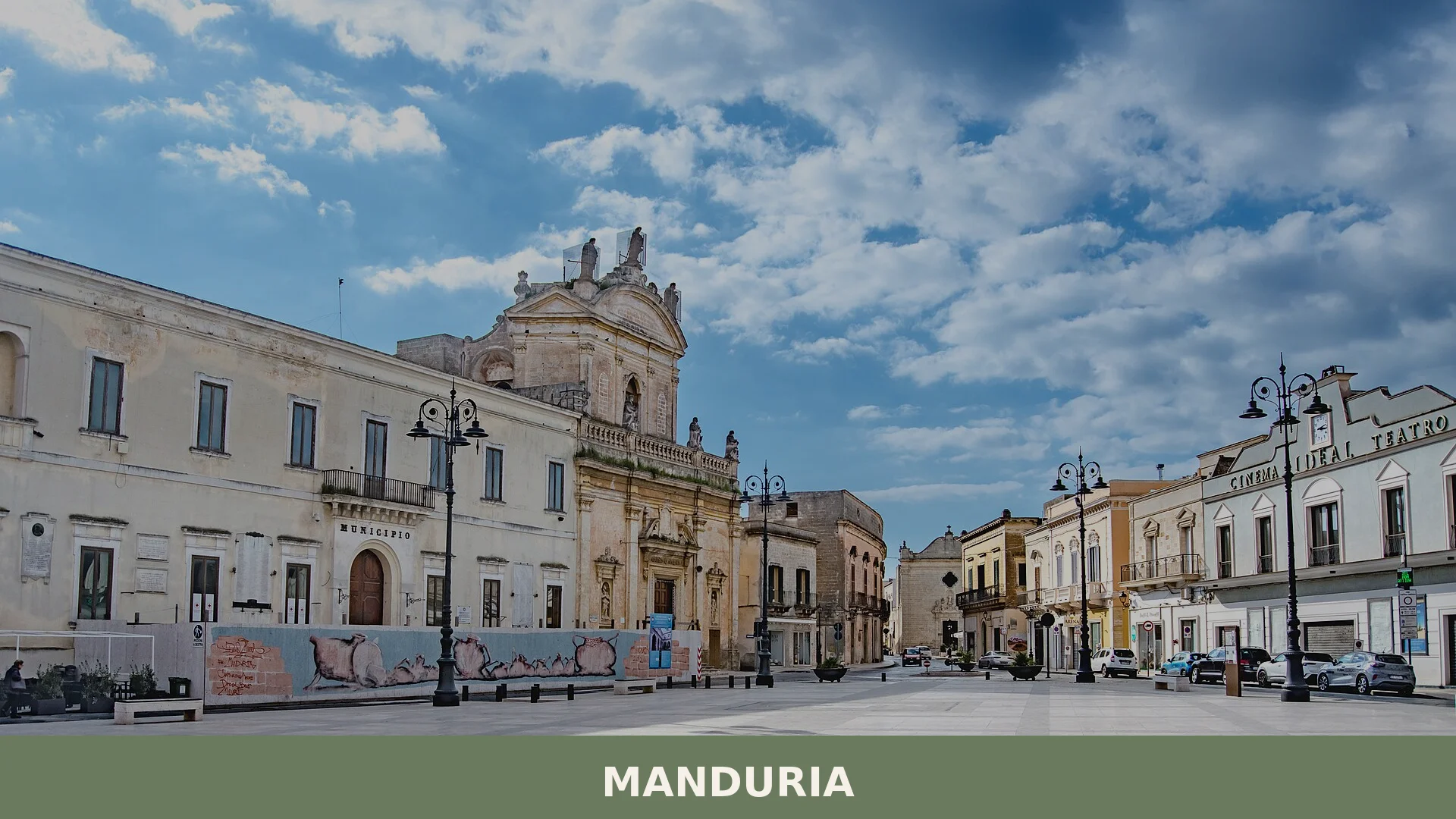
Manduria
Sea
A territory where Messapic walls still stand and Roman roads connect to the coast. Manduria earned its title as a City of Art through centuries of layered stone and faith.
Sant’Agata di Puglia
 Mountain
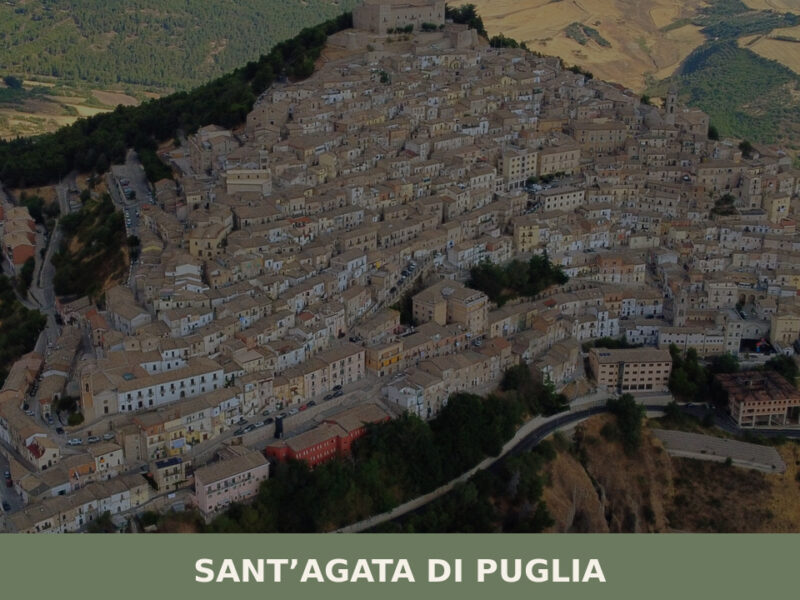
A ridge-top village at 794 metres in the Daunia hills, Sant'Agata di Puglia rewards slow exploration with its Norman castle, stepped stone alleyways, and mountain cooking.
Manfredonia
Sea
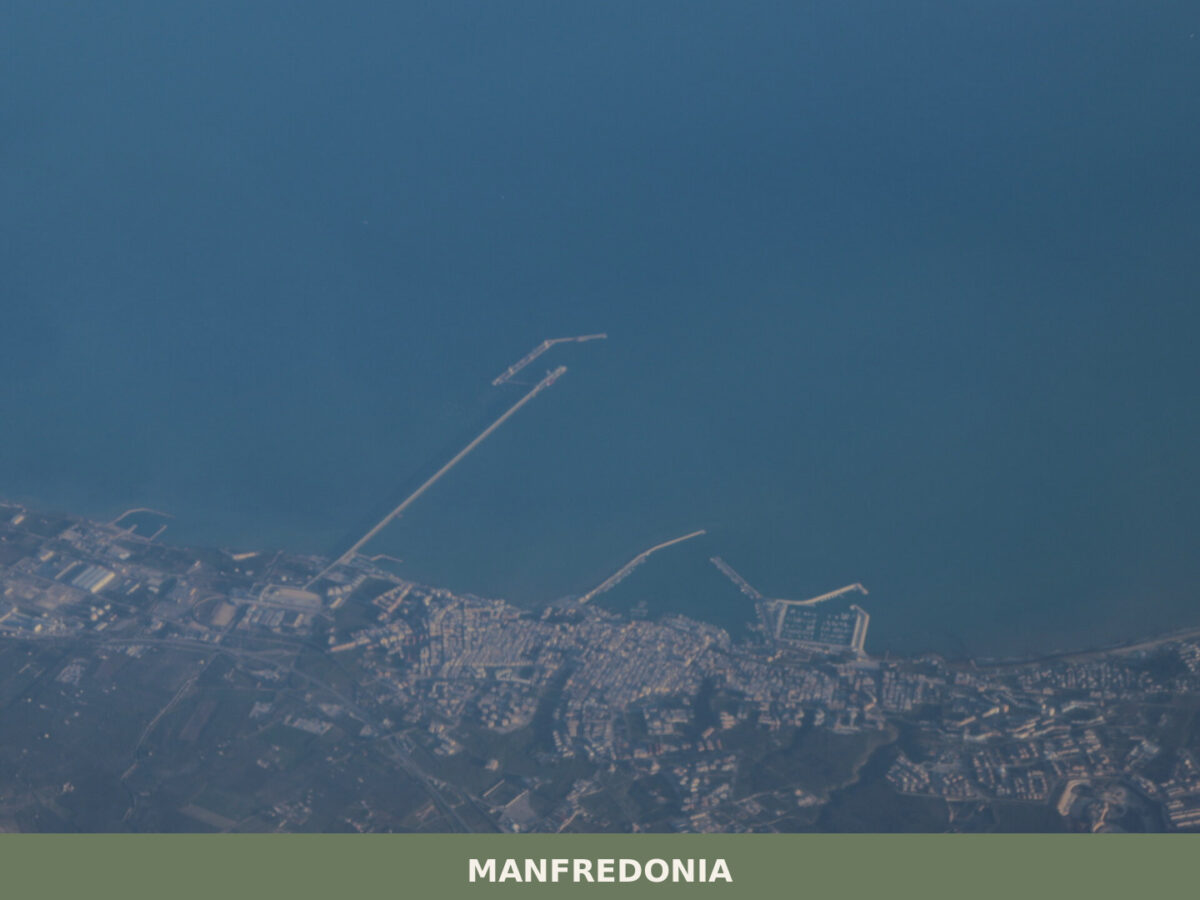
A port city founded by King Manfred on the Gargano coast, Manfredonia holds a medieval castle, pre-Roman carved stele, and one of Puglia's oldest carnivals.
Bari
Sea
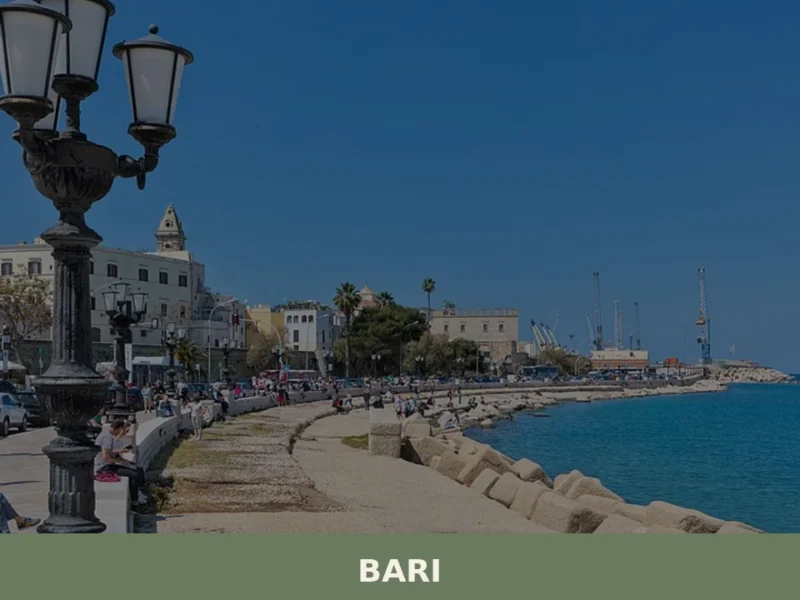
In Bari, the dawn over the Adriatic Sea paints the ancient walls of the old town in shades of pink, while the first rays of sunlight illuminate the imposing façade of the Basilica di San Nicola, the focal point of a city that has welcomed pilgrims and merchants for centuries. Here, history is etched into […]
Cellino San Marco
Plains
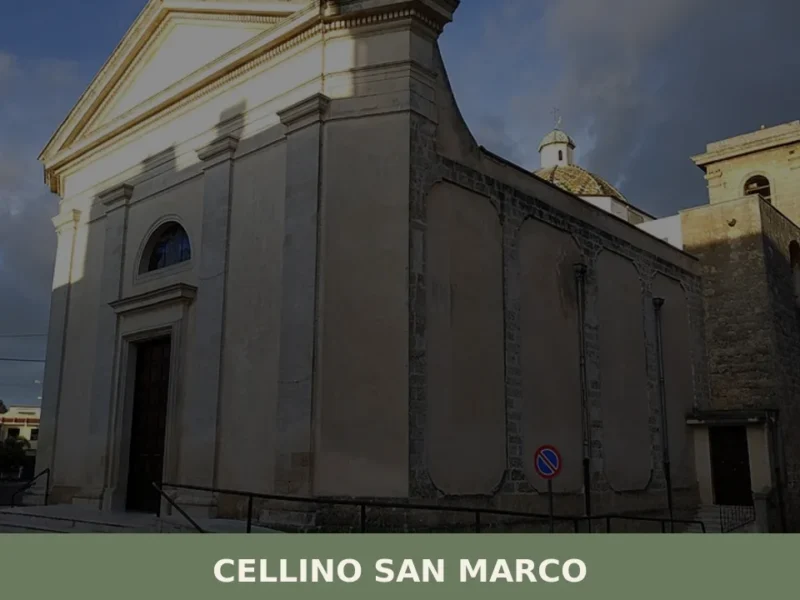
Scopri Cosa vedere a Cellino San Marco: un borgo agricolo ricco di storia e tradizioni in Puglia. Pianifica la tua visita e assapora l'autenticità del Salento.
Carpino
 Lake
Plains
Lake
Plains
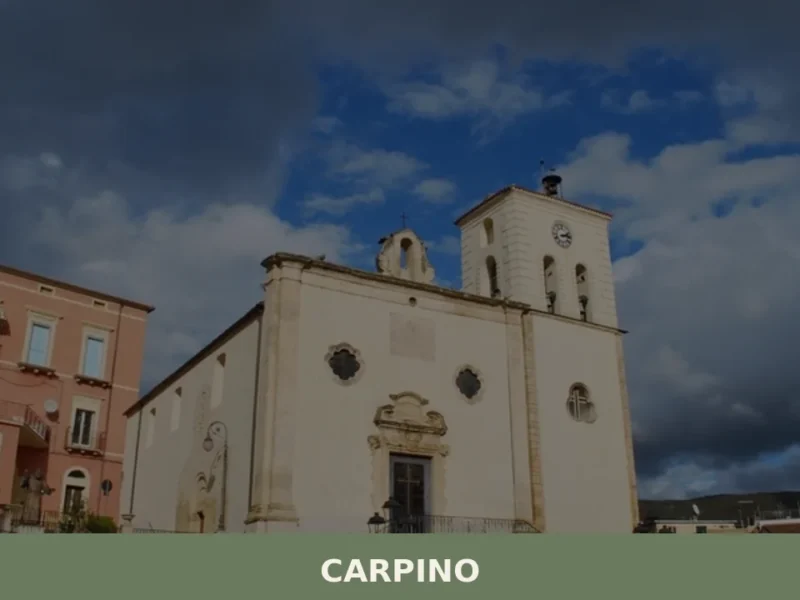
What to see in Carpino, Puglia, Italy: folk festival, olive oil culture, 3 historic churches and caves at 147 m altitude. Discover the full travel guide.
Patù
Sea
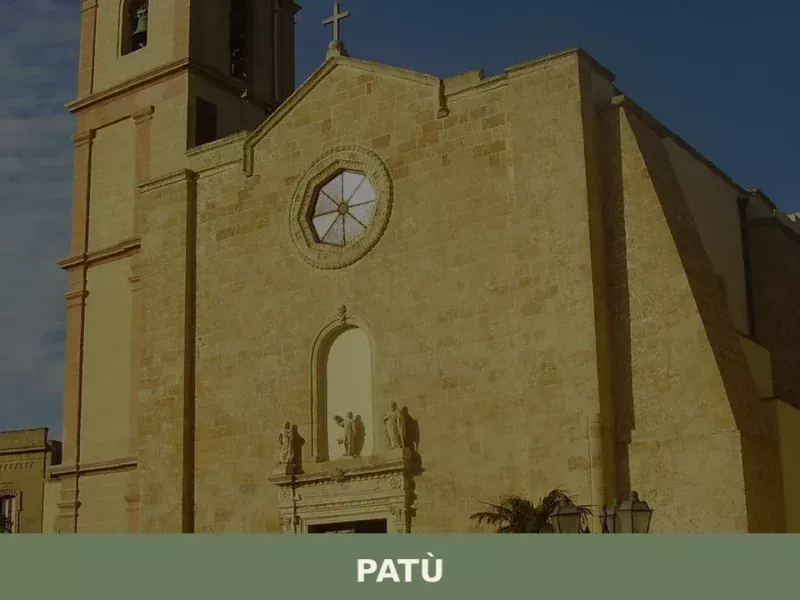
What to see in Patu00f9, Puglia, Italy: explore the Centopietre mausoleum, Byzantine crypts and a 1564 Renaissance church in a village of 1,699 inhabitants. Discover it now.
🏡 Know Specchia better than we do?
If you’re a local or have been there, your knowledge matters: add what’s missing or fix a detail on this page.