


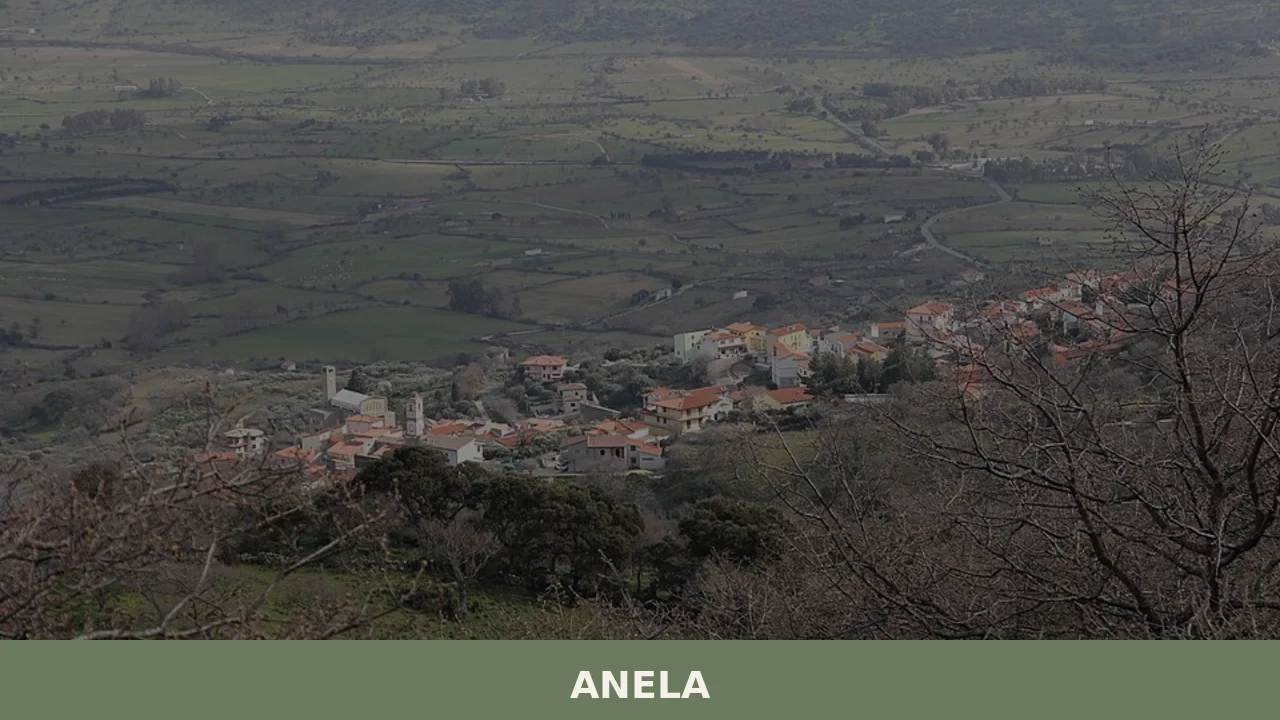

Discover what to see in Anela, Sardinia: Neolithic tombs at Sos Furrighesos, the Chiesa di San Giorgio, highland forests, and authentic pastoral cuisine.
Discover Anela
Morning light falls across a line of granite houses, their walls the colour of dried honey, and somewhere a church bell counts seven. The air at 446 metres carries pine resin and woodsmoke from a bread oven fired before dawn. Anela sits in the Goceano district of Sardinia’s Sassari province, a village of 567 inhabitants where the silence between sounds tells you more than any guidebook. Knowing what to see in Anela means looking closely — at weathered stone, at ancient tombs cut into rock, at a landscape that has been inhabited for millennia.
History of Anela
Human presence in this part of the Goceano dates to the Neolithic period, evidenced most dramatically by the domus de janas — “fairy houses” — carved into rock at the Sos Furrighesos necropolis, a burial complex that archaeologists date to between the fourth and third millennia BCE.These are not rough hollows; they are carefully chambered tombs, some featuring carved bull protomes and false doors, suggesting a sophisticated funerary culture that predates the Nuragic civilisation by centuries. The village as a settled community, however, took shape much later, during the medieval period when Sardinia was divided into autonomous judicial territories known as giudicati.
Anela fell within the Giudicato of Torres, the powerful northern Sardinian kingdom centred on what is now Sassari province. Within this territory, the village belonged to the Curatoria of Anela, an administrative subdivision that lent the settlement a degree of local importance disproportionate to its size.The origin of the name remains debated: some scholars have linked it to a pre-Roman root, possibly connected to pastoral or topographic terms in the Sardinian language, though no single etymology has gained consensus.
After the fall of the Giudicato of Torres in the thirteenth century, the territory passed through the hands of Aragonese and later Spanish feudal lords, a pattern repeated across much of the island. The village church of San Giorgio, rebuilt over centuries, served as a fixed point through these shifting allegiances. By the eighteenth century, when Sardinia came under the House of Savoy, Anela had assumed the quiet, pastoral character it retains today — a community shaped by sheep farming, forestry, and the slow rhythms of the central Sardinian highlands.
What to see in Anela: 5 must-visit attractions
1. Necropoli di Sos Furrighesos
This pre-Nuragic necropolis, located in the countryside outside the village, comprises several domus de janas — rock-cut tombs dating to the late Neolithic and early Chalcolithic period (roughly 3500–2500 BCE). Some chambers feature carved architectural details, including false doors and bull heads sculpted in low relief. The site is one of the most important funerary complexes in the Goceano and offers tangible evidence of ritual life in prehistoric Sardinia.
2. Chiesa di San Giorgio
The parish church of San Giorgio anchors the centre of the village. Its current structure reflects modifications accumulated over several centuries, with Romanesque elements visible beneath later interventions. The interior holds modest devotional furnishings typical of rural Sardinian churches. The stone façade, plain and unadorned, is characteristic of ecclesiastical architecture in the Sassari province’s highland communities.
3. The Historic Village Centre
Anela’s old quarter is built from local granite and basalt, its narrow streets following the contours of the hillside. Houses feature traditional loggias, exterior staircases, and thick walls designed for insulation against cold highland winters. Walking these streets without a fixed itinerary reveals doorways framed by dressed stone, small courtyards, and the architectural grammar of an agro-pastoral community largely unchanged in form since the eighteenth century.
4. Foresta Demaniale di Anela
The state forest surrounding the village covers slopes of holm oak, cork oak, and Mediterranean maquis, extending into higher elevations where downy oak dominates. The forest is managed by the Ente Foreste della Sardegna and offers marked trails suitable for walking. Birdlife is notable — the area falls within the range of the Sardinian subspecies of the goshawk, and raptors are regularly sighted above the canopy.
5. Nuragic remains in the Goceano territory
The countryside around Anela holds scattered Nuragic remains — single-tower nuraghi and associated structures — that attest to Bronze Age settlement across the Goceano. While none rival the scale of Sardinia’s most famous nuraghi, their frequency across the landscape illustrates the density of habitation in this highland zone between roughly 1500 and 500 BCE. Local paths and dirt tracks connect several of these sites.
Local food and typical products
The cuisine of Anela belongs squarely to the pastoral tradition of inland Sardinia.Sheep are the organising fact of the local economy, and their milk produces pecorino in several stages of ageing — from fresh and mild to hard and sharp, the older wheels developing a peppery intensity. Pane carasau, the paper-thin flatbread baked twice until brittle, remains a staple, sometimes moistened and layered with tomato sauce and egg to make pane frattau. Roast suckling pig (porceddu), turned slowly over aromatic wood, is the centrepiece of communal feasts and celebrations. Culurgiones — stuffed pasta parcels filled with potato, mint, and pecorino — appear on tables throughout the region, each household maintaining its own proportions.
The village does not have a wide restaurant scene; dining here often depends on agriturismi — farm-based establishments in the surrounding countryside that serve fixed meals of local production. These places offer seadas (fried pastry filled with fresh cheese and drizzled with honey), hand-rolled pasta with wild boar ragù, and wines from Cannonau grapes grown elsewhere on the island. Formagelle and ricotta produced from local flocks are sometimes available directly from shepherds.The experience is less about choosing from a menu and more about sitting at a long table and accepting what the kitchen has prepared that day.
Best time to visit Anela
The highland position at 446 metres gives Anela a climate noticeably cooler than Sardinia’s coastal towns. Summers are warm but tempered, with July and August temperatures reaching the low thirties at most — comfortable for walking and exploring archaeological sites. Spring, from late March through May, brings wildflowers to the surrounding pastures and forests, and the light has a clarity that favours photography. Autumn is mushroom season in the holm oak forests, and the village takes on a quieter mood as summer visitors leave the island.
Winter can be genuinely cold, with occasional frost and rare snow dustings on the higher ground above the village. The feast of San Giorgio, the patron saint, is the most significant local event, drawing the community together for religious processions and communal meals. Visitors hoping to witness traditional Sardinian festivity should time a visit to coincide with this celebration or with one of the autumn food festivals common to villages across the Goceano. Regardless of season, a vehicle is essential — public transport connections are infrequent, and the sites of interest are scattered across the countryside.
How to get to Anela
The nearest airports are Alghero-Fertilia (approximately 100 km to the northwest) and Olbia Costa Smeralda (approximately 110 km to the northeast).Both airports receive domestic flights from mainland Italy and seasonal international routes. From either airport, the drive to Anela takes roughly 90 minutes to two hours, depending on the route and road conditions. The SS131 (Carlo Felice highway), Sardinia’s main north-south artery, provides access from both Sassari (about 75 km north) and Nuoro (about 45 km southeast); from the SS131, secondary roads — the SP30 and connecting provincial roads — lead into the Goceano and up to the village.
There is no direct rail service to Anela. The nearest train station on the Trenitalia network is at Ozieri-Chilivani, roughly 30 km to the north, which connects to Sassari, Olbia, and Cagliari. From Ozieri, the remaining distance must be covered by car. ARST bus services link some Goceano villages, but schedules are limited and not designed for tourist itineraries. A rental car, ideally collected at the airport, is the practical choice for reaching and exploring Anela and its surroundings.
More villages to discover in Sardegna
Sardinia’s interior is a network of small communities, each with its own dialect, its own patron saint, and its own relationship to the landscape.Anela belongs to a corridor of Goceano villages — Bono, Bultei, Burgos — that share a common history within the old Giudicato of Torres and a common economy rooted in pastoralism and forestry. Travelling north from the Goceano toward Gallura, the terrain shifts from wooded highlands to the granite-strewn landscapes of northeastern Sardinia, where the village of Aggius sits among wind-sculpted rock formations with a deep tradition of polyphonic choral singing and textile weaving.
The contrasts across Sardinia’s villages are as instructive as the similarities. Where Anela’s identity is shaped by its Neolithic tombs and pastoral economy, other communities define themselves through different materials and memories. , for instance, maintains a renowned ethnographic museum and an annual carpet-weaving tradition that speaks to a quite different facet of Sardinian rural culture.Together, these villages compose a portrait of an island that resists easy summary — each one a chapter, best read slowly, on foot, with the attention that small places demand. For broader context on the island’s history and geography, the Sardinia regional tourism board offers practical resources and cultural background.
Frequently asked questions about Anela
What is the best time to visit Anela?
Spring (late March to May) offers wildflowers, clear light, and comfortable temperatures ideal for exploring archaeological sites and forest trails. Summer is warm but moderate at 446 metres — rarely exceeding the low thirties — making July and August pleasant for outdoor visits. Autumn brings mushroom season in the holm oak forests and a quieter atmosphere. The most significant community event is the feast of Santi Cosma e Damiano on 27 September, when the village celebrates its patron saints with religious processions and communal gatherings — worth timing a visit around.
What are the historical origins of Anela?
Human settlement in the area dates to the Neolithic period, evidenced by the Sos Furrighesos necropolis — rock-cut domus de janas tombs from roughly 3500–2500 BCE. In the medieval period, Anela was part of the Giudicato of Torres, Sardinia's northern judicial kingdom, serving as the administrative centre of its own Curatoria. After the Giudicato's collapse in the thirteenth century, the village passed to Aragonese and Spanish feudal lords, then to the House of Savoy in the eighteenth century, retaining its pastoral and forestry-based character throughout.
What to see in Anela? Main monuments and landmarks
The Necropoli di Sos Furrighesos is the standout site — a pre-Nuragic complex of rock-cut tombs with carved bull protomes and false doors, dating to 3500–2500 BCE, located in the countryside outside the village. The parish church of San Giorgio anchors the historic centre, its stone façade showing Romanesque elements beneath later modifications. The old granite-and-basalt village quarter rewards slow exploration on foot. Scattered Nuragic remains dot the surrounding countryside, accessible via local paths. The Foresta Demaniale di Anela offers marked walking trails through holm oak and cork oak woodland.
What are the main natural or scenic attractions of Anela?
The Foresta Demaniale di Anela surrounds the village with slopes of holm oak, cork oak, and Mediterranean maquis, rising to higher elevations dominated by downy oak. Managed by the Ente Foreste della Sardegna, the forest has marked walking trails suitable for day hikes. The area is notable for birdlife, including the Sardinian subspecies of the goshawk and other raptors regularly sighted above the canopy. The broader Goceano highland landscape, at 446 metres, offers open pastoral scenery connecting the village to neighbouring communities via provincial roads and rural tracks.
Where to take the best photos in Anela?
The carved chambers of the Sos Furrighesos necropolis offer striking close-up photography of prehistoric rock-cut architecture, particularly the sculpted bull protomes and false doors — morning light entering the tomb openings is most effective. The old village centre, with its dressed-granite doorways, exterior staircases, and narrow hillside streets, provides strong architectural subjects. The forest edges around the Foresta Demaniale frame views across the Goceano highland landscape, best in spring when pastures are green or in autumn when woodland colours shift.
Are there museums, churches or historic buildings to visit in Anela?
The parish church of San Giorgio is the principal historic building in the village centre, featuring a plain stone façade with Romanesque traces and modest traditional interior furnishings typical of highland Sardinian churches. The Necropoli di Sos Furrighesos, while an open-air archaeological site rather than a museum, functions as the village's most significant historic monument. For detailed archaeological context on the domus de janas tradition, the regional museums in Sassari — particularly the Museo Nazionale Sanna — hold relevant collections from across northern Sardinia.
What can you do in Anela? Activities and experiences
Visiting the Sos Furrighesos necropolis and exploring Nuragic remains scattered across the surrounding countryside form the core archaeological itinerary. Walking trails in the Foresta Demaniale di Anela suit half-day hikes through mixed oak woodland, with birdwatching opportunities including raptors and the Sardinian goshawk. Autumn visits coincide with mushroom foraging season. Dining at agriturismi in the surrounding countryside offers fixed-menu meals of local pastoral production. The 27 September feast of Santi Cosma e Damiano provides an opportunity to witness traditional Sardinian community celebration with processions and communal eating.
Who is Anela suitable for? Families, couples, hikers, solo travelers?
Anela suits travellers who prefer quiet, unhurried experiences over organised tourism. History and archaeology enthusiasts will find the Sos Furrighesos necropolis genuinely rewarding. Hikers and nature walkers benefit from the Foresta Demaniale trails and open highland terrain. Couples and slow-travel solo visitors drawn to authentic agro-pastoral Sardinia — stone villages, forest landscapes, farm-table dining — will feel at home here. Families with older children interested in prehistory can engage meaningfully with the rock-cut tombs. The village is not suited to visitors expecting beach tourism, nightlife, or dense cultural programming.
What to eat in Anela? Local products and specialties
The food culture belongs to Sardinia's inland pastoral tradition. Pecorino cheese is produced from local sheep's milk in varying stages of ageing, from fresh and mild to hard and peppery. Pane carasau — the twice-baked paper-thin flatbread — is a staple, layered with egg and tomato as pane frattau. Roast porceddu (suckling pig) over aromatic wood is the centrepiece of celebrations. Culurgiones, pasta parcels filled with potato, mint, and pecorino, appear regularly. Seadas — fried cheese pastry with honey — round out the tradition. Agriturismi in the area serve these dishes directly from local production.
📷 Photo Gallery — Anela
Nearby Villages near Anela
In Sardinia More villages to discover
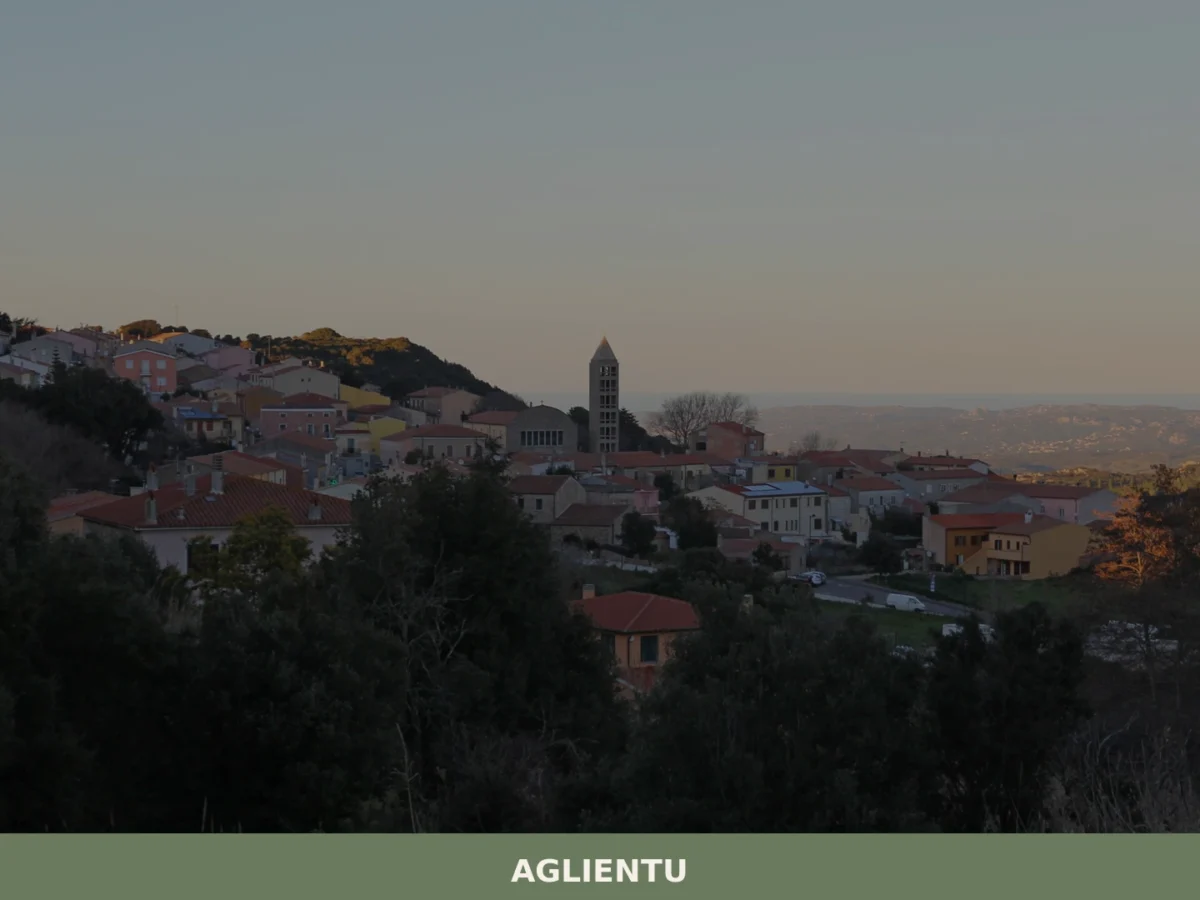
Aglientu
 Sea
Sea
Discover what to see in Aglientu, a Gallura village in north Sardinia: granite coasts, cork oak landscapes, Nuragic sites, and local pecorino culture.
Albagiara
 Plains
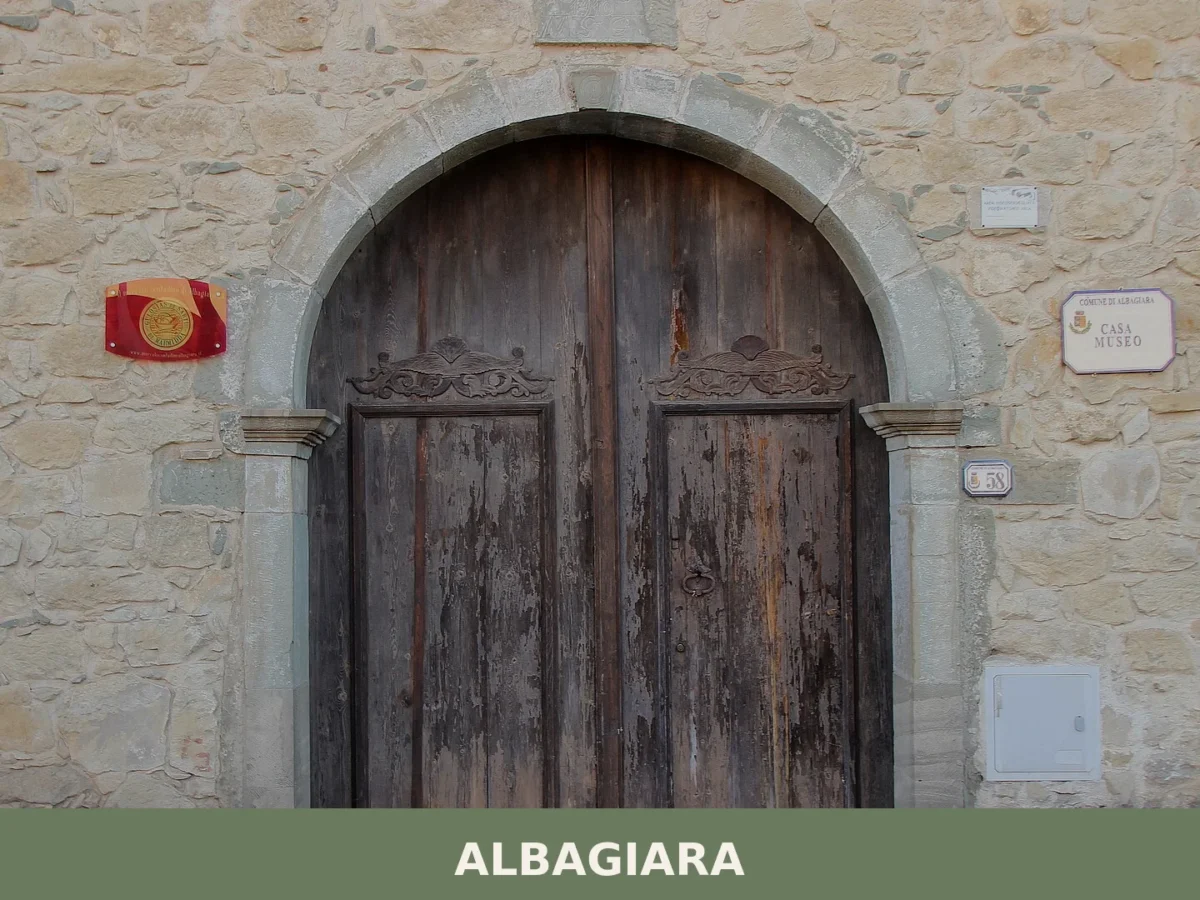
A community of 273 inhabitants in the heart of Oristano province. Albagiara balances ancient archaeology with modern agricultural and artisan traditions.
Belvì
 Mountain
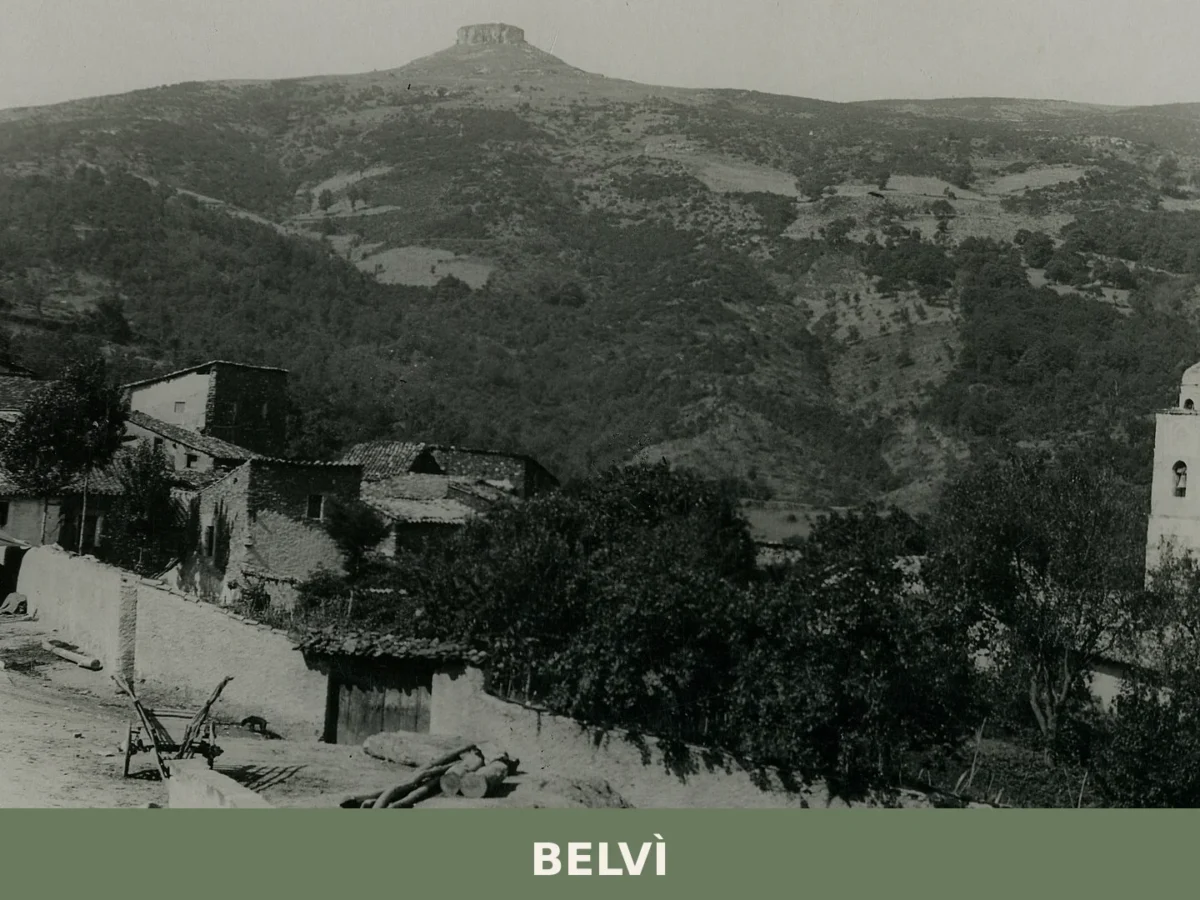
Belvì is a mountain comune in the province of Nuoro, Sardegna, at 669 metres above sea level, giving its name to the Barbagia di Belvì subregion and bordered by the Gennargentu massif.
Baunei
 Hills
Hills
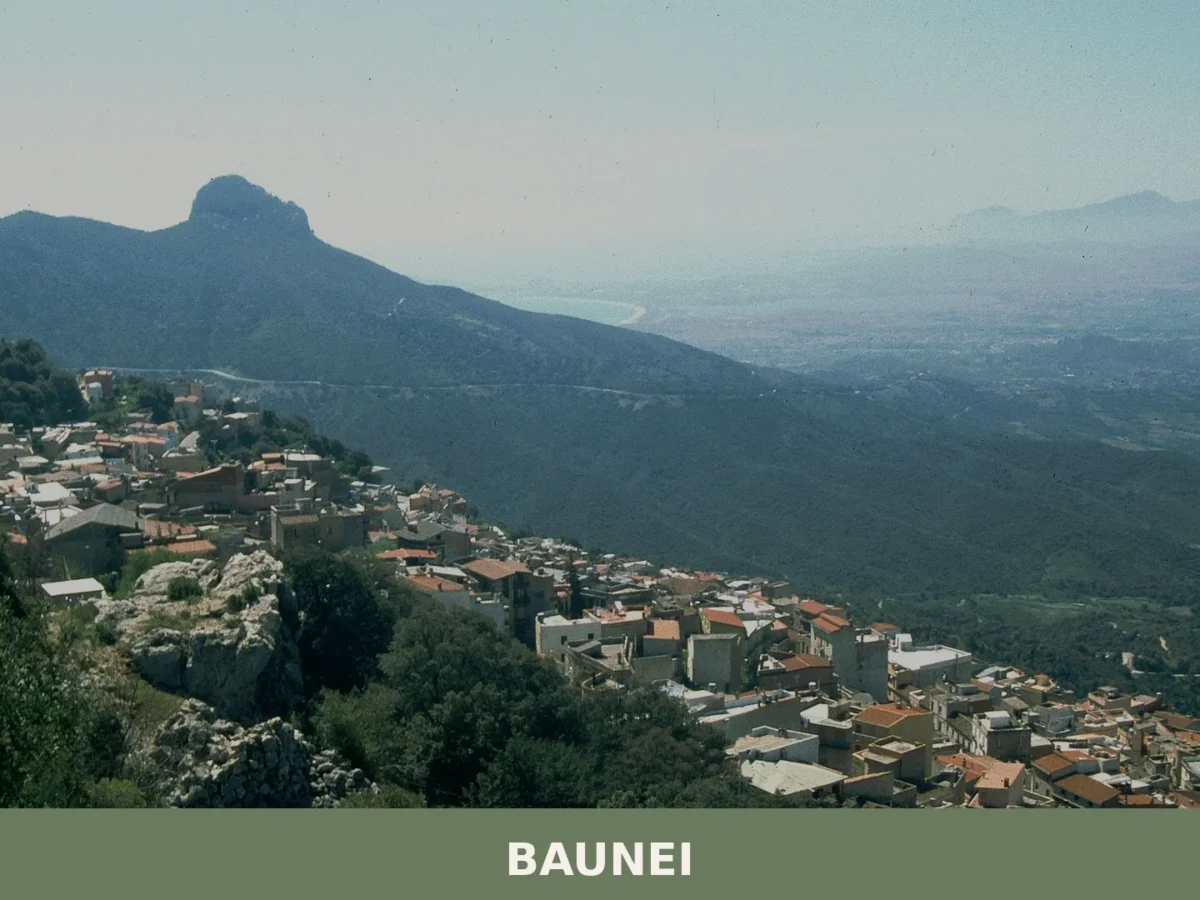
Baunei is a commune of around 3,678 inhabitants in Ogliastra, eastern Sardinia, where a high calcareous plateau meets 40 kilometres of dramatic Tyrrhenian coastline inside a national park.
Bonnanaro
Hills
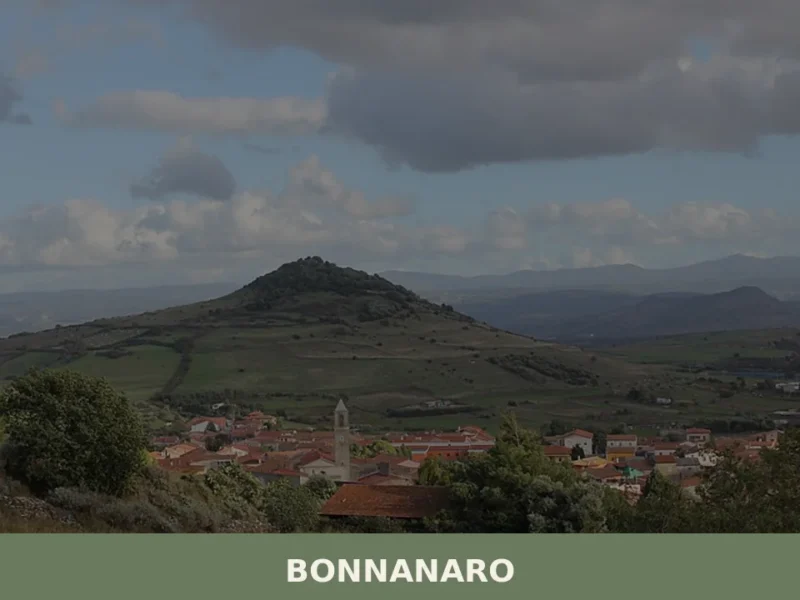
In 1388, when representatives of the Sardinian villages signed the peace treaty with the Crown of Aragon, among the signatories was the village of Bonnanaro, an agricultural centre already known for the fertility of its volcanic soils on the slopes of Monte Pelao. Today this village of 921 inhabitants, situated at 405 metres above sea […]
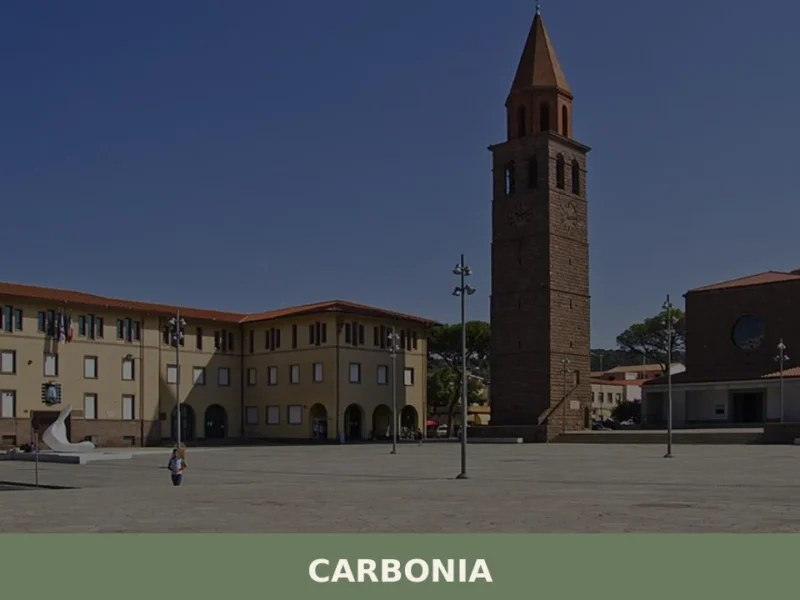
Carbonia
Plains
What to see in Carbonia: 28,684 residents, rationalist architecture, and Nuragic sites in Sulcis Iglesiente. Plan your visit to the Coal Museum and Monte Sirai.
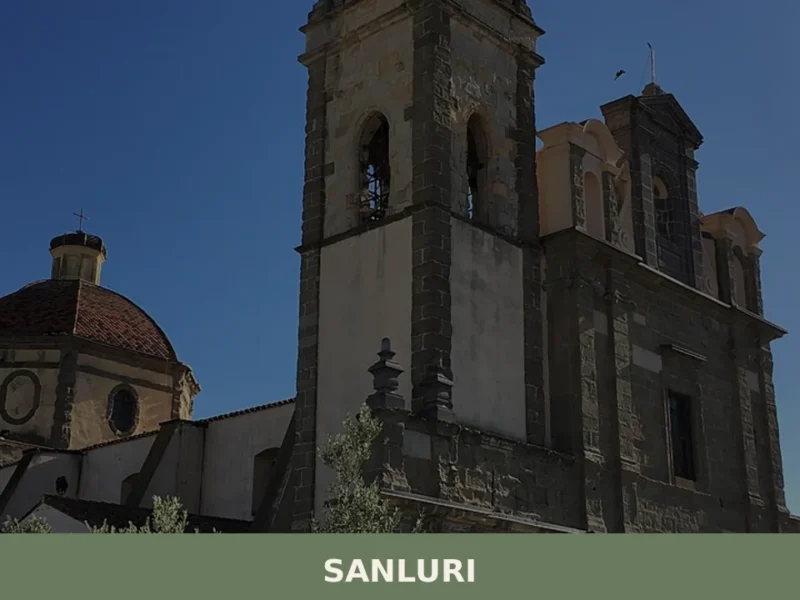
Sanluri
Plains
Discover Sanluri, a charming village in Sardegna, Italy, rich in history, culture, and stunning landscapes. Plan your visit today!
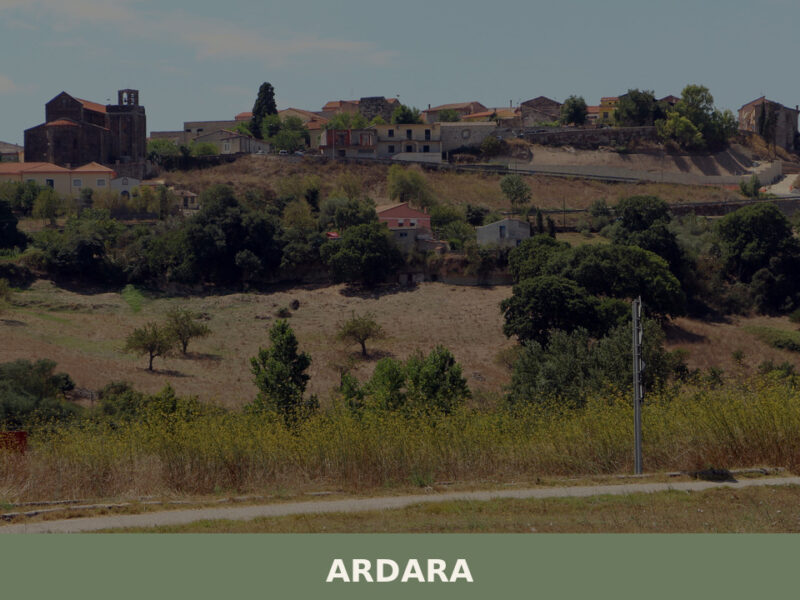
Ardara
Hills
Morning light strikes the dark basalt walls of an old church, turning the stone the colour of wet coal. A rooster calls from somewhere behind the municipio. Ardara sits on a low rise at 296 metres above sea level in the province of Sassari, a village of 729 people that once served as the capital […]
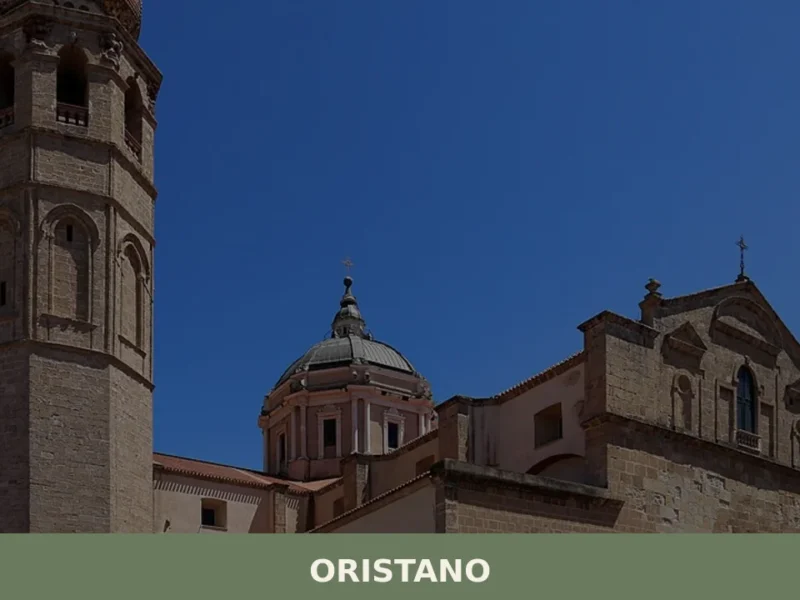
Oristano
Sea
What to see in Oristano: 31,095 inhabitants, medieval Giudicato history, the Sartiglia festival and Cabras bottarga. Discover towers, museums and the cathedral. Plan your visit now.
Arbus
Hills
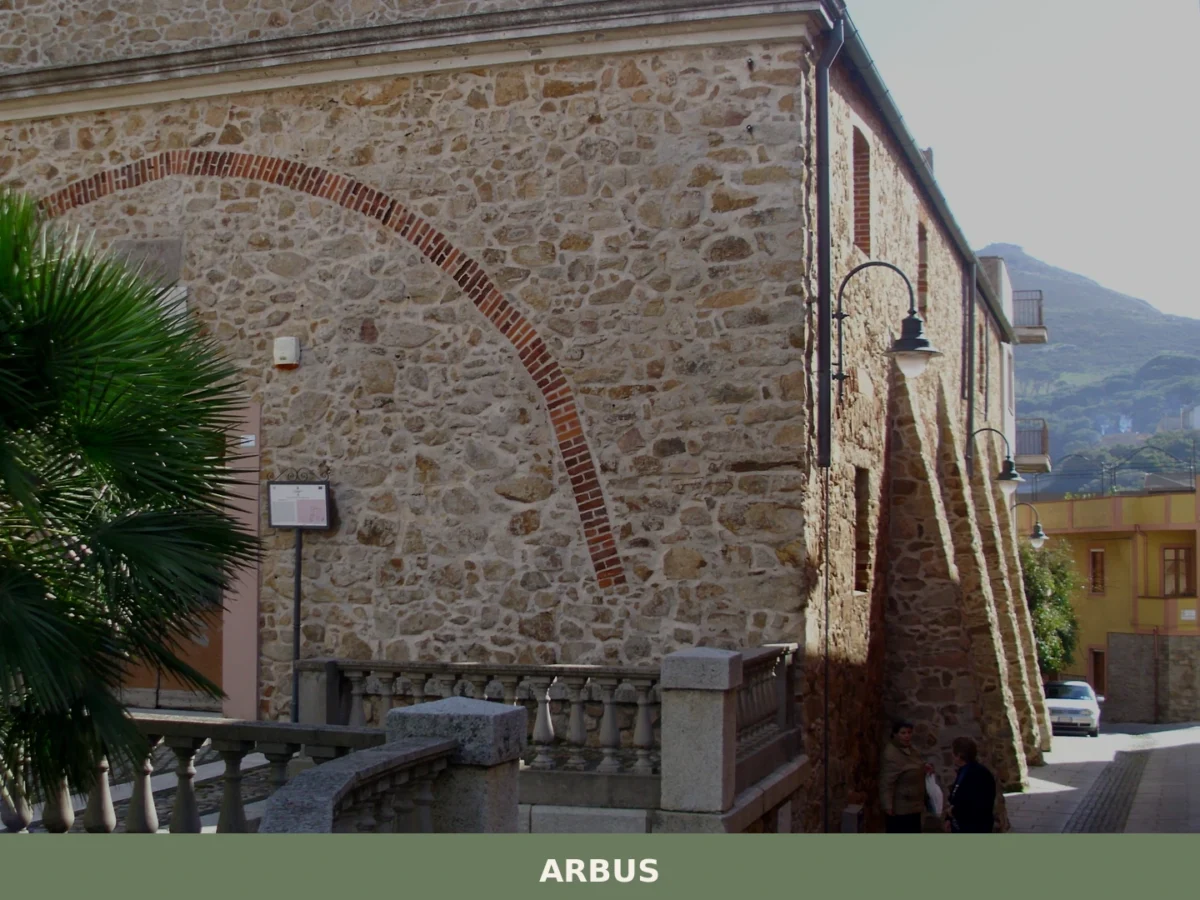
What to see in Arbus, Sardegna, Italy: explore coastal cliffs, historic mining sites and local food traditions. Discover the best of this South Sardinia village.


🏡 Know Anela better than we do?
If you’re a local or have been there, your knowledge matters: add what’s missing or fix a detail on this page.