


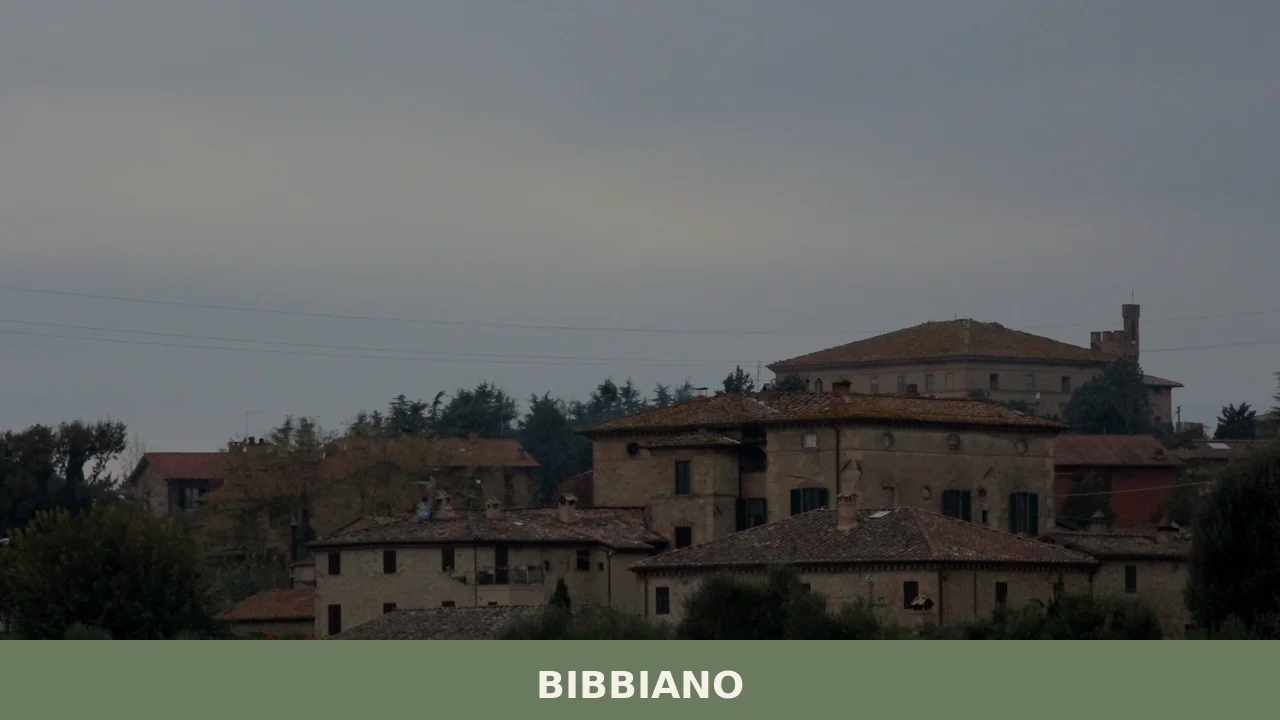
Bibbiano
 Plains
What to see in Bibbiano, Emilia-Romagna, Italy: explore the birthplace of Parmigiano Reggiano, 14 km from Reggio Emilia. Discover history, food and how to get there.
Discover Bibbiano
Cheese curds cooling in copper vats, the smell of warm milk and hay drifting across a flat Po Valley morning — this is the sensory signature that has defined Bibbiano for centuries.
The municipal area of 28.02 square kilometres spreads across a lowland plain in the province of Reggio Emilia, divided among the hamlets of Barco, Corniano, La Fossa, Ghiardo, and Piazzola.
At 121 m (397 ft) above sea level, the terrain here offers none of the drama of the Apennine foothills to the south, but the quality of its pastureland and water supply has shaped the local economy and identity for at least eight hundred years.
Knowing what to see in Bibbiano means understanding a place where food history, archaeology, and a quietly productive agricultural present converge.
The town of 10,019 inhabitants sits just 14 km (9 mi) southwest of Reggio Emilia, making it a practical destination for a half-day or full-day excursion.
Visitors to Bibbiano find a documented cheese-making heritage that predates many of Italy’s most celebrated DOP (Denominazione di Origine Protetta, Protected Designation of Origin) products, a municipal coat of arms still bearing the insignia of the medieval Canossa dynasty, and a railway line connecting several of its hamlets to the regional network.
History of Bibbiano
The earliest evidence of human presence in the Bibbiano area stretches from the Lower Palaeolithic to the Neolithic: archaeologists have recovered the floors of huts, ceramic fragments, and a significant quantity of siliceous stone artefacts. The Iron Age brought a sustained Gallic presence, and Celtic linguistic inflections survived long enough to leave traces in the local dialect of Reggiano, known as Bibiân or locally Bibiēn.
The origin of the toponym itself is linked to the Roman occupation of the first century CE, a period from which numerous finds — pottery and domestic furnishings — have emerged from excavation sites across the municipal territory.
From the 12th century onward, Bibbiano’s political identity was inseparable from the Canossa family, one of the most powerful dynasties of medieval northern Italy.
The municipal coat of arms still carries the Canossa insignia, a continuity that speaks to how thoroughly the family shaped local governance and land use.
The Canossa dynasty’s dominion over Bibbiano lasted until 1757, when the fiefdom passed to the Marquis Gabbi. The town subsequently obtained municipal autonomy during the period of the Department of Crostolo, the administrative unit established under Napoleonic reorganisation of the Italian territories in the early 19th century.
The 12th century also produced what would become Bibbiano’s most enduring cultural contribution.
The Benedictine monks of the monastery of Corniano — one of the hamlets still forming part of the municipality today — are credited with developing the recipe for a long-aged cow’s milk cheese that would eventually evolve into Parmigiano Reggiano.
For centuries, historians and producers have debated the precise geographic origin of this cheese.
By 1700, however, most historians had converged on Bibbiano as the central site of its renaissance, citing the combination of high-quality forage, stable pastureland, and abundant water supply as the decisive factors. In 2008, the consortium Bibbiano la Culla (Bibbiano, the Cradle) was formally established to protect and promote this heritage under a dedicated quality brand with PDO recognition.
What to see in Bibbiano, Emilia-Romagna: top attractions
The Hamlet of Corniano and the Benedictine Monastery Site
Corniano is the hamlet where the Benedictine monks are documented to have developed the original recipe for the aged cow’s milk cheese that became Parmigiano Reggiano, making it the most historically significant locality within the municipal area.
The shift from sheep’s cheese to the long-aged cow’s milk format represented a structural change in the rural economy of the entire region.
Standing in Corniano today, visitors can read the landscape — flat fields, irrigation channels, proximity to the Enza river system — as directly explaining why this location supported a cheese-making industry from at least the 12th century.
The hamlet is served by the Corniano stop on the Reggio Emilia–Ciano d’Enza railway, making it accessible without a car.
The Municipal Coat of Arms and Canossa Heritage
The coat of arms displayed on the Comune di Bibbiano buildings carries the Canossa insignia, a direct visual link to the medieval dynasty that controlled this territory from the 12th century until 1757.
The Canossa family were among the most consequential feudal powers in Emilia-Romagna, and their influence here outlasted their formal extinction as a political force elsewhere in the region.
Reading the coat of arms in the context of the town’s administrative buildings gives visitors a concrete anchor for understanding eight centuries of local governance. The nearby territory around Quattro Castella, which borders Bibbiano to the south, preserves further physical remnants of the Canossa dominion for those wishing to extend their exploration of the dynasty’s footprint across the plain.
The Bibbiano la Culla Consortium and Cheese Heritage
Established in 2008, the consortium Bibbiano la Culla formalised what local producers had long maintained: that Bibbiano holds a specific and documentable role in the history of Parmigiano Reggiano. The consortium’s quality brand operates within the broader PDO framework, distinguishing wheels produced in this territory on the basis of forage quality and cheesemaking skill.
A visit to any of the local dairies affiliated with the consortium lets visitors observe the production process directly — the breaking of the curd, the slow heating in copper vats, the salting in brine, and the extended ageing that gives the cheese its granular texture and sharp, crystalline flavour.
The best time to observe active production is during the morning hours, typically before midday.
The Reggio Emilia–Ciano d’Enza Railway Corridor
The railway line crossing the municipal area of Bibbiano is notable for the density of its stops relative to the size of the territory: six stops serve the municipality, including Bibbiano, Bibbiano Fossa, Bibbiano Via Monti, Bivio Barco, Corniano, and Piazzola, in addition to Barco station.
This infrastructure reflects the historical importance of the area as an agricultural and light-industrial corridor connecting Reggio Emilia to the Enza valley.
For visitors, the line provides a practical way to move between hamlets without a car, covering the 14 km (9 mi) between Reggio Emilia and the municipal centre in a short, direct journey. The Trenitalia regional service operates along this corridor.
Archaeological Traces Across the Municipal Territory
The layered archaeological record of Bibbiano’s municipal area spans from the Lower Palaeolithic to the Roman first century CE, with finds including hut foundations, Neolithic ceramics, Iron Age Gallic artefacts, and Roman pottery.
These discoveries have emerged from digs across a territory of 28.02 square kilometres, suggesting sustained and varied occupation over tens of thousands of years rather than a single founding moment.
The Celtic inflections still traceable in the local Reggiano dialect represent a linguistic layer deposited during the long Gallic presence documented by the Iron Age finds.
For visitors interested in pre-Roman and Roman archaeology in the Po Valley, Bibbiano’s record places it alongside a wider regional pattern of continuous settlement that characterises much of Emilia-Romagna.
Local food and typical products of Bibbiano
The agricultural geography of the Bibbiano plain — flat, well-watered, with stable pastureland and quality forage grasses — created the conditions for a dairy economy that has functioned continuously since at least the 12th century. Before the Benedictine monks of Corniano developed the recipe for the long-aged cow’s milk format, the rural production of the region was largely limited to sheep’s cheese.
The switch to cow’s milk and extended ageing was not merely a culinary development; it reorganised how land was used, how cattle were managed, and how surplus production was traded across the region.
Emilia-Romagna as a whole sits at the centre of Italy’s certified food geography, and Bibbiano occupies a specific and documented position within that broader picture.
Visitors exploring the food culture of this part of the Po Valley will also find parallels in other towns across the province, such as the agricultural heritage preserved around Imola, which shares the region’s tradition of combining cereal cultivation with intensive dairy farming.
The central product of the Bibbiano table is Parmigiano Reggiano, produced here with a documented lineage reaching back eight hundred years. The cheese is made exclusively from raw cow’s milk, with no additives beyond natural whey starter and salt.
The paste is granular and flaky after a minimum of twelve months of ageing, with the wheels produced in the Bibbiano tradition typically aged longer to develop the sharp, persistent flavour associated with the area’s particular milk composition.
On the local table, Parmigiano Reggiano appears in fragments broken directly from the wheel with a short, almond-shaped knife, served alongside cured meats or dissolved in brodo, the slow-simmered meat broth that anchors the pasta dishes of Emilia-Romagna.
Tortellini in brodo and tagliatelle al ragù are the pasta formats most directly tied to the regional tradition, both relying on the cheese as a finishing element that sharpens rather than softens the dish.
The certified product anchoring Bibbiano’s food identity is Parmigiano Reggiano (PDO) — a protected designation covering production across a defined territory that includes the provinces of Parma, Reggio Emilia, Modena, and parts of Mantua and Bologna.
Within this zone, Bibbiano holds a historically documented role: the consortium Bibbiano la Culla, established in 2008, operates a dedicated quality brand that identifies wheels produced under the specific standards of local cheesemakers.
The PDO mark on a wheel guarantees raw milk, copper-vat production, and ageing of at least twelve months, but the Bibbiano la Culla brand adds a layer of provenance traceability tied to this specific municipality.
Purchasing directly from producers affiliated with the Bibbiano la Culla consortium is the most direct way to access wheels with the local quality brand.
The dairy sector in the municipal area operates year-round, and production visits can often be arranged in the morning hours. Spring and early summer, when the pasture grasses are at their most nutritious, are the months that producers most commonly cite as producing the best-quality milk for ageing. Markets in Reggio Emilia, 14 km (9 mi) to the northeast, provide additional access to the full range of local certified products.
Festivals, events and traditions of Bibbiano
The principal civic and religious event in Bibbiano is the feast of the Beata Vergine dell’Assunta, the patron saint of the municipality, celebrated on 15 August each year.
The feast falls during the Ferragosto period, the national summer holiday that effectively pauses commercial activity across Italy and draws local communities into public squares for collective observance. The celebration follows the pattern typical of Marian feasts in Emilia-Romagna: a religious procession through the town streets, a solemn Mass, and an evening programme that extends into outdoor gatherings.
The date also coincides with the height of summer, when the flat agricultural plain around Bibbiano is at its most productive and the hours of daylight are longest.
Beyond the Ferragosto feast, the food heritage of the municipality provides the backdrop for events connected to Parmigiano Reggiano production and the activities of the Bibbiano la Culla consortium.
The consortium’s work to promote the local cheese brand includes periodic public events tied to the dairy calendar, typically concentrated in spring and autumn when production conditions are most actively discussed.
For visitors planning a trip around a specific local event, checking the programme published by the before arrival is the most reliable approach, as event schedules in small municipalities can vary from year to year.
When to visit Bibbiano, Italy and how to get there
The best time to visit Bibbiano, Italy is in spring (April to June) or early autumn (September to October).
During these months, the Po Valley plain avoids the extreme summer heat that can push temperatures above 35°C (95°F) in July and August, and the agricultural landscape is at its most active — pastures are green, dairy operations are in full production, and the surrounding territory is easily walkable.
The Ferragosto period in mid-August, centred on the 15 August patron feast, is worth targeting for visitors specifically interested in the local festival calendar, but general sightseeing is more comfortable in the shoulder seasons.
Winter visits are feasible given Bibbiano’s flat terrain and good transport connections, though the plain is subject to fog from November through February, which reduces visibility considerably.
Bibbiano lies 14 km (9 mi) southwest of Reggio Emilia and approximately 70 km (43 mi) northwest of Bologna, placing it within easy reach for a day trip from either city. From Bologna, the journey by car follows the A1 motorway toward Milan, exiting at Reggio Emilia and continuing west along the SP513 toward the municipality; total driving time from Bologna is approximately 50 to 60 minutes depending on traffic.
From Reggio Emilia, the Reggio Emilia–Ciano d’Enza railway provides direct service to multiple stops within the municipal area, with journey times under 20 minutes.
For international visitors arriving by air, the nearest airports are Federico Fellini International Airport in Rimini (approximately 130 km / 81 mi to the southeast) and Guglielmo Marconi Airport in Bologna (approximately 75 km / 47 mi to the east), both connected to the regional rail network.
If you arrive by car, parking is available in the town centre without charge. For those who prefer public transport, the regional rail connection through Reggio Emilia is the most practical option from any major hub.
A practical note for international visitors: English is not widely spoken in local shops and smaller dairies, and carrying cash in Euros is advisable as card payment terminals are not universal in smaller establishments.
Travellers with time to extend their stay beyond Bibbiano can pair it with a stop at San Pietro in Cerro, another Emilia-Romagna municipality with a documented medieval heritage, or explore the agricultural flatlands of the Piacenza province, where villages such as Borgonovo Val Tidone offer a different but complementary perspective on the Po Valley’s rural history. Both destinations are reachable within an hour by car from Bibbiano, making a multi-stop itinerary across the region entirely practical.
Frequently asked questions about Bibbiano
What is the best time to visit Bibbiano?
Spring (April–June) and early autumn (September–October) offer the most pleasant weather for exploring the Po Valley plain, with mild temperatures and clear skies. The highlight of the local calendar is the Feast of the patron, the Blessed Virgin of the Assumption (B.V. dell'Assunta), celebrated on 15 August. Morning visits to the affiliated dairies are recommended year-round, as active Parmigiano Reggiano production typically takes place before midday. Summer is warm and humid, as is common across Emilia-Romagna's lowland areas.
What are the historical origins of Bibbiano?
Human presence in the Bibbiano area dates from the Lower Palaeolithic to the Neolithic, with archaeologists recovering hut floors, ceramics, and stone artefacts. A Gallic Iron Age settlement left Celtic traces still detectable in the local Reggiano dialect. Roman occupation from the 1st century CE produced pottery and domestic finds across the municipal territory. From the 12th century, the Canossa dynasty controlled the area until 1757, when the fiefdom passed to the Marquis Gabbi. Municipal autonomy followed during the Napoleonic reorganisation under the Department of Crostolo in the early 19th century.
What to see in Bibbiano? Main monuments and landmarks
Key sites include the hamlet of Corniano, where Benedictine monks developed the original recipe for what became Parmigiano Reggiano, accessible via the Corniano railway stop. The municipal buildings of Bibbiano display the Canossa coat of arms, a visual link to the dynasty that governed the territory for over six centuries. Affiliated dairies of the Bibbiano la Culla consortium offer direct observation of Parmigiano Reggiano production — curd breaking, copper-vat heating, brine salting, and ageing — ideally visited during morning hours before midday.
What can you do in Bibbiano? Activities and experiences
The primary experience in Bibbiano is a guided or independent visit to one of the local dairies affiliated with the Bibbiano la Culla consortium, where visitors can observe the full Parmigiano Reggiano production process from curd to aged wheel. The Reggio Emilia–Ciano d'Enza railway, with seven stops across the municipality, allows car-free exploration of the different hamlets including Corniano, Piazzola, and Barco. The broader Canossa territory to the south, accessible from Bibbiano, offers additional historical exploration of the medieval dynasty's physical legacy.
Who is Bibbiano suitable for? Families, couples, hikers, solo travelers?
Bibbiano is best suited to food and history enthusiasts who want an authentic, uncrowded encounter with the origins of Parmigiano Reggiano. Families with an interest in food production will find dairy visits engaging and educational. Couples and solo travellers drawn to quiet agricultural landscapes and documented medieval heritage will appreciate the Corniano hamlet and Canossa coat-of-arms trail. Its excellent rail connections — seven stops across the municipality — make it accessible for car-free travellers. It is not a destination for beach, mountain, or hiking-focused visitors.
What to eat in Bibbiano? Local products and specialties
Parmigiano Reggiano PDO is the defining product of Bibbiano's table, produced here with a documented lineage of at least eight centuries. Wheels from Bibbiano-area dairies are typically aged beyond the twelve-month minimum, developing a sharp, granular, crystalline texture. Locally it is served broken directly from the wheel, paired with cured meats, or dissolved in brodo — the slow-simmered meat broth that forms the base for tortellini in brodo and tagliatelle al ragù, the two pasta formats most closely tied to the Emilia-Romagna tradition.
Nearby Villages near Bibbiano
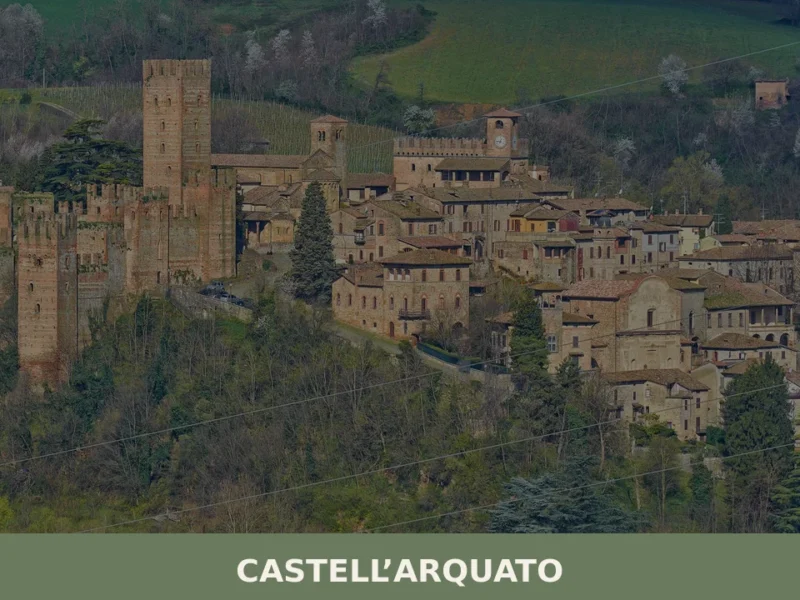
In Emilia-Romagna More villages to discover
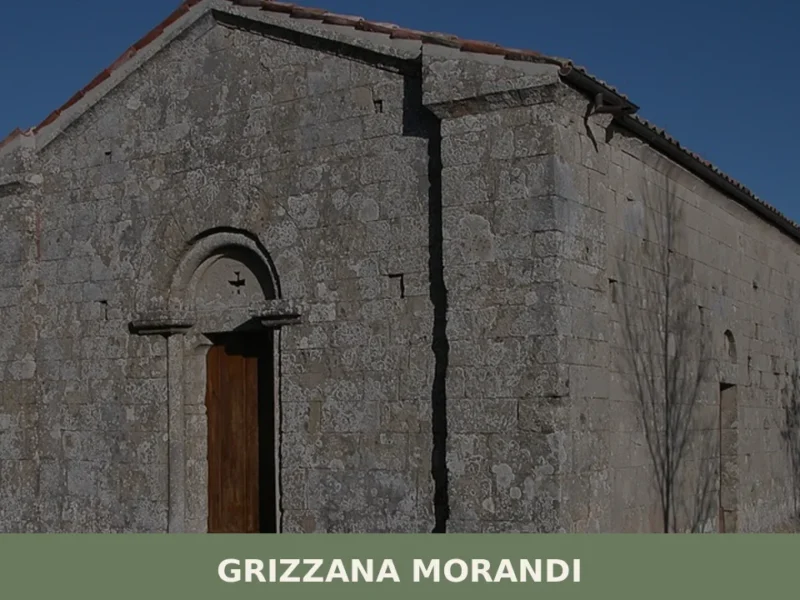
Grizzana Morandi
 Hills
Hills
In 1929, the Bolognese painter Giorgio Morandi travelled to Grizzana for the first time — a scattered municipality in the Emilian Apennines that he would return to every summer for over thirty years. From the barns and tower-houses of this valley, he painted hundreds of landscapes, transforming the clay badlands and mountain ridgelines into universal […]
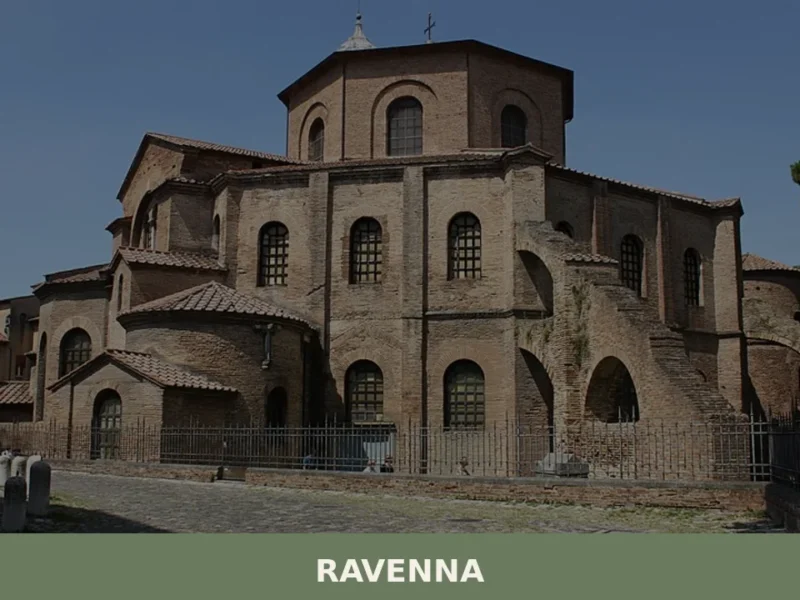
Ravenna
 Sea
Sea
With a population of 155,751 inhabitants and located just 4 m above sea level, Ravenna stands out as one of Emilia-Romagna’s most significant centers, a historical crossroads that has shaped the region’s identity. In this article History and origins of Ravenna What to see in Ravenna: main attractions Typical cuisine and products of Ravenna Festivals, […]
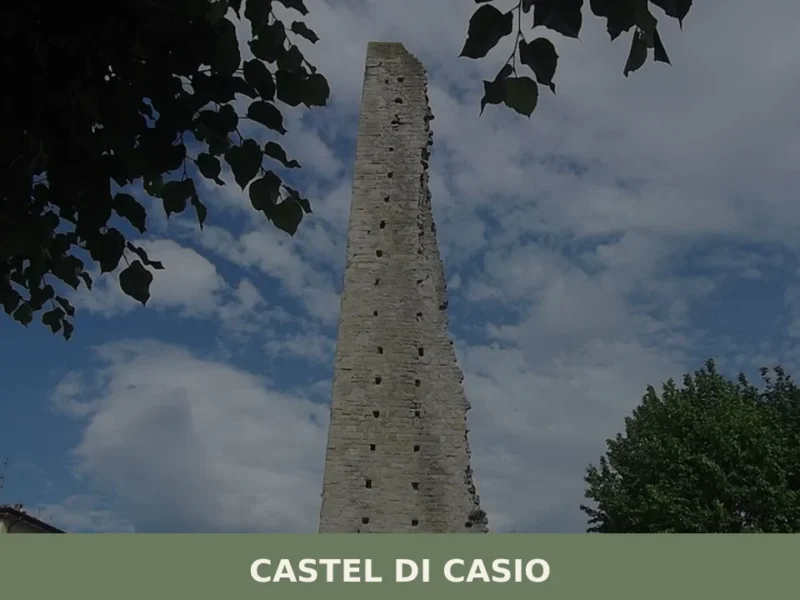
Castel di Casio
Hills
In February 1944, during the German retreat along the Gothic Line, the bridges over the Limentra di Treppio torrent were blown up one by one, cutting the territory of Castel di Casio in two. That act of destruction left a lasting mark on the collective memory of a mountain municipality that, as far back as […]
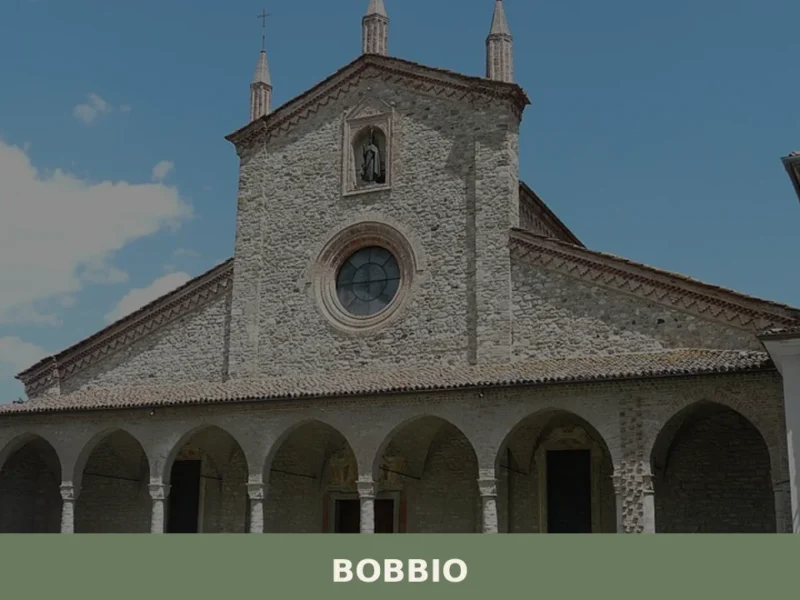
Bobbio
Hills
What to see in Bobbio: a town of 3,710 at 272 m in the Trebbia valley, with a 614 AD abbey, the medieval Ponte Gobbo and a hilltop castle. Plan your visit now.
Fontanelice
Plains
The provincial road climbing the Santerno valley passes through Imola and, after a few kilometres, reaches a compact settlement along the right bank of the river: this is Fontanelice, a municipality of 1,951 inhabitants at 165 metres above sea level, in the province of Bologna. The very name of the village refers to water — […]
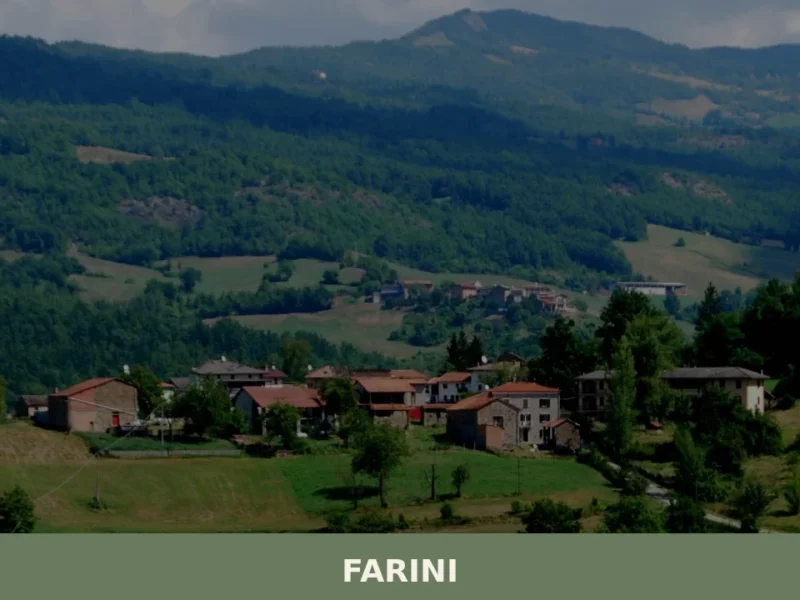
Farini
Hills
What to see in Farini, a village at 424 m in Val Nure with 1,043 residents: San Giuseppe Church, Apennine trails, PDO cured meats. Plan your visit and how to get there.
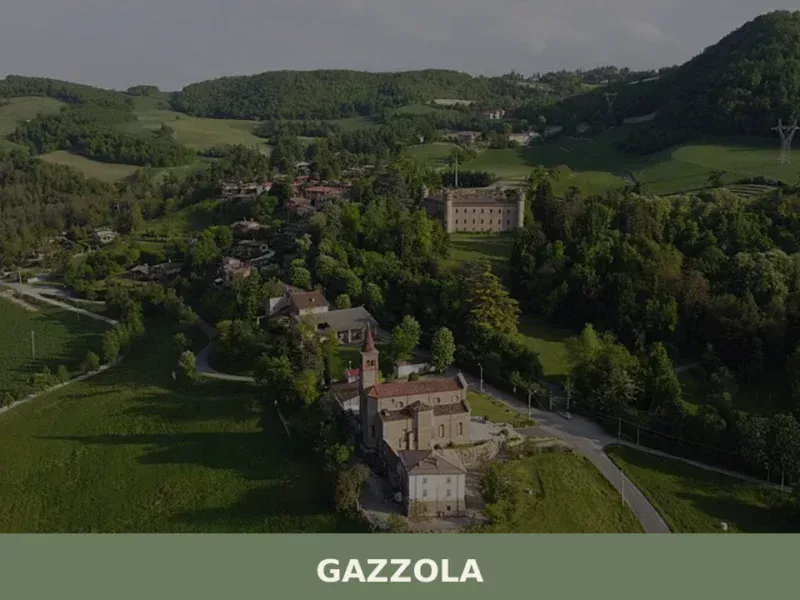
Gazzola
Plains
What to see in Gazzola, a Piacenza hill village at 146 m with 2,050 residents. Explore Rivalta Castle, the Luretta valley and Colli Piacentini DOC wines. Plan your visit.
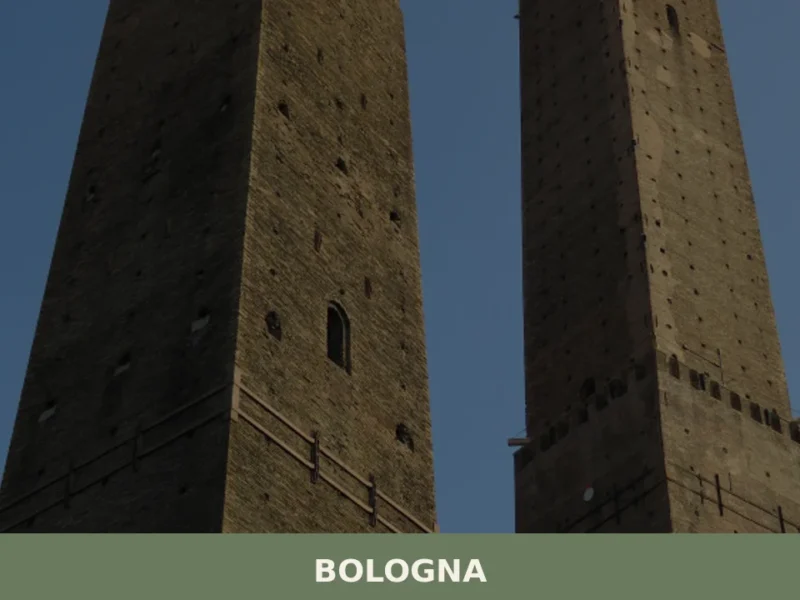
Bologna
Plains
What to see in Bologna: 388,000 inhabitants, UNESCO porticoes and the Two Towers. Plan your visit with our guide to tortellini, Mortadella IGP and top museums.
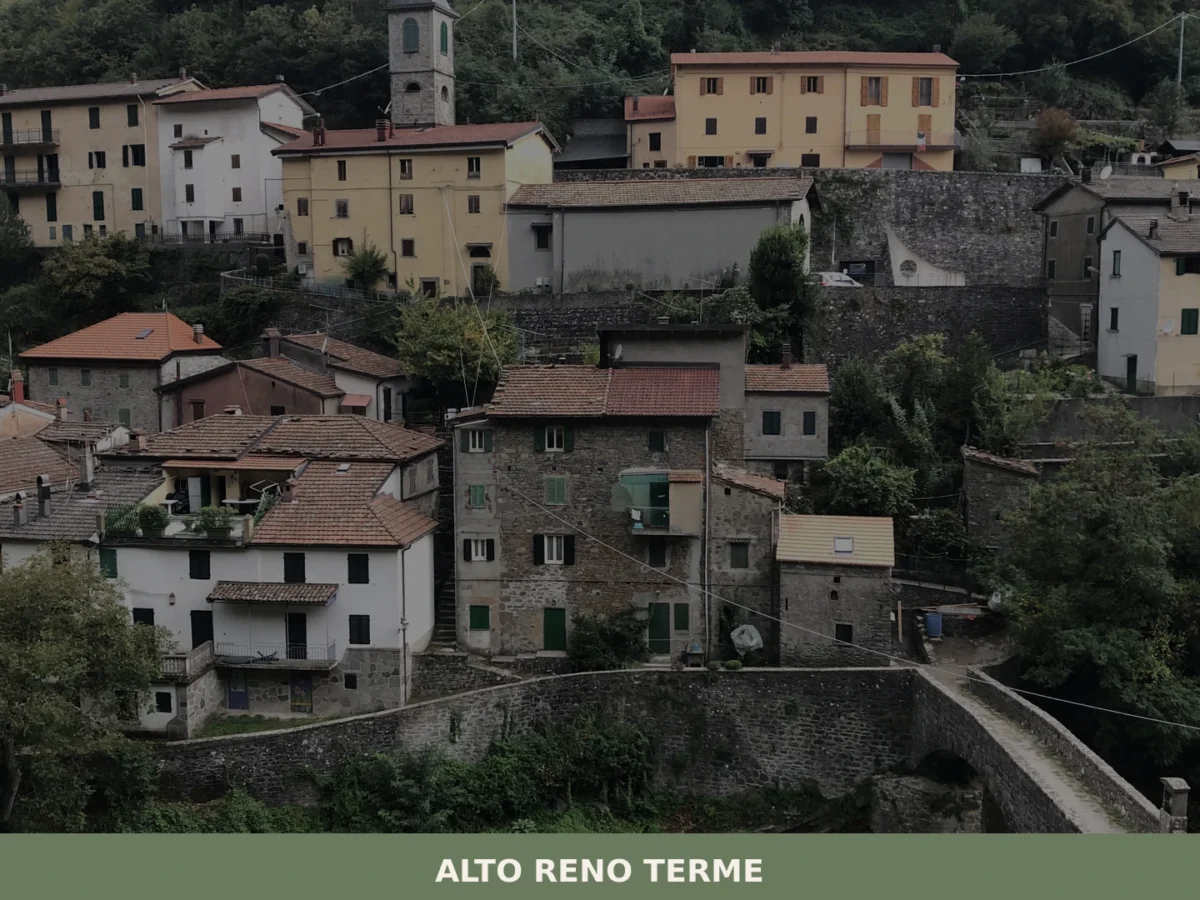
Alto Reno Terme
 Mountain
What to see in Alto Reno Terme: 5 unmissable attractions, from thermal baths and historic villages to Apennine nature. Discover the complete guide to plan your visit.
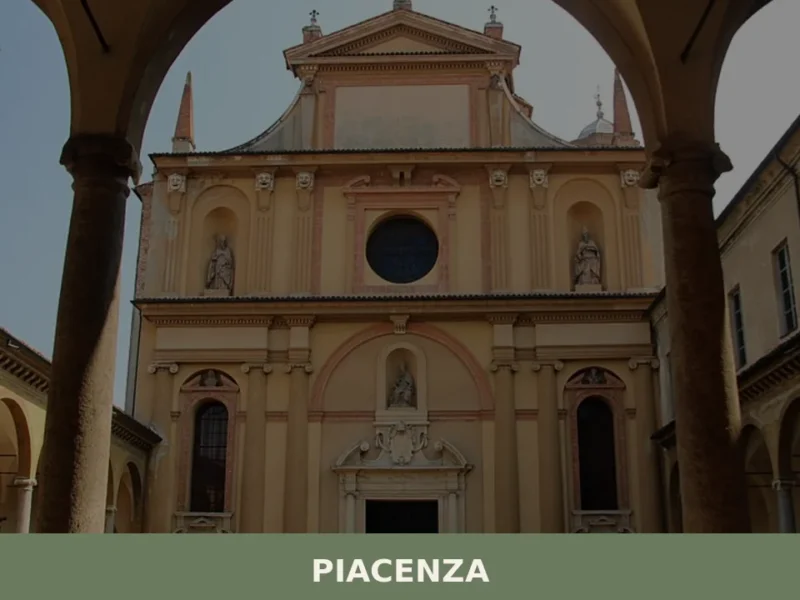
Piacenza
Plains
Piacenza, with its 100,843 inhabitants and an altitude of 62 m a.s.l., presents itself as a significant urban center in the heart of Emilia-Romagna, strategically positioned among the communication routes connecting Northern Italy. In this article History and Origins of Piacenza What to see in Piacenza: main attractions Typical cuisine and products of Piacenza Festivals, […]

🏡 Know Bibbiano better than we do?
If you’re a local or have been there, your knowledge matters: add what’s missing or fix a detail on this page.