


Coli
 Mountain
A documentary-style guide to Coli in the Trebbia valley. History, attractions, local food, and practical tips for visiting this Piacenza Apennine village.
Discover Coli
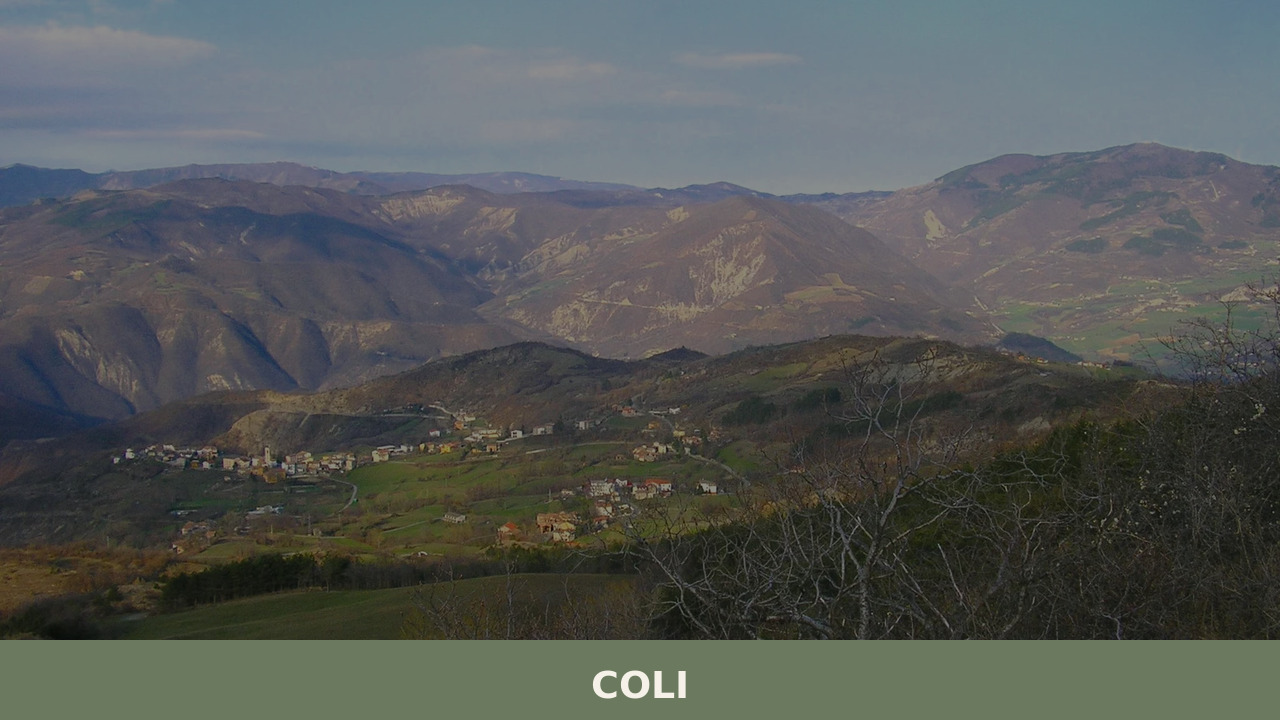
Morning mist clings to the Trebbia valley floor while the bell tower of Coli catches the first light at 638 metres above sea level. The air carries woodsmoke and the faint sweetness of cut grass drying on stone walls. This is a village of 837 residents where the Apennine ridge presses close and the rhythm of daily life still follows the slope of the land. For anyone asking what to see in Coli, the answer begins with this territory itself — a crease in the Piacenza Apennines where geology, history, and a quiet persistence shape everything.
History of Coli
The comune of Coli occupies a stretch of the upper Trebbia valley that has been inhabited since at least the Roman era, when the route through these mountains connected the Po plain to the Ligurian coast. The name “Coli” likely derives from the Latin collis, meaning hill — a plain geographic descriptor that suits the settlement’s position on sloping ground above the river. Archaeological fragments recovered in the surrounding area point to continuous, if sparse, habitation through the centuries when the Roman road network still functioned.
During the medieval period, Coli fell under the feudal influence of the powerful families that controlled the Trebbia corridor, including the Malaspina and later the Anguissola. The territory’s strategic value lay in its position along one of the main transit routes between Piacenza and Genoa. Castles and fortified towers punctuated the ridgelines — defensive infrastructure that shaped settlement patterns still visible in the hamlets scattered across the commune today. The parish churches that survive from this period tell a parallel story: one of rural faith, stone construction, and communities organised around a bell tower and a threshing floor.
By the early modern period, Coli had settled into the agricultural rhythm that would define it for centuries. Chestnut cultivation, livestock grazing, and small-scale cereal farming sustained its population. Emigration in the twentieth century — first to the Americas, then to the industrial cities of northern Italy — reduced the population significantly, but the built fabric of the village and its frazioni remained remarkably intact, a consequence of depopulation rather than destruction.
What to see in Coli: 5 must-visit attractions
1. The Parish Church of San Colombano
The main parish church in Coli is dedicated to San Colombano, reflecting the deep imprint of the Irish monk’s followers across the Piacenza Apennines. The stone structure, rebuilt over centuries, retains elements of its Romanesque origins. Inside, the proportions are modest — a single nave, thick walls, and a quiet that amplifies the sound of footsteps on flagstone. The church anchors the village’s central cluster of buildings.
2. The Trebbia Valley viewpoints
From the roads and trails above Coli, the Val Trebbia unfolds in long, curving profiles of forested ridgelines. Ernest Hemingway reportedly called the Trebbia valley the most beautiful in the world, and while the attribution is debated, the landscape supports the claim. The views from Coli’s elevation reveal the river as a pale thread far below, cutting through limestone and sandstone layers exposed over millennia.
3. The scattered hamlets (frazioni)
Coli’s comune includes numerous small frazioni — clusters of stone houses that cling to hillsides or gather around a spring. Each has its own character: some are partly abandoned, with roof beams open to the sky; others maintain a few year-round residents and carefully tended vegetable gardens. Walking between them on mule tracks offers a direct reading of how mountain communities organised themselves around water, sun exposure, and access to pasture.
4. The Chestnut Forests
Above and around the village, chestnut groves blanket the slopes in a canopy that shifts from pale green in spring to deep copper in October. These are not wild woods but managed landscapes — the product of centuries of cultivation. The trees, some with trunk diameters exceeding a metre, were once the primary food source for the mountain population. In autumn, the ground beneath them is dense with fallen husks.
5. The hiking trails toward Monte Osero
The network of marked trails radiating from Coli connects to the broader Apennine hiking system. Routes toward Monte Osero and the surrounding ridges pass through beech forest at higher elevations and open onto grassland summits where the view extends to the Ligurian peaks. The terrain is moderate — ridgeline walks rather than technical scrambles — and the paths are often shared with nothing more than grazing cattle.
Local food and typical products
The cuisine of Coli belongs to the broader tradition of the Piacenza Apennines: robust, shaped by altitude and by what the land yields without coaxing. Pisarei e fasò — small bread dumplings served with a sauce of borlotti beans and tomato — is the defining first course. Tortelli con la coda, a local stuffed pasta variant with a twisted tail, appears on tables during holidays. Chestnut flour finds its way into flatbreads and desserts, a remnant of the centuries when the fruit was the staple grain of the mountain poor. Cured meats from the province, including coppa piacentina DOP and pancetta piacentina DOP, are produced in the wider area and served thinly sliced as antipasto.
Dining in Coli itself is a matter of small trattorias and agriturismi that operate seasonally or on weekends, serving fixed menus that change with what’s available. The wine is typically from the Colli Piacentini DOC zone — Gutturnio, Ortrugo, Malvasia — produced at lower elevations in the province but poured generously at every table. In autumn, mushroom foraging drives both the kitchen and the local economy, with porcini appearing in risotto, on grilled polenta, and preserved in oil.
Best time to visit Coli
Late spring and early autumn offer the most rewarding conditions. In May and June, the meadows above the village are thick with wildflowers and the chestnut canopy is fresh. Temperatures at 638 metres remain moderate — warm days, cool evenings — and the trails are dry without the summer heat that bakes the lower valley. Autumn, particularly October, brings the chestnut harvest and mushroom season, when the forests acquire a particular intensity of colour and smell. Local sagre (village festivals) celebrating chestnuts and other seasonal products draw visitors from the surrounding province during these weeks.
Summer is viable but can be hot in the valley bottom, though Coli’s elevation provides relief compared to the plains around Piacenza. Winter brings cold, occasional snow, and reduced services — some accommodation and restaurants close between November and March. For those who prefer solitude, however, a clear winter day on the ridgelines above Coli offers a stark, empty beauty and views that extend for dozens of kilometres across the Apennine chain.
How to get to Coli
Coli sits along the SS45, the main road that follows the Trebbia valley south from Piacenza toward Genoa. From Piacenza, the drive takes approximately 45 minutes, climbing gradually through the valley. The A1 (Autostrada del Sole) and A21 motorways serve Piacenza, providing connections from Milan (roughly 75 km to the northwest) and Bologna (approximately 160 km to the southeast). From Genoa, the approach via the SS45 through the Trebbia gorge takes around 90 minutes.
There is no rail service to Coli. The nearest train station is in Piacenza, which sits on the main Milan–Bologna line and is well served by both Trenitalia regional trains and high-speed Frecciarossa services. From Piacenza station, a local bus service operated by SETA connects to towns in the Trebbia valley, though schedules are limited and a car is strongly recommended for flexibility. The nearest airports are Milan Linate (approximately 100 km), Milan Malpensa (approximately 140 km), and Parma (approximately 100 km).
More villages to discover in Emilia-Romagna
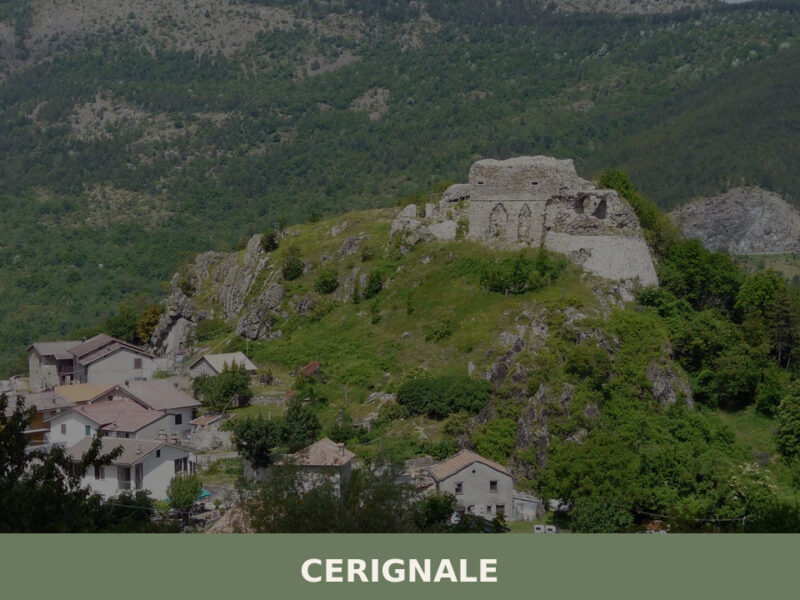
The upper Trebbia valley rewards those who move slowly from one small settlement to the next, each village offering a slightly different angle on the same mountain culture. Further up the valley from Coli, toward the Ligurian watershed, Cerignale sits even deeper in the Apennine fold — one of the smallest comuni in the province, where the river narrows and the slopes steepen. It is a place that amplifies the qualities found in Coli: stone architecture, forest, and an economy that once depended entirely on what could be grown, gathered, or grazed within walking distance.
Together, Coli and Cerignale form part of a corridor of mountain villages that document, in their buildings and their landscapes, a way of inhabiting the Apennines that stretches back centuries. Visiting them in sequence — following the river upstream, watching the valley constrict and the settlements thin out — provides a kind of narrative that no single stop can offer. The territory between them is the real subject: a working landscape of forest, pasture, and water that has shaped every aspect of human life within it.
Frequently asked questions about Coli
What is the best time to visit Coli?
Late spring (May–June) and early autumn (October) are ideal. In May and June, wildflower meadows are in bloom, trails are dry, and temperatures at 638 metres stay pleasantly cool. October brings the chestnut harvest and mushroom season, with vivid forest colours and local sagre celebrating seasonal products. The feast of the patron saint San Vito falls on 15 June, coinciding with the spring peak. Summer offers valley heat relief at altitude; winter is quiet and scenic but some restaurants and accommodation close between November and March.
What are the historical origins of Coli?
Coli's origins trace to at least the Roman era, when a route through the Trebbia valley linked the Po plain to the Ligurian coast. The name likely derives from the Latin collis, meaning hill. During the medieval period the territory passed under the feudal control of powerful families including the Malaspina and the Anguissola, who built defensive castles along the ridgelines. Parish churches surviving from this era reflect centuries of rural community life. Twentieth-century emigration — first to the Americas, then to northern Italian cities — reduced the population while leaving the built fabric of the village largely intact.
What to see in Coli? Main monuments and landmarks
The central landmark is the Parish Church of San Colombano, a stone structure with Romanesque origins featuring a single nave, thick walls, and original flagstone flooring. The scattered frazioni — stone hamlets clinging to hillsides across the comune — are compelling to explore on foot via old mule tracks. Chestnut groves with centuries-old trees carpet the surrounding slopes. Marked trails lead toward Monte Osero through beech forest and onto open ridgeline summits. All sites are freely accessible; the church follows standard Italian parish hours and may require visiting during morning or late afternoon.
What are the main natural or scenic attractions of Coli?
The Val Trebbia is the defining natural attraction, visible from elevated roads and trails above the village as a series of sweeping forested ridgelines with the river as a pale thread below. Chestnut forests blanket the slopes with managed groves dating back centuries. Marked trails in the CAI network connect Coli to Monte Osero and the broader Apennine ridge, passing through beech forest and reaching open grassland summits with views extending to the Ligurian peaks. The terrain suits moderate hikers; routes are ridgeline walks rather than technical climbs.
Where to take the best photos in Coli?
The elevated roads and trail sections above the village offer the most dramatic views of the Val Trebbia, with the river curving through layered limestone and sandstone ridges far below — best photographed in morning light when valley mist still lingers. The chestnut groves are exceptional in October, when fallen copper leaves cover the forest floor beneath trunks exceeding a metre in diameter. The stone hamlets of the frazioni, some partially abandoned with open rooflines, provide strong architectural compositions, particularly in the low-angle light of late afternoon.
Are there museums, churches or historic buildings to visit in Coli?
The Parish Church of San Colombano is the principal historic building in the village centre, retaining Romanesque structural elements beneath later rebuilding phases. Its modest interior — single nave, thick stone walls, flagstone floor — is characteristic of Apennine mountain churches shaped by the influence of San Colombano's Irish monastic followers, whose presence across the Piacenza hills is documented from the early medieval period. The bell tower is a visual reference point from the valley below. The frazioni scattered across the comune include further small chapels and fortified farm structures reflecting centuries of rural settlement.
What can you do in Coli? Activities and experiences
Hiking is the primary activity, with marked trails connecting the village to Monte Osero and the Apennine ridgeline network — suitable for moderate walkers. Autumn mushroom foraging (porcini) is both a local tradition and a visitor draw, with the forests above the village among the productive areas of the Piacenza Apennines. Walking between the frazioni on historic mule tracks offers a low-key but rewarding way to read the landscape. Seasonal trattorias and agriturismi serve fixed menus based on local ingredients. Local sagre celebrating chestnuts and seasonal products take place in October.
Who is Coli suitable for? Families, couples, hikers, solo travelers?
Coli suits hikers and nature lovers drawn to moderate Apennine trails, autumn foliage, and uncrowded forest walking. Couples seeking a quiet, authentic mountain retreat away from tourist infrastructure will find the village's unhurried pace and scenic valley setting appealing. Food and wine travellers from the Piacenza area use it as a base for exploring Apennine cuisine and local sagre. Families comfortable with limited services and a rural environment will enjoy the open landscape and chestnut forests. The village is not oriented toward resort tourism — it rewards visitors who prefer depth over convenience.
What to eat in Coli? Local products and specialties
The local table reflects the Piacenza Apennine tradition. Pisarei e fasò — bread dumplings with borlotti bean and tomato sauce — is the emblematic first course of the province. Tortelli con la coda, a stuffed pasta with a twisted tail, appears on holiday menus. Chestnut flour features in flatbreads and seasonal desserts. Cured meats include coppa piacentina DOP and pancetta piacentina DOP, served thinly sliced as antipasto. Autumn menus centre on porcini mushrooms — in risotto, on grilled polenta, and preserved in oil. Wines are from the Colli Piacentini DOC zone: Gutturnio, Ortrugo, and Malvasia.
Nearby Villages near Coli
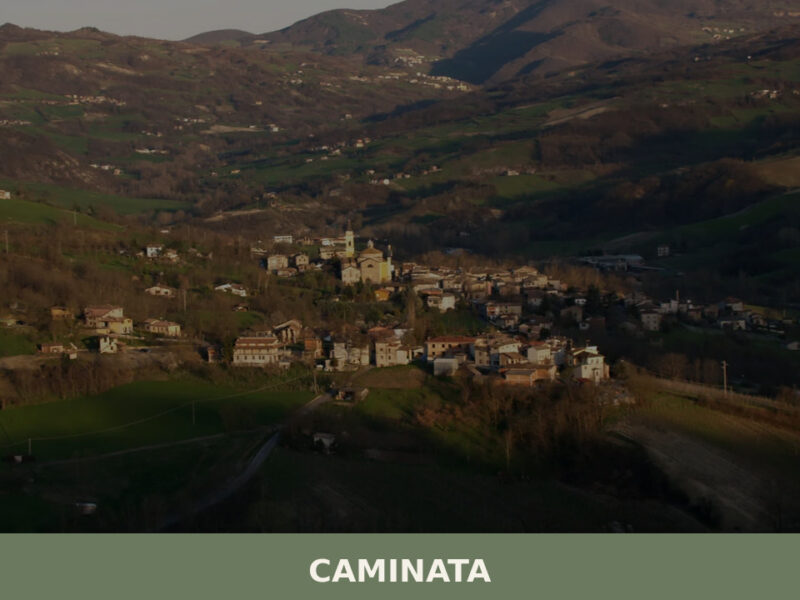
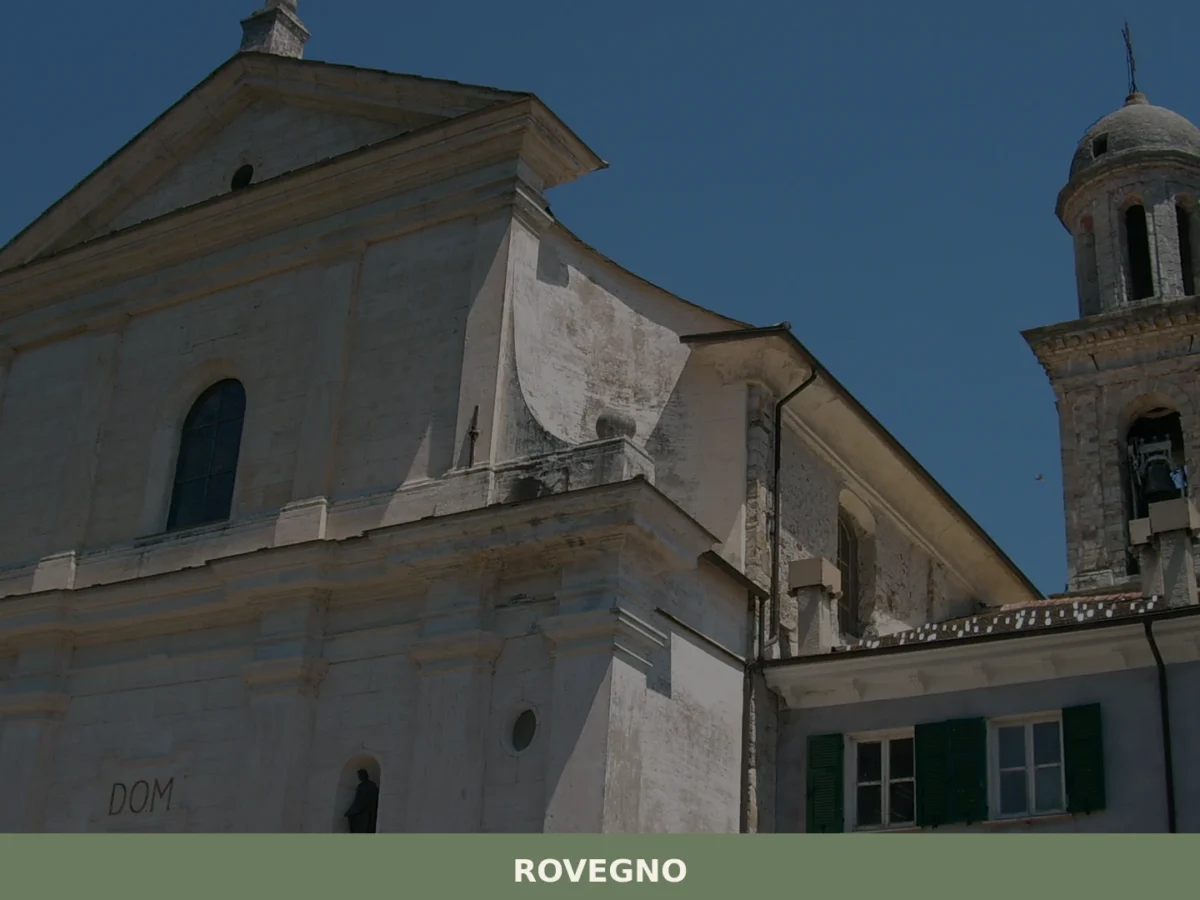
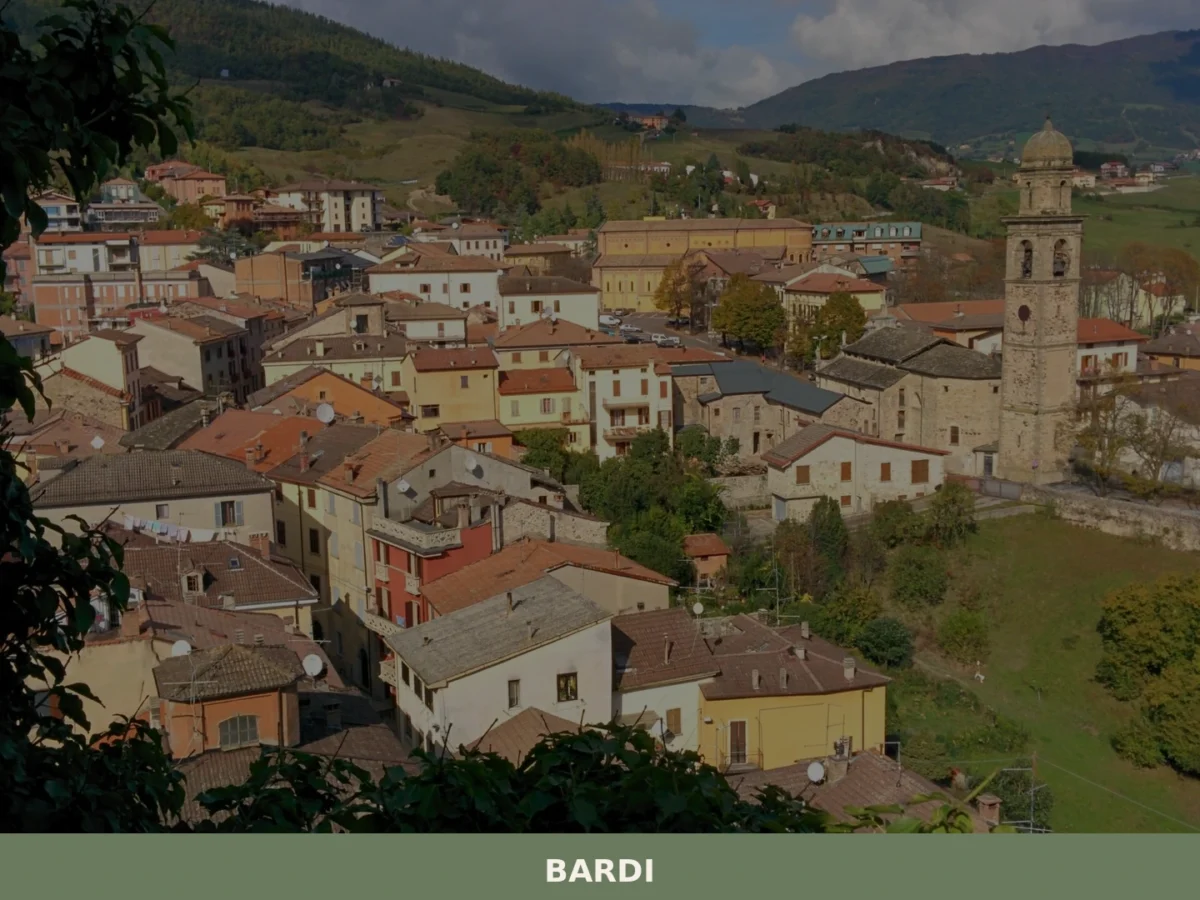
In Emilia-Romagna More villages to discover
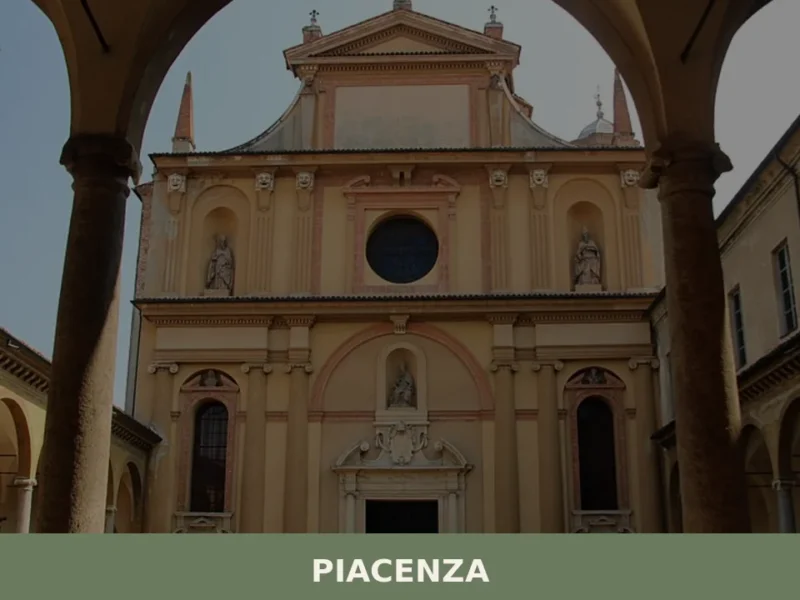
Piacenza
 Plains
Piacenza, with its 100,843 inhabitants and an altitude of 62 m a.s.l., presents itself as a significant urban center in the heart of Emilia-Romagna, strategically positioned among the communication routes connecting Northern Italy. In this article History and Origins of Piacenza What to see in Piacenza: main attractions Typical cuisine and products of Piacenza Festivals, […]
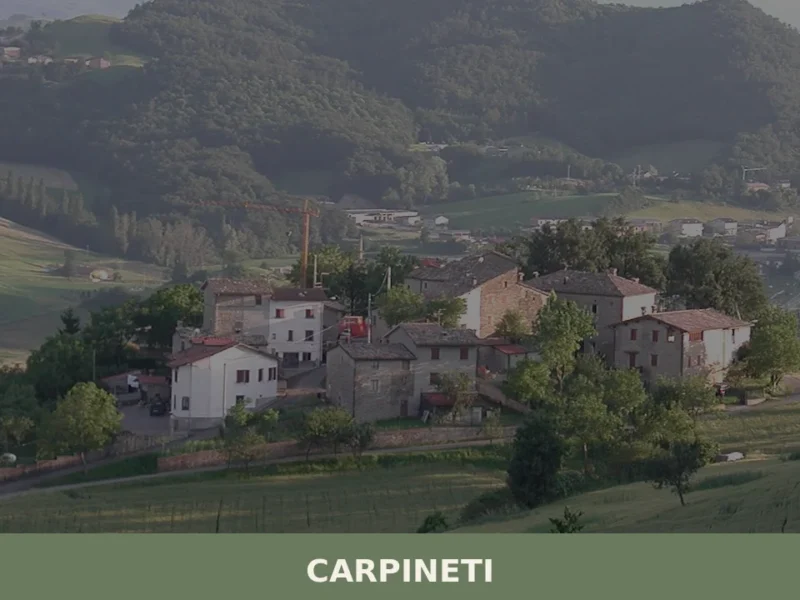
Carpineti
 Hills
Hills
What to see in Carpineti: from the Rocca dei Canossa to the traditional flavors of the Apennines. Find out how to get there and plan your visit.
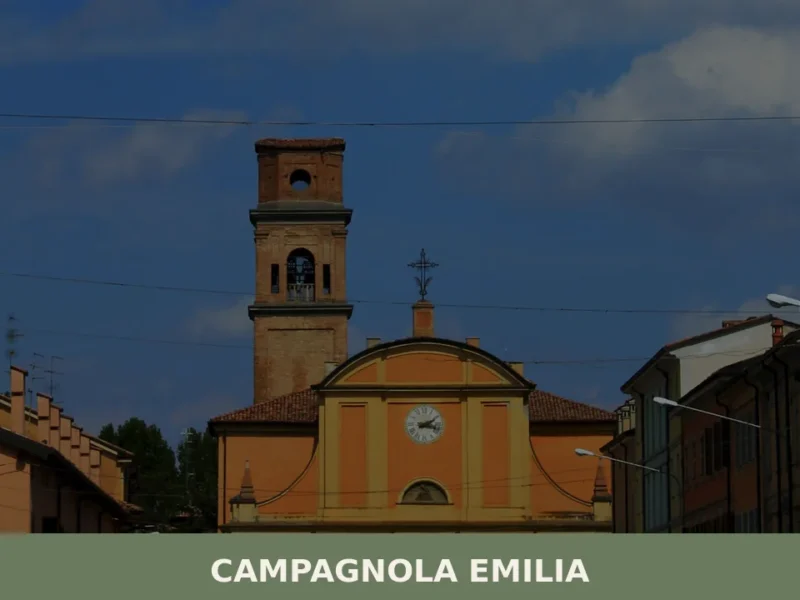
Campagnola Emilia
Plains
What to see in Campagnola Emilia, Italy: explore a Po Plain comune at 22 m altitude, 25 km from Reggio Emilia. Discover local festivals and food. Read the guide.
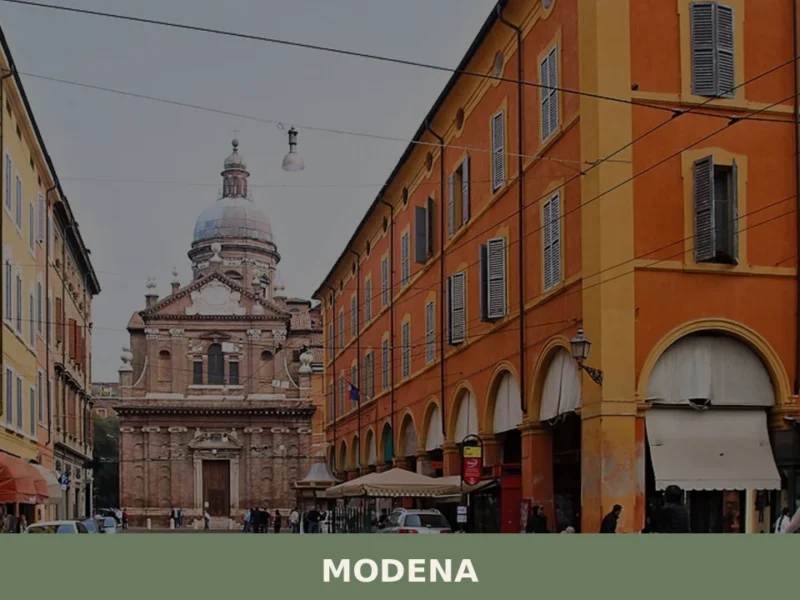
Modena
Plains
what to see in modena. Discover the UNESCO Duomo and Ducal Palace. Explore this city of 179,000+ residents and taste typical Modenese products.
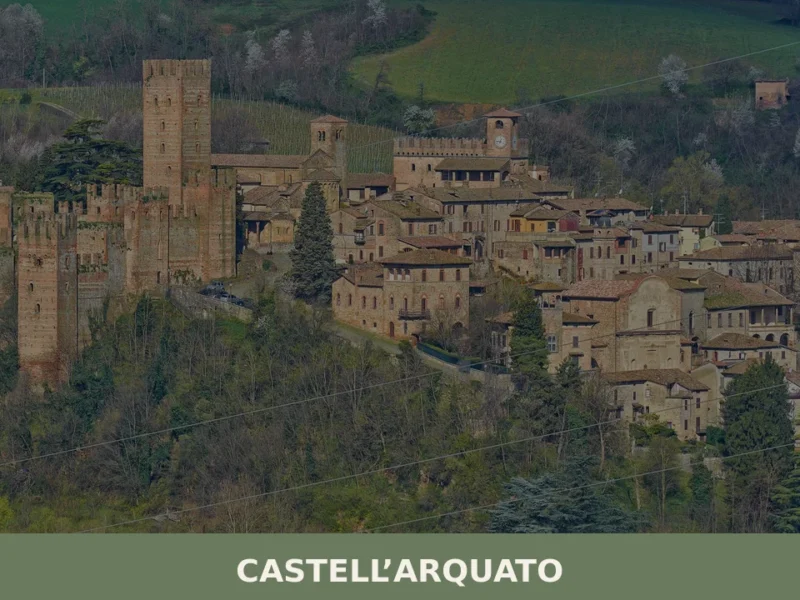
Castell’Arquato
Hills
In the upper Val d’Arda valley, at around 150 metres above sea level, Castell’Arquato is one of the best-preserved medieval villages in the province of Piacenza. In this article History and Origins of Castell'Arquato What to See in Castell'Arquato: Main Attractions Local Cuisine and Products of Castell'Arquato Festivals, Events and Traditions of Castell'Arquato When to […]
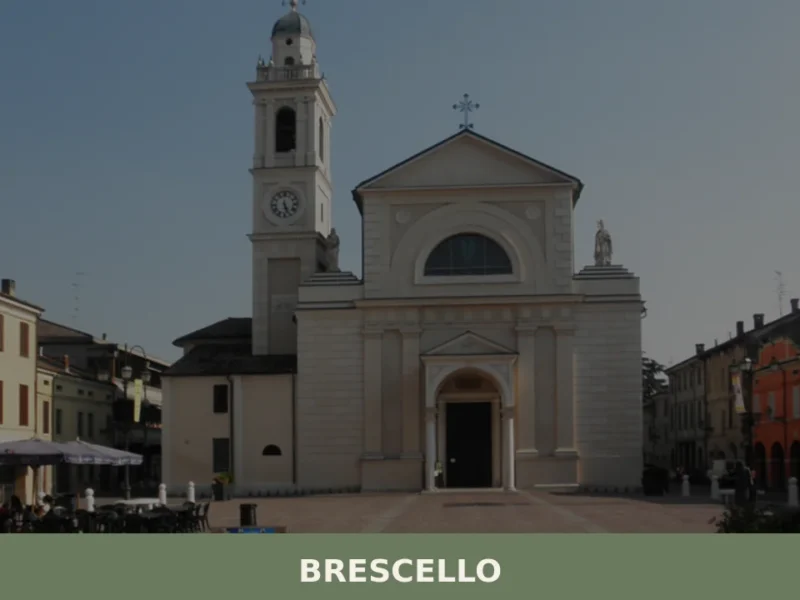
Brescello
Plains
What to see in Brescello, Emilia-Romagna, Italy: explore the Don Camillo Museum, Roman ruins and local Po Valley cuisine. 5,554 inhabitants. Discover it now.
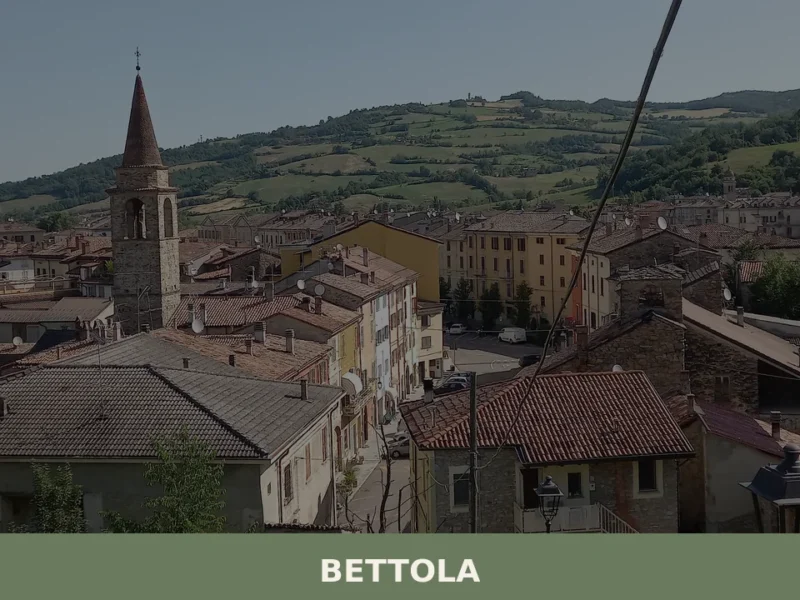
Bettola
Hills
What to see in Bettola: a Val Nure village at 329 m with 2,983 residents. Discover the Sanctuary of the Madonna della Quercia, Piacenza DOP cured meats and how to get there.
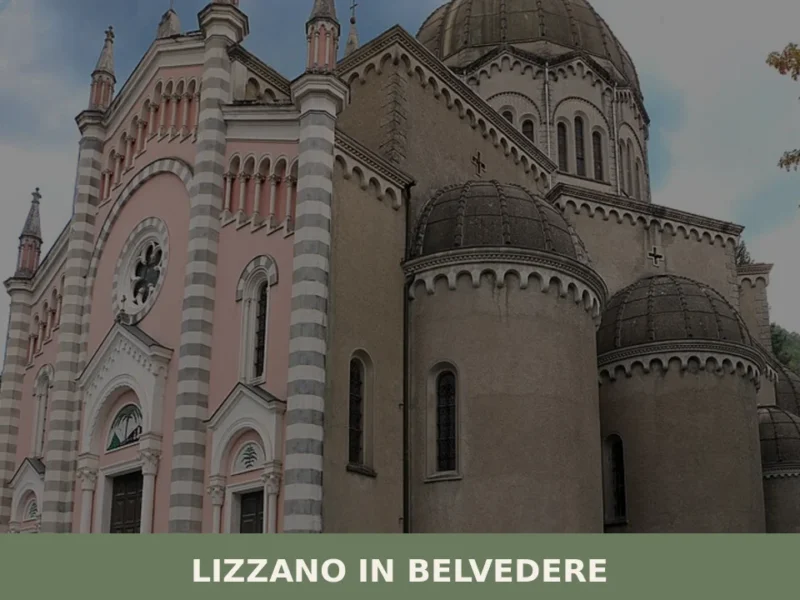
Lizzano in Belvedere
Mountain
Every year, on 17 August, the procession in honour of Saint Mamante winds its way up the streets of Lizzano in Belvedere to the parish church, following a ritual that has been repeated since at least the 15th century. This municipality of 2,314 inhabitants, situated at 640 metres above sea level on the Bolognese Apennines, […]
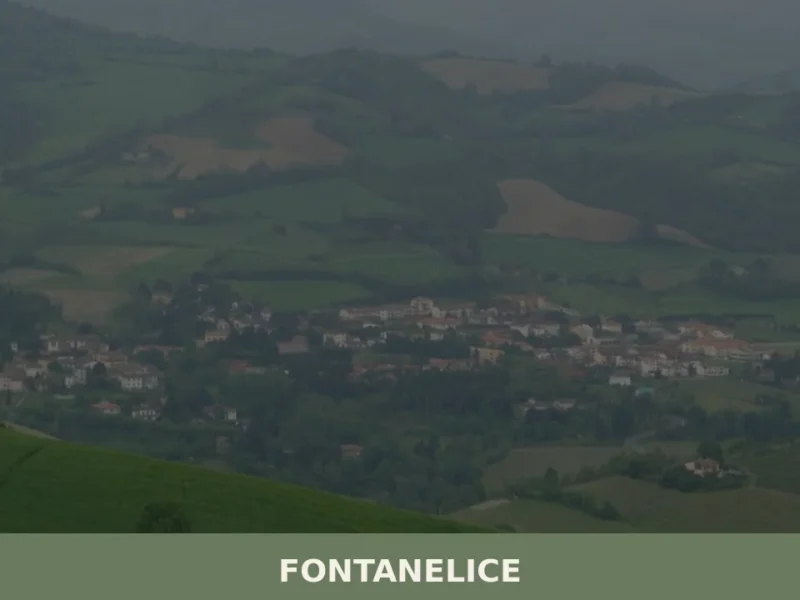
Fontanelice
Plains
The provincial road climbing the Santerno valley passes through Imola and, after a few kilometres, reaches a compact settlement along the right bank of the river: this is Fontanelice, a municipality of 1,951 inhabitants at 165 metres above sea level, in the province of Bologna. The very name of the village refers to water — […]
Morfasso
Mountain
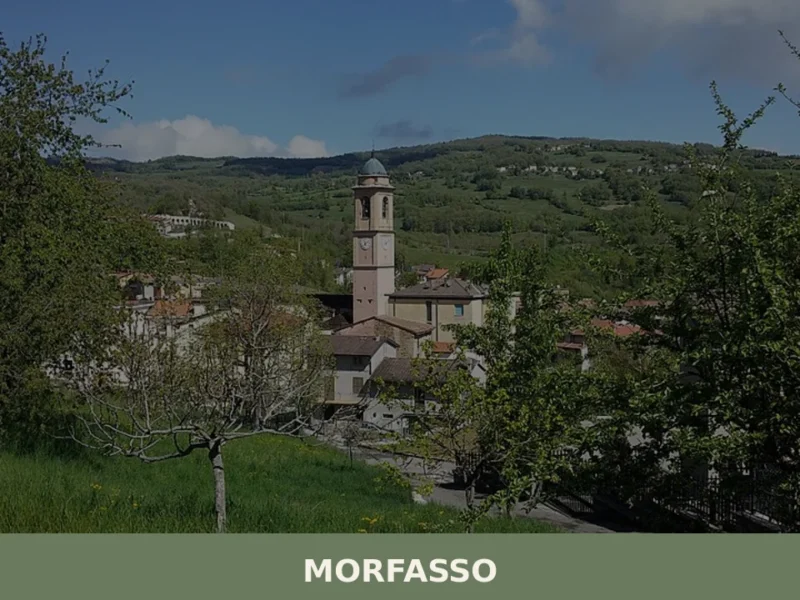
Morning mist settles into the valley below like poured milk, and from 631 metres above sea level, the stone houses of Morfasso emerge into sharp Apennine light. A church bell marks seven o’clock to an audience of 884 residents spread across a constellation of hamlets. This is Morfasso, a municipality in the province of Piacenza […]
🏡 Know Coli better than we do?
If you’re a local or have been there, your knowledge matters: add what’s missing or fix a detail on this page.