


Brescello
 Plains
What to see in Brescello, Emilia-Romagna, Italy: explore the Don Camillo Museum, Roman ruins and local Po Valley cuisine. 5,554 inhabitants. Discover it now.
Discover Brescello
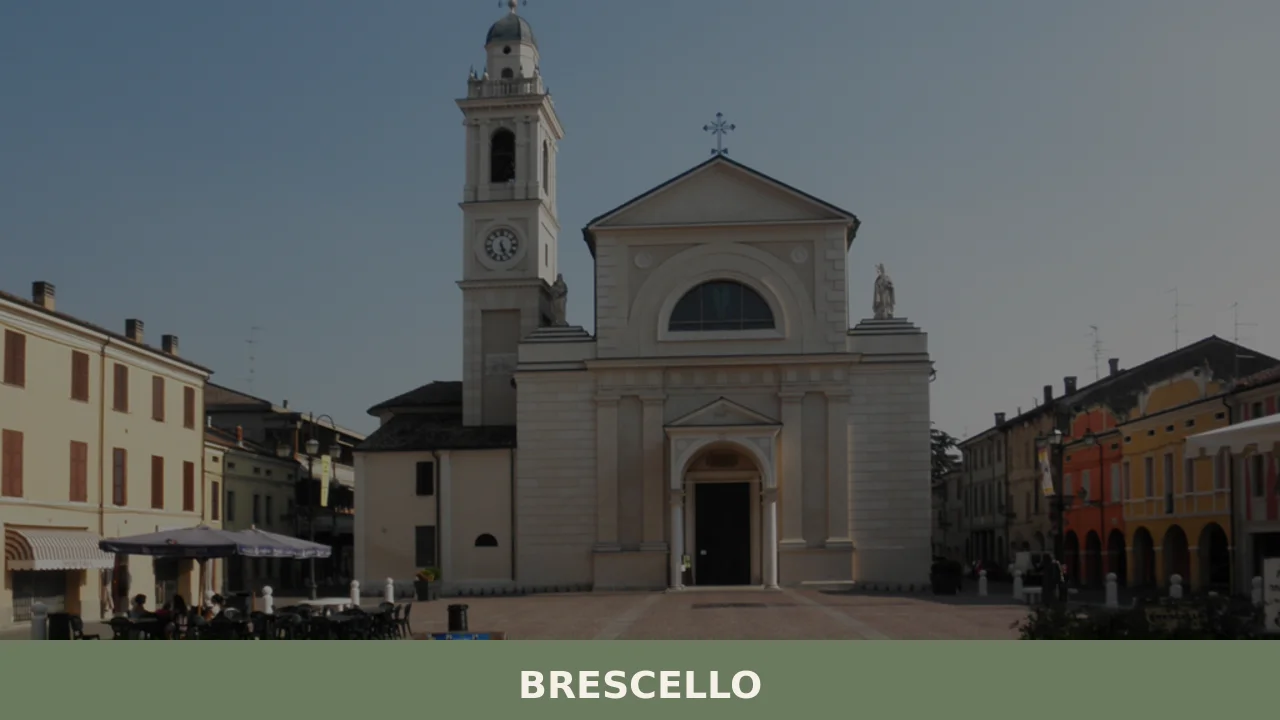
The southern shore of the Po river at Brescello sits at just 24 metres (79 feet) above sea level, flat and wide, where the Enza river runs in nearby before the two waterways meet. The bell tower of Santa Maria Nascente — built in 1896, carrying five bells — rises above rooftops that face the floodplain of the largest river in Italy.
Inside the former Benedictine monastery on via Cavallotti, Roman stone carvings sit in glass cases beside medieval walls that monks abandoned at the end of the 18th century.
The film props came later: a military tank from a 1955 film production now occupies a corner of what was once a cloister.
Knowing what to see in Brescello means reading the municipality as three overlapping layers: Roman colony, medieval bishopric and mid-20th-century film set.
The comune counts 5,554 inhabitants and stands about 80 km (50 mi) northwest of Bologna and 25 km (16 mi) from Reggio Emilia. Visitors to Brescello find the Museum of Peppone and Don Camillo, the Antiquarium with its Roman relics, a park honouring writer Giovannino Guareschi, and a church rebuilt between 1829 and 1837 whose interior holds carved wood, gilded pulpits and a crucifix by Bruno Avesani.
History of Brescello
The Roman settlement known as Brixellum — also recorded as Brixillum — occupied the same ground where Brescello now stands.
Its position on the Po made it a logistically significant point along the northern Italian plain, and the material evidence of that era has not entirely disappeared. The Antiquarium, housed at via Cavallotti 12 inside what was originally a Benedictine monastery, displays Roman sculptures and relics recovered from the surrounding area.
These objects give a concrete measure of the settlement’s scale and sophistication during the imperial period.
The town’s ecclesiastical history began no later than the 5th century. A bishop named Cyprianus of Brixillum attended a synod held in Milan in 451, which places Brescello among the documented episcopal centres of late Roman northern Italy.
That status did not survive the early medieval wars of territorial control.
In the early 7th century, Byzantine forces destroyed the town specifically to deny it to the Lombard king Agilulf, ending its function as a residential bishopric. The Catholic Church subsequently listed Brixillum as a titolare, a titular see — a diocese that exists in name but has no resident bishop. The destruction was complete enough to erase the urban fabric, and the settlement rebuilt itself from a much smaller base over the following centuries.
Other municipalities across the Po plain share comparable patterns of Roman foundation and early medieval disruption; the village of San Pietro in Cerro, further east across the Emilia-Romagna plain, reflects similar cycles of foundation and rebuilding that mark the region’s longue durée.
The modern identity of Brescello took a sharply different turn in the mid-20th century.
Filmmaker adaptations of Giovannino Guareschi’s novels — centred on the fictional rivalry between the communist mayor Peppone, played by Gino Cervi, and the stubborn parish priest Don Camillo, played by Fernandel — were shot on location here. The film series ran across multiple productions and turned the streets and main square of Brescello into internationally recognised scenery. Guareschi’s books had already built a readership across Europe, and the films extended that reach considerably. The town formally acknowledged this connection by converting part of the former monastery complex into a dedicated museum.
The bust of Giovannino Guareschi in the adjacent park was inaugurated in 1995.
What to see in Brescello, Emilia-Romagna: top attractions
Museum of Peppone and Don Camillo
The museum occupies rooms inside the former monastery of San Benedetto, a 15th-century Benedictine complex that was completely renovated after the Cisalpine Republic — the French-backed northern Italian state established in 1797 — prompted the monks to leave.
The collection focuses on the film series based on Guareschi’s books: props, costumes, photographs and production materials from the various Don Camillo and Peppone films are on display, including the military tank used in a scene from Don Camillo e l’onorevole Peppone, released in 1955.
The building also houses the municipal library, council offices and a cultural centre, so the museum sits within a functioning civic space rather than a sealed heritage environment. For those planning a visit, the official website of the Comune di Brescello carries current opening hours.
Antiquarium — Roman Relics Collection
The Antiquarium at via Cavallotti 12 occupies part of the same former Benedictine monastery complex and holds the material evidence of Roman Brixellum. Stone sculptures, architectural fragments and inscriptions recovered from the municipality document the settlement’s presence during the imperial era, when the site held strategic value along the Po corridor.
The collection allows visitors to stand a few metres from objects that were already centuries old when the Byzantine army destroyed the town in the early 7th century.
What to see in Brescello from a purely archaeological perspective concentrates here: the objects are specific, labelled, and read against the geography of the Po plain outside the windows.
Church of Santa Maria Nascente
The current building replaced a medieval structure and was rebuilt between 1829 and 1837.
Its interior follows a nave-and-two-aisles plan divided by large archways, with six side altars — three on each side — and a wooden crucifix by sculptor Bruno Avesani. The central pulpit is carved wood with gold-leaf finish. In the apse curvature, inlaid wooden choir stalls carry a large painting by Carlo Zatti above them, while a plaster statue of Padre Pio, made by local sculptor Carlo Pisi, stands beside the main altar.
The facade is dominated by the 1896 bell tower, which holds five bells, and carries two statues — one of the Virgin and one of the patron saint Genesius — both by Innocente Franceschini and placed on the facade in 1899.
On the night of 5 April 2010, a fire destroyed a modern altar and damaged some furniture, though the historic elements survived.
Former Monastery of San Benedetto
Built in the 15th century for the enclosed monks of the Benedictine order, this complex functioned as a place of religious seclusion until the political upheaval of the late 18th century brought monastic life here to a close.
The renovation that followed transformed the structure entirely: today it contains the Museum of Peppone and Don Camillo, the municipal library, the council chamber, a day care facility, the Auser Centre and the Municipal Police.
The architectural shell — stone vaulting, courtyard proportions, thick perimeter walls — remains readable from the exterior even as the interior functions are entirely civic. The scale of the building relative to the rest of Brescello’s urban fabric makes its repurposing one of the more legible examples of post-monastic reuse in the Po plain.
Parco Giovannino Guareschi
Directly adjacent to the Museum of Peppone and Don Camillo, this park preserves the remaining portion of the original church from the old Benedictine cloister — a fragment of masonry that pre-dates the current museum conversion and gives a sense of the monastery’s earlier extent.
At the centre of the park stands a bronze bust of Giovannino Guareschi, the writer whose novels about Don Camillo and Peppone made Brescello internationally known; the bust was inaugurated in 1995.
The park is small and accessible on foot from the museum entrance, making it a natural addition to any visit to the monastery complex.
It also provides the clearest outdoor view of the former cloister’s surviving architectural elements.
Local food and typical products of Brescello
Brescello sits in the northwestern corner of the Province of Reggio Emilia, close to the boundaries with Parma and Mantua. This geographic position places it at the intersection of three of northern Italy’s most clearly defined food cultures.
The Po plain here produces wheat, maize, pork and dairy on a large scale, and the culinary traditions of the surrounding area reflect centuries of agricultural practice shaped by river flooding, seasonal labour patterns and proximity to urban markets.
The municipalities of Boretto and Poviglio border Brescello directly, and the food traditions along this stretch of the Po share common foundations.
The broader Reggio Emilia food tradition, which Brescello shares, centres on fresh egg pasta and pork-derived cured meats. Tortelli d’erbetta — pasta parcels filled with ricotta and cooked greens, finished with butter and Parmigiano-Reggiano — represents one of the most locally specific preparations, distinguishing this area from the Bolognese tradition of meat-filled pasta. Erbazzone is a flat savoury pie made with a filling of chard or spinach, lard, onion and Parmigiano-Reggiano, cooked in a cast-iron pan; it is sold by weight at local bakeries and is as common at market stalls as it is at family tables.
Pork preparations — including local versions of salami and cooked shoulder — follow traditional techniques that vary by butcher and season.
The most significant certified product associated with this area is Parmigiano-Reggiano PDO (Protected Designation of Origin), produced in the provinces of Reggio Emilia, Parma, Modena, Bologna to the left of the Reno river, and Mantua to the right of the Po.
Brescello, positioned at the Po’s southern shore within the Province of Reggio Emilia, falls within the recognised production zone.
The cheese is aged for a minimum of 12 months, with the most commercially sought wheels reaching 24 or 36 months; the rind is stamped with the producer’s dairy number and the month of production. A second certified product relevant to this territory is Prosciutto di Parma PDO, produced in the hills south of Parma — the province immediately west of Reggio Emilia — and available at delicatessens throughout the area.
Local markets in the municipalities along the Po plain operate on a weekly rotation. For visitors planning around food, the period from September to November aligns with the chestnut and new-wine season across Emilia-Romagna, when many municipalities organise small sagre — traditional festivals tied to a single seasonal product — that concentrate local food production in a single accessible location.
The village of Pecorara in the Piacenza Apennines, further west in Emilia-Romagna, also sits within a territory known for traditional salumi and aged cheeses, offering a complementary food itinerary for those travelling through the region.
Festivals, events and traditions of Brescello
The patron saint of Brescello is Genesio di Brescello, and the feast day falls on 25 August each year.
The date places the celebration at the end of summer, when the Po plain retains the heat of the season and outdoor gatherings remain practical into the evening. The festivities follow the pattern common to patron saint festivals across Emilia-Romagna: religious ceremonies during the day, civic events in the main square, and typically an evening programme that may include music and fireworks.
The Brescello Film Festival, begun in 2003 and dedicated to documentaries and fiction films focusing on Italy — its places, environment, traditions, values and culture — is promoted jointly by the Municipality of Brescello, the Pro Loco Association and the local Videoclub, with patronage from the Italian Ministry of Foreign Affairs and the Ministry of Cultural Activities and Heritage.
Every two years in June, Brescello hosts La Notte dell’Imperatore — Brixellum Romanorum, a two-day historical reenactment organised by the local archaeological society.
The event commemorates the town’s documented connection to the Roman emperor Otho, who died by suicide at Brixellum.
During the reenactment, workshops recreate aspects of daily life in Roman times, ludi — public games and spectacles — take place alongside a traditional market in the main square, and the programme includes a formal dinner prepared according to historical references. The alternating-year format means the event does not occur annually; visitors specifically interested in the reenactment should confirm the schedule with the municipality before travelling.
When to visit Brescello, Italy and how to get there
The best time to visit Brescello depends largely on what a traveller prioritises.
June brings the biennial Notte dell’Imperatore reenactment, while August centres on the patron saint feast of 25 August. Spring — April through early June — offers the most comfortable temperatures on the Po plain, where summer heat and humidity can be significant.
The film festival, running since 2003, provides a further cultural anchor for those planning around specific events.
Winter visits are feasible for those focused on the museum and church interiors, where crowds are minimal and the sites fully accessible. What to see in Brescello remains available year-round, since the main attractions are indoor collections and religious buildings rather than outdoor landscapes dependent on seasonal conditions.
Brescello sits about 80 km (50 mi) northwest of Bologna and 25 km (16 mi) from Reggio Emilia, making it a practical day trip from either city. From Bologna, the A1 motorway leads toward Parma; travellers should exit at Reggio Emilia and follow provincial roads northwest toward Boretto and Brescello — a total journey of roughly one hour by car.
From Milan, the distance is approximately 130 km (81 mi) via the A1, making Brescello reachable in under 90 minutes.
The nearest major train station is Reggio Emilia, served by Trenitalia with frequent connections from Bologna, Milan and Parma; from Reggio Emilia station, a bus or taxi covers the remaining 25 km (16 mi) to Brescello.
The nearest airports are Parma Airport, approximately 40 km (25 mi) to the west, and Bologna Guglielmo Marconi Airport, approximately 90 km (56 mi) to the southeast. If you arrive by car, parking is available near the monastery complex on via Cavallotti.
For international visitors, English is not widely spoken in smaller shops and local bars; carrying euros in cash is advisable, as card acceptance is inconsistent at market stalls and some smaller establishments.
Those extending their itinerary northward along the Po plain may find it useful to combine a visit to Brescello with Imola, a larger municipality in the Bologna metropolitan area with its own documented Roman and medieval layers, or with Casalfiumanese, a smaller Apennine comune south of Imola that sits within the same regional travel circuit. Both lie within the broader Emilia-Romagna network, where distances between municipalities rarely exceed two hours by road, making multi-stop itineraries across the region logistically straightforward.
Frequently asked questions about Brescello
What is the best time to visit Brescello?
Late spring (May–June) and early autumn (September–October) offer mild temperatures ideal for exploring Brescello's outdoor spaces and the Po riverbank. Summer is warm and humid on the Po plain, but August brings the feast of patron saint Genesius (San Genesio) on 25 August, a local celebration worth timing a visit around. Avoid January–February when the flat floodplain climate can be cold and foggy. Weekday visits to the Museum of Peppone and Don Camillo are generally quieter than weekends, when film-tourism groups tend to arrive.
What are the historical origins of Brescello?
Brescello stands on the site of the Roman colony of Brixellum, strategically placed on the southern bank of the Po. By the 5th century it was an episcopal seat — bishop Cyprianus of Brixillum attended a Milan synod in 451. In the early 7th century Byzantine forces destroyed the town to prevent it falling to the Lombard king Agilulf, reducing it to a titular see with no resident bishop. The Catholic Church still lists Brixillum as a titular diocese today. The comune rebuilt gradually before gaining 20th-century fame as the film location for the Don Camillo and Peppone series.
What to see in Brescello? Main monuments and landmarks
The key sites cluster around the former Benedictine monastery at via Cavallotti 12. The Museum of Peppone and Don Camillo displays film props, costumes and the original 1955 military tank. Immediately next door, the Antiquarium holds Roman sculptures and inscriptions from ancient Brixellum. The adjacent Parco Giovannino Guareschi contains a 1995 bronze bust of the novelist and a surviving fragment of the original monastic church. The Church of Santa Maria Nascente, rebuilt 1829–1837, features a carved gilded pulpit, wooden choir stalls and a crucifix by Bruno Avesani. Check current opening hours on the Comune di Brescello official website before visiting.
Where to take the best photos in Brescello?
The courtyard of the former monastery of San Benedetto, with its stone vaulting and civic repurposing still readable in the architecture, provides a strong compositional backdrop. The 1896 bell tower of Santa Maria Nascente rising above the flat rooflines is most photogenic in morning light. The military tank in the museum courtyard is the most immediately recognisable film-tourism shot. For landscape photography, the Po riverbank just north of the village centre offers wide views across the floodplain where the Enza river approaches its confluence with the Po.
Are there museums, churches or historic buildings to visit in Brescello?
Brescello has three documented sites within the same monastery complex. The Museum of Peppone and Don Camillo (via Cavallotti 12) focuses on the Don Camillo film series with original props and production materials including a 1955 tank. The Antiquarium in the same building holds Roman-era stone sculptures and inscriptions from ancient Brixellum. The Church of Santa Maria Nascente on the main square features a 19th-century interior with gilded woodwork and a 1896 bell tower. Current opening hours for all three are available on the official Comune di Brescello website.
What can you do in Brescello? Activities and experiences
Brescello rewards a half-day of film-heritage tourism: visiting the Peppone and Don Camillo Museum, walking the streets that appear in the film series, and spending time in Parco Giovannino Guareschi. The Po riverbank is accessible on foot for a short riverside walk along one of Italy's most significant floodplain landscapes. The town's position at the border of Reggio Emilia, Parma and Mantua provinces makes it a practical base for food and wine exploration across three of northern Italy's most celebrated gastronomic territories, with local bakeries and markets offering erbazzone and fresh egg pasta.
Who is Brescello suitable for? Families, couples, hikers, solo travelers?
Brescello suits film and cultural heritage enthusiasts drawn by the Don Camillo and Peppone connection, and history visitors interested in Roman and early medieval archaeology. Families with older children who know the films will find the museum engaging and the town easy to navigate on foot. The flat Po plain terrain makes it accessible for visitors with limited mobility. It is less suited to hikers or beach-holiday travellers. Food lovers using Brescello as a base can reach Reggio Emilia, Parma and the Parmigiano-Reggiano production zone within 30 minutes, making it practical for culinary day trips.
What to eat in Brescello? Local products and specialties
Brescello sits within the Parmigiano-Reggiano PDO production zone — the Province of Reggio Emilia is one of the five authorized provinces for this cheese, and it appears in most local preparations. The broader Reggio Emilia tradition includes tortelli d'erbetta, pasta parcels filled with ricotta and cooked greens finished with butter and Parmigiano-Reggiano, distinct from the meat-filled pasta of Bologna. Erbazzone, a flat savoury pie of chard, lard, onion and Parmigiano-Reggiano baked in a cast-iron pan, is sold by weight at local bakeries. Local pork cured meats follow artisan techniques that vary by producer and season.
Nearby Villages near Brescello
In Emilia-Romagna More villages to discover
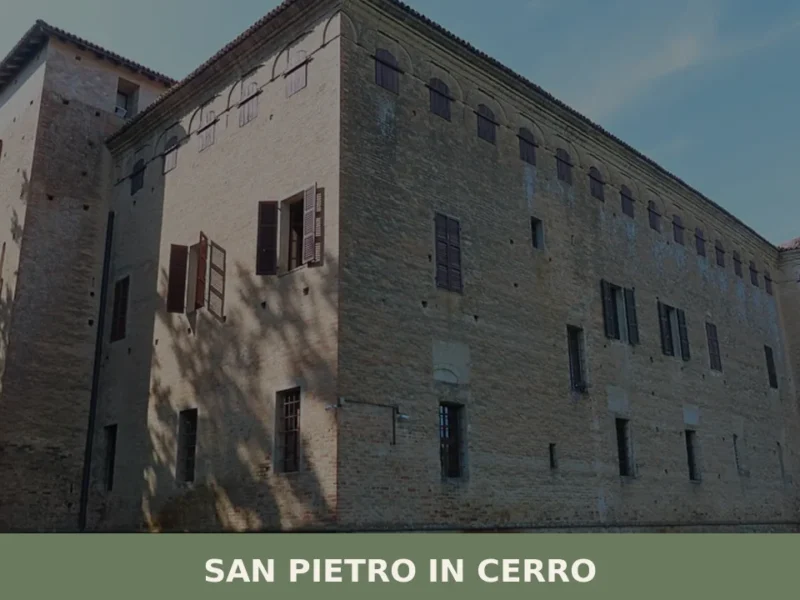
San Pietro in Cerro
Plains
With its 769 inhabitants and an elevation of just 44 metres above sea level, San Pietro in Cerro is one of the smallest municipalities in the province of Piacenza, spread across the alluvial plain between the Arda torrent and the Po river. The fifteenth-century castle of the Barattieri counts, still standing today with its square-plan […]
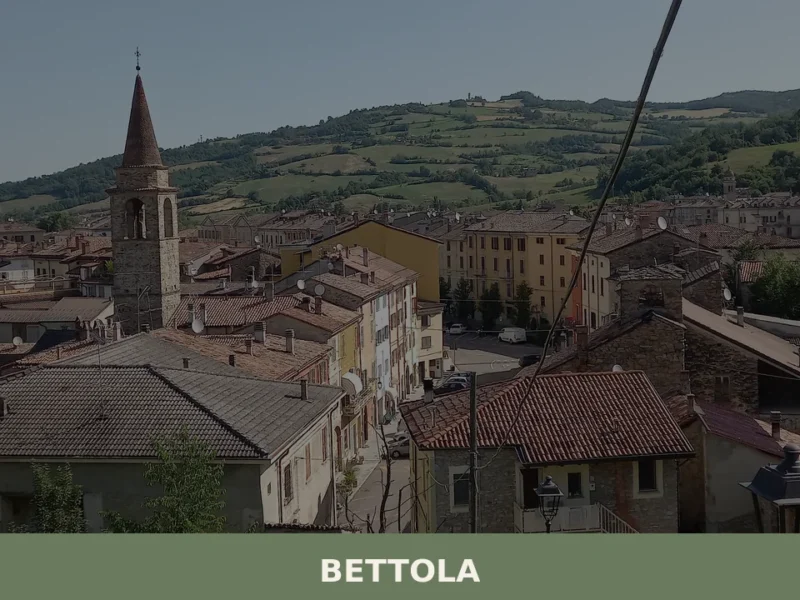
Bettola
 Hills
Hills
What to see in Bettola: a Val Nure village at 329 m with 2,983 residents. Discover the Sanctuary of the Madonna della Quercia, Piacenza DOP cured meats and how to get there.
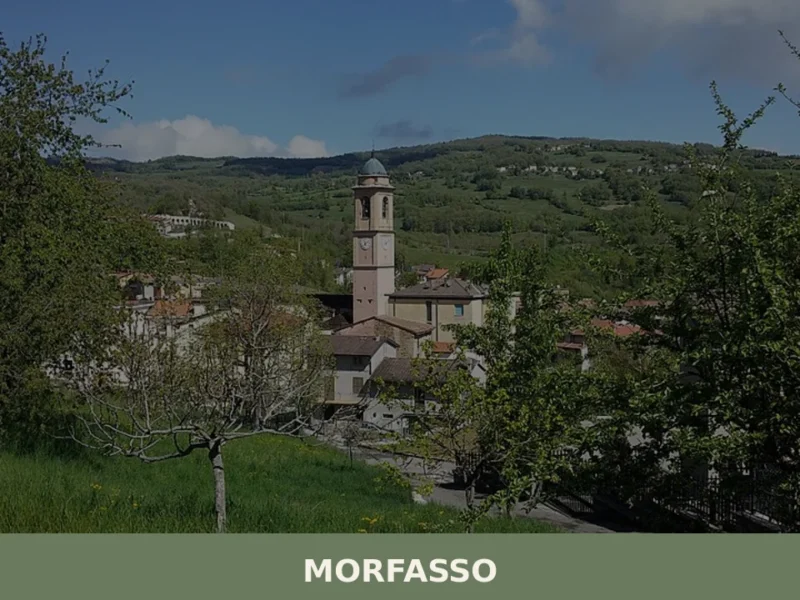
Morfasso
 Mountain
Morning mist settles into the valley below like poured milk, and from 631 metres above sea level, the stone houses of Morfasso emerge into sharp Apennine light. A church bell marks seven o’clock to an audience of 884 residents spread across a constellation of hamlets. This is Morfasso, a municipality in the province of Piacenza […]
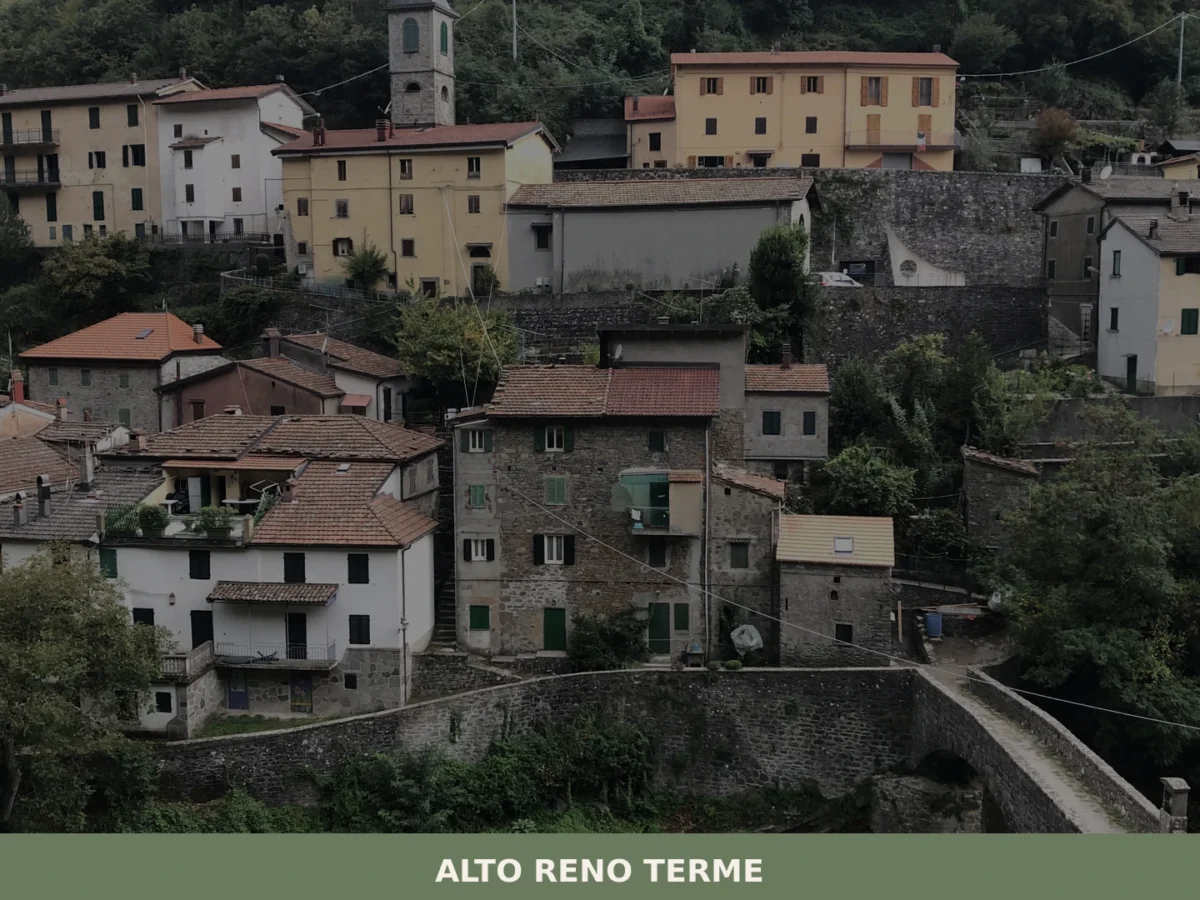
Alto Reno Terme
Mountain
What to see in Alto Reno Terme: 5 unmissable attractions, from thermal baths and historic villages to Apennine nature. Discover the complete guide to plan your visit.
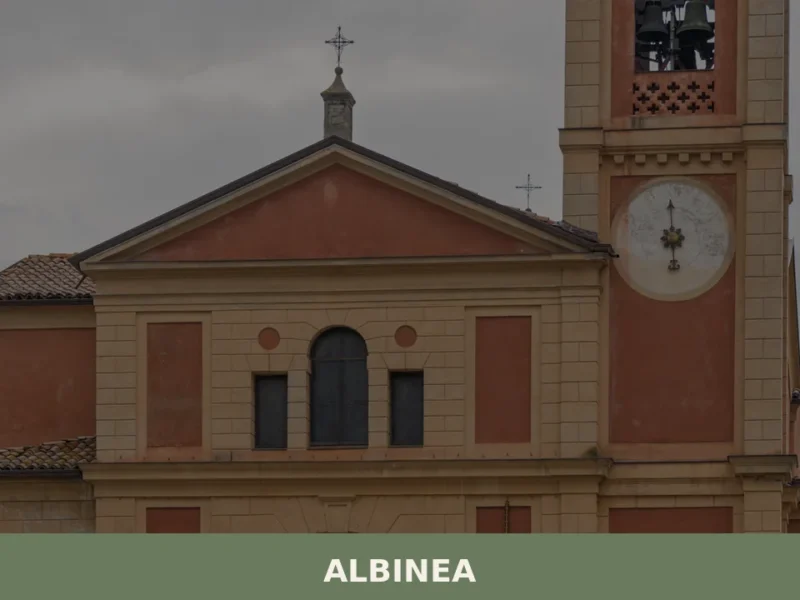
Albinea
Plains
What to see in Albinea, Italy: explore 8,882 inhabitants, medieval history since 980 AD, Apennine foothills landscape and local food. Discover the full guide.
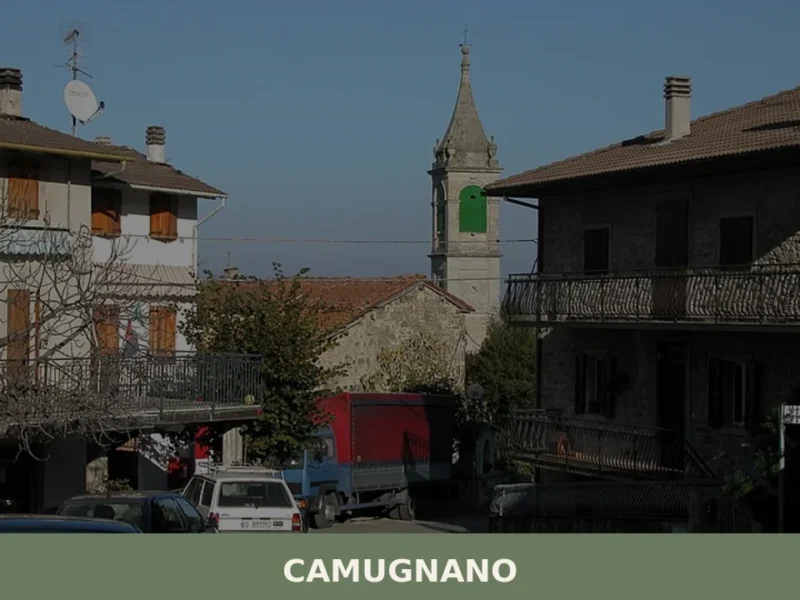
Camugnano
Mountain
In 1911, when the construction of the Suviana Dam transformed the course of the Limentra torrent, Camugnano changed its appearance forever. The water submerged farmland and footpaths, creating an artificial reservoir that now defines the landscape of the upper Bolognese Apennines at an altitude of 692 metres. This municipality of 1,948 inhabitants, spread across scattered […]
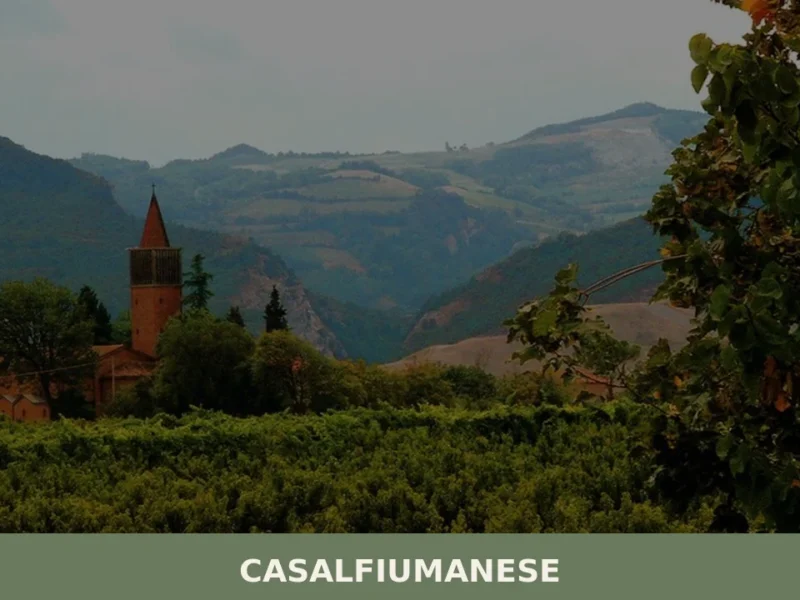
Casalfiumanese
Plains
About twenty kilometres from Imola, along the valley of the Sillaro stream, the municipal territory of Casalfiumanese stretches between the lower plain and the first hills of the Bolognese Apennines, covering an elevation range from 50 to nearly 500 metres above sea level. The main town, sitting at 125 metres above sea level, has approximately […]
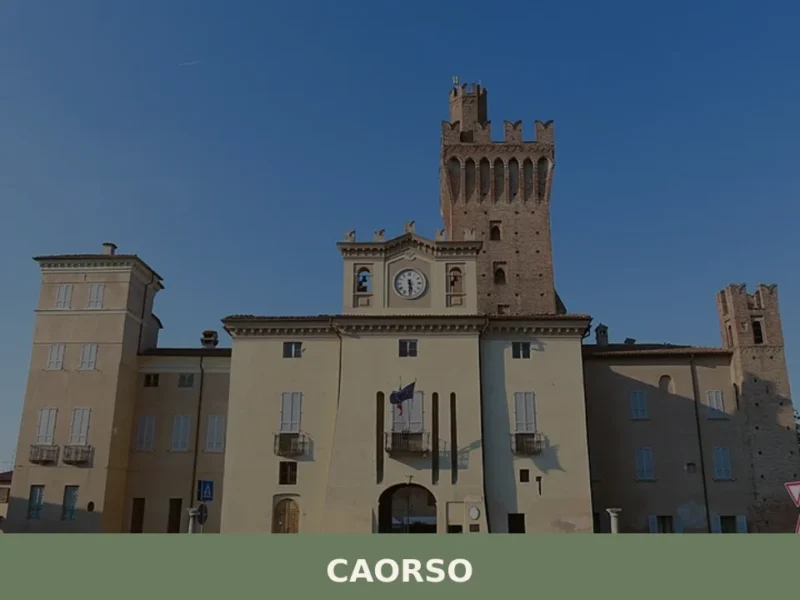
Caorso
Plains
What to see in Caorso: explore the medieval castle and the Parish Church of Santa Maria Assunta. Population 4,859, elevation 46m. Plan your visit now.
Alseno
Plains
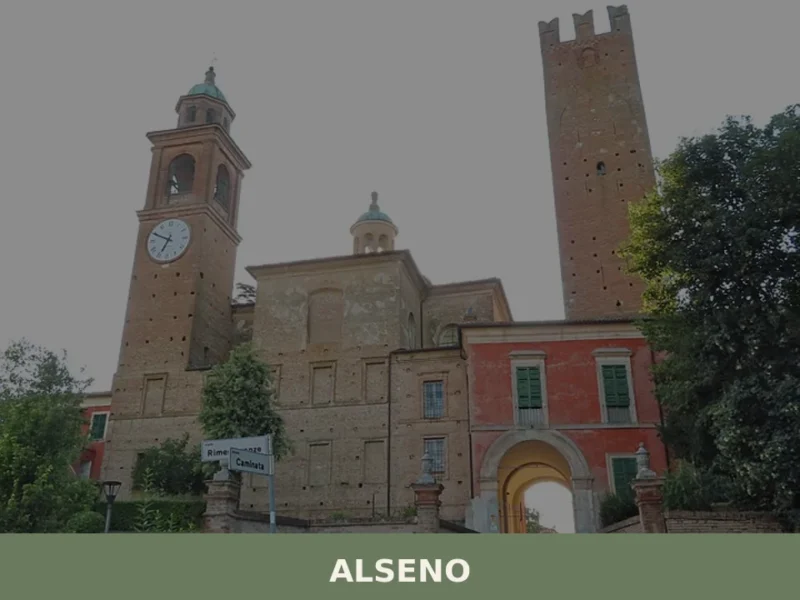
Alseno sits at 79 metres above sea level in the province of Piacenza, on the plain crossed by the Ongina stream, a tributary of the Po. In this article History and Origins of Alseno What to See in Alseno: Main Attractions Local Food and Products of Alseno Festivals, Events and Traditions of Alseno When to […]
Argelato
Plains
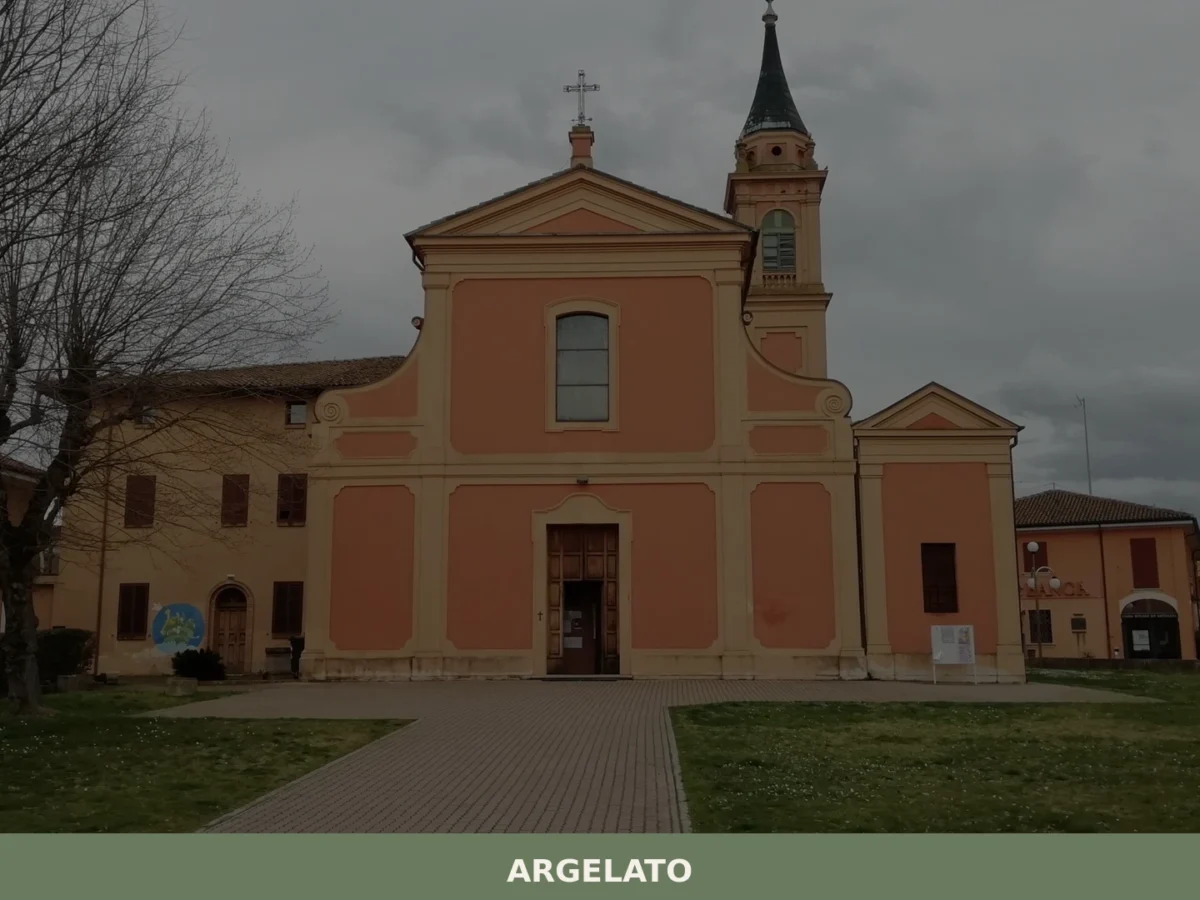
What to see in Argelato? Explore the 5 main attractions of this Emilian village. Our complete guide awaits for your trip. Read now!
🏡 Know Brescello better than we do?
If you’re a local or have been there, your knowledge matters: add what’s missing or fix a detail on this page.