


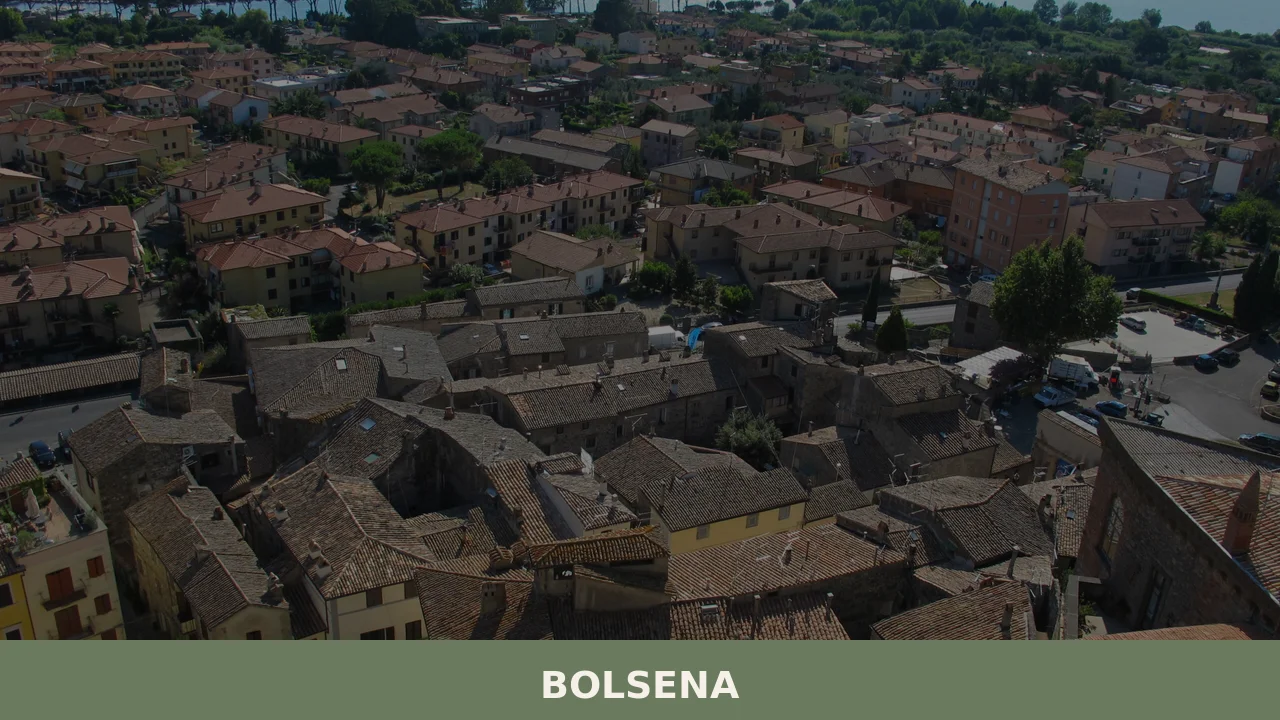
Bolsena
 Hills
Hills
 Lake
Lake
What to see in Bolsena, Lazio, Italy: the 1263 Eucharistic Miracle, Basilica of Santa Cristina, Lake Bolsena at 350 m. Discover history, food and how to get there.
Discover Bolsena
The water of Lake Bolsena holds a particular grey-green stillness in the early morning, before the eastern shore catches the light.
At 350 m (1,148 ft) above sea level, the town sits directly on that shore, its volcanic stone buildings descending toward the water in a tight arrangement that the ancient Via Cassia — today’s highway SR143 — cuts through before continuing north.
Etruscan tomb sites ring the surrounding hills, and the remains of Roman Volsinii lie beneath layers of later construction, leaving a landscape that reads in geological and historical strata simultaneously.
Deciding what to see in Bolsena means engaging with over two thousand years of layered occupation — Etruscan, Roman, medieval, and Renaissance — concentrated in a town of just 4,147 inhabitants in the province of Viterbo, northern Lazio.
Visitors to Bolsena find a 13th-century Eucharistic miracle site that directly influenced Catholic liturgy across the entire Church, a Renaissance palace built by two documented architects, and one of the largest volcanic lakes in Europe as an immediate backdrop.
The Bolsena highlights range from a specific fresco by Raphael in the Vatican to the physical reliquary that prompted its creation, making this a place where objects and events connect directly to major works of art held elsewhere in Italy.
History of Bolsena
The town’s origins are inseparable from the Etruscan city of Velzna or Velsuna — also written in Latin sources as Volsinii Veteres, meaning Old Volsinii — whose precise location has divided scholars for generations. The Roman historian Pliny the Elder recorded that a bolt from Mars destroyed the richest town in Tuscany, burning it entirely, after which the population relocated to a new site.
That new site, which scholars have identified as present-day Bolsena, was named after the destroyed city, which is why a Roman foundation carries an Etruscan place name.
The competing candidate for the original Etruscan city is Orvieto, located 20 km (12 mi) to the northeast, though the distance from the lake has led some researchers to favour the Bolsena area as the more probable location of the original settlement.
The town that emerged from this relocation became the Roman Municipium of Volsinii Novi — New Volsinii — and developed along the eastern lakeshore following the alignment of the Via Cassia, one of the principal consular roads of the Roman network.
Etruscan tombs discovered in the vicinity of Bolsena have yielded funerary objects now distributed across institutions in Italy and internationally, including a documented collection held at the British Museum in London.
George Dennis, the 19th-century writer on Etruscan sites, noted that Bolsena lacks the defensive crags typical of Etruscan urban planning, since Etruscan cities were characteristically built on high, fortifiable ridges — a detail that complicates any straightforward identification of the town as the direct Etruscan predecessor rather than a Roman replacement built nearby.
The medieval period brought Bolsena its most consequential moment of recorded history.
In 1263, a Bohemian priest celebrating Mass in the Basilica of Santa Cristina reported that the consecrated host began to bleed, soaking the corporale — the liturgical cloth placed beneath the chalice and host during Mass.
Pope Urban IV, who was residing in Orvieto at the time, received the cloth and subsequently commissioned the construction of Orvieto Cathedral to house it.
More significantly, Urban IV extended the feast of Corpus Domini to the entire Catholic Church in 1264, making Bolsena the documented origin point of a universal Catholic solemnity. During the First World War, the United States Navy established a naval air station at Bolsena on 21 February 1918 to operate seaplanes over the lake and surrounding territory; the base closed shortly after the First Armistice at Compiègne later that same year.
What to see in Bolsena, Lazio: top attractions
Basilica of Santa Cristina
The front facade of the basilica presents a layered construction history visible even from the forecourt: Romanesque stonework at the base gives way to later interventions across several centuries, reflecting the building’s continuous use since at least the early medieval period.
This is the site where the 1263 Eucharistic miracle was reported, and the corporale — the blood-stained liturgical cloth — was kept here before being transferred to Orvieto.
Inside, the Chapel of the Miracle marks the precise altar where the event was documented.
The basilica is dedicated to Santa Cristina di Bolsena, the town’s patron saint, whose feast day falls on 24 July. It is accessible year-round, and visitors examining the interior should look specifically for the medieval stonework in the lower sections of the nave walls, which predates the Renaissance modifications to the upper structure.
Palazzo del Drago
The Renaissance palace known as Palazzo del Drago was designed by two architects whose names appear in documented sources: Raffaele da Montelupo and Simone Mosca, both active in central Italy during the 16th century.
The building represents one of the more formally composed Renaissance structures in the province of Viterbo, a region where military and ecclesiastical architecture tend to dominate.
Its street elevation shows the measured proportions typical of the period, with window surrounds and rusticated stonework that distinguish it from the surrounding medieval fabric of the town. For those interested in Renaissance architecture outside the major urban centres, Palazzo del Drago provides a specific and documented example within a 15-minute walk of the lake shore.
The Eucharistic Miracle and the Corporal of Bolsena
The physical object at the centre of the 1263 event — the linen corporale bearing the blood stains — is no longer in Bolsena itself but is housed in a reliquary in Orvieto Cathedral, 20 km (12 mi) to the northeast.
That reliquary was made by the Sienese goldsmith Ugolino di Vieri between 1337 and 1338, placing the commission roughly seventy-five years after the miracle it commemorates.
Understanding what to see in Bolsena requires knowing this connection: the town holds the site and the basilica, while Orvieto holds the physical relic.
Raphael depicted the moment in a fresco known as The Mass at Bolsena, painted for the Vatican Stanze — a work that can be viewed in the Apostolic Palace in Rome, 96 km (60 mi) to the southeast. The town of Bolsena is therefore the origin point of a documented chain of objects and commissions spread across three separate locations in central Italy.
Etruscan Tomb Sites
Several Etruscan tomb sites have been excavated in the territory immediately surrounding Bolsena, yielding funerary goods that date the area’s pre-Roman occupation across multiple centuries.
The objects recovered from these sites are distributed among institutions both within Italy and abroad, with a notable collection documented at the British Museum.
The tombs themselves are cut into the volcanic tuff — the same compressed volcanic material that characterises the geology of northern Lazio — and their chamber-style construction follows patterns found across the broader Etruscan cultural zone.
Visitors interested in the Etruscan archaeological context of northern Lazio may also find relevant material at Gradoli, a small comune on the western shore of Lake Bolsena where the volcanic landscape preserves comparable traces of pre-Roman occupation in the surrounding countryside.
Lake Bolsena and the Eastern Shore
Lake Bolsena is the largest volcanic lake in Europe by surface area, formed within a volcanic caldera, and Bolsena sits directly on its eastern shore at 350 m (1,148 ft) elevation. The Via Cassia, following the lakeshore for a considerable stretch, gives arriving visitors a direct view of the water as they approach from either Montefiascone — 10 km (6 mi) to the south-south-east — or Viterbo, 36 km (22 mi) to the southeast.
The lake contains two small islands, Bisentina and Martana, both visible from the shore.
The water quality of Lake Bolsena has historically been associated with the coregone, a freshwater whitefish native to the lake, which appears on menus in the town’s restaurants.
Walking the lakeshore path in the early morning or late afternoon, when the tourist boat traffic is minimal, gives the clearest view of the islands and the western hills rising above the opposite shore.
Local food and typical products of Bolsena
The cooking of the Lake Bolsena area reflects the dual logic of a freshwater fishing economy and an agricultural interior dominated by volcanic soils.
Northern Lazio’s food culture generally sits between the Roman tradition to the south and the more Tuscan-influenced patterns of the upper Tiber valley, and Bolsena occupies this intermediate position with a repertoire that draws on both lake produce and the legumes, greens, and cured meats typical of the Viterbo province’s hill farming.
The town’s position on the Via Cassia — a road used continuously since Roman times — means that trade contacts with Siena, Orvieto, and Rome have historically shaped what ingredients circulated through local kitchens.
The most distinctive ingredient associated with Bolsena’s cooking is the coregone, the indigenous freshwater whitefish that lives in the volcanic lake.
It is typically prepared either grilled over wood coals or baked with olive oil, garlic, and local herbs — a technique that keeps the flesh intact without masking the fish’s relatively mild, clean flavour.
Anguilla in umido, a slow-cooked eel preparation using tomatoes, white wine, and aromatic herbs, is a second lake-sourced dish with documented local use.
Away from the water, acquacotta — literally “cooked water,” a vegetable and bread soup thickened with egg — belongs to the broader Maremma and northern Lazio peasant tradition and appears on menus throughout the Viterbo area including Bolsena. Local bread, baked in wood-fired ovens, uses a naturally leavened dough and produces a dense crumb with a hard crust suited to absorbing the brothy soups of the local repertoire.
The volcanic soils around Lake Bolsena support cultivation of lentils and farro — an ancient emmer wheat — both of which are used in winter soups alongside cured pork. Pecorino cheese from the broader Viterbo area, produced from sheep’s milk and aged for variable periods, appears on local tables either fresh (fresco) or matured (stagionato).
The olive groves on the lake’s hillsides produce oil with a relatively low acidity characteristic of the volcanic mineral-rich soil, though no specific DOP or IGP certification for Bolsena-area oil appears in the available sources.
Visitors looking to purchase local products directly should check the weekly market, which supplies seasonal vegetables, lake fish, and local cheeses.
Festivals, events and traditions of Bolsena
The most significant annual event in Bolsena is the feast of Santa Cristina di Bolsena, the town’s patron saint, celebrated on 24 July.
The celebrations are centred on the Basilica of Santa Cristina and include a procession through the main streets of the town, with the saint’s image carried through the historic centre accompanied by local civic and religious organisations.
The feast connects directly to the broader identity of Bolsena as a site of documented Catholic significance, and it draws visitors from the surrounding province as well as pilgrims travelling the Via Francigena, the historic pilgrim road that passes through this section of Lazio on its route toward Rome.
The feast of Corpus Domini holds particular significance in Bolsena given that the town’s 1263 miracle provided the documented origin of the universal Catholic feast. Local observance of Corpus Domini typically involves the decoration of streets with floral compositions — a practice common across central Italian towns where the feast is marked with public display — and a procession from the basilica. The connection between the town and the feast gives the June celebration a historical weight that distinguishes it from similar events in other Lazio communities.
Both the July patron feast and the June Corpus Domini observance represent the two principal moments in Bolsena’s annual religious and civic calendar.
When to visit Bolsena, Italy and how to get there
The best time to visit Bolsena for a combination of comfortable temperatures, manageable visitor numbers, and access to outdoor lake activities falls in late spring — May and early June — and early autumn, specifically September and October.
July and August bring higher temperatures typical of the central Italian summer, and the lake attracts significant numbers of Italian domestic visitors during the August holiday period, which increases demand for accommodation and adds congestion to the lakeshore roads.
For visitors coming specifically for the feast of Santa Cristina, 24 July represents a fixed commitment that falls within the busier summer window, but the event itself is worth planning around.
Spring and autumn also offer the most direct access to the countryside and the Etruscan tomb sites without the midday heat that makes outdoor walking uncomfortable in July and August.
Bolsena sits 36 km (22 mi) northwest of Viterbo and approximately 120 km (75 mi) north of Rome, making it a practical day trip from the capital by car. If you arrive by car from Rome, take the A1 motorway northbound and exit at Orvieto, then follow the SR71 south toward the lake, a drive of roughly 25 km (16 mi) from the exit.
Alternatively, exit the A1 at Orte and continue northwest via Viterbo on the SR2 before picking up the SR2bis toward Bolsena — a slightly longer route but useful if combining the visit with a stop in Viterbo.
No direct train service reaches Bolsena; the nearest rail connections are at Orvieto and Viterbo, both served by Trenitalia, from which onward travel to Bolsena requires a bus or taxi. For international visitors flying into Italy, Rome Fiumicino airport lies approximately 140 km (87 mi) to the south, reachable in around 90 minutes by car under normal traffic conditions.
English is spoken in fewer establishments than in major urban centres, and carrying euro cash is practical for smaller purchases and market stalls.
Visitors combining Bolsena with other northern Lazio destinations may consider routing through Calcata, a volcanic tuff village in the Treja valley southeast of Viterbo, which shares the broader geological and archaeological context of the region.
For those approaching from the Rieti area to the east, the hill village of Morro Reatino represents a logical stop on a broader northern Lazio itinerary that takes in both the Viterbo province and the Rieti valley before reaching the lake.
Planning what to see in Bolsena alongside one or two nearby stops makes the most of the drive time from Rome and allows a more complete picture of how northern Lazio’s volcanic geography has shaped settlement, agriculture, and religious life across a compact area.
Frequently asked questions about Bolsena
What is the best time to visit Bolsena?
Late spring (May–June) and early autumn (September–October) offer mild temperatures and smaller crowds, ideal for exploring the basilica and lakeshore. Summer is the busiest season, when the lake draws Italian and international visitors; the town is most animated around 24 July, the feast day of patron saint Cristina di Bolsena, celebrated at the Basilica of Santa Cristina. Winter is quiet but allows unobstructed visits to the town's monuments and a particularly atmospheric view of the grey-green lake at dawn.
What are the historical origins of Bolsena?
Bolsena stands on the site of the Roman municipium of Volsinii Novi, founded after the destruction of the Etruscan city of Velzna (Volsinii Veteres), which Roman sources record was burned. The competing candidate for the original Etruscan city is Orvieto, 20 km to the northeast. Etruscan tomb sites cut into volcanic tuff ring the surrounding hills; funerary objects recovered from them are held at institutions including the British Museum. The town's most decisive historical moment came in 1263, when a reported Eucharistic miracle here directly led Pope Urban IV to extend the feast of Corpus Domini to the entire Catholic Church.
What to see in Bolsena? Main monuments and landmarks
The Basilica of Santa Cristina is the essential stop: it marks the site of the 1263 Eucharistic miracle, contains the Chapel of the Miracle at the precise altar where the event occurred, and is accessible year-round. Palazzo del Drago is a documented 16th-century Renaissance palace designed by Raffaele da Montelupo and Simone Mosca, reachable within a 15-minute walk of the lakeshore. Etruscan chamber tombs cut into volcanic tuff are scattered across the surrounding territory. Note that the blood-stained corporale is housed in Orvieto Cathedral, 20 km northeast, and Raphael's related fresco is in the Vatican Apostolic Palace, Rome.
What are the main natural or scenic attractions of Bolsena?
Lake Bolsena is the largest volcanic lake in Europe by surface area, formed within a caldera, and Bolsena sits directly on its eastern shore at 350 m elevation. Two small islands — Bisentina and Martana — are visible from the shoreline. The lakeshore path is best walked in early morning or late afternoon when boat traffic is minimal, offering clear views of the islands and the western hills. The surrounding landscape is composed of volcanic tuff, the same compressed material that characterises northern Lazio's geology and houses the local Etruscan tombs.
Where to take the best photos in Bolsena?
The eastern lakeshore at dawn captures the characteristic grey-green stillness of Lake Bolsena before the light reaches the water from the east — the most atmospheric time of day. The approach along the Via Cassia (SR143) from Montefiascone, 10 km to the south-southeast, provides a direct frontal view of the lake and town as the road follows the shoreline. From the shore itself, both islands — Bisentina and Martana — frame well against the western hills, particularly in low morning or evening light.
Are there museums, churches or historic buildings to visit in Bolsena?
The Basilica of Santa Cristina is the town's principal religious building, with documented Romanesque stonework at the base of the facade and medieval masonry visible in the lower nave walls, predating Renaissance modifications to the upper structure. The Chapel of the Miracle inside marks the exact site of the 1263 event. Palazzo del Drago, designed by Raffaele da Montelupo and Simone Mosca, is one of the most formally composed Renaissance buildings in the province of Viterbo. Specific opening hours and admission fees should be confirmed locally, as they vary by season.
What can you do in Bolsena? Activities and experiences
Walking the lakeshore path in early morning or late afternoon is the most immediate activity, with views of Bisentina and Martana islands. The town's restaurants serve coregone, the lake's indigenous whitefish, grilled or baked — a direct food-and-place experience tied to the volcanic lake ecosystem. The Basilica of Santa Cristina can be visited as part of a broader Corpus Domini pilgrimage route that connects Bolsena to Orvieto Cathedral (20 km northeast, housing the corporale) and to Raphael's Mass at Bolsena fresco in the Vatican, Rome (96 km southeast).
Who is Bolsena suitable for? Families, couples, hikers, solo travelers?
Bolsena suits history-focused travelers and Catholic pilgrims drawn by the Eucharistic miracle site and its direct connections to Orvieto Cathedral and the Vatican. Couples and slow-travel visitors will appreciate the lakeshore atmosphere, the small-town scale, and the quality of local fish restaurants. Families can combine the basilica visit with the lake and shoreline. Archaeology enthusiasts have the Etruscan tomb sites and the broader northern Lazio context. The town is compact and walkable at 3,708 inhabitants, making it accessible for solo travelers without a car for the central sights, though a vehicle helps for outlying tomb sites.
What to eat in Bolsena? Local products and specialties
Coregone, a freshwater whitefish native to Lake Bolsena, is the defining local ingredient — served grilled over wood coals or baked with olive oil, garlic, and herbs. Anguilla in umido, slow-cooked eel with tomatoes, white wine, and aromatic herbs, is another lake-sourced preparation documented for the area. The broader Viterbo province food culture contributes legumes, leafy greens, and cured meats from the volcanic-soil hill farming interior. The town's position on the historic Via Cassia also reflects long-standing trade contacts with Siena, Orvieto, and Rome that have shaped local ingredient circulation.
Nearby Villages near Bolsena
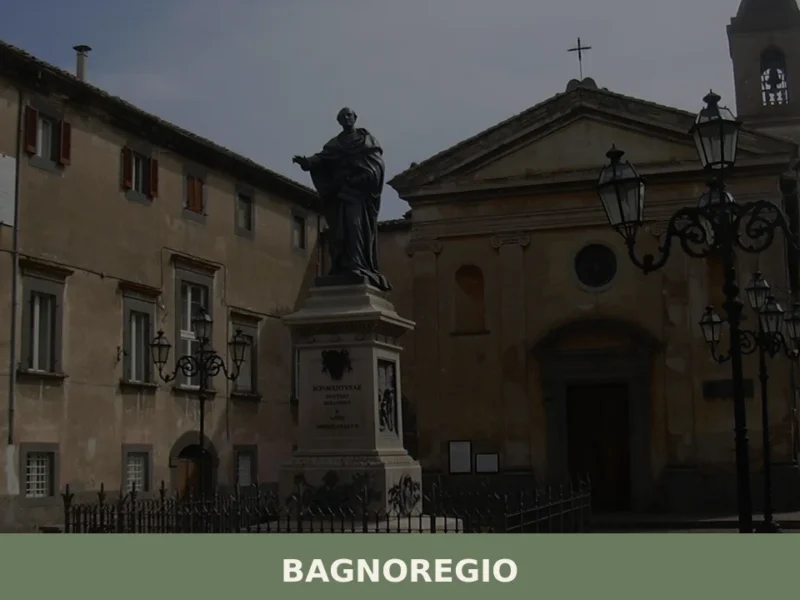
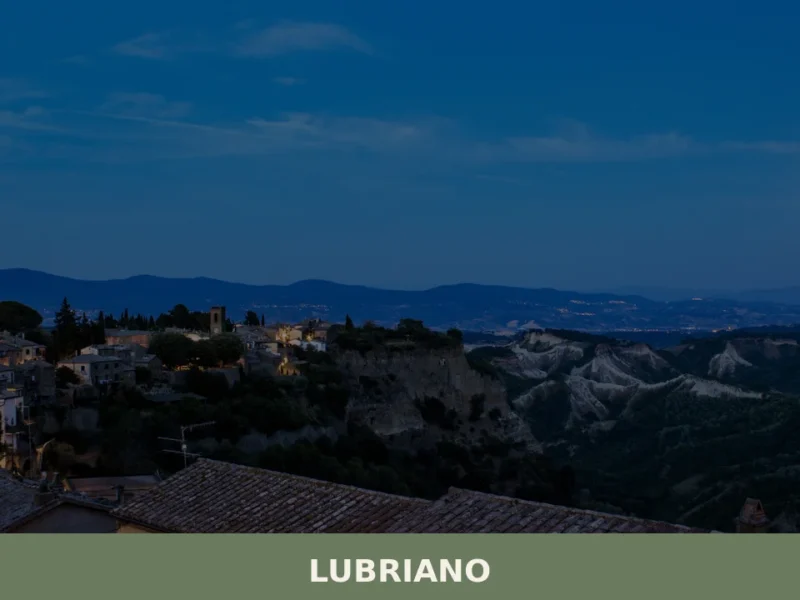
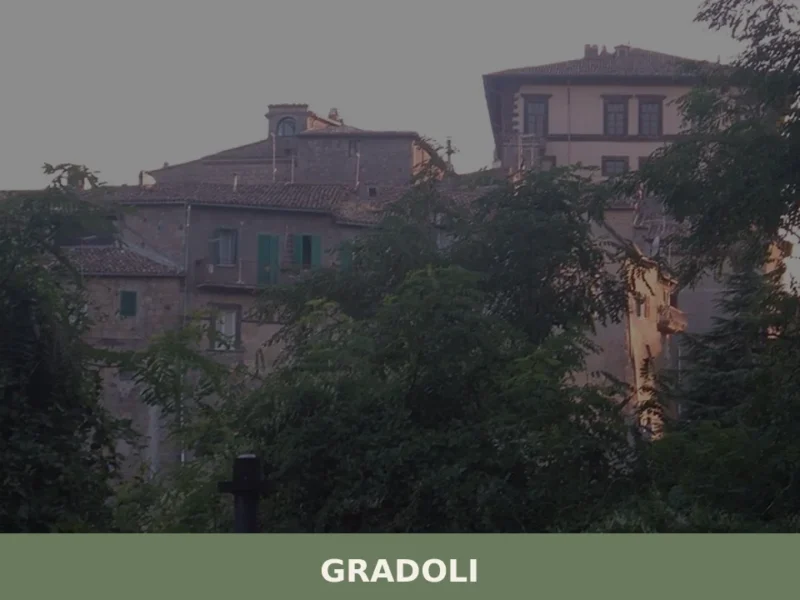
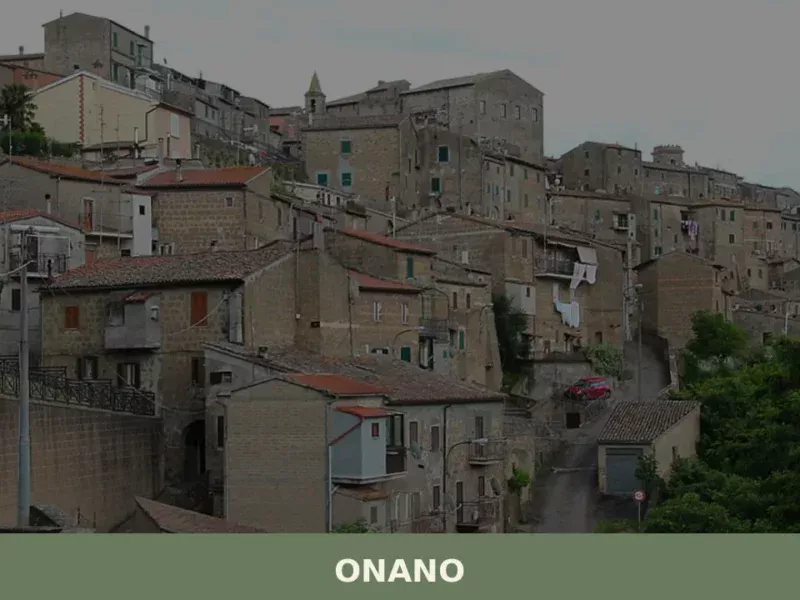
In Lazio More villages to discover
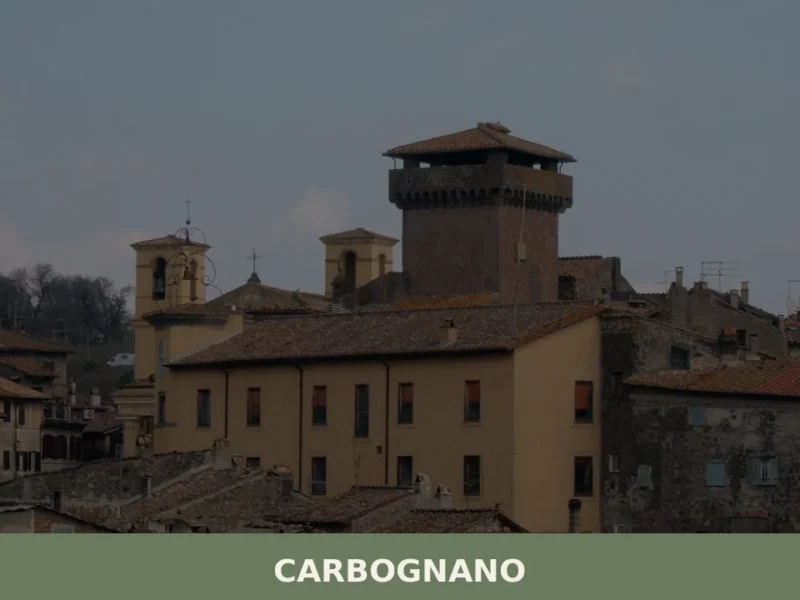
Carbognano
Hills
What to see in Carbognano, Italy: a hilltop village at 394 m, 50 km from Rome. Explore its churches, local food, and festivals. Discover Viterbo province.
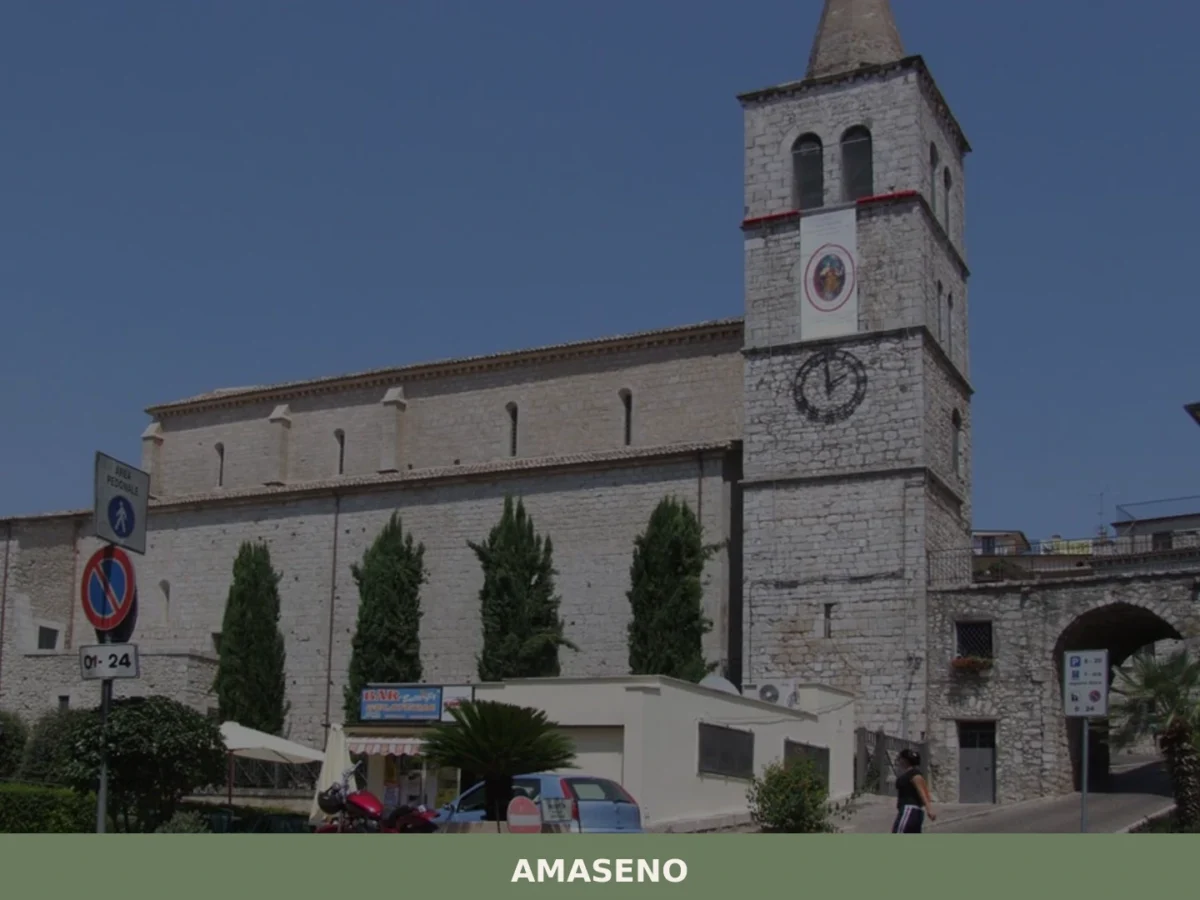
Amaseno
Hills
What to see in Amaseno: visit the 5 top attractions in this Lazio village, from the Madonna Sanctuary to Palazzo Caetani. Discover the complete guide.
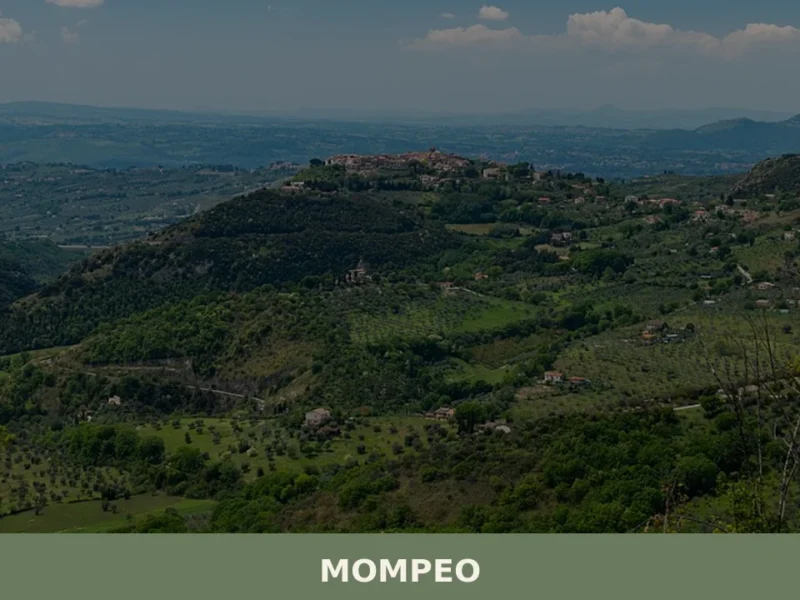
Mompeo
Hills
Discover Mompeo, a charming village in Lazio, Italy. Explore its rich history, stunning landscapes, and authentic Italian culture off the beaten path.
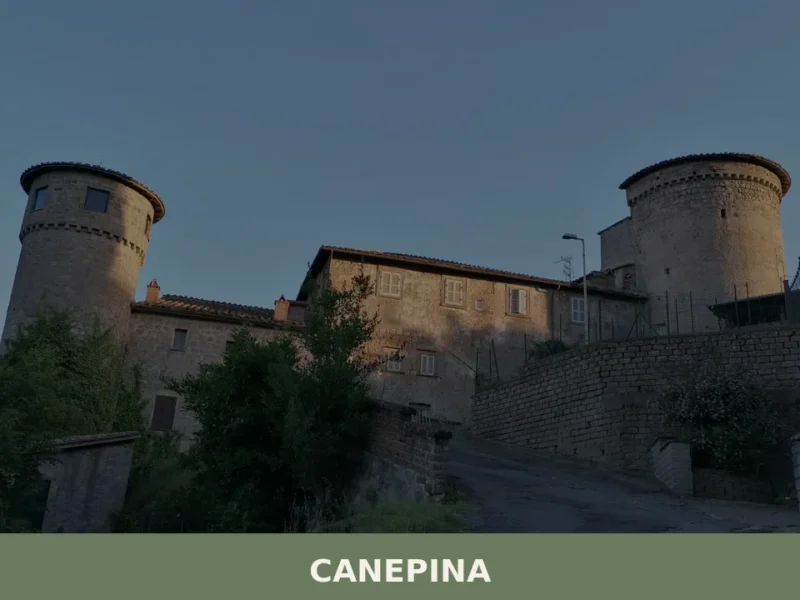
Canepina
Hills
What to see in Canepina, Lazio, Italy: explore this 3,127-inhabitant hill village 60 km from Rome. Discover its hemp heritage, patron saint feast and local cuisine.
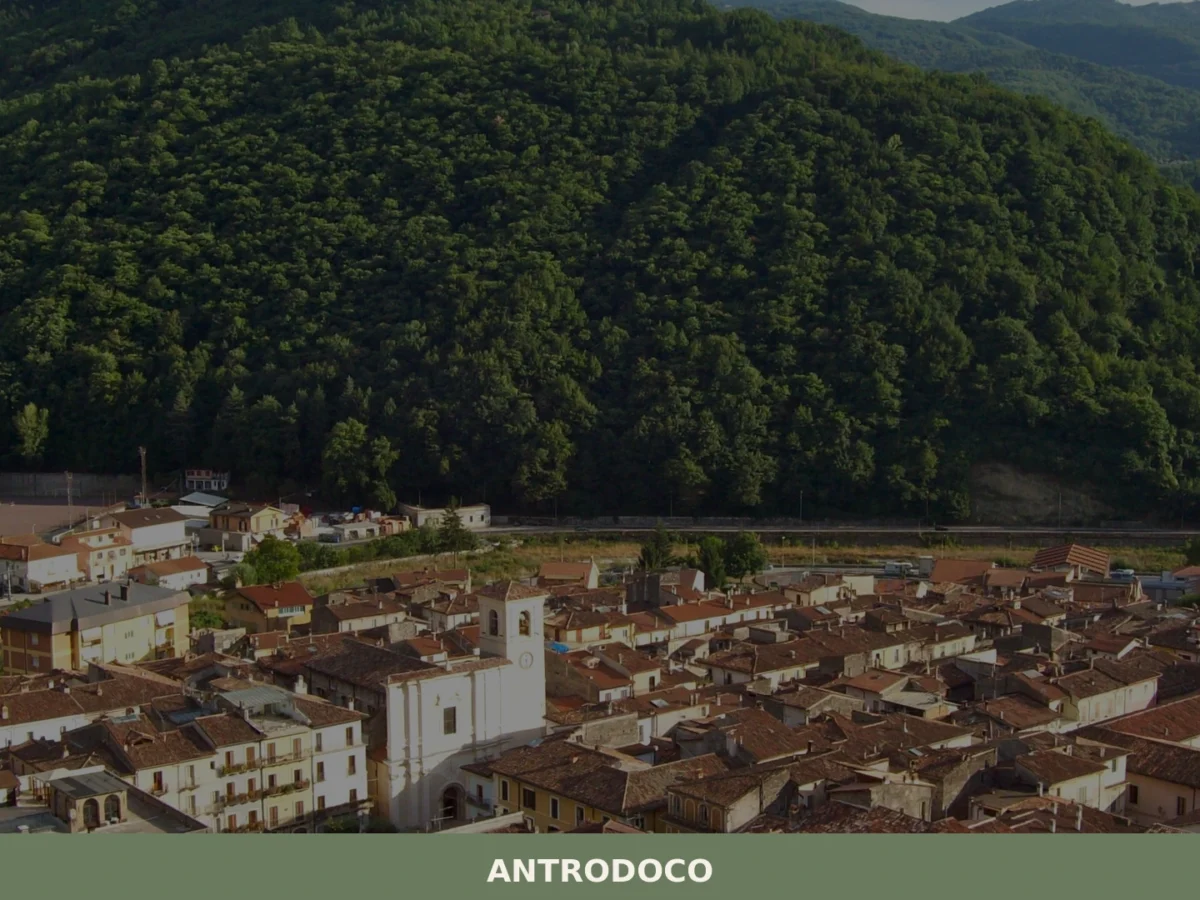
Antrodoco
Hills
What to see in Antrodoco: discover the 5 main attractions, the history of this Lazio village and how to plan your visit. A complete guide for your itinerary.
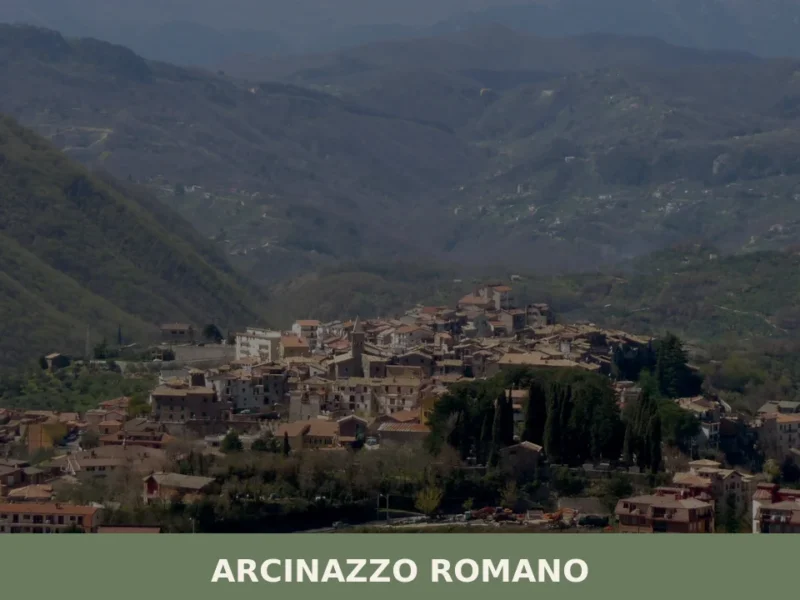
Arcinazzo Romano
 Mountain
What to see in Arcinazzo Romano, Lazio, Italy: explore Trajan's Villa ruins at 831 m altitude, the plateau landscape and local traditions. Discover the complete guide.
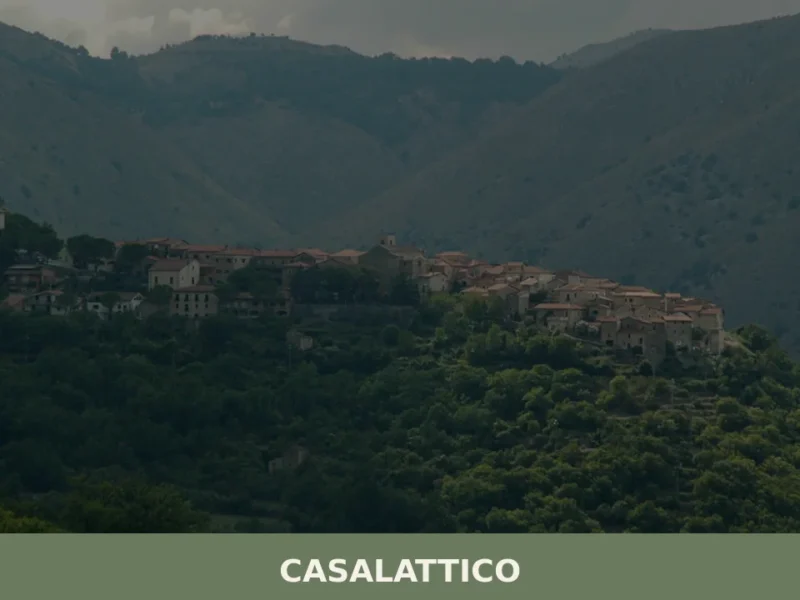
Casalattico
Hills
What to see in Casalattico, Lazio, Italy: a village at 420 m with a Norman tower, a Benedictine monastery from 780 AD and an Irish festival. Discover it now.
Acquafondata
Mountain
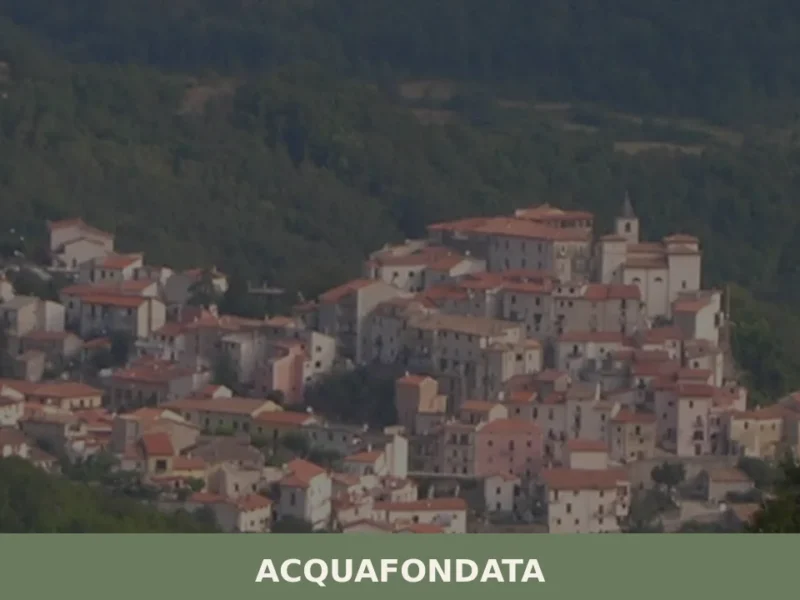
What to see in Acquafondata: discover 5 attractions in this Lazio village, from historic churches to views over the Aurunci Mountains. Plan your visit.
Albano Laziale
Hills
Lake
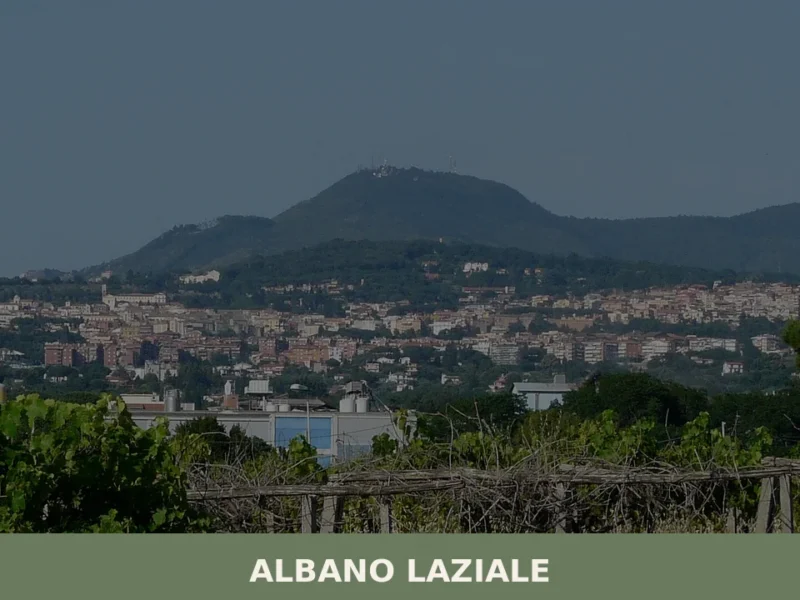
What to see in Albano Laziale, Italy: Lake Albano, Roman catacombs, and the Cathedral of St. Pancras at 400 m. Explore 38,983-inhabitant Lazio hill town. Discover now.
Proceno
Hills
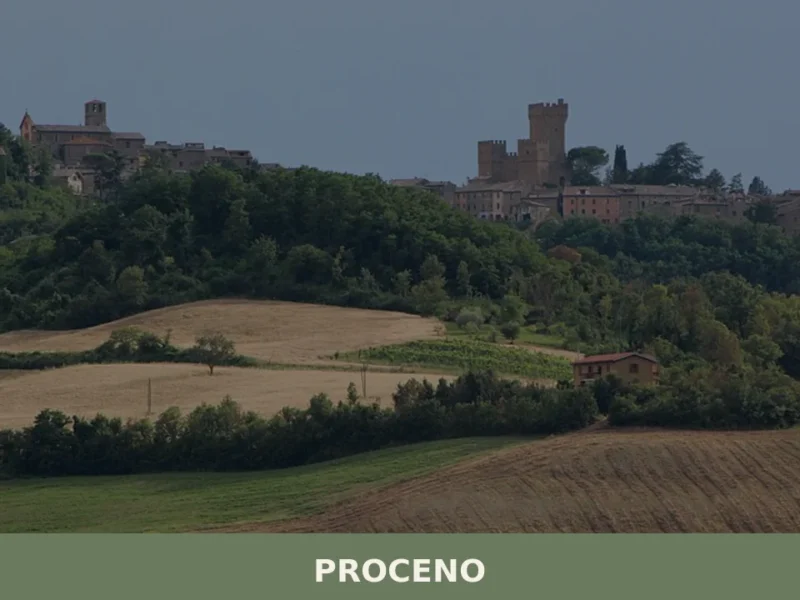
A 418 meters above sea level, in northern Lazio, the village of Proceno developed around a Fortress documented as early as the 12th century. This architectural element, central to the settlement’s development, still defines the structure of the historic center today. With a population of 519 inhabitants, Proceno is part of the Viterbo Tuscia region, […]
🏡 Know Bolsena better than we do?
If you’re a local or have been there, your knowledge matters: add what’s missing or fix a detail on this page.