


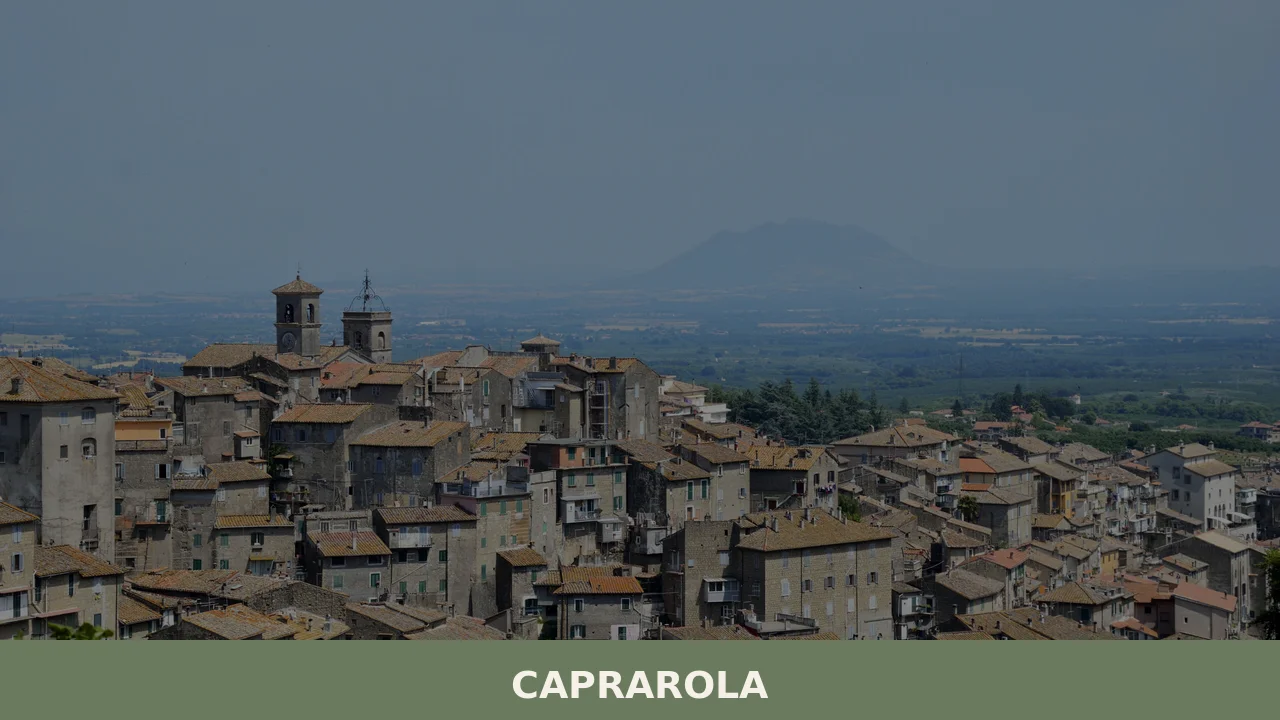
Caprarola
 Hills
Hills
 Lake
Lake
What to see in Caprarola, Lazio, Italy: Villa Farnese, volcanic hill walks, and local food at 493 m altitude. Discover this Viterbo comune in one day from Rome.
Discover Caprarola
A five-sided Renaissance structure rises at the top of the main street, its stone mass closing off the view like a wall. Cardinal Alessandro Farnese the Elder commissioned the building in 1530, and the architect Antonio da Sangallo the Younger laid the foundations of what was initially designed as a military fortress.
Work stopped four years later when the cardinal was elected pope, taking the name Paul III.
The town of 5,339 inhabitants sits at 493 m (1,617 ft) above sea level on the volcanic Cimini Mounts, in the province of Viterbo, central Italy.
Deciding what to see in Caprarola takes little time: the itinerary is anchored by Villa Farnese, one of the most complete examples of sixteenth-century Italian Renaissance architecture still standing, and extends into the surrounding volcanic landscape of northern Lazio.
Visitors to Caprarola, Lazio, Italy find a compact hill town where the main monument, the historic centre, and the natural terrain of the Cimini range are all within reach on foot.
The population of just over five thousand means the pace is that of a working comune rather than a resort, with services and streets calibrated to daily life.
History of Caprarola
The Cimini Mounts, a chain of volcanic hills running through the province of Viterbo, shaped the settlement pattern of this part of Lazio long before any written record. The terrain — compact tufa, basalt outcrops, and forested ridges — made the high ground both defensible and agriculturally productive. Caprarola grew on one of these ridges, its position giving control over routes connecting the Tiber valley to the Tyrrhenian interior.
The town’s name is widely associated with the Latin word for goat, a reference plausible given the pastoral economy of the volcanic hills, though the settlement’s character was defined far more by the feudal politics of the late medieval period.
The decisive moment in Caprarola’s recorded history came in 1530, when Cardinal Alessandro Farnese the Elder — later Pope Paul III — commissioned Antonio da Sangallo the Younger to build a pentagonal fortress on the highest point of the town.
The Farnese family controlled the area as a feudal domain, and the project was conceived as a statement of dynastic power as much as a military installation.
Construction halted in 1534 when Farnese was elected pope. The building lay incomplete for decades until the mid-sixteenth century, when Cardinal Alessandro Farnese the Younger commissioned the architect Giacomo Barozzi da Vignola to transform the unfinished fortress into a full residential villa.
Vignola retained the pentagonal plan and the circular courtyard at the core of the structure, integrating the earlier military construction into an entirely new architectural language.
Under Vignola’s direction, Villa Farnese became one of the principal architectural achievements of the Roman Cinquecento. The Farnese connection brought artists, scholars, and court culture to a town that had previously functioned as a rural administrative centre.
After the Farnese line lost political dominance in central Italy, Caprarola reverted to a quieter existence centred on agriculture and the forestry of the Cimini hills.
The villa passed through various hands before becoming state property, and the town itself remained within the orbit of Viterbo, the provincial capital approximately 20 km (12.4 mi) to the northwest. Today the municipality of Caprarola administers a territory that includes the historic core and surrounding agricultural land, with a population that has remained stable at around five thousand for several decades.
What to see in Caprarola, Lazio: top attractions
Villa Farnese
The five sides of the building’s exterior measure roughly 100 m (328 ft) per face, and the whole structure sits on a raised platform that lifts it above the roofline of the town.
Construction began in 1530 as a fortress under Sangallo the Younger, was interrupted in 1534, and resumed under Vignola from around 1559 as a residential palace for Cardinal Alessandro Farnese the Younger.
The circular inner courtyard, ringed by two orders of columns, draws the eye upward to an open sky that Vignola used deliberately to create a sense of depth.
The interior rooms include the Sala dei Fasti Farnesiani, the hall of Farnese achievements, decorated with frescoes documenting the family’s political and religious history. The villa has also served as a film location for productions including Medici: Masters of Florence, The Man from U.N.C.L.E., and The Two Popes.
Access is through the official cultural heritage management system; the approach from the main street via the stepped ramp gives the clearest reading of how Vignola integrated the building into the town’s topography.
The Gardens of Villa Farnese
Behind the villa, a formal garden extends northward along a central axis that aligns with the building’s rear facade.
The layout belongs to the Italian Renaissance garden tradition, organised around terraces, water features, and clipped hedgerows. Stone figures and carved fountains punctuate the main path, which climbs through a series of levels before reaching a casino — a small secondary pavilion — positioned at the highest point of the garden.
The elevation difference between the villa’s terrace and the casino is several metres, enough to give a clear view back over the pentagonal roof and across the Cimini landscape. The garden is best visited in late spring, from April through June, when the vegetation is dense and the water features are fully operational.
It is worth arriving early in the morning to read the garden’s geometry before other visitors arrive.
The Historic Centre and Via Filippo Nicolai
The main street rising toward Villa Farnese is lined with stone buildings that date largely from the sixteenth and seventeenth centuries, a period when the presence of the Farnese court brought construction activity to the entire town.
The street functions as a single controlled perspective, narrowing slightly as it approaches the base of the villa’s ramp, so that the building appears to grow larger as the visitor climbs.
Side alleys open onto small squares and occasional views across the volcanic valley to the south. The urban fabric is compact — the historic centre of Caprarola can be walked end to end in under twenty minutes — but individual details reward slower progress: carved door frames, coats of arms embedded in facade masonry, and the occasional loggia open to the hillside.
The patron church of the town, dedicated to Sant’Egidio Abate, stands within the historic perimeter and gives the settlement its liturgical calendar.
The Cimini Mounts and Surrounding Volcanic Landscape
Caprarola sits within the Cimini volcanic system at 493 m (1,617 ft), and the hills immediately surrounding the town preserve a landscape of mixed forest — predominantly chestnut and oak — over a basalt and tufa substrate.
The roads leading out of Caprarola toward Ronciglione to the south and Viterbo to the northwest cross terrain where the volcanic origin of the hills is visible in road cuts and stream banks.
Lake Vico, a volcanic crater lake lying roughly 7 km (4.3 mi) to the southwest of Caprarola, falls within the Parco Regionale del Lago di Vico, a protected natural area.
For those who prefer walking, the forested ridge above the town offers paths through chestnut woodland, particularly productive in October during the hazelnut and chestnut harvest season, which has shaped the local diet for centuries.
The Church of Santa Teresa
Within the historic centre, the Church of Santa Teresa represents a later phase of religious architecture compared to the Farnese construction campaign.
The building’s facade opens onto a small square and follows a sober Baroque arrangement typical of seventeenth-century Lazio ecclesiastical construction. The interior preserves altarpieces and decorative elements consistent with the period.
It stands a short distance from the main Via Filippo Nicolai and provides a point of reference for understanding the town’s religious and social history beyond the dominant presence of Villa Farnese. The adjacent streets in this part of the historic centre are narrower and less visited than the main approach to the villa, making it a useful part of the itinerary for those who want to see what to see in Caprarola beyond its principal monument.
Local food and typical products of Caprarola
The agriculture of the Cimini hills has long been organised around tree crops and small-scale livestock farming.
Chestnut and hazelnut groves dominate the forested slopes, and their products have been part of the local diet since at least the medieval period.
The volcanic soil of this part of the province of Viterbo is well suited to legumes, root vegetables, and wine grapes, and the culinary tradition of Caprarola reflects the patterns of a hill farming economy: ingredients that store well, preparations that require long cooking, and a strong preference for pork in all its preserved forms. The proximity to Viterbo and the historical influence of the Farnese court introduced some more elaborate preparations, but the everyday cooking of the town remains close to its agricultural base.
Pasta dishes in Caprarola and the surrounding Viterbo area typically use egg-based dough cut into thick ribbons and dressed with slow-cooked meat ragù, often wild boar or pork, flavoured with rosemary and local wine.
Acquacotta, a bread-thickened vegetable soup whose name translates literally as “cooked water,” is one of the oldest preparations of this part of Lazio: it combines seasonal vegetables — in winter, cavolo nero and dried beans; in summer, tomato and courgette — with stale bread and a poached egg broken in at the end.
Porchetta, whole roasted pig seasoned with wild fennel, garlic, black pepper, and rosemary, appears at local markets and festivals throughout the year.
The technique involves slow roasting over wood, and the result is a balance of crackling exterior skin against moist interior meat, served sliced in thick rounds on unsalted bread.
Hazelnuts from the Cimini area are among the most commercially significant agricultural products of northern Lazio. The local variety, used extensively by the Italian confectionery industry, is harvested in late summer.
Chestnuts from the same hills are roasted, ground into flour, and used in a range of preparations including castagnaccio, a flat cake made with chestnut flour, olive oil, rosemary, pine nuts, and raisins, baked without added sugar.
Local olive oil, pressed from groves on the lower volcanic slopes, is used across all categories of cooking and is produced in small quantities for local consumption.
The town’s market, held weekly, is the main point of direct access to local agricultural products.
In autumn, roadside stalls appear on the approaches to Caprarola selling chestnuts and hazelnuts by the kilogram. The hazelnut harvest period, from late August through September, coincides with the town’s patron saint feast day and creates a brief concentration of local activity that draws visitors from Viterbo and the surrounding comuni.
For international visitors, it is practical to carry euro cash, as smaller market stalls and local food shops may not accept card payments.
Festivals, events and traditions of Caprarola
The principal religious festival of the town is the feast of Sant’Egidio Abate, the patron saint of Caprarola, celebrated on 1 September each year. The feast follows the structure common to central Italian Catholic tradition: a solemn Mass in the morning, a procession through the historic centre carrying the image or statue of the saint, and communal gathering in the streets and squares during the afternoon and evening.
The timing in early September places the celebration at the transition between summer and the start of the autumn agricultural season, and the coincidence with the hazelnut harvest gives the feast a double character — liturgical and agricultural — that has defined its calendar position for generations.
Beyond the patron saint feast, the autumn months bring informal food-oriented gatherings tied to the chestnut and hazelnut harvests of the Cimini hills.
These are not formally structured sagre — traditional local food festivals with an organised committee and ticketed events — in every case, but rather a pattern of roadside commerce and local socialising that concentrates activity in Caprarola and neighbouring hill communes during October and November.
The town’s position within a broader network of Viterbo-area villages means that the festival calendar of the province offers multiple options across the year for visitors planning a longer stay in northern Lazio.
When to visit Caprarola, Italy and how to get there
The best time to visit Caprarola for the combination of comfortable temperatures, open attractions, and local activity is late spring — April through June — and early autumn, September through October.
In April and May the Cimini forests are fully in leaf, the garden of Villa Farnese is at its most complete, and the daytime temperature at 493 m (1,617 ft) typically ranges between 15°C and 22°C (59°F and 72°F), suitable for walking the historic centre and the surrounding paths without the heat of midsummer.
September brings the patron saint feast on the 1st and the start of the hazelnut harvest. July and August see higher temperatures and more domestic Italian visitors, while December through February can be cold and some services operate on reduced schedules.
For those asking about the best time to visit Lazio more broadly, the same spring and early autumn window applies to the volcanic hill zone north of Rome, where Caprarola sits.
Caprarola makes a practical day trip from Rome.
The distance by road is approximately 65 km (40.4 mi) north of the capital, via the A1 motorway to the Orte exit, then northwest on the Via Cassia toward Viterbo, turning off toward Caprarola. By car the journey takes between 60 and 80 minutes depending on traffic leaving Rome. If you arrive by car, parking is available at the edge of the historic centre, as the main street approaching Villa Farnese is partially pedestrianised.
For those travelling by public transport, regional trains on the Trenitalia network connect Rome Termini to Viterbo via the Roma Nord line (operated by ATAC/Cotral), with the journey taking approximately 2 hours to Viterbo; from Viterbo, local buses serve Caprarola.
The nearest major airport is Rome Fiumicino (Leonardo da Vinci International Airport), approximately 90 km (55.9 mi) from Caprarola by road.
English is spoken at the main monument but may be limited in smaller shops and local bars; carrying euro cash is advisable for market purchases and smaller establishments.
Visitors arriving from the direction of Viterbo, roughly 20 km (12.4 mi) to the northwest, pass through a stretch of the Cimini hills that includes several other small comuni worth noting. The village of Onano, in the same province of Viterbo, shares the characteristic volcanic hill terrain and the agricultural economy of northern Lazio, and can be incorporated into a longer itinerary across the province.
Similarly, those exploring the broader Lazio region might consider Calcata, a tufa-rock village in the Treja valley south of Viterbo, which presents a very different physical setting — a narrow cylinder of volcanic rock — but belongs to the same tradition of fortified hill settlements that characterises this part of central Italy.
Those extending their time in Lazio further south will find that Villa San Giovanni in Tuscia, a small comune also within the province of Viterbo, sits within reasonable driving distance and offers a quieter example of the Tuscia hill settlement pattern.
Visitors looking at what to see in Caprarola as part of a wider regional circuit can combine it with these stops across a two-day itinerary based in Viterbo.
Frequently asked questions about Caprarola
What is the best time to visit Caprarola?
Late spring (April–June) is ideal: the gardens of Villa Farnese are in full bloom, water features are operational, and temperatures at 493 m above sea level remain pleasant. October is equally rewarding for the chestnut and hazelnut harvest season in the Cimini woods. The feast of the patron saint Sant'Egidio Abate falls on 1 September, marking a local celebration worth timing a visit around. Avoid the hottest weeks of July and August if you plan to walk the surrounding forested hills.
What to see in Caprarola? Main monuments and landmarks
The unmissable monument is Villa Farnese, a pentagonal Renaissance palace begun in 1530 by Sangallo the Younger and completed by Vignola from 1559. Its circular courtyard, frescoed Sala dei Fasti Farnesiani, and formal terraced gardens are all open to visitors through Italy's official cultural heritage system (coopculture.it). The historic main street Via Filippo Nicolai, the patron church of Sant'Egidio Abate, and the Baroque Church of Santa Teresa round out the itinerary, all walkable within the compact historic centre.
What are the main natural or scenic attractions of Caprarola?
Caprarola sits within the volcanic Cimini Mounts at 493 m, surrounded by chestnut and oak forest over basalt and tufa terrain. Lake Vico, a crater lake roughly 7 km southwest of the town, lies within the Parco Regionale del Lago di Vico, a protected natural area open to walkers and cyclists. The forested ridge above the town offers paths through chestnut woodland, particularly atmospheric during the October harvest. Road cuts toward Ronciglione and Viterbo reveal the volcanic geology of the landscape.
Where to take the best photos in Caprarola?
The most photographed perspective is the approach along Via Filippo Nicolai: the street narrows toward the villa's stepped ramp, making Villa Farnese's pentagonal facade appear to grow as you climb. The circular inner courtyard offers a striking upward shot framed by two orders of columns. From the formal garden behind the villa, looking back over the pentagonal roof toward the Cimini hills provides a classic wide-angle view. Arrive early morning for soft light and minimal crowds in both the garden and the main street.
Are there museums, churches or historic buildings to visit in Caprarola?
Villa Farnese is the principal historic building, managed as a state cultural site and bookable through Italy's official heritage ticketing platform. Its interior includes the frescoed Sala dei Fasti Farnesiani and a formal Renaissance garden with a hilltop casino pavilion. Within the historic centre, the church of Sant'Egidio Abate is the town's patron church, and the Church of Santa Teresa preserves Baroque altarpieces and decorative elements from the seventeenth century. Both churches are located within a short walk of the villa.
What can you do in Caprarola? Activities and experiences
Visiting Villa Farnese and its terraced Renaissance gardens is the core experience. Walking the compact historic centre along Via Filippo Nicolai takes under twenty minutes but rewards close attention to carved doorframes and façade details. Hiking in the Cimini chestnut and oak woods above the town is feasible directly from the village. A short drive or cycle of roughly 7 km reaches Lake Vico and the Parco Regionale del Lago di Vico for lakeside walks. October brings the chestnut and hazelnut harvest, a seasonal activity rooted in centuries of local agricultural tradition.
Who is Caprarola suitable for?
Caprarola suits architecture and history enthusiasts above all: Villa Farnese is one of the finest intact Renaissance palaces in Italy. Couples looking for a quiet hill town away from mass tourism will find the compact centre and scenic surroundings appealing. Nature walkers and photographers are well served by the Cimini forests and the nearby Parco Regionale del Lago di Vico. Families with older children can combine the villa visit with easy woodland walks. The town's working pace and modest size make it less suitable for those seeking nightlife or resort amenities.
What to eat in Caprarola? Local products and specialties
The local table draws on the volcanic Cimini hills: chestnuts and hazelnuts from the forested slopes feature in both savoury and sweet preparations. Egg-based pasta cut into thick ribbons and dressed with slow-cooked wild boar or pork ragù flavoured with rosemary and local wine is a typical first course. Acquacotta, a bread-thickened vegetable soup whose name means 'cooked water', is one of the oldest preparations of the Viterbo area. Preserved pork products in all forms reflect the hill farming economy that has shaped the town's diet for centuries.
Nearby Villages near Caprarola
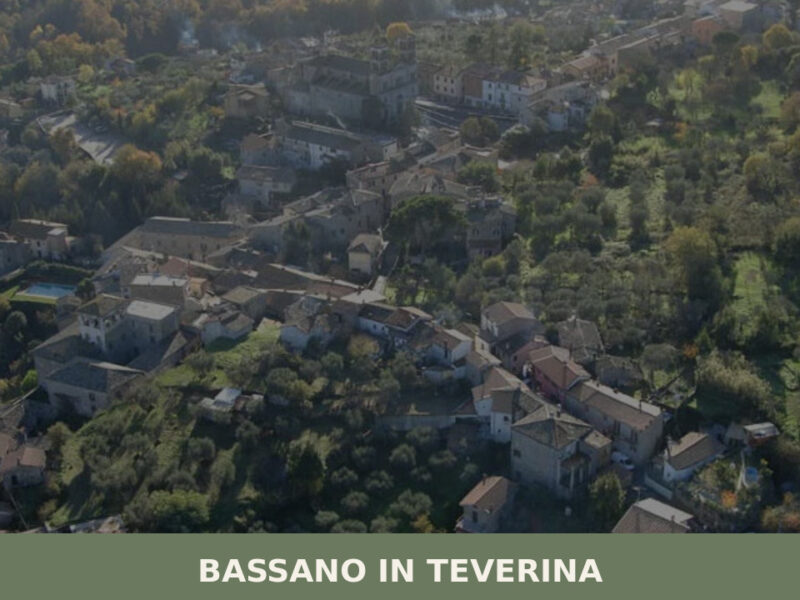
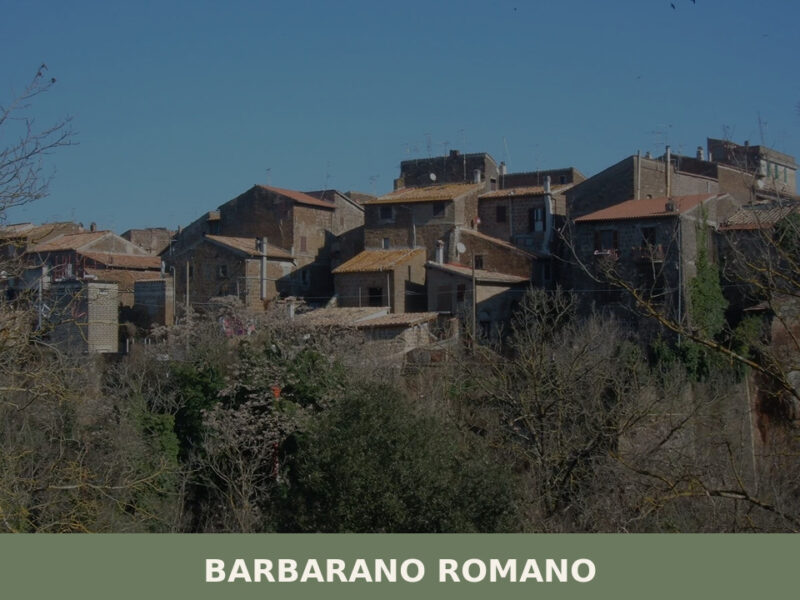
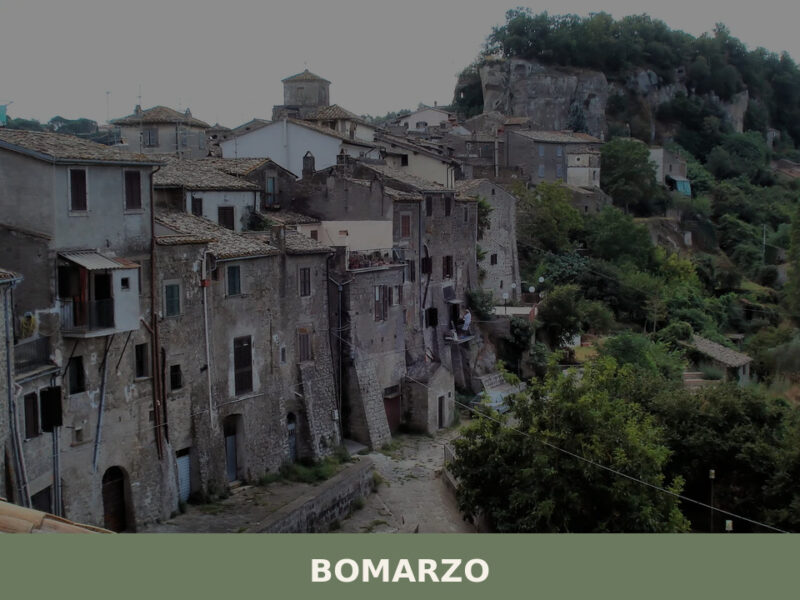
In Lazio More villages to discover
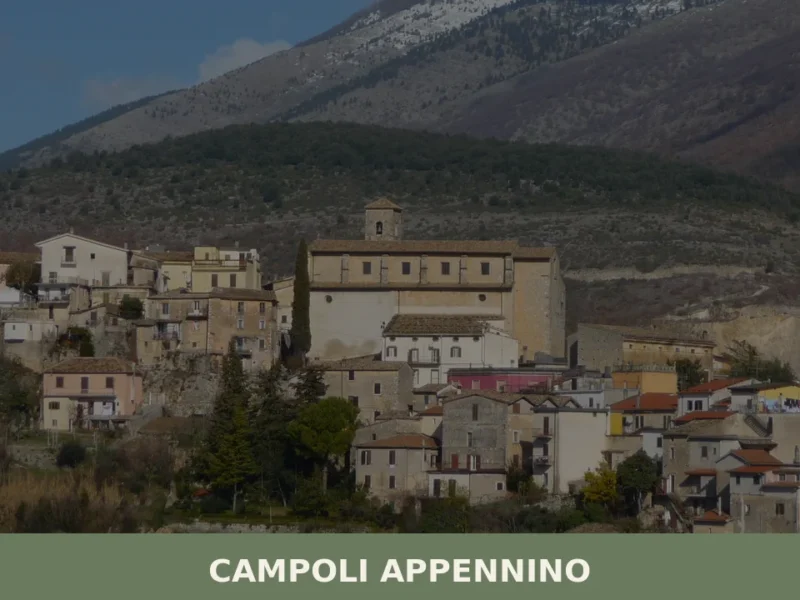
Campoli Appennino
 Mountain
What to see in Campoli Appennino, Italy: a medieval tower 25 m tall, Roman aqueduct, and patron feast on 12 May. Discover this Frosinone village at 650 m altitude.
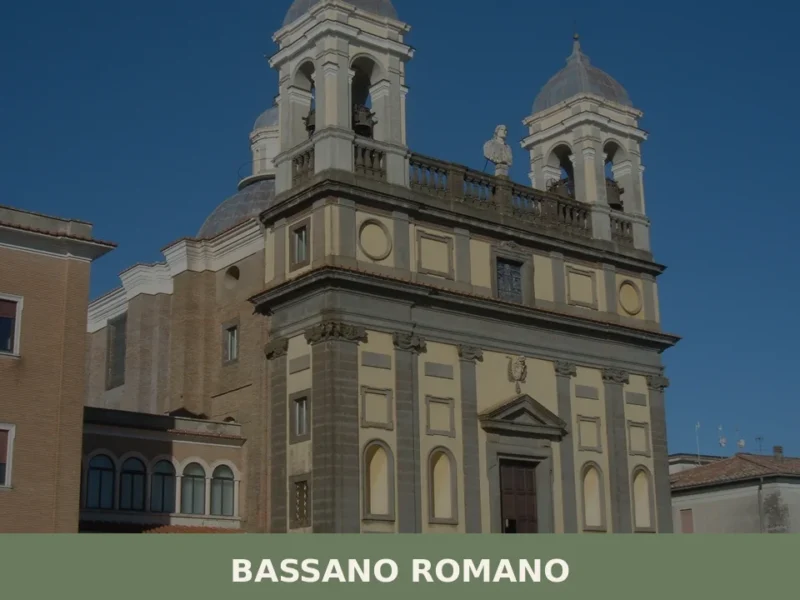
Bassano Romano
Hills
What to see in Bassano Romano, Italy: Palazzo Giustiniani, maiolica heritage, and the feast of San Gratiliano. 4,980 inhabitants at 360 m. Discover it now.
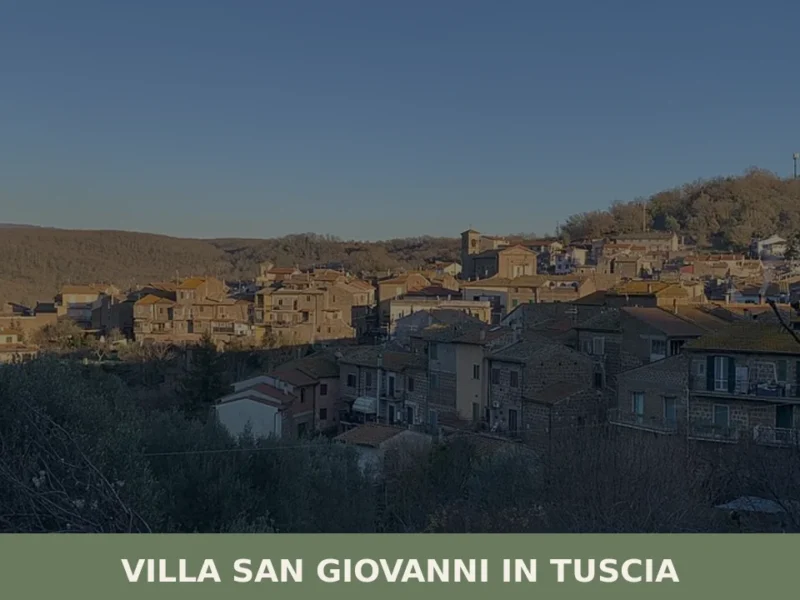
Villa San Giovanni in Tuscia
Hills
Villa San Giovanni in Tuscia has 1,196 inhabitants spread across a hilly territory at 329 metres above sea level, in the province of Viterbo. The settlement preserves a compact layout dating back to the feudal reorganisation of the late Middle Ages, when the village was under the control of baronial families that ruled upper Lazio. […]
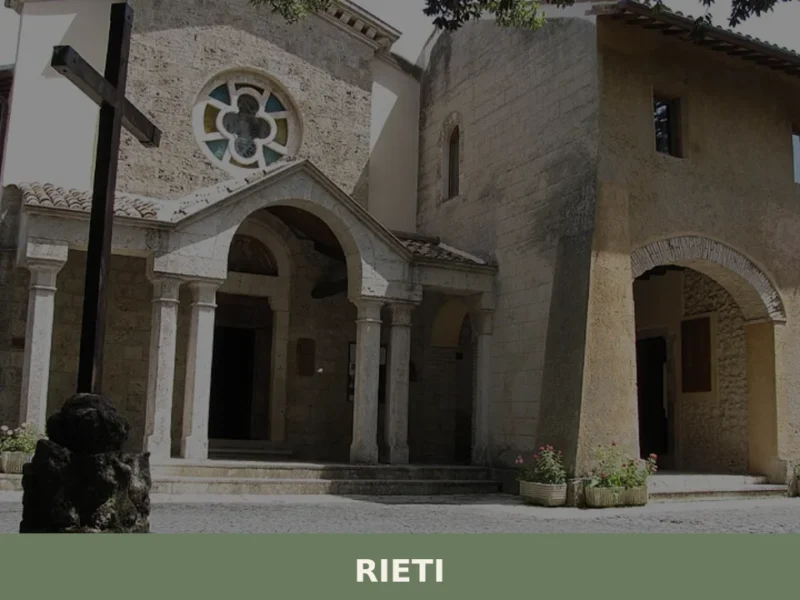
Rieti
Hills
What to see in Rieti: from the medieval walls to the Cathedral, discover the top 5 attractions. Complete guide to visiting Rieti in one day.
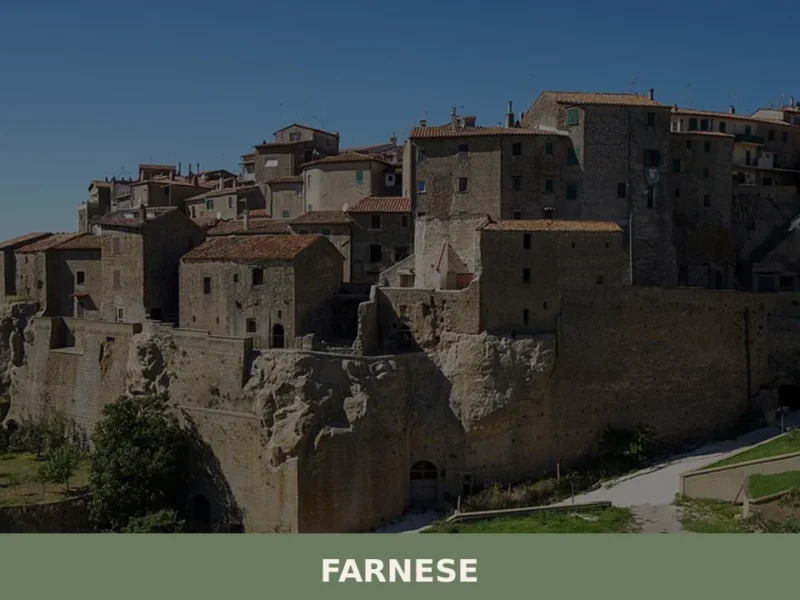
Farnese
Hills
The morning light, a pale gold filtering through the narrow aperture of a medieval archway, illuminates the rough-hewn basalt paving stones of Farnese. A faint scent of woodsmoke and damp earth hangs in the cool air, carried on a breeze that rustles the leaves of an ancient oak on the village’s periphery. Here, at 341 […]
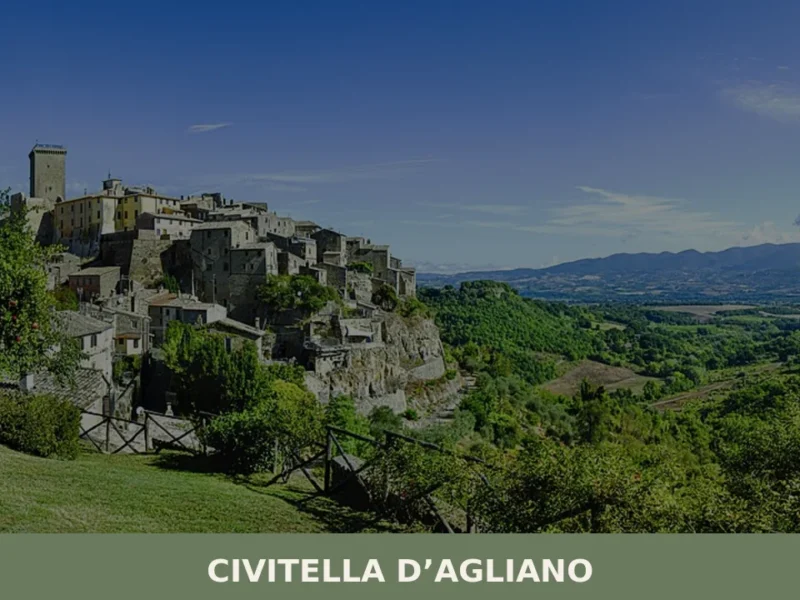
Civitella d’Agliano
Hills
What to See in Civitella d'Agliano: Tower, Castle, Festival. Discover the historic attractions of the village! Experience culture and flavors.
Acquafondata
Mountain
What to see in Acquafondata: discover 5 attractions in this Lazio village, from historic churches to views over the Aurunci Mountains. Plan your visit.
Acuto
Mountain
What to see in Acuto, Lazio, Italy: explore a hilltop village at 680 m with the birthplace of a Catholic founder and Monti Ernici views. Discover it all here.
Acquapendente
Hills
What to see in Acquapendente, Lazio, Italy: cathedral dating to 1149, Monte Rufeno Reserve and local pottery. Population 5,619. Discover the full travel guide.
Arsoli
Mountain
What to see in Arsoli, Lazio, Italy: a castle from the 11th century, medieval streets at 666 m altitude, and a Roman aqueduct. Discover the complete guide.



🏡 Know Caprarola better than we do?
If you’re a local or have been there, your knowledge matters: add what’s missing or fix a detail on this page.